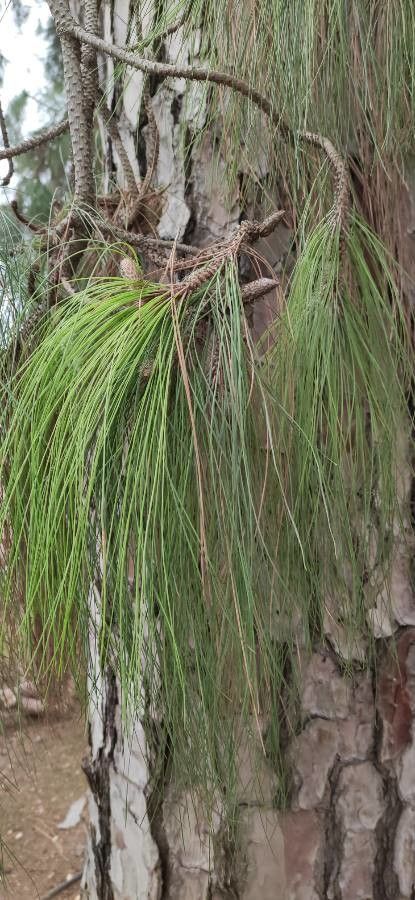
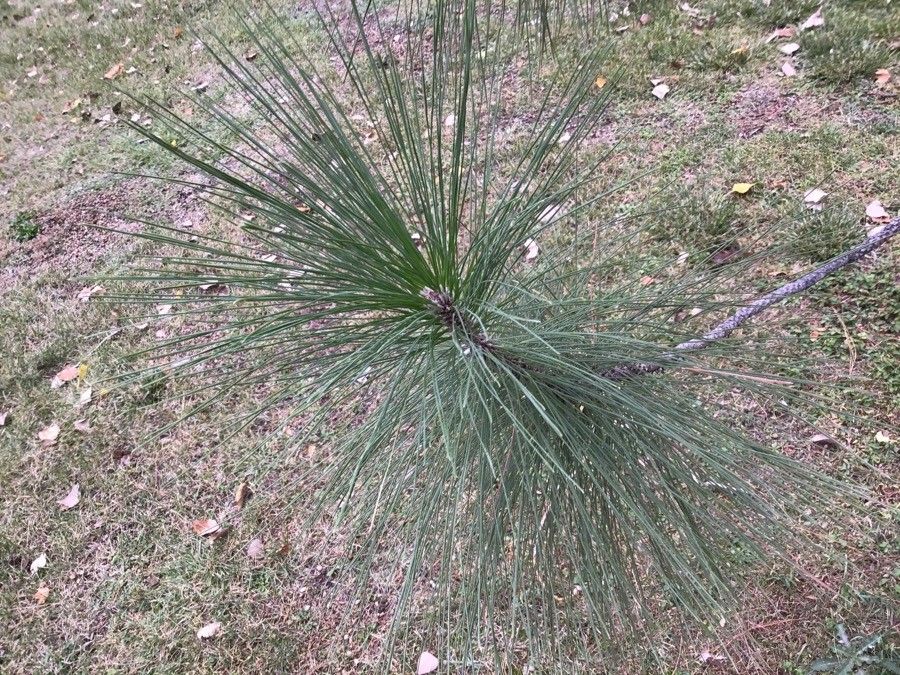
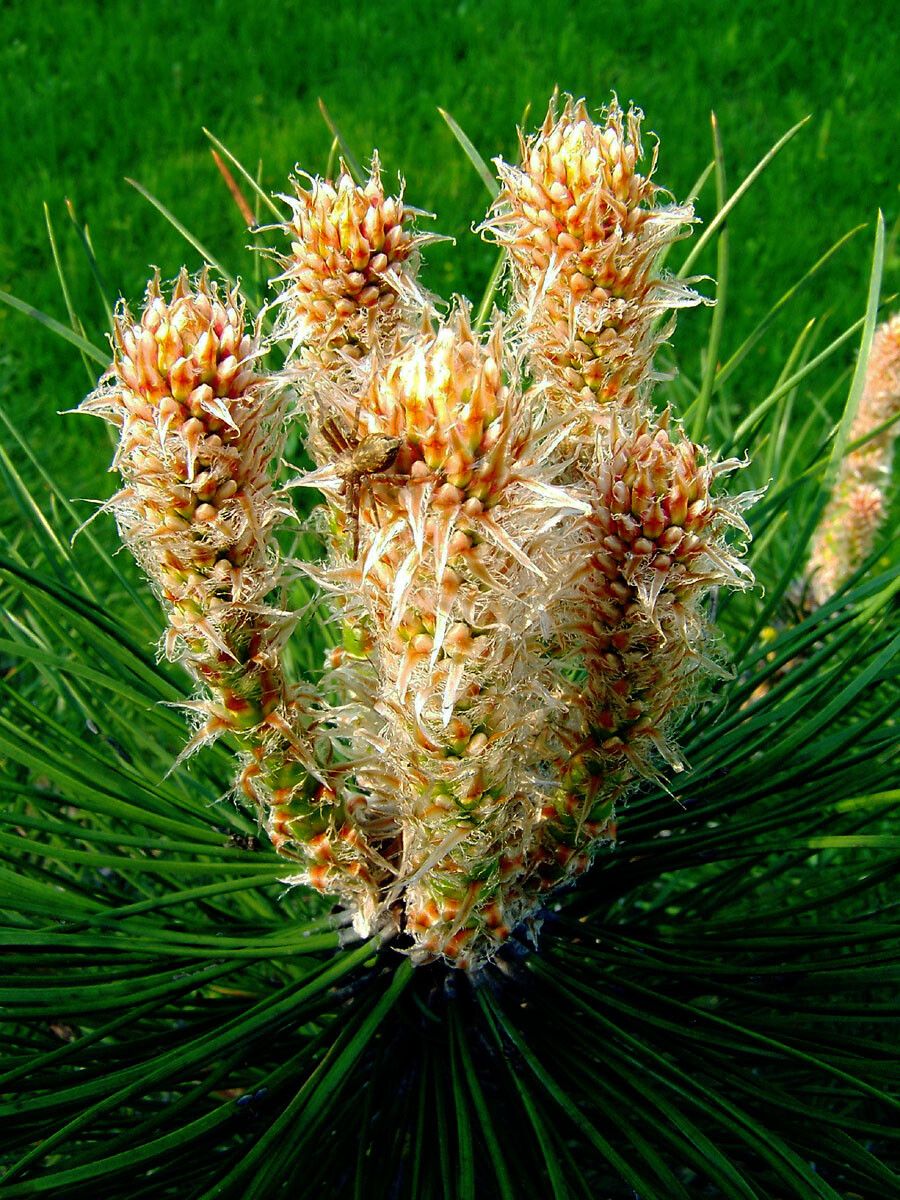
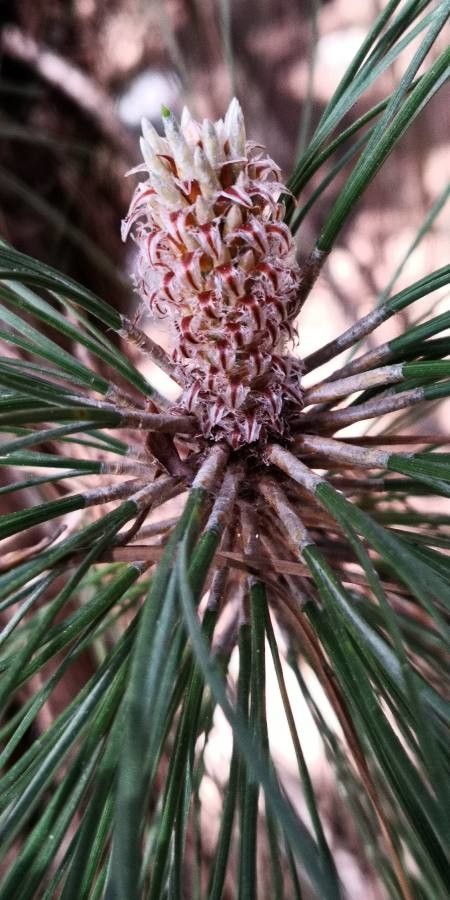
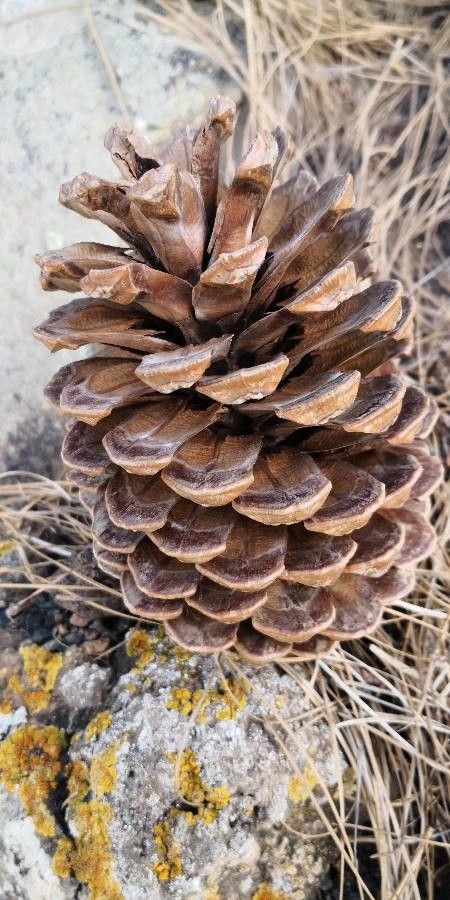
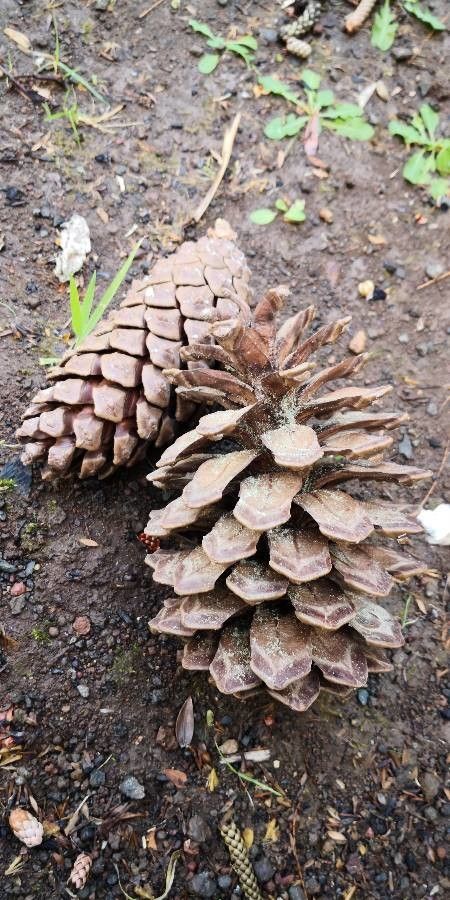
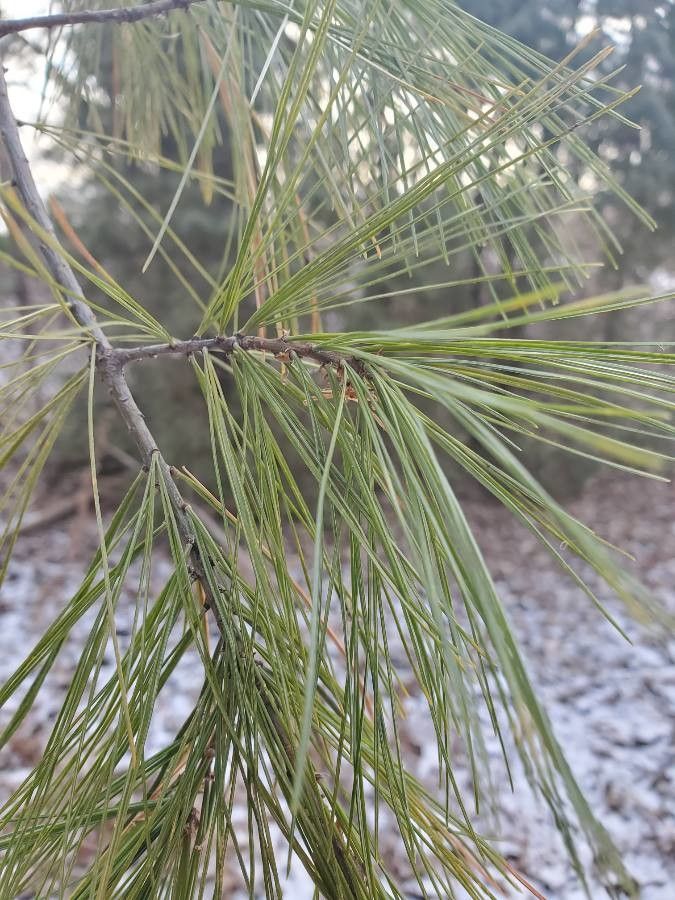
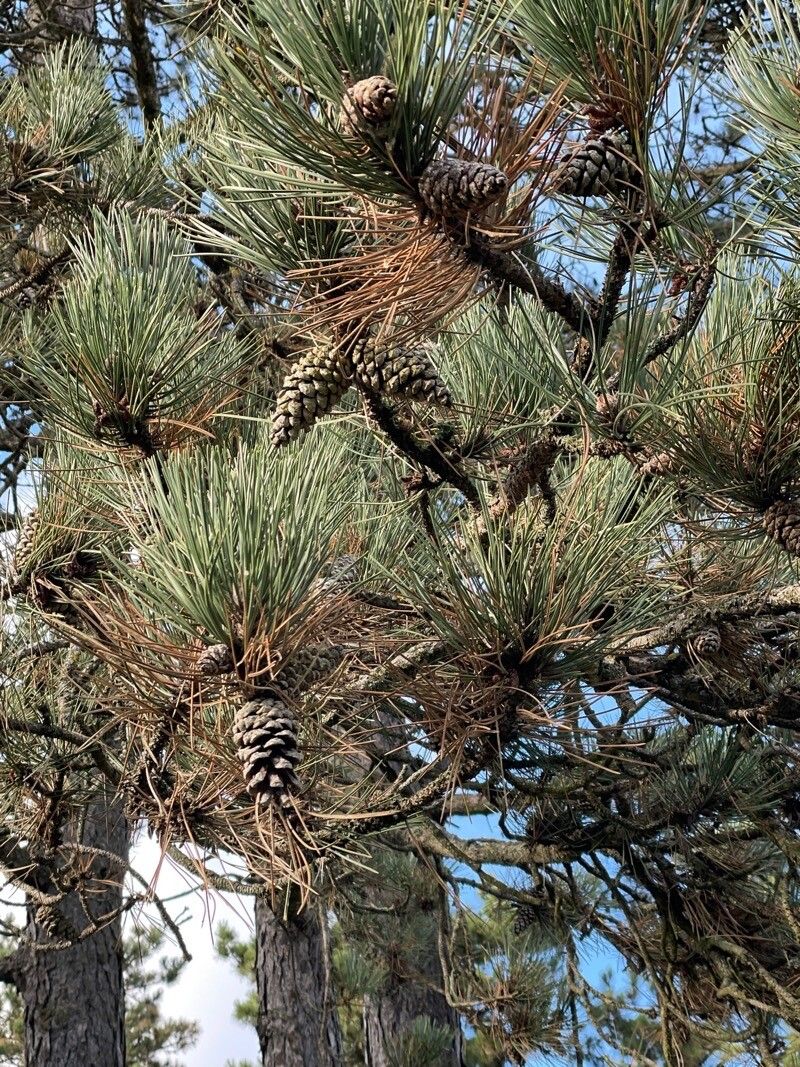
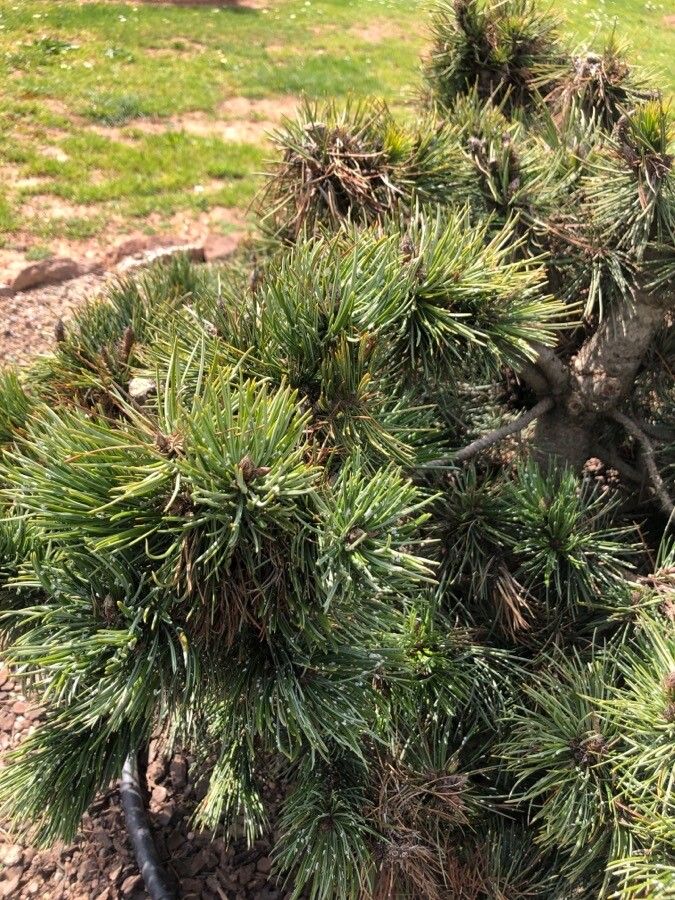
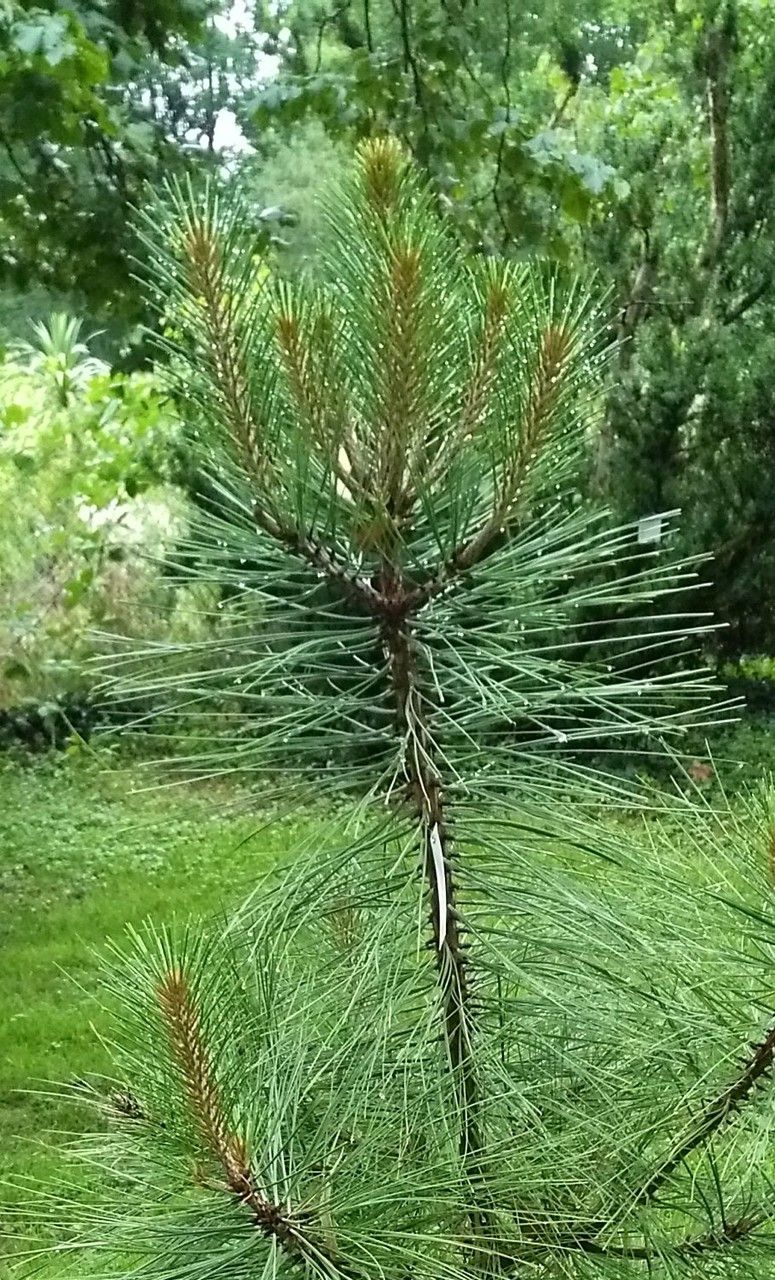
Pinus canariensis, the Canary Island pine, is a species of gymnosperm in the conifer family Pinaceae. It is a large, evergreen tree, native and endemic to the outer Canary Islands of the Atlantic Ocean.
The Canary Islands pine has strong resistance to disease and is generally not prone to illnesses. In terms of care, this plant is fairly low-maintenance. When grown outdoors it needs minimal watering, and larger plants usually do not require pruning. Smaller plants, however, should be pruned after they have finished blooming. The Canary Islands pine is suitable for anyone with outdoor space, such as a garden or a deck, and does not require extensive gardening experience.
How to keep Pinus Canariensis.
Light
For healthy development, the canary islands pine does best in environments with plentiful light, reflecting its native habitat where light is abundant. While it can tolerate moderate light reasonably well, if exposed to insufficient light it may not thrive and could show stunted growth.
Water
The Canary Islands pine, native to the Canary Islands, is a drought-tolerant evergreen tree that requires minimal water once it's established. Typically, it only needs to be watered every two weeks. Its thick bark and deep root system help it conserve water, making it well-suited for semi-arid climates.
Temperature
The Canary Islands pine originates from areas with a mild to warm climate and grows best when temperatures are between 68 and 100°F (20 to 38℃). Seasonal changes may require adjusting temperatures to replicate these conditions.
Fertilizer
The Canary Islands pine has specific nutrient needs and does not require heavy fertilization. Applying fertilizer in spring is the best time for promoting optimal growth. Supplying nutrients improves its health, increases its resistance to pests and diseases, and helps maintain its long lifespan.
Pruning
The Canary Islands pine, a hardy conifer, benefits from proper pruning in the early to late winter months. Prioritize removing dead or crossing branches to improve air circulation and light penetration. This practice also helps reduce the risk of fire. Always sterilize your tools and prune carefully to minimize stress on the tree.
Botanical profile.
- Plant Type
- Tree
- Life Cycle
- Perennial
- Genus
- Pinus
- Family
- Pinaceae
- Hardiness Zone
- 9-11
- Mature Height
- 14.94 m
- Mature Spread
- 7.92 m
- Leaf Color
- Green, Blue
- Leaf Type
- Evergreen
- Flower Color
- Yellow, Green
- Flower Size
- 1.52 cm
- Bloom Time
- Early spring, Mid spring
- Planting Time
- Autumn, Winter
- Harvest Time
- Late summer, Early fall, Mid fall
Other names.
Reader questions.
How should I water my Canary islands pine tree?
Watering your Canary islands pine is a straightforward task. One of the easiest methods is to use a garden hose to slowly soak the soil. This is particularly effective for mature trees that require a higher volume of water. For smaller trees, using a watering can or another small watering tool may suffice. It is important to avoid overhead watering, as excessive moisture on the leaves can lead to disease, especially for younger trees.
Why should I use fertilizer on my Canary islands pine?
To promote healthy growth in Canary Islands pine, it is recommended to fertilize in the spring. It is important to keep in mind that this plant has a long lifespan and requires support. Adding nutrients to the soil not only enhances the plant's overall health, but also increases its resilience against common pests and diseases, which can otherwise hinder growth or reduce its lifespan.
What are the sunlight requirements for Canary Islands Pine?
Canary Islands Pine thrives in abundant sunlight natural to its native habitat, requiring full sun exposure of above 6 hours of sunlight daily for optimal growth. It can also tolerate partial sun, receiving about 3-6 hours of sunlight. It's essential to observe how sunlight moves through your garden to ensure you select locations that provide a balance of light and shade conducive to the plant's health.
What climate conditions are ideal for Canary Islands Pine?
Canary Islands Pine, or Pinus canariensis, is native to regions with moderate to warm climates, thriving best in temperatures ranging from 68 to 100°F (20 to 38°C). These pines are extremely heat-loving, and cold temperatures can be harmful to them. In autumn, for outdoor-grown Canary Islands Pine, it's recommended to bring them indoors and place them near a bright window, keeping a distance from heaters to avoid damage. Maintaining temperatures above 20°C during winter is beneficial for the plant’s growth, while any temperatures nearing 0°C are detrimental.
What do I do if I give too much or too little water to my Canary Islands pine?
Poor soil can lead to overwatering issues for your Canary islands pine. If the soil doesn't drain well, the plant will suffer and decline. To fix this, you can improve the soil's drainage or move the plant to a better location. If you're growing your pine in a pot, you might need to repot it with looser soil for better drainage. Overwatering can also cause diseases in the plant, which should be treated promptly. If your Canary islands pine is underwatered, simply water it more frequently and it will recover. To determine if your plant is overwatered, examine its foliage, particularly the new growth. Discolored or easily breakable new growth indicates excessive moisture. Standing water or slow draining in the plant's area are also signs of overly moist soil. Underwatered Canary islands pines will have sparse and brown leaves. Consider recent heavy rain or consistently high temperatures if you observe these symptoms, as they may contribute to the plant's condition.
When should I fertilize my Canary islands pine tree?
Canary islands pine requires minimal extra nutrients unlike typical garden plants. The ideal time to fertilize it is in the spring, before new growth emerges. This is because the growing medium may not always provide enough nutrients for healthy growth.
How should artificial lighting be used for indoor Canary Islands Pine?
When natural sunlight is insufficient, especially during winter or in shady areas, artificial lighting becomes essential for the growth of indoor Canary Islands Pine. LED lights are recommended because they can be tailored to offer specific light wavelengths needed by the plant. For full sun plants, 30-50W/sq ft is needed; partial sun plants require 20-30W/sq ft, and full shade plants need 10-20W/sq ft. The light source should be positioned 12-36 inches above the plant to mimic the sun and run for about 8-12 hours daily to simulate natural daylight hours.
How does low temperature affect Canary Islands Pine, and what should I do?
Canary Islands Pine prefers warm temperatures and is not tolerant to low temperatures, thriving best above 20°C and needing protection when temperatures drop below 0°C. Exposure to temperatures below -5°C can cause the leaves to lighten in color, with frost damage turning the foliage brown or black, accompanied by wilting and drooping. To manage this, trim off the frost-damaged parts and move the plant indoors to a warm environment away from direct heat sources. Placing it near a south-facing window ensures it gets ample sunlight without the dryness caused by heaters or air conditioning vents.
How frequently should I water my Canary islands pine tree?
A mature Canary islands pine is very low-maintenance when it comes to watering. It can survive on just rainfall and becomes resistant to drought. During the hottest months, you might need to water it once a week, but in other seasons, it usually doesn't require any additional watering. However, if you have recently planted a tree, it's important to water it regularly to ensure the roots establish themselves. Remember that Canary islands pine does not like standing water, so it's better to err on the side of not watering too much.
When is it not a good idea to fertilize my Canary islands pine?
While certain plants benefit from regular monthly or weekly fertilization, the Canary islands pine is an exception. This particular plant does not require high amounts of extra nutrients, and in fact, excessive fertilizer can result in it deteriorating. It is best to only apply fertilizer during the spring months and refrain from doing so in the summer, fall, and winter seasons. Additionally, it is advised to avoid adding any fertilizer or organic matter to the soil during these latter seasons.
What are the symptoms of light deficiency in Canary Islands Pine?
Light deficiency in Canary Islands Pine can lead to several symptoms: smaller new leaves, leggy or sparse growth, accelerated leaf drop, slowed or halted growth, lighter-colored or pale new leaves indicating chlorophyll and nutrient deficiency, chlorosis or yellowing of leaves due to excessive light, sunscald characterized by pale or bleached areas on leaves or stems, leaf curling to minimize surface area exposed to sunlight, wilting from loss of water through transpiration, and leaf scorching evident through brown, dry edges on leaves.
What should I do if my Canary Islands Pine is exposed to high temperatures?
During summer, it's important to keep the Canary Islands Pine below 38°C to prevent damage. Exposure to temperatures above 43°C can cause the leaves to lighten and increase susceptibility to sunburn. To address sunburn, trim the sunburned and dried-up parts. Then, position the plant in a spot that is shaded from the midday and afternoon sun. Ensuring the soil remains moist by watering the plant in the morning and evening can also help mitigate the effects of high temperatures.