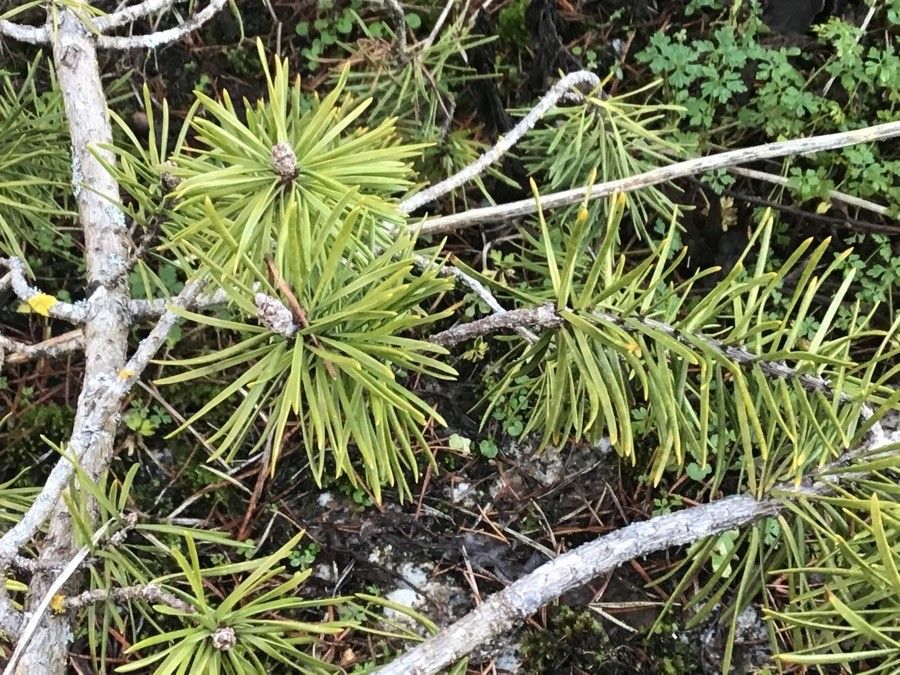
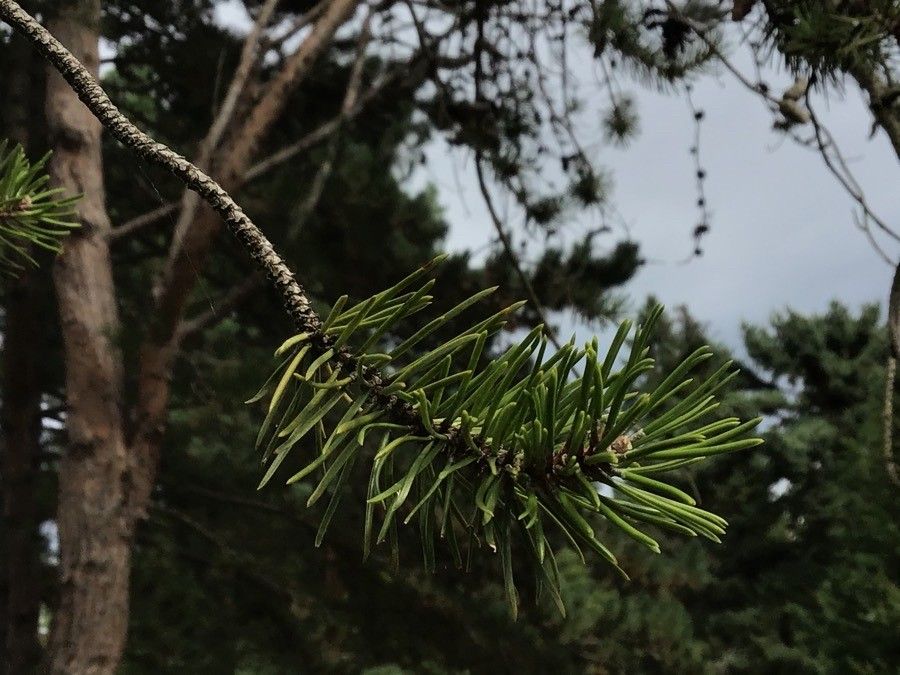
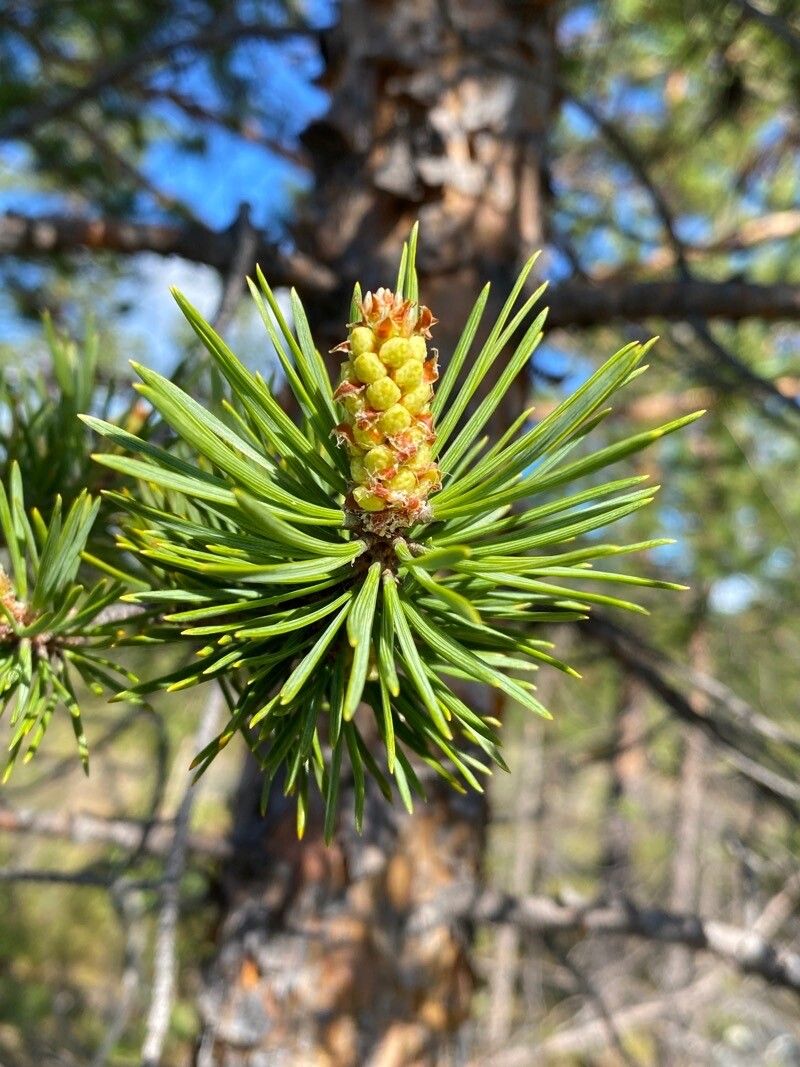
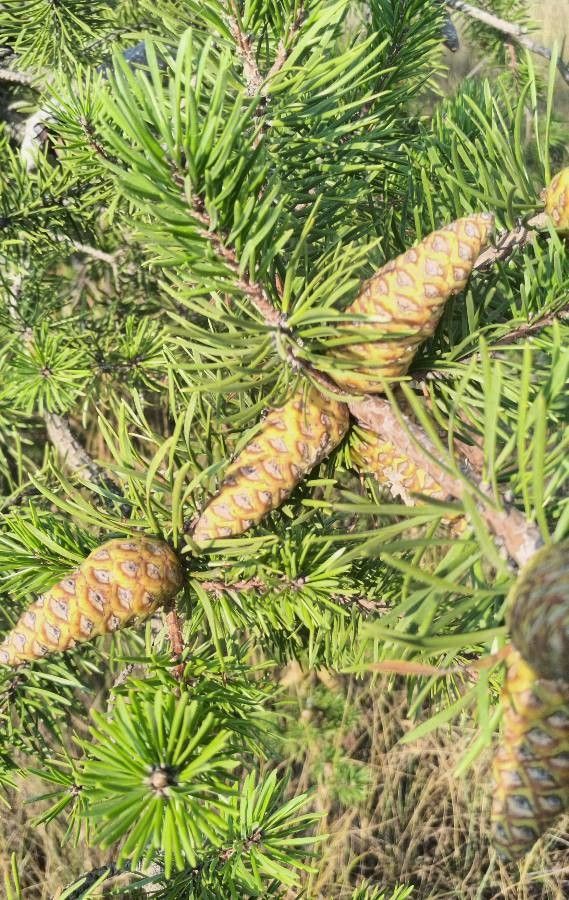
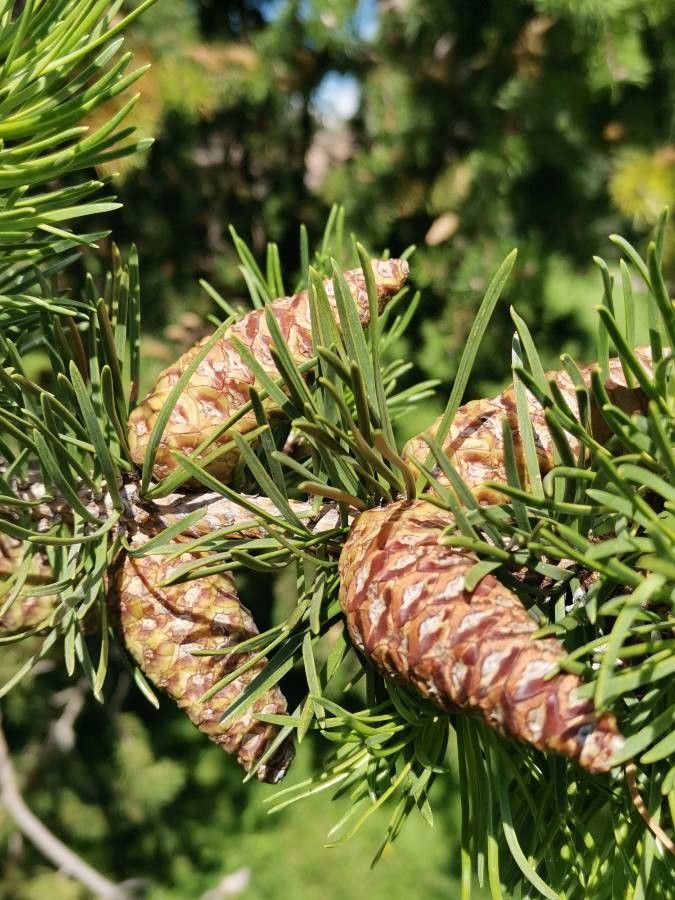
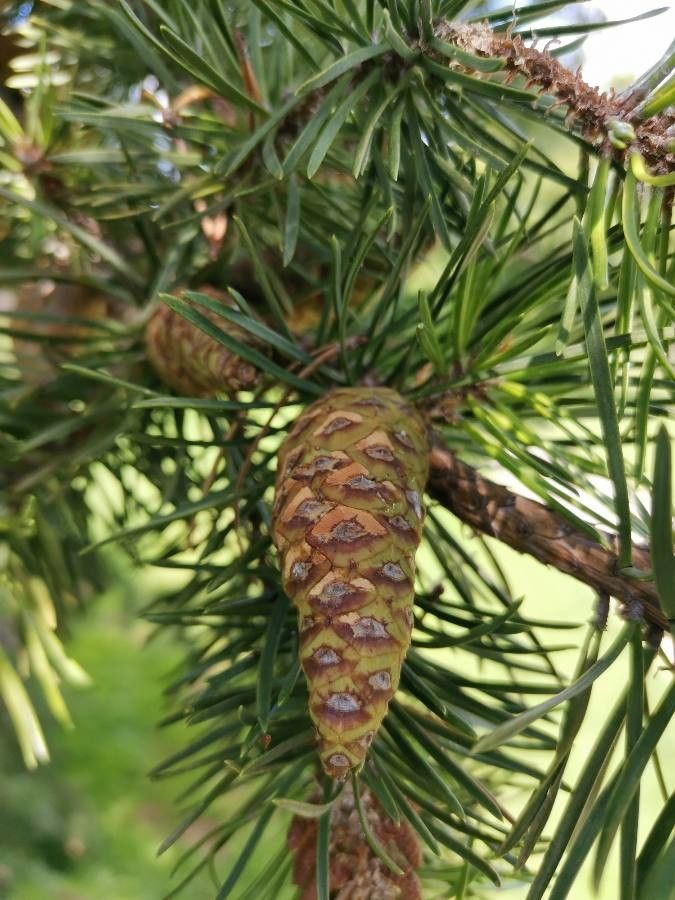
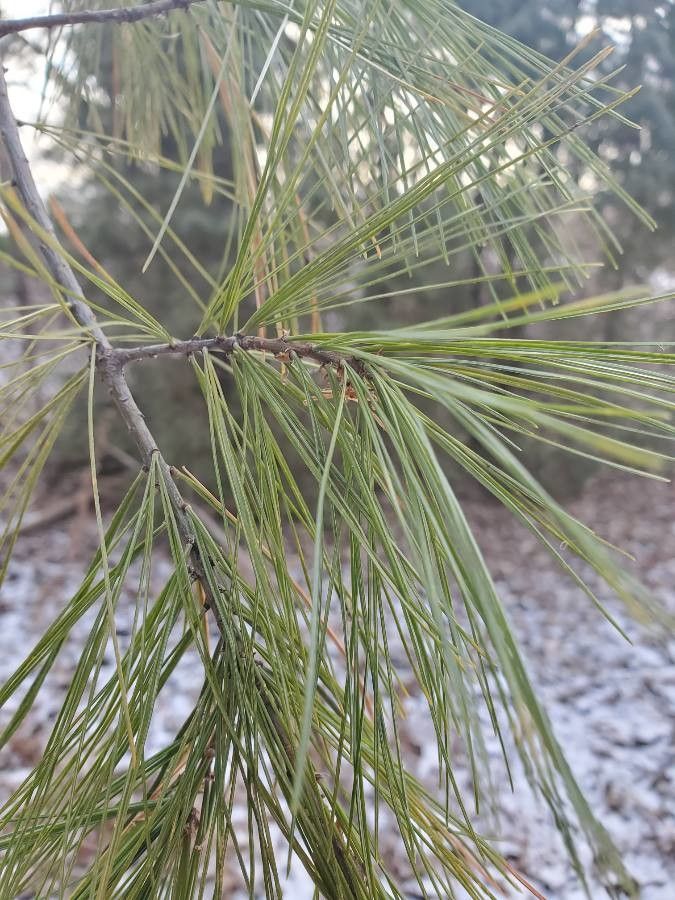
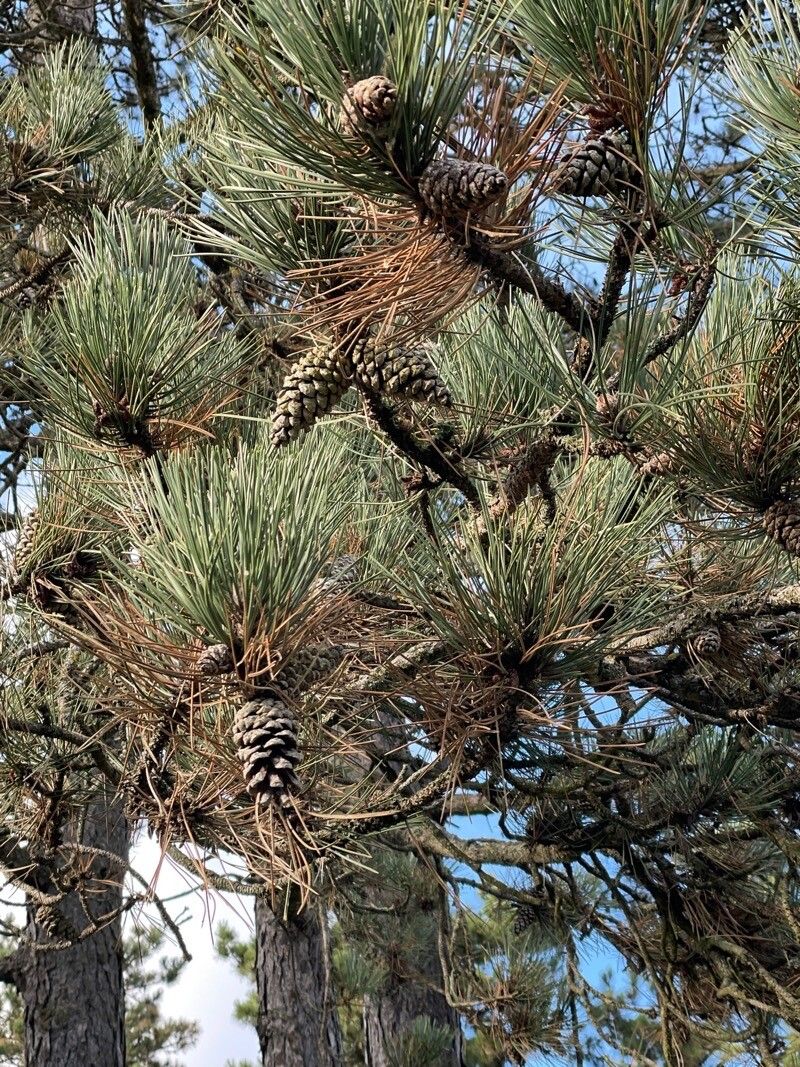
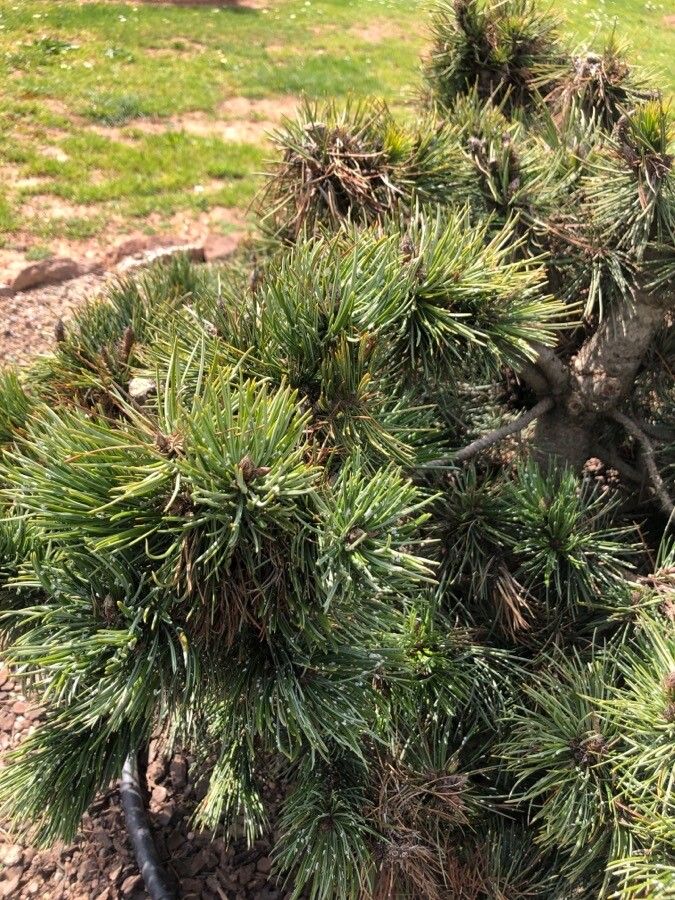
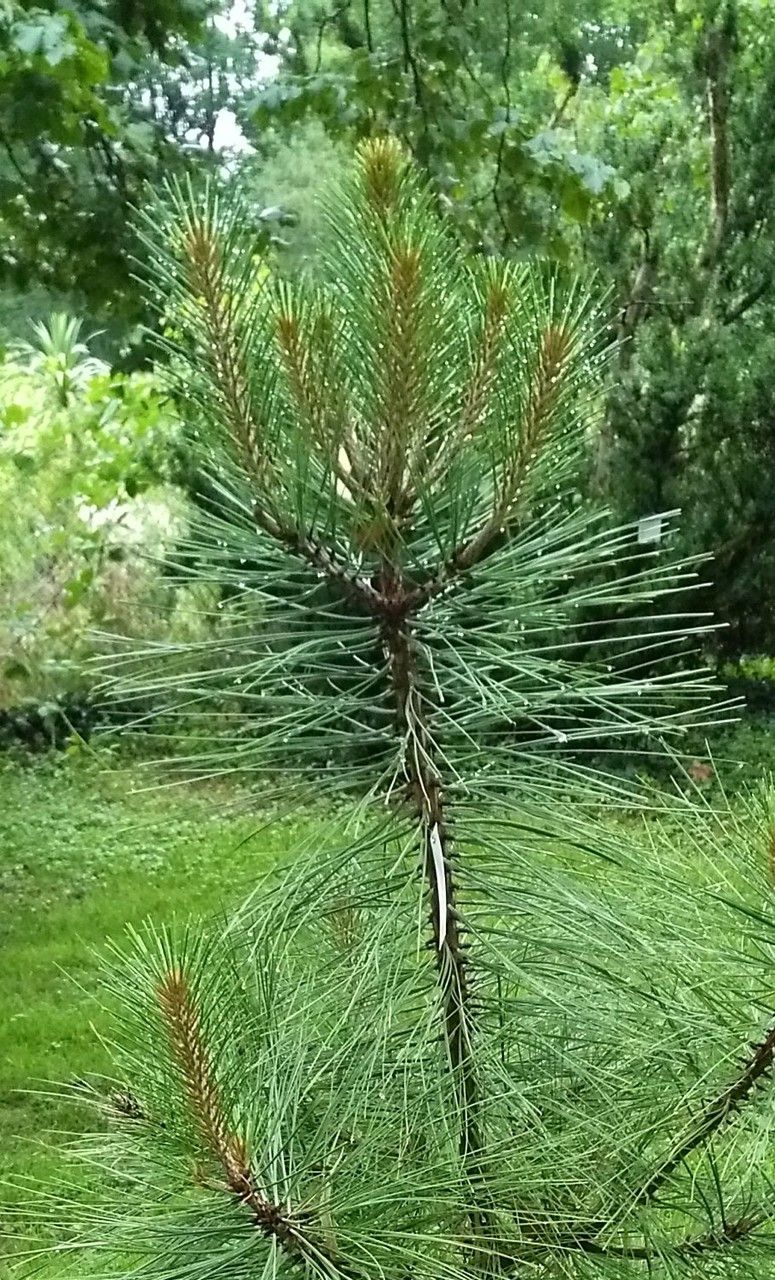
Jack pine (Pinus banksiana) is an eastern North American pine. Its native range in Canada is east of the Rocky Mountains from the Mackenzie River in the Northwest Territories to Cape Breton Island in Nova Scotia, and the north-central and northeast of the United States from Minnesota to Maine, with the southernmost part of the range just into northwest Indiana and northwest Pennsylvania. It is also known as grey pine and scrub pine.In the far west of its range, Pinus banksiana hybridizes readily with the closely related lodgepole pine (Pinus contorta). The species epithet banksiana is after the English botanist Sir Joseph Banks.
Jack pine is disease-resistant and typically does not suffer from illnesses. As for care, this plant is fairly low-maintenance. Planted outdoors it needs little watering, and larger specimens usually do not require pruning. Smaller plants, however, should be pruned after they have finished blooming. Jack pine is suitable for anyone with an outdoor area, such as a garden or deck, and does not demand extensive care experience.
How to keep Pinus Banksiana.
Light
The jack pine prefers abundant sunlight and performs best in settings that provide plenty of light throughout the day. Its ability to prosper is notably reduced in low-light or shaded conditions. Differences in its growth stages do not substantially alter this requirement. Excessive sun rarely harms the tree, while insufficient exposure can limit its health and vigor.
Water
Jack pine, native to boreal forests, is well adapted to thrive in areas with low rainfall due to its high drought tolerance. When cultivated, it should be watered every 1-2 weeks to maintain the right moisture balance. This evergreen tree, with its needle-like leaves, is an excellent choice for regions with variable climates.
Temperature
Jack pine comes from habitats where temperatures range from 32 to 90 °F (0 to 32 ℃). It prefers cooler temperatures, and its growth can be adjusted seasonally to imitate those conditions. Overexposure to heat should be avoided.
Fertilizer
Jack pine has specific nutrient needs and does not require heavy fertilization. Spring is the best time to apply fertilizer for optimal growth. Supplying nutrients improves its health, raises its resistance to pests and diseases, and helps maintain a long lifespan.
Pruning
The jack pine is known for its unique, twisted growth patterns and benefits from pruning in late winter. This practice encourages new growth and improves air circulation. Essential techniques include removing dead branches and thinning out dense areas. These actions enhance the tree's health and appearance while managing its height and spread to keep it vibrant.
Botanical profile.
- Plant Type
- Tree
- Life Cycle
- Perennial
- Genus
- Pinus
- Family
- Pinaceae
- Hardiness Zone
- 2-7
- Mature Height
- 10.67 m to 15.24 m
- Mature Spread
- 9.14 m to 11.89 m
- Leaf Color
- Green, Yellow
- Leaf Type
- Evergreen
- Flower Color
- Brown
- Flower Size
- 2.54 cm to 7.62 cm
- Bloom Time
- Late spring, Early summer
- Planting Time
- Spring, Autumn
- Harvest Time
- Spring, Mid summer, Late summer, Fall, Winter
Other names.
Reader questions.
How should I water my Jack pine tree?
Watering your Jack pine is a simple task with a few important considerations. To begin, the easiest way to water this tree is by using a garden hose to slowly soak the soil. This method is ideal for watering mature Jack pine trees, as they may require a higher volume of water. However, for smaller trees, a watering can or other smaller tool may suffice. It is important to avoid overhead watering, as excessive moisture on the plant's leaves can lead to disease, especially when the tree is young.
Why do I have to add nutrients to my Jack pine?
When spring comes, it's beneficial to fertilize Jack pine in order to promote healthy growth. It's important to keep in mind that Jack pine has a long lifespan and requires support. By adding nutrients to the soil, you can enhance the tree's overall health, making it more resilient against common pests and diseases that can hinder growth or reduce its lifespan.
What are the sunlight requirements for the Jack pine?
The Jack pine requires extensive solar exposure to thrive, needing ample illumination throughout the day. It is significantly affected by low light conditions, hindering its growth and health. Full sun, defined as above 6 hours of sunlight daily, is crucial for its vigor, though the tree rarely suffers from excess sunlight. Observing how sunlight moves through your garden can help pick the perfect spots with the right balance of light and shade, essential for the plants' happiness.
What are the ideal temperature conditions for Jack Pine?
Jack pine thrives in cooler environments with temperatures ranging from 32 to 90 °F (0 to 32 °C). It is highly cold-tolerant and can adjust its growth seasonally to mimic these cooler conditions. However, it is crucial to avoid overexposure to heat as it does not fare well in high temperatures.
What should I do if I give my Jack pine too much water or too little water?
Sometimes, overwatering can happen if the soil is not able to drain water properly. This can cause the Jack pine plant to deteriorate. If this is the case, you can either improve the soil's drainage by adding amendments or move the Jack pine to a better location for growth. If you are growing the Jack pine in a pot, this may mean that you need to repot it with looser soil in a container that allows for better drainage. Overwatered plants can also be susceptible to diseases, so it's important to treat them promptly. On the other hand, if your Jack pine is underwatered, the solution is simple. Just water it more frequently and it will recover and become healthy again. To determine if your Jack pine is overwatered, you can examine the foliage. New growth in an overwatered Jack pine may appear discolored or easily breakable. Standing water or slow drainage in the plant's growing area can also indicate overly moist soil. Similarly, underwatered Jack pines will also show symptoms in their foliage, such as sparse and brown leaves. Consider if there has been excessive rainfall or consistently high temperatures, as these factors can help you diagnose the issue correctly.
When should I fertilize my Jack pine tree?
The growing medium may not always have enough nutrients for optimal growth. However, Jack pine is unique compared to garden annuals and perennials because it doesn't need a lot of additional nutrients. To fertilize Jack pine, it is best to do so in the spring, before new growth starts.
How can artificial lighting benefit indoor Jack pine plants?
Indoor Jack pine plants, like many indoor plants, need adequate lighting for optimal growth, especially when natural sunlight is inadequate. Artificial lighting becomes crucial in less sunny spaces or during winter, promoting healthier, faster growth. LED lights are preferred for their customizable spectrum to meet plant needs. Full sun plants require 30-50W/sq ft, partial sun plants need 20-30W/sq ft, and full shade plants need 10-20W/sq ft of artificial light. The ideal setup involves placing lights 12-36 inches above the plant and keeping them on for 8-12 hours a day to mimic natural daylight hours.
How should I protect my Jack Pine during winter?
Jack pine does not require additional frost protection measures during the winter due to its high cold tolerance. However, to prevent drought and water scarcity for the plant during winter and early spring, it is recommended to water the plant generously before the first freeze in autumn, ensuring the soil remains moist as it enters a frozen state.
How often do I need to water my Jack pine?
A mature Jack pine can survive with minimal water, relying on rainfall. You may only need to water it once a week during the hottest months, and during other seasons, watering may not be necessary. However, if you have recently planted a Jack pine, regular watering is important to help the roots establish. But be cautious not to overwater, as Jack pines do not tolerate standing water. It's better to avoid watering too much than risking damage to the tree.
When is not a good time to put fertilizer on my Jack pine?
While some plants benefit from monthly or weekly fertilization, this is not the case for the Jack pine. This particular plant does not need many additional nutrients, and applying too much fertilizer can cause it to decline. To properly care for a Jack pine, it is recommended to only apply fertilizer in the spring and avoid doing so in the summer, fall, and winter. Additionally, refrain from adding any fertilizer or organic matter to the soil during these seasons.
What are some symptoms of insufficient light in Jack pine plants?
Jack pine plants exhibit several symptoms when exposed to insufficient light, including smaller new leaves, leggy or sparse growth, accelerated leaf drop, halted new growth, and lighter-colored leaves. Conditions such as chlorosis and sunscald can also occur, with the former resulting in yellowing leaves due to chlorophyll breakdown and the latter in pale or necrotic areas from intense light exposure. Other symptoms include leaf curling as a defense mechanism against sunlight, wilting due to water loss, and leaf scorching, characterized by brown, dry patches on leaves.
What should I do if my Jack Pine experiences extremely low temperatures?
While Jack pine is extremely cold-tolerant, winter temperatures should be kept above -40°C to prevent damage. If temperatures drop below this threshold, no immediate changes may be noticeable during winter, but branches may become brittle and dry, with no new shoots emerging in spring. If this occurs, prune away any dead branches that have failed to produce new leaves in the spring.