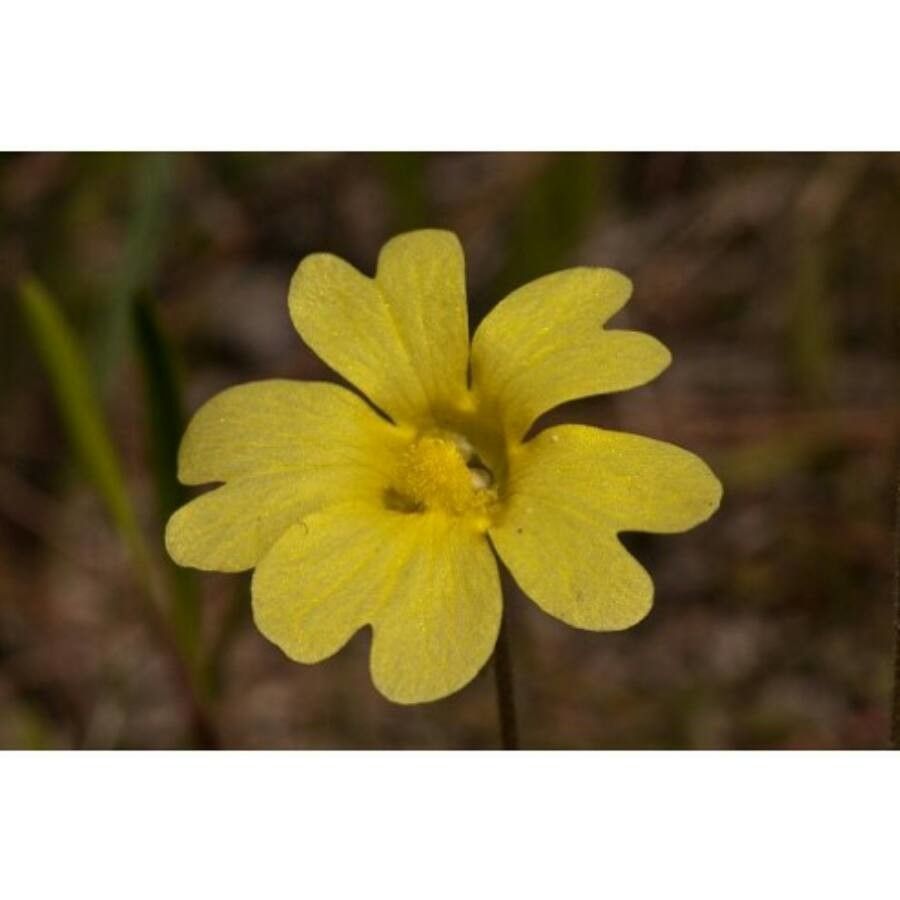
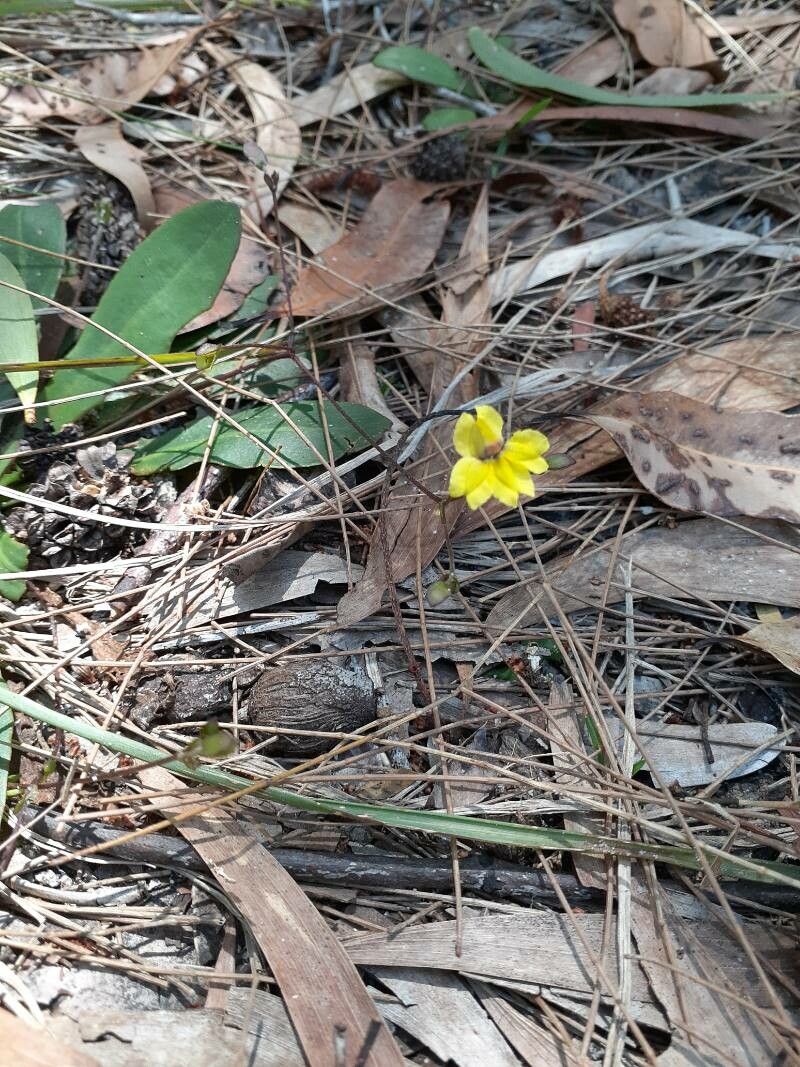
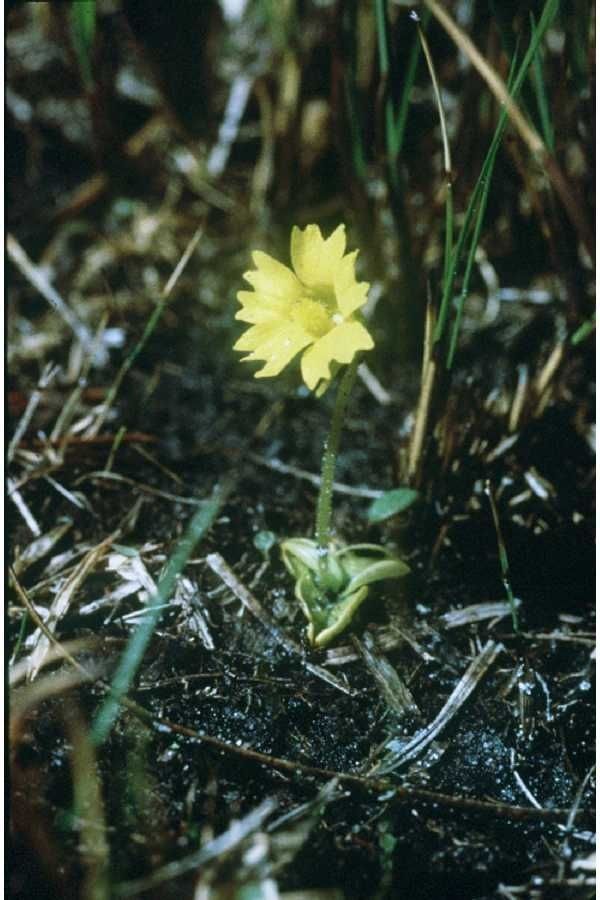
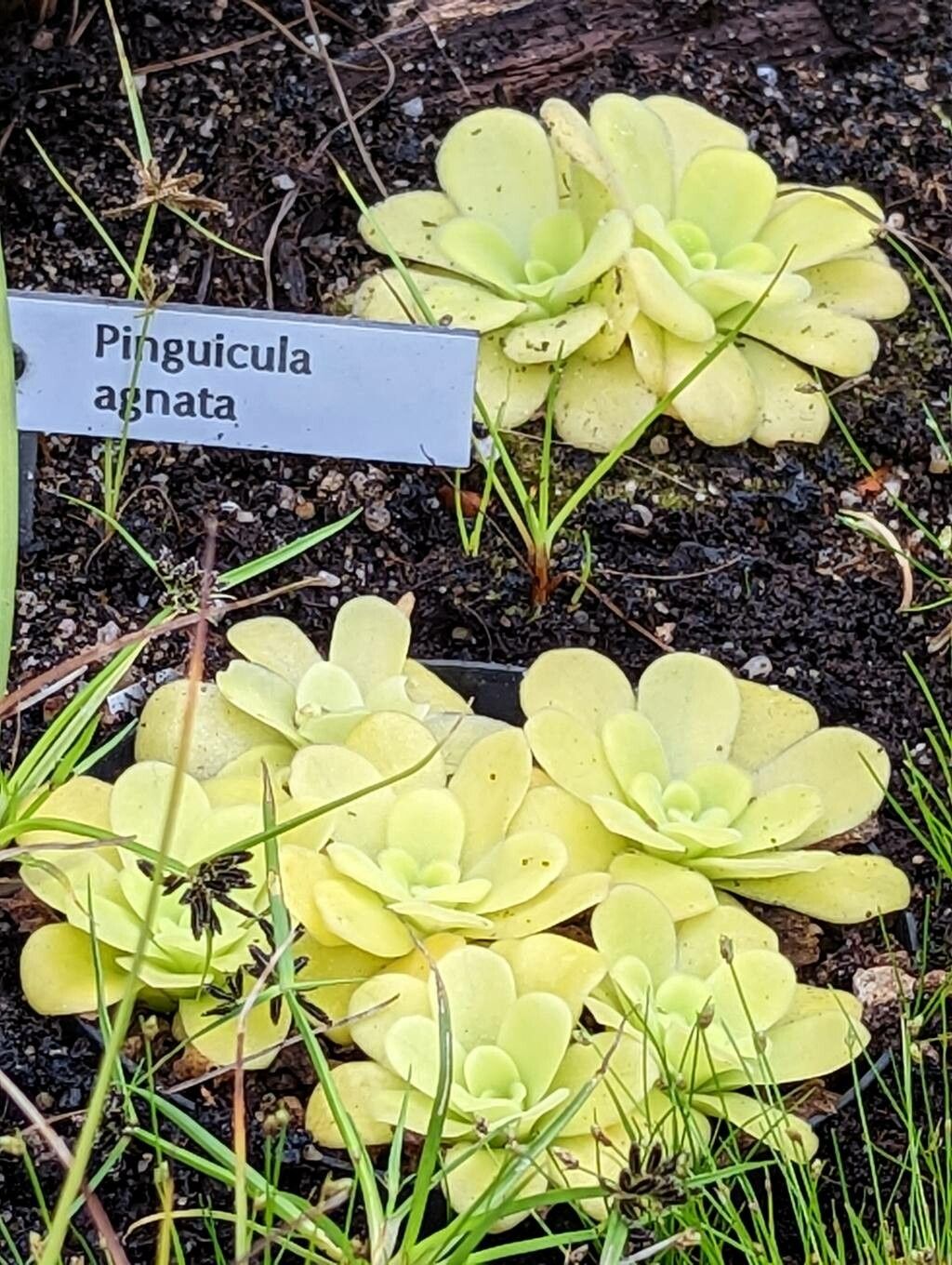
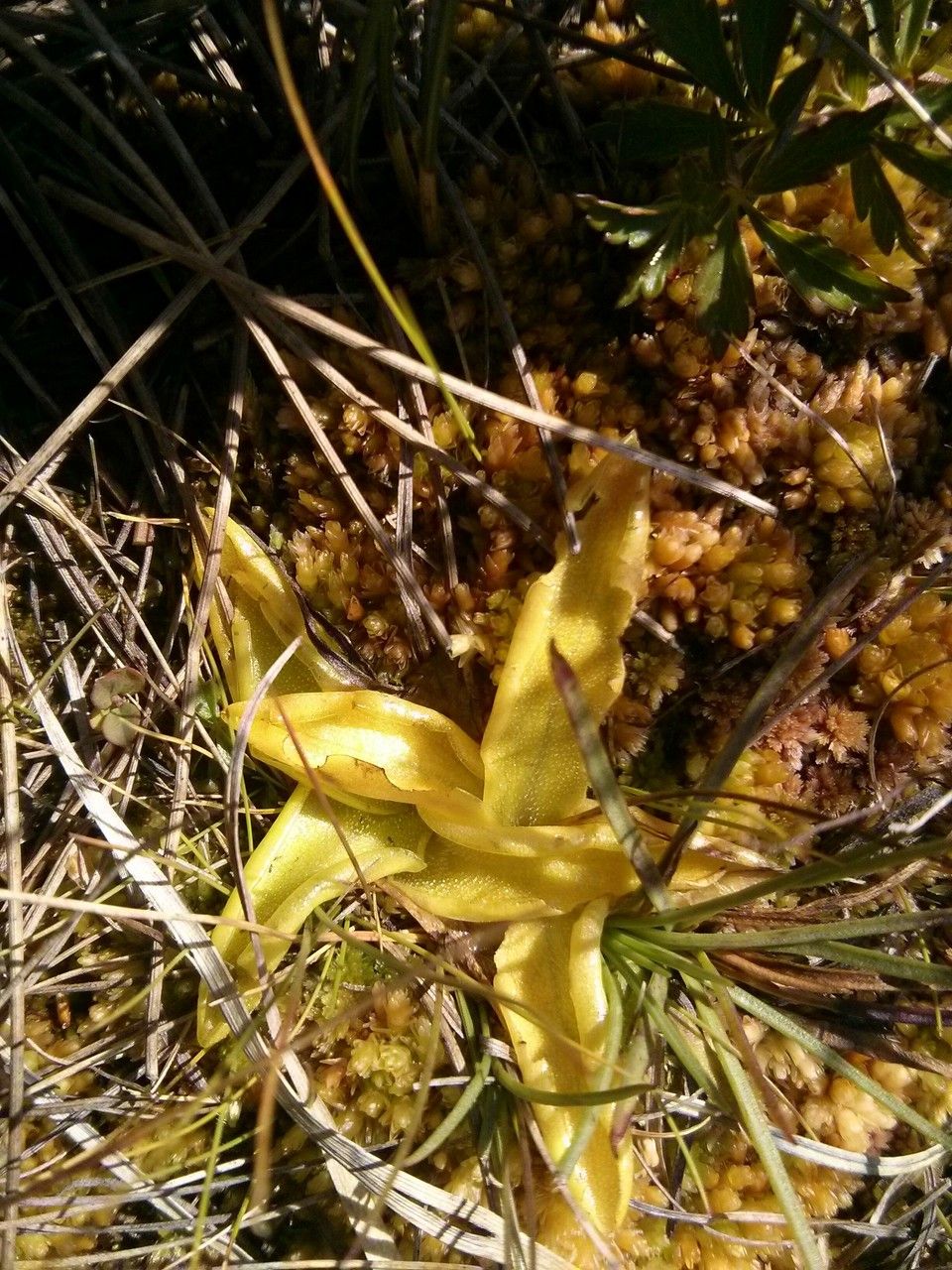
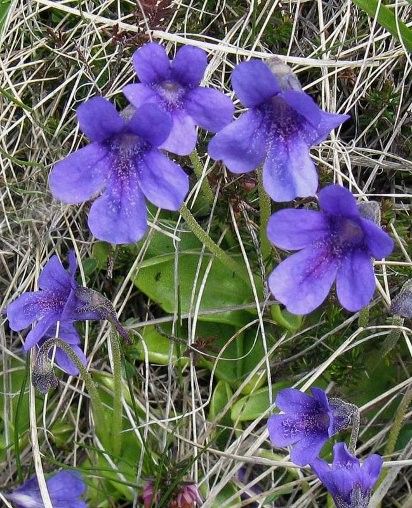
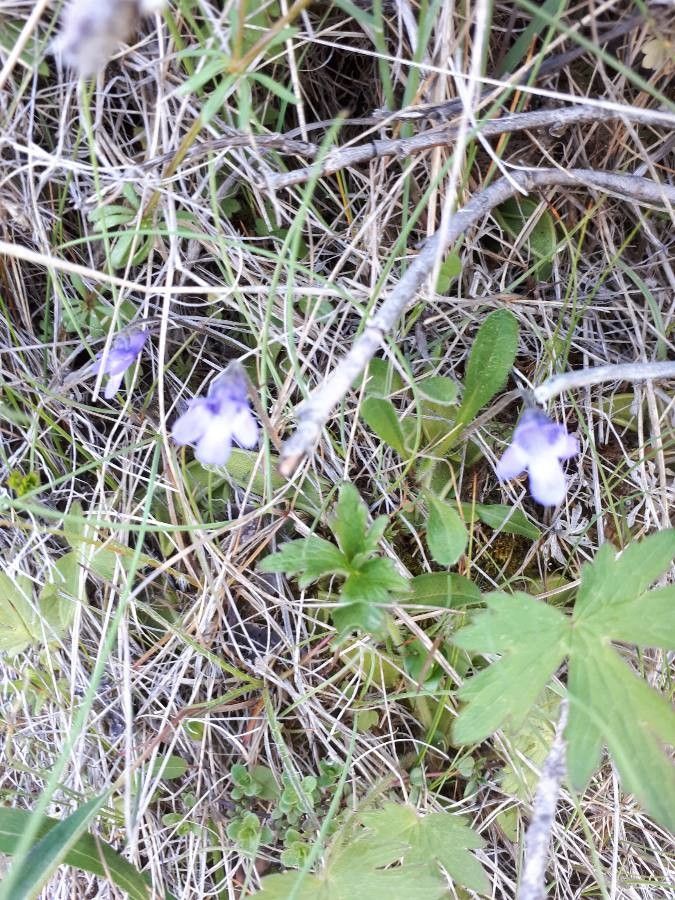
Pinguicula lutea, commonly known as the yellow butterwort, is a species of warm-temperate carnivorous plant in the family Lentibulariaceae. It grows in savannas and sandy bog areas of the Southeastern United States. Pinguicula lutea’s flower is usually in a bright yellow or a straw-yellow color and very rare in white color. Like all the insectivorous plants of the genus Pinguicula, P. lutea traps small insects by using specialized glands on the surface of its basal rosette leaves.
Yellow butterwort has moderate resistance to disease and needs a very humid environment. However, if ventilation is poor it can be prone to rot. Its care is regarded as difficult because it requires continuous humidification to keep humidity levels high. Yellow butterwort is also highly prone to rotting when the environment lacks proper ventilation and becomes too hot. Yellow butterwort is best suited to growers with more experience who can provide the appropriate growing conditions.
How to keep Pinguicula Lutea.
Light
Yellow butterwort is native to habitats that receive plenty of sunlight, such as open bogs and sunny wetlands. It prefers full sun but can tolerate partial sun as well.
Water
Yellow butterwort, an insectivorous plant, originates from moist environments and thrives in consistently damp conditions. It requires watering twice a week to maintain its hydration. Its sticky leaves serve a dual purpose: capturing prey and retaining moisture. This enhances the plant's hydration and supports its moderate drought tolerance.
Temperature
Yellow butterwort prefers moderate temperatures, similar to what most people find comfortable. It does best in conditions that are neither too hot nor too cold. The primary problem with high temperatures is the risk of sunburn, so giving some shade in summer is recommended to avoid excessive heat. When temperatures fall, Yellow butterwort becomes dormant. If continuous growth is desired, higher temperatures must be maintained through the winter. Frost can injure the plant and should be avoided.
Pruning
The yellow butterwort is a small carnivorous plant with sticky leaves designed to trap insects. To keep the plant healthy, it's important to prune it from early to late spring. This will remove dead leaves, encourage new growth, and enhance its overall health. Handle the plant gently to prevent any damage to its delicate foliage. Regular pruning also helps prevent fungal problems and improves the plant's appearance.
Pot & Repot
When repotting Yellow butterwort, choose a pot 1-2 inches (2.5–5.1 cm) larger with ample drainage. Use a well-draining potting mix. Repot in spring or fall, ensuring the root ball sits slightly lower than the rim of the flower pot. Water thoroughly after repotting and place in a warm spot with indirect sunlight.
Botanical profile.
- Plant Type
- Herb
- Life Cycle
- Perennial
- Genus
- Pinguicula
- Family
- Lentibulariaceae
- Hardiness Zone
- 7-10
- Mature Height
- 30 cm to 91 cm
- Mature Spread
- 5 cm to 10 cm
- Leaf Color
- Yellow Green, Light Green
- Leaf Type
- Semi-evergreen
- Flower Color
- Yellow
- Flower Size
- 2.03 cm to 3.05 cm
- Bloom Time
- Early spring, Mid spring
- Planting Time
- Spring, Summer, Autumn
- Harvest Time
- Late spring, Early summer
Other names.
Reader questions.
What are the sunlight requirements for Yellow butterwort (Pinguicula lutea)?
Yellow butterwort (Pinguicula lutea) thrives in conditions of full shade, meaning it requires less than 3 hours of sunlight per day. It's important to observe the way sunlight moves through your garden throughout the day to find spots that provide this balance of light and shade. Doing so ensures that your Yellow butterwort plants remain healthy and happy.