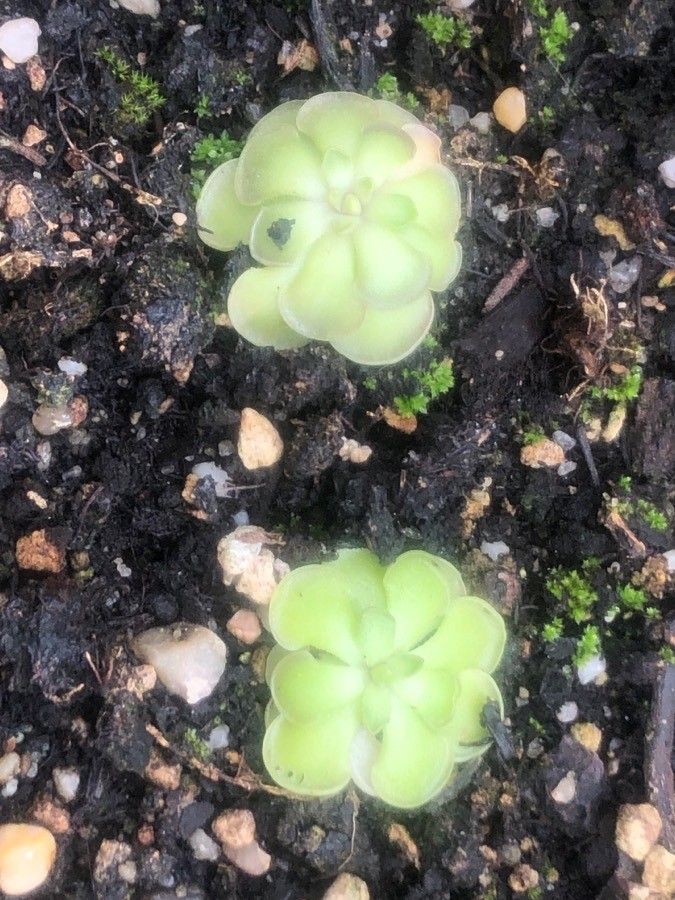
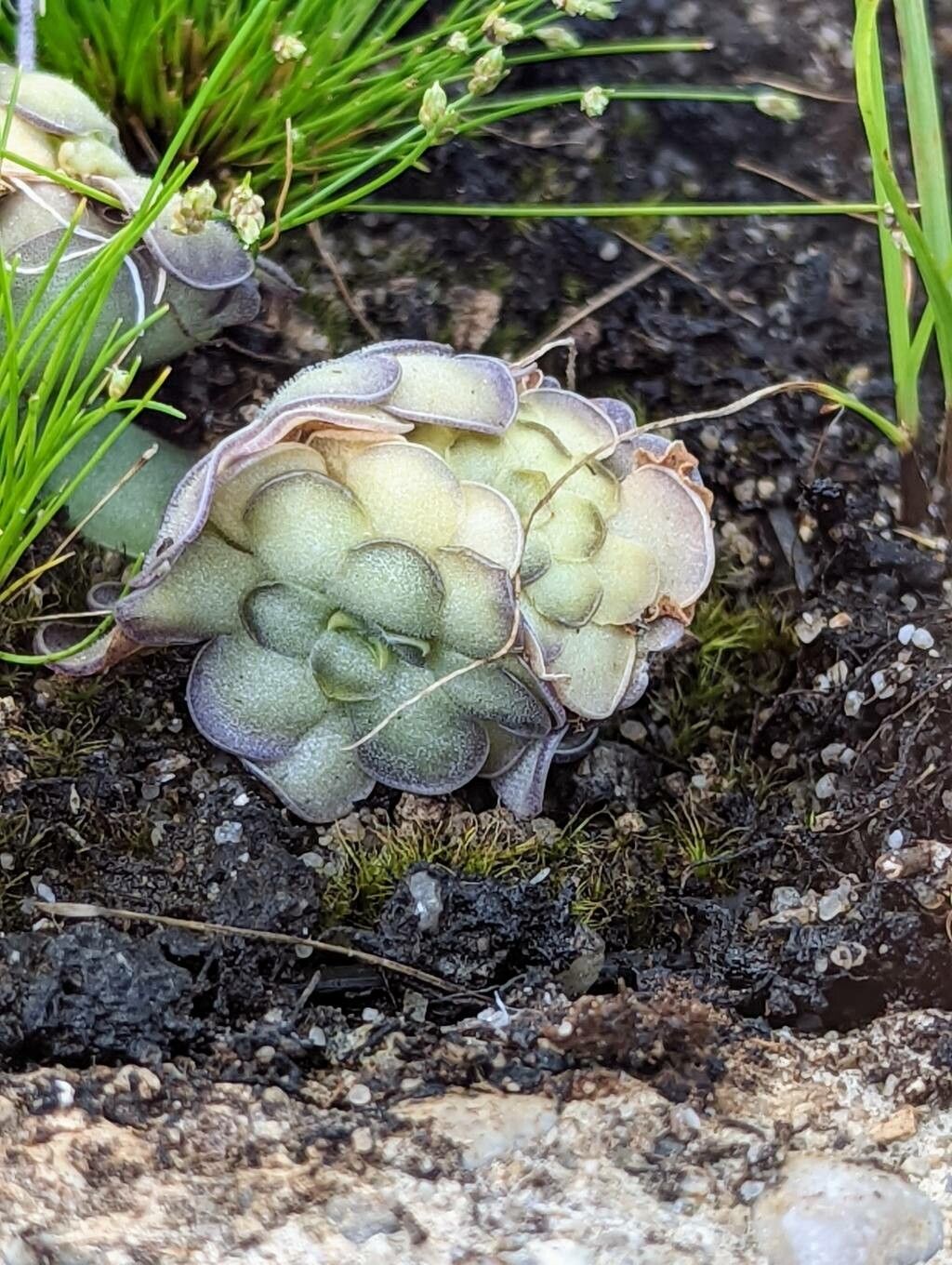
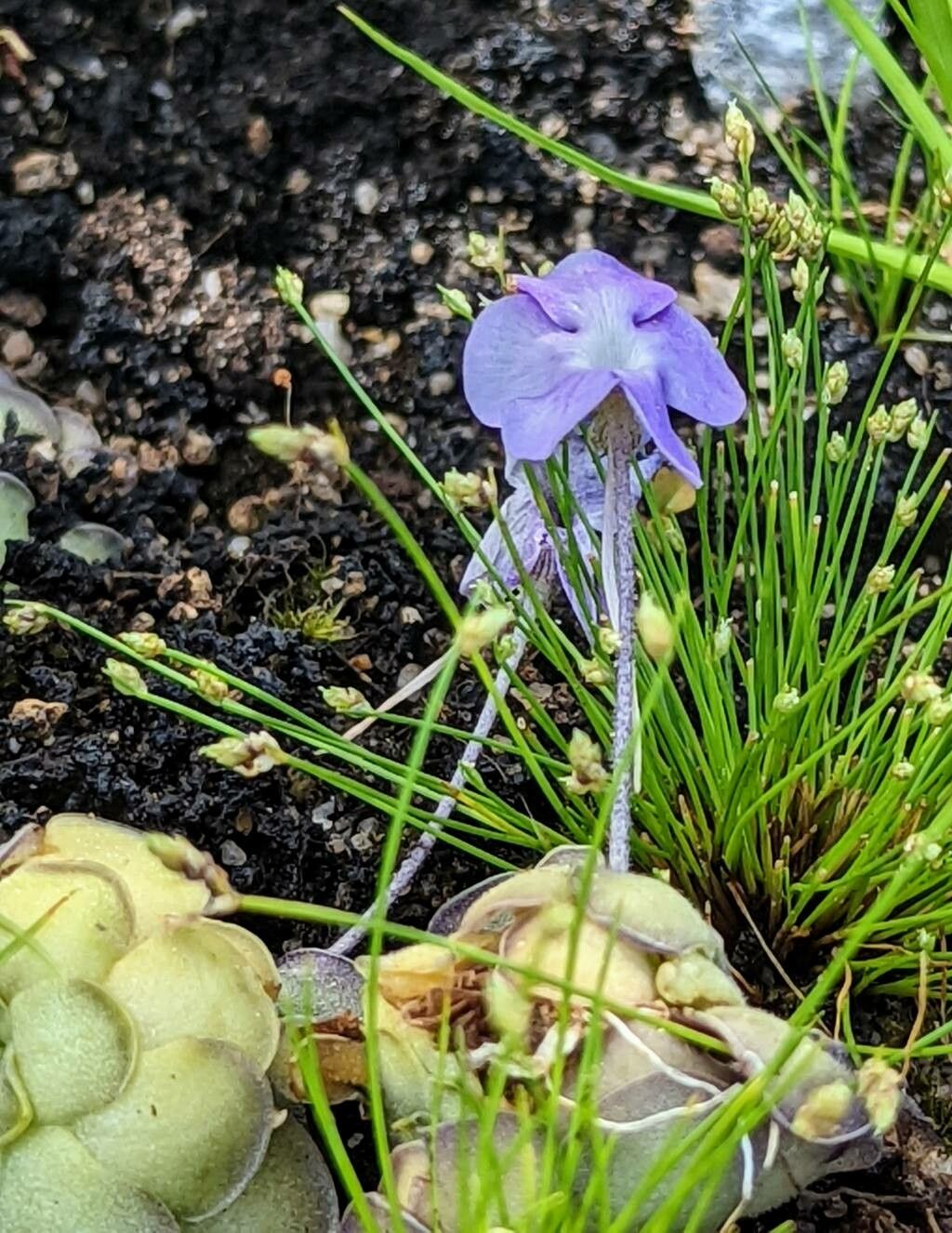
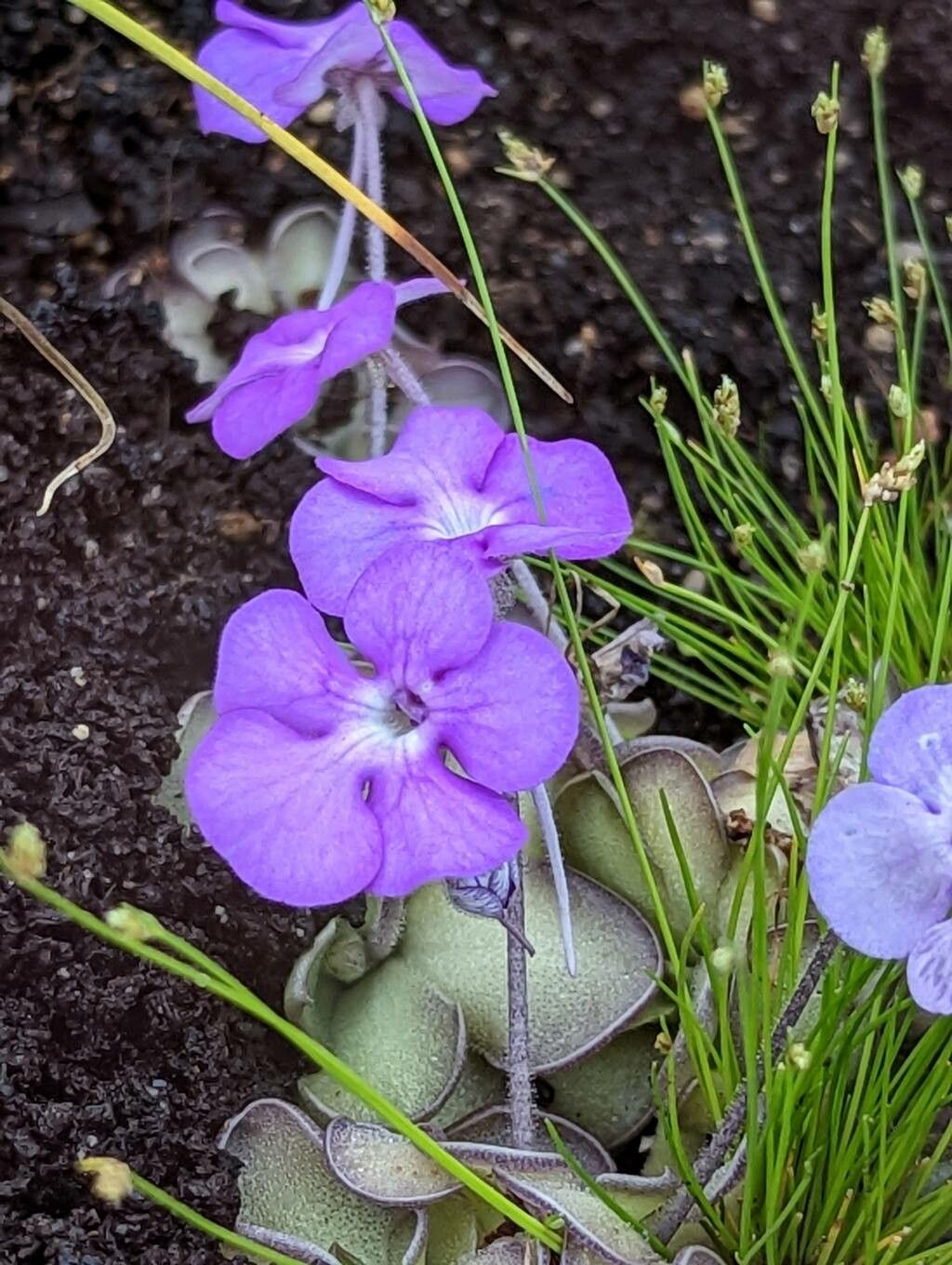
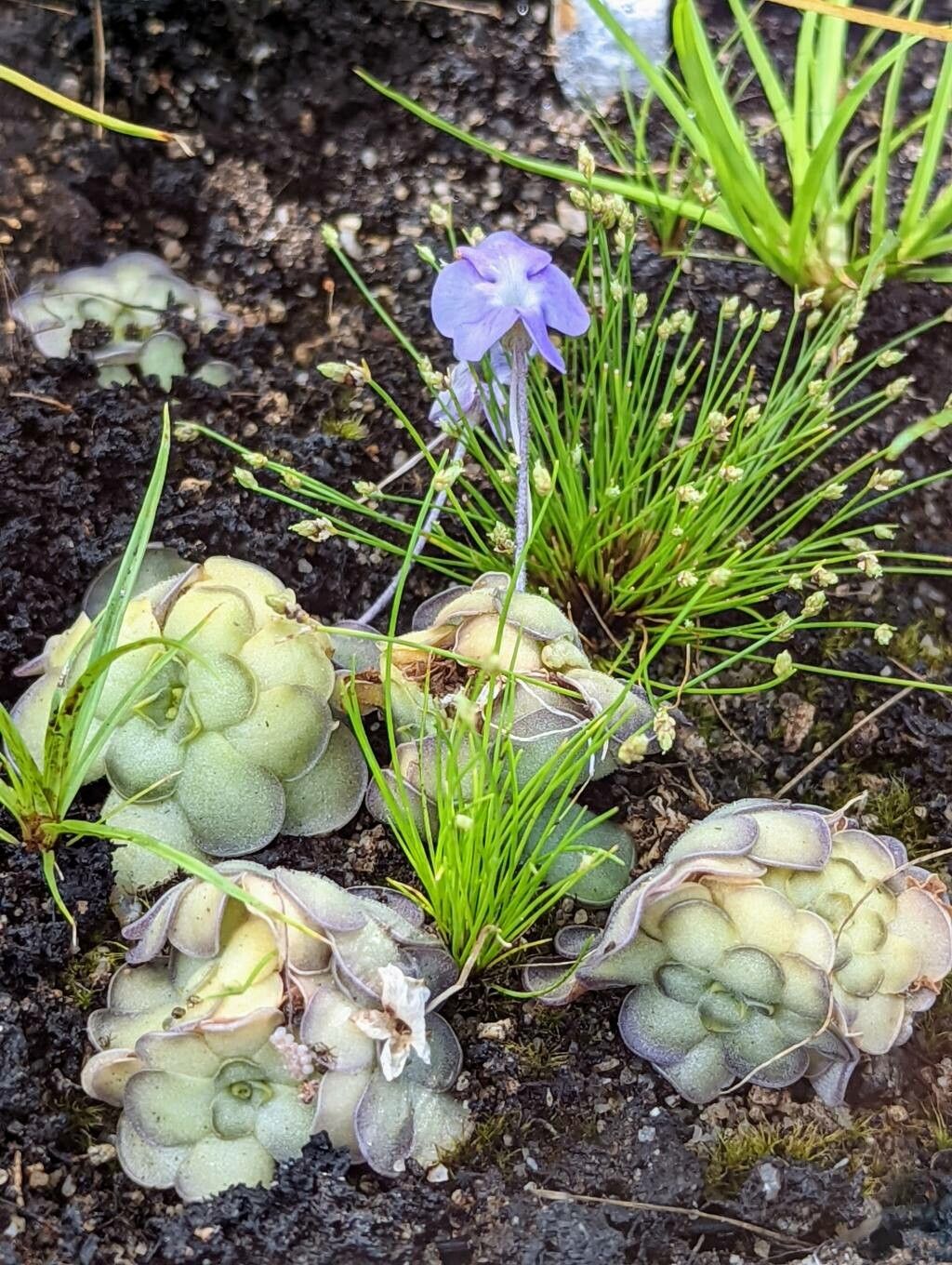
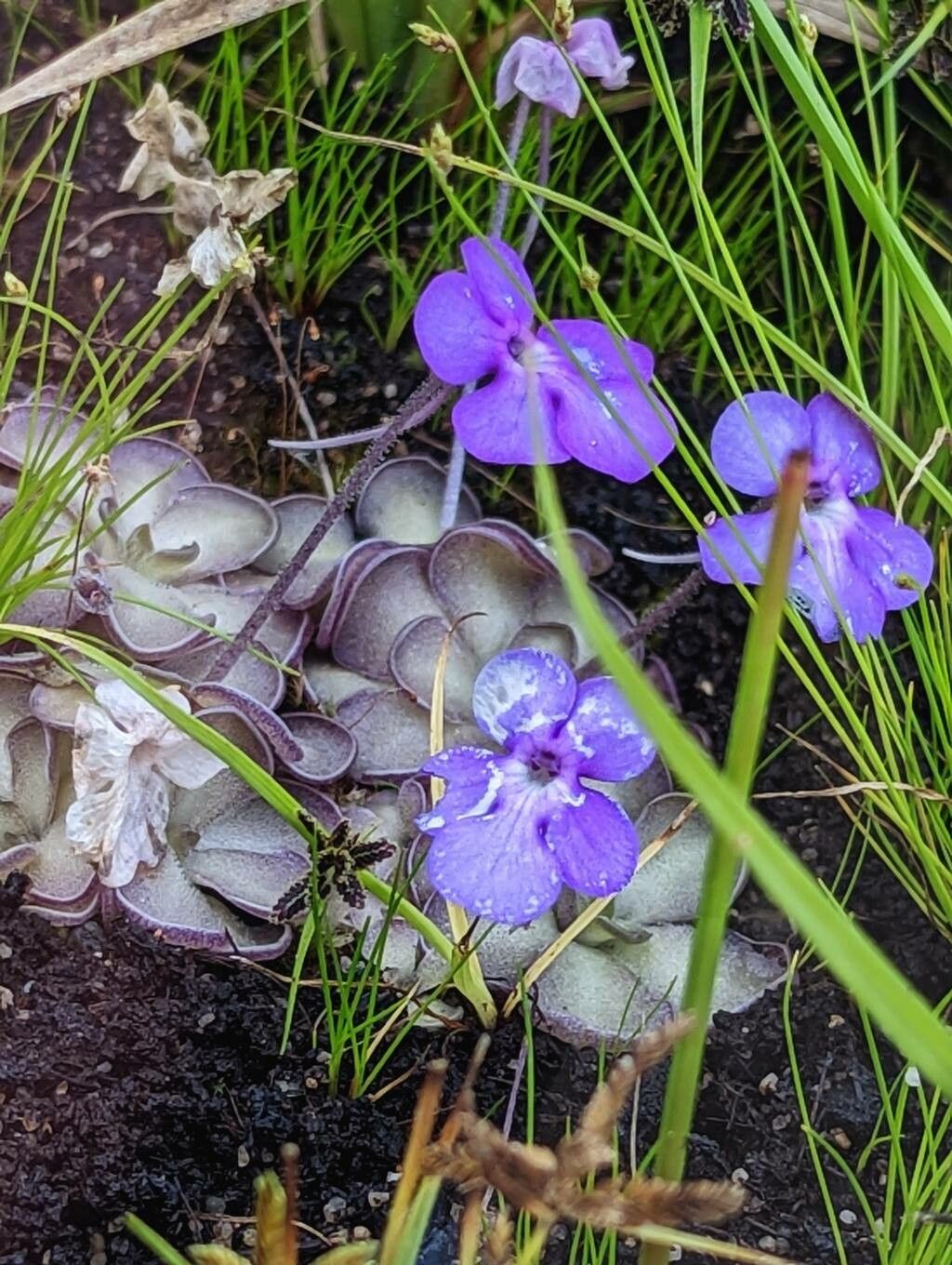
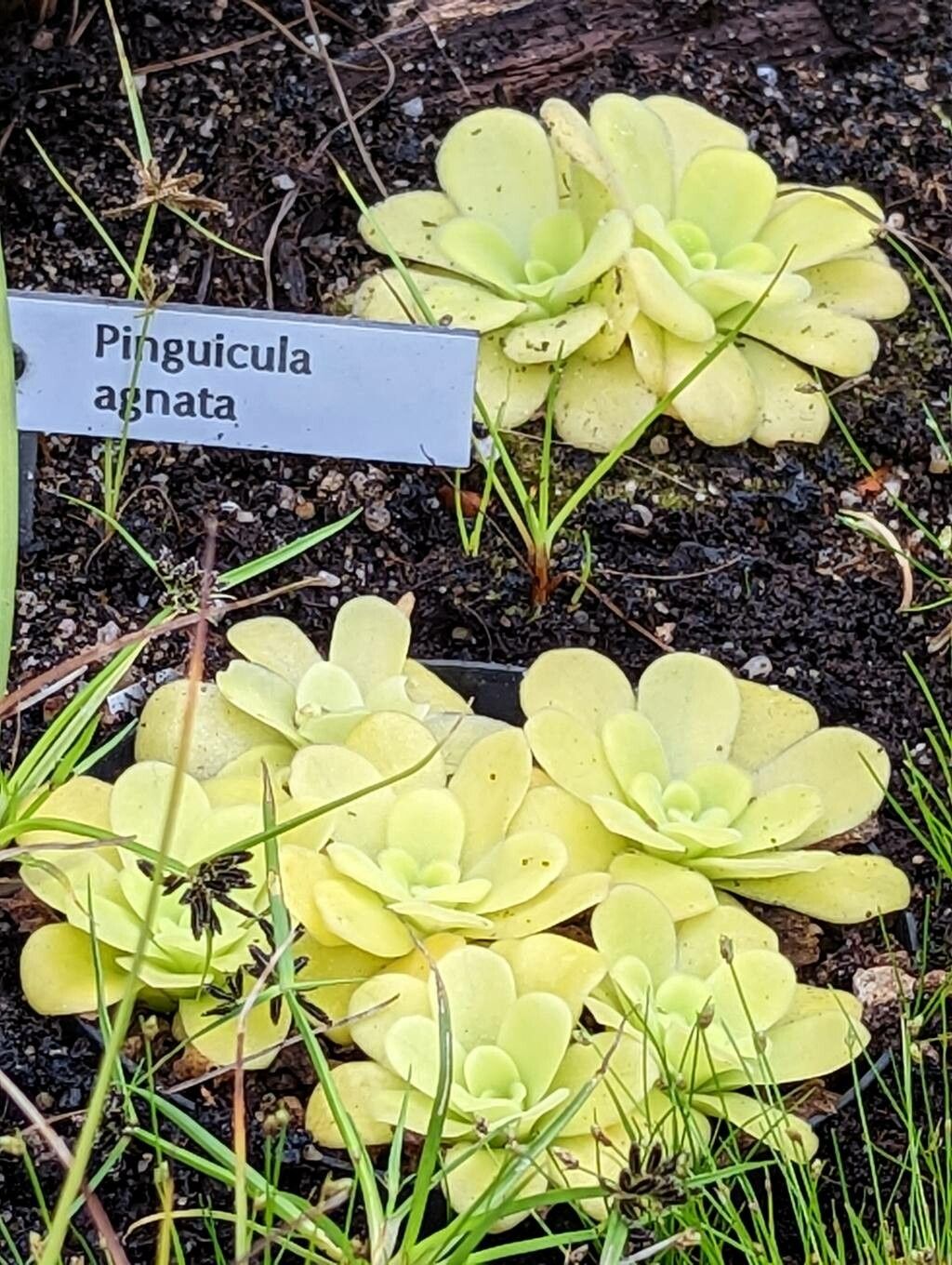
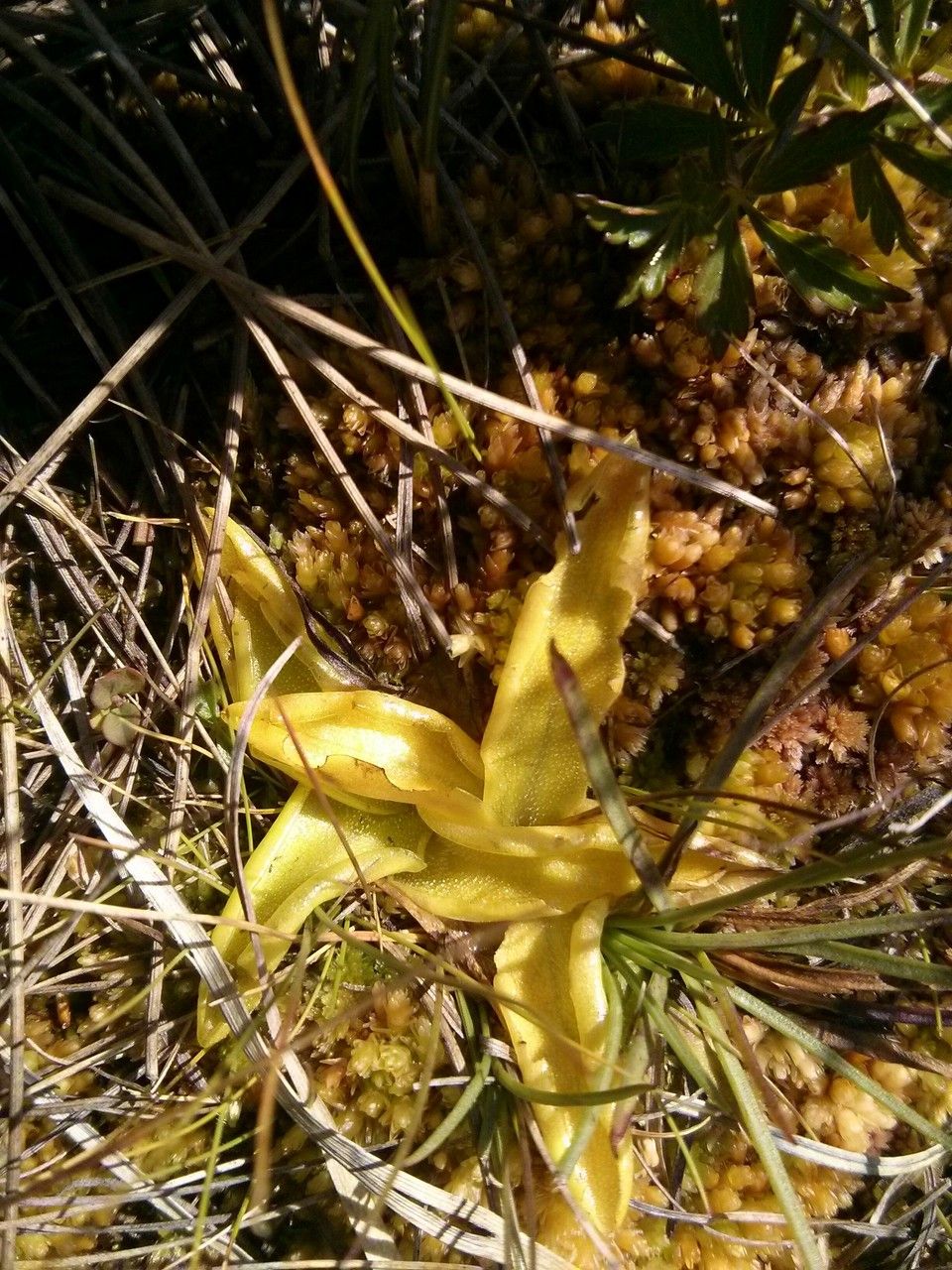
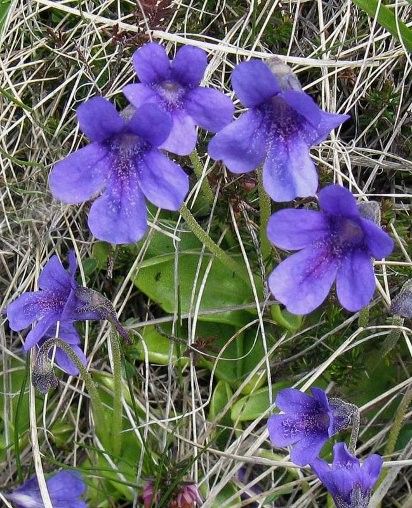
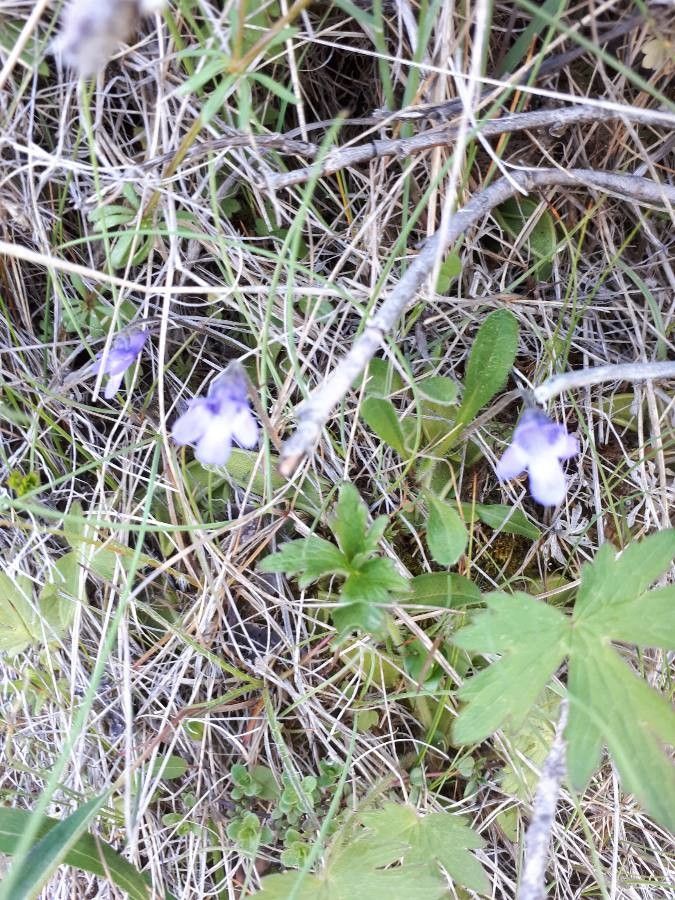
Pinguicula cyclosecta is a perennial rosette-forming insectivorous plant native to the state of Nuevo León in Mexico.
Pinguicula cyclosecta has moderate resistance to disease but is more vulnerable to problems from high humidity and excess watering. It also becomes more prone to disease if it receives insufficient light and is overwatered. Regarding care, Pinguicula cyclosecta is drought-tolerant and can withstand extended stretches without water. It requires little fertilizer and only occasional pruning. Because of these traits, it is appropriate for growers at any experience level, particularly those who prefer low-maintenance plants or who may be away from home for extended periods. It is a suitable option for people who do not want to invest much time in plant care but still want an easy-to-maintain species.
How to keep Pinguicula Cyclosecta.
Light
Pinguicula cyclosecta comes from habitats with dappled light, such as forest understories or rocky locations that provide natural shade. It favors partial sunlight but can also tolerate full sun.
Temperature
Pinguicula cyclosecta does well in warm settings and needs higher temperatures during the growing season to encourage growth and metabolic activity. It benefits from plenty of sunlight, proper moisture, and good airflow. However, it is vulnerable to harm from very low temperatures and from too much watering. It's also important to keep conditions balanced and to avoid excessively high temperatures or overly dry conditions.
Fertilizer
For Pinguicula cyclosecta, small amounts of fertilizer once or twice a year during the growing season are adequate. Do not fertilize in winter and summer when the plant is dormant. Use less fertilizer for plants that have been repotted and wait a couple of months after repotting before you feed them. Fertilizing helps maintain healthy growth and encourages flowering.
Pruning
Pinguicula cyclosecta is a small carnivorous plant characterized by its rosettes of succulent leaves. To promote healthier growth and better air circulation, it is advisable to prune the plant in early spring to remove any dead foliage. This practice enhances the plant's appearance, minimizes stress, and reduces the risk of disease, ensuring that Pinguicula cyclosecta remains vibrant and attractive.
Pot & Repot
When repotting Pinguicula cyclosecta, select a pot 1-2 inches (2.5–5.1 cm) larger that provides good drainage. Use a well-draining potting mix. Repot in spring or fall, making sure the root ball sits slightly below the rim of the flower pot. Water thoroughly after repotting and place the plant in a warm spot with indirect sunlight.
Botanical profile.
- Plant Type
- Herb, Succulent
- Life Cycle
- Perennial
- Genus
- Pinguicula
- Family
- Lentibulariaceae
- Hardiness Zone
- 8-11
- Mature Height
- 5 cm to 10 cm
- Mature Spread
- 3 cm to 6 cm
- Leaf Color
- Light Green, Yellow Green
- Leaf Type
- Evergreen
- Flower Color
- Purple, Lavender
- Flower Size
- 1.02 cm to 2.03 cm
- Bloom Time
- Mid spring, Late spring, Early summer
- Planting Time
- Spring, Summer, Autumn
- Harvest Time
- Summer
- Native Area
- Mexico