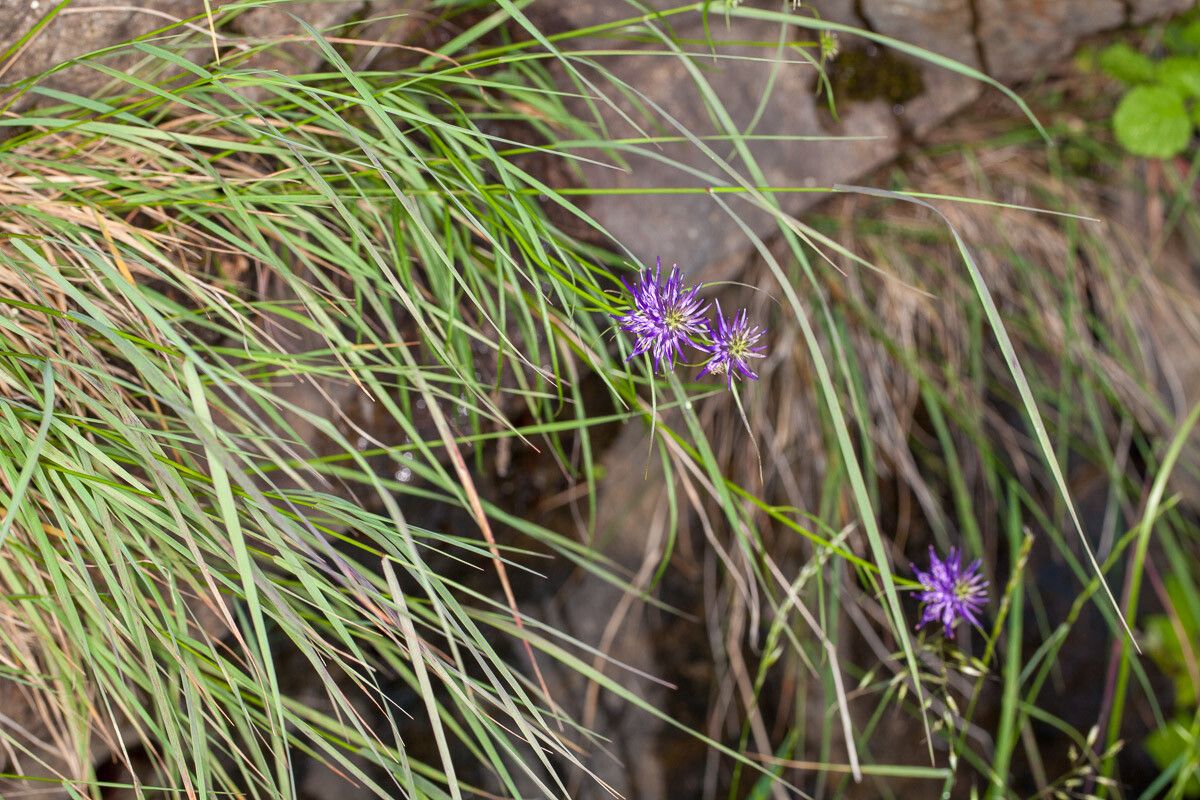
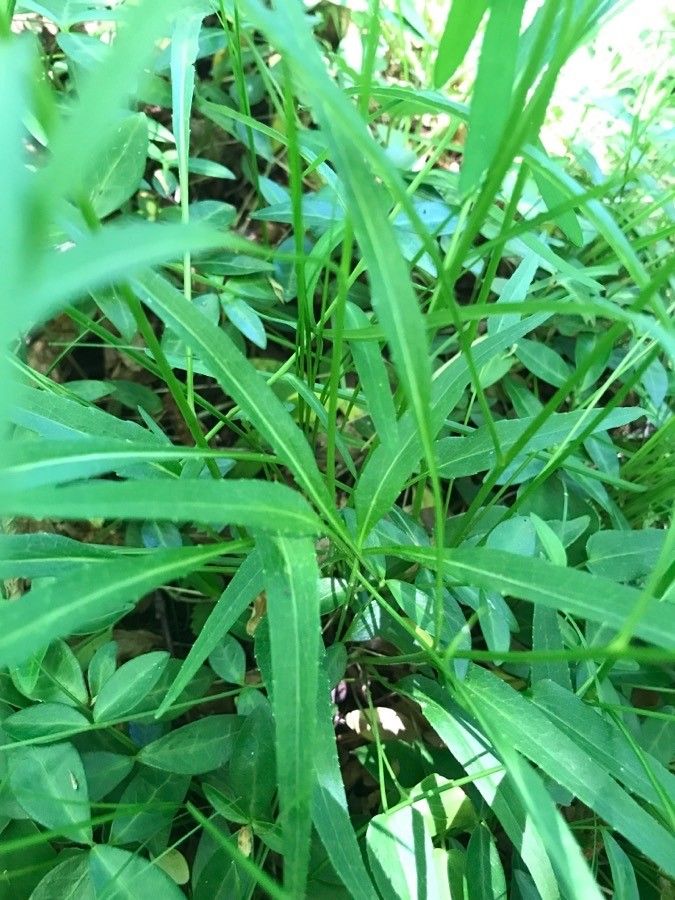
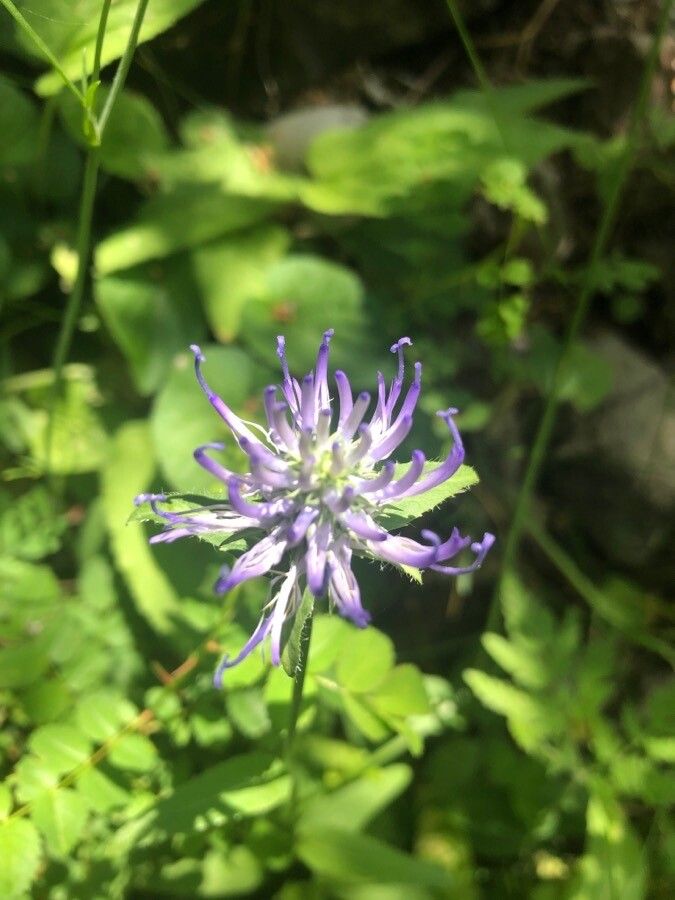
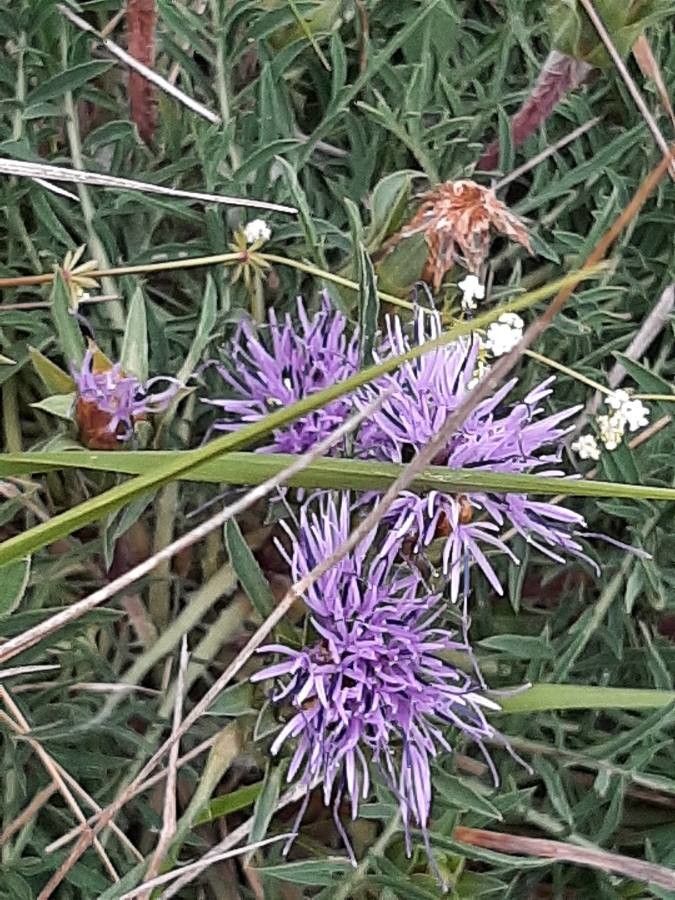
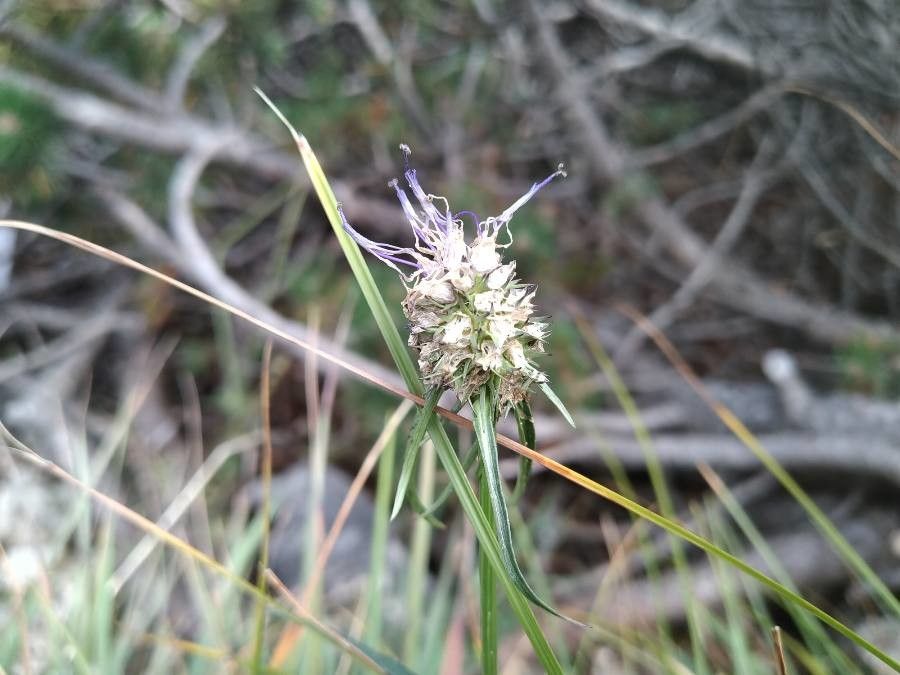
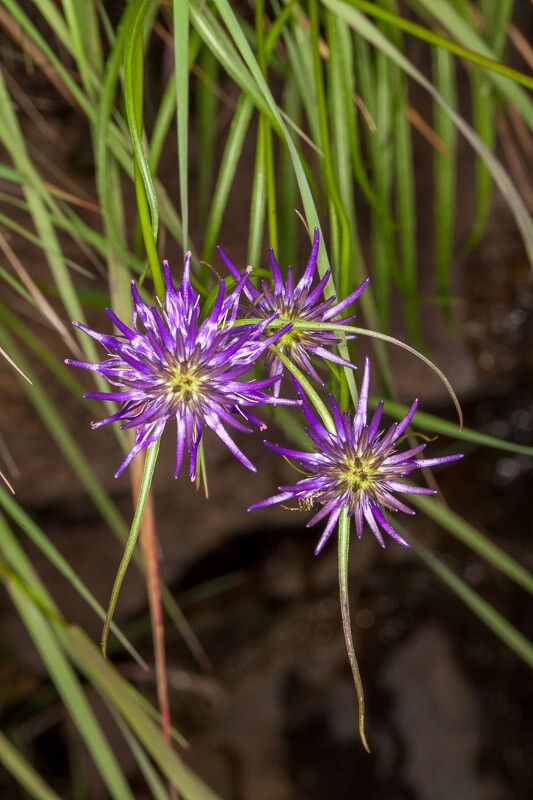
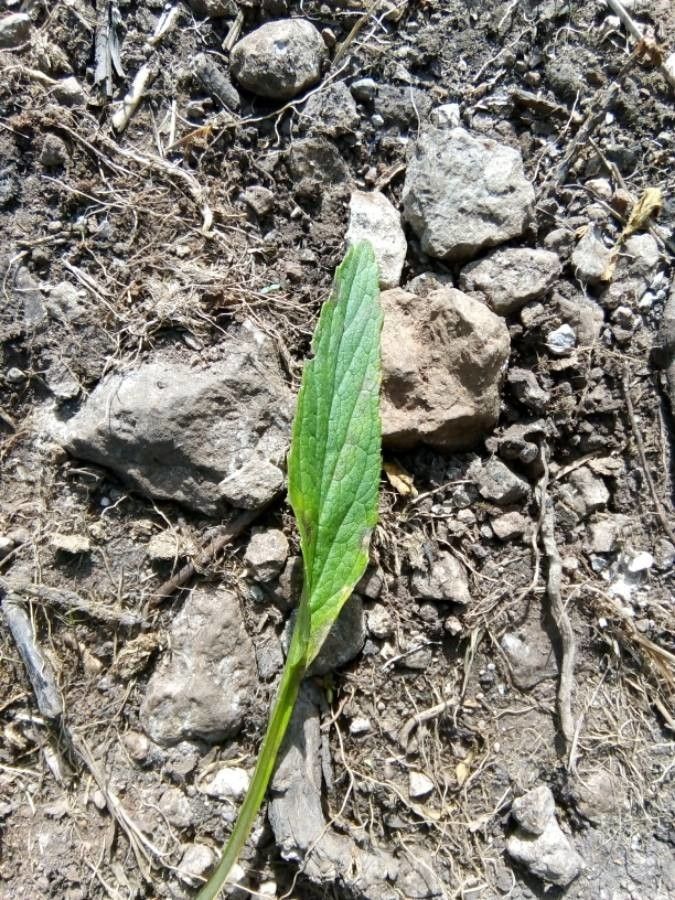
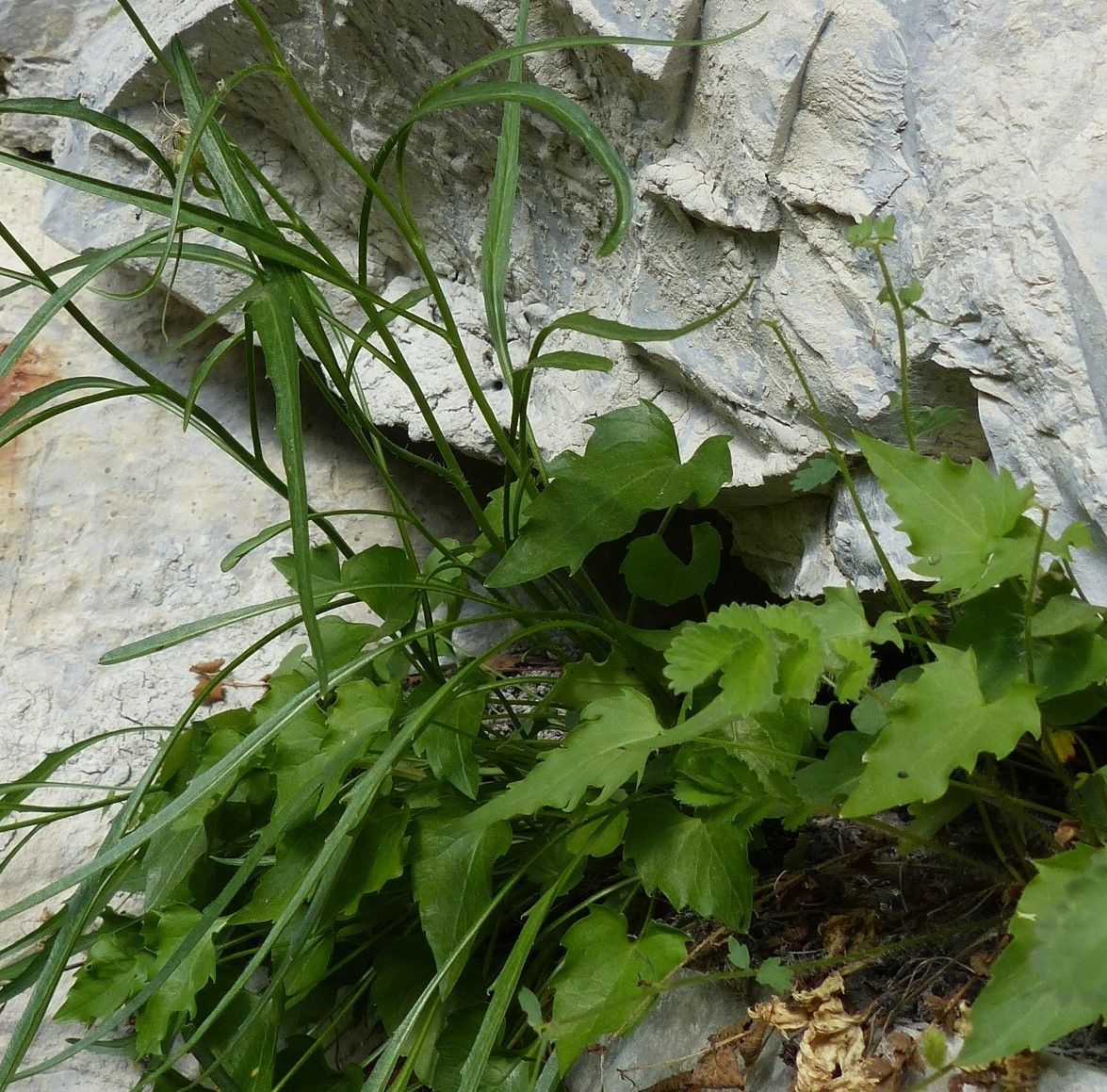
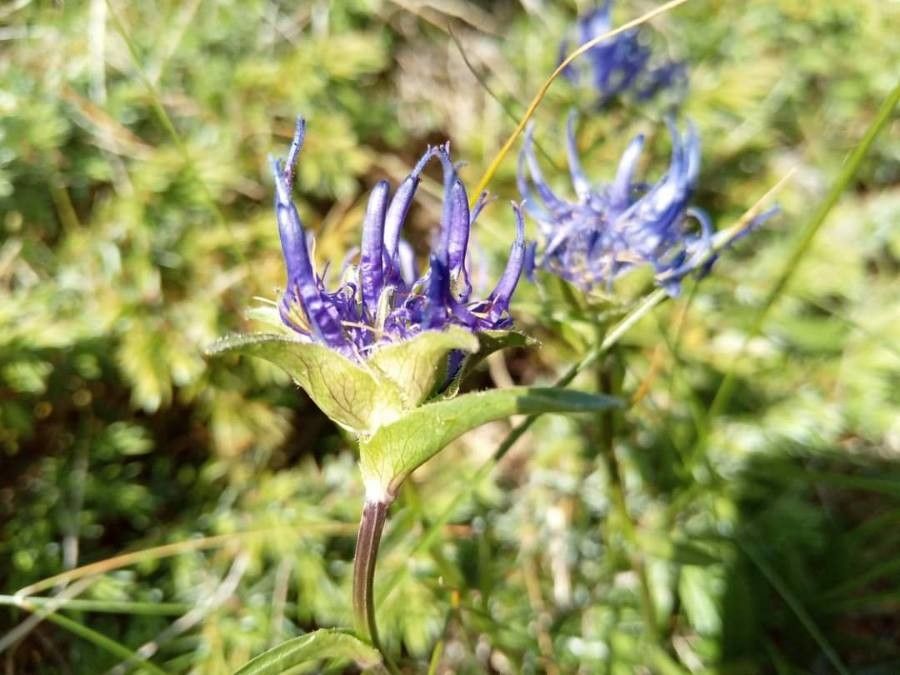
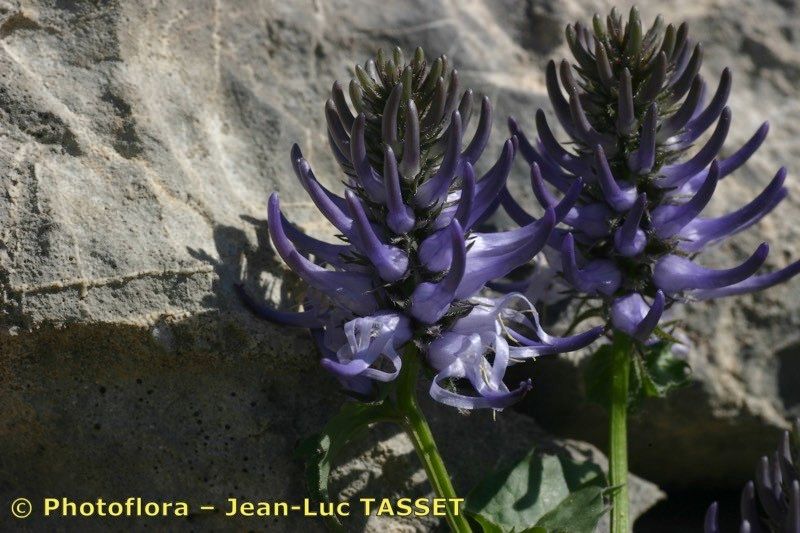
Phyteuma scheuchzeri, the Oxford rampion or horned rampion, is a perennial herbaceous flowering plant in the family Campanulaceae.
Oxford rampion has strong resistance to disease and is generally not susceptible to illnesses. Still, it can be affected by pests and diseases present in its environment. These problems are typically mild. Regarding maintenance, this plant needs moderate care. It should be pruned regularly to preserve a neat look and support healthy growth. Applying fertilizer can also encourage more flowering. Oxford rampion is appropriate for anyone with outdoor space, such as a garden or patio, and does not demand extensive plant-care experience. It may need extra attention when cultivated indoors.
How to keep Phyteuma Scheuchzeri.
Light
The Oxford rampion originates in habitats such as forest understories or rocky locations, where it grows under natural shade. It prefers partial sunlight but can adjust to full sun or full shade, illustrating its versatile and hardy nature.
Water
Oxford rampion thrives in moist, well-drained soil. While it shows moderate drought tolerance, it prefers consistent moisture. To maintain optimal soil conditions, weekly watering is recommended. In temperate regions, as an outdoor plant, it benefits from natural rainfall, which supports its growth and reduces the need for extra watering.
Fertilizer
The best time to fertilize an Oxford rampion is in early spring, as it comes out of dormancy and starts active growth. Fertilizing supplies essential nutrients for healthy development. While Oxford rampion has fairly low fertilizer requirements, feeding it annually can boost its survival and encourage better, longer-lasting flowers.
Pruning
Oxford rampion is a perennial plant known for its spiky blue flowers. To encourage healthy growth and abundant flowering, prune the plant from early to late spring. This helps enhance air circulation and reduces the risk of disease. Avoid heavy pruning outside of this period to prevent stressing the plant. Always use clean tools during pruning to prevent infections.
Pot & Repot
When repotting Oxford rampion, choose a pot 1-2 inches (2.5–5.1 cm) larger with ample drainage. Use a well-draining potting mix. Repot in spring or fall, ensuring the root ball sits slightly lower than the rim of the flower pot. Water thoroughly after repotting and place the plant in a warm spot with indirect sunlight.
Botanical profile.
- Plant Type
- Herb
- Life Cycle
- Perennial
- Genus
- Phyteuma
- Family
- Campanulaceae
- Hardiness Zone
- 4-8
- Mature Height
- 34 cm
- Mature Spread
- 34 cm
- Leaf Color
- Green, Dark Green
- Leaf Type
- Semi-evergreen
- Flower Size
- 1.02 cm to 2.03 cm
- Bloom Time
- Early summer, Mid summer
- Planting Time
- Spring
- Harvest Time
- Late summer, Early fall
Other names.