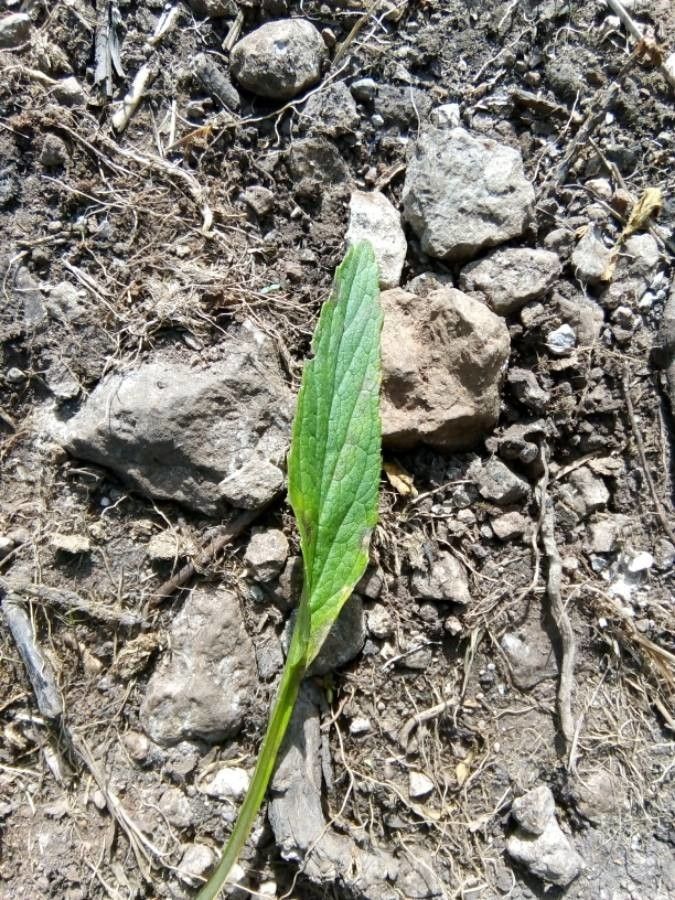
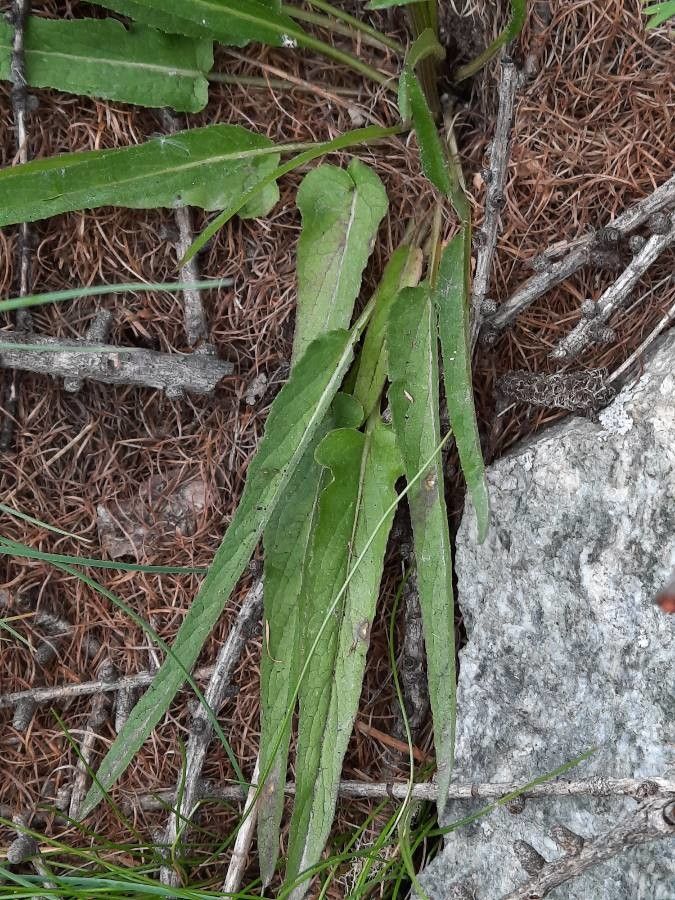
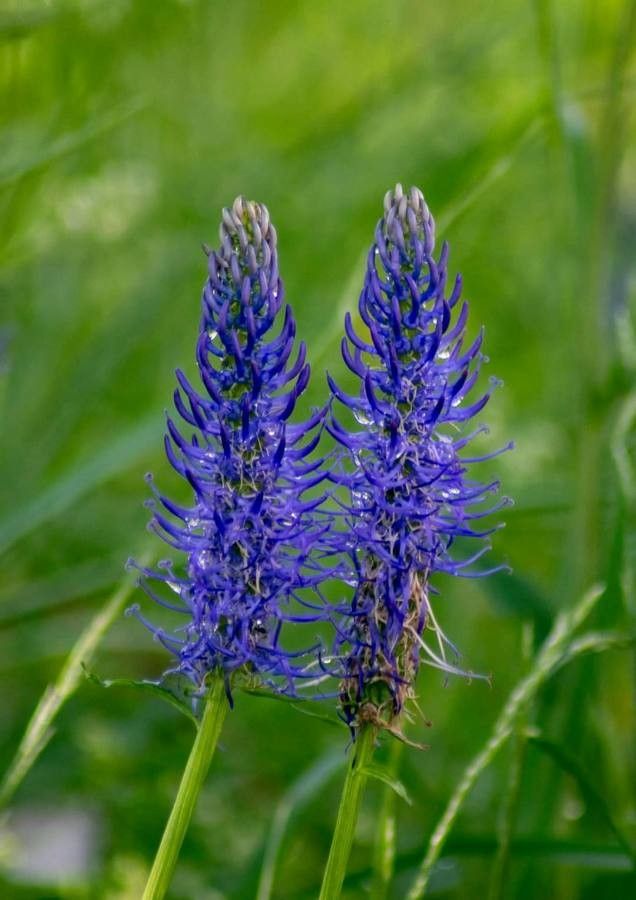
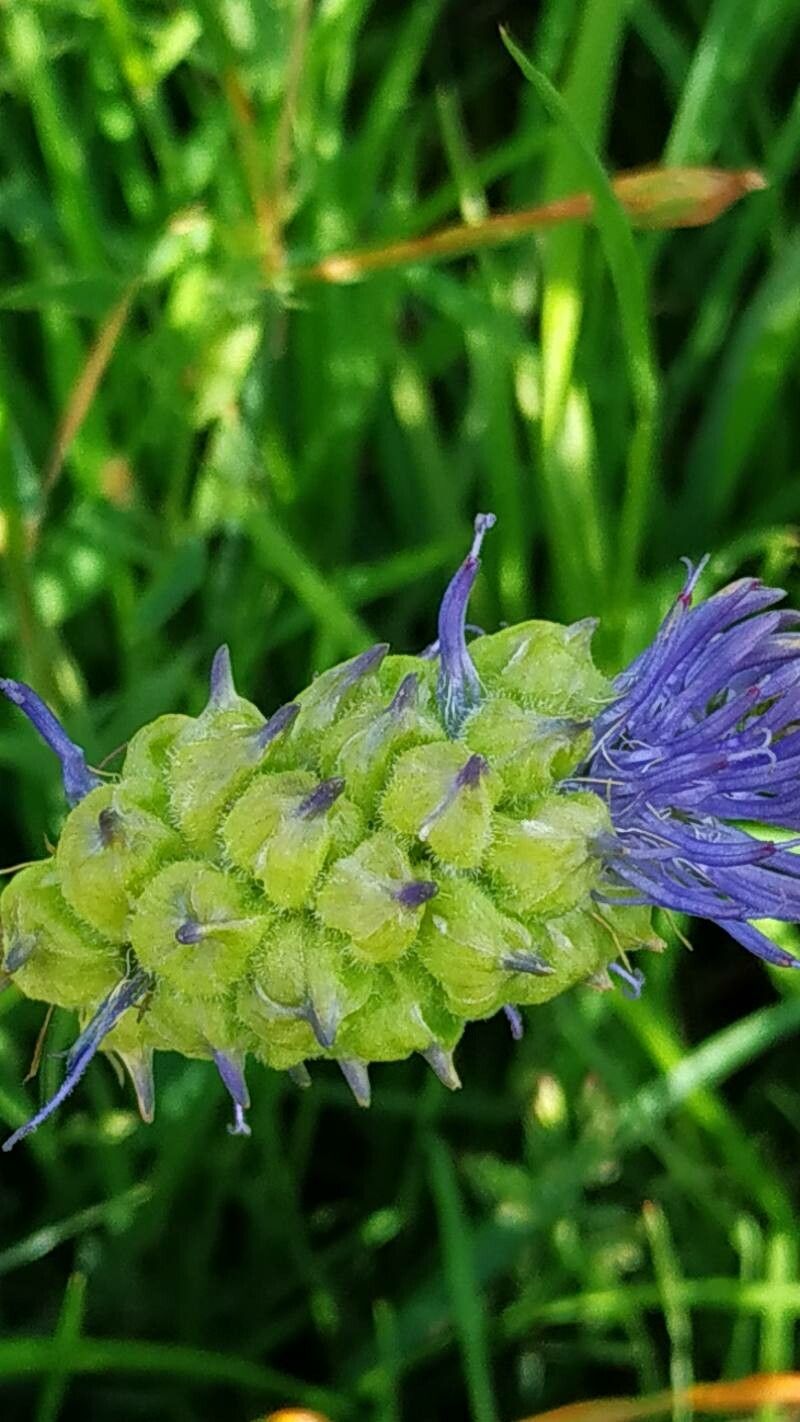
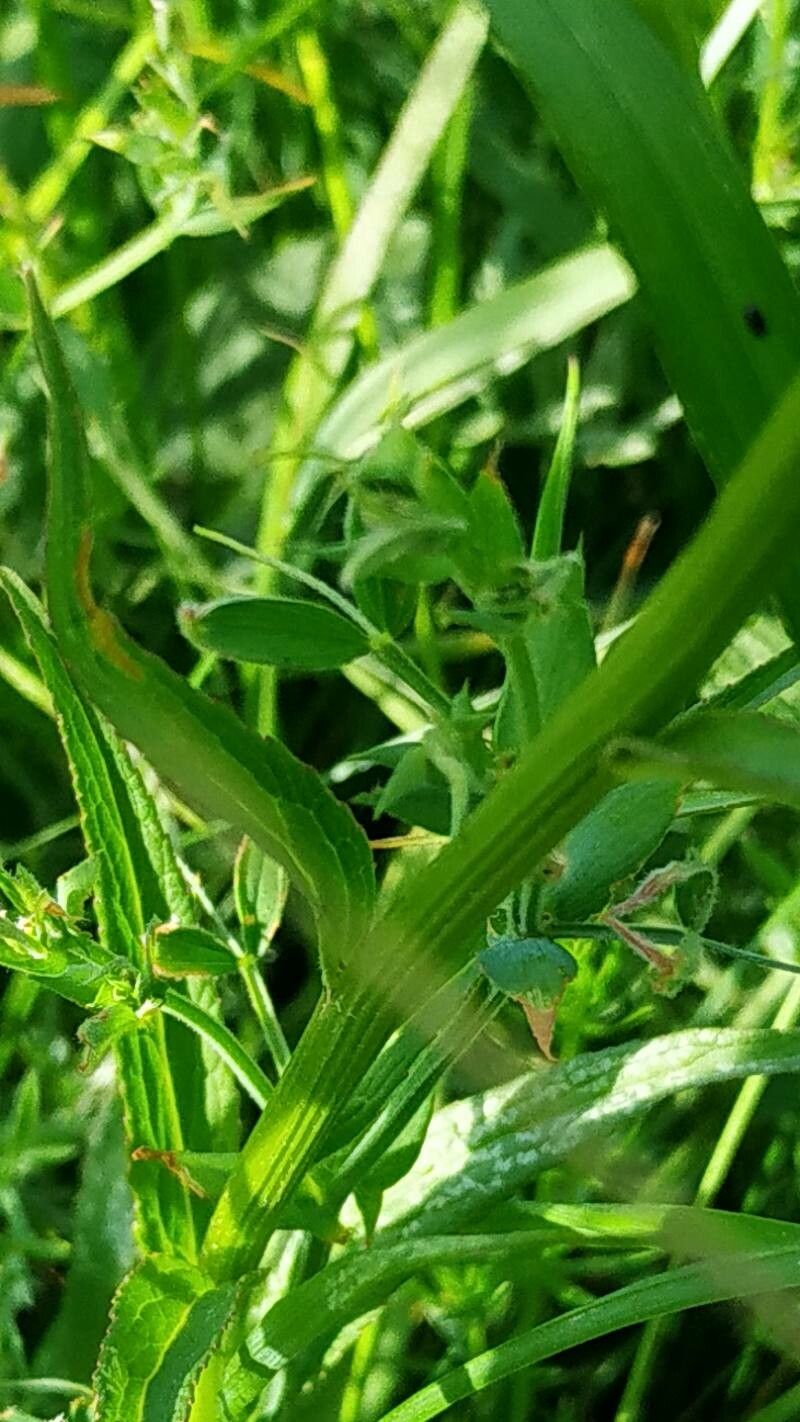
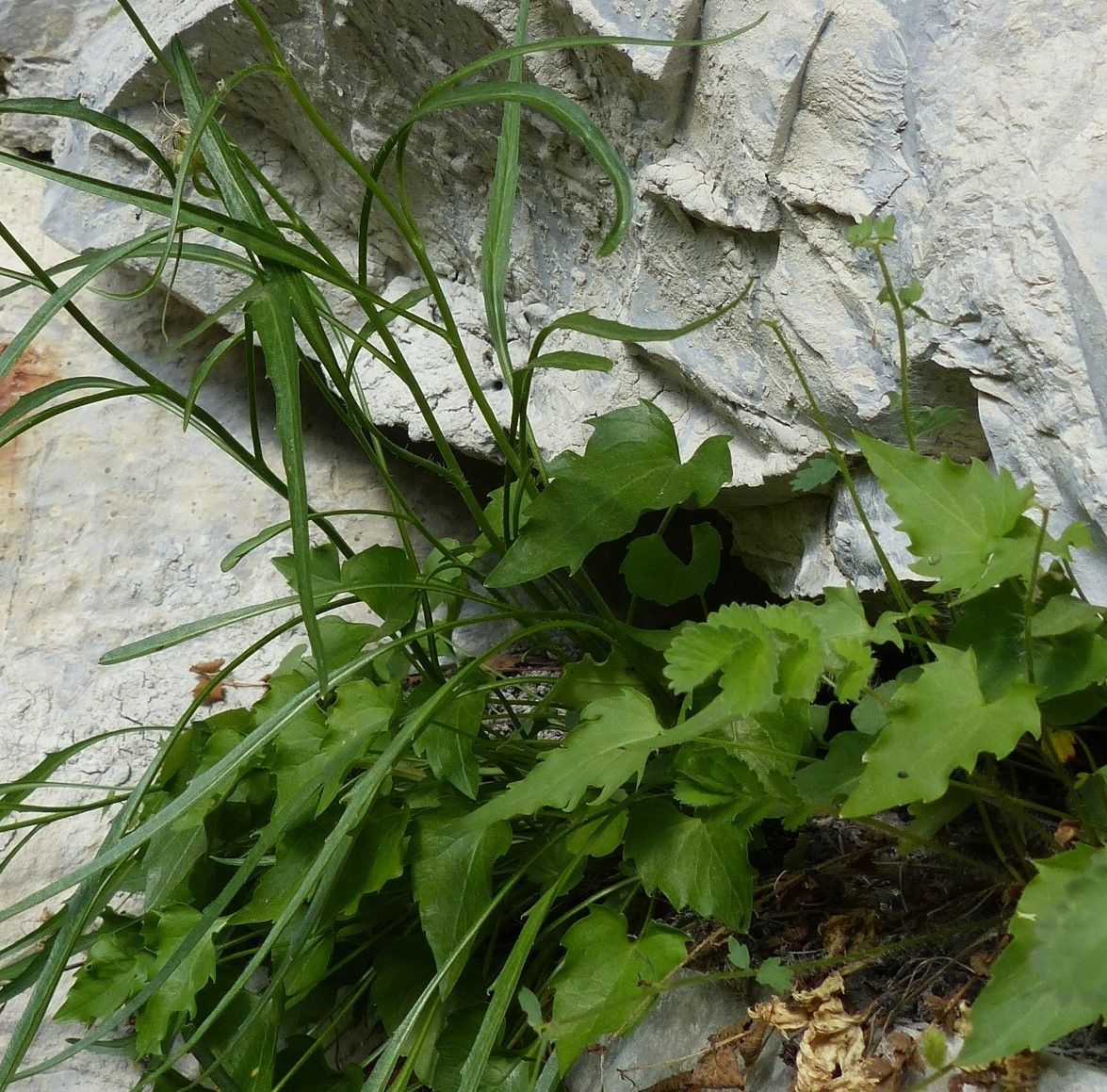
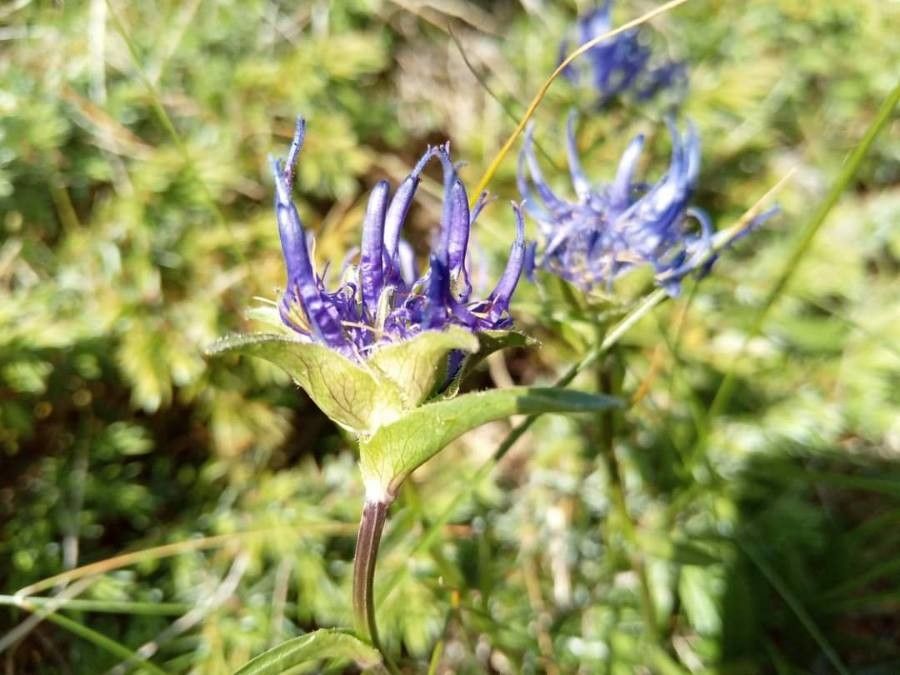
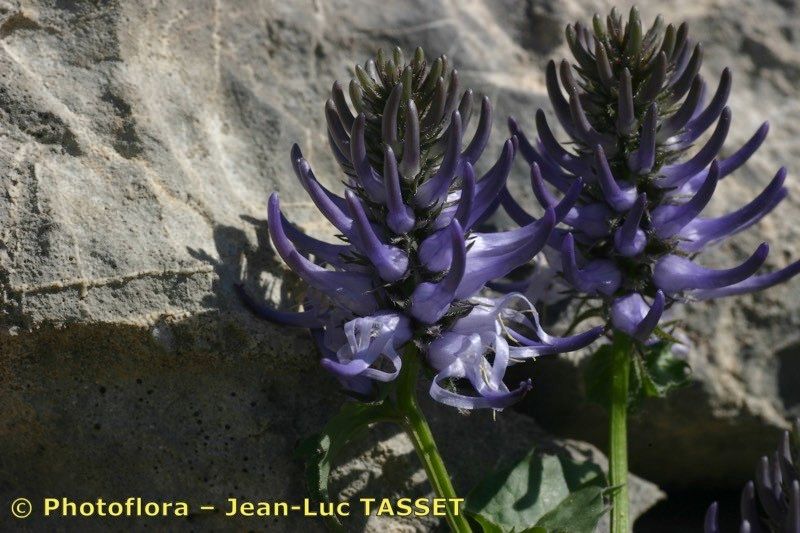
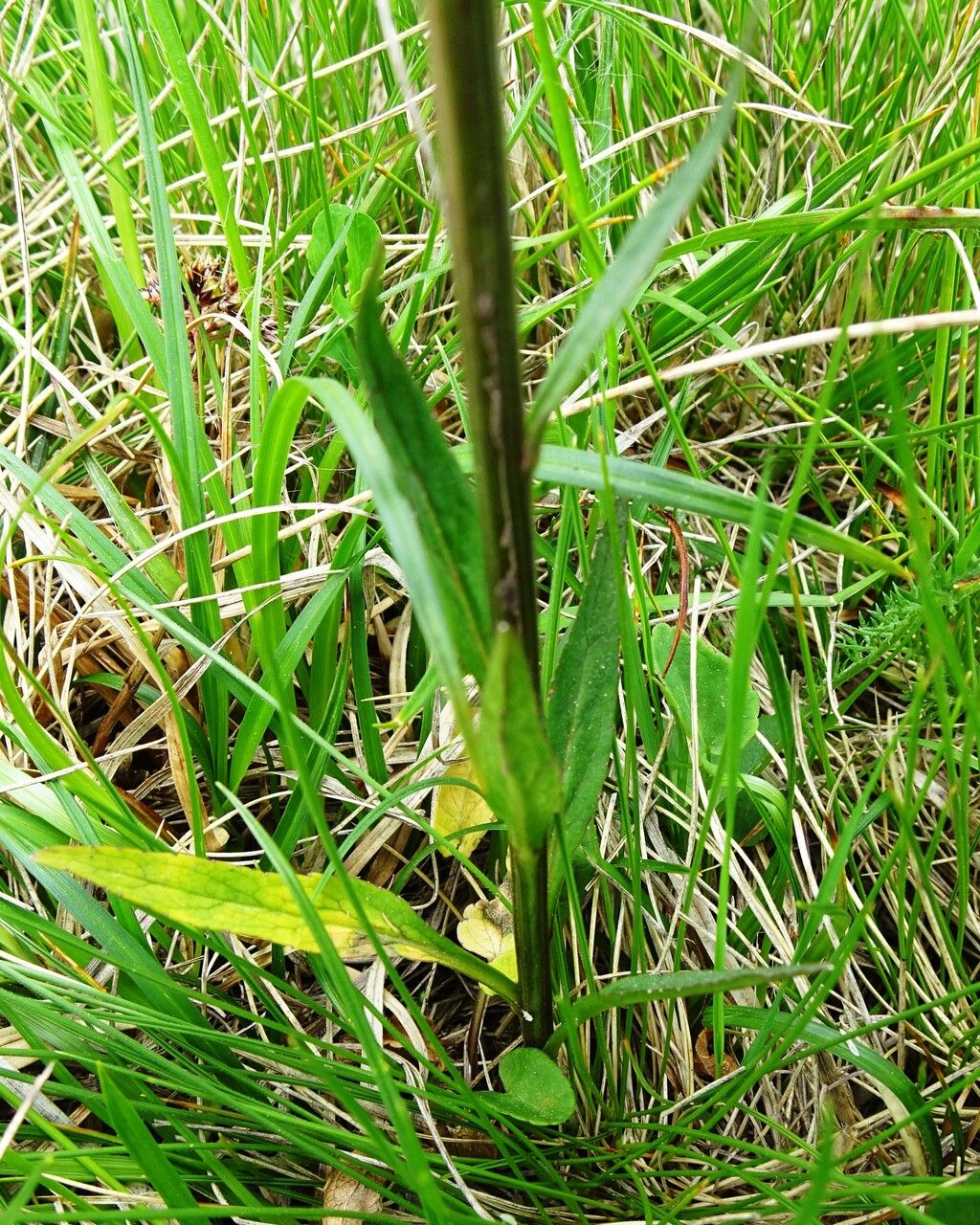
Phyteuma betonicifolium, commonly known as Betony-leaved Rampion, is a perennial herbaceous plant in the Campanulaceae family. It is native to the mountainous regions of Europe and Asia. The plant reaches up to 60 cm (24 inches) in height and forms a basal rosette of lance-shaped leaves with serrated edges. Its erect stem bears clusters of blue-violet flowers that bloom in summer.
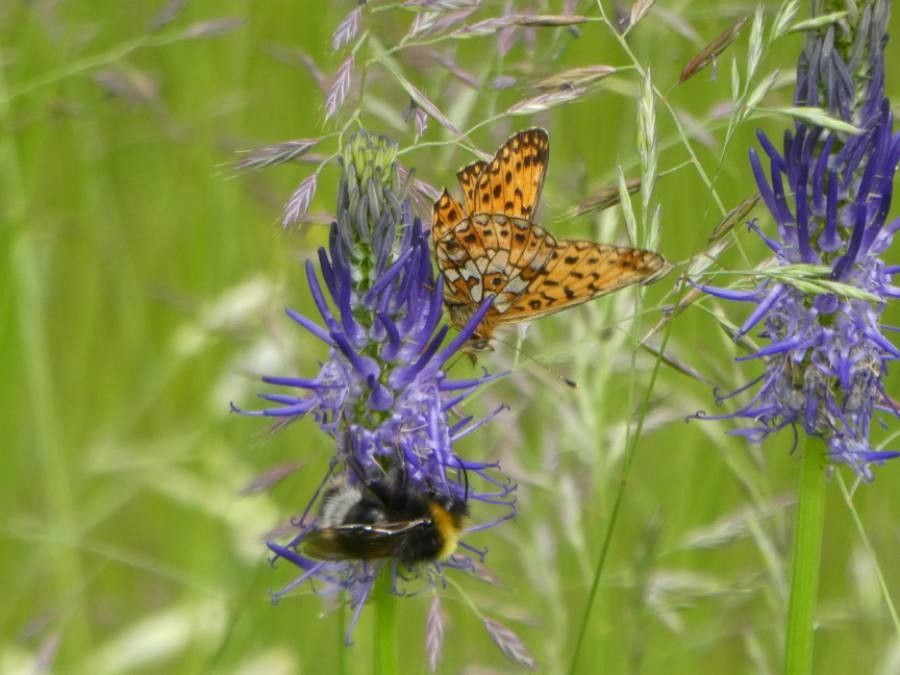
The bell-shaped flowers have five petals fused at the base, creating a tube-like structure. These flowers are densely clustered at the top of each stem and attract pollinators such as bees and butterflies.
Phyteuma betonicifolium prefers well-drained soils and thrives in full sun or partial shade. It can be grown from seed or propagated by division in spring or autumn.
This plant has been used for medicinal purposes for centuries, particularly for its anti-inflammatory properties, which are effective in treating respiratory ailments such as bronchitis and asthma.
Overall, Phyteuma betonicifolium is an attractive ornamental plant that adds color to gardens while also offering medicinal benefits.
Betony-leaved rampion has strong disease resistance and is generally unlikely to develop illnesses. However, it can be susceptible to pests and diseases present in its environment. These infections are typically mild. Regarding care, this plant requires a moderate amount of maintenance. It should be pruned regularly to preserve a tidy appearance and support healthy growth. Fertilizing can also help encourage flowering. Betony-leaved rampion is appropriate for anyone with outdoor space, such as a garden or patio, and does not demand extensive care experience. It may need more attention when grown indoors.
How to keep Phyteuma Betonicifolium.
Light
Betony-leaved rampion does best with moderate sunlight, preferring sites that are not exposed to continuous sun. It naturally prospers in settings with a mix of light and shade. Excessive sun can weaken the plant, while too little light restricts its growth and flowering. Its light requirements are generally consistent throughout the different stages of growth.
Water
Betony-leaved rampion thrives in areas with moderate rainfall and needs to be watered weekly to stay healthy. It prefers balanced moisture levels and should be protected from both drought and excessive humidity. Being an outdoor plant, betony-leaved rampion benefits from natural rainfall, making it adaptable to varied watering conditions.
Temperature
Betony-leaved rampion is indigenous to habitats where temperatures are around 41 to 77°F (5 to 25℃). Its preferred temperature range falls within those values. Seasonal adjustments can be made if necessary.
Fertilizer
For Betony-leaved rampion, the best time to fertilize is in early spring when the flowers are forming. The right fertilizer promotes better blooms and helps Betony-leaved rampion produce attractive flowers. Fertilizing in early spring ensures excellent flowers during the season and supplies energy for dormant growth phases.
Pruning
Betony-leaved rampion thrives when pruned carefully in the spring. Focus on removing dead or damaged stems to promote bushier growth and improve air circulation. This process encourages flowering and strengthens the plant's structure. Always use sharp, clean tools to prevent disease and maintain optimal health.
Botanical profile.
- Plant Type
- Herb
- Life Cycle
- Perennial
- Genus
- Phyteuma
- Family
- Campanulaceae
- Hardiness Zone
- 5
- Mature Height
- 40 cm to 46 cm
- Mature Spread
- 25 cm
- Leaf Color
- Green, Dark Green
- Leaf Type
- Deciduous
- Flower Color
- Purple, Blue
- Flower Size
- 4.06 cm
- Bloom Time
- Early summer, Mid summer
- Planting Time
- Winter, Spring
- Harvest Time
- Late summer, Early fall
Other names.
Reader questions.
How should I water my Betony-leaved rampion?
To properly water the Betony-leaved rampion, it is recommended to use filtered water at room temperature. Tap water should be avoided as it may contain harmful particles. The plant is accustomed to warm environments, so using cold water can be a bit of a shock. It is best to avoid watering the foliage from above as it can cause leaf issues. Instead, pour the filtered room temperature water directly onto the soil until it is fully saturated. This helps the roots stay moist and continue to spread through the soil to gather nutrients.
What are the sunlight requirements for Betony-leaved rampion?
Betony-leaved rampion requires partial sun, meaning it should receive about 3-6 hours of sunlight daily. It's essential to watch how sunlight moves through your garden to find spots that offer a balance of light and shade, ensuring the plant's health and happiness. This plant benefits from moderate sun exposure and thrives in environments that aren't constantly bathed in sunlight, as too much sun can weaken the plant while insufficient light hinders its growth and flowering.
What is the native temperature range for Betony-leaved rampion?
Betony-leaved rampion, or Phyteuma betonicifolium, thrives in environments where the temperature is between 41 to 77°F (5 to 25°C). This range indicates the plant's ideal temperature span, allowing for slight adjustments as the seasons change.
What should I do if I give my Betony-leaved rampion too much water or too little water?
Overwatering is a more common issue for Betony-leaved rampion than underwatering. When this plant receives too much water, its stems and leaves may wilt and turn yellow. Overwatering can also lead to diseases like root rot, mold, and mildew, which can be fatal for the plant. Underwatering is less common, but it can still happen. In such cases, the leaves of the plant may become brittle and brown. It's important to notice signs of overwatering early and reduce watering immediately. Assessing the soil quality is also important, as poorly draining soil should be replaced with a well-draining potting mix. If signs of underwatering are present, watering more regularly until the signs subside is sufficient.
How can artificial lighting benefit indoor Betony-leaved rampion plants?
Indoor Betony-leaved rampion plants require adequate lighting for optimal growth. When natural sunlight is insufficient, especially in winter or less sunny spaces, artificial lighting provides a vital solution. LED lights are a popular choice for indoor plant lighting because they can be customized to offer specific wavelengths needed by the plants. Full sun plants need 30-50W per square foot, partial sun plants need 20-30W per square foot, and full shade plants need 10-20W per square foot of artificial light. The light source should be placed 12-36 inches above the plant, mimicking natural sunlight, and most plants need 8-12 hours of light per day.
How does Betony-leaved rampion handle cold weather, and what are the preparation tips for winter?
Betony-leaved rampion is highly tolerant of cold weather and does not require any special frost protection measures during the winter months. To prepare for winter, it's recommended that the plant be watered generously before the first freeze of autumn. This ensures the soil around the plant stays moist and enters a frozen state, helping to prevent drought and water scarcity during the colder winter and early spring months.
How frequently should I water my Betony-leaved rampion plant?
If your Betony-leaved rampion plant is in a pot, the most precise way to determine if it needs water is by checking the soil. Simply stick your finger into the soil, and if the top two to three inches are dry, it's time to water. If you have the plant outdoors in the ground, you can use the same method. When the top few inches of soil are dry, it's time to water. During spring and early fall, watering once a week is usually sufficient. However, during extremely hot weather, you may need to water twice or more per week. It's important to note that mature and well-established Betony-leaved rampion plants have a remarkable ability to withstand drought.
What are the signs of light deficiency in Betony-leaved rampion?
When Betony-leaved rampion grows indoors with insufficient light, it may exhibit symptoms such as smaller new leaves compared to older ones, leggy or sparse growth, faster leaf drop, slower or no new growth, lighter-colored new leaves, chlorosis (leaves turning yellow), sunscald, leaf curling, wilting, and leaf scorching. These symptoms indicate poor light conditions, which can hamper the plant's growth and overall health.
What are the symptoms and solutions if Betony-leaved rampion experiences temperatures below its cold tolerance?
If the temperature drops below -25°C, Betony-leaved rampion shows an exceptional tolerance to cold, yet extremely low temperatures can affect it. There may be decreased sprouting or no sprouting at all during the spring following such low temperatures. The solution to this issue involves removing any parts of the plant that fail to sprout in the spring.
How much water does my Betony-leaved rampion plant require?
When watering your Betony-leaved rampion, don't hold back on the amount of water you give. Wait until the top two to three inches of soil are dry, then give it a good, thorough watering. Make sure the water penetrates all the way through the soil and drains out of the pot's bottom holes. If you don't see any excess water draining out, you may not have given enough water. However, be careful not to let water accumulate in the soil, as this can harm the plant. Conversely, if water doesn't drain through the pot, it could mean the soil isn't draining well, which can harm the plant too. If the plant is outside, 1 inch of rain per week should be enough.
What solutions can address Betony-leaved rampion's light deficiency?
To address light deficiency in Betony-leaved rampion, indoor plants can be gradually moved to sunnier spots each week until they receive 3-6 hours of direct sunlight daily, which helps them adapt to changing light conditions. For plants that are large or not easily movable, consider using a desk or ceiling lamp for at least 8 hours daily, or invest in professional plant grow lights. Outdoors, gradually moving your plants to sunnier locations each week can prevent sunburn. Addressing obstructions by pruning trees or relocating plants to sunnier areas with good drainage can also improve sunlight exposure. Note that parts of the plant affected by insufficient sunlight may not recover, but new growth should be healthy following these adjustments.
How does Betony-leaved rampion react to high temperatures, and what should be done?
Betony-leaved rampion is not tolerant of high temperatures. Growth will cease, and the plant becomes more prone to rot if temperatures rise above 25°C. To mitigate damage from high temperatures, any sunburned or dried-up parts of the plant should be trimmed away. Relocating the plant to a shadier area or using shade cloth to protect it from the midday and afternoon sun is beneficial. Additionally, watering the plant in the morning and evening helps keep the soil moist, providing further protection against heat.