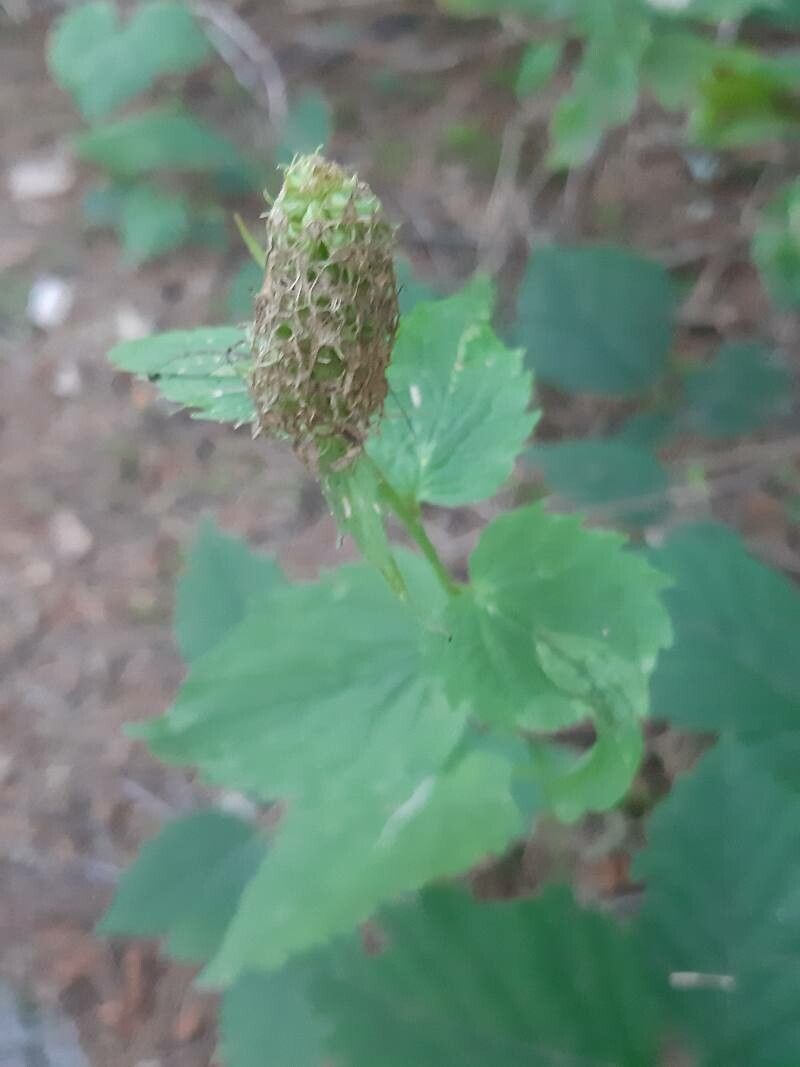
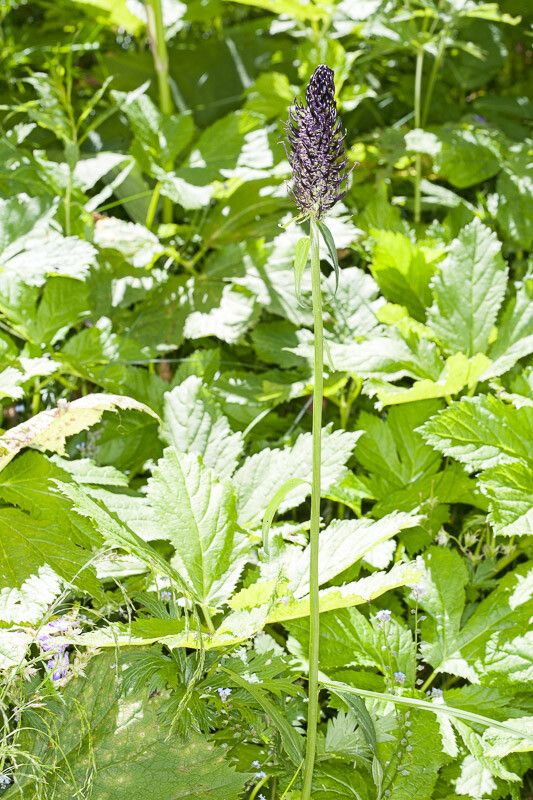
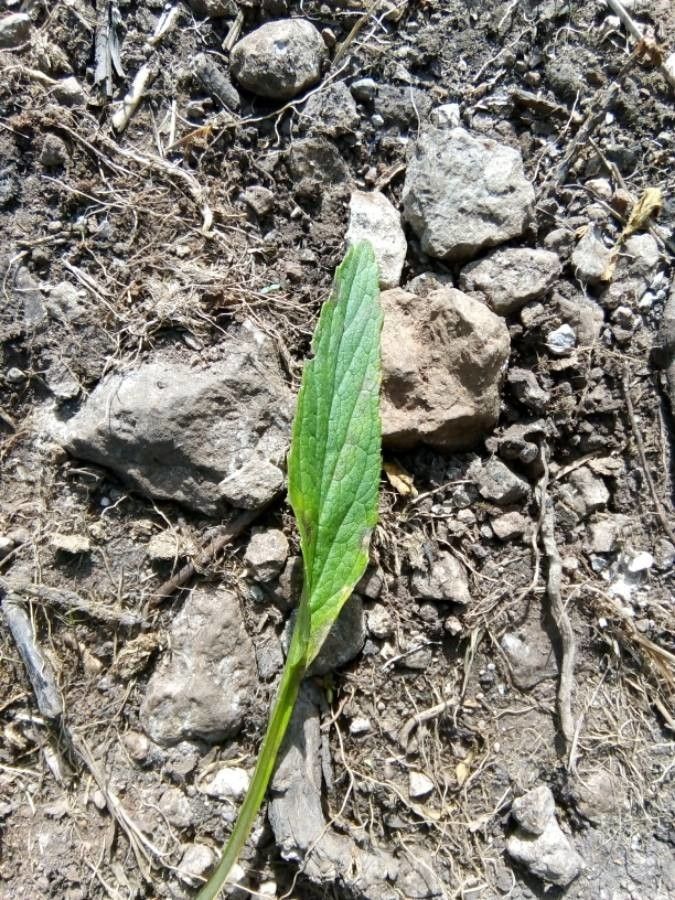
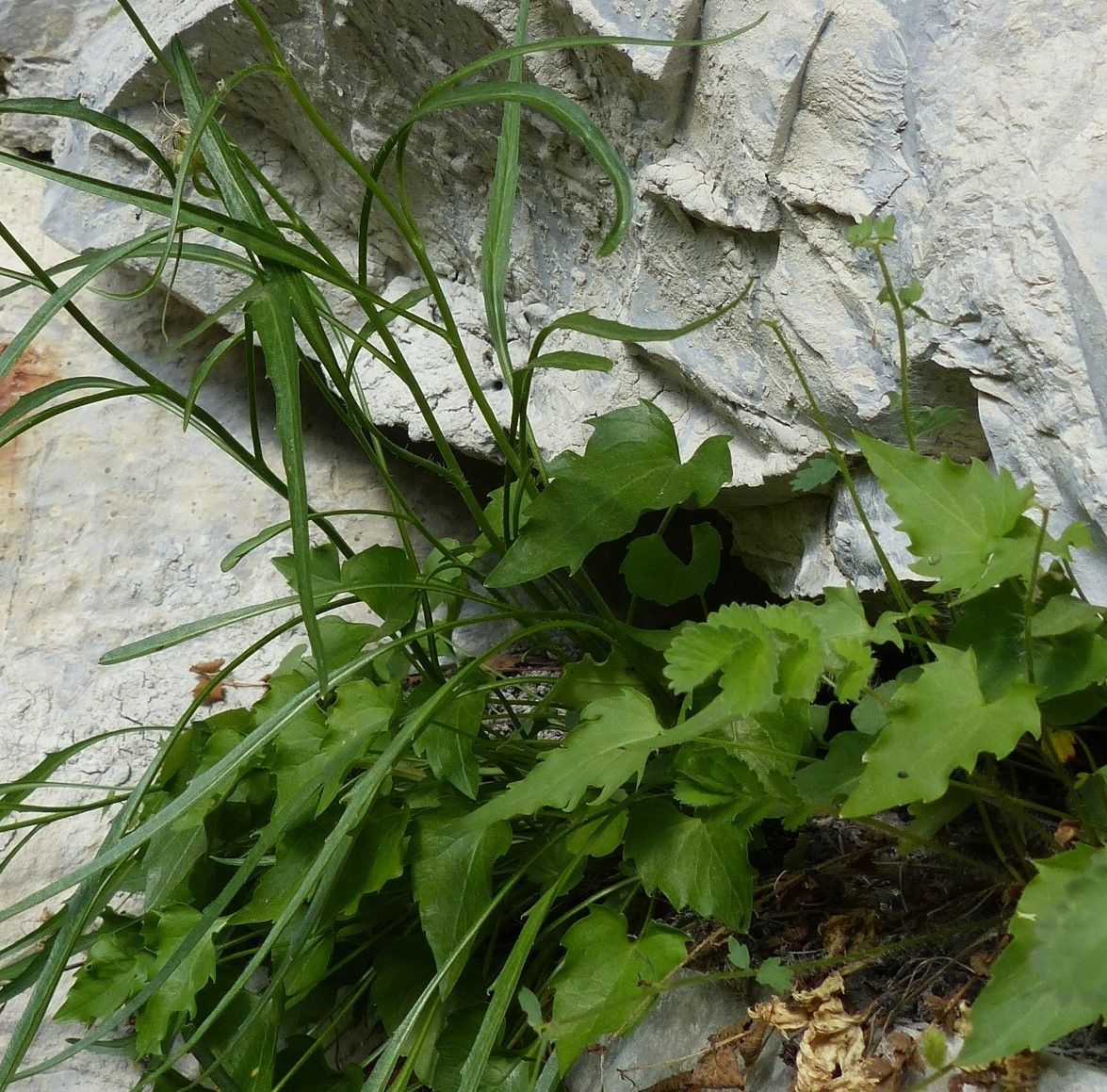
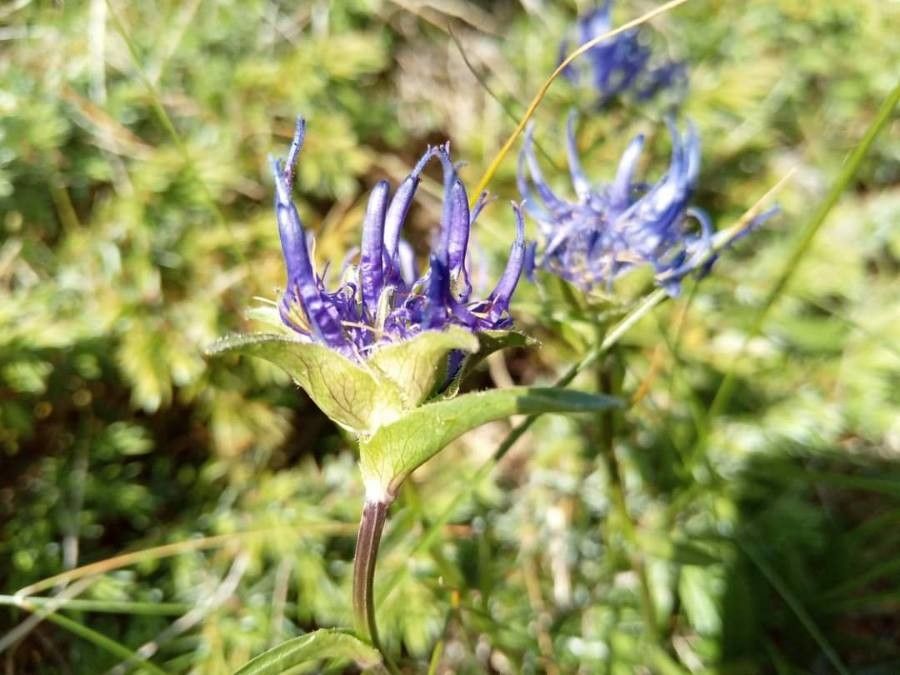
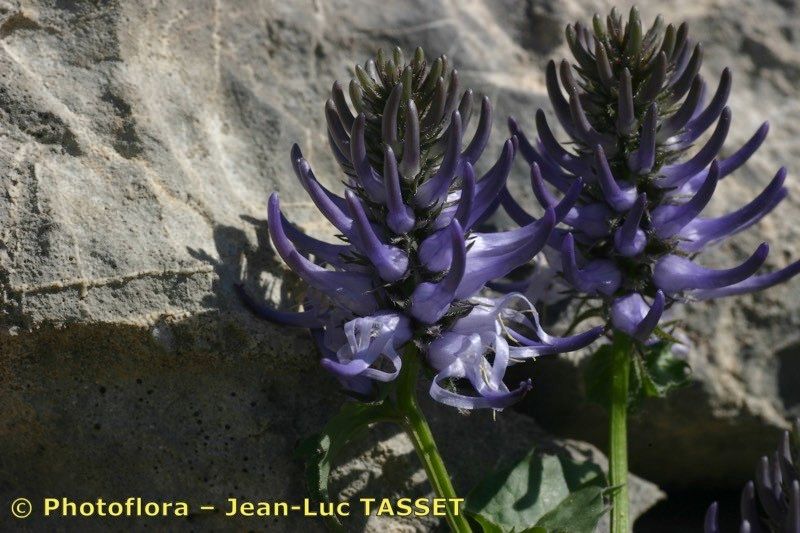
Phyteuma ovatum is a flowering plant in the family Campanulaceae.
Haller's rampion has good resistance to disease and is generally not easily affected by illnesses. It can, however, be vulnerable to pests and diseases present in its environment. Such infections are typically not severe. Regarding care, the plant requires moderate maintenance. It needs regular pruning to maintain an attractive appearance and healthy growth. Fertilizing can also help encourage flowering. Haller's rampion is suitable for anyone with outdoor space, like a garden or patio, and does not demand extensive care experience. It may need more attention when grown indoors.
How to keep Phyteuma Ovatum.
Light
Haller's rampion is native to habitats like forest understories and rocky areas, where it grows in natural shade. It prefers partial sun but can tolerate both full sun and complete shade, demonstrating its adaptable, hardy nature.
Water
Haller's rampion thrives in consistently moist conditions and requires watering once a week. It does best with soil that balances water retention and drainage, and it has a moderate tolerance for drought. Typically found in cooler climates, Haller's rampion benefits from natural rainfall during its growing season.
Temperature
Haller's rampion is a plant indigenous to temperate areas and needs temperatures between 50 and 89.6 °F (10 to 32 ℃). It favors cooler conditions but can adjust to warmer environments. During extreme seasonal shifts, suitable temperature adjustments are required.
Fertilizer
For Haller's rampion, the primary time to apply fertilizer is early spring when the flowers are developing. The appropriate fertilizer promotes improved blooms and helps Haller's rampion produce attractive flowers. Fertilizing in early spring ensures good flowering through the season and supplies energy for periods of dormant growth.
Pruning
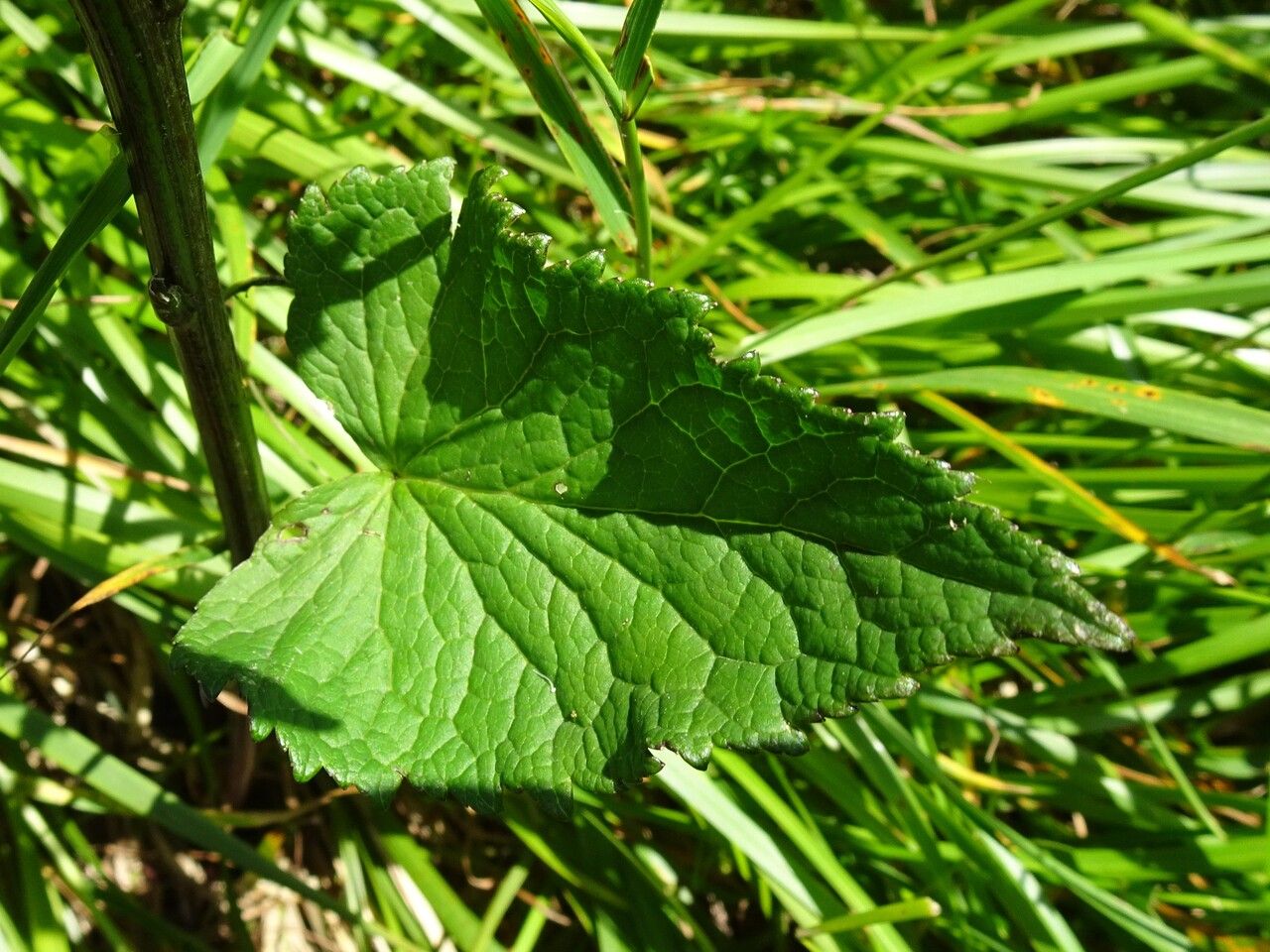
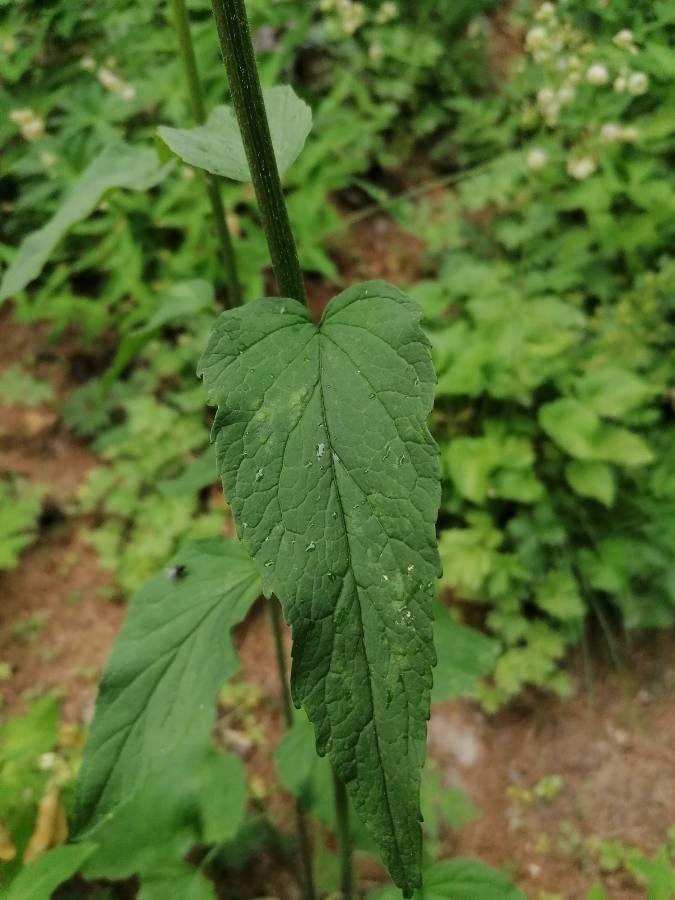
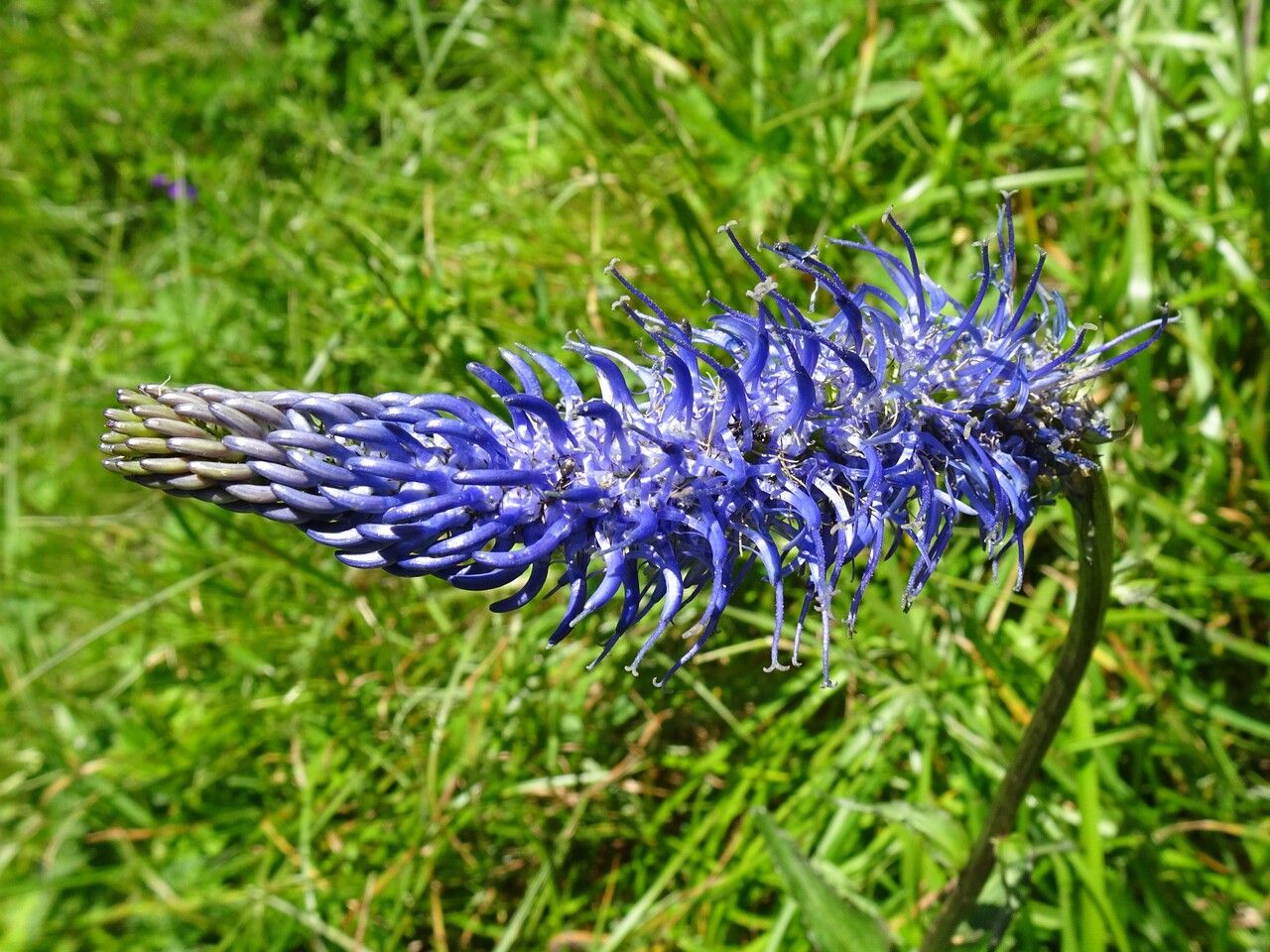
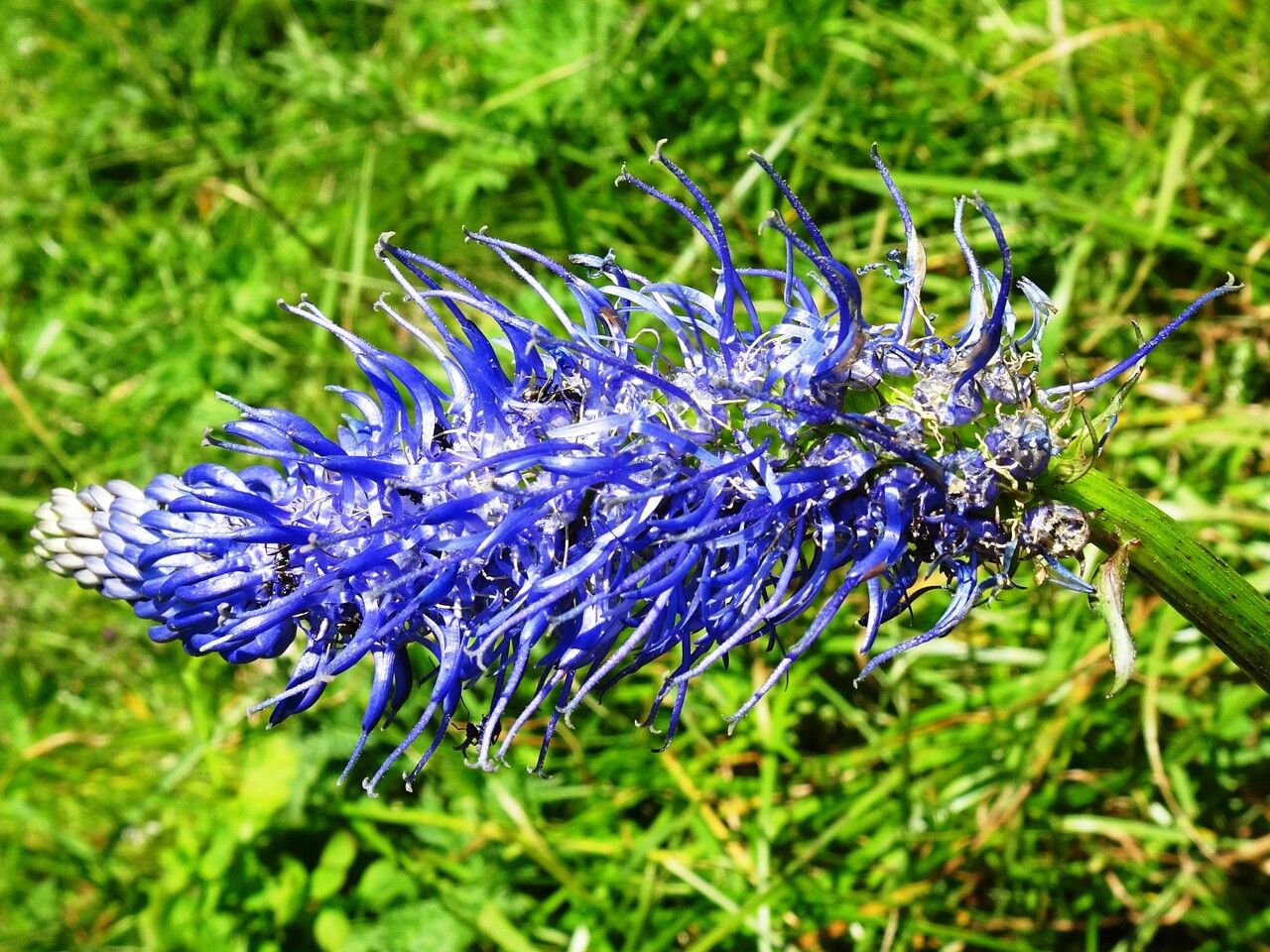
Haller's rampion, famous for its distinctive leaf shape and vibrant flowers, thrives with minimal yet strategic pruning from early to late spring. Concentrate on removing dead stems to promote new growth, improve air circulation, and keep a compact shape. Be sure to use clean tools to prevent infection.
Botanical profile.
- Plant Type
- Herb
- Life Cycle
- Perennial
- Genus
- Phyteuma
- Family
- Campanulaceae
- Hardiness Zone
- 6-8
- Mature Height
- 40 cm to 76 cm
- Mature Spread
- 20 cm to 30 cm
- Leaf Color
- Green, Dark Green
- Leaf Type
- Semi-evergreen
- Flower Color
- Purple, Black
- Flower Size
- 1.02 cm to 2.03 cm
- Bloom Time
- Early summer, Mid summer
- Planting Time
- Spring, Summer, Autumn
- Harvest Time
- Late summer, Early fall
Other names.
Reader questions.
How should I water my Haller's rampion plant the best way?
To properly water the Haller's rampion, it's best to use filtered water that is at room temperature. Tap water may have harmful particles, so filtered water is preferred. This plant comes from warm environments, so it's important to avoid using cold water, as it can shock the plant. Overhead watering should also be avoided to prevent foliage problems. Instead, apply the filtered room temperature water directly to the soil until it becomes completely soaked. This watering method helps the plant by moisturizing the roots and promoting their spread in the soil to gather necessary nutrients.
Why should I fertilize my Haller's rampion?
The main structure of the Haller's rampion is made up of its leaves. Fertilization is essential for ensuring that these leaves both look great and function properly. Proper fertilization will result in consistent color and a healthy texture of the leaves. Additionally, fertilization also benefits the plant below the soil's surface by promoting new root growth and maintaining existing roots. This means that fertilization not only keeps the plant healthy in the present, but also helps it absorb nutrients from the soil more effectively in the future.
What is the optimal temperature range for growing Haller's rampion?
Haller's rampion thrives in temperate regions with temperatures ranging from 50 to 89.6 °F (10 to 32 °C). While it prefers cooler climates, it can adapt to warmer conditions. Seasonal temperature adjustments are necessary to accommodate extreme weather. The plant is cold-resistant and generally does not require special frost protection measures. However, in regions where winter temperatures might drop below -25°C, additional cold protection should be provided by covering the plant with soil or straw. To prepare for winter, it's advised to water the plant abundantly before the first freeze in autumn, ensuring the soil is moist as it freezes. This helps prevent drought and water scarcity during the colder months.
What should I do if I give my Haller's rampion plant too much or too little water?
Overwatering is a common issue that can harm your Haller's rampion. When this happens, the stems and leaves may become wilted and turn yellow. Over time, overwatering can also lead to diseases like root rot, mold, and mildew, which can kill the plant. On the other hand, underwatering is less likely to occur because Haller's rampion is drought tolerant. However, if underwatering does happen, you will notice brittle and brown leaves. It's important to recognize the signs of overwatering early on, as some diseases like root rot cannot be reversed if left untreated for too long. If you spot these signs, you should immediately reduce your watering schedule and assess the quality of the soil. If the soil doesn't drain well, replace it with a loose, well-draining potting mix. If you see signs of underwatering, simply water the plant more regularly until the signs disappear.
When should I fertilize my Haller's rampion?
If you grow your Haller's rampion outdoors each year, it will start growing new leaves in early spring. This is when you should start fertilizing the plant. Normally, one application of fertilizer in the spring is sufficient. However, if you want to promote maximum growth, you can fertilize multiple times throughout the spring and early summer. If you choose this option, you can feed your Haller's rampion approximately once every month to a month and a half.
How can I protect Haller's rampion from low temperature damage?
Haller's rampion is notably cold-tolerant and fares best when temperatures remain above 10°C. To avoid damage when winter temperatures drop, it should be kept above -15°C. At temperatures below -25°C, the plant might not show immediate damage but could experience reduced or absent sprouting in spring. To mitigate this, in spring, remove any parts of the plant that have failed to sprout as a response to the cold stress.
How often should I give water to my Haller's rampion?
If your Haller's rampion plant is in a pot, the best way to determine if it needs water is to stick your finger into the soil. If the top two to three inches are dry, it's time to water. If the plant is grown outside in the ground, you can use the same method to check the soil. When the top few inches are dry, it's time to water. Typically, during spring and early fall, you'll likely need to water this plant about once a week. In very hot weather, you might need to water it twice a week or more. However, mature Haller's rampion plants have a good ability to withstand drought.
When is it best to not put fertilizer on my Haller's rampion?
During the late fall and winter, your Haller's rampion will go into a dormant phase and stop growing. Therefore, it is important to avoid fertilizing it during this time. In contrast, if you choose to fertilize your Haller's rampion multiple times in the spring and summer, you should gradually reduce the amount of fertilizer as summer approaches because the growth rate of your Haller's rampion will also slow down. It is important to note that it is never a good idea to fertilize your Haller's rampion when the weather is unusually hot or when the soil is excessively dry. This can cause unnecessary stress to your plant and lead to its premature death.
What should I do if Haller's rampion is exposed to high temperatures?
During summer, Haller's rampion should ideally be kept below 32°C to avoid heat stress. Exposure to temperatures above 35°C can cause the leaves to lighten in color, curl, become sunburned, and in severe cases, the plant may wilt and dry out. To protect and revive the plant, trim away any sunburned or dried parts. Moving the plant to a shaded spot or using a shade cloth can protect it from midday and afternoon sun. Additionally, watering the plant in the morning and evening can help to maintain soil moisture and mitigate the effects of high temperatures.
How much water does my Haller's rampion plant need?
To properly water your Haller's rampion plant, don't hold back on the amount of water you give. Make sure the first two to three inches of soil are dry before watering. It's best to water thoroughly, ensuring that the entire soil is soaked. The water should be enough to cause excess water to flow out through the drainage holes at the bottom of the pot. If you don't see any excess water draining, it means you haven't watered enough. On the other hand, be careful not to let water accumulate inside the soil, as this can be harmful to the plant. Additionally, if water doesn't drain well through the pot, it may indicate poorly draining soils, which is not good for the plant's health. If the plant is outside, 1 inch of rain per week should be sufficient.
What kind of fertilizer does my Haller's rampion plant need?
Choosing the best fertilizer for a Haller's rampion is quite simple. These plants thrive on a garden fertilizer with equal parts of nitrogen, phosphorus, and potassium. A ratio of 10-10-10 or similar works well. Avoid high nitrogen fertilizers if unsure. The best fertilizers for a Haller's rampion are usually granular and slow-release, making them easy to apply. Additionally, using organic compost as a soil amendment can be beneficial.
How much water does my Haller's rampion need at different stages of growth?
The water needs of the Haller's rampion plant can vary depending on its growth stages. In the early years and when it is newly transplanted, it requires more water. This is because during these stages, the plant focuses on developing new roots for future growth, which need additional moisture. However, as the plant matures over a few seasons, its water requirements decrease. Additionally, during the blooming period, the plant may also require more water due to the flower development process.