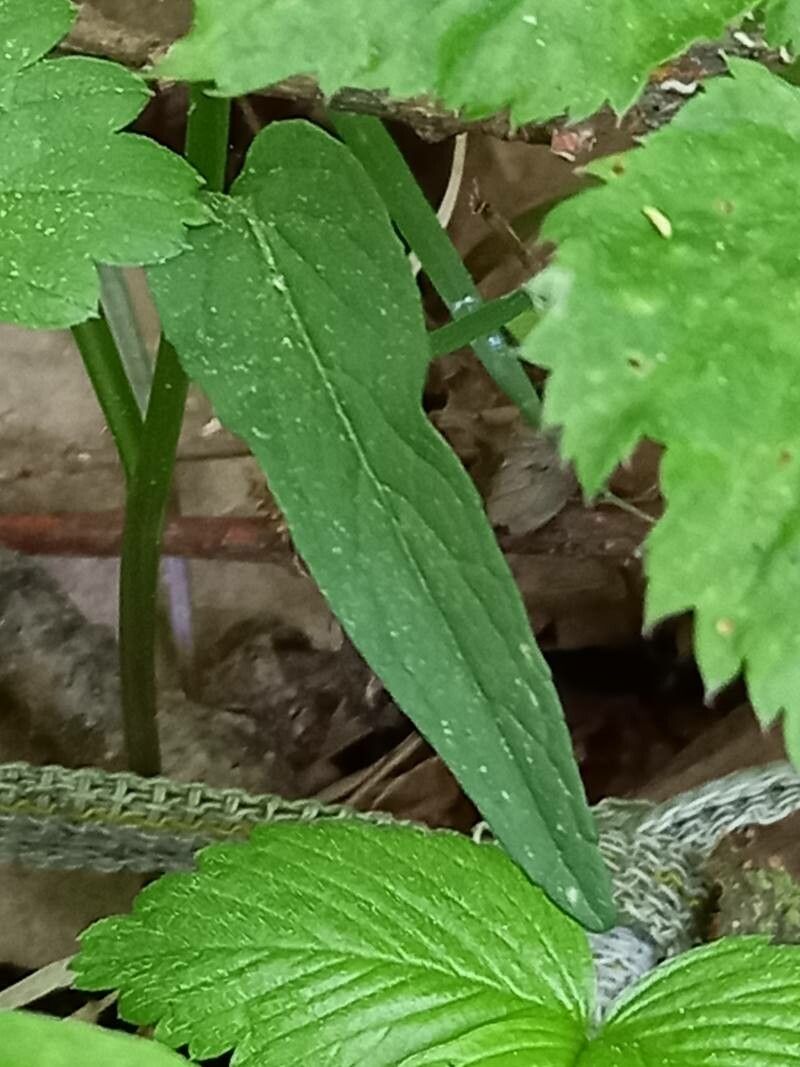
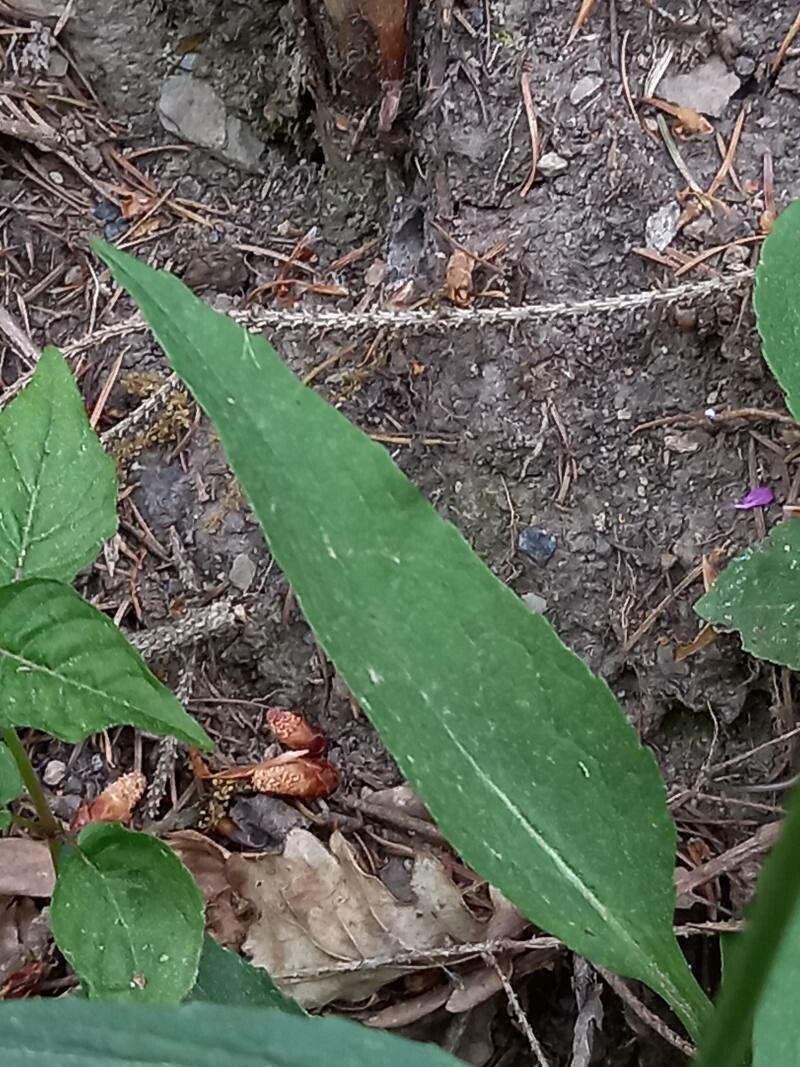
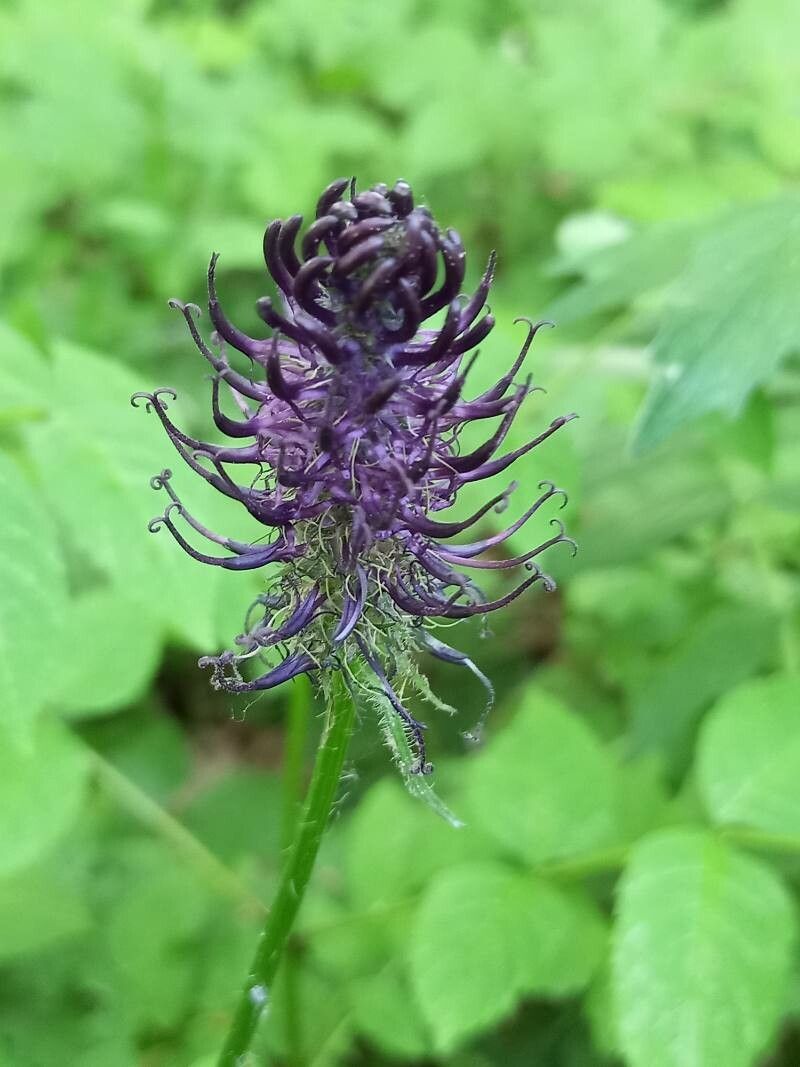
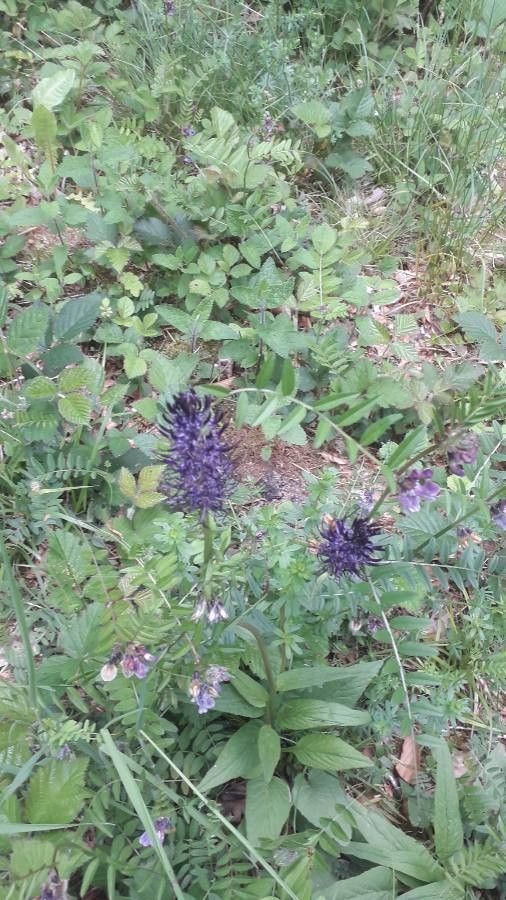
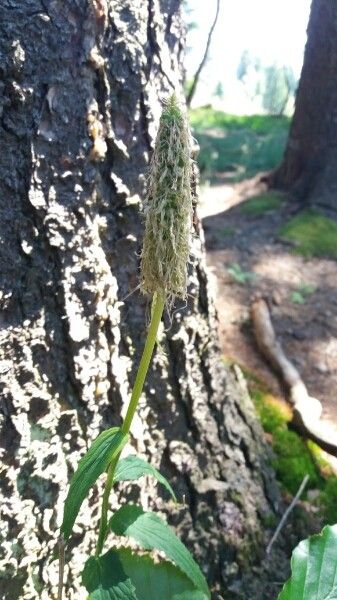
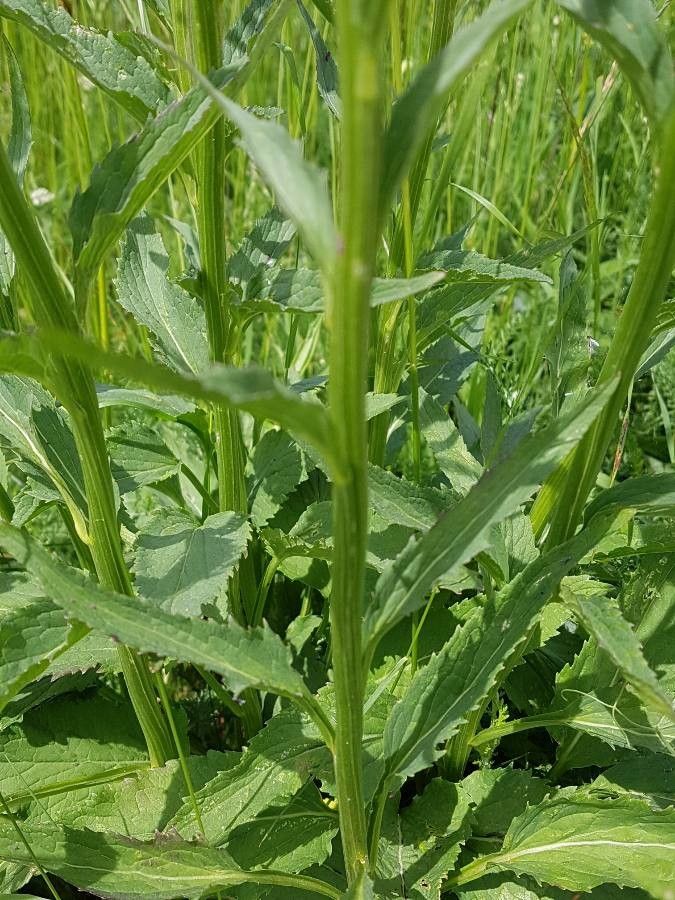
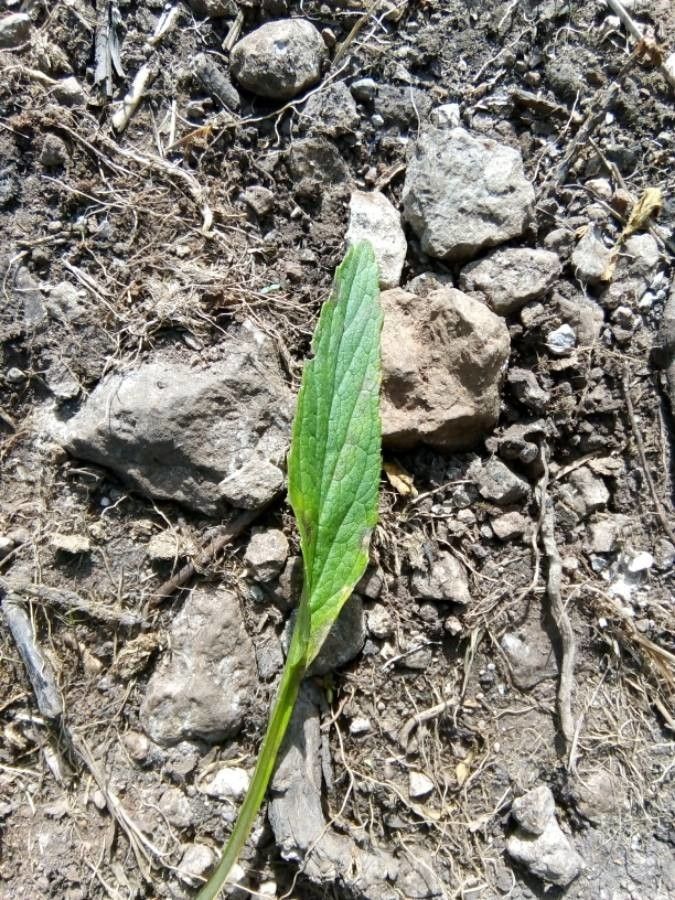
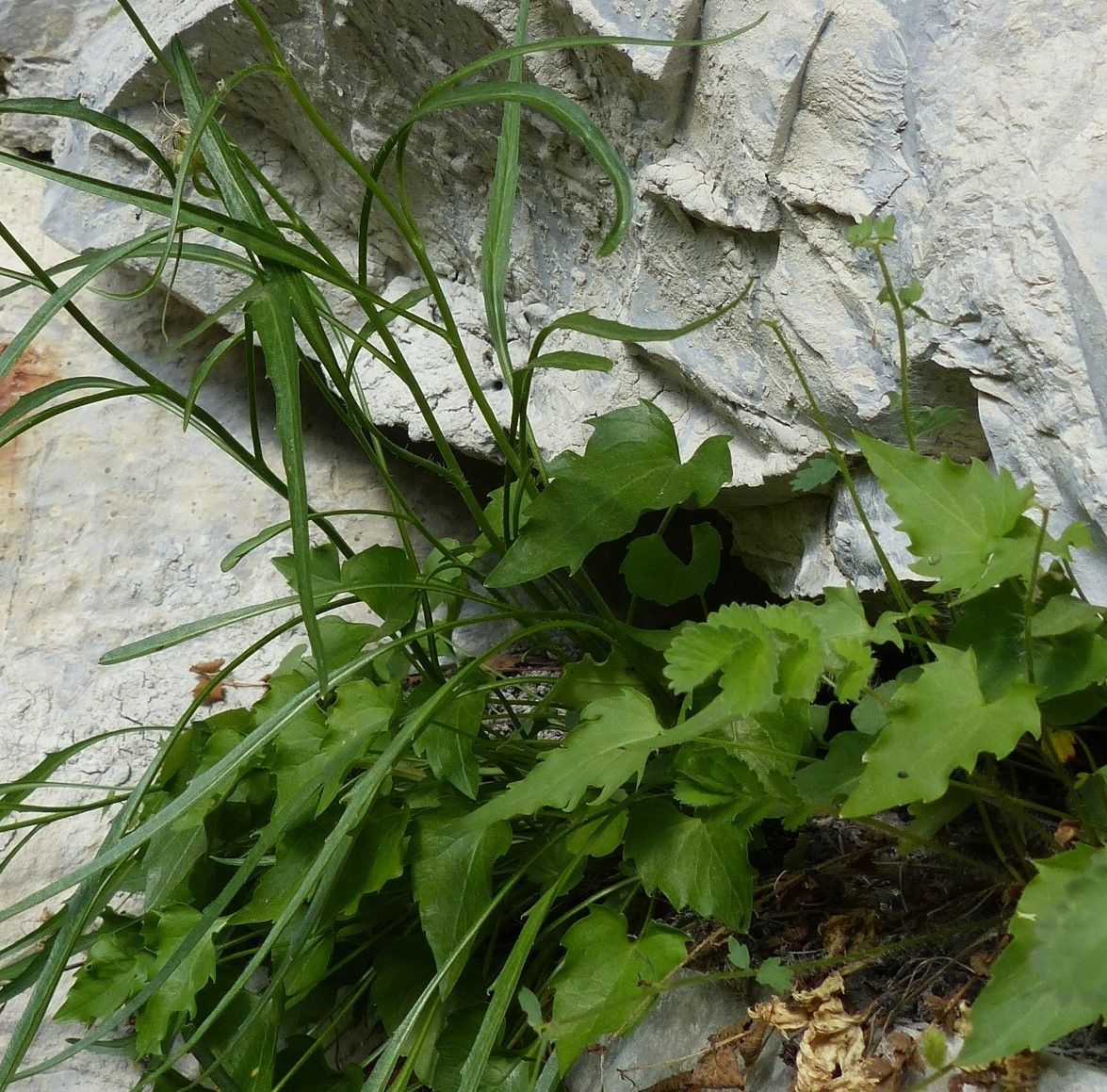
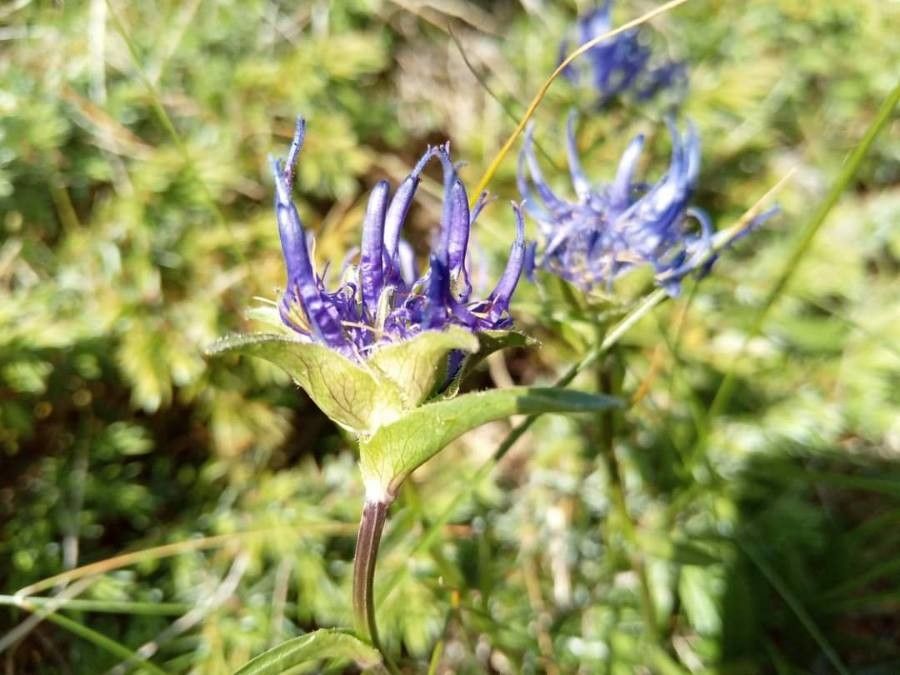
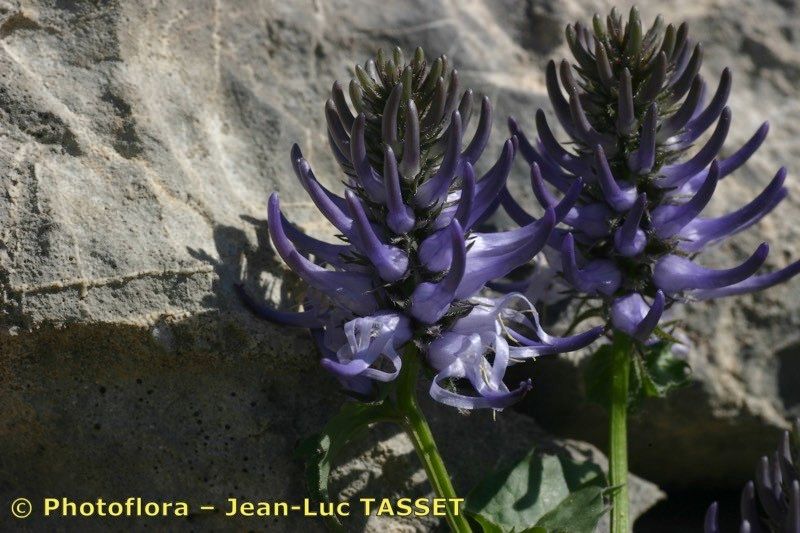
Phyteuma (P) nigrum, the black rampion, is a relatively rare species of plant in the family Campanulaceae. P. nigrum is located in central to northern Europe, primarily concentrated in Scandinavia. Much progress is yet to be made in forming concrete evolutionary relationships within this family and between the genera, but the molecular data from P. nigrum has contributed to the progress made in completing the evolutionary tree. The decrease in P. nigrum numbers over the past few decades has prompted the investigation into the reasons behind such a decline, leading to the conclusion that the factors that lead to a healthy P. nigrum population also run the risk of harming the population if not in just the right amount. The delicate nature of this organism makes its survival and reproductive success that much more uncertain.
Black rampion shows good resistance to disease and is usually not susceptible to illness. Nevertheless, it can be affected by pests and diseases present in its environment. These problems are generally minor. Regarding care, the plant needs a moderate level of maintenance. It should be pruned regularly to preserve a neat appearance and healthy growth. Applying fertilizer can also encourage flowering. Black rampion is appropriate for anyone who has an outdoor area, such as a garden or patio, and does not demand extensive care experience. It may need more attention if grown indoors.
How to keep Phyteuma Nigrum.
Light
Black rampion does best with full sun exposure, which is crucial for its growth and health. The species can also tolerate moderately sunlit locations. Excessive sun may cause leaf scorch, while too little light can lead to weak, leggy plants. Originally found in open, sunny habitats, it needs strong sun for optimal development.
Water
Black rampion, native to temperate regions, thrives in conditions of moderate moisture. It requires regular weekly watering to prevent waterlogging. As an herbaceous perennial, black rampion benefits from the seasonal rainfall patterns found outdoors, which influence its growth cycles and determine its need for additional watering.
Temperature
Black rampion is most often encountered in its native habitats where average temperatures range from 50 to 77 °F (10 to 25 °C). It favors mild, cool climates. Depending on the season, careful adjustment of temperature may be necessary to maintain an optimal environment.
Fertilizer
The best time to fertilize a Black rampion is in early spring, as it comes out of dormancy and begins active growth. Fertilizing supplies essential nutrients needed for healthy development. While Black rampion generally has low fertilizer requirements, applying fertilizer once a year can improve its survival and encourage better, longer-lasting flowers.
Pruning
Black rampion features globe-shaped blue flowers on slender stems. To maintain plant health, prune in early to late spring by removing dead stems and thinning out crowded areas to improve air circulation. Pruning at the right time encourages healthy blooms and supports the overall vigor of the plant. Use clean, sharp tools for effective maintenance.
Botanical profile.
- Plant Type
- Herb
- Life Cycle
- Perennial
- Genus
- Phyteuma
- Family
- Campanulaceae
- Hardiness Zone
- 6
- Mature Height
- 30 cm to 40 cm
- Mature Spread
- 20 cm to 30 cm
- Leaf Color
- Dark Green
- Leaf Type
- Semi-evergreen
- Flower Color
- Purple, Blue
- Flower Size
- 2.54 cm to 5.08 cm
- Bloom Time
- Late spring, Early summer
- Planting Time
- Spring, Summer, Autumn
- Harvest Time
- Mid summer, Late summer
- Native Area
- Germany, Austria, Italy, Switzerland, Czech Republic, Serbia, Montenegro, Albania, Croatia, Slovenia, Belgium, France
Other names.
Reader questions.
How should I water my Black rampion plant?
To properly water the Black rampion, use filtered water at room temperature or slightly warmer. Tap water may contain harmful particles, so filtered water is preferred. The Black rampion is accustomed to warm environments, so it's important to avoid using cold water, as it can shock the plant. Additionally, don't water the plant from overhead, as this can cause issues with its foliage. Instead, apply the filtered room temperature water directly to the soil until it is completely soaked. This method is beneficial as it keeps the roots moist and allows them to spread and absorb the necessary nutrients from the soil.
What are the sunlight requirements for Black rampion?
Black rampion, known botanically as Phyteuma nigrum, thrives best with full exposure to the sun, which is essential for its growth and health, requiring above 6 hours of sunlight daily. It can also adapt to partial sun conditions, which means about 3-6 hours of sunlight. Ideally, it's found in open, sunny habitats and requires strong sun for optimal development. However, it's essential to watch how sunlight moves through your garden and choose spots that provide the right balance of light and shade, ensuring your plants' happiness. Overexposure to sunlight can lead to leaf scorch, whereas too little may result in weak, leggy growth.
What is the ideal temperature range for growing Black Rampion?
Black Rampion (Phyteuma nigrum) thrives best in its native habitats, which offer a mild and cool climate. The ideal temperature range for growing Black Rampion is between 50 to 77 °F (10 to 25 °C). It is important to monitor and adjust the surrounding temperature depending on the season to maintain an optimal environment for the plant.
What should I do if I give my Black rampion plant too much or too little water?
Both overwatering and underwatering can harm the health of your Black rampion plant, but overwatering is more common. When this plant gets too much water, its stems and leaves may wilt and turn yellow. Overwatering for a long time can also lead to diseases like root rot, mold, and mildew, which can kill the plant. Underwatering is less likely because the Black rampion can tolerate drought. But if it happens, the leaves may become brittle and brown. It's important to recognize the signs of overwatering early. Some diseases caused by overwatering, such as root rot, may not be fixable if you wait too long. If you see signs of overwatering, reduce your watering right away. Also, check the soil quality. If it drains poorly, replace it with a loose, well-draining potting mix. If you notice signs of underwatering, simply water more frequently until the plant recovers.
How do artificial lights benefit indoor Black rampion plants?
Indoor Black rampion plants require adequate lighting for optimal growth, especially when natural sunlight is insufficient, such as in winter or less sunny spaces. Artificial lights offer a vital solution by promoting faster, healthier growth. It's important to choose the right type of artificial light, with LED lights being a popular choice because they can be customized to provide specific wavelengths needed by plants. Full sun plants need 30-50W/sq ft of artificial light, partial sun plants need 20-30W/sq ft, and full shade plants require 10-20W/sq ft. The light source should be placed 12-36 inches above the plant to mimic natural sunlight, and the duration should mimic the length of natural daylight hours, usually 8-12 hours per day.
Does Black Rampion require any special care during winter?
Black Rampion is highly cold-tolerant and does not require additional frost protection measures during winter. However, to prepare it for the colder months, it is recommended to water the plant generously before the first freeze in autumn. This ensures the soil remains moist and enters into a frozen state, which helps prevent drought and water scarcity for the plant during the winter and early spring seasons.
How frequently should I water my Black rampion plant?
If your Black rampion plant is in a pot, the most accurate way to determine if it needs water is by checking the soil moisture. Plunge your finger into the soil and if the top two to three inches are dry, it's time to water it. If you have the Black rampion planted outdoors directly in the ground, you can use a similar method to test the soil. Once again, if the first few inches are dry, it's a sign to water the plant. Normally, during spring and early fall, watering once a week should suffice using this method. However, during extreme heat, you may need to water it two or more times per week. It's worth noting that mature, well-established Black rampion plants are more resilient to drought conditions.
What are the symptoms of inadequate light exposure in Black rampion?
When Black rampion is placed in rooms with inadequate lighting, several symptoms may indicate light deficiency. These include small leaves, where new leaves grow smaller in size compared to previous ones; leggy or sparse growth, characterized by longer spaces between leaves or stems, resulting in a stretched-out appearance; faster leaf drop, as the plant sheds older leaves early to conserve resources; slower or no new growth, entering a survival mode leading to halted leaf production; lighter-colored new leaves, indicating a lack of chlorophyll; chlorosis, where leaves turn yellow due to excessive sunlight, affecting photosynthesis; sunscald, with damaged plant tissue appearing pale or necrotic; leaf curling as a defense mechanism against extreme sunlight; wilting due to increased water loss; and leaf scorching, characterized by brown, dry edges on leaves.
What should I do if the temperature drops below -25°C?
Although Black Rampion is extremely cold-tolerant, it's important not to let the winter temperature drop below -25°C. If it does, you might not see any noticeable changes during the winter, but there could be a decrease in sprouting or even no sprouting at all during the following springtime. In such cases, it is recommended to remove any parts that have failed to sprout in spring.
How much water does my Black rampion plant need?
When watering your Black rampion, don't be hesitant to give it a generous amount of water. Make sure the top few inches of soil are dry, and then give it a thorough soaking. The water should be enough to completely wet the soil and allow excess water to flow out of the drainage holes at the bottom of the pot. If you don't see any excess water draining, you may not have given it enough water. However, be careful not to let the water collect inside the soil, as this can harm the plant. Also, if you notice that water is not draining properly through the pot, it could indicate that the soil is not draining well, which can be harmful to the plant. If the plant is outdoors, receiving about 1 inch of rain per week should be sufficient.
What solutions are available for light-related issues in Black rampion?
To address light-related issues in Black rampion, the solutions vary depending on whether the setting is indoor, outdoor, or ground. Indoors, ensure optimal growth by gradually moving plants to sunnier locations each week until they receive at least 6 hours of direct sunlight daily, utilizing south-facing windows and keeping curtains open. If moving the plant isn't feasible, consider using artificial light, ensuring it remains on for at least 8 hours daily. Outdoors, avoid sudden changes in light intensity by gradually moving your plants to sunnier spots each week. For plants in the ground, reduce sunlight obstructions by pruning trees or transplanting smaller plants during their dormant period to locations with ample sunlight. Note, parts of the plant affected by insufficient sunlight may not recover, but new growth following increased light exposure will be healthy.
How should I care for Black Rampion if the temperature exceeds 25°C?
Black Rampion does not tolerate high temperatures well. When the temperature goes above 25°C, the plant's growth may stop, and it becomes more susceptible to rot. To mitigate these effects, trim away the sunburned and dried-up parts of the plant. Move the plant to a shaded location or use a shade cloth to protect it from the midday and afternoon sun. Additionally, make sure to water the plant in the morning and evening to keep the soil moist.