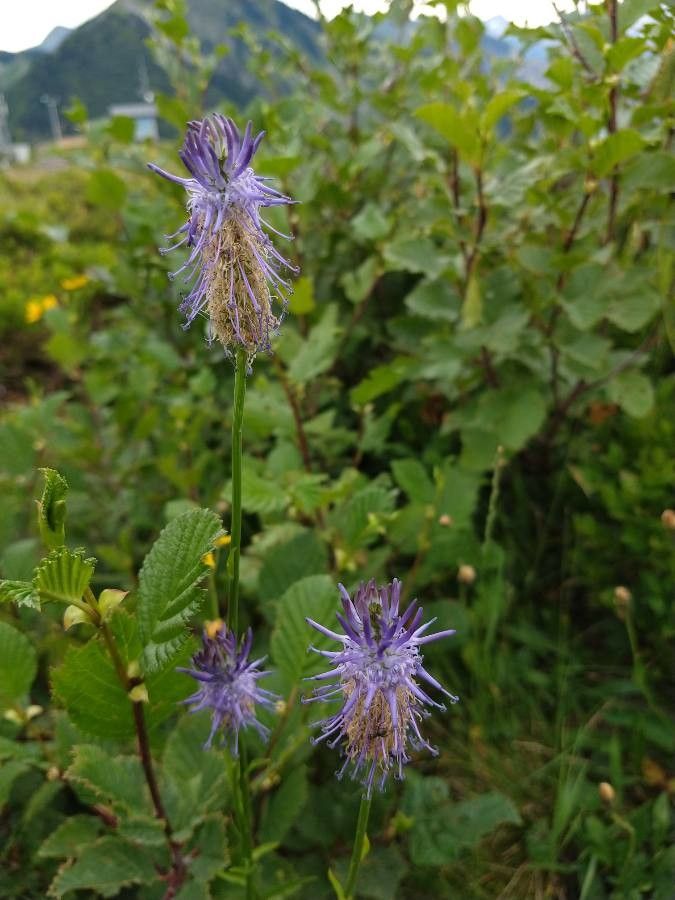
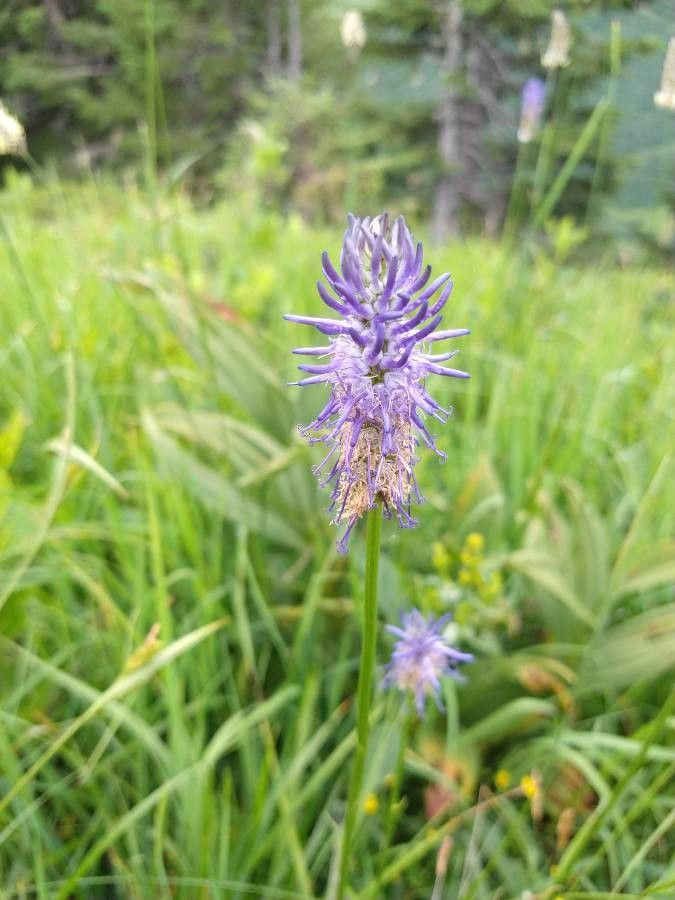
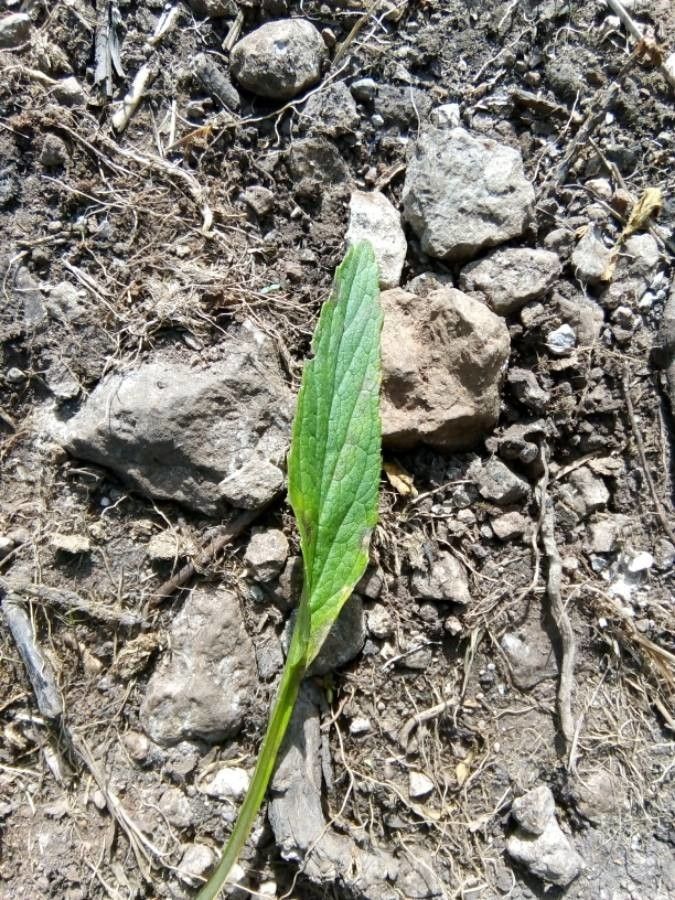
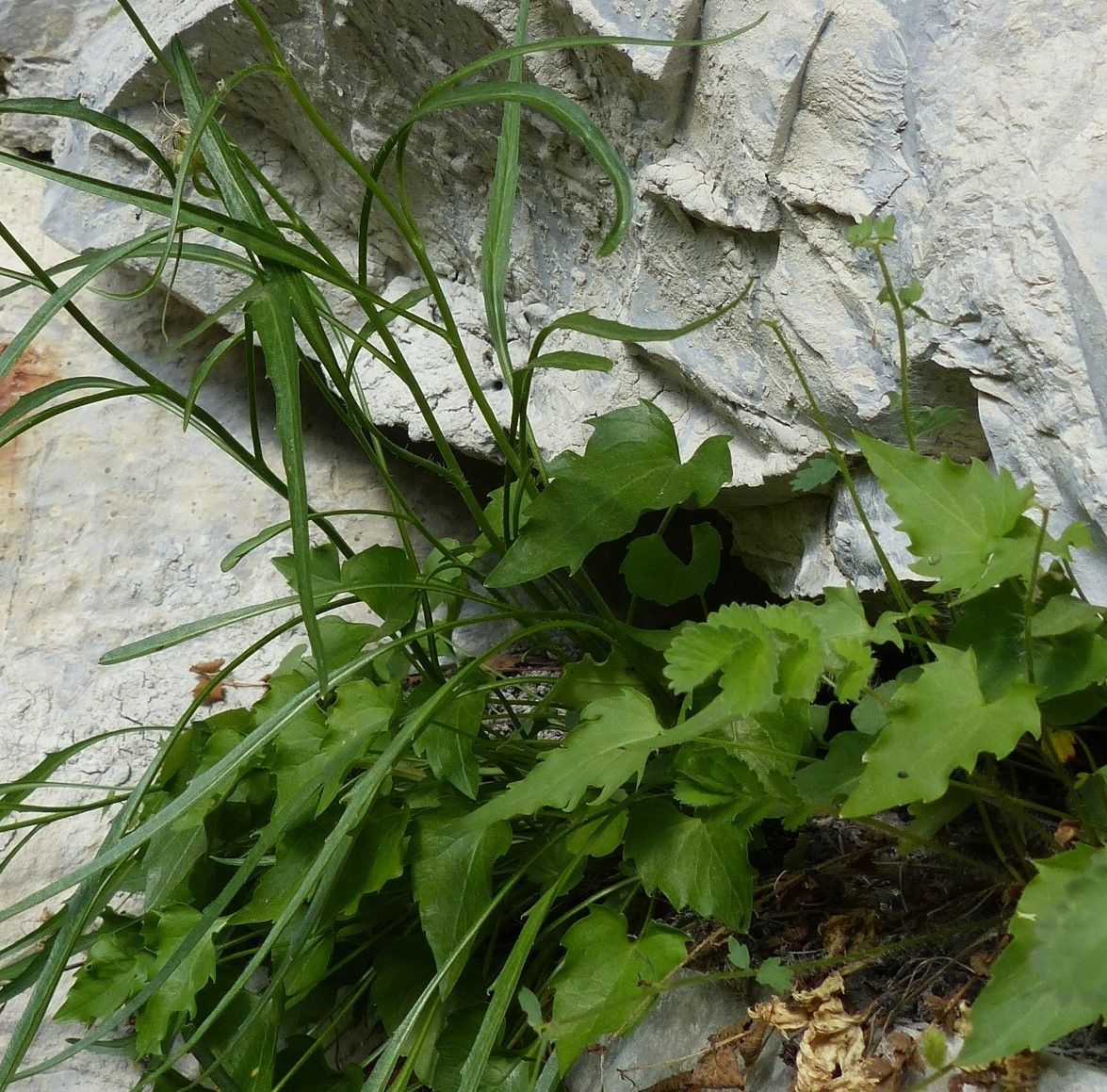
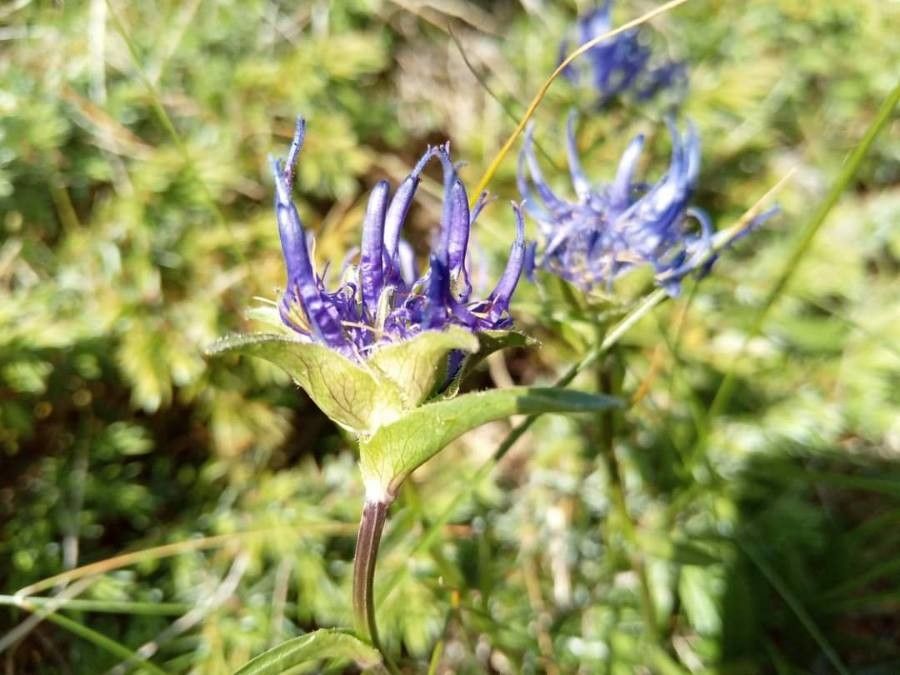
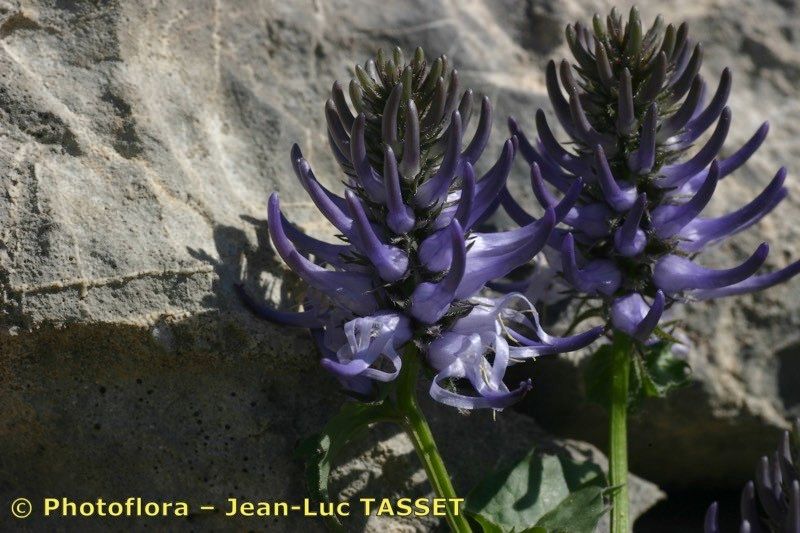
Round-headed rampion is fairly resistant to disease and typically does not suffer from illnesses. Still, it can be vulnerable to pests and diseases present in its environment. When such problems occur, they are generally mild. Regarding upkeep, this plant falls into a medium-care category. It should be pruned on a regular basis to keep a tidy appearance and encourage healthy growth. Applying fertilizer can also support better flowering. Round-headed rampion is a good choice for anyone who has outdoor space, such as a garden or a patio, and it does not demand extensive gardening experience. Growing it indoors may call for additional attention.
How to keep Phyteuma Michelii.
Light
Round-headed rampion grows best when given a generous amount of sunlight, reflecting its native habitat where sun is plentiful. The different stages of its development do not significantly alter its light needs. Very intense sunlight does not harm it, but a shortage of sufficient light can hinder healthy growth.
Temperature
Round-headed rampion is native to mild-climate regions and prefers temperatures between 50 and 90 °F (10 to 32 ℃). As the seasons change, it may need to be relocated to a warmer spot during colder months.
Fertilizer
For Round-headed rampion, the main time to apply fertilizer is in early spring when the flowers are forming. The appropriate fertilizer promotes better blooms and helps Round-headed rampion produce attractive flowers. Fertilizing in early spring ensures excellent flowering during the season and supplies energy for dormant growth phases.
Botanical profile.
- Plant Type
- Herb
- Life Cycle
- Perennial
- Genus
- Phyteuma
- Family
- Campanulaceae
- Hardiness Zone
- 6-8
- Mature Height
- 20 cm to 49 cm
- Mature Spread
- 15 cm to 30 cm
- Leaf Color
- Dark Green
- Leaf Type
- Deciduous
- Flower Color
- Purple
- Flower Size
- 1.52 cm to 3.05 cm
- Bloom Time
- Early summer, Mid summer
- Planting Time
- Spring, Summer
- Harvest Time
- Late summer, Early fall