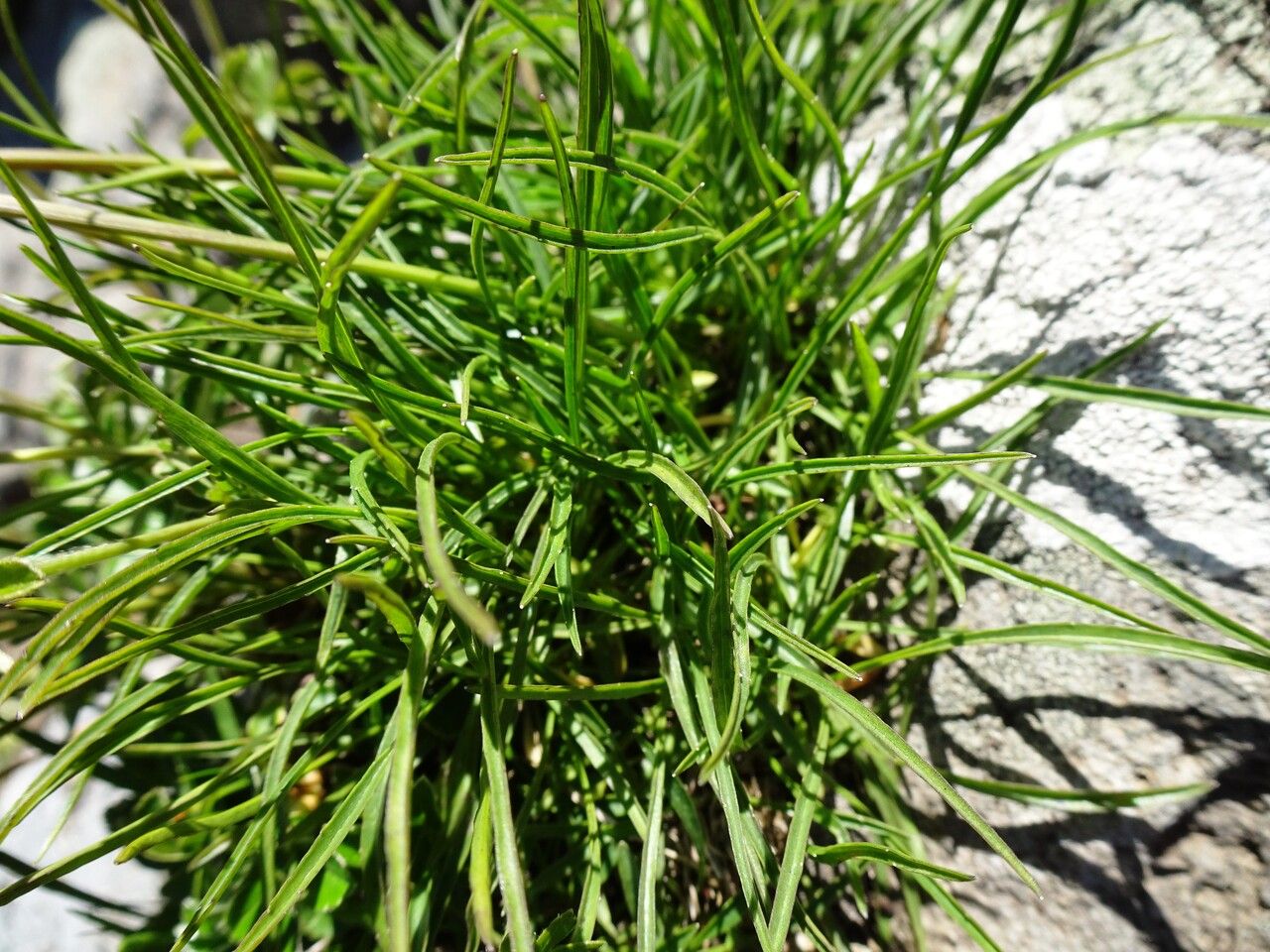
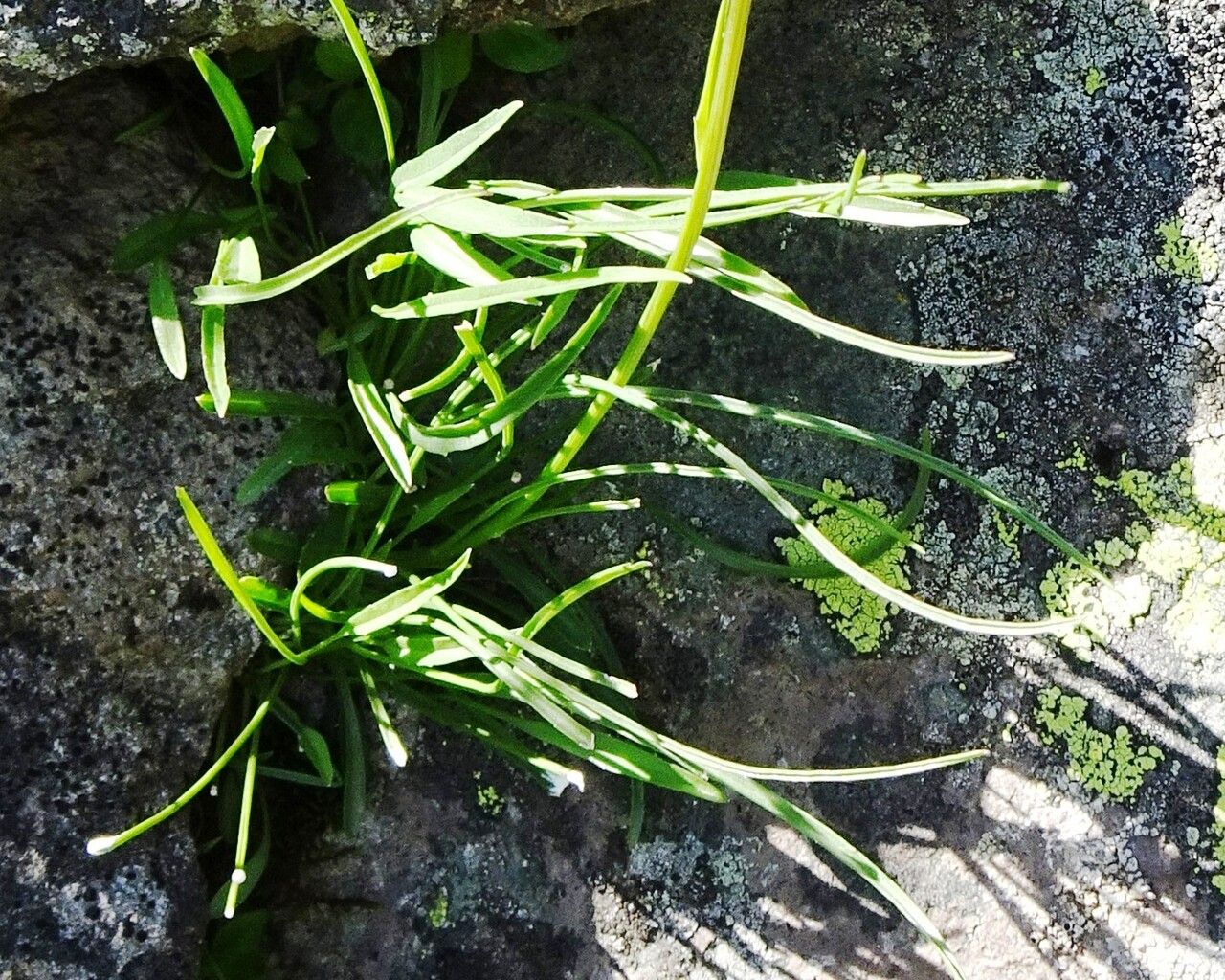
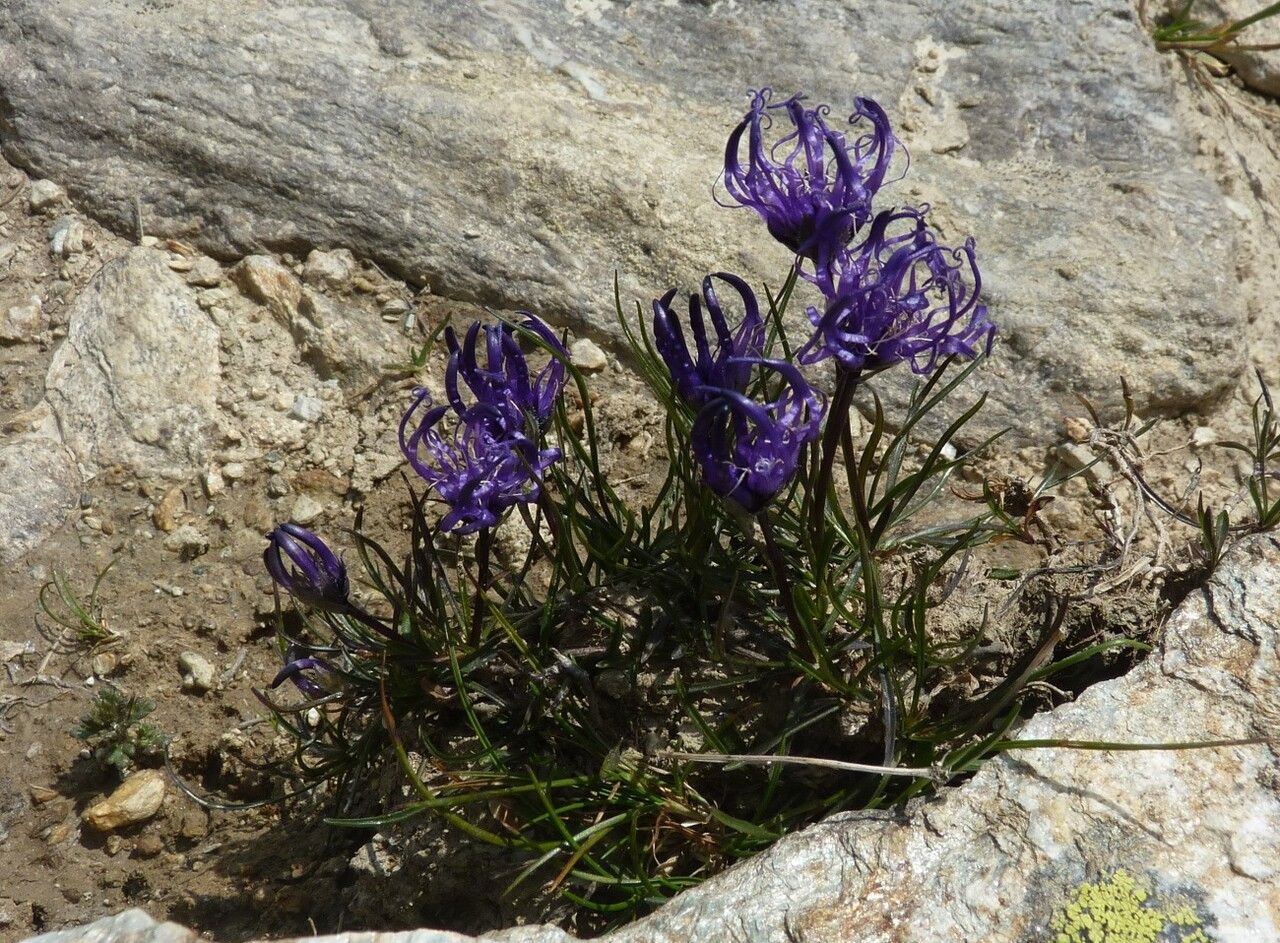
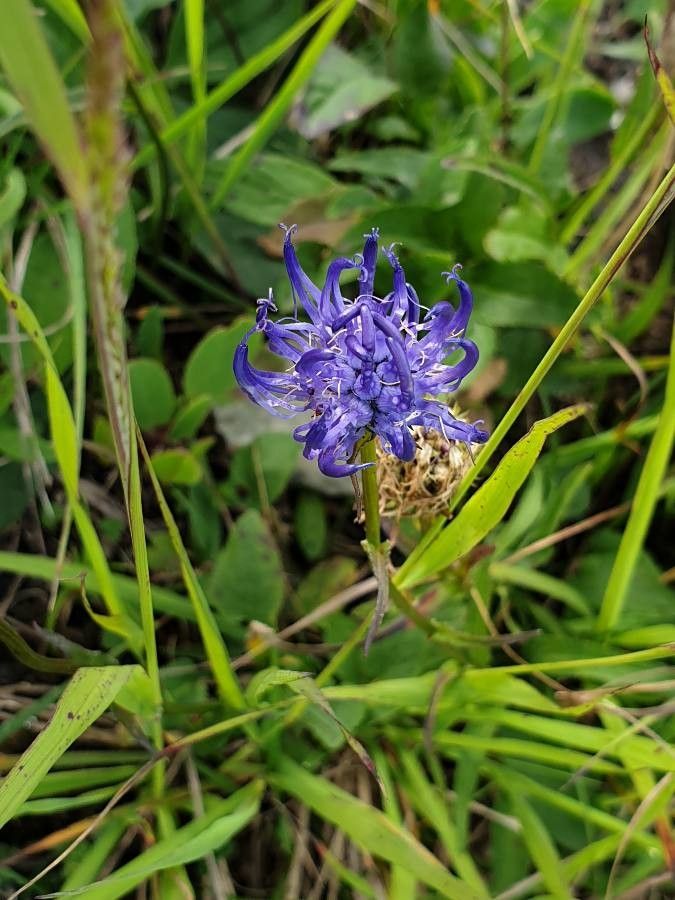
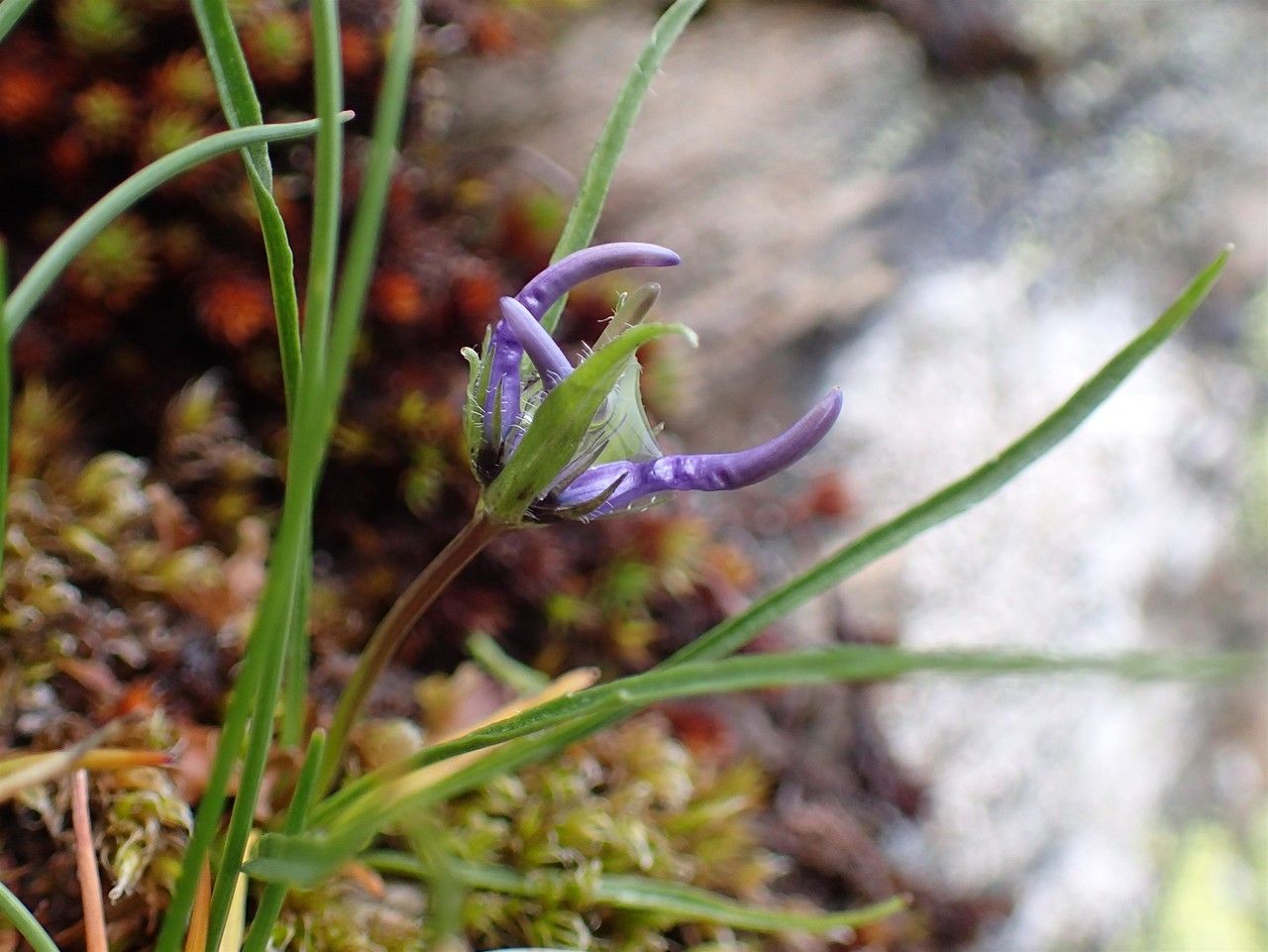
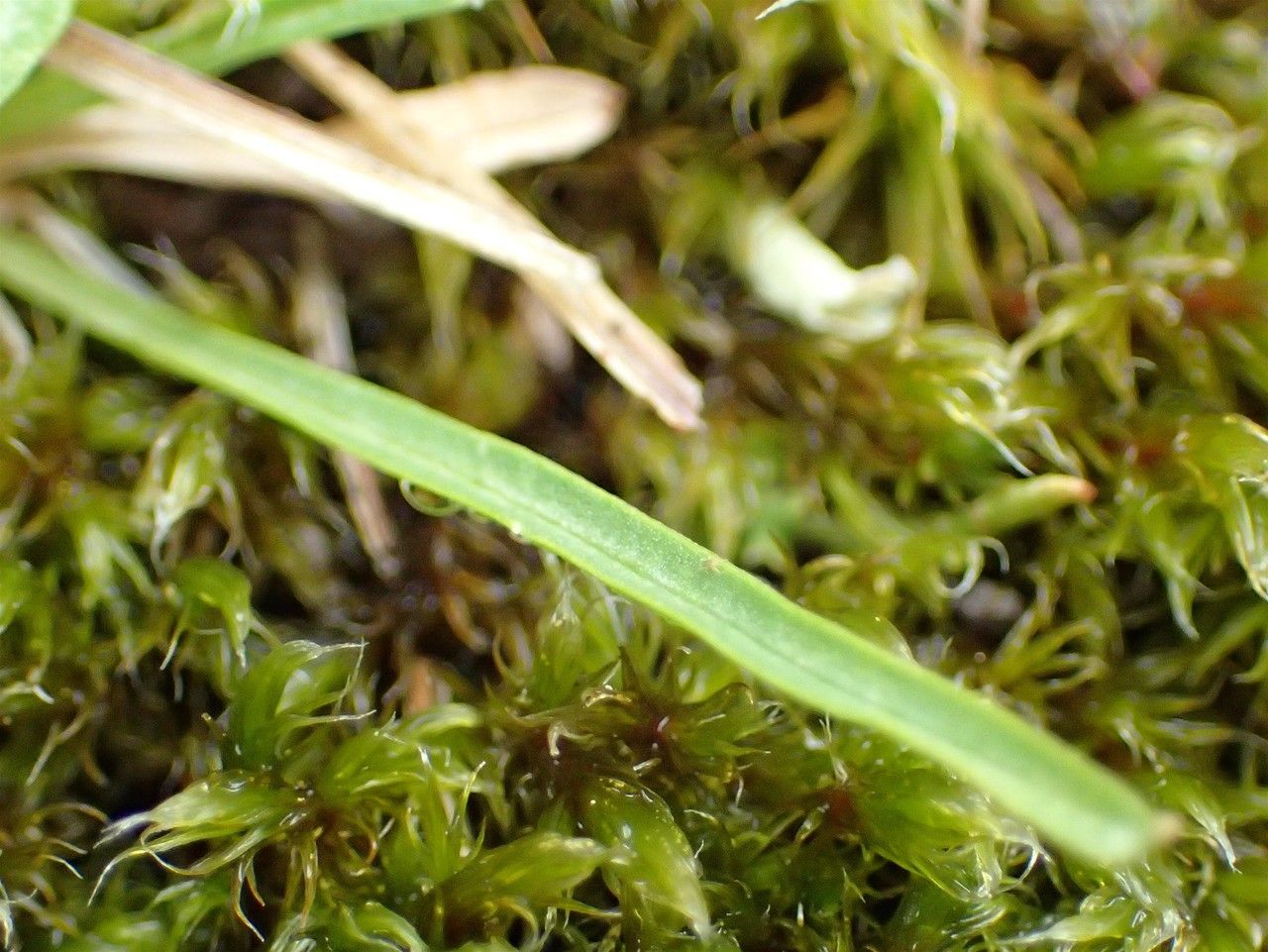
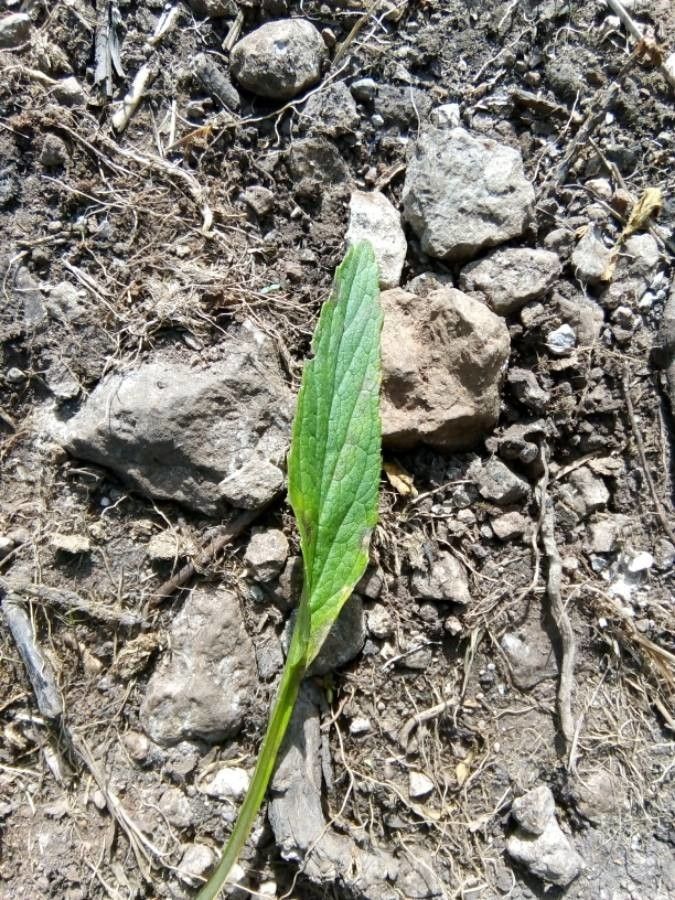
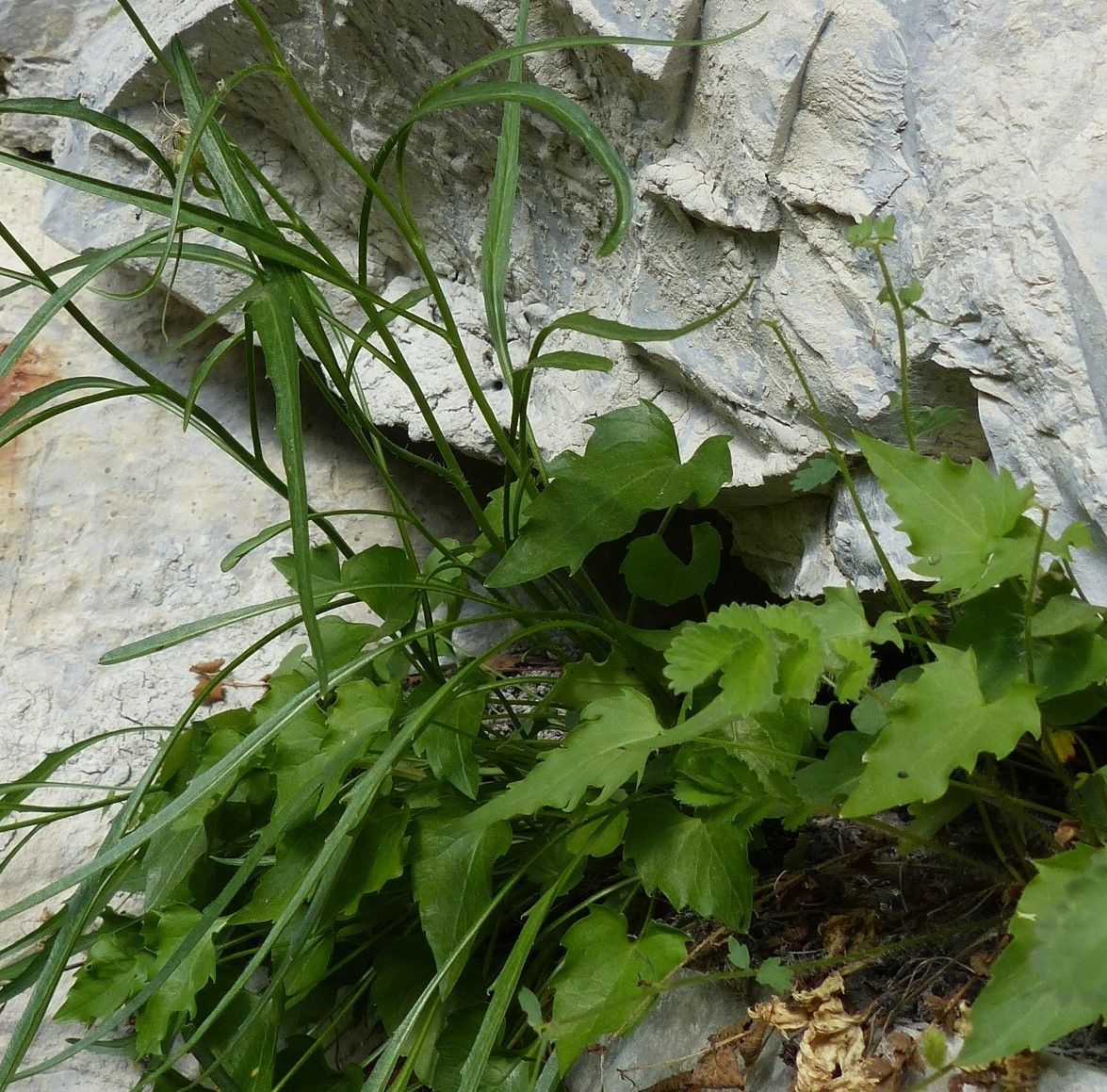
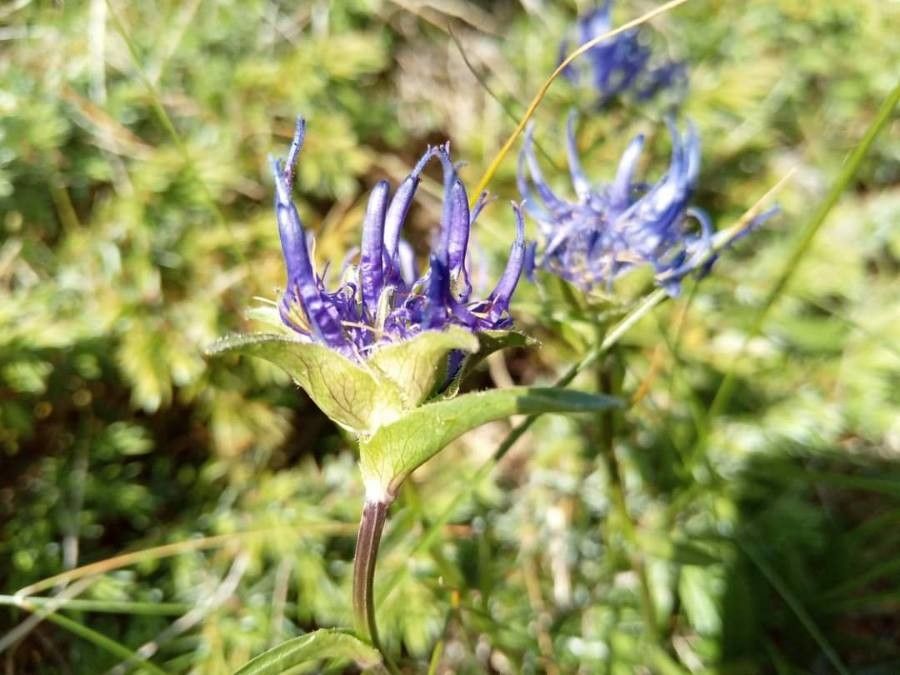
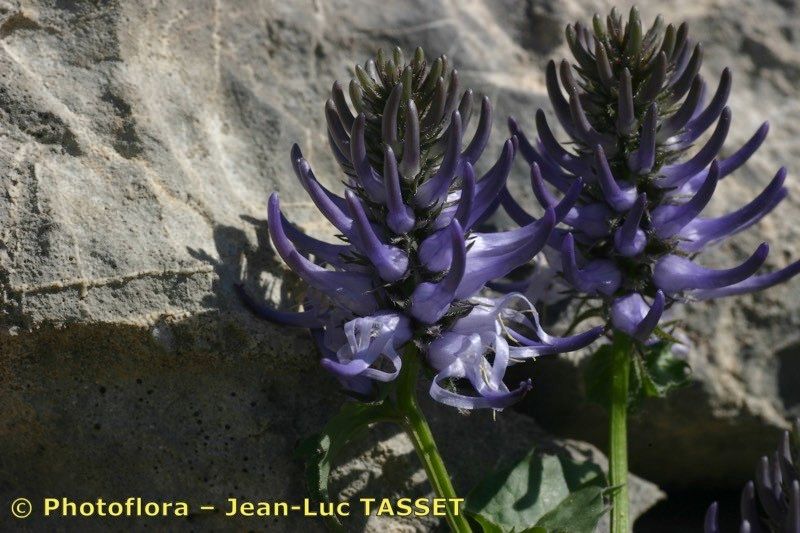
Globe-headed rampion is fairly disease-resistant and typically does not suffer from many illnesses. That said, it can be affected by pests and pathogens present in its environment, although such issues are usually minor. Regarding care, this plant has moderate maintenance needs. It should be pruned regularly to preserve its appearance and support healthy growth. Fertilizing can also help encourage flowering. Globe-headed rampion is suitable for anyone with outdoor space, such as a garden or patio, and does not require extensive experience in plant care. When grown indoors, however, it may need more attentive maintenance.
How to keep Phyteuma Hemisphaericum.
Light
Globe-headed rampion is a sun-loving perennial herbaceous plant that comes from open habitats, often thriving in meadows and grasslands. It prefers full sun but can also tolerate partial sun.
Water
Globe-headed rampion thrives in moderate moisture and well-draining soils, and it requires weekly watering to simulate its natural alpine environment. It prefers temperate climates with seasonal rains, making it ideal for outdoor settings that meet its moisture requirements.
Temperature
Globe-headed rampion is native to habitats with moderate temperature ranges of 41 to 89.6 °F (5 to 32 ℃). It grows best within this range. Care may need to be adjusted if temperatures fluctuate substantially between seasons.
Fertilizer
The primary time to fertilize Globe-headed rampion is in early spring when flowers are developing. Using the appropriate fertilizer promotes better blooms and helps Globe-headed rampion produce attractive flowers. Fertilizing in early spring ensures good flowering during the season and supplies energy for dormant growth phases.
Pruning
To promote healthy growth, enhance air circulation, and minimize the risk of disease, prune globe-headed rampion from early to late spring. Begin by removing any dead stems, and after the plant has finished blooming, cut back the flowering stems to encourage reblooming. For detailed pruning techniques, refer to guides from the Royal Horticultural Society (RHS) and universities.
Botanical profile.
- Plant Type
- Herb
- Life Cycle
- Perennial
- Genus
- Phyteuma
- Family
- Campanulaceae
- Hardiness Zone
- 5-7
- Mature Height
- 15 cm to 20 cm
- Mature Spread
- 5 cm to 10 cm
- Leaf Color
- Green, Dark Green
- Leaf Type
- Semi-evergreen
- Flower Color
- Purple, Blue
- Flower Size
- 1.02 cm to 2.03 cm
- Bloom Time
- Early summer, Mid summer
- Planting Time
- Spring, Summer
- Harvest Time
- Late summer, Early fall
- Native Area
- Germany, Austria, Italy, Spain, Switzerland, France
Other names.
Reader questions.
How should I water my Globe-headed rampion for best results?
To best care for the Globe-headed rampion plant, it is recommended to use filtered water at room temperature. Tap water may have harmful particles, so filtering it is preferable. The plant is adapted to a warm climate, so using cold water could shock it. Instead of overhead watering, which can cause problems with the leaves, it is best to water the plant by soaking the soil until it is completely wet. This method helps the roots spread and collect the necessary nutrients.
What are the sunlight requirements for Globe-headed rampion?
Globe-headed rampion thrives in full sun conditions, requiring above 6 hours of sunlight per day. It can also tolerate partial sun conditions, needing about 3-6 hours of sunlight daily. Observing how sunlight moves through your garden can help choose the optimal spots for planting, ensuring the plants receive the right balance of light and shade for their growth.
What is the native temperature range for Globe-headed Rampion?
Globe-headed Rampion, botanically known as Phyteuma hemisphaericum, thrives in environments with moderate temperature ranges from 41 to 89.6 °F (5 to 32 °C). It is essential for the plant's health to maintain temperatures within this range, as significant fluctuations may necessitate adjustments in care across different seasons.
What should I do if I give too much or too little water to my Globe-headed rampion plant?
Overwatering is a common issue for Globe-headed rampion plants and can cause wilting and yellowing of stems and leaves. It can also lead to diseases like root rot, mold, and mildew, which can be fatal. Underwatering is less common, but it can make the leaves brittle and brown. It's important to recognize the signs of overwatering early and adjust your watering schedule accordingly. If the soil drains poorly, replace it with a well-draining potting mix. If the plant is receiving too little water, increase watering until the signs improve.
What are the essentials for growing Globe-headed rampion?
Globe-headed rampion is a perennial herbaceous plant that loves the sun. Originating from open habitats like meadows and grasslands, it requires full sun but can also grow in partial sun conditions. In situations where natural sunlight is inadequate, artificial lighting can be a vital solution. Indoor plants benefit from artificial lights, especially in winter or less sunny spaces, with LED lights being a popular choice because they can be customized to provide specific wavelengths needed by plants. For full sun plants, 30-50W/sq ft of artificial light is recommended, 20-30W/sq ft for partial sun plants, and 10-20W/sq ft for full shade plants. The light source should be placed 12-36 inches above the plant, and plants generally need 8-12 hours of light per day.
Does Globe-headed Rampion require frost protection during winter?
Globe-headed Rampion is highly cold-tolerant and does not need additional frost protection measures during winter. However, to aid in winter care, it is recommended to water the plant generously before the first freeze in autumn. This practice helps ensure the soil around the plant remains moist and enters a frozen state, which can help prevent drought and water scarcity for the plant during the colder months and into early spring.
How frequently should I give water to my Globe-headed rampion plant?
To determine if your potted Globe-headed rampion needs water, simply stick your finger in the soil. If the top two to three inches are dry, it's time to water. The same method applies to outdoor plants in the ground - if the first few inches of soil are dry, they need water. In spring and early fall, watering once a week is usually sufficient. However, on hot days, you may need to water twice a week or more. Keep in mind that mature Globe-headed rampion plants can endure dry periods without harm.
What are common symptoms of inadequate lighting in Globe-headed rampion, and how can it be addressed?
Globe-headed rampion shows several symptoms when exposed to inadequate lighting, including smaller new leaves compared to mature ones, leggy or sparse growth, faster leaf drop, slower or no new growth, lighter-colored new leaves, chlorosis, sunscald, leaf curling, wilting, and leaf scorching. Solutions include gradually moving plants to sunnier locations to ensure at least 6 hours of direct sunlight daily, using artificial light for indoor plants, and minimizing obstructions like trees by pruning. For outdoor plants, it's crucial to move them gradually to prevent sunburn. Affected parts may not recover, but new growth will be healthy after adjusting light exposure. For ground-planted species, reducing obstructions and transplanting during the plant's dormant period to a sunnier location can help.
How does Globe-headed Rampion respond to extremely cold temperatures?
Globe-headed Rampion shows extreme cold tolerance, but it is essential to keep winter temperatures above -25°C (-13°F). If temperatures fall below this threshold, you may not notice any immediate changes during the winter. However, there might be a decrease in sprouting or absence of it during the spring. Removing parts of the plant that have failed to sprout in spring is recommended as a solution to this issue.
How much water does my Globe-headed rampion plant need?
To properly water your Globe-headed rampion, make sure to give it an ample amount of water. When the top two to three inches of soil are dry, it's time to water. You'll want to soak the soil completely, adding enough water so that it drains through the pot's drainage holes. If you don't see excess water draining, you may not have added enough water. However, be careful not to let water accumulate in the soil, as this can harm the plant. Additionally, if water doesn't drain well, it could indicate poorly draining soil, which is not good for the plant's health. If the plant is outside, about 1 inch of rain per week should be sufficient.
What should be done if Globe-headed Rampion is exposed to temperatures above its tolerance?
Globe-headed Rampion is not tolerant to high temperatures. Exposure to temperatures above 32°C (89.6°F) will halt its growth and increase susceptibility to rot. To mitigate damage from high temperatures, you should trim away any sunburned and dry parts of the plant. Moving the plant to a shaded area during the midday and afternoon sun or using a shade cloth can protect it. Additionally, watering the plant in the morning and evening helps keep the soil moist, further aiding the plant's health under excessive heat.
How should I water my Globe-headed rampion as it grows?
The water needs of the Globe-headed rampion can vary depending on its growth stages. In the first few years and after transplanting, more water than usual is necessary. This is because the plant focuses on sprouting new roots for future growth, and these roots require additional moisture. As the plant matures, its water requirements decrease. Another stage that may require more water is during the blooming period when the flowers need a significant amount of moisture to develop.