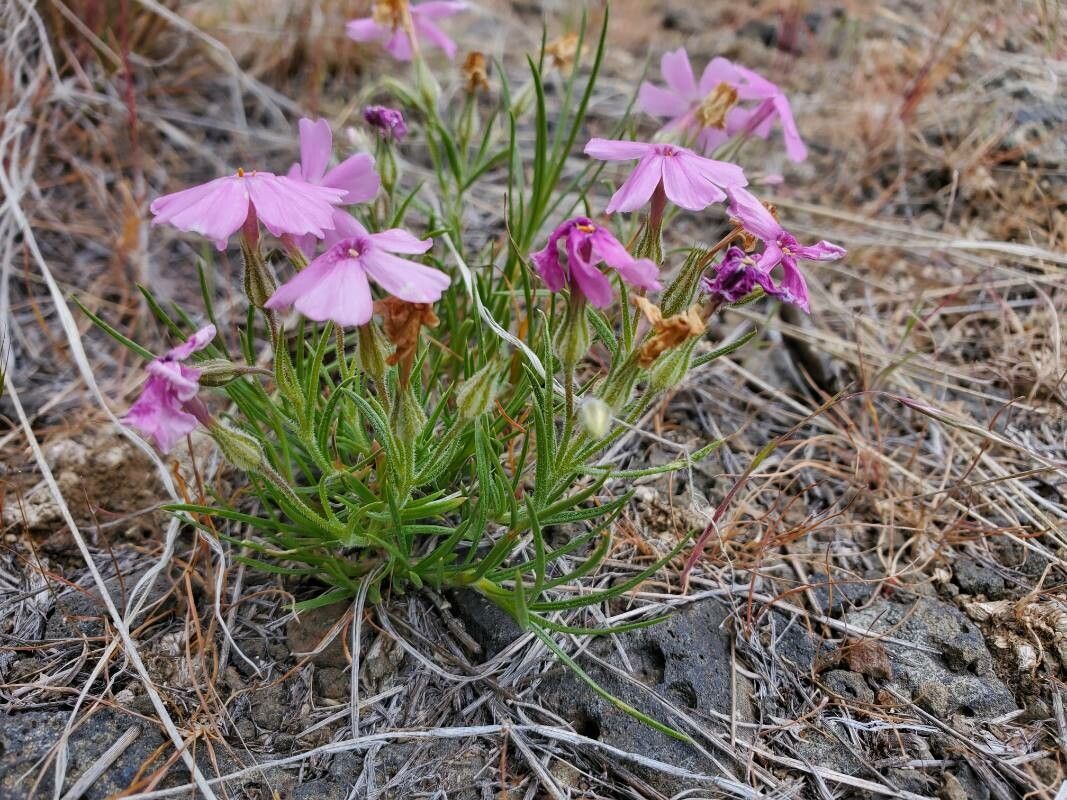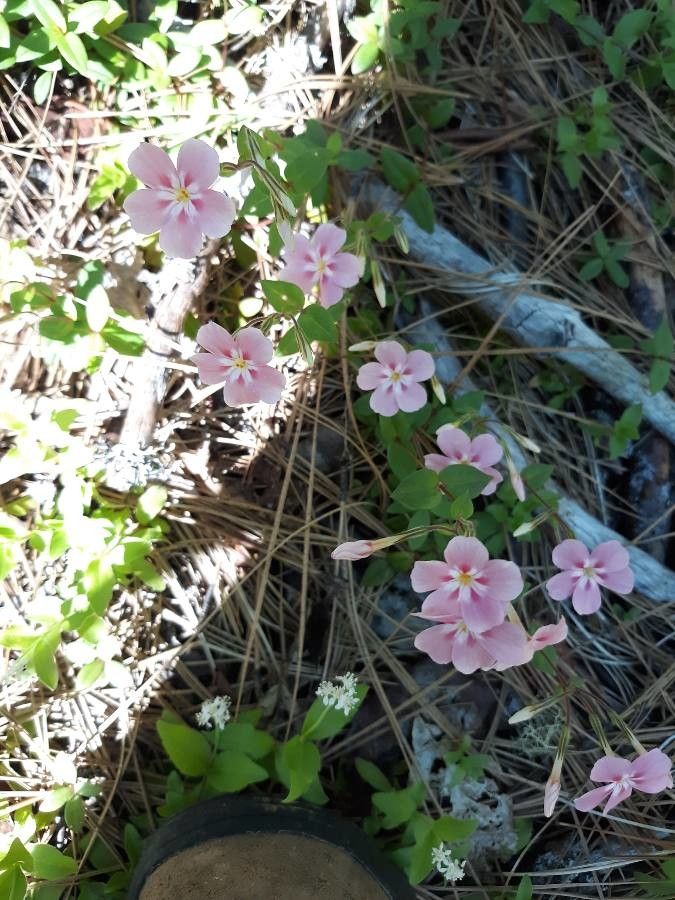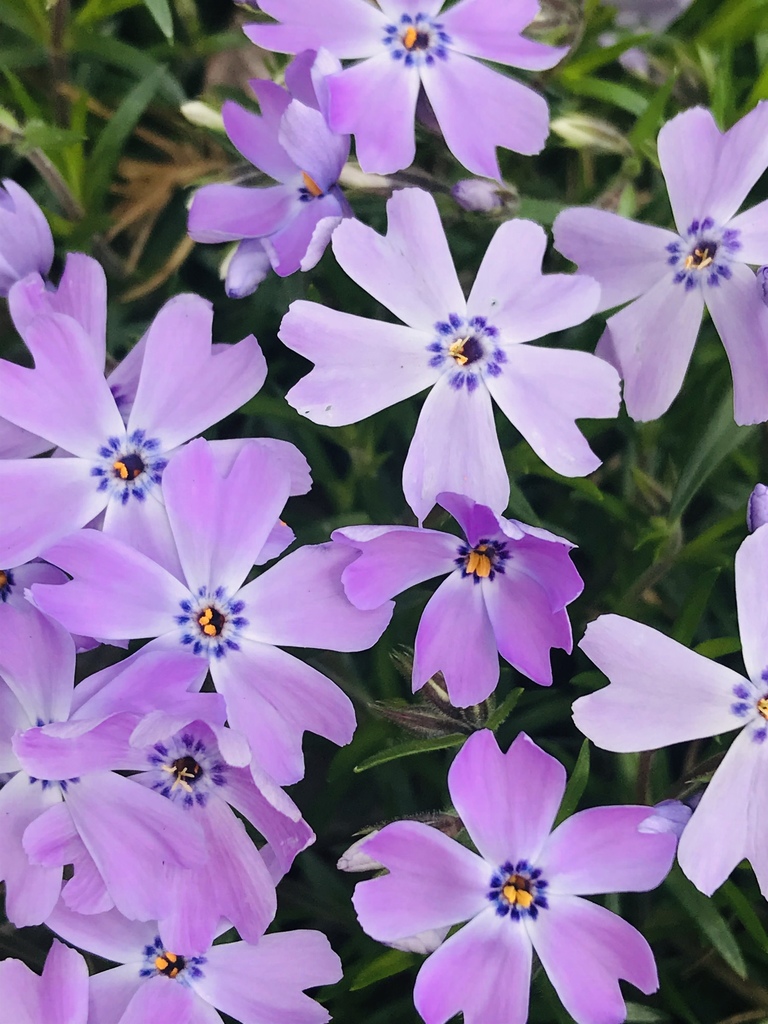
Phlox subulata, commonly known as creeping phlox or moss phlox, is a low-growing perennial native to North America. Part of the Polemoniaceae family, it is widely cultivated for its attractive flowers and foliage. Typically, the plant grows up to 6 inches tall and spreads up to 2 feet wide, forming a dense mat of evergreen foliage that remains green year-round.
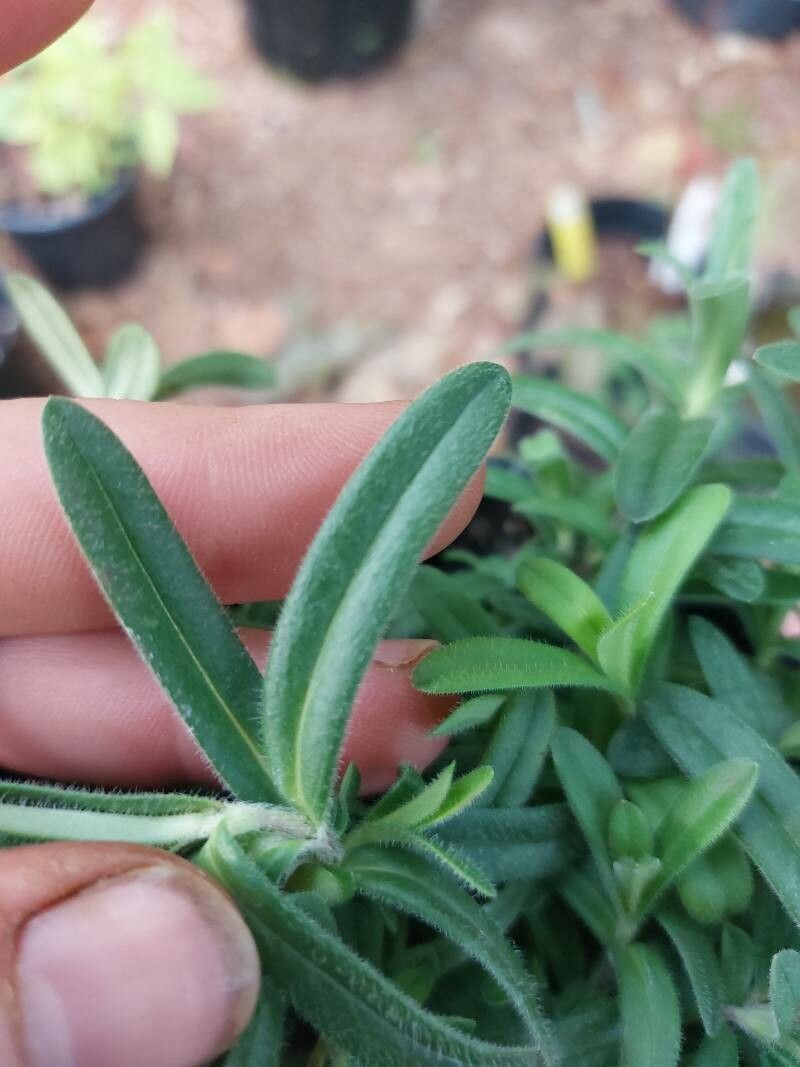
The leaves of Phlox subulata are narrow and needle-like, measuring about 1 inch long. They are arranged in opposite pairs along the stems and have a slightly hairy texture. The star-shaped flowers appear in spring or early summer on short stems above the foliage. These blossoms, each with five petals, come in shades of pink, purple, blue, or white.
Phlox subulata thrives in well-drained soil with full sun exposure but can tolerate partial shade. It requires moderate watering during the growing season but is drought-tolerant once established.
Thanks to its low-growing habit and vibrant blooms, the plant is commonly used as ground cover for rock gardens or borders. It also attracts pollinators such as bees and butterflies, making it an excellent choice for wildlife gardens.
Overall, Phlox subulata is an easy-to-grow perennial that adds color and texture to any garden with minimal maintenance once established, making it an excellent choice for gardeners of all experience levels.
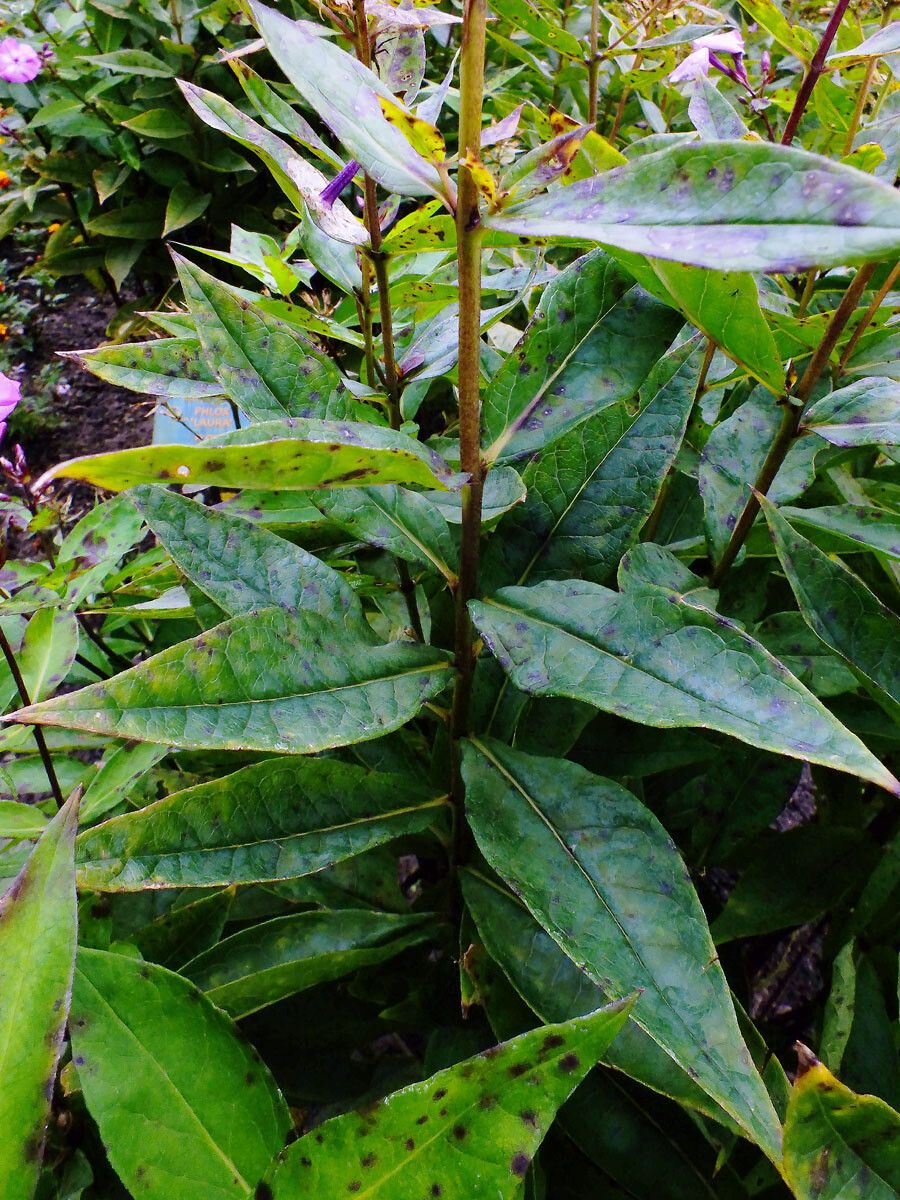
Moss phlox has good disease resistance and is generally not prone to illnesses. However, it can be affected by pests and diseases present in its surroundings. These infections are usually not serious. In terms of care, the plant requires moderate maintenance. It should be pruned regularly to preserve a neat appearance and healthy growth. Fertilization can also help encourage flowering. Moss phlox is suitable for anyone with outdoor space, such as a garden or patio, and does not demand extensive care experience. It may need more attention when grown indoors.
How to keep Phlox Subulata.
Light
Moss phlox does best with abundant sunlight, which promotes optimal growth and vibrant blooms. Insufficient light can lead to reduced flowering. While it prefers to receive sun throughout the day, it is still resilient enough to do well in light shade.
Water
Creeping phlox thrives in well-drained soils and tolerates dry conditions moderately well. It should be watered once every 1-2 weeks. For optimal growth and flowering, plant it in a spot that receives full sunlight, which also aligns with its low water requirements.
Temperature
Moss phlox is naturally cultivated in settings with a mild climate, where temperatures stay between 68 to 95 °F (20 to 35 ℃). It favors this range for proper growth. Making seasonal adjustments to meet these temperature preferences will be beneficial for the plant's development.
Fertilizer
The optimal time to fertilize Moss phlox is in early spring, when it is coming out of dormancy and beginning active growth. Fertilization supplies essential nutrients for healthy development. Although Moss phlox requires relatively little fertilizer, applying it annually can improve its survival and encourage better, longer-lasting flowers.
Pruning
Creeping phlox is a low-growing perennial known for its vibrant, dense flowers. To keep it in shape and encourage new growth, prune the plant by one-third after it finishes flowering in late spring. Additionally, pruning in early spring or late winter helps control the size of the plant and remove any damage caused during winter, leading to healthier growth and a longer blooming period.
Pot & Repot
When repotting Moss phlox, select a pot 1-2 inches (2.5–5.1 cm) larger with good drainage. Use a well-draining potting mix. Repot in spring or fall, ensuring the root ball sits slightly lower than the rim of the flower pot. Water thoroughly after repotting and place in a warm spot with indirect sunlight.
Toxicity
Creeping phlox is non-toxic to people and pets.
Further reading →
The toxicity and danger assessments provided are for reference only. We do not assure their accuracy, so it's crucial not to depend on them. Seek professional advice when necessary for accurate guidance.
Botanical profile.
- Plant Type
- Herb
- Life Cycle
- Perennial, Annual
- Genus
- Phlox
- Family
- Polemoniaceae
- Hardiness Zone
- 4-8
- Mature Height
- 13 cm
- Mature Spread
- 49 cm
- Leaf Color
- Green
- Leaf Type
- Evergreen
- Flower Color
- Pink, White
- Flower Size
- 2.03 cm
- Bloom Time
- Mid spring, Late spring, Early summer
- Planting Time
- Spring
- Harvest Time
- Early summer, Mid summer
- Native Area
- Georgia
Other names.
Reader questions.
When Should I Water My Creeping Phlox?
The right time to water creeping phlox is when the top 1 to 2 inches of soil around the plant base is dry to the touch. The condition of the plant's leaves is also an indicator; wilting, lackluster, or color-fading leaves suggest the need for water. During the pre-flowering stage and in conditions of warm temperatures and high sunlight exposure, watering needs increase. However, watering too early or late can lead to root diseases or dehydration risks, respectively. Maintaining a balance in watering contributes to the plant's growth, flowering, and overall health.
Why should I put fertilizer on my Creeping phlox?
Fertilization plays a crucial role for Creeping phlox and other plants as it provides essential nutrients for growth. Although Creeping phlox generally requires low amounts of fertilizer, annual fertilization can greatly benefit the plant's overall health and encourage the production of long-lasting, beautiful flowers. Keeping up with regular fertilization is recommended for those who want their Creeping phlox to thrive and look their best.
What are the sunlight requirements for creeping phlox?
Creeping phlox requires full sun, defined as over 6 hours of sunlight daily, for optimal growth and bloom. It can also grow in partial sun, approximately 3-6 hours of sunlight. It's crucial to observe how sunlight moves through your garden to find spots that offer a balance of light and shade, ensuring your plants thrive.
What is the ideal temperature range for growing Creeping phlox?
Creeping phlox thrives best in environments with moderate temperatures, ideally between 68 to 95 °F (20 to 35 °C). Maintaining temperatures within this range is crucial for the plant's proper growth. Seasonal adjustments may be necessary to ensure these temperature conditions are met, aiding in the plant's development.
How Should I Water My Creeping Phlox?
Water creeping phlox with a garden watering can or a gentle spray nozzle, targeting the soil around the plant base to moisten it without soaking the foliage or blooms. Tools like moisture meters or a watering can with a long, narrow spout are helpful for delivering water directly to the roots. Focus on thoroughly drenching the soil at the base to support the plant's root absorption, avoiding over-watering to prevent root rot and other diseases. It's advisable to refrain from watering on humid, cloudy, or cold days to minimize the risk of fungal diseases.
When should I fertilize my Creeping phlox?
The best time to fertilize a Creeping phlox is in late winter or early spring when it is coming out of dormancy and starting to grow. Fertilizing at this time promotes healthy growth for the rest of the season. It is also okay to fertilize in the fall, but summer and winter are not good times to feed the plant.
What essentials should be considered for growing creeping phlox?
Creeping phlox thrives with abundant sun exposure, which promotes vibrant bloom and optimal growth. Insufficient light may lead to reduced flowering. While best in full sunlight, it can also adapt to slightly shaded conditions. For indoor plants or those in less sunny locations, artificial lighting such as LED lights can compensate for the lack of natural sunlight, with requirements based on whether the plant is full sun, partial sun, or full shade.
Is Creeping phlox cold-resistant?
Yes, Creeping phlox has strong cold resistance and usually doesn't require special frost protection measures during winter. Nonetheless, if winter temperatures are expected to plummet below -30°C, it's important to protect the plant from the cold. This can be done by covering it with soil or straw. Additionally, watering the plant abundantly before the first freeze of autumn, to keep the soil moist, helps prevent drought and water scarcity during winter and early spring.
How Much Water Does Creeping Phlox Really Need?
Creeping phlox, given its natural habitat and shallow root system, flourishes in well-draining soil with about 2 inches of water per week, ensuring consistent moisture without waterlogging. The frequency may vary with pot size, root depth, and other conditions, ranging from every 2-3 days for smaller pots to every 5-7 days for larger ones. Proper hydration is shown by vibrant green leaves and healthy flower production, while over or underwatering signs include yellowing leaves, root rot, and wilted or dry leaves. Adjust watering based on soil moisture checked about an inch deep into the soil.
When is it not a good time to fertilize my Creeping phlox?
To properly fertilize your Creeping phlox, it is best to do so only in late winter or early spring. This plant requires minimal fertilization, so one annual feeding is sufficient. Overfertilizing during spring, summer, and fall can cause complications, so it is recommended to avoid fertilizing during these seasons. However, if you missed fertilizing in spring, it is acceptable to feed the plant in fall. Additionally, fertilizing during the winter is unnecessary since the Creeping phlox is in a dormant growth phase and does not require new growth.
What are the common symptoms of improper lighting in creeping phlox?
Symptoms of inadequate light for creeping phlox may include smaller new leaves, leggy or sparse growth, faster leaf drop, slower or halted growth, and lighter-colored or chlorotic leaves. Excessive sunlight can lead to symptoms like sunscald, leaf curling, wilting, leaf scorching, and chlorosis, showing the plant's distress from too much light or sudden changes in light intensity.
What should be done if Creeping phlox experiences very low temperatures?
Although Creeping phlox is cold-tolerant and prefers temperatures above 20°C, it should remain above 0°C during winter. In the event temperatures fall below -30°C, you may not notice immediate changes, but there might be reduced or even no sprouting during the spring. Should this occur, remove any parts of the plant that have failed to sprout as a solution to this issue.