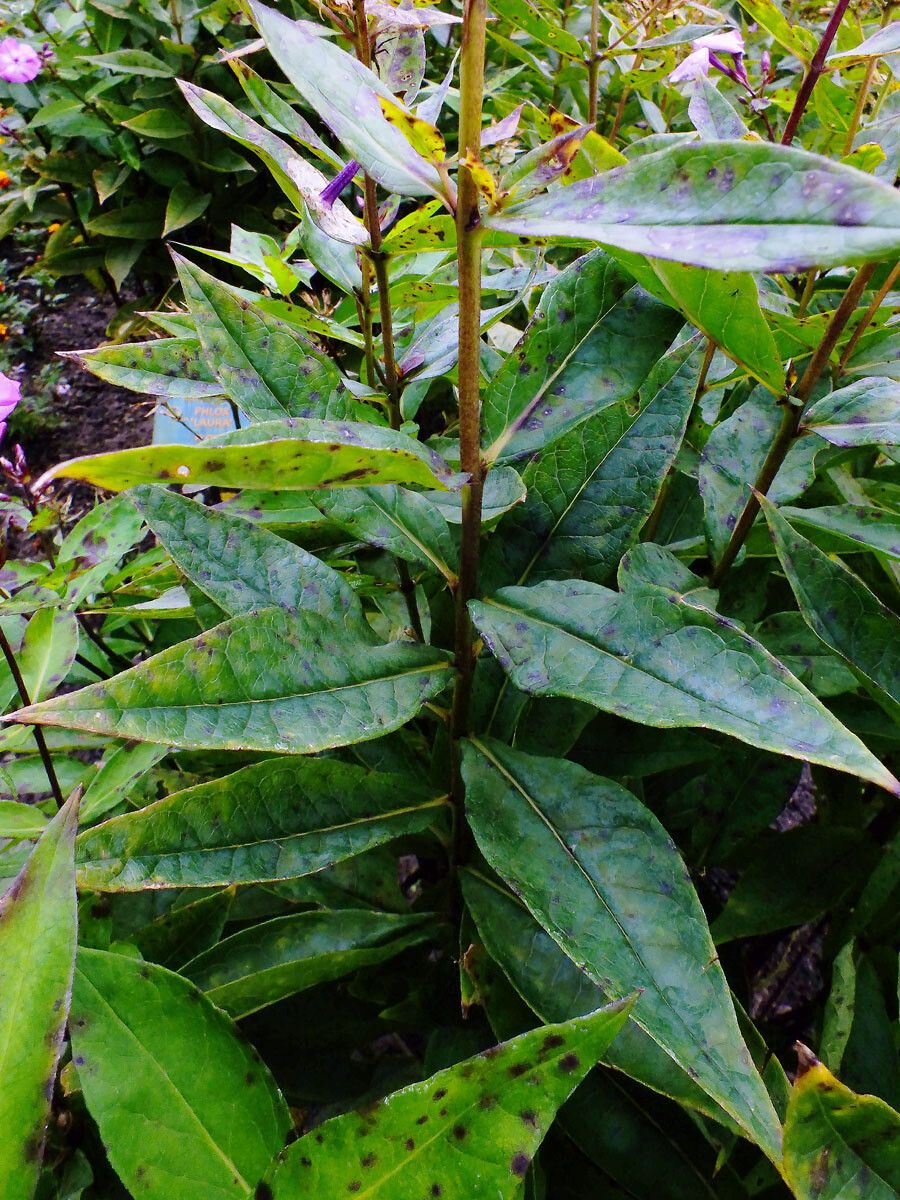
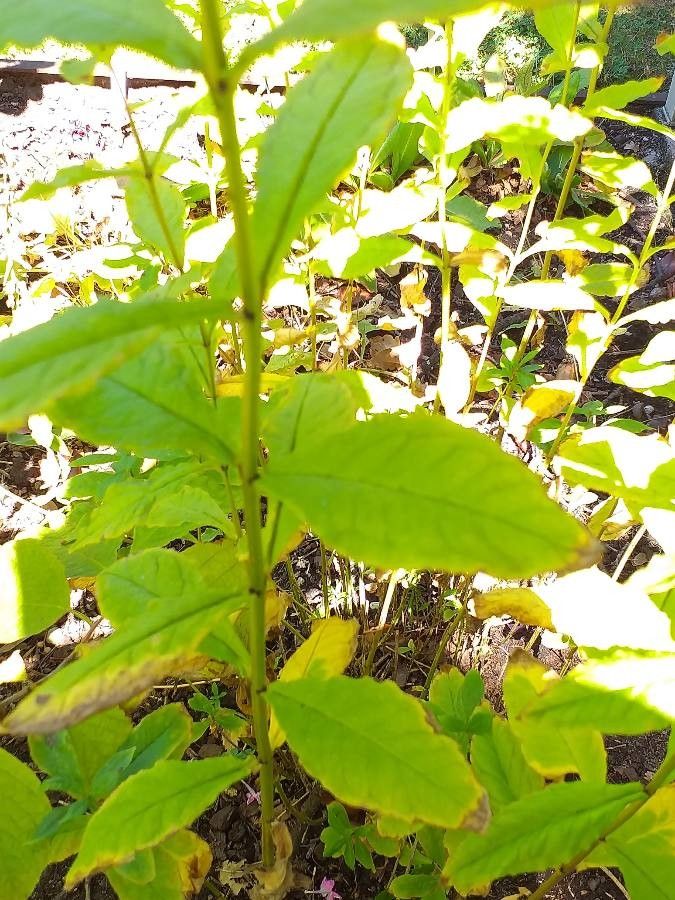
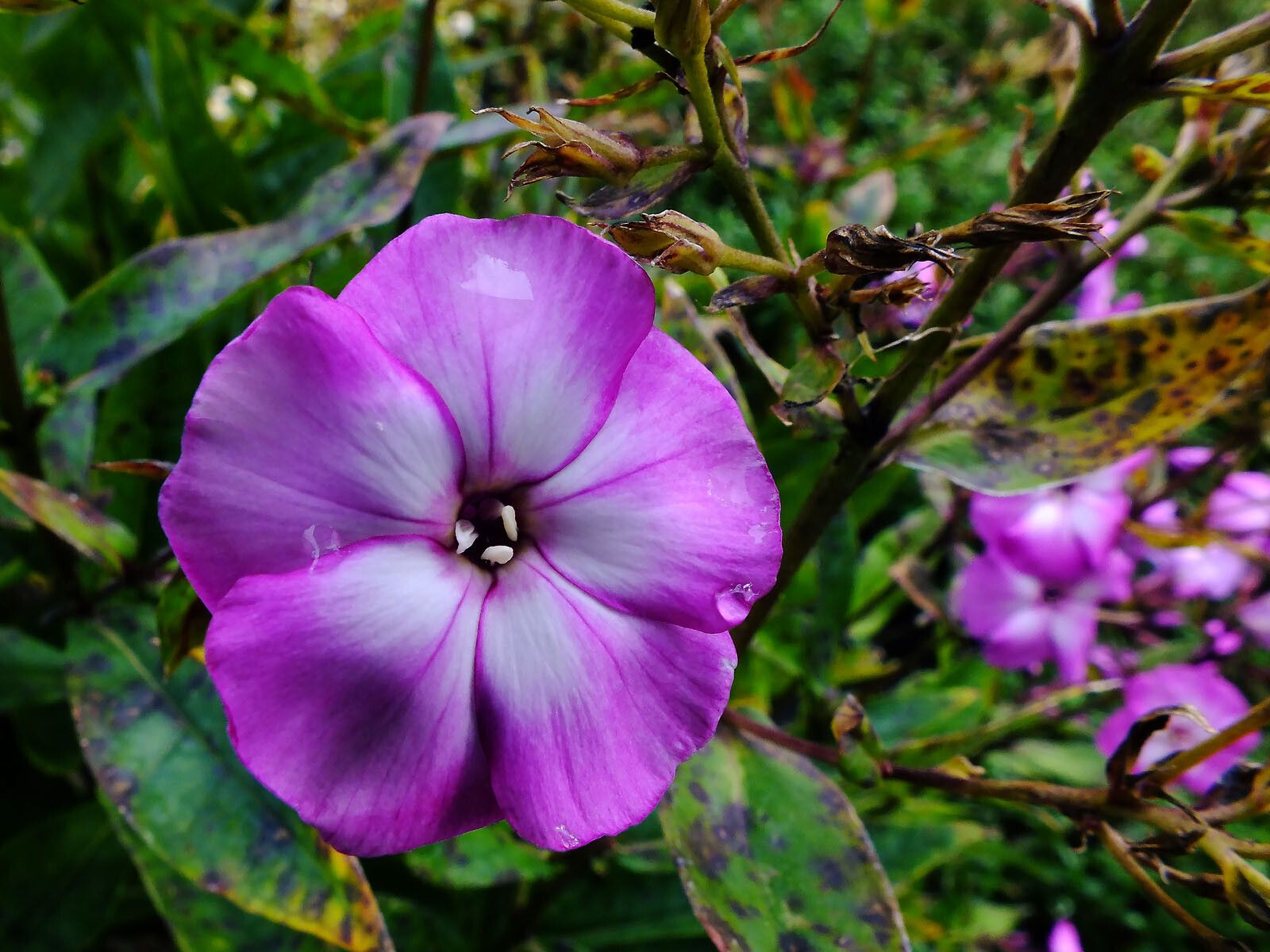
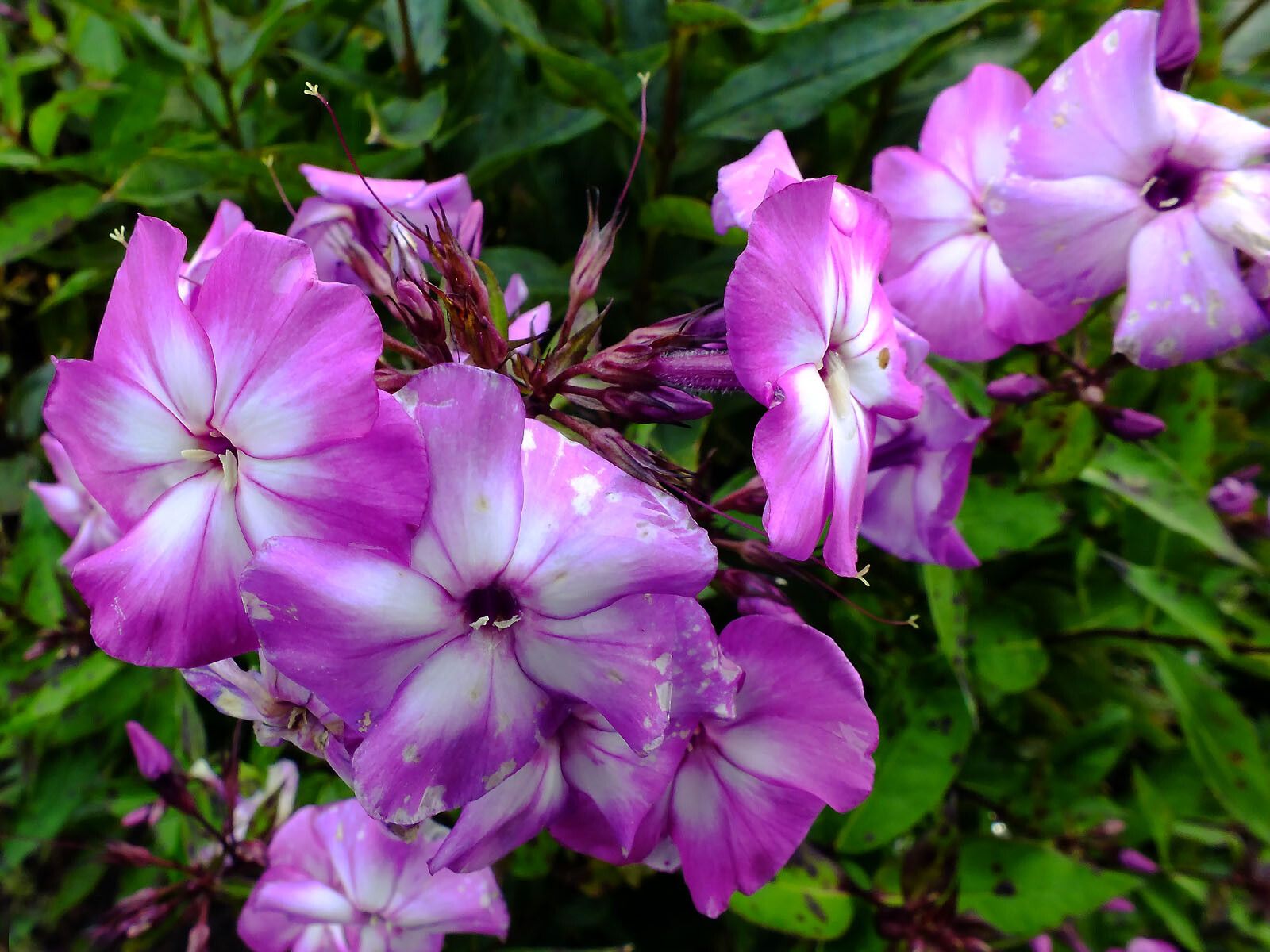
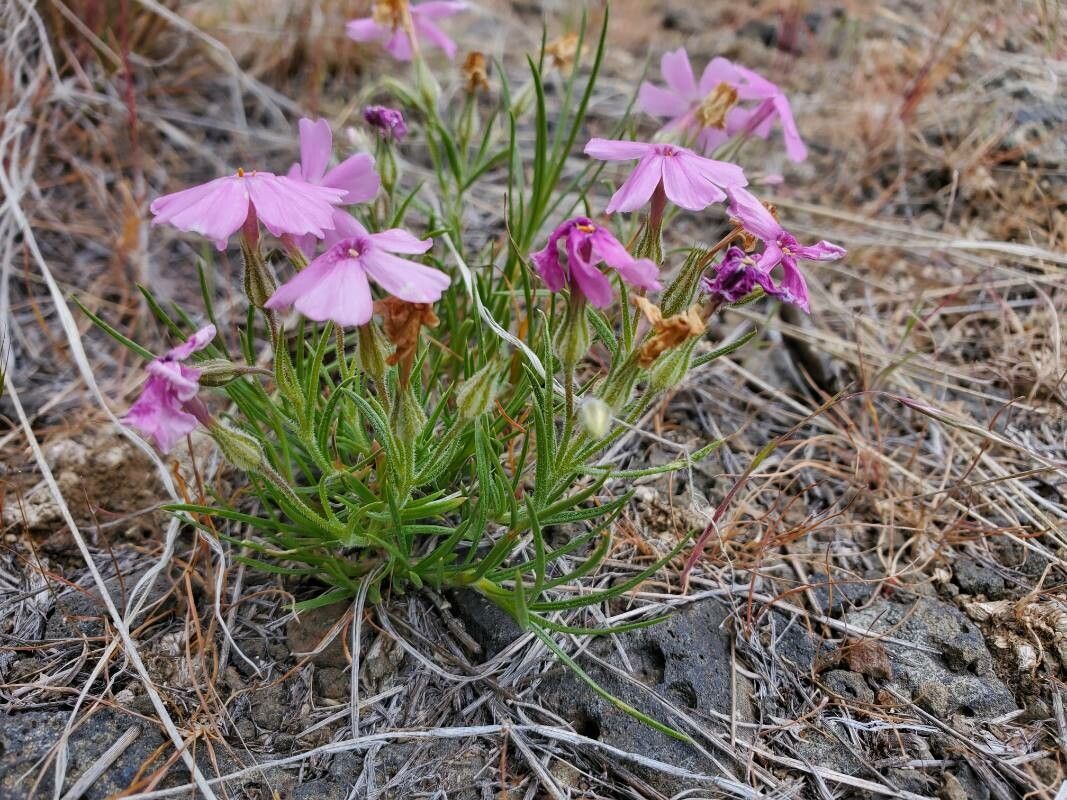
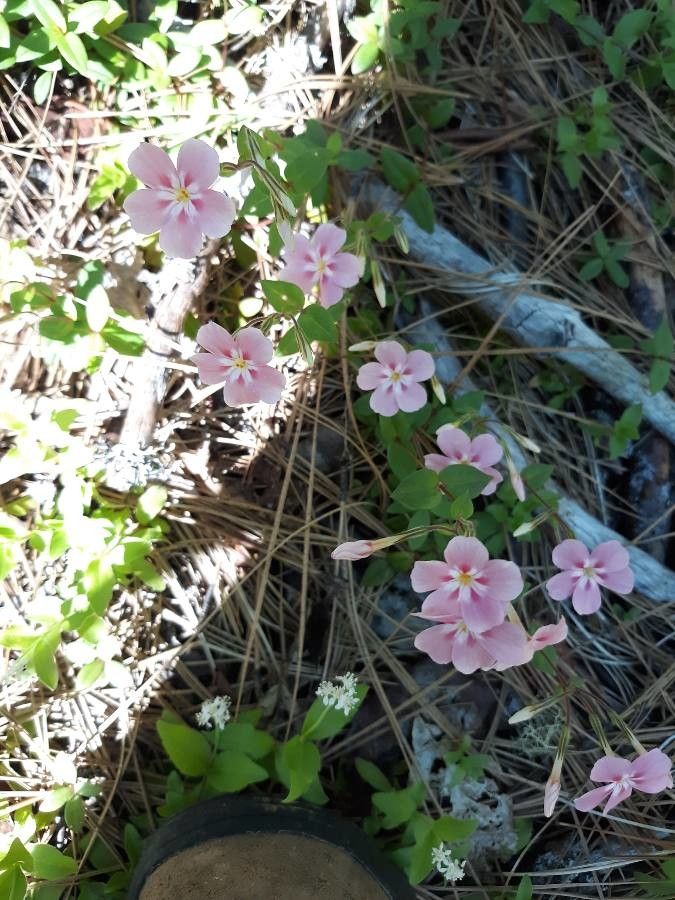
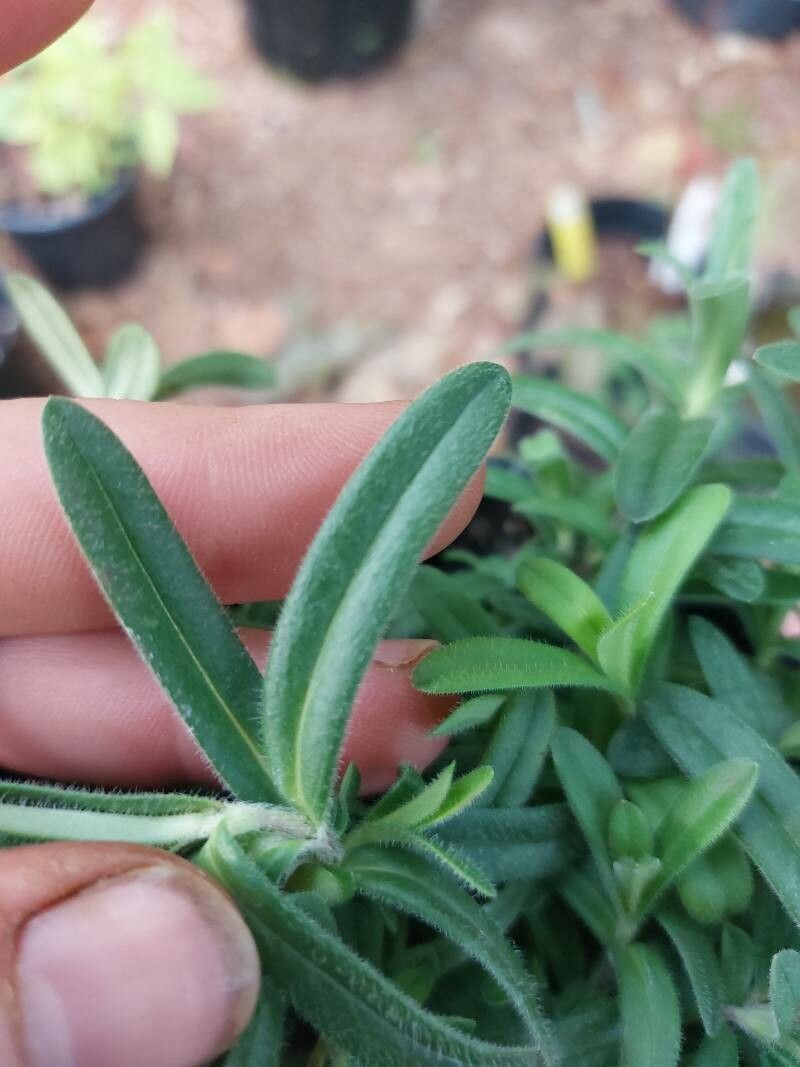
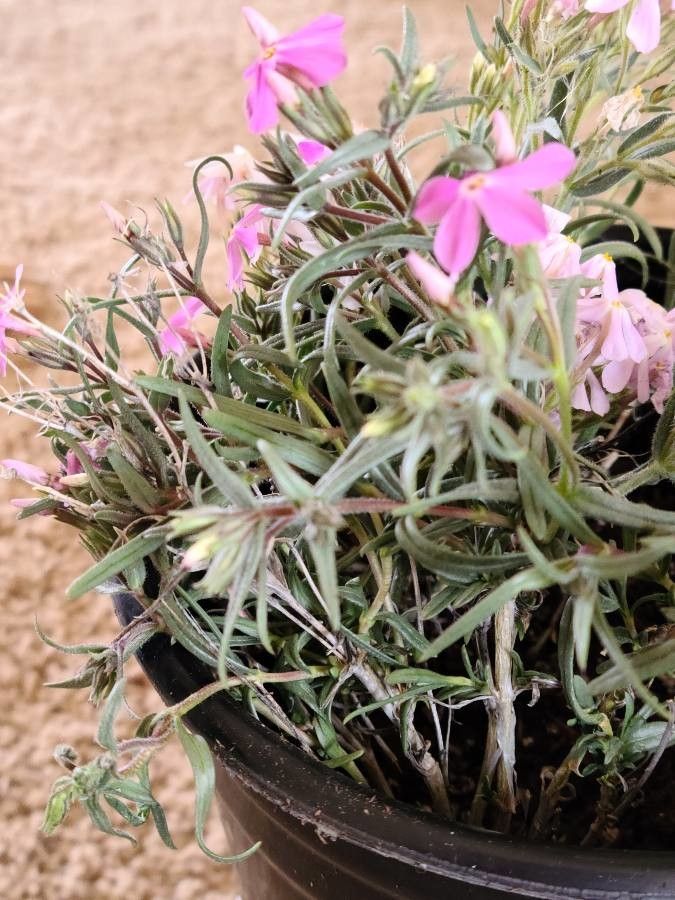
Largeleaf Phlox has strong disease resistance and is generally unlikely to develop diseases. However, it can be vulnerable to pests and illnesses present in its surroundings. These problems are usually mild. For care, this plant requires moderate maintenance. It should be pruned regularly to keep a tidy appearance and support healthy growth. Fertilizing can also encourage flowering. Largeleaf Phlox is well suited for anyone with outdoor space, such as a garden or patio, and does not need extensive care experience. It may demand more attention when grown indoors.
How to keep Phlox Amplifolia.
Light
Largeleaf Phlox does best with plenty of sun exposure, though it can tolerate some shade. Ample sunlight encourages healthy growth. Yet too much or too little light can impede its development. These light preferences result from its evolution in sunny habitats.
Water
Largeleaf Phlox flourishes in humid woodland environments and needs consistent moisture to thrive. It prefers soil that maintains a balanced level of moisture, so weekly watering is crucial for its healthy growth. Typically grown outdoors, this plant benefits from mulching, which helps retain moisture during its active growing season and enhances its ornamental appeal.
Temperature
Largeleaf Phlox is native to temperate areas and grows well in temperatures ranging from 41 to 89.6 °F (5 to 32 °C). It prefers a cool climate and requires temperature adjustments in summer to prevent heat damage.
Fertilizer
The optimal time to fertilize a Largeleaf Phlox is in early spring, when it is coming out of dormancy and starting active growth. Fertilizing supplies essential nutrients for healthy development. Although Largeleaf Phlox has relatively low fertilizer requirements, applying fertilizer annually can improve its survival and encourage better, longer-lasting flowers.
Pruning
Largeleaf Phlox is known for its lush foliage and vibrant blooms. To maintain its health and beauty, prune the plant from early to late spring. This helps remove dead stems, improve airflow, and encourage healthy growth. Additionally, thinning out crowded areas and trimming leggy stems enhance the plant's appearance and help prevent disease, all while aligning with its optimal growth cycle.
Botanical profile.
- Plant Type
- Herb
- Life Cycle
- Perennial
- Genus
- Phlox
- Family
- Polemoniaceae
- Hardiness Zone
- 4-8
- Mature Height
- 61 cm to 76 cm
- Mature Spread
- 49 cm to 61 cm
- Leaf Color
- Green
- Leaf Type
- Semi-evergreen
- Flower Color
- Pink, Purple, Lavender
- Flower Size
- 2.03 cm to 3.05 cm
- Bloom Time
- Summer
- Planting Time
- Spring, Summer, Autumn
- Harvest Time
- Early fall, Mid fall
- Native Area
- Georgia
Other names.
Reader questions.
What are the sunlight requirements for Largeleaf Phlox?
Largeleaf Phlox requires significant exposure to sun and thrives best in full sun, which means it should receive above 6 hours of sunlight daily. It can also tolerate partial sun, about 3-6 hours of sunlight. However, it is crucial to watch how sunlight moves through your garden to choose spots that provide a balance of light and shade, ensuring the plant's happiness. While an abundance of sunlight promotes healthy growth, too much or too little sunlight could hinder its development. This preference comes from its evolutionary adaptation to sun-drenched habitats.
What is the ideal temperature range for Largeleaf Phlox?
Largeleaf Phlox, scientifically known as Phlox amplifolia, thrives in temperate regions with temperatures ranging between 41 to 89.6 °F (5 to 32 °C). The plant prefers a cool climate and requires adjustments during summer months to prevent heat damage due to temperatures exceeding its ideal range. Despite its strong cold resistance, extra protection is advised if winter temperatures are expected to fall below -30°C, primarily through the application of protective coverings like soil or straw. Additionally, ensuring the soil is moist before the first freeze can help the plant sustain through the winter and early spring by preventing drought and water scarcity.
How can artificial lighting be used for Largeleaf Phlox indoors?
Indoor Largeleaf Phlox plants require adequate lighting for optimal growth, especially when natural sunlight is insufficient, such as in winter or less sunny spaces. Artificial lighting, like LED lights, is a vital solution for promoting faster, healthier growth. For full sun plants, 30-50W/sq ft of artificial light is needed, partial sun plants need 20-30W/sq ft, and full shade plants require 10-20W/sq ft. The light source should be placed 12-36 inches above the plant to mimic natural sunlight, ensuring the plant receives 8-12 hours of light per day.
How does Largeleaf Phlox react to cold temperatures and what are the solutions?
Largeleaf Phlox is quite tolerant of cold, optimally growing when the temperature stays above 5°C. It typically endures winter conditions well, but when temperatures drop below -30°C, the plant may not exhibit noticeable changes initially. However, this extreme cold can lead to reduced sprouting or a complete absence of sprouting in spring. The recommended solution for cases where parts of the plant fail to sprout in spring is to remove these unproductive parts, promoting healthier growth for the remaining plant.
What are the symptoms of insufficient or excessive sunlight in Largeleaf Phlox?
Symptoms of insufficient sunlight in Largeleaf Phlox include small new leaves, leggy or sparse growth, faster leaf drop, slower or no new growth, lighter-colored new leaves, and symptoms of excessive sunlight exposure such as chlorosis, sunscald, leaf curling, wilting, and leaf scorching. These symptoms indicate the plant's struggle to adapt to the lighting conditions, where insufficient light leads to growth and health issues, and excessive light can cause damage and dehydration.
How should Largeleaf Phlox be cared for in high temperatures?
During the summer, it is crucial to ensure that the temperature around Largeleaf Phlox does not surpass 32°C. Exceeding 35°C can cause significant stress to the plant, manifesting as lighter leaf colors, curling, susceptibility to sunburn, and in severe cases, wilting and drying up. To counteract these issues, affected parts should be trimmed away. Relocating the plant to a shaded area, or utilizing a shade cloth, can provide necessary protection from the midday and afternoon sun. Additionally, watering the plant in the morning and evening will help keep the soil adequately moist, further safeguarding the plant from the heat.
What solutions are available for Largeleaf Phlox experiencing sunlight issues?
For indoor plants, optimizing sunlight can be achieved by gradually moving the plant to a sunnier location each week until it receives at least 6 hours of direct sunlight daily, preferably by a south-facing window. If moving the plant is not feasible, consider using artificial light, like a desk or ceiling lamp, for at least 8 hours daily or invest in professional grow lights. For outdoor plants, gradually acclimate them to sunlight by moving to sunnier spots weekly. Reducing sunlight obstructions, like pruning trees, or transplanting to a sunnier location with good drainage can also help. Note that parts of the plant affected by insufficient sunlight may not recover, but new growth should be healthy with improved light exposure.