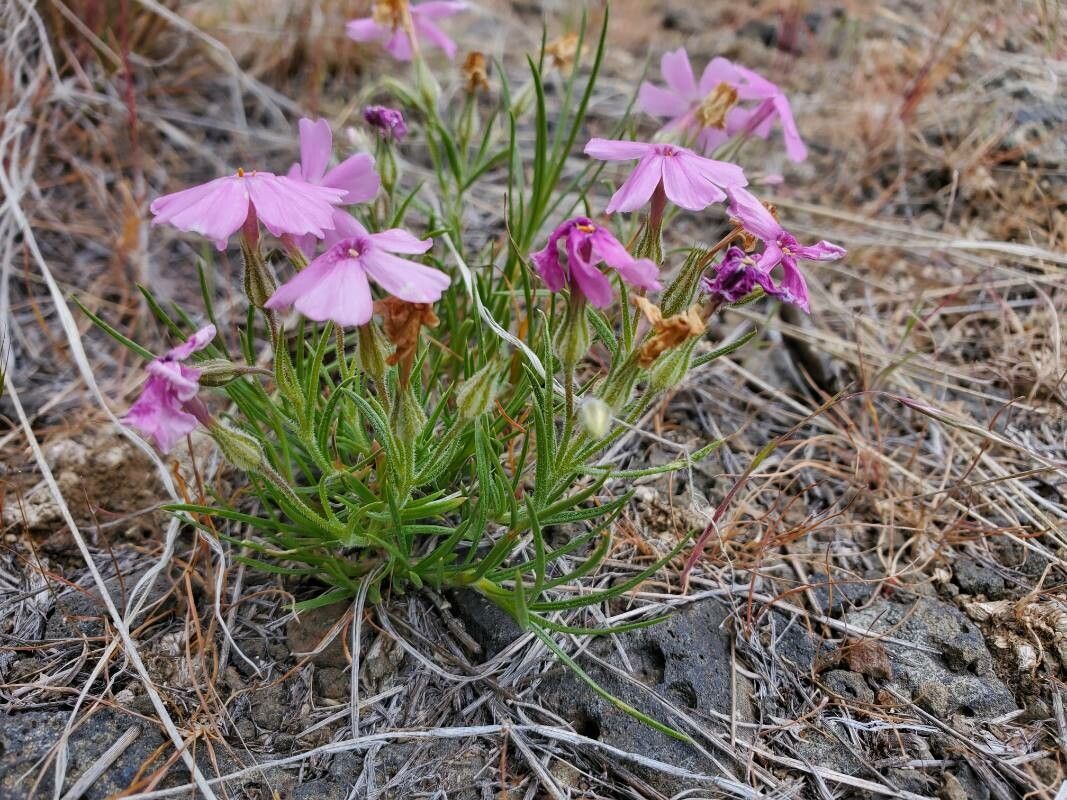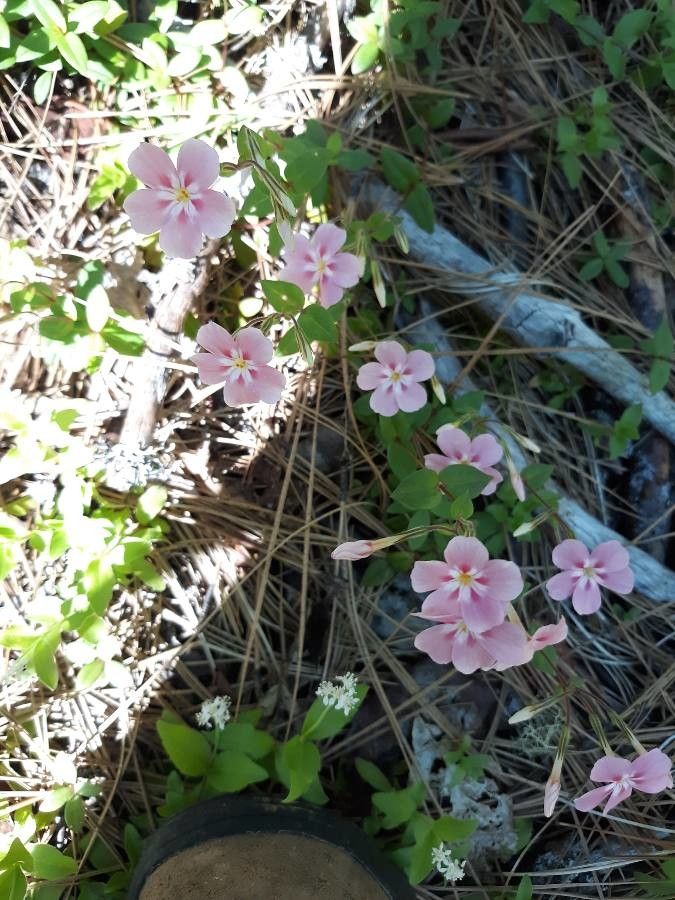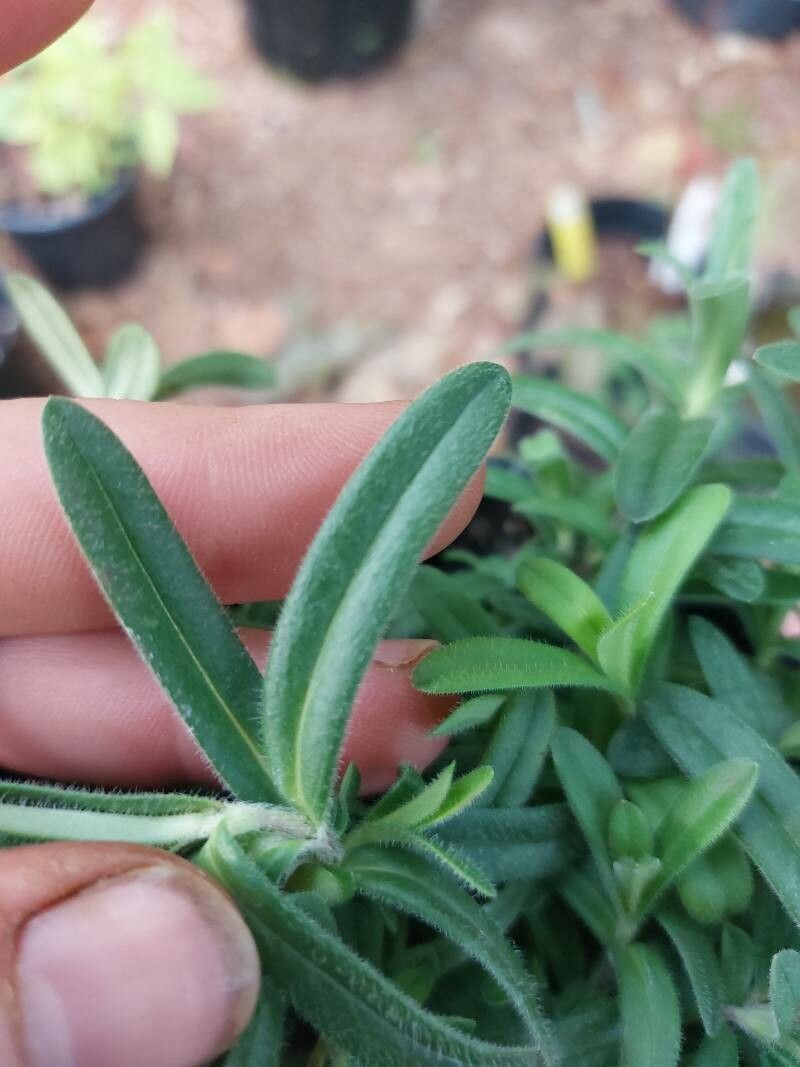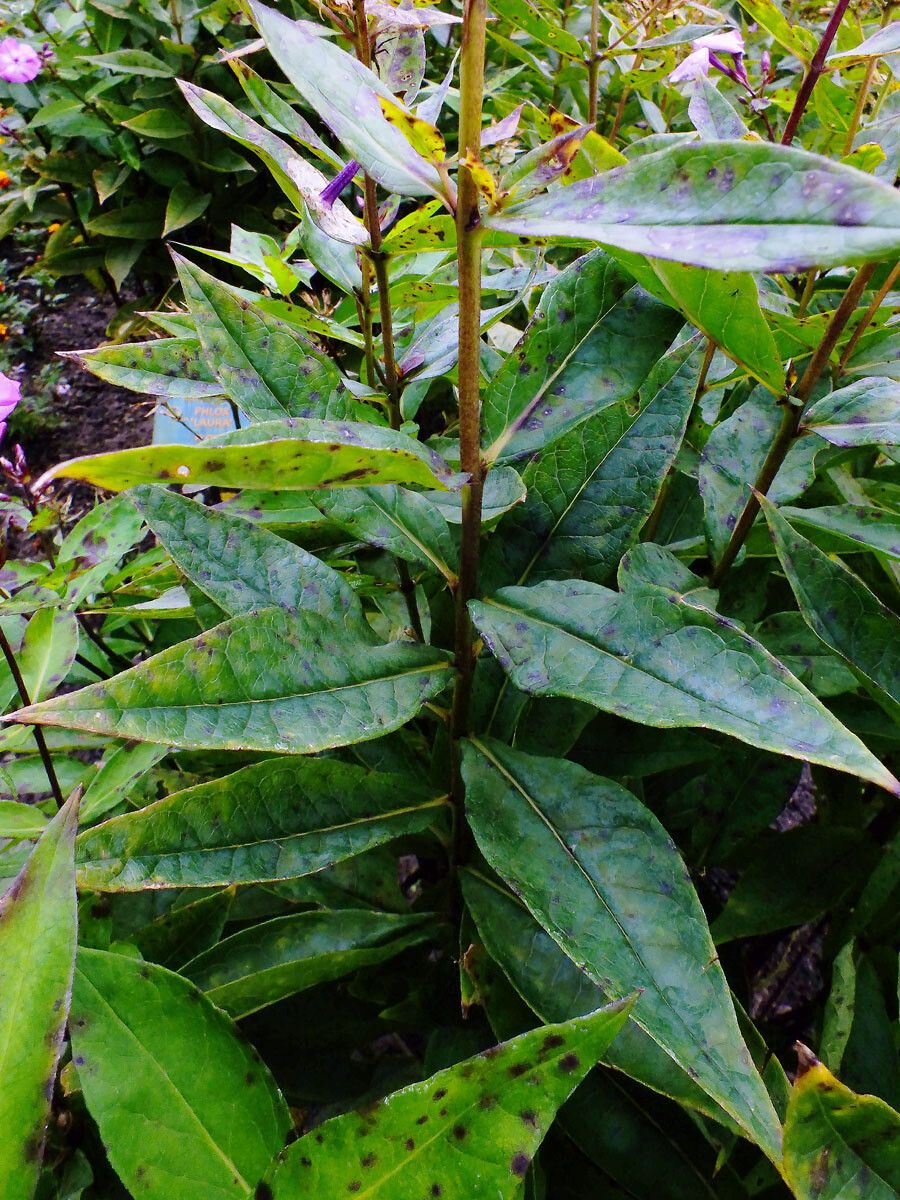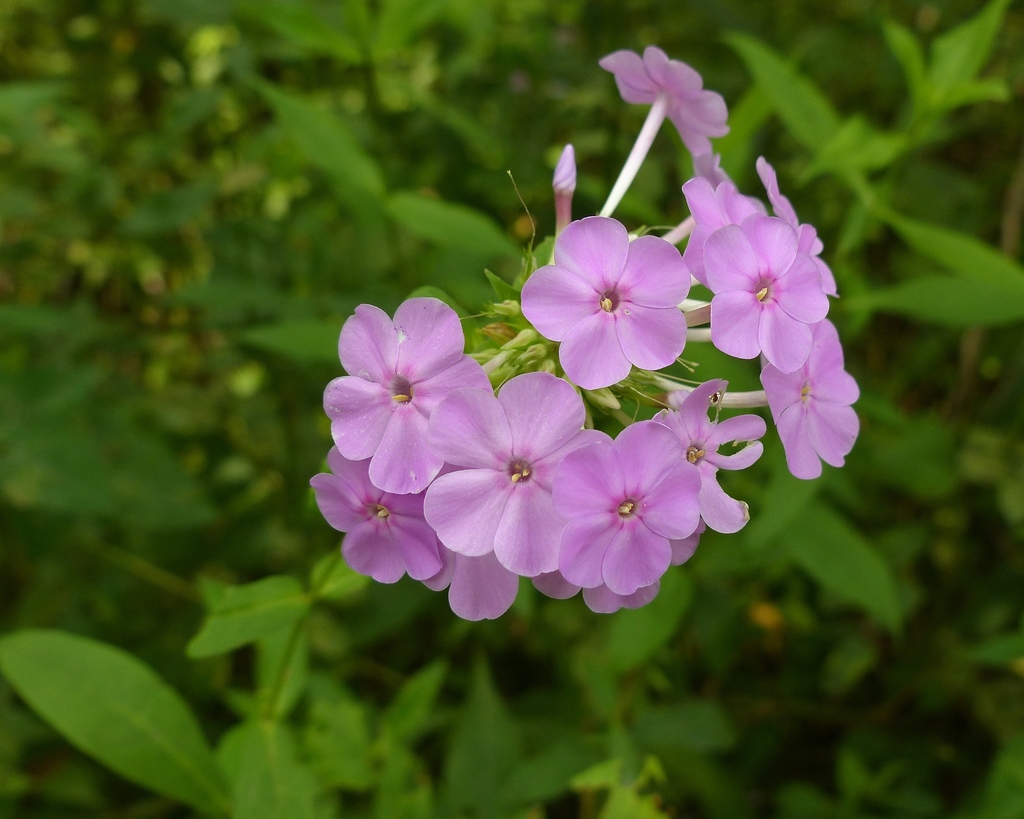
Phlox paniculata, commonly known as garden phlox, is a herbaceous perennial plant belonging to the Polemoniaceae family. Native to North America, this plant thrives in meadows, woodlands, and along stream banks. It typically reaches a height of 1 to 2 meters and has a bushy appearance with lance-shaped leaves arranged oppositely on the stem.
The flowers of Phlox paniculata are particularly striking, showcasing vibrant colors that range from white and pink to lavender and red. Blooming from mid-summer through early fall, these flowers form dense clusters at the tops of tall stems. Each flower features five petals fused at the base, creating a tube-like structure that opens into a star shape.
Phlox paniculata prefers well-drained soil and full sun exposure, though it can tolerate partial shade. It requires regular watering during dry spells but should not be overwatered, as this can lead to root rot.
Often used for ornamental purposes, Phlox paniculata's attractive flowers and foliage make it an excellent choice for garden borders or as cut flowers for indoor arrangements. Additionally, the plant has medicinal properties; its roots have traditionally been used by Native Americans to treat ailments such as coughs and colds, thanks to their expectorant properties.
In summary, Phlox paniculata is an easy-to-grow perennial that adds color and beauty to any garden while also offering medicinal benefits, making it an excellent choice for gardeners and herbalists alike.
Garden phlox is fairly resistant to disease and usually not very susceptible to illnesses. However, it can still be attacked by pests and diseases that exist nearby. These problems tend to be mild. As for care, the plant needs a moderate amount of attention. It should be pruned on a regular basis to keep a neat appearance and support healthy growth. Fertilizing can also encourage more flowering. Garden phlox is a good choice for anyone with outdoor space like a garden or patio and does not demand much gardening experience. It may call for more care if grown indoors.
How to keep Phlox Paniculata.
Light
Garden phlox thrives in locations that receive plenty of sunlight, though it can tolerate somewhat shadier spots. While ample sun promotes its growth, too little light or excessive exposure can harm its health.
Water
Garden phlox grows best in rich, moist soil and should ideally be watered once a week to maintain consistent hydration. While it can withstand moderate drought, it thrives with full sun exposure. Applying mulch can help retain moisture in the soil, which reduces the need for frequent watering during its peak growing season.
Humidity
This plant will thrive in moderate humidity, which is probably the level in your home. However, misting it a few times a week can be very beneficial. Make sure the room has good ventilation.
Temperature
Garden phlox is native to areas with moderate climates and does best in temperatures from 68 to 95 °F (20 to 35 ℃). In hotter seasons, it may need cooling at night and shade during the day.
Fertilizer
The best time to fertilize a Garden phlox is in early spring, as it comes out of dormancy and begins active growth. Fertilizing supplies essential nutrients for healthy development. Although Garden phlox has relatively low fertilizer needs, applying fertilizer annually can improve its survival and encourage better, longer-lasting flowers.
Pruning
Garden phlox features tall stems and vibrant clusters of flowers. To maintain its health, prune the plant between early and late spring by removing any dead stems and trimming about one-third off the healthy ones. Additionally, thin out crowded areas to improve air circulation and regularly deadhead spent blooms to extend the flowering period. These steps will help ensure a healthier and more vigorous plant.
Pot & Repot
When repotting Garden phlox, choose a pot 1-2 inches (2.5–5.1 cm) larger with good drainage. Use a well-draining potting mix. Repot in spring or fall, making sure the root ball sits slightly below the rim of the flower pot. Water thoroughly after repotting and place it in a warm spot with indirect sunlight.
Toxicity
David Garden Phlox is not dangerous to dogs or to cats. This perennial plant is absolutely safe that your pets can even nibble on its leaves and flowers. Additionally, this plant is also completely for humans.
Further reading →
The toxicity and danger assessments provided are for reference only. We do not assure their accuracy, so it's crucial not to depend on them. Seek professional advice when necessary for accurate guidance.
Botanical profile.
- Plant Type
- Herb
- Life Cycle
- Perennial, Annual
- Genus
- Phlox
- Family
- Polemoniaceae
- Hardiness Zone
- 4-9
- Mature Height
- 0.61 m to 1.22 m
- Mature Spread
- 91 cm
- Leaf Color
- Green
- Leaf Type
- Deciduous
- Flower Color
- White, Pink, Red, Purple, Blue, Violet
- Flower Size
- 1.52 cm to 2.54 cm
- Bloom Time
- Early summer, Mid summer
- Planting Time
- Spring, Summer
- Harvest Time
- Early fall, Mid fall
- Native Area
- Georgia
Other names.
Reader questions.
When Should I Water My Garden Phlox?
Water your garden phlox when soil moisture levels are low, evident through several indicators. If the soil feels dry 1-2 inches below the surface, leaves appear wilted or discolored, or the soil looks visibly dry, it's time to water. A decrease in flower production also signals a need for more water. Regular monitoring of these signs will help maintain the health and vibrancy of your garden phlox by ensuring it receives the right amount of water.
Why should I use fertilizer on my Garden phlox?
Fertilization is important for Garden phlox as it provides essential nutrients for both above and below ground growth. While Garden phlox can survive without fertilization, annual fertilization can greatly benefit the plant, helping it thrive and produce longer-lasting, better flowers. To keep your Garden phlox looking its best, it is recommended to fertilize annually.
What are the sunlight requirements for garden phlox?
Garden phlox requires full sun, which means above 6 hours of sunlight daily, but it can also thrive in partial sun, around 3-6 hours of sunlight. Monitoring the movement of sunlight through your garden helps in selecting ideal locations that offer a harmonious balance of light and shade, ensuring your plants grow happily.
What are the ideal growing conditions for Garden phlox?
Garden phlox, scientifically known as Phlox paniculata, is native to regions with moderate climates and flourishes in temperatures ranging from 68 to 95°F (20 to 35°C). It is highly adaptable to various conditions, demonstrating strong resistance to cold. Typically, garden phlox doesn't require special frost protection measures during winter, as it can usually withstand cold weather. However, in extremely cold climates where temperatures may drop below -30°C, it's important to provide additional protection by covering the plant with soil or straw. For better cold weather management, watering the plant abundantly before the first freeze of autumn is recommended to keep the soil moist, which helps prevent drought and water scarcity through the winter and into early spring.
How Should I Water My Garden Phlox?
Water garden phlox at the base to avoid wetting the foliage, which can lead to disease. A watering can with a narrow spout is ideal for directing water straight to the soil. Ensure the soil is well-drained to prevent overwatering issues and use a moisture meter to check whether watering is necessary. The right technique and equipment will help prevent common watering mistakes and promote the health of your garden phlox.
When should I put fertilizer on my Garden phlox?
The best time to fertilize a Garden phlox is in late winter to early spring. This is when the plant is coming out of its dormant phase and starting to grow actively. Fertilizing at this time helps promote healthy growth and gives the plant a strong start for the season. Fertilizing in the early spring is generally the most beneficial, but it is also okay to fertilize in the fall. However, it's not recommended to fertilize a Garden phlox during the summer or winter seasons.
How does sunlight affect the growth of garden phlox?
Sunlight significantly influences the health and growth of garden phlox. It flourishes best in areas that receive ample sunlight, although it can tolerate less direct exposure. However, too little sunlight or too much can have adverse effects on its growth, affecting its overall health.
How should I care for Garden phlox in low temperatures?
Garden phlox is remarkably cold-tolerant, ideally thriving in temperatures above 20°C and should remain above 0°C during winter. In the event that temperatures fall below -30°C, the plant may not show immediate damage during winter, but there could be a reduction in sprouting or no sprouting at all come springtime. To manage this, it's advisable to remove any parts of the plant that have failed to sprout in the spring, allowing for healthier growth.
How Much Water Does Garden Phlox Really Need?
Garden phlox requires about 1 inch (2.5 cm) of water per week, focusing on watering deeply to reach the root zone about 8-10 inches below the surface. The goal is to maintain soil that is moist but not waterlogged, with proper drainage to prevent root rot. Signs of proper hydration include healthy foliage, vibrant flowers, and slightly moist soil at the top. It's vital to adjust water amounts based on weather conditions and to use mulch to help retain soil moisture.
When is it not a good idea to put fertilizer on my Garden phlox?
To avoid overfertilization and its complications, it is best to fertilize your Garden phlox only in late winter and early spring. Only one annual feeding is necessary because this plant has low fertilization needs. However, if you missed fertilizing in the spring, it is acceptable to feed the plant in the fall. It is not necessary to fertilize during the winter, as the Garden phlox will be in a dormant phase and not experiencing new growth.
Can I use artificial lighting for garden phlox and how?
Yes, indoor garden phlox can benefit from artificial lighting, especially when natural sunlight is insufficient. LED lights are recommended due to their ability to mimic natural light spectrums. Full sun plants require 30-50W/sq ft, partial sun plants 20-30W/sq ft, and full shade plants 10-20W/sq ft of light. Position the light 12-36 inches above the plant, ensuring it receives 8-12 hours of light daily to simulate natural sunlight.
What measures should be taken if Garden phlox is subjected to high temperatures?
In the summer months, it is crucial to keep the Garden phlox's surrounding temperature below 35°C. Exposure to temperatures exceeding 38°C can result in the leaves becoming lighter, prone to curling, suffering from sunburn, and in severe cases, can lead to the entire plant wilting and drying out. To address this, any sunburned and dried parts of the plant should be trimmed away. Moving the plant to a shaded area during the midday and afternoon sun or using a shade cloth can prove beneficial. Also, watering the plant in the mornings and evenings will help maintain soil moisture, providing a healthier environment for the garden phlox.