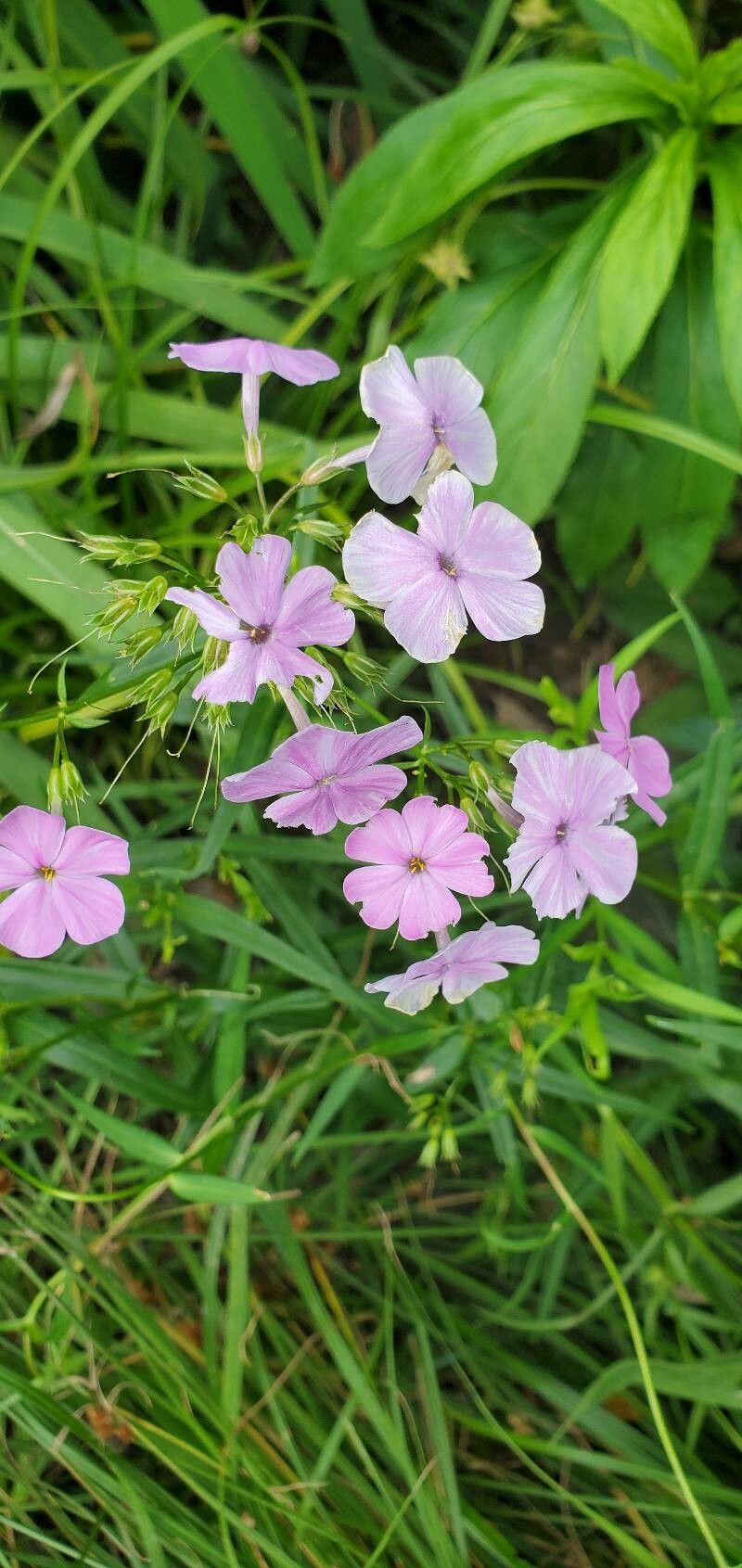
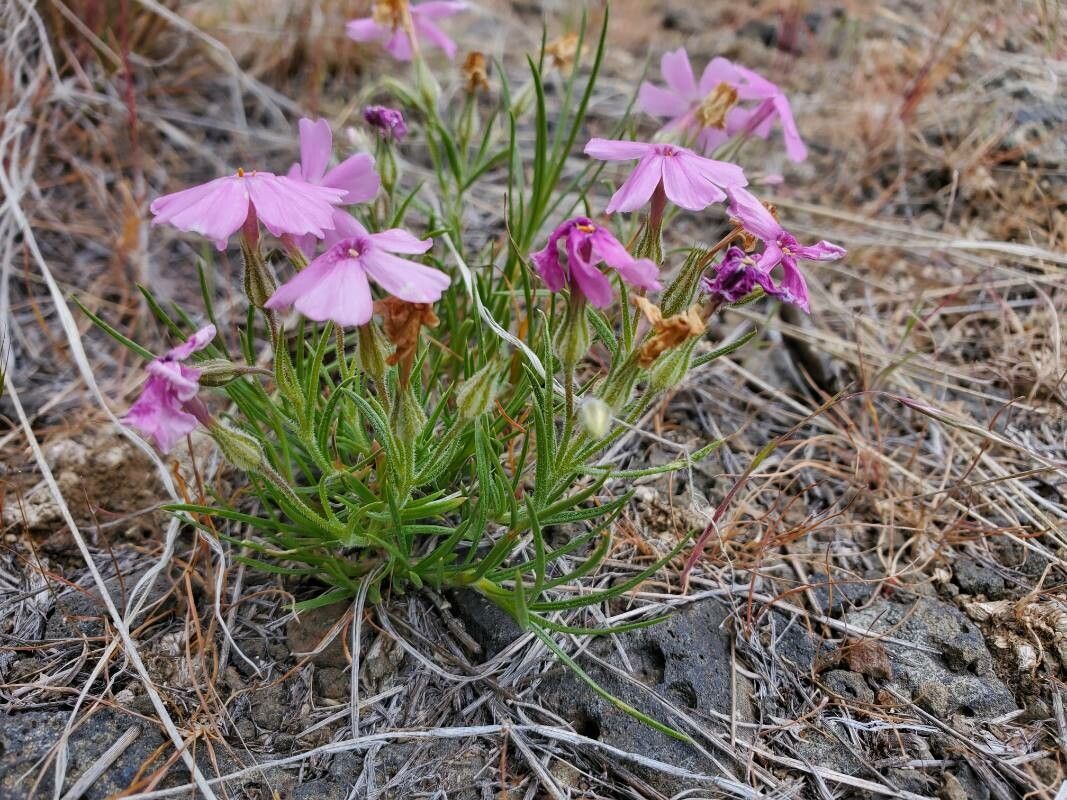
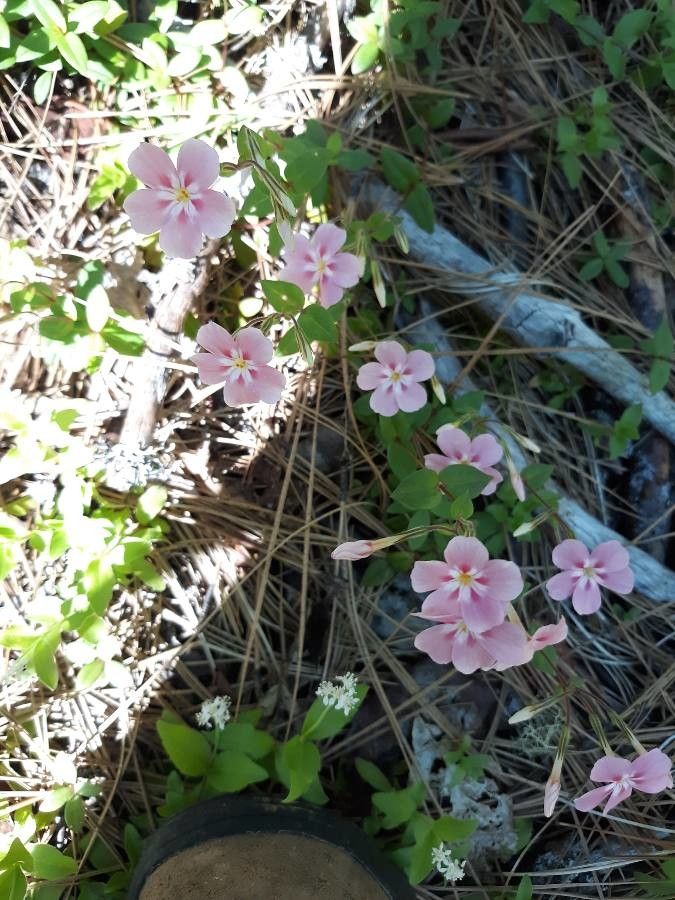
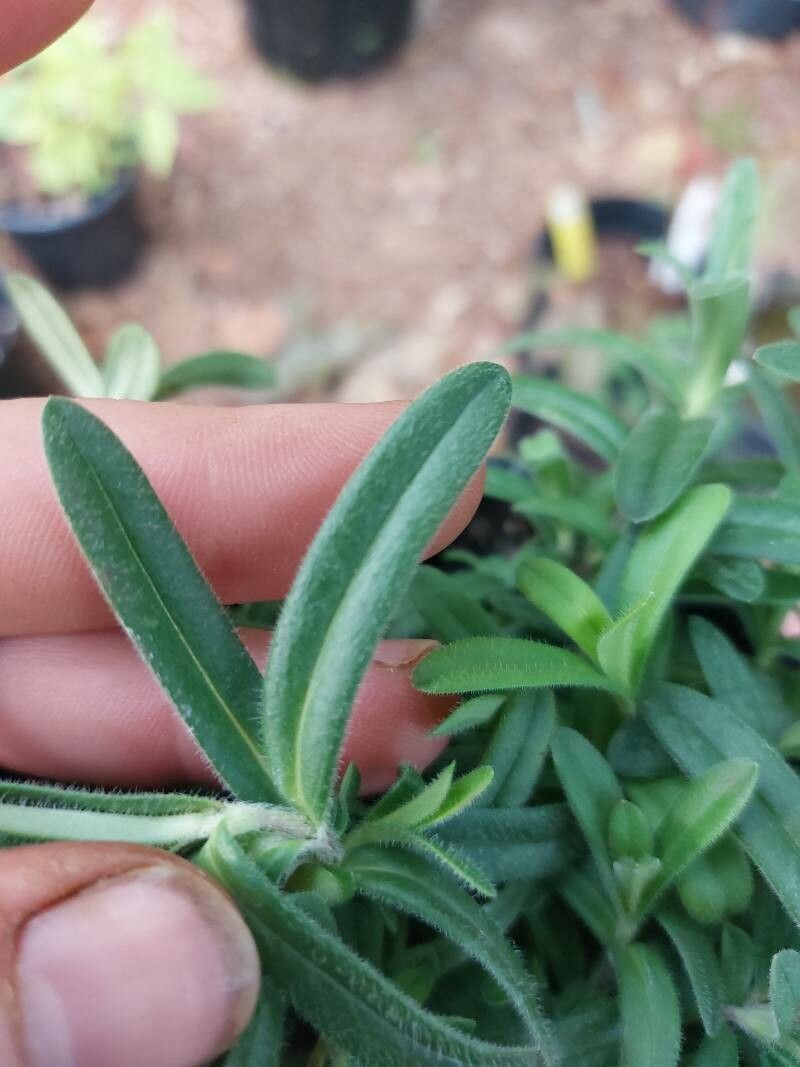
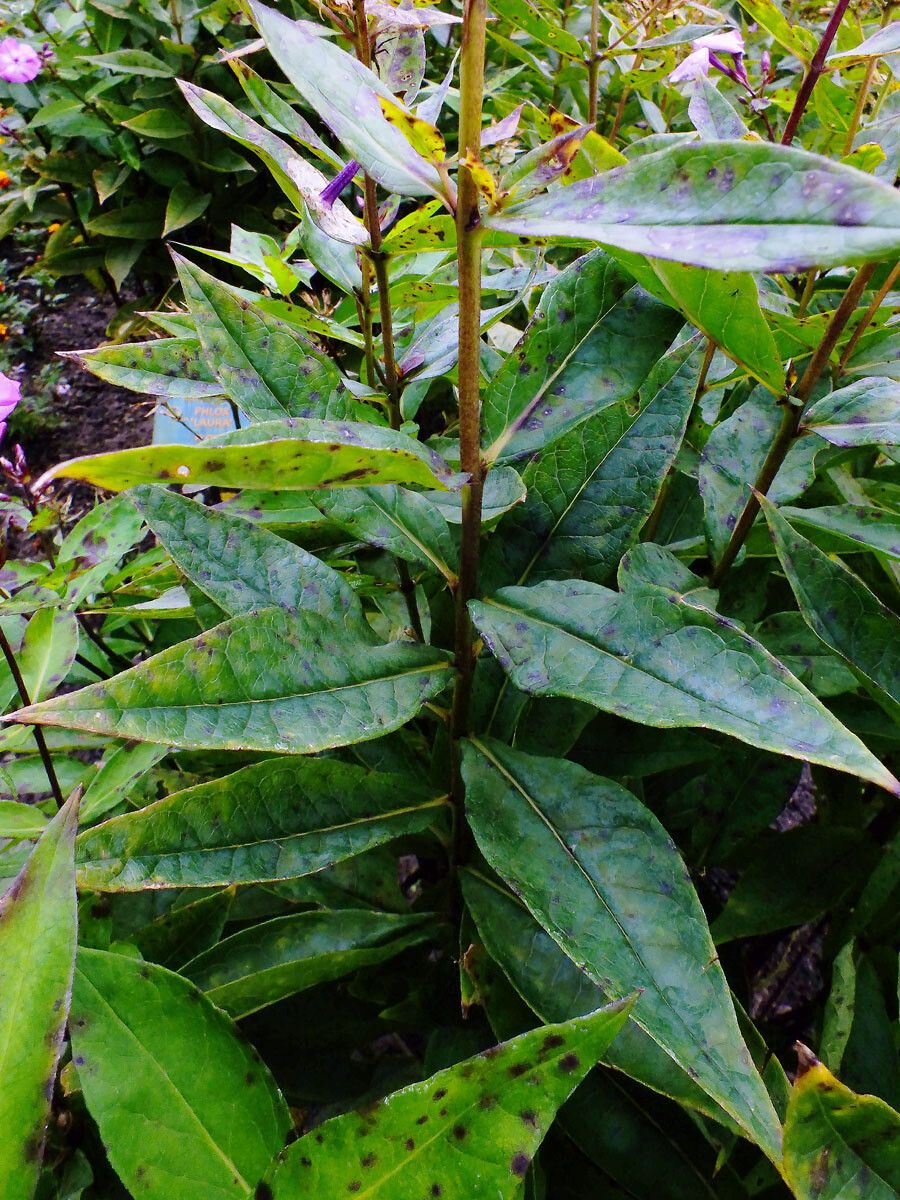
Phlox glaberrima (commonly called smooth phlox) is a species of flowering plant in the phlox family. It is native to the Midwestern and Southeastern United States where it is found in moist to wet areas. It can be found in both prairies and forests, where it is an indicator of high quality habitat.The relationships between Phlox glaberrima, Phlox carolina, and Phlox maculata are particularly unclear. There may be hybridization, or an undescribed third species that resembles an intermediate. The phylogenetic relationships of this group of Phlox is currently under review.
Smooth phlox is fairly disease-resistant and typically not prone to illnesses. Nevertheless, it can be affected by pests and diseases present in the surrounding area. Such infections are generally minor. In terms of care, the plant requires moderate maintenance. Regular pruning is needed to keep it looking neat and to support healthy growth. Fertilizing can also help encourage flowering. Smooth phlox is suitable for anyone with outdoor space, such as a garden or patio, and does not demand extensive gardening experience. It may need more attention when grown indoors.
How to keep Phlox Glaberrima.
Light
Smooth phlox grows best when it gets plenty of sun each day, though it can tolerate moderate light as well. Native to open habitats, it is adapted to those conditions for vigorous growth. Both too much and too little sunlight can hinder its growth, emphasizing how important sunlight is to its development.
Water
Smooth phlox flourishes in moist meadows and requires consistent moisture, along with weekly watering, to maintain its lush growth. If you're growing it indoors, higher humidity levels are preferred. As an herbaceous perennial, smooth phlox has essential water requirements during its active growing season, which are crucial for vibrant blooming.
Temperature
Smooth phlox does well in conditions similar to its native habitat, requiring temperatures between 32 and 90 °F (0 to 32℃). Across seasons, it must be able to adapt to local temperature conditions while remaining within that range.
Fertilizer
The best time to fertilize a Smooth phlox is in early spring, when it is coming out of dormancy and starting active growth. Fertilizing supplies essential nutrients for healthy development. Although Smooth phlox has fairly low fertilizer requirements, applying fertilizer annually can improve its survival and encourage better, longer-lasting flowers.
Pruning
To help smooth phlox grow well, it's important to prune it from early to late spring. Start by removing any dead stems and spent flowers. This will encourage new growth, improve air circulation, and lower the risk of fungal infections. Remember to always sterilize your tools before pruning to prevent the spread of disease and keep your plants healthy.
Botanical profile.
- Plant Type
- Herb
- Life Cycle
- Perennial
- Genus
- Phlox
- Family
- Polemoniaceae
- Hardiness Zone
- 3-8
- Mature Height
- 0.61 m to 1.22 m
- Mature Spread
- 61 cm to 76 cm
- Leaf Color
- Green
- Leaf Type
- Semi-evergreen
- Flower Color
- Pink
- Flower Size
- 2.54 cm
- Bloom Time
- Late spring, Early summer, Mid summer
- Planting Time
- Spring, Summer
- Harvest Time
- Late summer, Early fall
- Native Area
- Georgia
Other names.
Reader questions.
How should I water my Smooth phlox?
To properly water the Smooth phlox, it is recommended to use filtered water at room temperature. Tap water should be avoided as it may contain harmful particles. The water temperature should be warm or slightly warmer, as this plant is accustomed to a warm environment and cold water can be a shock. It is best to avoid overhead watering, as it can cause issues with the foliage. Instead, water the plant by applying filtered room temperature water to the soil until it is fully saturated. This method allows the roots to absorb moisture and nutrients, promoting healthy growth and spread in the soil.
Why should I put fertilizer on my Smooth phlox?
Fertilization is important for the Smooth phlox for a few reasons. Firstly, it provides the necessary nutrients for the plant's growth both above and below ground. However, the Smooth phlox does not require a large amount of fertilization. While it may survive without fertilization at times, annual fertilization can greatly benefit the plant. It helps to keep the plant alive and promotes the development of better, longer-lasting flowers. Therefore, those who want their Smooth phlox to look its best should make sure to fertilize it annually.
What are the sunlight requirements for Smooth Phlox?
Smooth Phlox, botanically known as Phlox glaberrima, requires a substantial amount of sun exposure each day to thrive, ideally in conditions that mimic its native open habitats. It performs best in full sun, defined as more than 6 hours of sunlight daily, but can also tolerate partial sun, which is about 3-6 hours of sunlight. It's critical to observe the movement of sunlight through your garden to ensure plants are positioned in spots that provide an optimal balance of light and shade, ensuring their well-being and robust growth.
What are the ideal temperature conditions for Smooth Phlox?
Smooth Phlox, botanically known as Phlox glaberrima, thrives in temperatures ranging between 32 to 90 °F (0 to 32 °C). It is highly adaptable to local temperature variations within this range across different seasons. The plant exhibits strong cold resistance, generally negating the need for special frost protection measures in winter. However, in regions where winter temperatures may plummet below -35°C, it becomes essential to protect Smooth Phlox by covering it with soil or straw. Additionally, to combat potential drought and water scarcity during winter and early spring, it's advised to water the plant abundantly before the first freeze in autumn, ensuring the soil remains moist as it enters a frozen state.
What should I do if I give my Smooth phlox too much water or too little water?
Smooth phlox plants can be harmed by both overwatering and underwatering, but overwatering is a more common problem. Too much water can cause wilting and yellowing of the stems and leaves, and it can also lead to diseases like root rot, mold, and mildew, which can be fatal for the plant. On the other hand, underwatering is less likely to occur since Smooth phlox has good drought tolerance. However, if underwatering happens, the leaves may become brittle and brown. It's important to be vigilant for signs of overwatering when taking care of your Smooth phlox. Some diseases caused by overwatering, such as root rot, may be irreversible if not addressed promptly. If you notice early signs of overwatering, reduce your watering schedule right away. Additionally, check the soil quality where your Smooth phlox is growing. If the soil doesn't drain well, replace it with a loose, well-draining potting mix. If you see signs of underwatering, simply water the plant more regularly until the signs disappear.
When should I fertilize my Smooth phlox?
The best time to fertilize a Smooth phlox is in late winter to early spring when it is transitioning from the dormant phase to active growth. Fertilizing at this time promotes healthy growth and sets the plant up for a successful season. While early spring is generally preferred, fall is also an acceptable time for fertilization. However, it is not recommended to fertilize during summer or winter.
How do I use artificial lighting for Smooth Phlox indoor plants?
When natural sunlight is not sufficient, especially during winter or in less sunny spaces, artificial lighting can provide an essential boost to the growth of Smooth Phlox indoor plants. LED lights are recommended due to their ability to be customized to specific wavelengths needed by plants. The amount of artificial light needed varies: full sun plants require 30-50W per square foot, partial sun plants need 20-30W per square foot, and full shade plants need 10-20W per square foot. The artificial light source should be positioned 12-36 inches above the plant to mimic natural sunlight and should be kept on for 8-12 hours per day to simulate natural daylight hours for the specific plant species.
How does Smooth Phlox respond to low temperatures?
Smooth Phlox is notably cold-tolerant, optimally thriving when temperatures remain above 0°C. Throughout winter, temperatures should ideally stay above -30°C to foster good health in the plant. If temperatures fall below -35°C, while immediate physical changes may not be visible during winter, the plant could experience reduced sprouting or even fail to sprout come spring. Should this occur, the recommended remedy is to remove the non-sprouting portions of the plant in spring to promote new growth.
How often do I need to water my Smooth phlox?
When your Smooth phlox plant is in a pot, the most precise way to check if it needs water is by sticking your finger into the soil. If you feel that the top two to three inches of soil are dry, it's time to water it. If you have your Smooth phlox planted outdoors in the ground, you can use the same method to test the soil. Once again, if the top few inches of soil are dry, it's time to water. Usually, in the spring and early fall, you'll need to water this plant about once a week using this method. However, when it gets extremely hot, watering may need to be increased to twice or more a week. Keep in mind that mature, well-established Smooth phlox plants have a great ability to withstand drought.
When should I not put fertilizer on my Smooth phlox?
To avoid overfertilizing your Smooth phlox, it is best to only fertilize it in late winter or early spring. This plant has low fertilization needs, so one annual feeding is sufficient. Fertilizing during spring, summer, or fall can lead to complications from overfertilization, unless you did not fertilize in spring, in which case it is okay to feed it in the fall. Additionally, there is no need to fertilize this plant during the winter when it is in a dormant phase and not actively growing.
What are the symptoms of light deficiency in Smooth Phlox?
Symptoms of light deficiency in Smooth Phlox include smaller new leaves, leggy or sparse growth indicating a stretched-out appearance due to inadequate lighting, faster leaf drop as a resource conservation measure, slower or halted growth as the plant enters survival mode, and lighter-colored or chlorotic new leaves due to a lack of chlorophyll. Additionally, excessive sunlight can cause chlorosis, sunscald, leaf curling as a defense mechanism, wilting due to increased water loss, and leaf scorching characterized by brown, dry, and crispy leaf edges.
What should I do if my Smooth Phlox is exposed to high temperatures?
During summer, it's crucial to ensure that the ambient temperature around Smooth Phlox does not exceed 32°C. Exposure to temperatures above 35°C can lead to the plant's leaves becoming lighter in color, curling, and being prone to sunburn. In severe cases, the plant may wilt and dry out completely. To counteract these effects, trim away sunburned and dried-up sections of the plant. Relocate the plant to a spot where it's shielded from the midday and afternoon sun, or install a shade cloth to protect it. Additionally, watering the plant in the morning and evening helps keep the soil adequately moist, further mitigating the risk of heat stress.