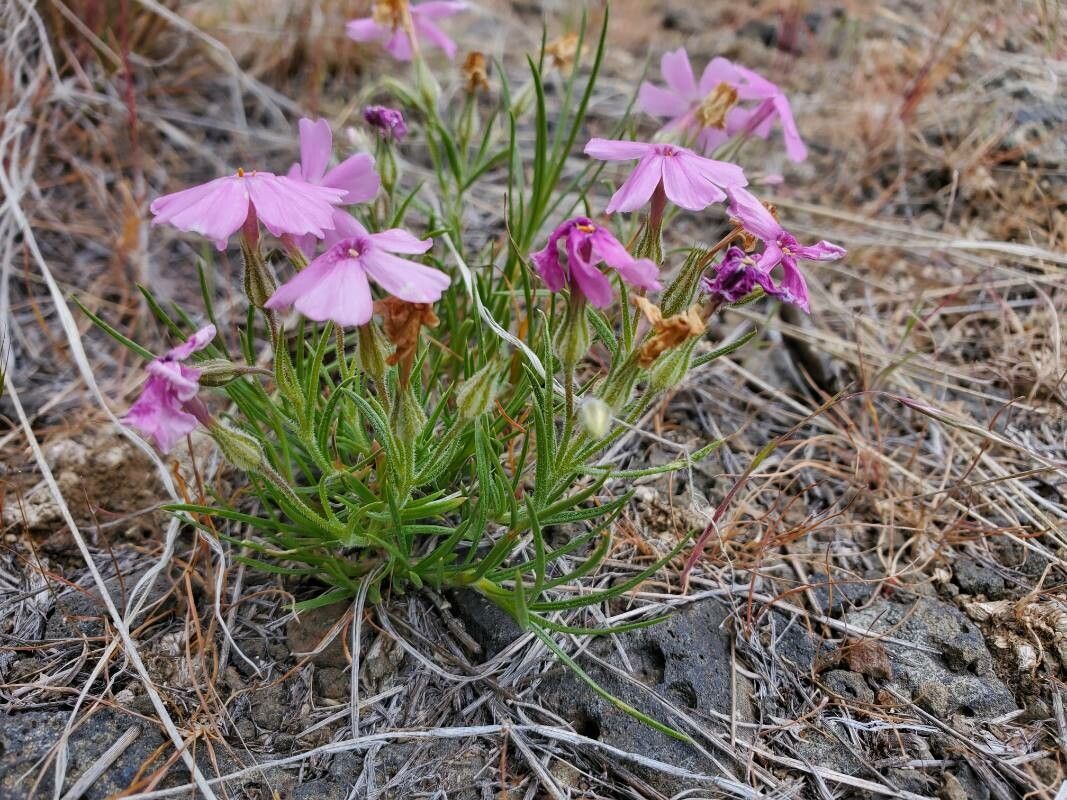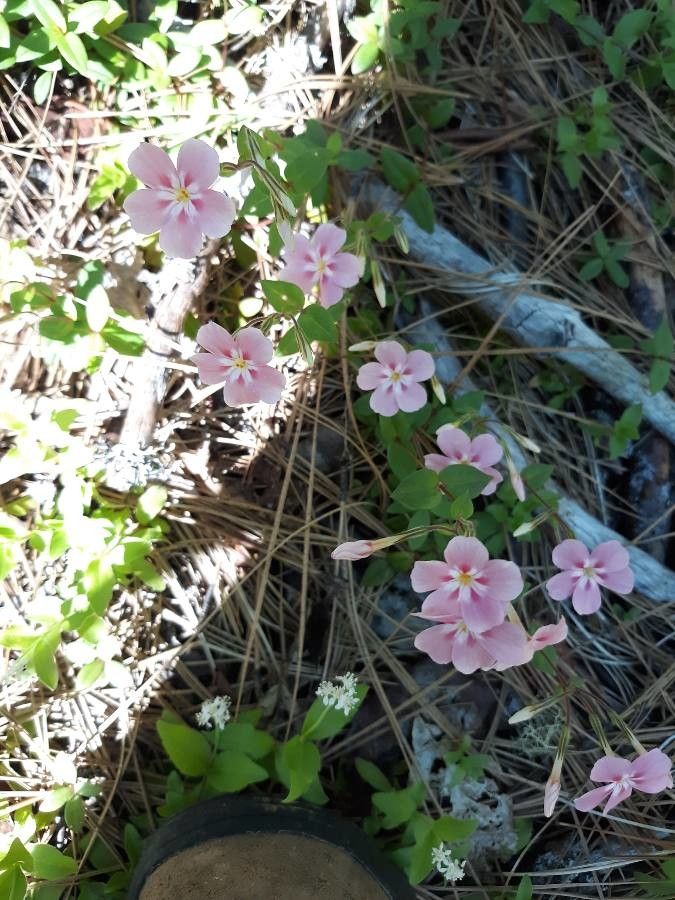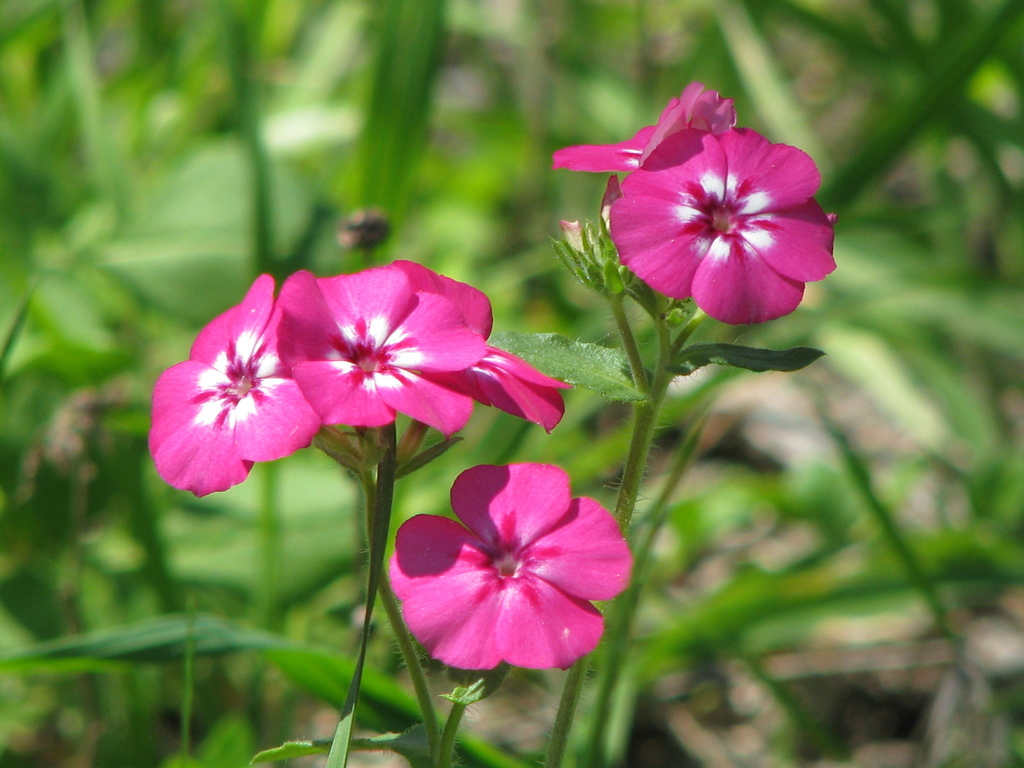
Phlox drummondii, commonly known as Drummond's phlox, is a popular annual flowering plant from the Polemoniaceae family. Native to Texas and Mexico, this plant has gained popularity worldwide for its attractive and vibrant blooms.
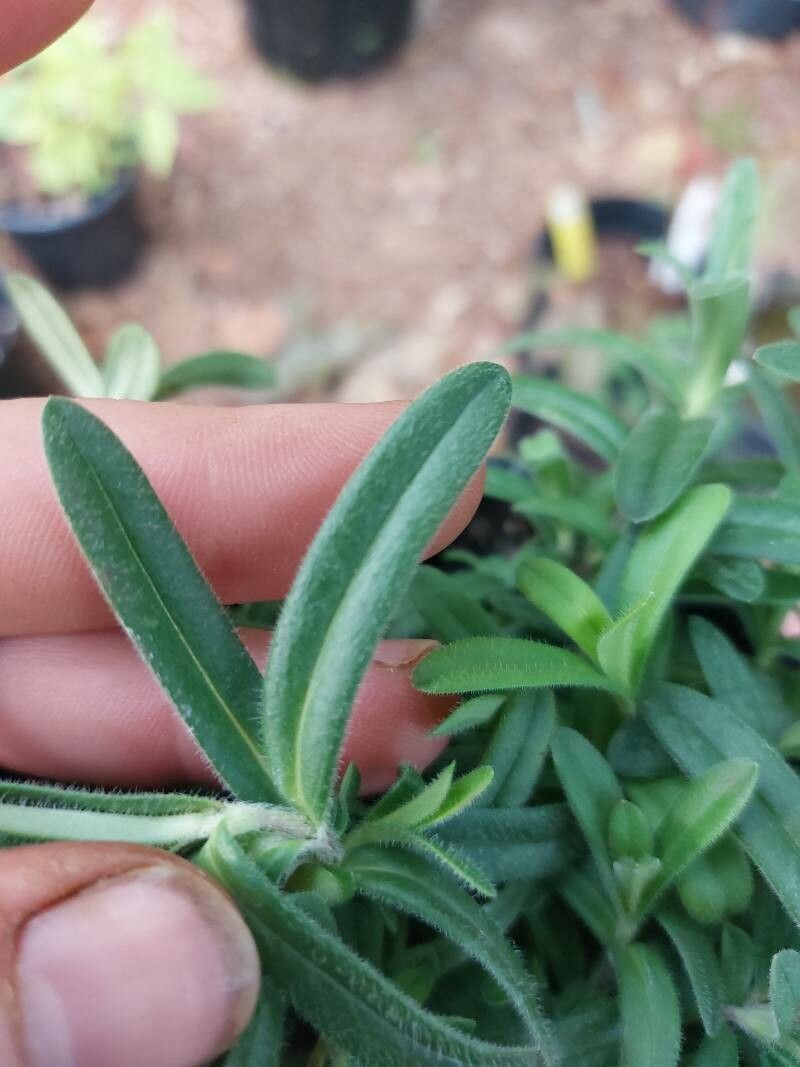
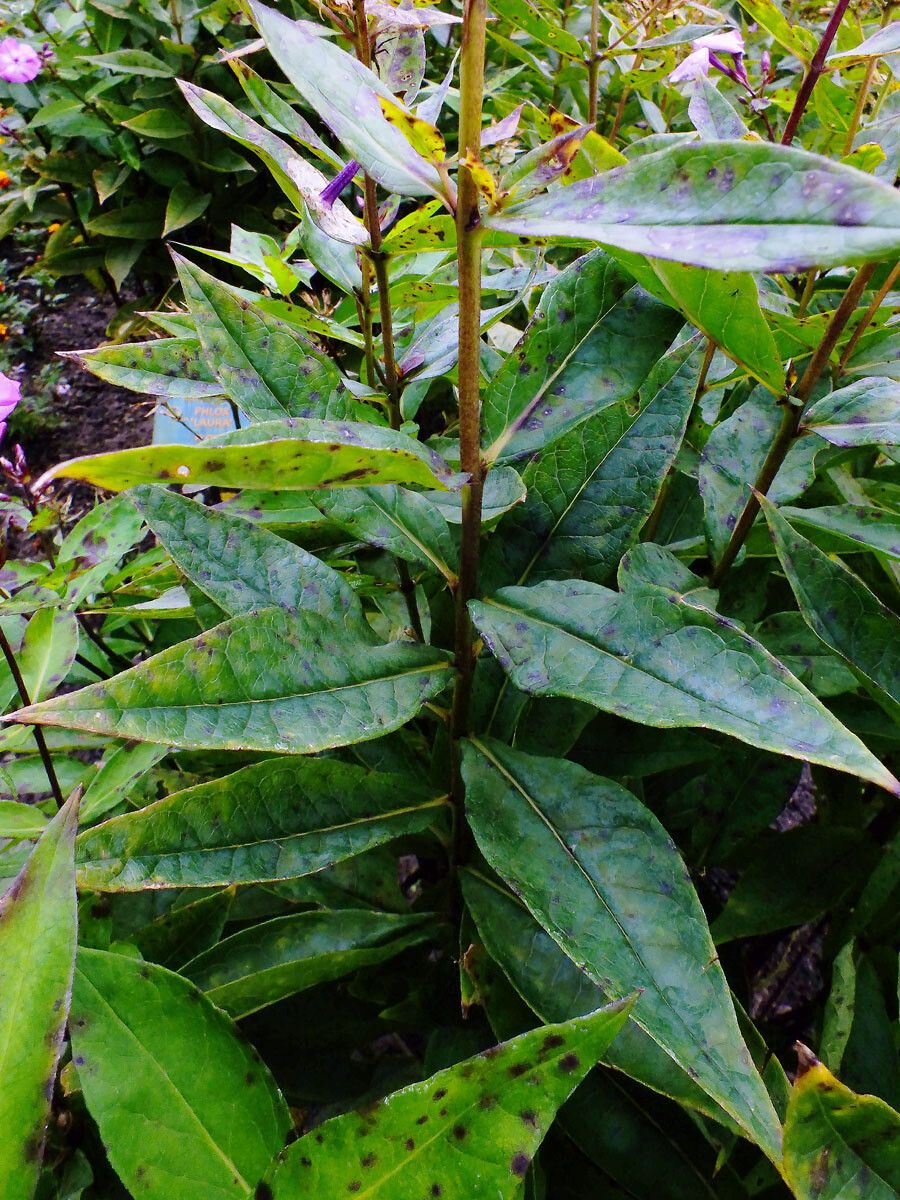
The plant typically grows up to 12 inches tall and 6 inches wide, featuring lance-shaped leaves arranged oppositely on the stem. Its flowers, produced in clusters at the top of each stem, measure about an inch in diameter and come in various shades of pink, red, purple, white, or bi-colored.
Phlox drummondii thrives best in full sun but can tolerate partial shade. It prefers well-drained soil rich in organic matter and requires regular watering during dry spells.
This plant is easy to grow from seeds or transplants and works well for borders or mass plantings, providing an eye-catching display of color from spring through summer. It also attracts butterflies and hummingbirds, making it a wonderful addition to pollinator gardens.
Overall, Phlox drummondii is an excellent choice for gardeners seeking low-maintenance annuals with showy flowers that bloom over extended periods throughout the growing season.
Annual phlox is relatively disease-resistant and generally does not suffer from many illnesses. Still, it can be vulnerable to pests and diseases present in its environment. These issues tend to be mild. As for care, the plant needs moderate maintenance. It should be pruned regularly to preserve a neat appearance and support healthy growth. Fertilizing can also encourage flowering. Annual phlox is well suited for anyone with outdoor spaces like a garden or patio and does not demand extensive gardening experience. It may need extra attention when grown indoors.
How to keep Phlox Drummondii.
Light
The annual phlox performs best with plentiful sunlight but can tolerate lower light levels. Heavy shade leads to weak, leggy growth and reduced flowering. It naturally occurs in sunny environments. Excessive shading or overexposure can negatively impact the annual phlox's development.
Water
Annual phlox thrives in moist, well-drained soil and prefers consistent moisture without being waterlogged. To keep the plant properly hydrated, it is essential to water it weekly. When grown outdoors as an annual, annual phlox benefits greatly from rainwater during its active growing season.
Temperature
Annual phlox is native to regions where temperatures commonly range from 68 to 95 °F (20 to 35 ℃). It prefers warmth and grows best under these conditions. Seasonal adjustments can be made during unusually cold or hot weather to help keep it within its favored temperature range.
Fertilizer
When most of Annual phlox's flowers have opened to full size, it's time to resume fertilizing. At the peak of bloom production, apply fertilizer every three to four weeks, as the weather allows. Once Annual phlox begins producing fewer new flowers, stop fertilizing; there's no need to feed it when it can no longer produce more blooms.
Pruning
Annual phlox benefits greatly from strategic pruning during the early to late spring months. By deadheading faded flowers, you can encourage more blooming and promote a bushier plant shape. Additionally, removing any damaged stems improves air circulation and overall health, resulting in better flowering, a neater appearance, more vigorous growth, and a lower risk of disease.
Pot & Repot
When repotting Annual phlox, choose a pot about 1-2 inches (2.5–5.1 cm) larger in diameter that provides good drainage. Use a well-draining potting mix and consider adding perlite for additional drainage. Repot in spring or early summer, water thoroughly afterward, and place it in a shady spot initially.
Botanical profile.
- Plant Type
- Herb
- Life Cycle
- Annual, Biennial, Perennial
- Genus
- Phlox
- Family
- Polemoniaceae
- Hardiness Zone
- 4-9
- Mature Height
- 25 cm
- Mature Spread
- 15 cm to 46 cm
- Leaf Color
- Green
- Leaf Type
- Deciduous
- Flower Color
- Pink, White, Purple, Red
- Flower Size
- 2.54 cm
- Bloom Time
- Late spring, Early summer, Mid summer
- Planting Time
- Spring, Summer
- Harvest Time
- Summer
- Native Area
- Georgia
Other names.
Reader questions.
How should I water my Annual phlox to keep it healthy?
There are several ways to water Annual phlox, including using a garden hose with a spray nozzle, a watering can, or any other common watering tool. These plants are not too particular about their water source and can thrive with rainwater, tap water, or filtered water. It's generally best to avoid watering them from above, as this can harm the leaves and flowers and potentially lead to disease. A drip irrigation system is often recommended for watering Annual phlox, as it ensures even and direct water application to the soil. When watering Annual phlox in a container, you can follow a similar approach but use a cup, watering can, or tap to water the soil directly.
Why should I put fertilizer on my Annual phlox?
Plants, including Annual phlox, require nutrients to survive. Gardeners, regardless of experience, are well aware of this. Without the right nutrients, Annual phlox will die after the first pollination. To keep this plant thriving throughout the blooming season and producing beautiful flowers, it is important to provide the right type and amount of nutrients. Fertilizer is particularly helpful for Annual phlox because it helps build a healthy root system. Since the plant's root system is thin and easily damaged, fertilizing during planting helps establish a strong foundation for the plant and enhances its flowering performance. Properly timed fertilization can also significantly lengthen the flowering period of Annual phlox.
What are the sunlight requirements for annual phlox?
Annual phlox (Phlox drummondii) thrives best under full sun conditions, requiring above 6 hours of sunlight daily. It can also manage in partial sun with about 3-6 hours of sunlight. It's essential to observe the movement of sunlight through your garden to find spots that offer a balanced mix of light and shade, optimal for the plant's growth. Excessive shading can lead to weakened, elongated growth and reduced blooming, as phlox naturally inhabits areas with plenty of sunlight.
What is the preferred temperature range for Annual phlox?
Annual phlox, or Phlox drummondii, is indigenous to areas with temperatures typically ranging from 68 to 95°F (20 to 35°C). It thrives best within this temperature range, enjoying the warmth and exhibiting optimal growth. Seasonal adjustments might be necessary to help maintain this temperature range during unusually cold or hot weather conditions.
What should I do if I give my Annual phlox too much or too little water?
Underwatering Annual phlox is easy to fix - just start watering it more regularly when you notice it lacks moisture. Overwatering, on the other hand, can be a serious problem if not caught early. It can cause diseases that result in the decline and death of the plant. To prevent this, choose a sunny location with good drainage to allow excess water to drain away instead of pooling. If you've overwatered your potted Annual phlox, consider transferring it to a new pot with better drainage. Use loose soil and a pot that drains well during the repotting process.
When should I fertilize my Annual phlox?
Annual phlox experiences rapid growth early in the growing season, after the last frost. This is the ideal time for fertilization, specifically during planting. Whether you plant it in the ground or in planters, apply fertilizer at this initial stage. This will be the only fertilization until later in the year when the blooms are abundant. Once the season is in full swing and the phlox has opened most of its blooms, begin fertilizing again. As the blooms reach their peak, fertilize every three to four weeks, considering weather conditions. When the phlox starts producing fewer new blooms, stop fertilizing, as it no longer requires additional nourishment.
How can artificial lighting be used for indoor plants, including annual phlox?
When natural sunlight is insufficient, artificial lighting can be essential for the growth of indoor plants like annual phlox. LED lights are a popular choice as they can provide specific light wavelengths needed by the plants. For full sun plants, 30-50 watts per square foot is recommended; partial sun plants need 20-30 watts per square foot, and full shade plants require 10-20 watts per square foot. The light source should be placed 12-36 inches above the plants to mimic natural sunlight and should be kept on for 8-12 hours per day, depending on the plant species.
Does Annual phlox require special frost protection during winter?
Annual phlox has strong cold resistance and usually does not require special frost protection measures during winter. Even though it tolerates cold well, if winter temperatures are expected to drop below -30°C, it is important to provide protection. This can be achieved by covering the plant with soil or straw. Additionally, watering the plant abundantly before the first freeze in autumn ensures the soil remains moist and enters a frozen state, which helps prevent drought and water scarcity for the plant during winter and early spring.
How often do I need to water my Annual phlox?
Annual phlox requires regular watering throughout its growing season. In the beginning of spring, it is recommended to water the plant once per week. As the season progresses and temperatures rise, the watering frequency may need to increase to two to three times per week. However, exceeding this rate can be harmful to the plant. It is important to keep the soil relatively moist, but not wet, regardless of the watering frequency. When growing Annual phlox in a pot, the watering needs are slightly different. Generally, you will need to water container-grown Annual phlox more frequently compared to in-ground plants. This is because the soil in a pot heats up and dries out faster. In most cases, watering a potted Annual phlox a few times per week is recommended, as opposed to just once per week for plants in the ground.
When is it not a good idea to fertilize my Annual phlox?
Regular fertilizing is important for Annual phlox, but it is crucial to apply it at the right time. In certain situations, it is necessary to hold back the fertilizer. These situations are often climate-related but also include controllable factors. In such cases, it is best to wait until the plant, soil, or climate issue has been resolved and the plant has recovered. For instance, if there are sudden or severe changes in the weather, such as a cold snap in the middle of summer, it is advisable to wait until it warms up again before fertilizing. Similarly, if the soil becomes too dry or compacted, it is better to wait until it is able to absorb the fertilizer properly. Otherwise, the fertilizer will not be diffused by the soil and will go straight to the roots, which is not ideal for the roots of Annual phlox. Additionally, it is important to avoid applying fertilizer during the hottest parts of the day when temperatures reach the 90-degree Fahrenheit range. This is because high temperatures can break down the fertilizer too quickly. It is also recommended to treat and resolve any pest or disease issues before applying fertilizer again.
What are common symptoms of light deficiency in annual phlox?
When annual phlox doesn't receive adequate sunlight, it may display signs of light deficiency including smaller new leaves, leggy or sparse growth, faster leaf drop, slower or no new growth, lighter-colored new leaves, chlorosis, sunscald, leaf curling, wilting, and leaf scorching. These symptoms indicate the plant is not getting enough light for photosynthesis and healthy growth.
How does low temperature affect Annual phlox, and what are the solutions?
Annual phlox is cold-tolerant, thriving best when temperatures are above 20°C and should be kept above 0°C during winter. When temperatures fall below -30°C, while there may not be any noticeable changes during the winter, there can be a decrease in sprouting or even no sprouting at all come springtime. The solution for this is to remove any parts of the plant that have failed to sprout in the spring.