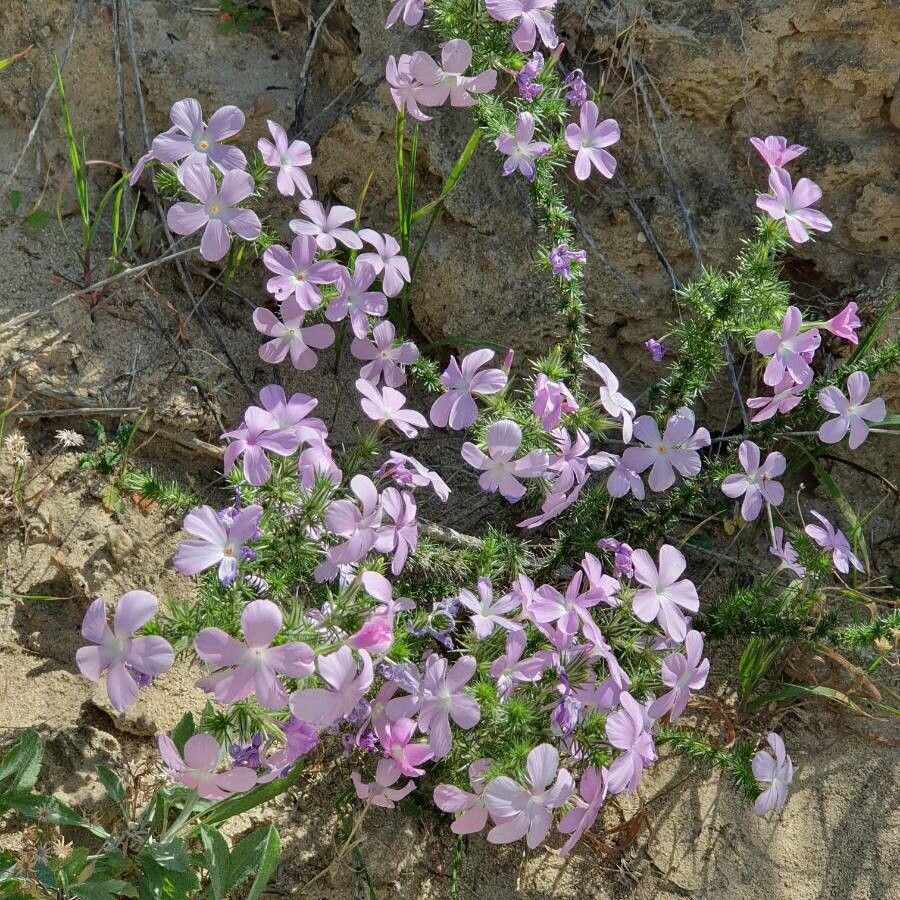
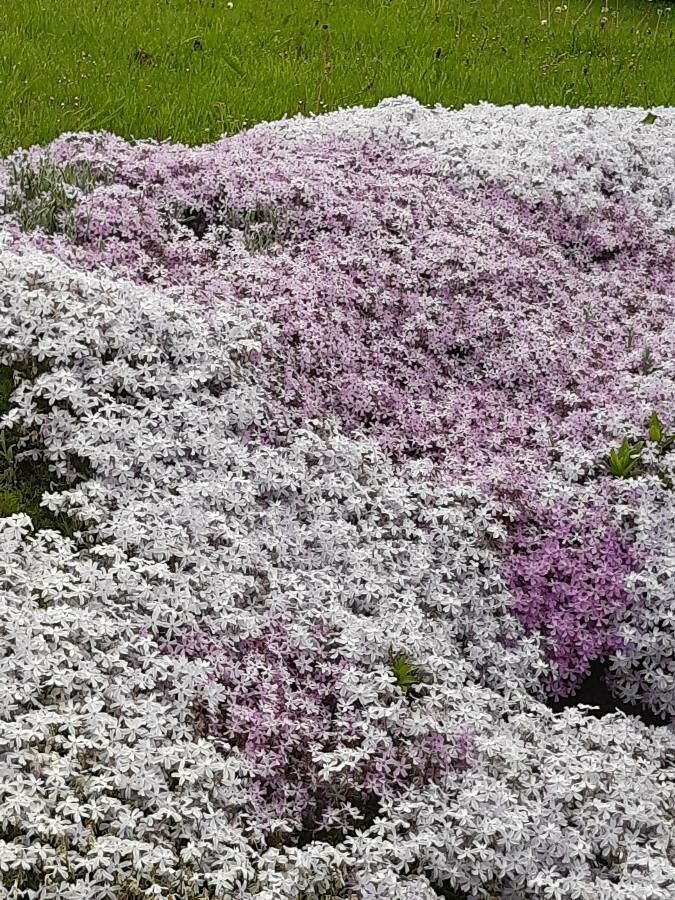
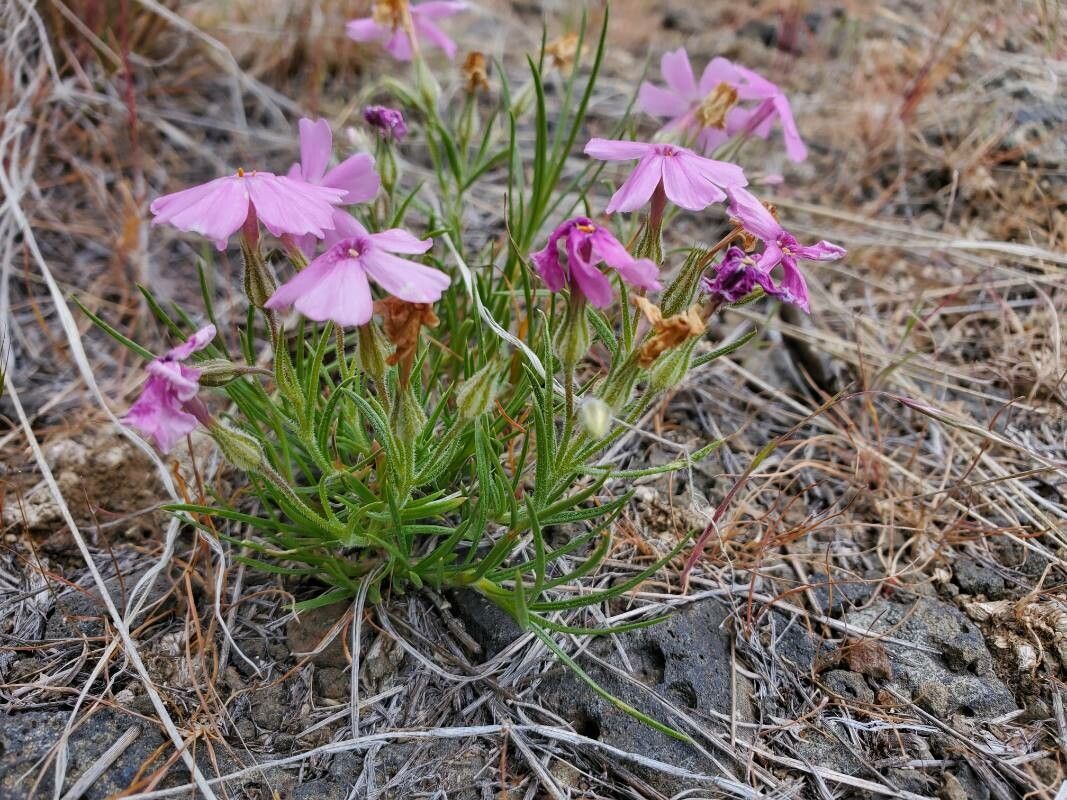
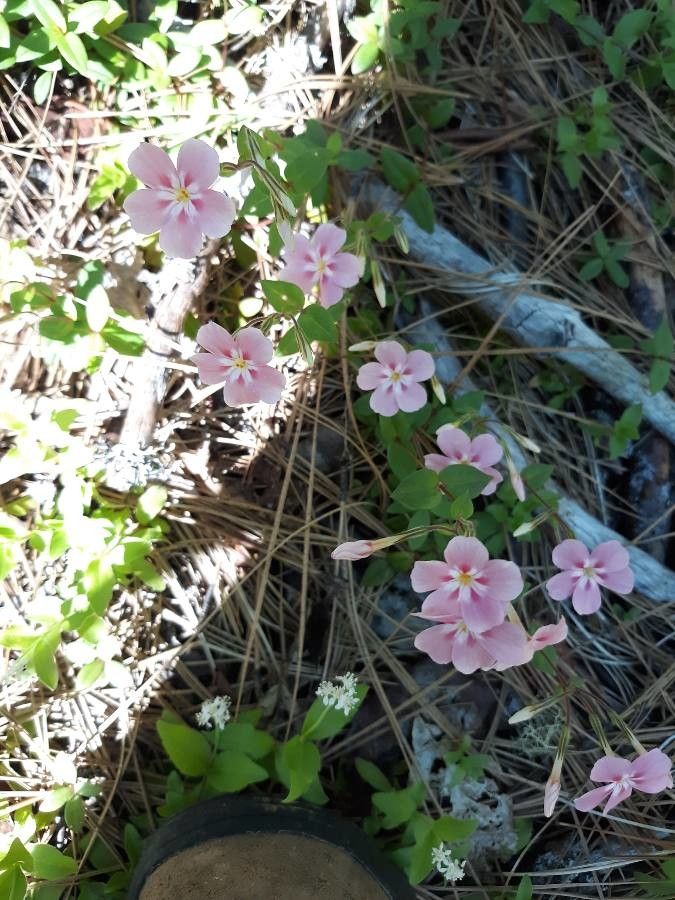
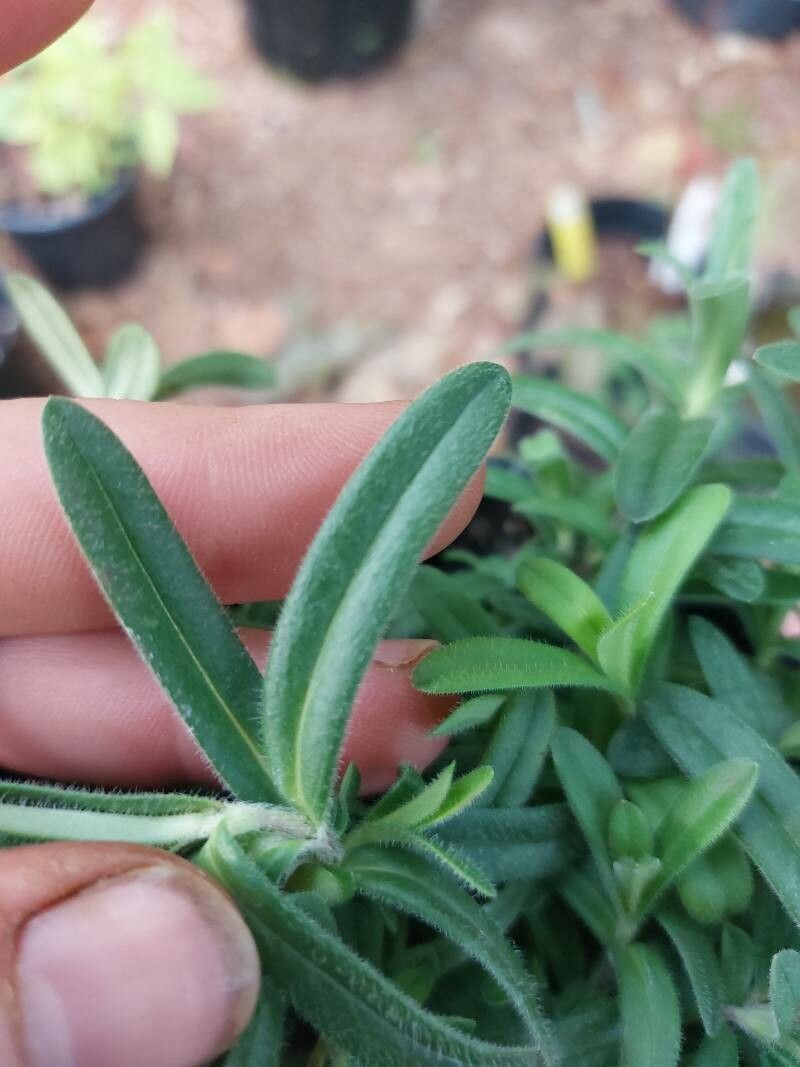
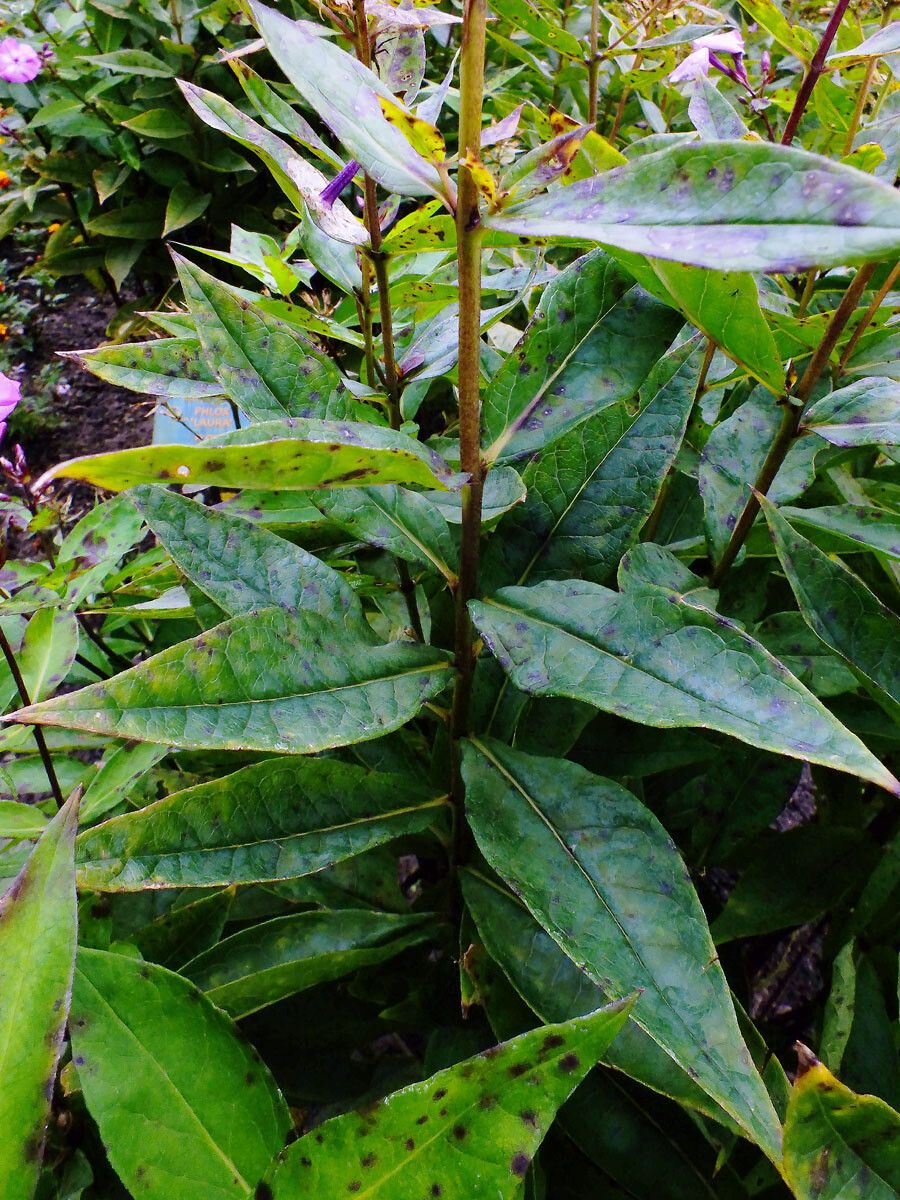
Phlox caespitosa is a species of phlox known by the common name tufted phlox. It is native to western North America from British Columbia through the Great Basin to New Mexico, where it grows in scrub, woodland, and other open plateau habitat. It is one of several cushion-forming species that occur in the same region and require careful observation to distinguish. In the past, this species and Phlox douglasii have been erroneously lumped together.
Tufted phlox is fairly resistant to disease and usually not prone to illnesses. However, it can be affected by pests and diseases present in its environment. These problems are typically not severe. For care, this plant needs moderate maintenance. It should be pruned regularly to keep a neat appearance and encourage healthy growth. Fertilizing can also help increase flowering. Tufted phlox is suitable for anyone with outdoor space, such as a garden or patio, and does not require extensive experience in plant care. It may demand more attention when grown indoors.
How to keep Phlox Caespitosa.
Light
Tufted phlox is a perennial herbaceous plant that prefers sunny sites and originates from open habitats, commonly flourishing in meadows and grasslands. It favors full sun but can also tolerate partial sun.
Fertilizer
A single fertilizer application in spring is generally enough for Tufted phlox, although repeated feedings can maximize growth. Feed every month to a month and a half. Fertilization improves the leaves' appearance and function, encouraging even color and a healthy texture. It also promotes root development and nutrient uptake for long-term plant health.
Pruning
Tufted phlox is a low-growing perennial that forms mats and is known for its vibrant blooms. To enhance its density and flowering, prune the plant in early spring by cutting the stems back by one-third. This practice also helps reduce the risk of fungal disease by promoting better air circulation.
Botanical profile.
- Plant Type
- Herb
- Life Cycle
- Perennial
- Genus
- Phlox
- Family
- Polemoniaceae
- Hardiness Zone
- 4-8
- Mature Height
- 15 cm
- Mature Spread
- 1.83 m
- Leaf Color
- Green, Dark Green
- Leaf Type
- Evergreen
- Flower Color
- Pink, Lavender
- Flower Size
- 1.02 cm to 2.03 cm
- Bloom Time
- Mid spring, Late spring, Early summer
- Planting Time
- Spring, Autumn
- Harvest Time
- Mid summer, Late summer
Other names.
Reader questions.
What are the sunlight requirements for Tufted Phlox (Phlox caespitosa)?
Tufted Phlox, or Phlox caespitosa, thrives in conditions that meet its specific sunlight needs. For 'Full sun', it requires above 6 hours of sunlight each day to flourish. If the plant is placed in 'Partial sun', it should receive about 3-6 hours of sunlight daily. It's important to observe the way sunlight moves through your garden. Select locations that offer an ideal balance of light and shade to ensure your plants are happy and healthy. This careful observation helps in preventing situations where the plant is either under or overexposed to the sun, optimizing its growth and bloom potential.