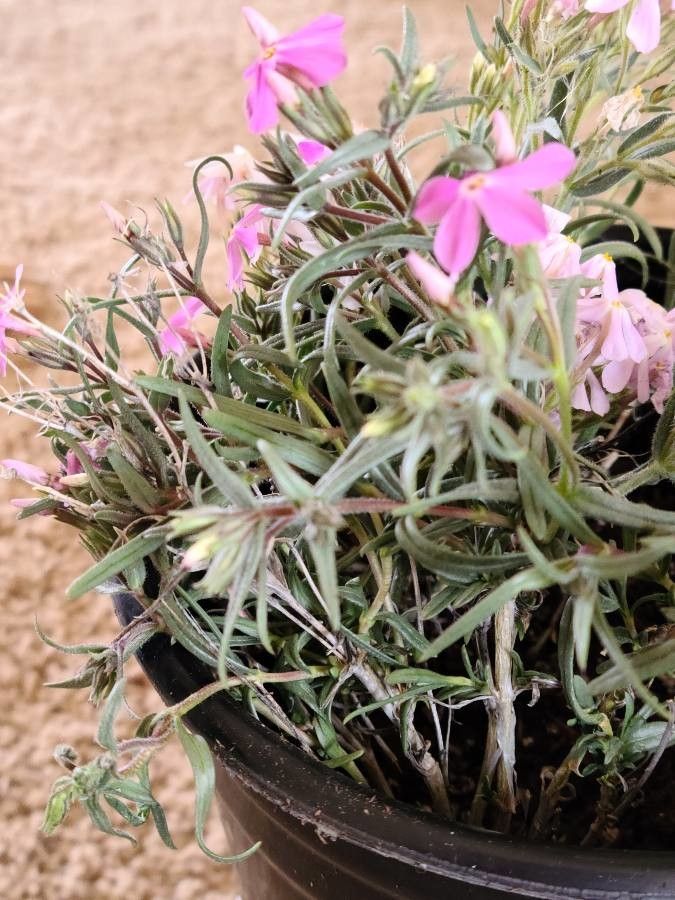
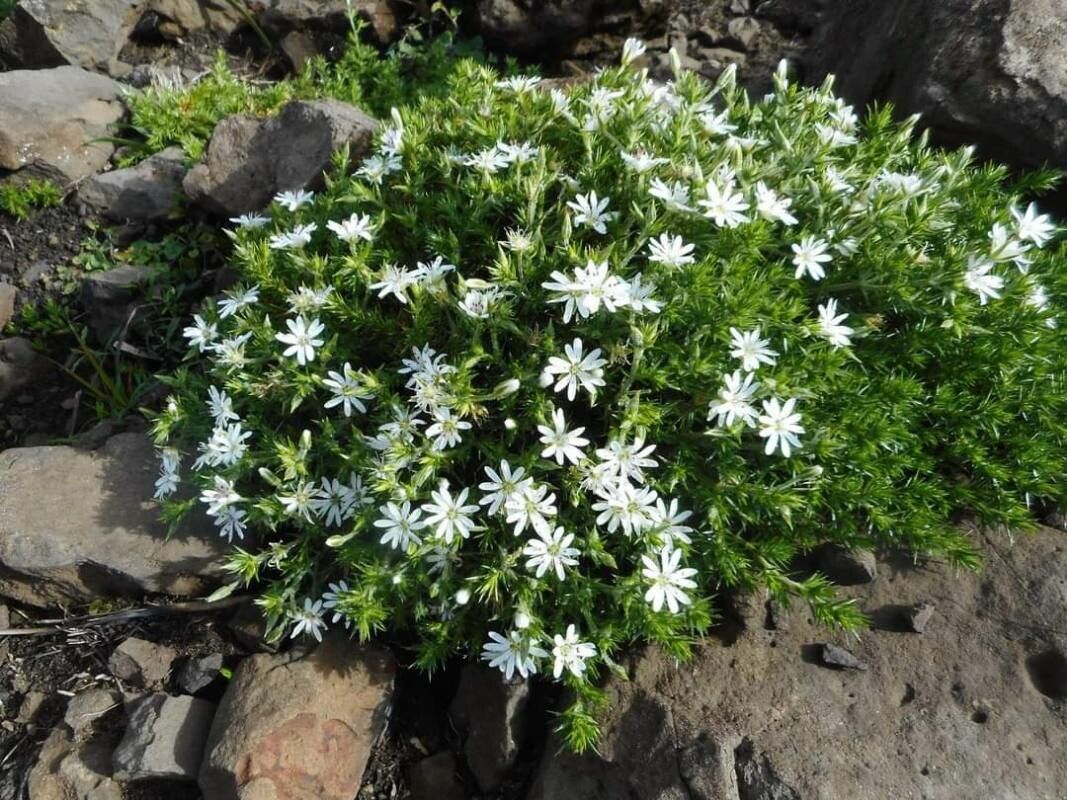
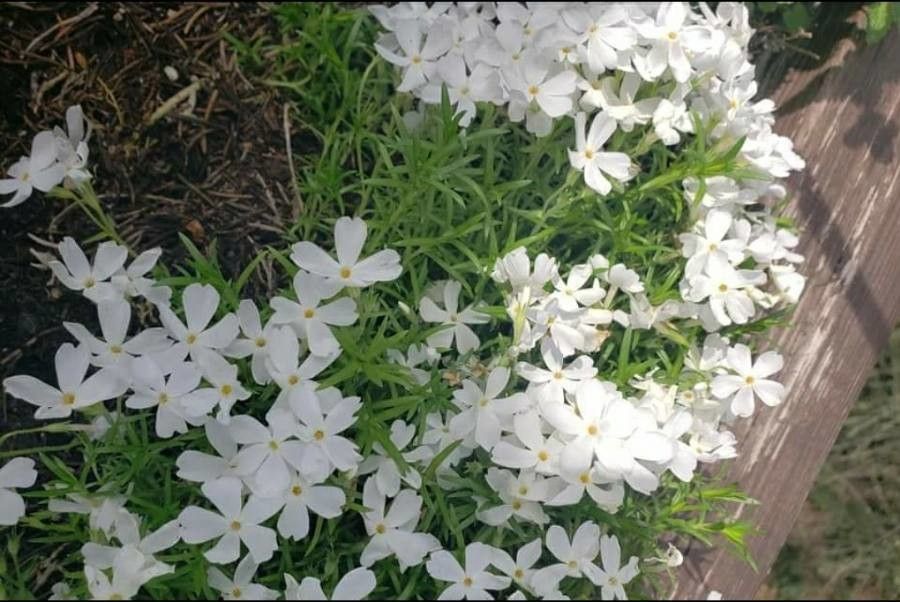
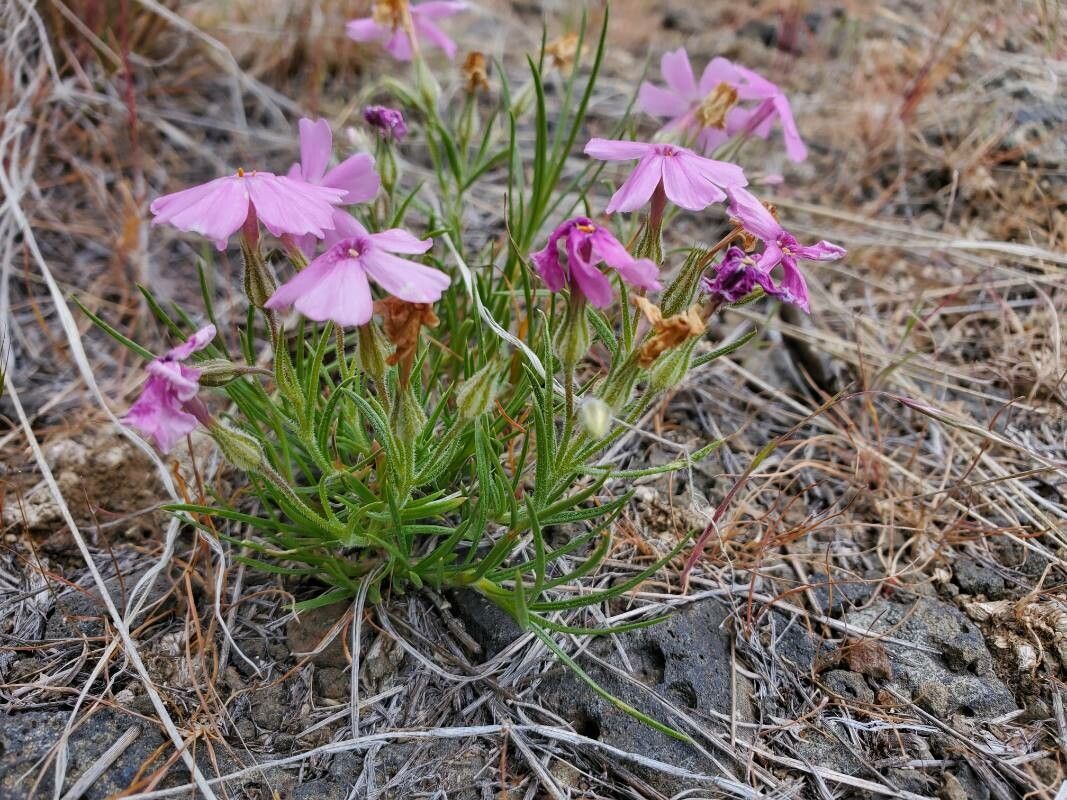
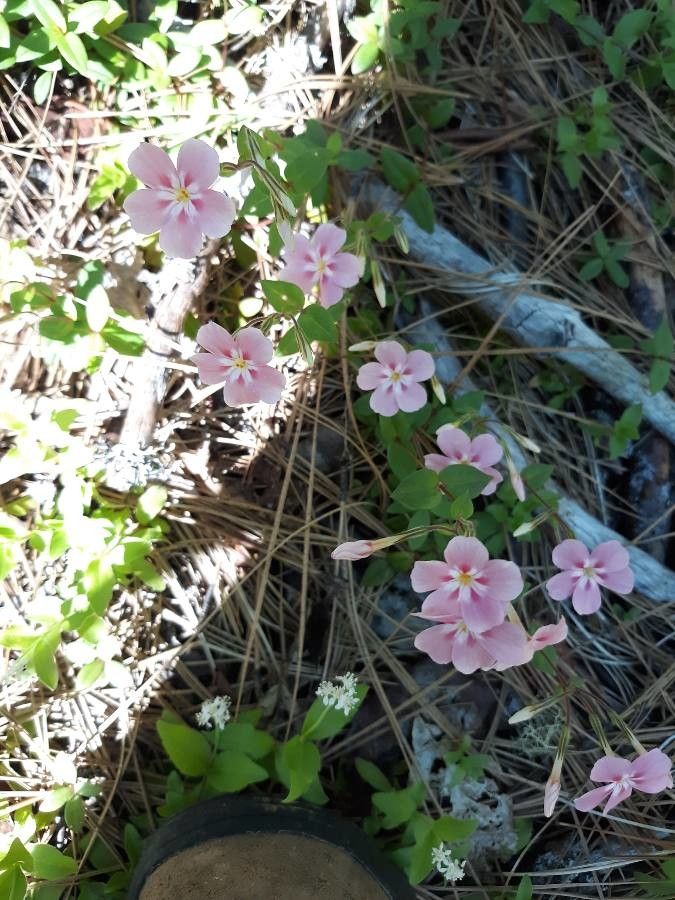
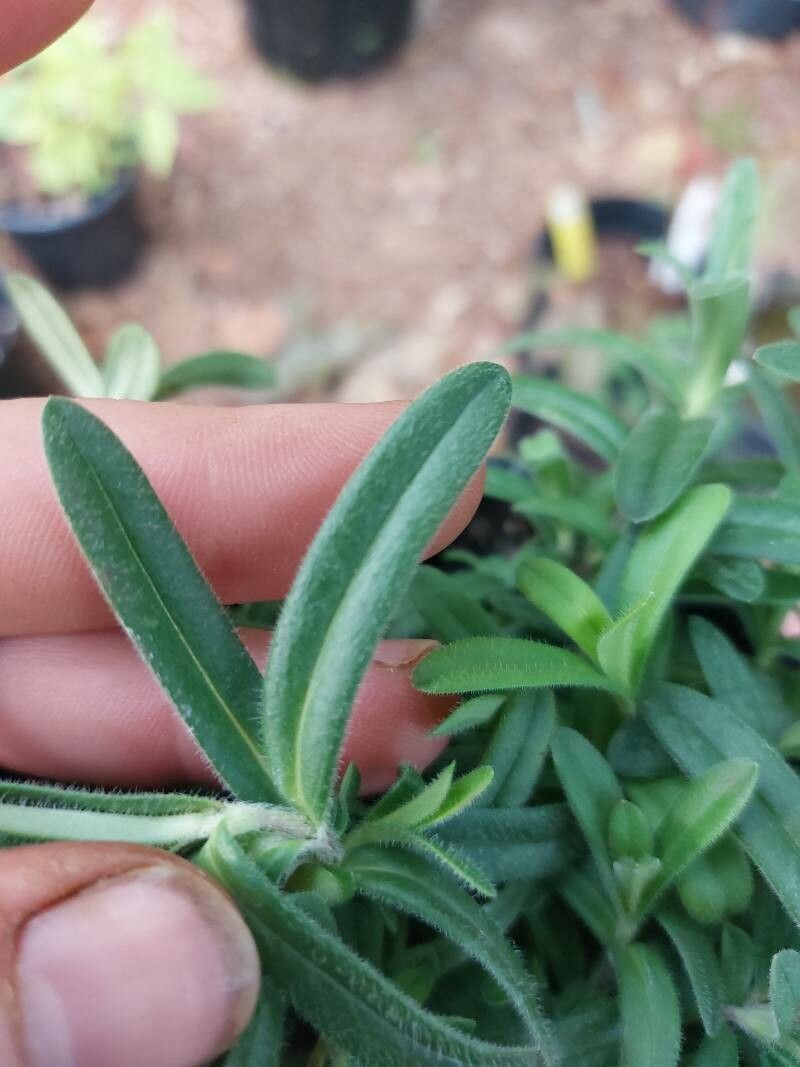
Phlox austromontana is a species of phlox known by the common name mountain phlox. It is native to the southwestern United States and Baja California, where it grows in forested and wooded mountain habitat, scrub, and open areas. It is a mat-forming perennial herb growing in patches of very short stems. The lance-shaped leaves are no more than 1.5 centimeters long and are arranged oppositely in pairs on the short stems. The inflorescence is a solitary flower at the tip of each stem. The flower is white or light pink or lavender with five rounded lobes. It is just over a centimeter long.
Mountain phlox is fairly resistant to disease and generally not prone to illnesses. However, it can be vulnerable to pests and diseases present in its environment. These problems are usually not severe. Regarding care, this plant requires moderate maintenance. It should be pruned regularly to maintain a tidy appearance and healthy growth. Fertilizing can also help encourage flowering. Mountain phlox is suitable for anyone with outdoor spaces, such as a garden or patio, and does not demand extensive care experience. It may need more attention when grown indoors.
How to keep Phlox Austromontana.
Light
Mountain phlox does best in full sun for most of the day, which supports strong growth. It can tolerate shadier conditions, but too much or too little light can cause its health to decline.
Water
Mountain phlox is a hardy plant that thrives in regions with moderate moisture levels and is native to mountainous areas. It requires weekly watering, but it can withstand dry spells with ease. In temperate climates, this outdoor plant benefits from natural rainfall, which helps meet its hydration needs.
Temperature
Mountain phlox can tolerate a broad range of temperatures, though its distribution may still be restricted by certain combinations of moisture and heat. It grows best in warm summer conditions with adequate rainfall or irrigation. Long periods of cloudy, rainy weather or sustained high temperatures can raise the chance of the plant dying. In winter, proper protection from cold can improve its survival rate.
Fertilizer
The best time to fertilize Mountain phlox is in early spring, as it emerges from dormancy and starts active growth. Fertilization supplies essential nutrients for healthy development. Although Mountain phlox has relatively low fertilizer requirements, applying fertilizer annually can improve its survival and encourage better, longer-lasting flowers.
Pruning
To encourage new growth, prune mountain phlox from early to late spring by trimming away dead stems and spent flowers. Be cautious and avoid heavy pruning, as it can reduce flowering. For best results, use clean, sharp tools to maintain the plant's vitality and enhance its ornamental value.
Botanical profile.
- Plant Type
- Herb, Shrub
- Life Cycle
- Perennial
- Genus
- Phlox
- Family
- Polemoniaceae
- Hardiness Zone
- 7-9
- Mature Height
- 8 cm to 30 cm
- Mature Spread
- 8 cm to 30 cm
- Leaf Color
- Dark Green
- Leaf Type
- Semi-evergreen
- Flower Color
- Lavender, Pink, White
- Flower Size
- 2.54 cm
- Bloom Time
- Mid spring, Late spring, Early summer
- Planting Time
- Spring, Autumn
- Harvest Time
- Mid summer, Late summer, Early fall
- Native Area
- Mexico
Other names.
Reader questions.
How should I water my Mountain phlox plants?
To water the Mountain phlox effectively, it is recommended to use filtered water at room temperature. Tap water may contain harmful particles, so filtered water is preferred. The temperature should be warm or slightly warmer as the Mountain phlox is accustomed to a warm environment and cold water can be stressful for it. Additionally, overhead watering should be avoided as it can lead to leaf problems. Instead, gently pour the filtered room temperature water onto the soil until it is fully saturated. This method helps to moisten the roots and enables them to spread and acquire necessary nutrients.
Why is it important to put plant food on my Mountain phlox?
Fertilization is important for the Mountain phlox for several reasons. Primarily, it provides essential nutrients for the plant's growth both above and below ground. However, Mountain phlox has relatively low fertilization requirements and can survive without it. Nevertheless, annual fertilization can greatly benefit the Mountain phlox, helping it stay alive and potentially producing better and longer-lasting flowers. Therefore, those who want their Mountain phlox to thrive should regularly fertilize it.
What are the sunlight requirements for Mountain Phlox?
Mountain Phlox requires full sun, meaning it should receive above 6 hours of sunlight daily to thrive optimally. It can also grow in partial sun, with about 3-6 hours of sunlight. It's important to monitor how sunlight moves through your garden to ensure that you place your plants in locations that offer a suitable balance of light and shade, catering to their specific needs for healthy growth.
What is Mountain Phlox?
Mountain Phlox, known botanically as Phlox austromontana, is a species of flowering plant. Details about its specific characteristics, including essentials and symptoms related to its care or environment, were not provided. For more information on its cultivation and care, consulting a detailed horticultural resource is recommended.
What should I do if I give my Mountain phlox too much or too little water?
Overwatering is a more common issue than underwatering for Mountain phlox. When the plant gets too much water, its stems and leaves may wilt and turn yellow. Overwatering for a long time can also cause diseases like root rot, mold, and mildew that can be deadly for the plant. On the other hand, underwatering is not as common because this type of phlox can tolerate drought. However, if it does happen, the leaves of the plant will become brittle and brown. It's important to quickly notice signs of overwatering. Some of the diseases caused by overwatering, like root rot, may not be fixable if you wait too long. If you see early signs of overwatering, reduce your watering schedule right away. Additionally, check the quality of the soil. If it drains poorly, replace it with a loose, well-draining potting mix. If you notice signs of underwatering, simply water more regularly until those signs go away.
When should I fertilize my Mountain phlox plant?
The best time to fertilize a Mountain phlox is in late winter to early spring when it is coming out of dormancy and starting to grow. Fertilizing during this time promotes healthy growth and sets the plant up for a successful season. Although it is generally recommended to fertilize in early spring, it is also acceptable to fertilize in the fall. However, it is not advisable to feed the Mountain phlox during summer or winter.
What essentials should be considered for growing Mountain Phlox?
Mountain Phlox flourishes under direct sunlight for the majority of the day, which supports its strong growth. It can adjust to lesser sunlight exposures but extreme deviations from its ideal sunlight conditions can negatively impact its health. In situations where natural light is not sufficient, especially indoors or during winter, artificial lighting can serve as an excellent alternative. LED lights are recommended for their ability to provide specific wavelengths needed by plants. Full sun plants require 30-50W/sq ft of artificial light, partial sun plants 20-30W/sq ft, and full shade plants 10-20W/sq ft. The artificial light source should be placed 12-36 inches above the plant for 8-12 hours per day to mimic natural sunlight conditions.
How often do I need to water my Mountain phlox?
If your Mountain phlox is in a pot, you can easily check if it needs water by sticking your finger into the soil. If the top two to three inches of soil feel dry, it's time to water it. For those who have Mountain phlox planted in the ground, the method is similar. When the first few inches of soil have dried out, it's time to water. In spring and early fall, watering once a week is usually sufficient, but during extremely hot weather, you may need to water twice or even more frequently. However, it's worth noting that mature, well-established Mountain phlox can handle drought quite well.
When is it not a good time to fertilize my Mountain phlox?
To properly fertilize your Mountain phlox, it's important to know that late winter and early spring are the ideal times. This plant doesn't require frequent fertilization, as a single annual feeding is sufficient. Avoid fertilizing during spring, summer, and fall, as this can lead to overfertilization and complications. However, if you missed the spring feeding, it's acceptable to fertilize in the fall. It's also unnecessary to fertilize during winter when the plant is in a dormant phase and not actively growing.
What are the symptoms of inadequate lighting on Mountain Phlox?
Symptoms of light deficiency in Mountain Phlox include smaller new leaves, leggy or sparse growth, faster leaf drop, slower or halted growth, lighter-colored new leaves, chlorosis, sunscald, leaf curling, wilting, and leaf scorching. These symptoms indicate either insufficient sunlight or overexposure. Insufficient light leads to reduced chlorophyll and nutrient availability, while too much light can damage plant tissues through sunscald or leaf scorching.
How much water does my Mountain phlox plant require?
When watering your Mountain phlox, make sure you water it generously. Wait until the top few inches of the soil are dry, then give it a thorough watering. Water enough to saturate the soil completely and allow excess water to drain out of the pot's drainage holes. If you don't see any excess water draining, you may have not given enough water. However, be careful not to let water accumulate in the soil, as this can harm the plant. On the other hand, if water doesn't drain out of the pot, it may indicate poorly draining soil, which is not good for the plant's health. If the plant is outside, it generally needs around 1 inch of rain per week.
What kind of fertilizer should I use for my Mountain phlox?
For Mountain phlox, any general-purpose fertilizer with a balanced amount of the three main plant nutrients will work well. However, there are specific nutrient blends that can be even more beneficial. Many gardeners believe that higher amounts of phosphorus help develop stronger roots and better flowers. Since Mountain phlox is a flowering plant, applying a phosphorus-rich fertilizer may be the best approach. You can choose between granular or liquid fertilizers as long as they provide sufficient nutrients. Additionally, organic methods like compost and manure can also help improve the soil for your Mountain phlox.