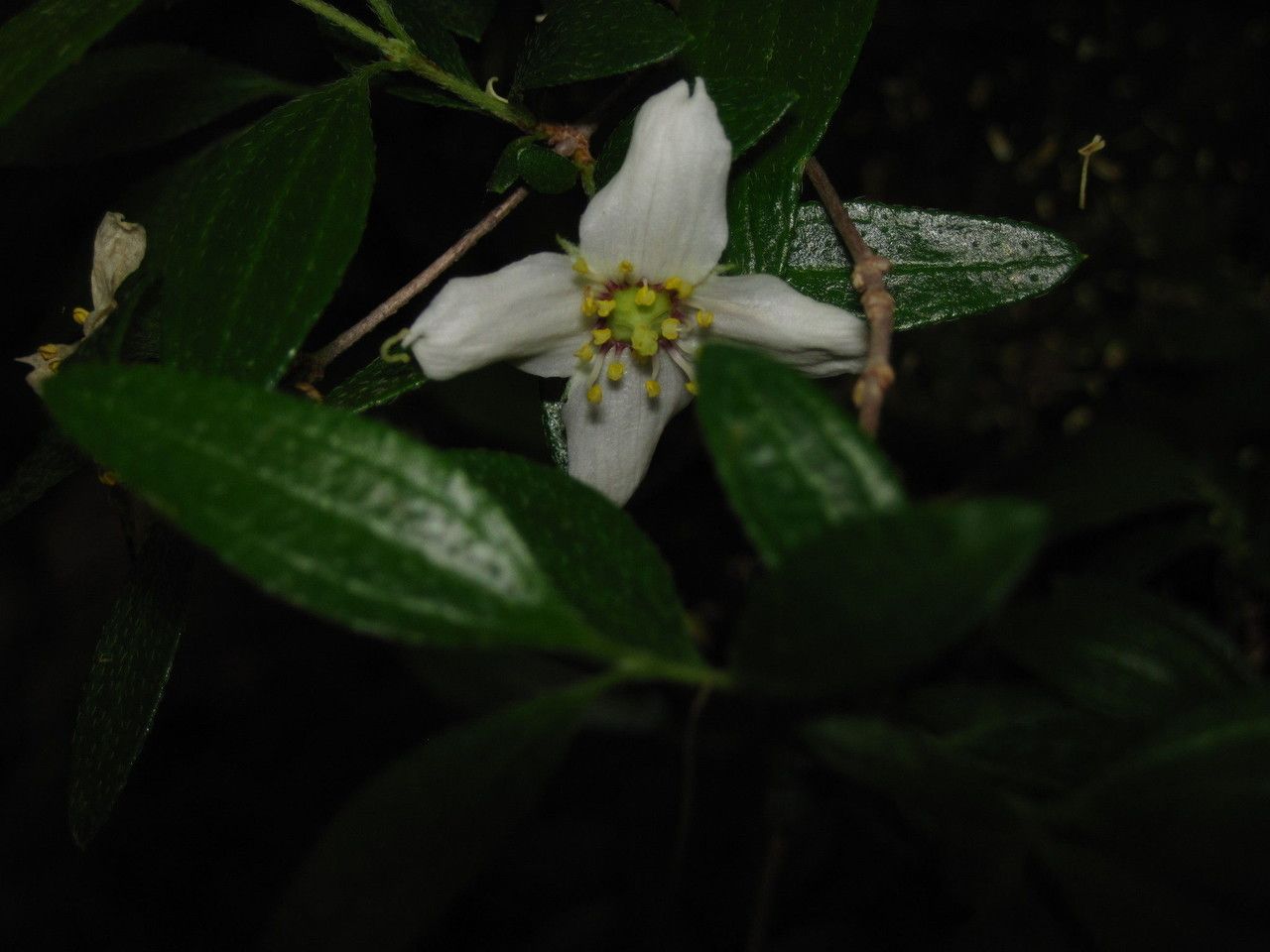
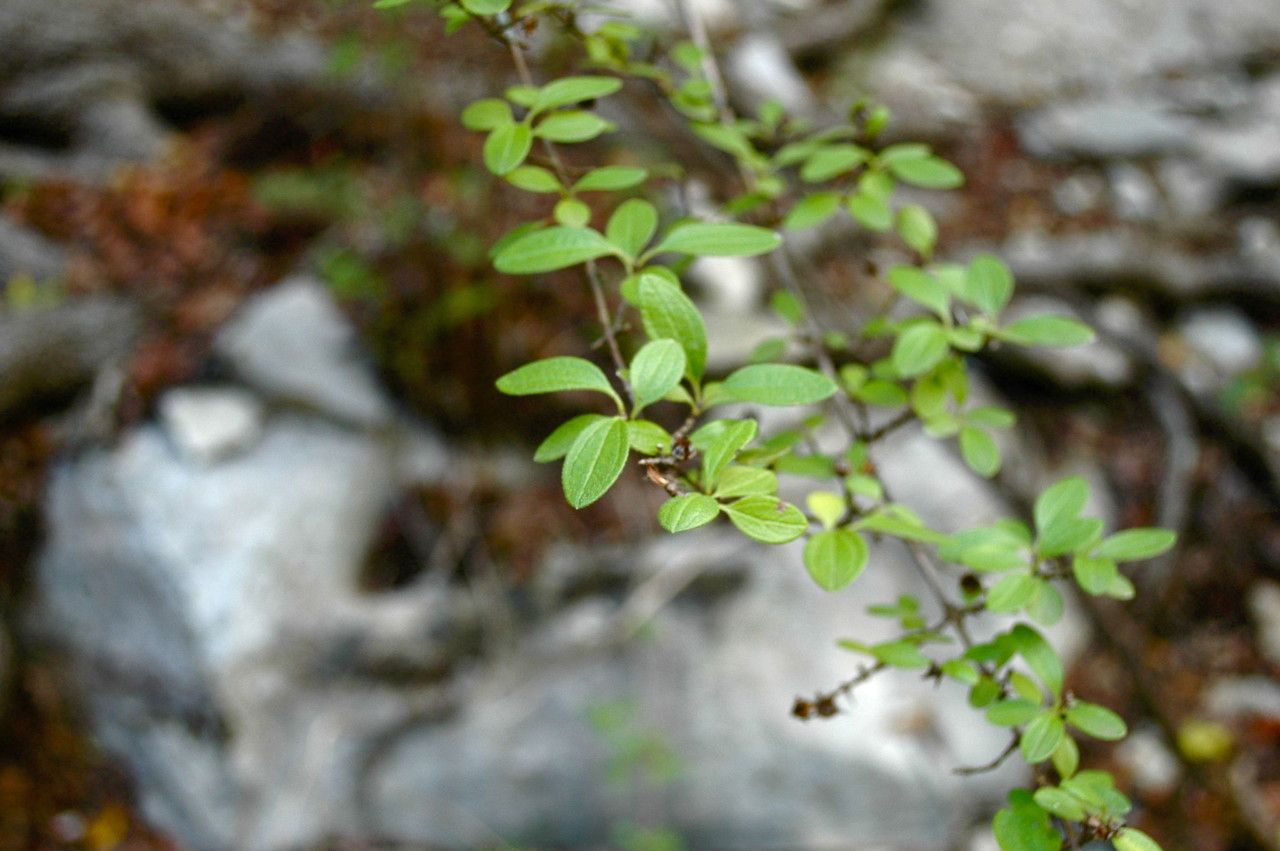
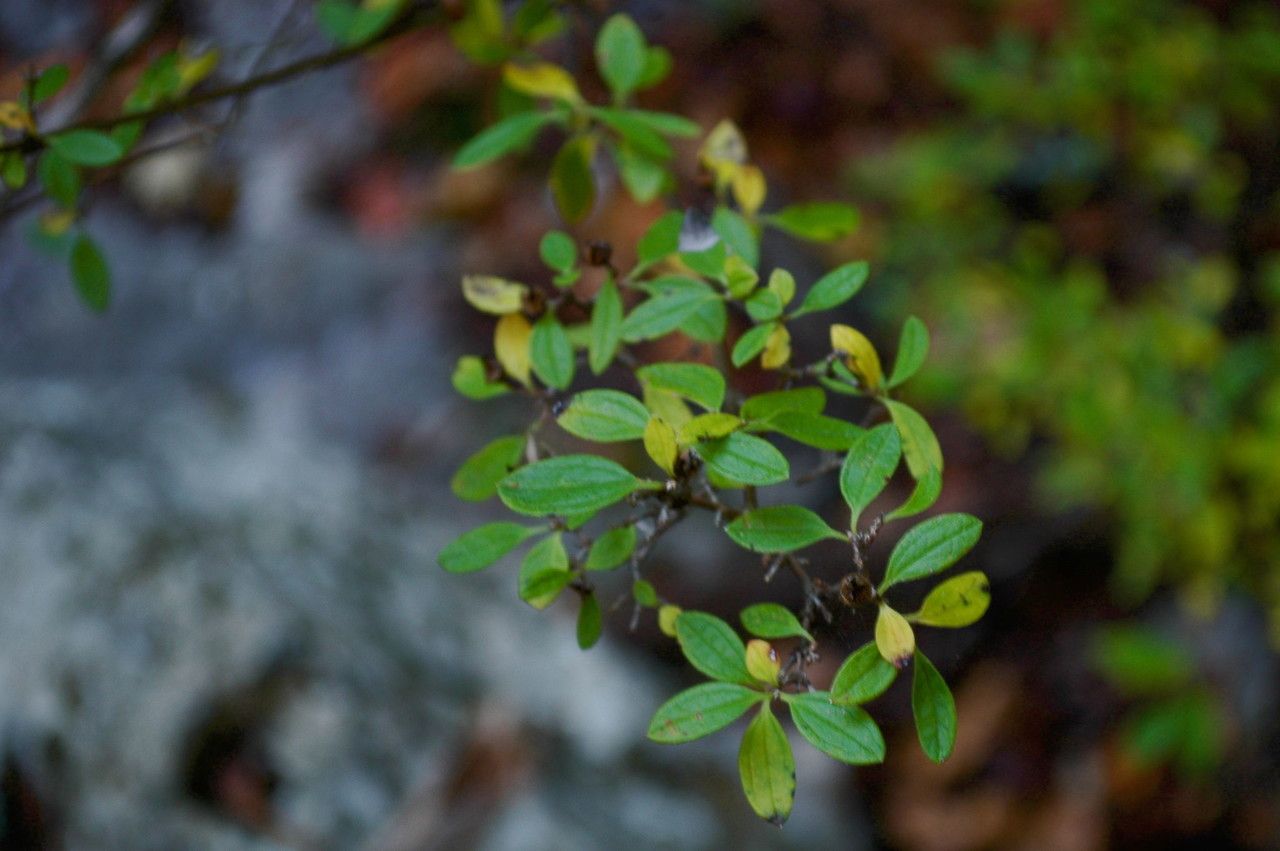
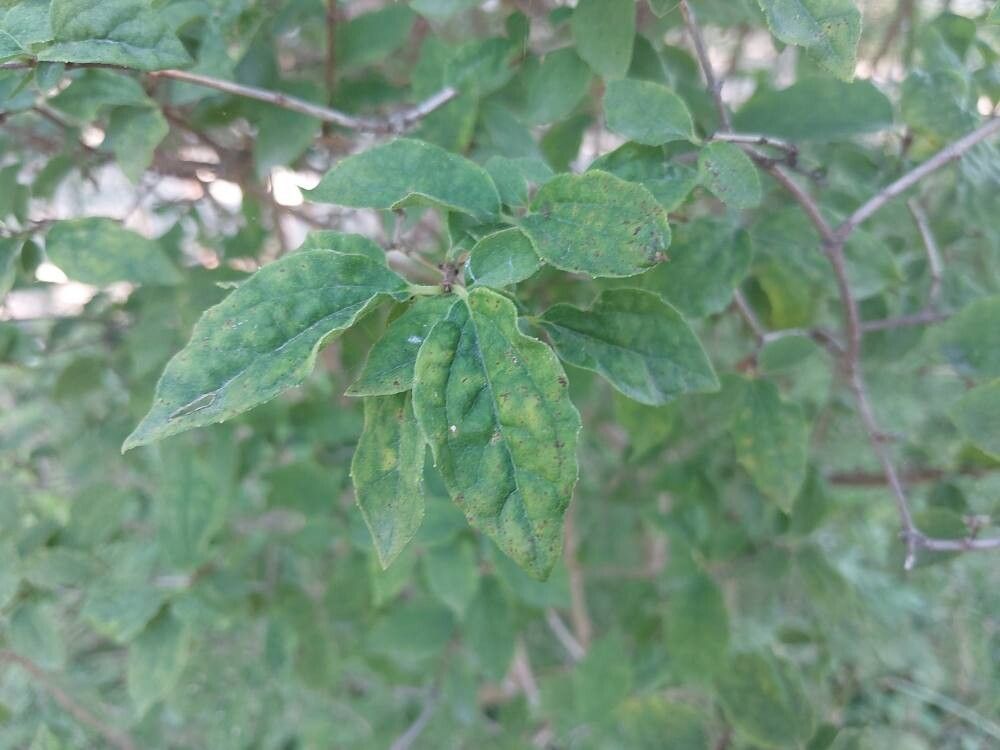
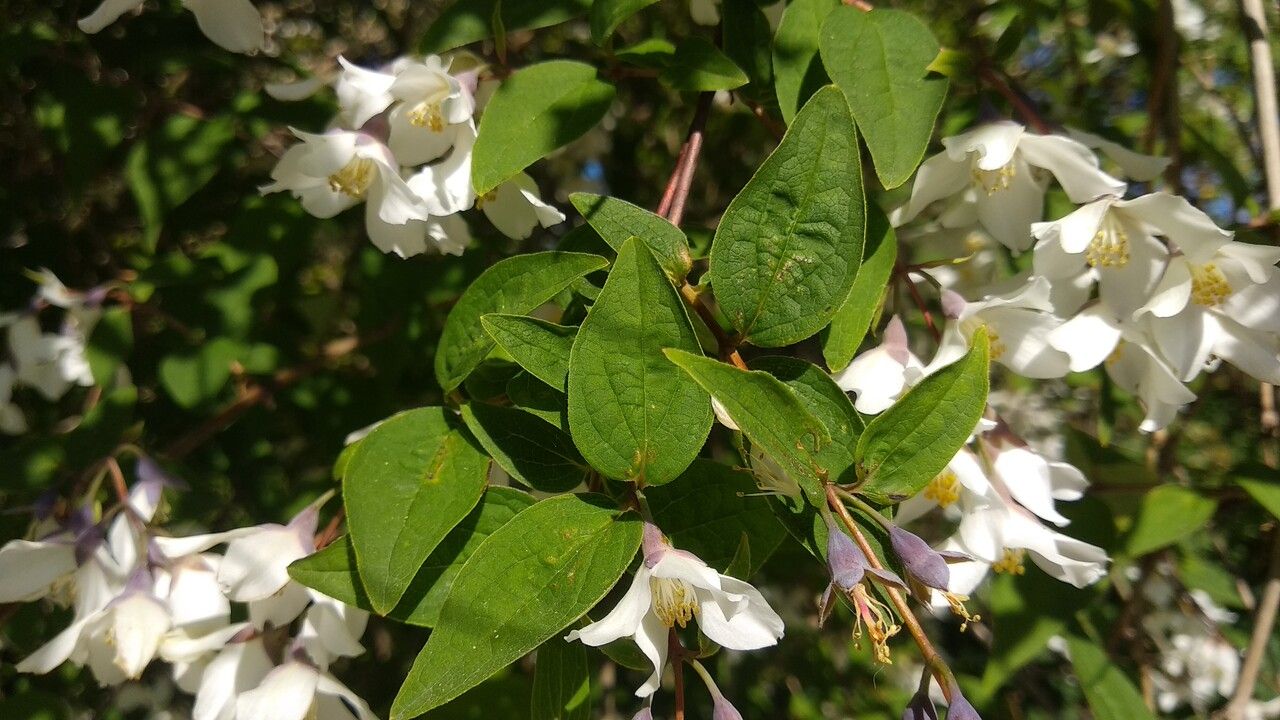
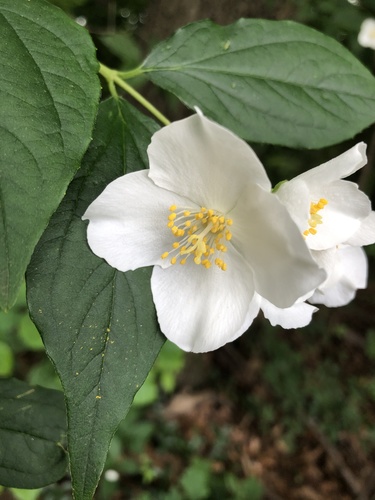
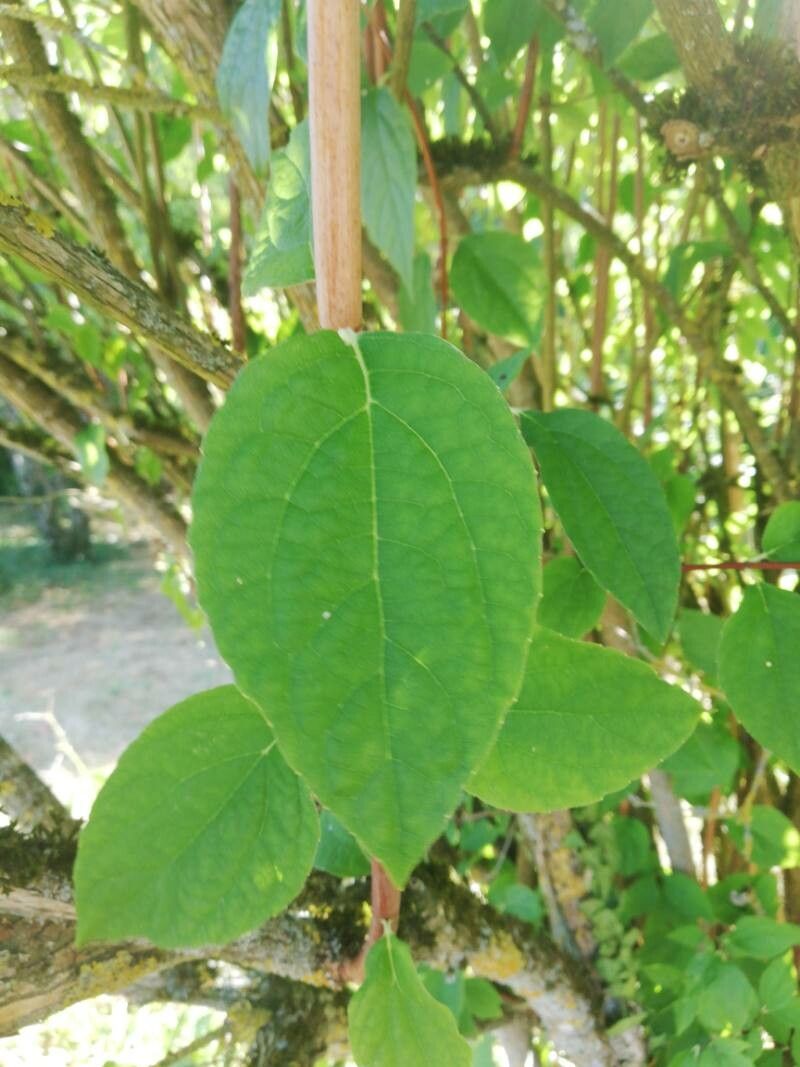
Texas mock orange is fairly disease-resistant and typically not prone to illnesses. Regarding care, this plant is relatively low-maintenance. When grown outdoors it needs minimal watering, and larger specimens generally do not require pruning; however, smaller plants should be pruned after they bloom. Texas mock orange is suitable for anyone with an outdoor area, such as a garden or deck, and does not demand extensive care experience.
How to keep Philadelphus Texensis.
Light
The Texas mock orange comes from exposed settings like bright fields and the borders of forests that supply a lot of sunlight. It flourishes under full sunshine, yet can equally endure partial sun, demonstrating a good adaptation to diverse lighting situations.
Water
To ensure your newly planted Texas mock orange thrives, water it every five days during the first month. Once the plant is established, it generally needs watering only every three weeks or less. However, plants in containers or during hot weather might require additional water. In winter, the Texas mock orange typically does not need any watering.
Temperature
The Texas mock orange displays remarkable resilience to a range of weather conditions, from sweltering summers to freezing winters. Nonetheless, there is a preferred temperature range for its growth. Should the temperature rise excessively, the plant becomes susceptible to stress from heat and humidity, which can lead to its destruction. In areas where the temperature nears the plant's lowest cold tolerance, taking steps to insulate the plant becomes crucial.
Fertilizer
The timing for fertilizing Texas mock orange is critical. Initiate the fertilizing process in the early spring and continue on a monthly basis until early summer. The fertilizer contributes to the growth of beautiful blooms and supplies energy during periods of dormancy and active growth.
Pruning
To enhance the beauty and health of Texas mock orange, prune it in early spring. This care encourages the shrub to bloom with fragrant white flowers. Start by removing any dead branches and thinning out the older stems. Each year, cut back one-third of the oldest stems to promote better flowering and prevent the shrub from becoming overgrown. Following these practices will help maintain a healthy and attractive plant.
Botanical profile.
- Plant Type
- Shrub
- Life Cycle
- Perennial
- Genus
- Philadelphus
- Family
- Hydrangeaceae
- Hardiness Zone
- 5-9
- Mature Height
- 0.91 m to 1.83 m
- Mature Spread
- 1.52 m to 2.13 m
- Leaf Color
- Dark Green
- Leaf Type
- Deciduous
- Flower Color
- White
- Flower Size
- 3.05 cm to 4.06 cm
- Bloom Time
- Late spring, Early summer
- Planting Time
- Spring, Summer, Autumn
- Harvest Time
- Mid summer, Late summer, Early fall
- Native Area
- Mexico
Other names.