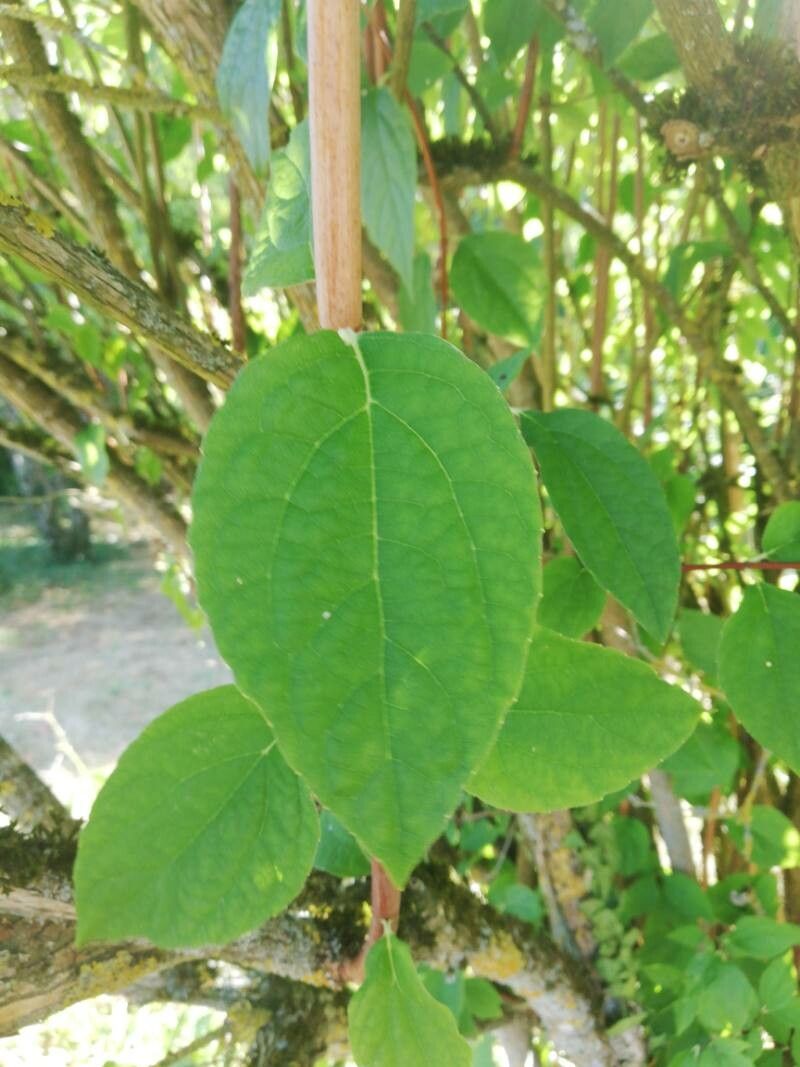
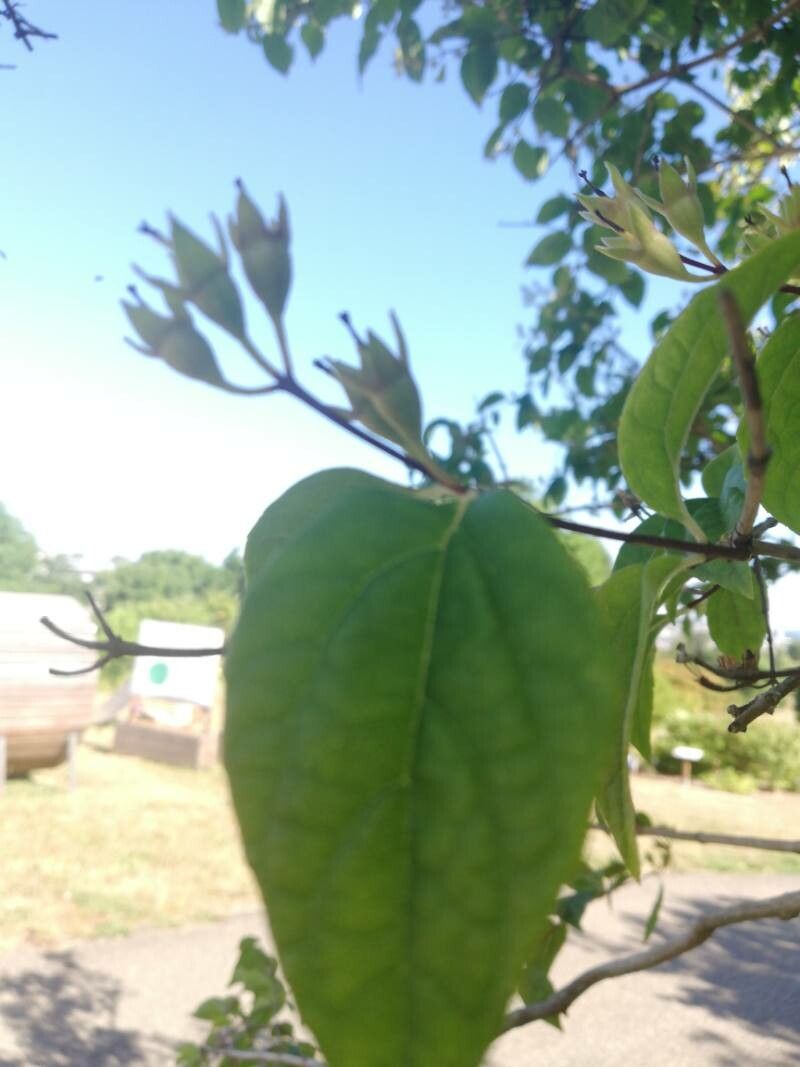
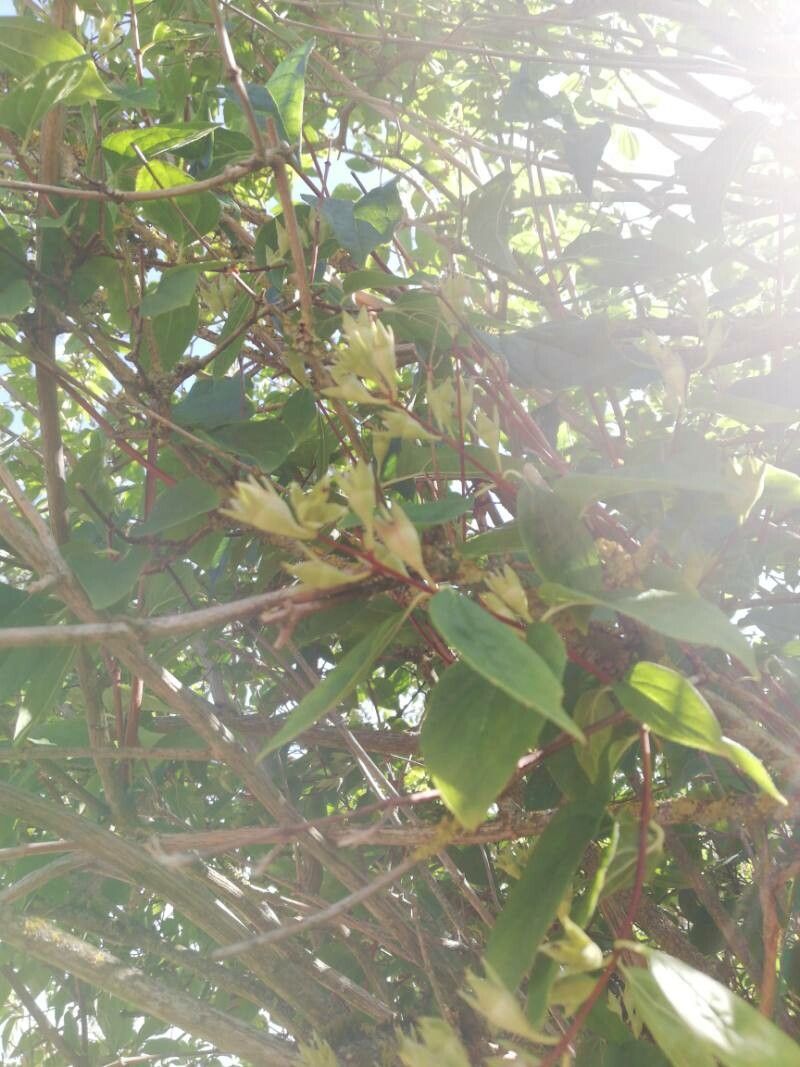
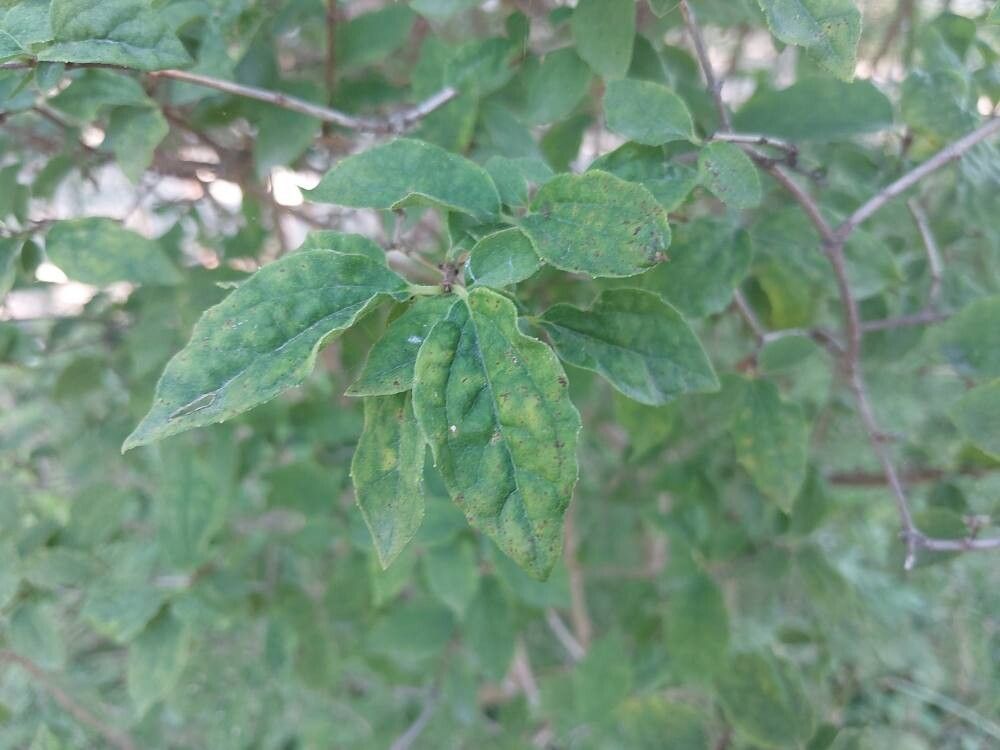
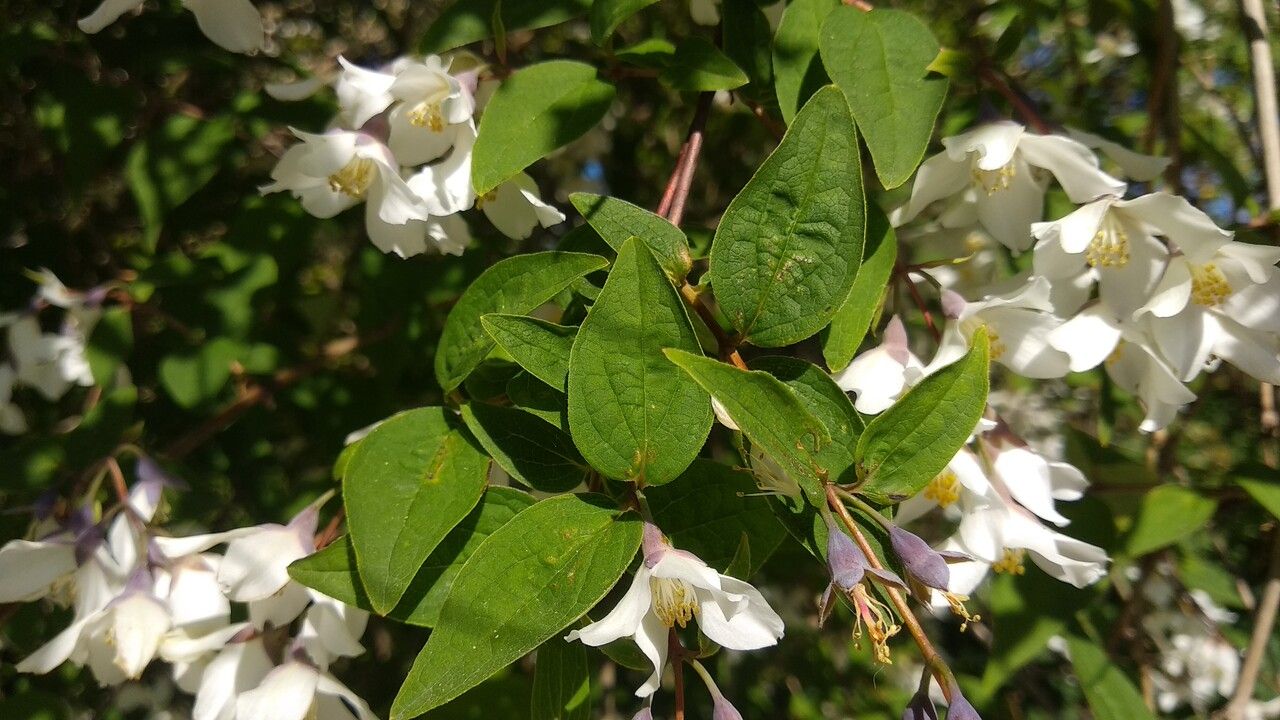
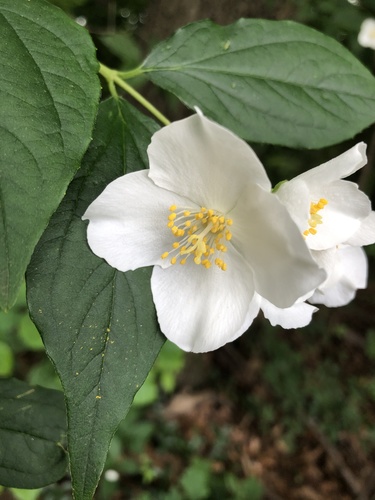
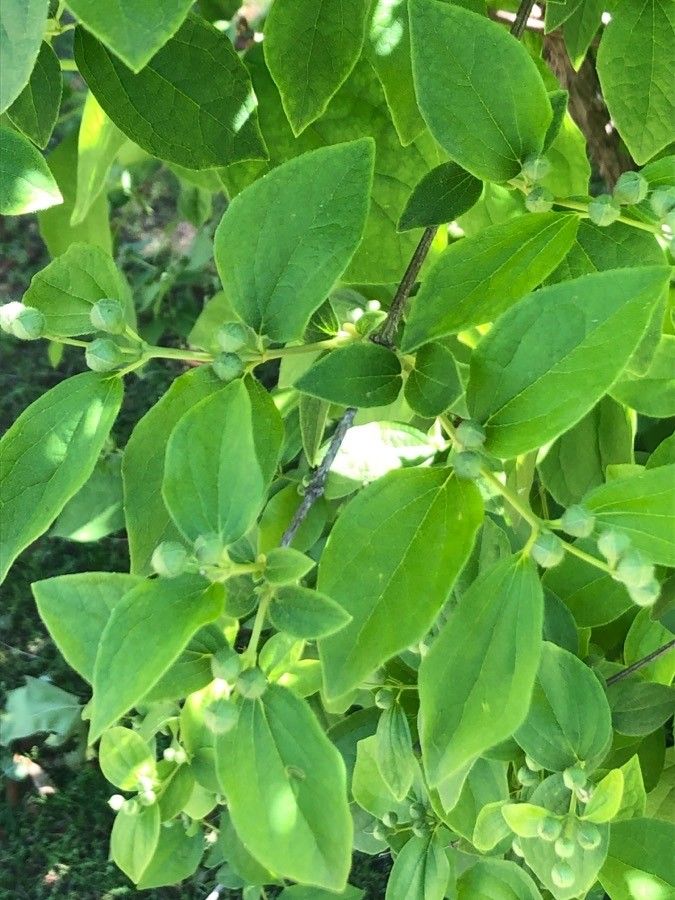
Philadelphus delavayi is a deciduous shrub in the genus Philadelphus, native to China, Tibet, and Upper Burma. It was discovered by Pierre Jean Marie Delavay in 1887. It has an upright growth habit, to a height of 3 metres, with arching branches and ovate, tapered, sometimes toothed, dark green leaves up to 10 cm or more long. It bears racemes of 5-9 cup shaped, single, very fragrant creamy-white flowers, 2.5 cm across.
Philadelphus delavayi shows good resistance to disease and is generally not susceptible to illnesses. As for its care, this plant is relatively low-maintenance. When grown outdoors it needs only minimal watering, and larger specimens typically do not require pruning. Smaller plants, however, should be pruned after they have finished blooming. Philadelphus delavayit is well suited to anyone who has outdoor space, like a garden or deck, and it does not demand extensive experience in plant care.
How to keep Philadelphus Delavayi.
Light
Philadelphus delavayi comes from open habitats, such as sunlit meadows and forest margins, where light is abundant. It does best in full sun but can withstand partial sun, adapting well to a range of light conditions.
Water
Philadelphus delavayi thrives in moderate moisture conditions. It should be watered every 1-2 weeks, allowing the soil to dry slightly between waterings to prevent waterlogging. While it has a moderate tolerance to drought, mulching can help retain moisture and stabilize soil temperature during its active growing season in temperate gardens.
Temperature
Philadelphus delavayi is highly adaptable to different climate conditions, whether facing very hot summers or cold winters. Still, it has a preferred temperature range for healthy growth. If temperatures become too high, the plant can suffer from heat and humidity stress, which may kill it. In locations where temperatures approach the lower limit of its cold tolerance, providing insulation to protect the plant is important.
Fertilizer
Timing is essential when fertilizing Philadelphus delavayi. Apply fertilizer in early spring and continue monthly until early summer. Fertilizer encourages attractive blooms and supplies energy during both dormant and active growth periods.
Pruning
Philadelphus delavayi is a deciduous shrub known for its fragrant white flowers. To maintain its shape and encourage healthy blooms, prune in early spring. Remove any damaged branches and thin out old stems to enhance growth. This will improve air circulation and reduce the risk of disease, helping to keep your Philadelphus delavayi well-formed and thriving.
Botanical profile.
- Plant Type
- Shrub
- Life Cycle
- Perennial
- Genus
- Philadelphus
- Family
- Hydrangeaceae
- Hardiness Zone
- 5-8
- Mature Height
- 2.13 m to 3.05 m
- Mature Spread
- 1.52 m to 2.13 m
- Leaf Color
- Green, Dark Green
- Leaf Type
- Deciduous
- Flower Color
- White
- Flower Size
- 3.05 cm to 4.06 cm
- Bloom Time
- Early summer, Mid summer
- Planting Time
- Spring, Summer, Autumn
- Harvest Time
- Late summer, Early fall, Mid fall
- Native Area
- Myanmar, China
Other names.