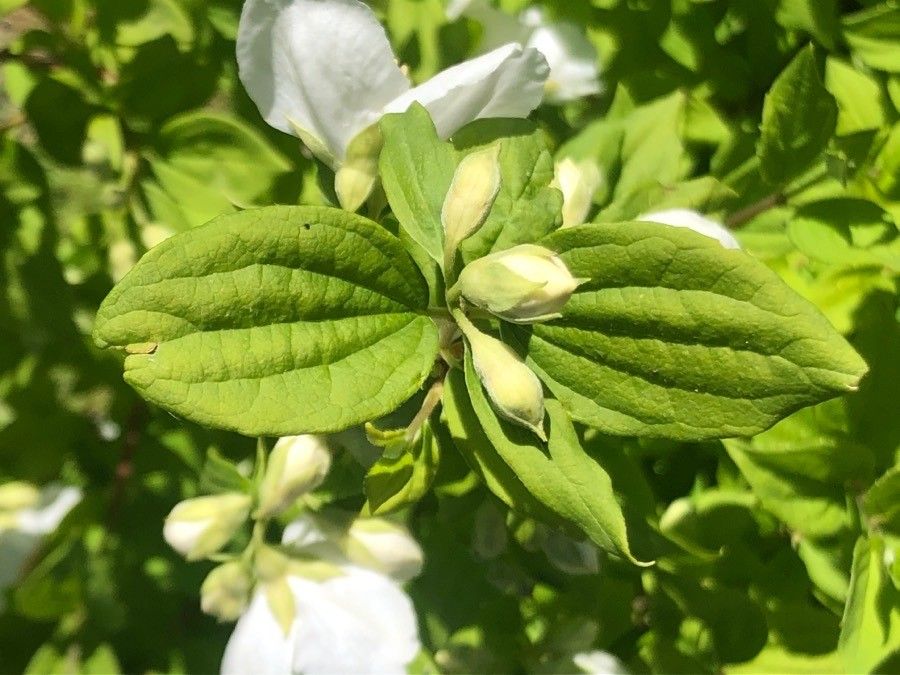
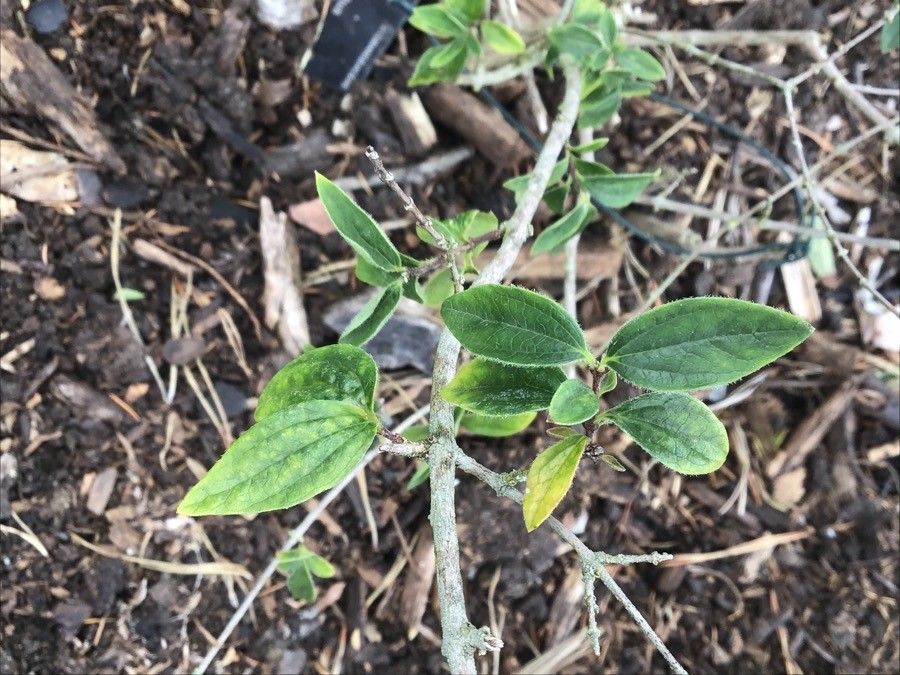
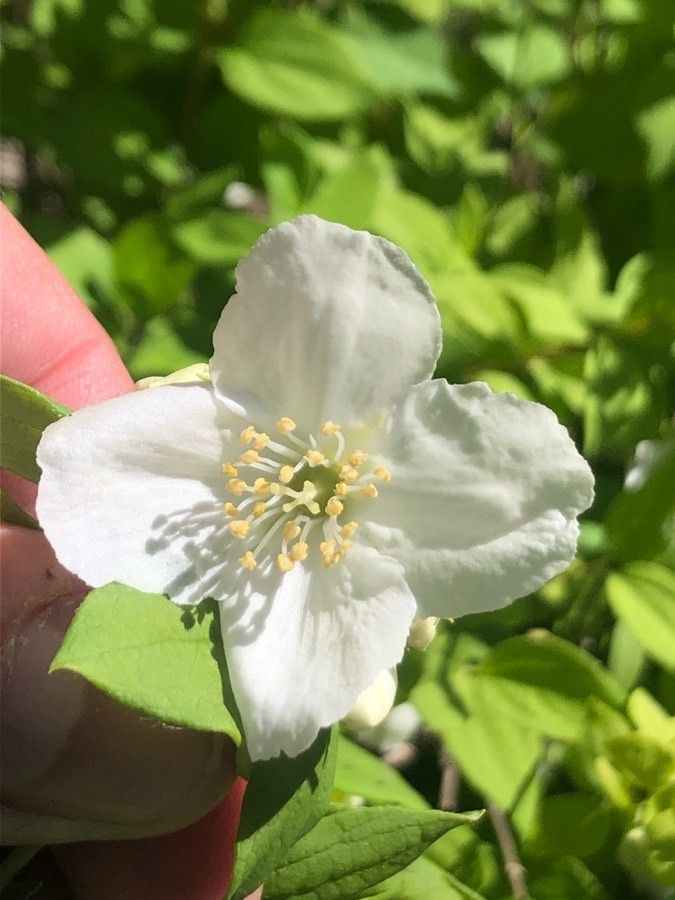
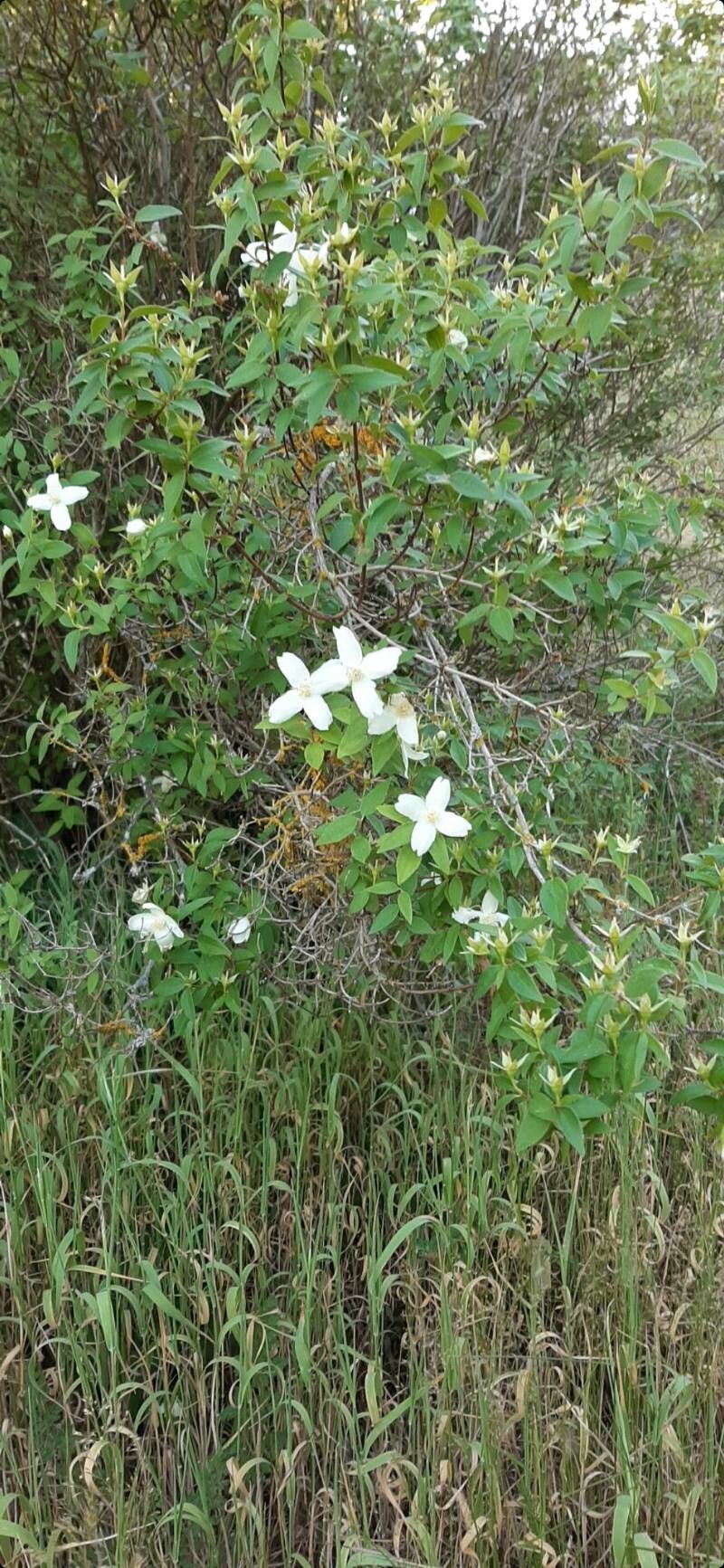
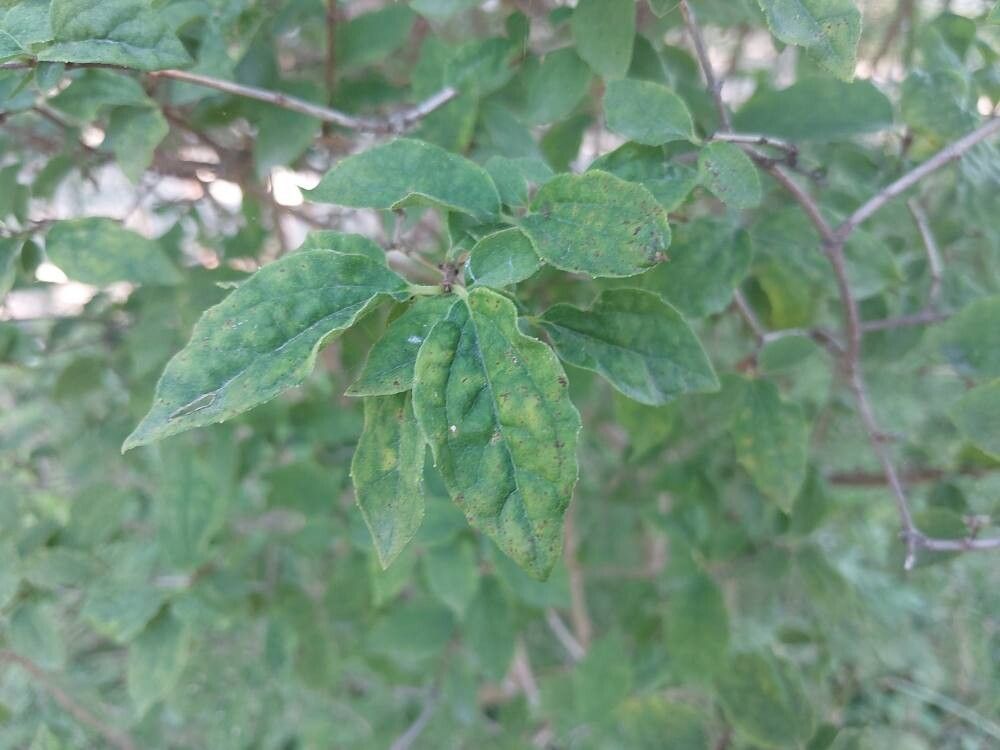
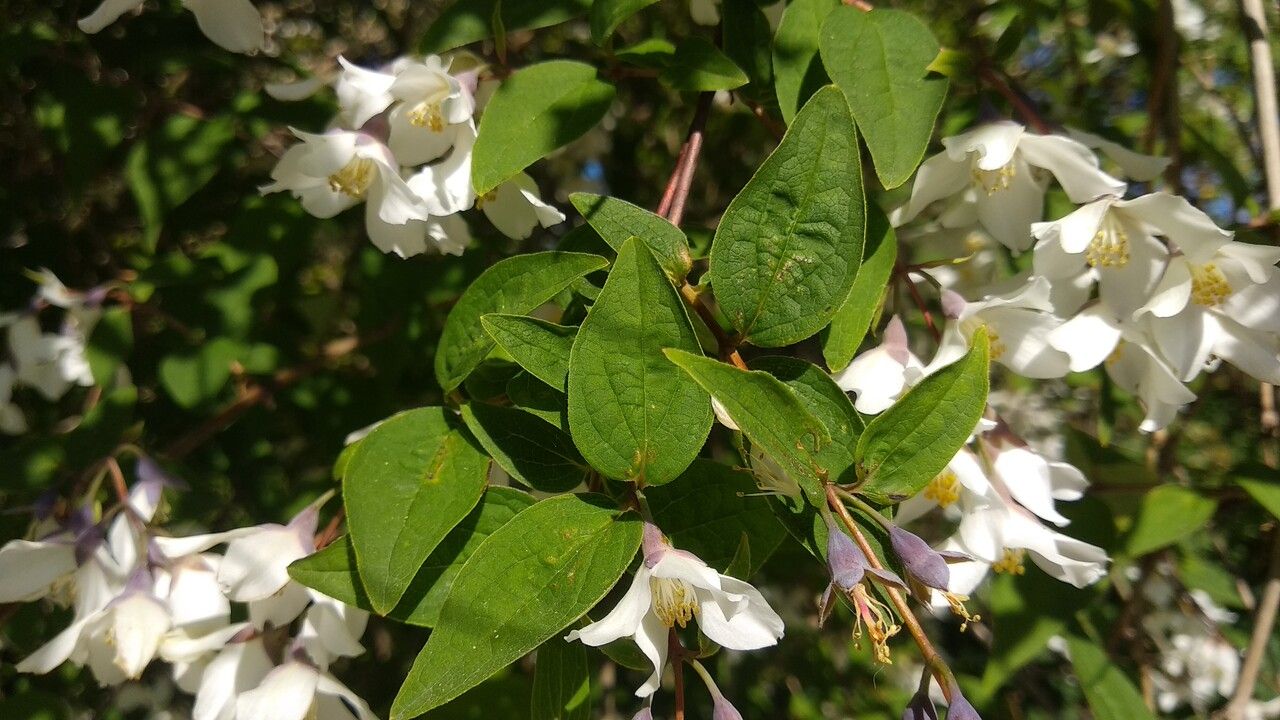
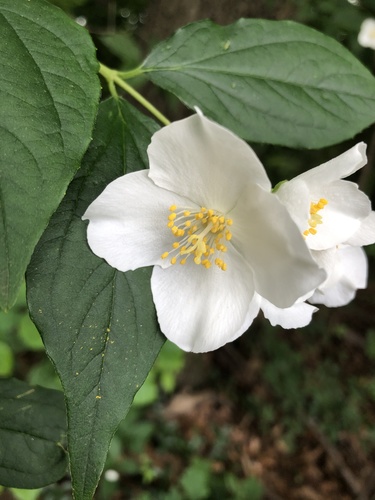
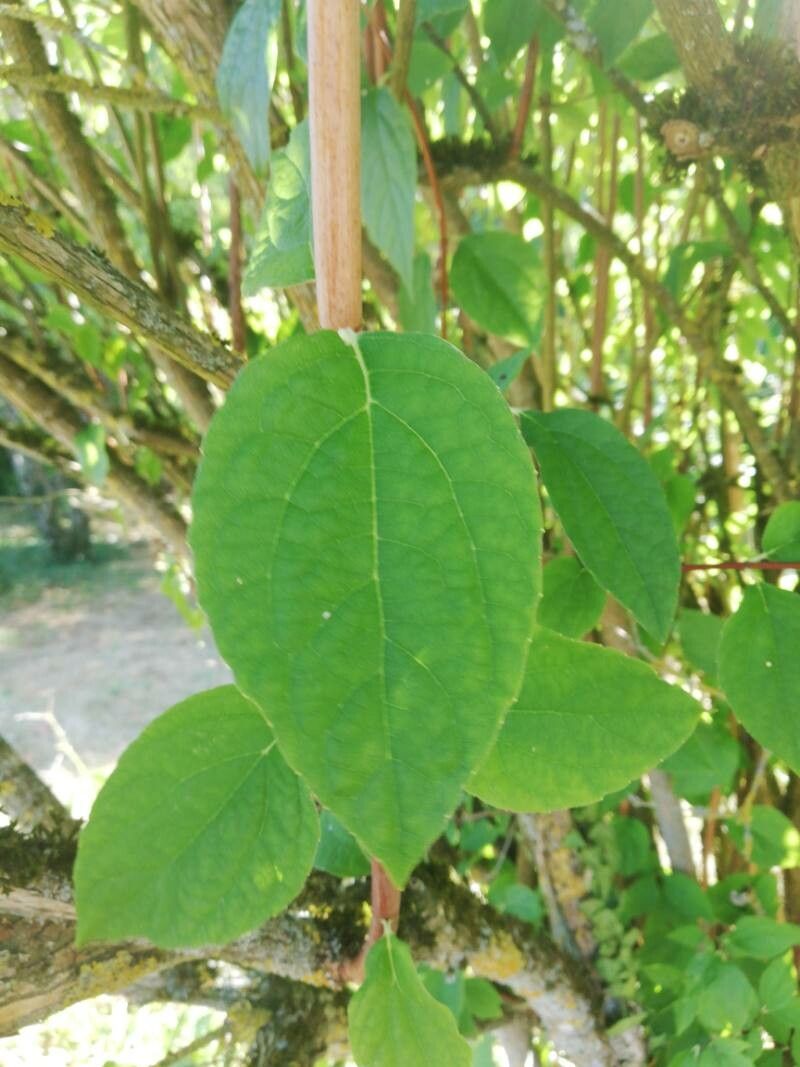
Philadelphus microphyllus is a species of Philadelphus known by the common names littleleaf mock-orange or desert syringa. It is native to northern Mexico and the southwestern quadrant of the United States as far north as Wyoming, where it grows in scrub and brush habitat in foothills and mountains, often in very rocky areas, sometimes anchoring itself in rock cracks and crevices.
Littleleaf mock-orange is largely disease-resistant and typically does not suffer from illnesses. Regarding care, this plant is fairly low-maintenance. Planted outdoors, it needs only light watering, and larger specimens usually do not require pruning. Smaller specimens should be trimmed after they finish blooming. Littleleaf mock-oranget is appropriate for anyone who has outdoor space, like a garden or a deck, and it does not demand much gardening experience.
How to keep Philadelphus Microphyllus.
Light
Littleleaf mock-orange does best with plentiful sunlight, which enables optimal growth and development. From germination to full maturity it generally requires a lot of light. Native to brightly lit environments, it can also tolerate partially shaded settings. However, too little light can harm its health, while excessively intense light can cause stress.
Water
The Littleleaf mock-orange is well-suited for semi-arid regions and can tolerate moderate drought. To keep it healthy as an outdoor deciduous shrub, it needs watering every two weeks and prefers well-drained soil. Proper watering is crucial for its vitality and growth.
Temperature
Littleleaf mock-orange comes from regions with temperate climates and prefers a temperature range of 41 to 95 °F (5 to 35 ℃). In hotter periods, it might need extra shading or watering to remain cool. In colder months, it can withstand mild frost.
Fertilizer
Timing is important when fertilizing Littleleaf mock-orange. Apply fertilizer in early spring and repeat monthly through early summer. The fertilizer encourages attractive blooms and supplies energy during both dormant periods and active growth.
Pruning
The Littleleaf Mock-Orange showcases fragrant white flowers and small leaves. To maintain its shape and encourage growth, it should be pruned in late spring after it finishes blooming. Remove any dead or overcrowded branches to improve air circulation. Using clean, sharp tools is crucial for effective pruning and helps reduce the risk of disease and aids in plant recovery.
Botanical profile.
- Plant Type
- Shrub
- Life Cycle
- Perennial
- Genus
- Philadelphus
- Family
- Hydrangeaceae
- Hardiness Zone
- 4-9
- Mature Height
- 2.13 m
- Mature Spread
- 1.22 m to 1.52 m
- Leaf Color
- Green
- Leaf Type
- Deciduous
- Flower Color
- White
- Flower Size
- 2.54 cm
- Bloom Time
- Late spring, Early summer
- Planting Time
- Spring, Summer, Autumn
- Harvest Time
- Mid summer, Late summer, Early fall
- Native Area
- Mexico
Other names.
Reader questions.
What is the best way to water Littleleaf mock-orange?
Soaker hoses are an excellent way to keep leaves and flowers moist without getting the entire plant wet. Lay the hose around the plant and leave it on for about 30 to 45 minutes until the soil is moist but not overly wet. Connecting your regular hose to the soaker hose and covering it with mulch can help deliver water efficiently to the base of the plant. Some people may use drip feeders to keep the soil consistently moist throughout the day. When watering the Littleleaf mock-orange in pots, it's best to use a watering can. Wait until you see water dripping from the bottom of the pots to ensure the soil is adequately saturated. Using a portable watering can allows you to reach the soil and deeply water the roots for optimal growth.
Why should I put fertilizer on my Littleleaf mock-orange?
Fertilizing your Littleleaf mock-orange is essential for several reasons. Firstly, it will promote the production of beautiful blooms. For best results, it is recommended to fertilize in early spring to ensure abundant flowers during that season. Secondly, fertilizer provides the plant with ample energy to store in the ground during its dormant growth phases. By providing extra nutrients during fall planting or late spring, your Littleleaf mock-orange will be able to store more energy to use when active growth resumes.
How many hours of sunlight per day does Littleleaf mock-orange need to grow strong and healthy?
To promote healthy growth of Littleleaf mock-orange, it needs a minimum of 3-6 hours of sun each day. Most plants that can tolerate partial sunlight can also thrive in full sun. However, as they require less light for photosynthesis, they are more adaptable than plants that need either full sun or part shade.
What temperature does Littleleaf mock-orange like best?
The Littleleaf mock-orange thrives best in temperatures between 65~80℉ (18~27℃). During the primary growing phase, it can tolerate temperatures as high as 95℉ (35℃), and as low as 15℉ (-10℃). This species is able to tolerate low temperatures and survive freezing winters. The ideal temperature range is: Perfect: 65~80℉ (18~27℃), Highest: 85~95℉ (30~35℃), and Lowest: -5~15℉ (-20~-10℃) or below.
What do I need to do if I give too much or too little water to Littleleaf mock-orange?
If you have overwatered your Littleleaf mock-orange, it is important to take a step back and prevent further damage. Fortunately, Littleleaf mock-orange is hardy and has a higher chance of surviving this situation. To help the plant recover, allow it to dry out completely and stop watering. This species does not tolerate having its roots constantly submerged in water, so aerating the soil can be beneficial. There are several symptoms to look out for if you have overwatered your plant. These include the premature falling of yellow leaves, fewer flowers, and misshapen buds. In more severe cases, you may also notice wilted and brown leaves, which can be a sign of long-term overwatering leading to root rot. Interestingly, the symptoms of underwatering can be similar to those of overwatering. If your Littleleaf mock-orange is wilting, it could indicate that it is not receiving enough water. To check if the soil is too dry, stick your finger into the soil and see if it feels dry. If so, this is a sign of dehydration and the need for watering. Be cautious, as too little watering can also occur. In this case, consider adding water in the evening. It is always essential to check the soil for dryness and follow a regular watering schedule, preferably in the morning.
When should I add fertilizer to my Littleleaf mock-orange?
To achieve effective fertilization of Littleleaf mock-orange, timing is crucial. Applying fertilizer too early while the plant is still dormant would be ineffective as it would be washed away by rainwater, resulting in waste and pollution. It is recommended to make the first application of fertilizer in early spring and continue monthly fertilization until early summer.
What kind of sunlight does Littleleaf mock-orange require?
Littleleaf mock-orange plants thrive when they are exposed to either full or partial sun. They perform exceptionally well with direct morning light, but during the summer, it is crucial to shield them from the intense afternoon sun. In temperate environments, excessive afternoon sun can scorch the plant's leaves, which negatively affects both its appearance and overall health.
Do I need to change the temperature for Littleleaf mock-orange at different stages of growth?
According to research, Littleleaf mock-orange may experience stunted growth when exposed to higher temperatures for extended periods, particularly during the growth of side buds and main shoots. To promote healthy growth following germination or transplanting, it is recommended to maintain consistent and cooler temperatures, ideally around 65℉ (18℃).
How often should I water the Littleleaf mock-orange plant?
To properly care for the Littleleaf mock-orange plant, it is recommended to water it deeply two to three times a week. This frequency may need to increase if you live in a hot climate. The plant's water requirements are considered average, and it prefers soil that is both moist and well-drained. A general guideline is to assess the moisture level of the soil. If you notice that the top 2-4 inches are dry, it may be time to water the plant. If the plant is located outdoors, watering it 1-2 times a week should be sufficient. Keep in mind that outdoor plants receive additional moisture from rainwater, so less frequent watering is ideal in this case.
When is it best to not use fertilizer on my Littleleaf mock-orange plant?
To ensure healthy blooming, it is important to avoid using a nitrogen-rich fertilizer for Littleleaf mock-orange. Excessive nitrogen can cause an abundance of leaves but few blooms. Instead, opt for a fertilizer that contains a lower level of nitrogen compared to other nutrients. It is also crucial to refrain from fertilizing after early autumn, as this can lead to excessive growth before winter. Additionally, avoid fertilizing during hot and dry periods, as dry soil is less effective at delivering nutrients and stimulating growth may require more water than available. It is recommended to apply fertilizer earlier in the season when temperatures are cooler. Lastly, keep in mind that Littleleaf mock-orange can absorb fertilizer from nearby plants or lawns, so be careful not to inadvertently give the tree or shrub a double dose of fertilizer.
Can the sun harm Littleleaf mock-orange? How can we keep Littleleaf mock-orange safe from the sun and heat damage?
Littleleaf mock-orange planted indoors can be harmed by direct sunlight when transitioning to the outdoors. To prevent sunburn from too much exposure, it is best to move the pots gradually from a shaded area to a brighter spot. However, even plants accustomed to the summer sun can suffer damage from extreme heat. During a heatwave, it is crucial to keep the soil consistently moist so plants can handle the excessive levels of heat. To protect sensitive Littleleaf mock-orange during extreme weather events, consider relocating potted plants to areas with afternoon shade or using a shade cloth.
How do I keep the Littleleaf mock-orange plant warm during cold seasons?
Littleleaf mock-orange is a hardy plant that can survive freezing temperatures as long as it is planted directly in the ground in areas where the temperature doesn't drop below 15℉ (-10℃). However, if you choose to plant it in pots or containers, it's important to protect the roots from the cold winter weather. You can do this by wrapping the container in a blanket or by bringing it indoors where it will be completely shielded from the elements.