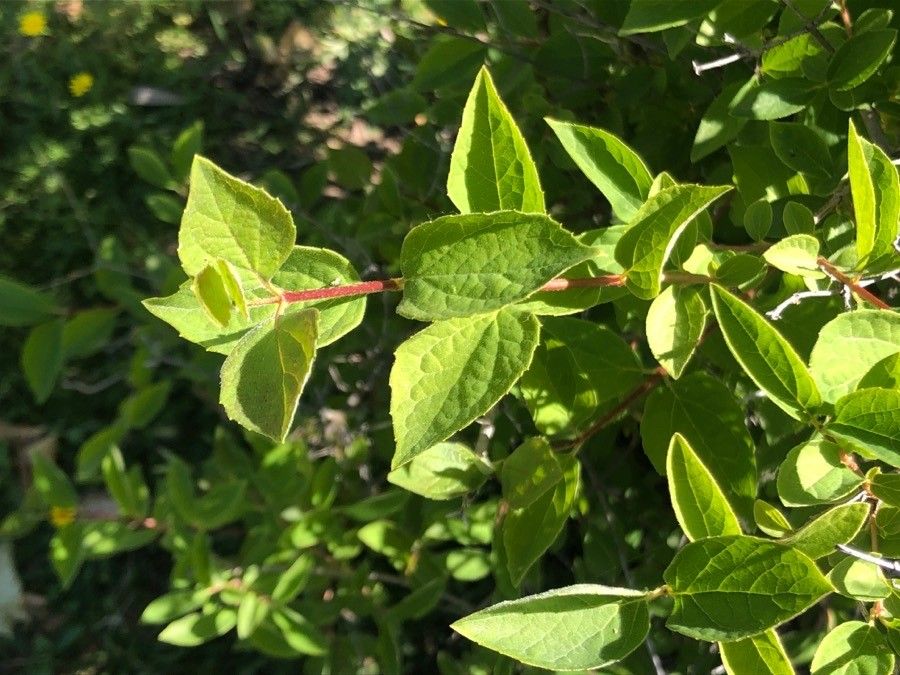
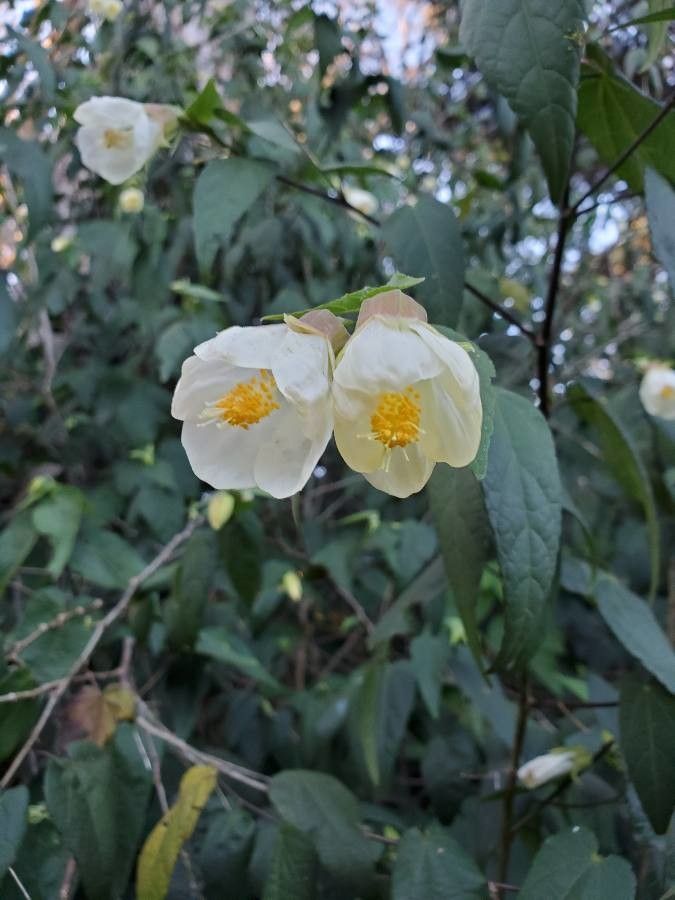
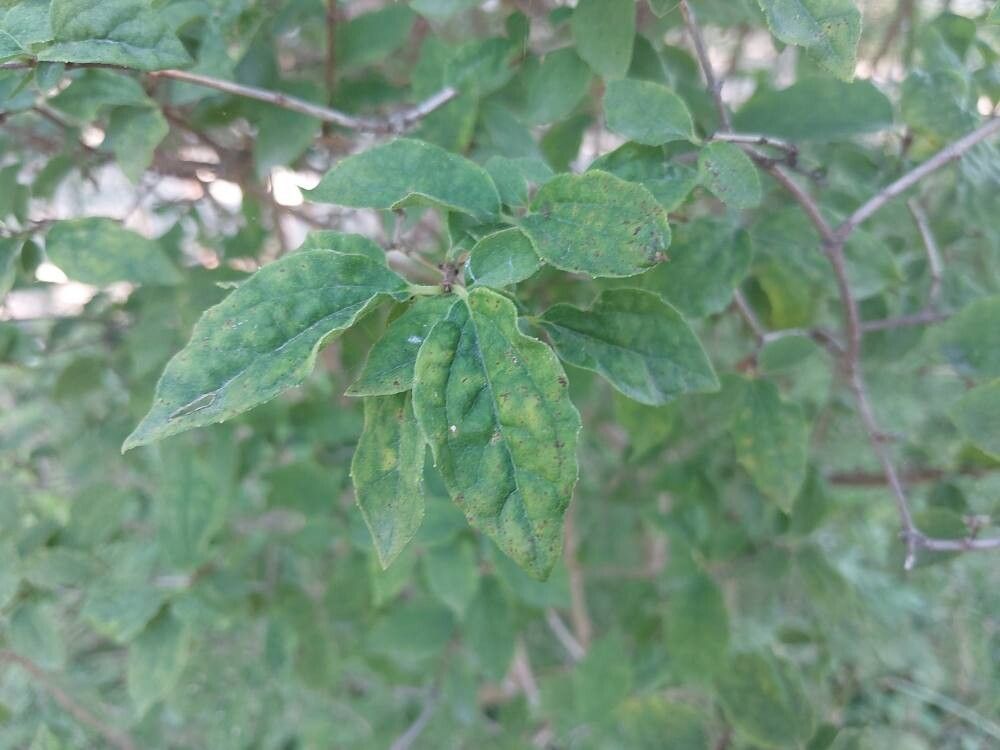
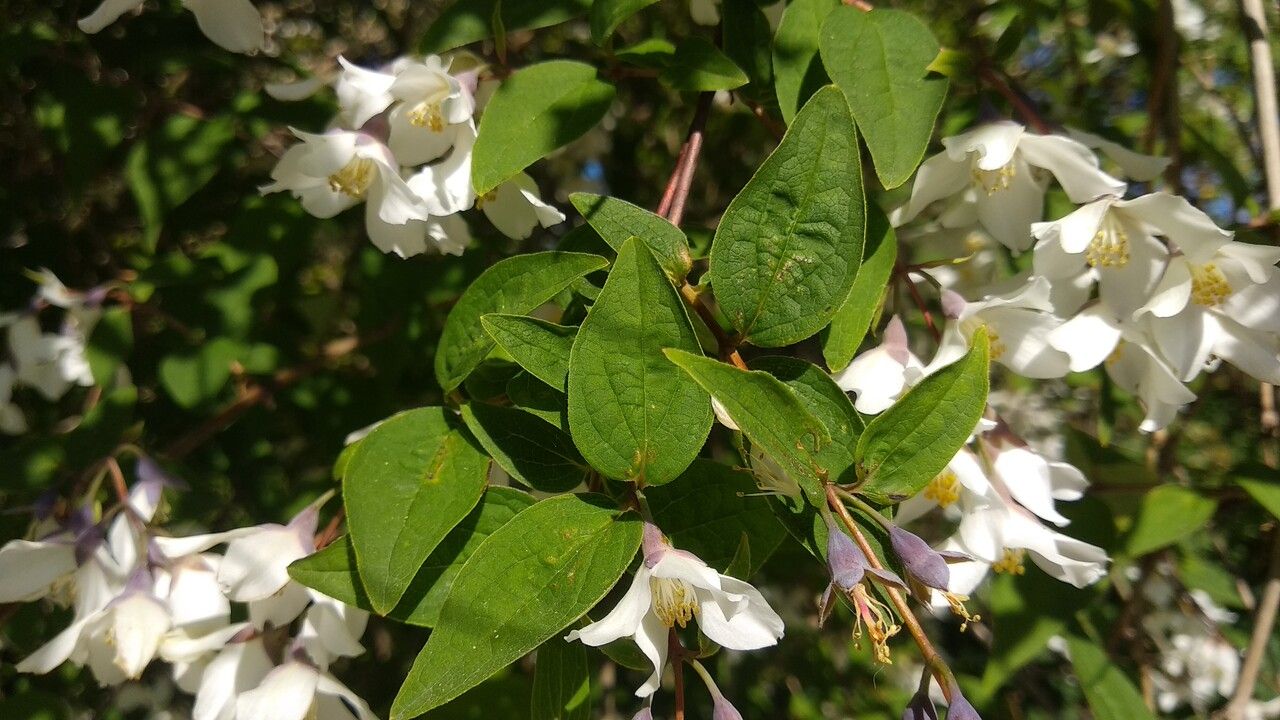
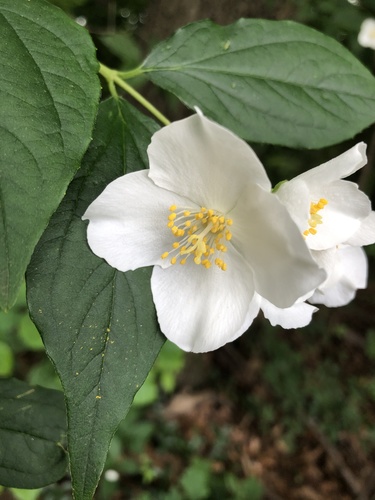
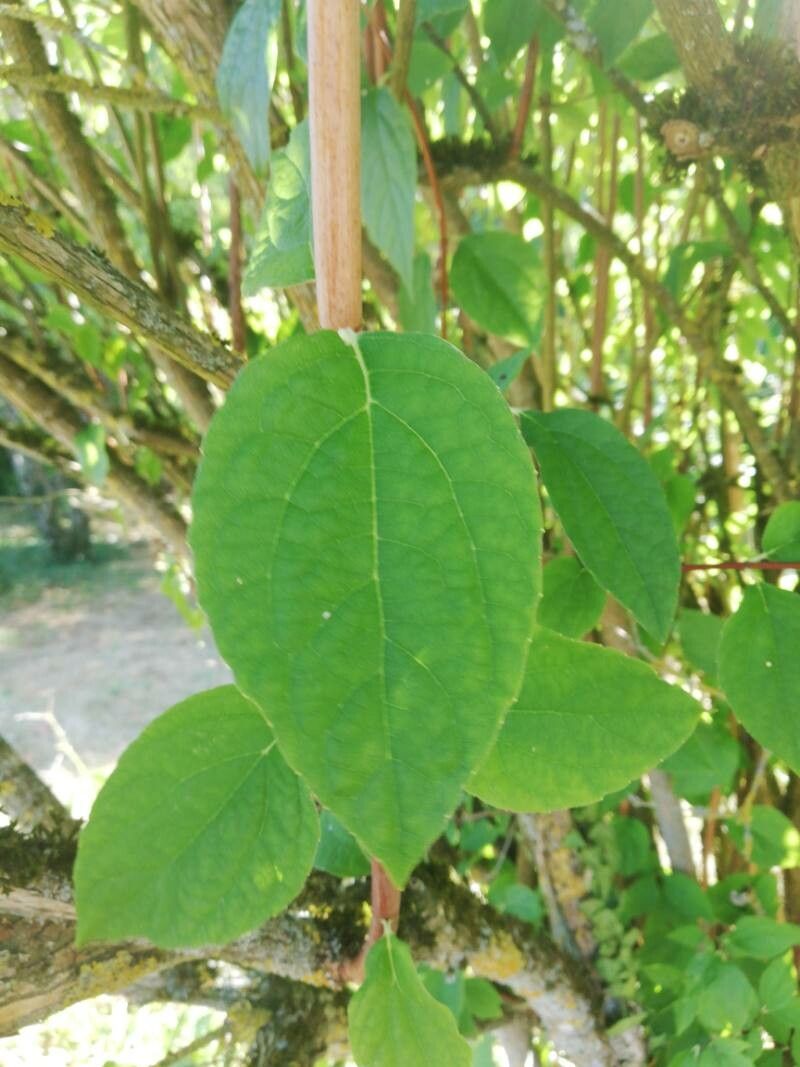
Philadelphus incanus, the hairy mock orange, is a deciduous shrub in the genus Philadelphus. Native to China, it is a medium to large shrub characterised by its hairy leaves and later flowering than other members of the genus.
Hairy mock orange shows strong resistance to disease and is generally not likely to suffer from illnesses. Regarding care, this plant is fairly low-maintenance. When grown outdoors it needs only light watering, and larger specimens typically do not require pruning. However, smaller plants should be pruned after they have bloomed. Hairy mock oranget suits anyone with an outdoor area, such as a garden or deck, and does not demand extensive care experience.
How to keep Philadelphus Incanus.
Light
The hairy mock orange prefers abundant light for best growth, though it can tolerate locations with less exposure. Plenty of light powers its growth cycle and boosts its general health. When light is limited, growth may become stunted. The plant originates from environments that receive a lot of sun.
Water
The hairy mock orange grows best with occasional watering, preferring moderate humidity and can endure short dry periods. Water it every 1-2 weeks, being careful not to overwater. Typically grown outdoors, it's helpful to mulch around the plant to retain soil moisture during its active growing season, promoting healthy growth and resilience.
Temperature
Hairy mock orange is native to temperate regions and does best in a wide temperature span of 41 to 90°F (5 to 32°C). In extreme weather, seasonal adjustments may be needed to keep conditions within that range.
Fertilizer
The timing of fertilizer application for Hairy mock orange is important. Begin fertilizing in early spring and continue once a month until early summer. Fertilizer promotes attractive blooms and gives the plant energy during both dormant and active growth periods.
Pruning
The hairy mock orange plant is known for its fragrant white flowers and dense foliage, which benefit from annual pruning. To maintain its health and appearance, remove dead stems, thin out crowded branches, and shape the plant to improve air circulation and light exposure. For the best results, prune the plant in early spring to encourage enhanced flowering and overall vitality. Consider consulting horticultural guides for additional best practices.
Botanical profile.
- Plant Type
- Shrub
- Life Cycle
- Perennial
- Genus
- Philadelphus
- Family
- Hydrangeaceae
- Hardiness Zone
- 4-8
- Mature Height
- 1.52 m to 3.96 m
- Mature Spread
- 1.52 m to 3.96 m
- Leaf Color
- Green
- Leaf Type
- Deciduous
- Flower Color
- White
- Flower Size
- 4.57 cm
- Bloom Time
- Early summer, Mid summer
- Planting Time
- Spring, Summer, Autumn
- Harvest Time
- Late summer, Early fall, Mid fall
- Native Area
- China
Other names.
Reader questions.
What's the best way to water Hairy mock orange?
Using soaker hoses is an effective way to prevent leaves and flowers from getting too wet. This method is especially useful for delivering water directly to the base of the plant without wetting the entire foliage. Simply lay the hose around the plant and let it run for about 30 to 45 minutes, ensuring the soil becomes moist but not overly saturated. Another option is to connect a regular hose to the soaker hose and cover it with mulch. Some people prefer using drip feeders to maintain moisture throughout the day. For potted plants like the Hairy mock orange, it is necessary to use a watering can. Wait until you notice water dripping from the bottom of the pots, indicating that the soil is adequately hydrated. Using portable cans allows you to reach the soil and ensure deep penetration of water into the roots, promoting healthy growth.
Why is it necessary to fertilize my Hairy mock orange?
Fertilizing your Hairy mock orange is crucial for several reasons. Firstly, it will promote the development of beautiful blooms. For optimal results, fertilize your Hairy mock orange in early spring to ensure abundant flowers. Additionally, fertilizer provides the plant with ample energy, which it can store in the ground during periods of dormancy. By giving your Hairy mock orange extra nutrients during fall planting or late spring, you help it store more energy for when active growth resumes.
How many hours of sunlight does Hairy mock orange need each day to grow properly?
To ensure healthy growth, Hairy mock orange needs a minimum of 3-6 hours of sunlight per day. However, it can actually thrive in full sun as well, since it can adapt to lower light levels for photosynthesis. Unlike plants that strictly require full sun or part shade, those that can handle part sun are more flexible.
What is the best temperature for Hairy mock orange?
The ideal temperature range for Hairy mock orange to thrive is between 65 to 80 degrees Fahrenheit (18 to 27 degrees Celsius). During the primary growing phase, the highest tolerable temperature is 95 degrees Fahrenheit (35 degrees Celsius), while the lowest tolerable temperature is 15 degrees Fahrenheit (-10 degrees Celsius). This species is capable of tolerating low temperatures and can survive freezing winters. Here is a breakdown of the perfect, highest, and lowest temperature ranges: Perfect: 65 to 80 degrees Fahrenheit (18 to 27 degrees Celsius), Highest: 85 to 95 degrees Fahrenheit (30 to 35 degrees Celsius), Lowest: -5 to 15 degrees Fahrenheit (-20 to -10 degrees Celsius) or below.
What should I do if I give too much or too little water to Hairy mock orange?
If you have overwatered Hairy mock orange, there are steps you can take to prevent further damage. Despite their hardiness, these plants need a chance to dry out. Stop watering them to avoid the roots sitting in water for too long. To help aerate the soil, you can take measures such as loosening it up. Overwatering can lead to symptoms like yellow leaves falling prematurely, fewer flowers, and misshapen buds. In more severe cases, wilted and brown leaves can occur, and long-term overwatering can cause root rot. Underwatering can produce similar symptoms, such as wilting. You can check the soil's moisture level by sticking your finger in; if it's too dry, the plant may be dehydrated. In this case, you can add some water in the evening. However, always make sure to regularly assess the dryness of the soil and stick to a watering schedule in the morning.
When should I fertilize my Hairy mock orange?
To ensure effective fertilization for Hairy mock orange, timing is crucial. Applying fertilizer too early while the plant is dormant will lead to its ineffectiveness as it will be washed away by rainwater, resulting in waste and pollution. Therefore, it is recommended to apply the first round of fertilizer in early spring and continue with monthly applications until early summer.
What kind of sunlight does Hairy mock orange need?
Hairy mock orange thrives in full or part sun. Ideally, they should be exposed to direct morning light. However, during the summer, it's important to shield them from the intense afternoon sun. Too much hot afternoon sun in temperate environments can result in burned leaves, which can harm the plant's overall health and appearance.
Do I need to change the temperature for Hairy mock orange when it is growing in different stages?
According to research, Hairy mock orange will show stunted growth when exposed to prolonged high temperatures. This is especially true during the development of axillary buds and main shoots. To promote healthy growth after germination or transplanting, it is recommended to maintain consistent and cooler temperatures of around 65℉ (18℃).
How often should I give water to Hairy mock orange?
To properly care for the Hairy mock orange, it is recommended to water it deeply two to three times a week. If you live in a hot climate, you may need to water it more frequently. The plant has average water requirements and prefers moist but well-drained soil. A simple way to determine when to water is to check the soil moisture level. If the top 2-4 inches of soil are dry, it's probably time to water. If the plant is planted outdoors, watering it 1-2 times a week should be sufficient. Keep in mind that outdoor plants receive natural moisture from rainfall, so less watering is necessary.
When is not a good time to fertilize my Hairy mock orange plant?
To ensure optimal growth and blooming of Hairy mock orange, it is important to take a few precautions regarding fertilizer. First, avoid using a fertilizer with excessive nitrogen as it may result in abundant leaf growth but few blooms. Instead, opt for a fertilizer that has a lower nitrogen content compared to other nutrients. Second, refrain from fertilizing Hairy mock orange during the late autumn period as this can promote excessive growth right before winter, which is not ideal. Additionally, avoid fertilizing the plant during hot and dry seasons as dry soil does not effectively deliver fertilizer, and the stimulation of growth requires extra water that may not be readily available. It is advisable to apply fertilizer during the earlier part of the season when temperatures are cooler. Lastly, keep in mind that Hairy mock orange has the ability to absorb fertilizer applied to neighboring plants or lawns. Therefore, be mindful not to unintentionally give the tree or shrub a double dosage of fertilizer.
Can the sun harm Hairy mock orange plants? How can I shield Hairy mock orange from the sun and heat?
Indoor Hairy mock orange plants are sensitive to direct sunlight, so when moving them outside, it's important to avoid sunburn by gradually exposing them to brighter areas. However, even if the plants are used to the sun, extreme heat can still damage them. To help them cope with high temperatures, it's important to keep the soil consistently moist. During a heatwave, it's suggested to move container plants to shaded areas in the afternoon or use a shade cloth to protect the delicate Hairy mock orange.
How do I make sure Hairy mock orange stays warm during cold seasons?
Hairy mock orange is able to tolerate freezing temperatures as long as it is planted in the ground in areas that do not drop below 15℉(-10℃) during winter. However, if it is planted in pots or containers, extra care should be taken to protect the roots from the cold. This can be done by wrapping the container in a blanket or bringing it indoors to ensure full protection from the harsh winter conditions.