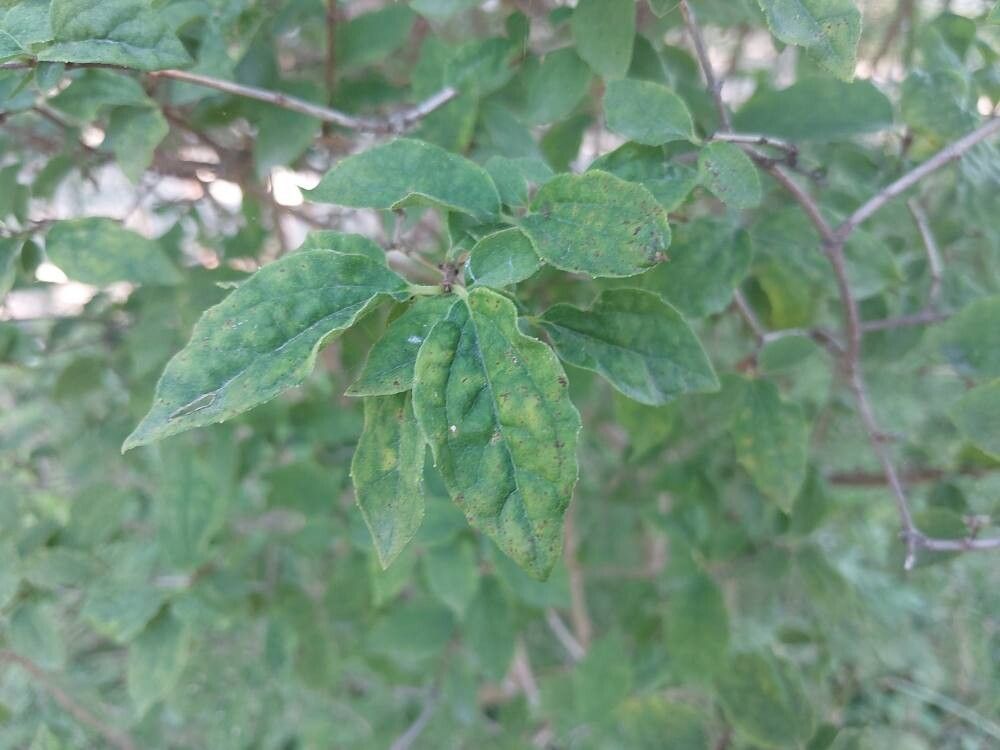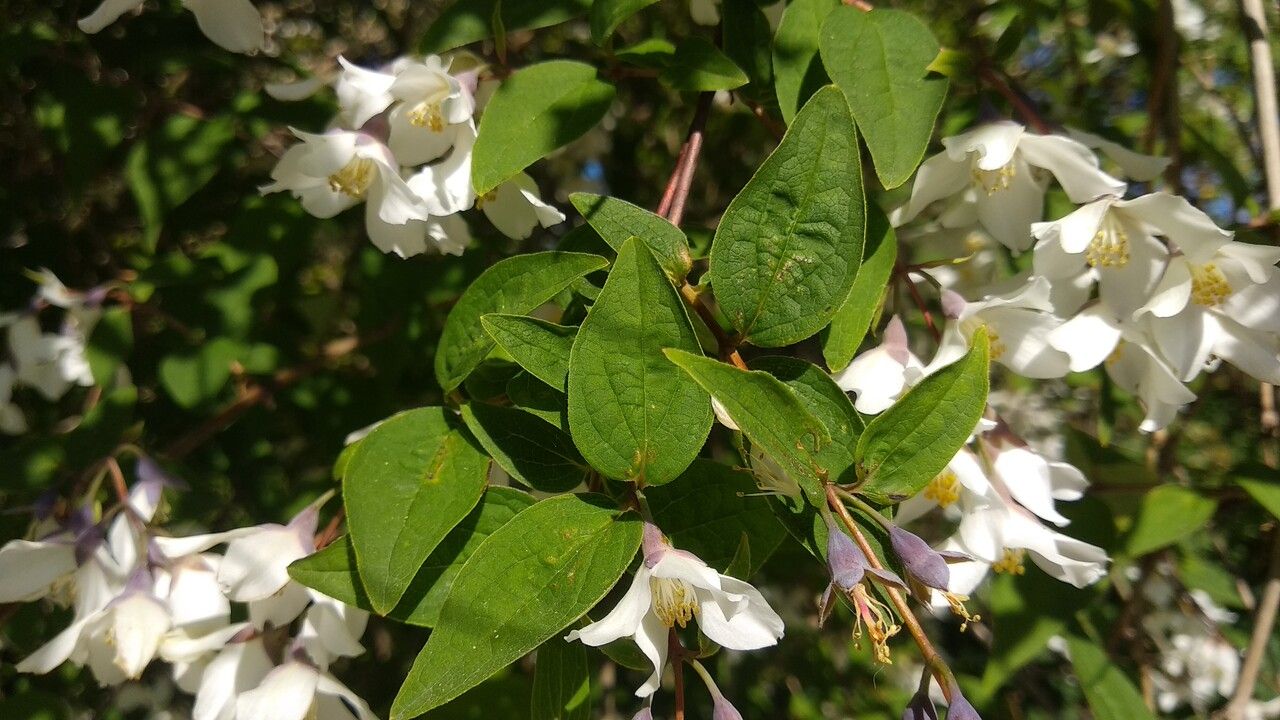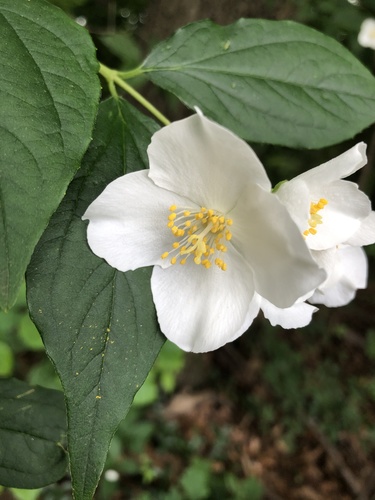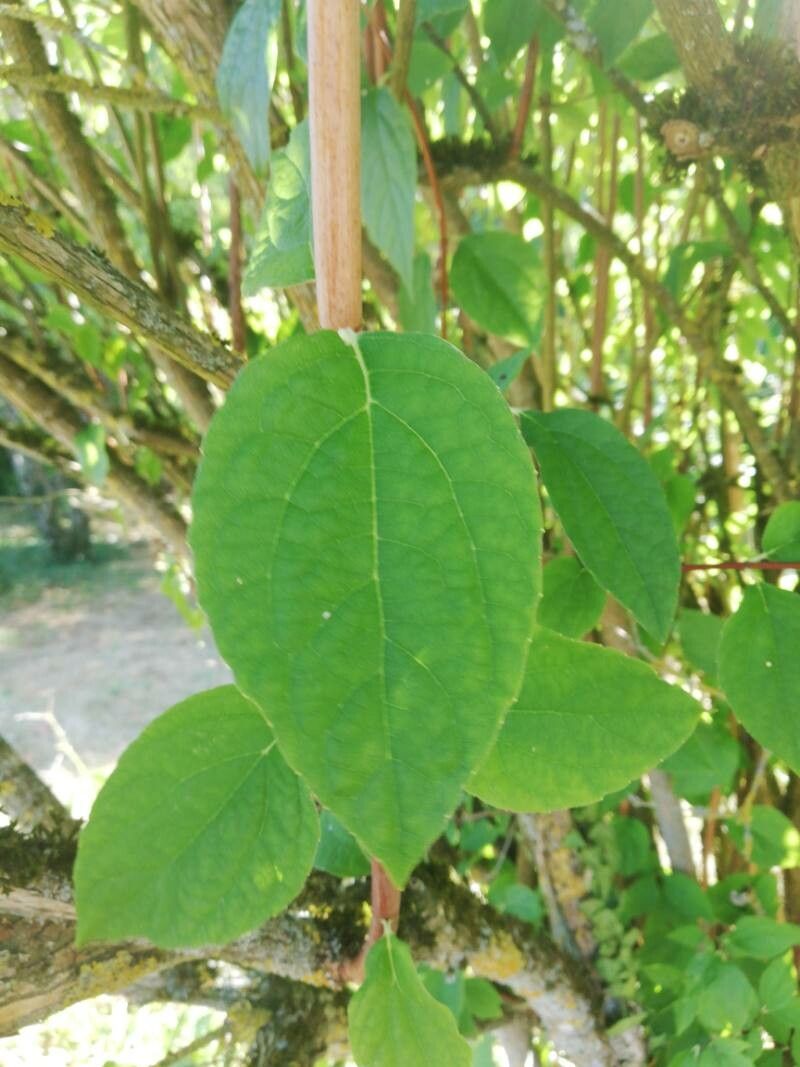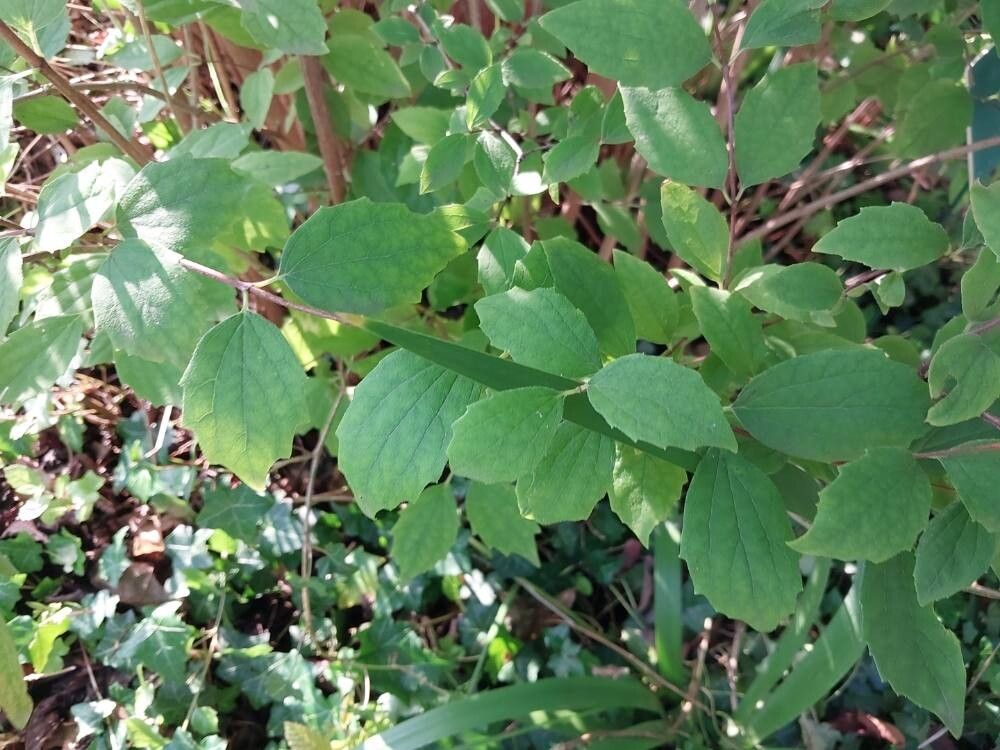
Sweet mock-orange shows strong resistance to disease and is generally not susceptible to illnesses. Regarding care, this plant is fairly low-maintenance. When grown outdoors it needs only light watering, and larger specimens usually do not require pruning. Smaller specimens, however, should be pruned after they have bloomed. Sweet mock-oranget is suitable for anyone with an outdoor area, such as a garden or deck, and does not require much experience in plant care.
How to keep Philadelphus Grandiflorus.
Light
The sweet mock-orange performs best in sites that receive full sun but can tolerate areas with limited light. Its native habitat is sunny. Sufficient sunlight supports vigorous growth, while too little or too much light can hinder its ability to thrive.
Temperature
Sweet mock-orange is native to temperate zones and tolerates a broad temperature range, between 5 to 32 ℃ (41 to 90 ℉). It is a hardy plant that can endure colder conditions if the soil is well-drained and it is not situated in a place with strong winds. In hot summers it does best when given partial shade. In general, the Sweet mock-orange sweet mock-orange performs best in areas with mild temperature variations throughout the year.
Fertilizer
Timing is important when fertilizing Sweet mock-orange. Apply fertilizer in early spring and repeat monthly through early summer. Fertilizer encourages attractive blooms and supplies energy during both dormant and active growth periods.
Botanical profile.
- Plant Type
- Shrub
- Life Cycle
- Perennial
- Genus
- Philadelphus
- Family
- Hydrangeaceae
- Hardiness Zone
- 5-8
- Mature Height
- 1.52 m to 3.96 m
- Mature Spread
- 2.44 m to 3.96 m
- Leaf Color
- Green, Yellow
- Leaf Type
- Deciduous
- Flower Color
- White
- Flower Size
- 2.54 cm
- Bloom Time
- Late spring, Early summer
- Planting Time
- Spring, Autumn
- Harvest Time
- Mid summer
- Native Area
- Turkey, Austria, Italy, Armenia, Azerbaijan, Greece