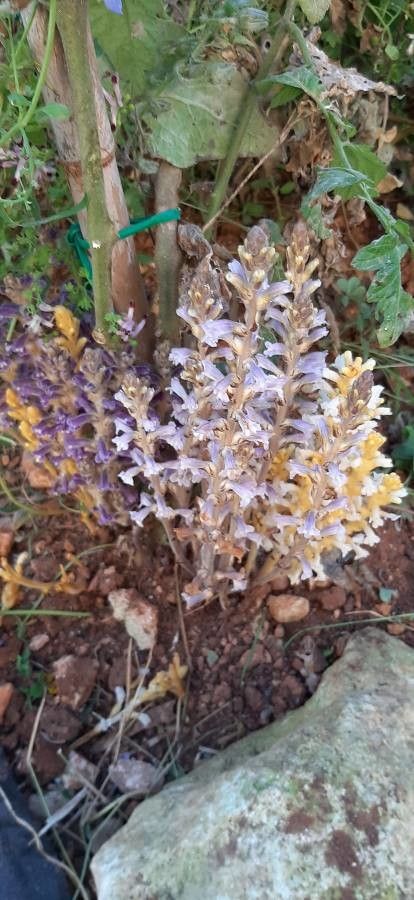
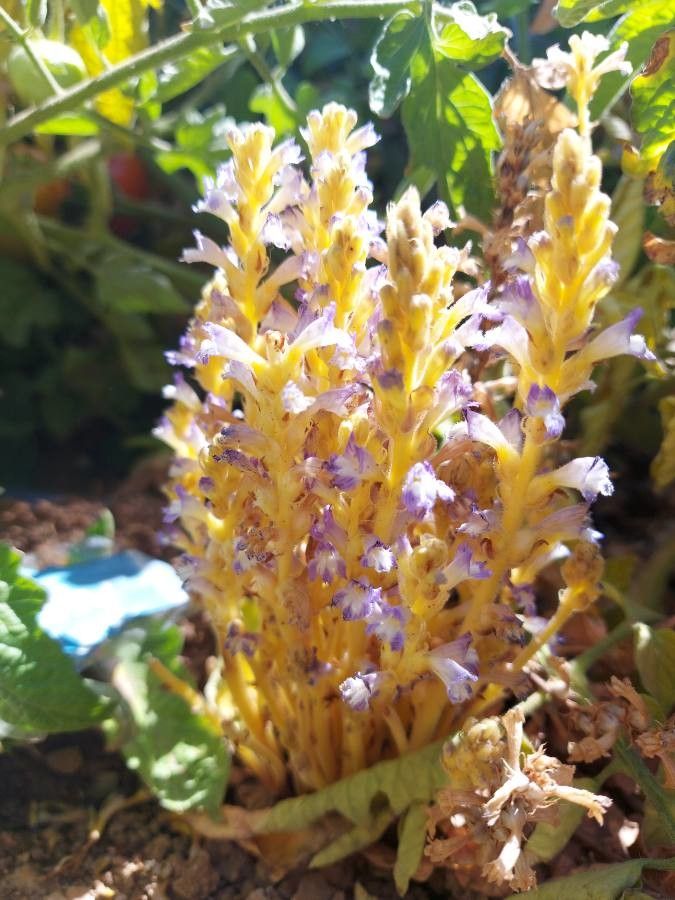
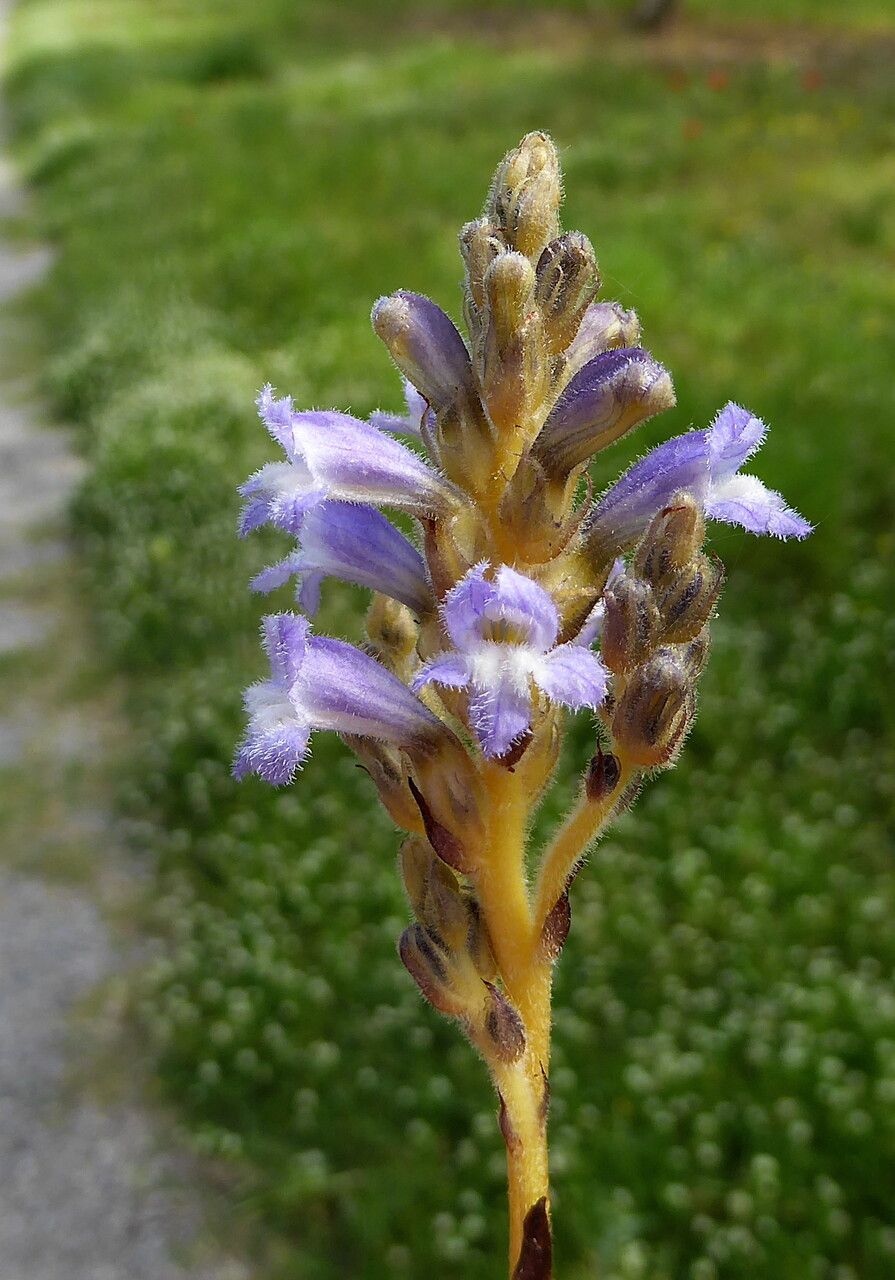
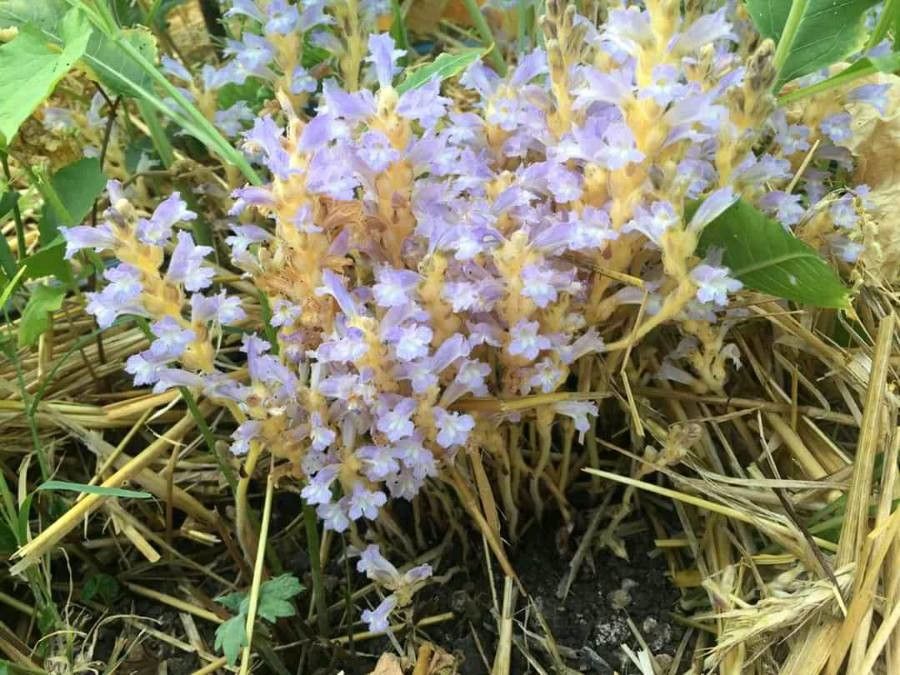
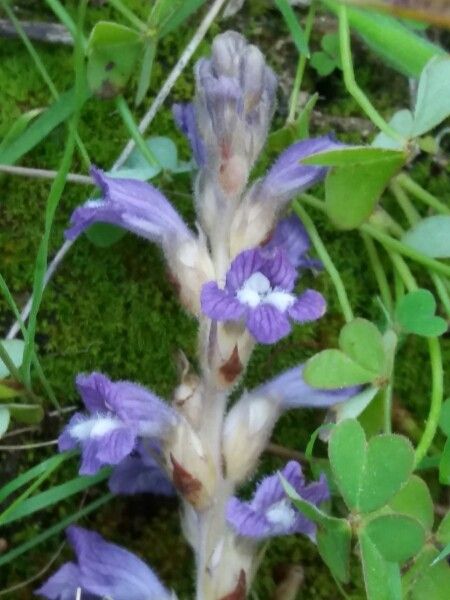
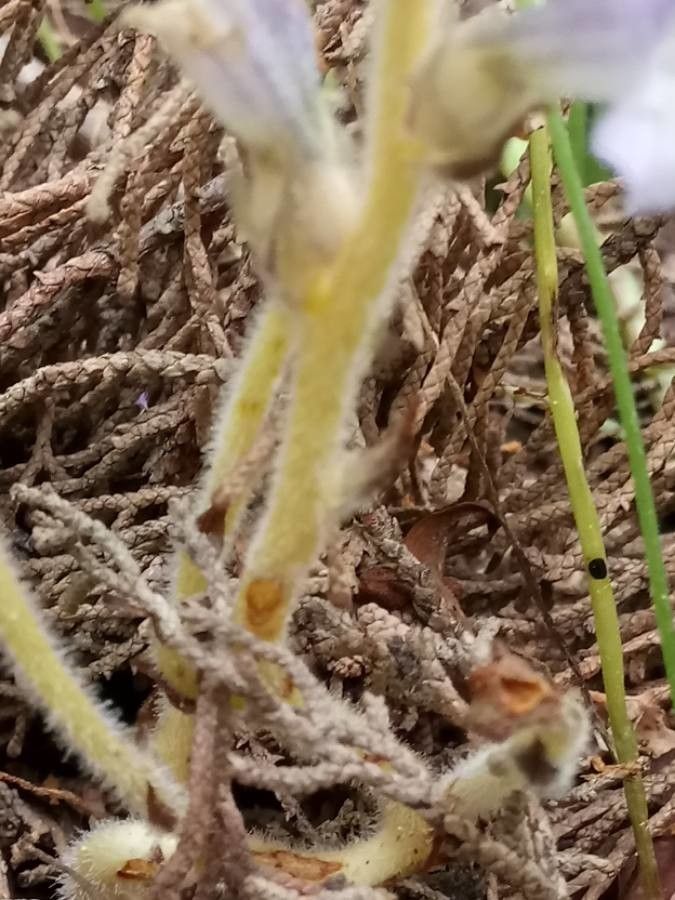
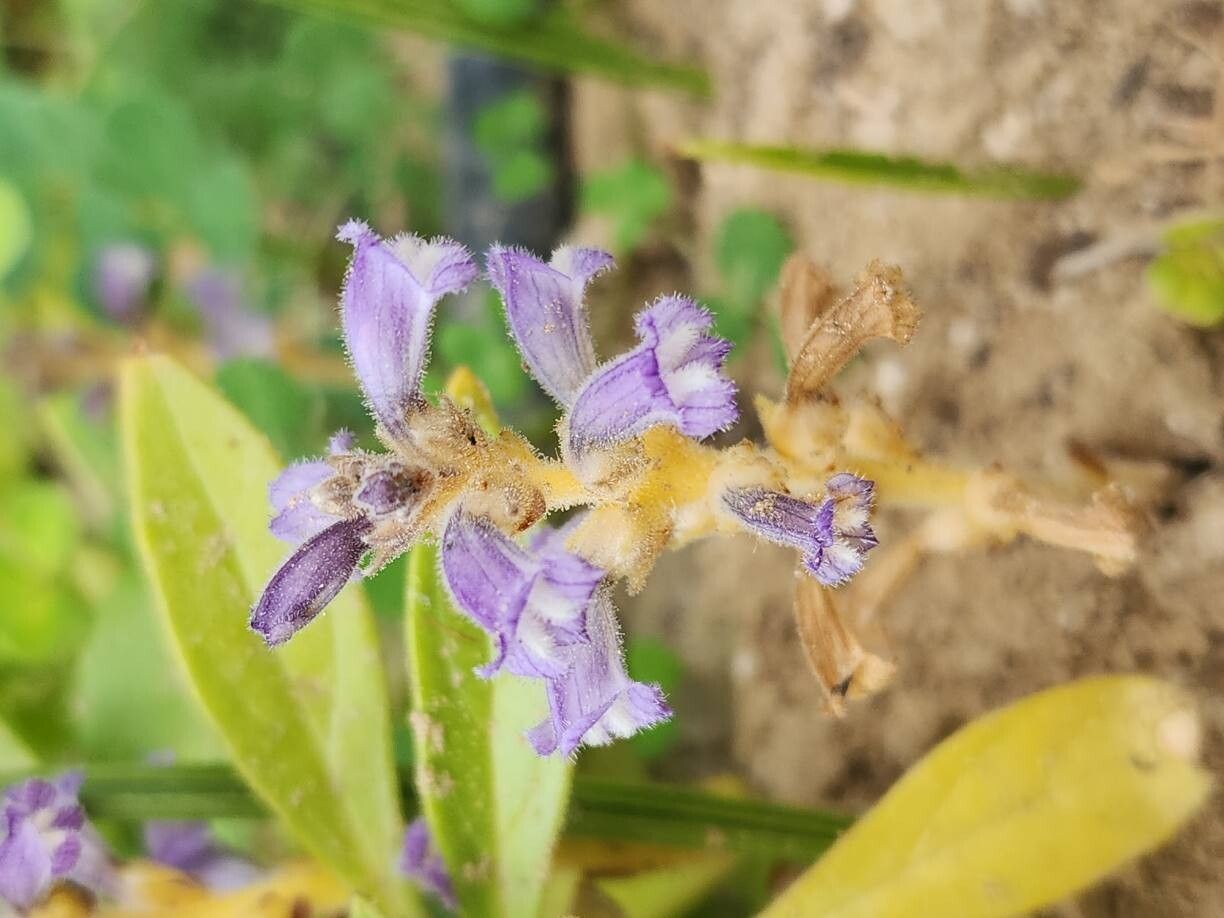
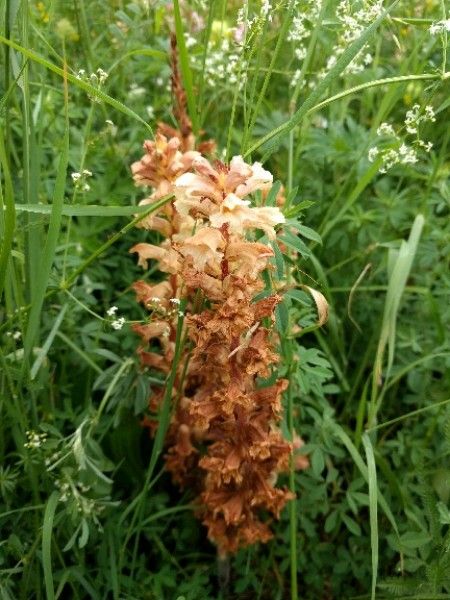
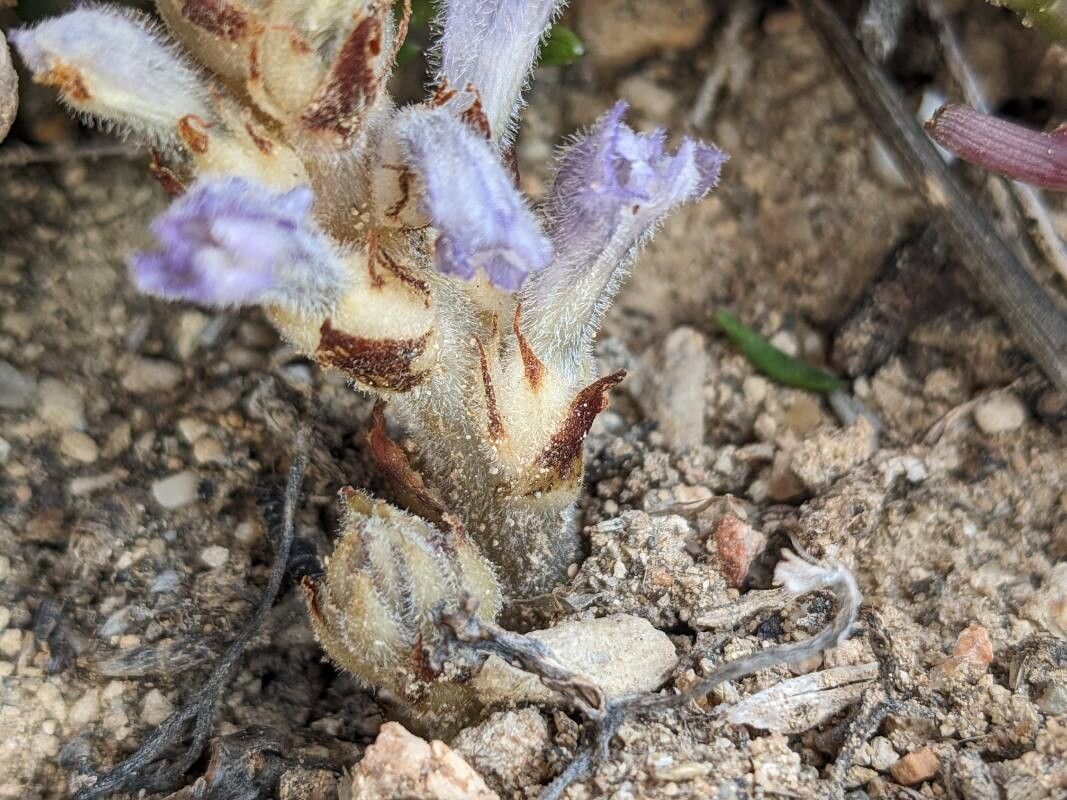
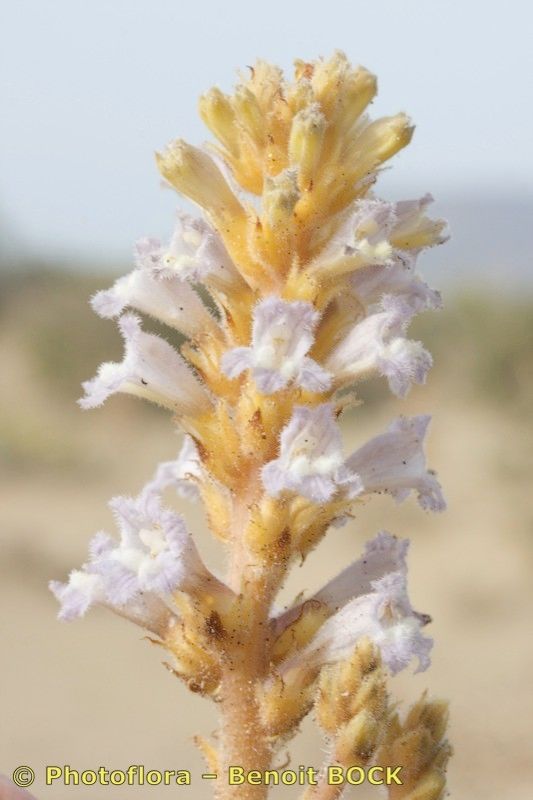
Orobanche ramosa is a species of broomrape known by the common names hemp broomrape and branched broomrape. It is native to Eurasia and North Africa, but it is known in many other places as an introduced species and sometimes a noxious weed.
Branched broomrape is fairly disease-resistant and generally not prone to illness. That said, it can be affected by pests and diseases present in its surroundings. Such infections are usually mild. In terms of care, the plant requires moderate maintenance. It should be pruned regularly to preserve a good appearance and support healthy growth. Fertilizing can also help encourage flowering. Branched broomrape is suitable for anyone with outdoor space, such as a garden or patio, and does not demand extensive care experience. It may need more attention when grown indoors.
How to keep Phelipanche Ramosa.
Light
Branched broomrape is found in habitats with dappled sunlight, such as forest understories or rocky areas that provide natural shade. It thrives in partial sun but can also tolerate full sun conditions.
Water
Branched broomrape thrives in arid environments and prefers dry conditions. Despite being drought-tolerant, it needs weekly watering to maintain its water balance. This species efficiently uses limited water resources and aligns its growth cycles with seasonal rainfall to optimize water absorption.
Temperature
Branched broomrape is naturally adapted to a moderate to warm climate with temperatures ranging from 68 to 100.4 °F (20 to 38 °C). Being temperature-sensitive, it prefers warmer conditions during the growing season.
Fertilizer
Branched broomrape responds well to light, frequent feedings of fertilizer to encourage healthy leaf development. You should feed Branched broomrape about once a month during the summer. Nitrogen is important for foliage, and adding nitrogen-rich fertilizer helps Branched broomrape thrive.
Pruning
Branched broomrape is a parasitic plant known for its branching structure. To prevent the spread of its seeds, prune infested host plants from early to late spring. Regular monitoring and proper disposal of the pruned material are crucial for managing this plant's spread and minimizing its impact on garden health.
Botanical profile.
- Plant Type
- Herb
- Life Cycle
- Annual
- Genus
- Phelipanche
- Family
- Orobanchaceae
- Hardiness Zone
- 4-12
- Mature Height
- 10 cm to 30 cm
- Mature Spread
- 5 cm to 15 cm
- Leaf Color
- Tan, Brown
- Leaf Type
- Deciduous
- Flower Color
- Purple, Blue
- Flower Size
- 2.54 cm
- Bloom Time
- Summer
- Harvest Time
- Late summer, Early fall, Mid fall
- Native Area
- Libya, Austria, Slovakia, Mauritania, Sudan, Eritrea, Croatia, Slovenia, Morocco, Mali, Germany, Portugal, Italy, Spain, Switzerland, Albania, Ethiopia, Algeria, Hungary, France
Other names.
Reader questions.
How should I water my Branched broomrape?
To water Branched broomrape, there are several tools you can use, such as a garden hose with a spray nozzle or a watering can. This plant is not too fussy about the type of water it receives, so rainwater, tap water, or filtered water are all suitable. However, it's best to avoid watering this plant from above as it can harm the leaves and flowers and potentially cause diseases. Instead, using a drip irrigation system is often the most effective method for watering Branched broomrape. These systems distribute water evenly and directly to the soil. If you have a container-grown Branched broomrape, you can water it in a similar way but using tools like a cup, watering can, or tap to apply water directly to the soil.
What is the ideal climate for Branched broomrape?
Branched broomrape, or Phelipanche ramosa, thrives in a moderate to warm climate, with ideal temperatures ranging from 68 to 100.4 °F (20 to 38 °C). It benefits from warmer conditions during its growing season. Despite being cold-tolerant, ensuring it has some protection when temperatures are expected to drop below -30°C is advisable. This protection can include covering the plant with soil or straw. To prepare it for winter, watering it abundantly before the first freeze is recommended so the soil remains moist and freezes, which helps prevent drought and water scarcity in colder months.
What should I do if I give my Branched broomrape too much or too little water?
If you notice that your Branched broomrape plant lacks moisture, the remedy is simply to water it more regularly. However, overwatering can be a serious problem if not addressed early. Overwatered plants can become diseased and decline, even leading to death. To prevent this, choose a growing location with plenty of sunlight to dry the soil and good drainage to prevent water from pooling. If your potted Branched broomrape is overwatered, consider transferring it to a new pot with loose soil and efficient drainage. This will help prevent future overwatering issues.
How does Branched broomrape handle low temperatures?
Branched broomrape is quite resilient to low temperatures and performs best when the weather stays above 20°C. Throughout the winter season, maintaining temperatures above 0°C is crucial to its survival. Despite its cold tolerance, if temperatures fall below -30°C, the plant might undergo decreased sprouting or fail to sprout at all come springtime. To counteract any potential damage from harsh winter conditions, removing any parts of the plant that fail to sprout in the spring is recommended as a solution.
How frequently should I give water to my Branched broomrape plant?
To properly care for branched broomrape, it is important to water it regularly throughout the growing season. In the spring, watering once a week should be sufficient. However, as the season progresses and temperatures rise, you may need to increase watering to two or three times a week. It is important not to exceed this rate as it can harm the plant. Additionally, it is crucial to keep the soil moist but not wet, regardless of the watering frequency. When it comes to potted branched broomrape, watering needs may be slightly different. Potted plants tend to dry out faster, so watering frequency should be increased to a few times per week. In comparison, in-ground plants typically only need to be watered once a week.
What should be done if Branched broomrape experiences high temperatures?
In the summer months, Branched broomrape should ideally be kept below 38°C to prevent heat stress. If temperatures reach above 43°C, the plant may show sign of distress such as leaves becoming lighter, curling, prone to sunburn, and in severe cases, it may wilt and dry out completely. To alleviate these symptoms, sunburned and dried parts should be trimmed away. Relocating the plant to a shaded area or utilizing a shade cloth to provide protection from the midday and afternoon sun can help. Additionally, watering the plant during the cooler morning and evening hours will help keep the soil moist and reduce stress on the plant.
How much water does my Branched broomrape require?
When determining how much water to give your Branched broomrape, there are a few methods you can consider. One approach is to feel the soil to check for moisture and water until the top six inches feel moist. Alternatively, you can use a general guideline of about two gallons of water per week, depending on temperature and soil dryness. However, be cautious not to overwater if your plant needs less. When growing in a container, you should moisten all dry soil layers and check with your finger for moisture or observe excess water draining from the pot.
How can I know if I'm giving enough water to my Branched broomrape?
Avoiding overwatering your Branched broomrape can be a bit challenging. On one hand, these plants need the soil to be moistened weekly due to their deep roots. However, they are highly vulnerable to root rot, which can cause browning. In contrast, underwatering is less of a concern for Branched broomrape as they can survive without extra watering for some time. However, if you neglect to water them for too long, they may start to wilt and their leaves may become dry.
How should I give water to my Branched broomrape in different seasons?
As the season progresses, the water needs of your Branched broomrape will increase. In the spring, water once per week. However, as the summer heat sets in, you will need to water your Branched broomrape more frequently, potentially increasing to about three times per week. This is particularly important for Branched broomrape growing in containers, as the soil in containers tends to dry out faster than ground soil in warm weather. In the autumn, when your Branched broomrape is still blooming, it may require slightly less water due to lower temperatures and less intense sunlight compared to the summer.
How do I water my Branched broomrape at different stages of growth?
Branched broomrape goes through different growth stages in a year, each with varying water requirements. When starting from a seed, you should give more water during germination, ensuring consistent soil moisture. Once it grows above the soil, it will need slightly less water. When mature, regular watering once per week is sufficient. During flower development, a bit more water may be needed.
What's the difference between watering Branched broomrape inside and outside?
Most Branched broomrape prefer to grow outdoors for a few reasons. Firstly, these plants tend to grow quite tall, which may be challenging to accommodate indoors. Secondly, Branched broomrape requires a significant amount of daily sunlight, more than most indoor locations can provide. However, if you are able to provide an appropriate indoor growing environment, you may need to water your Branched broomrape more frequently compared to an outdoor setting. This is because indoor locations tend to be drier, partly due to HVAC units, and container soil can dry out more rapidly compared to soil in the ground.