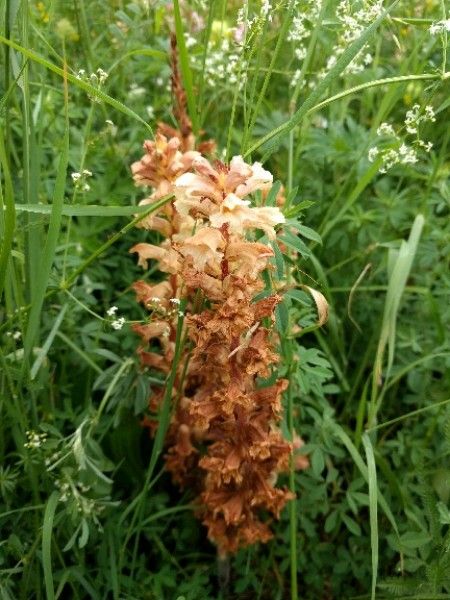
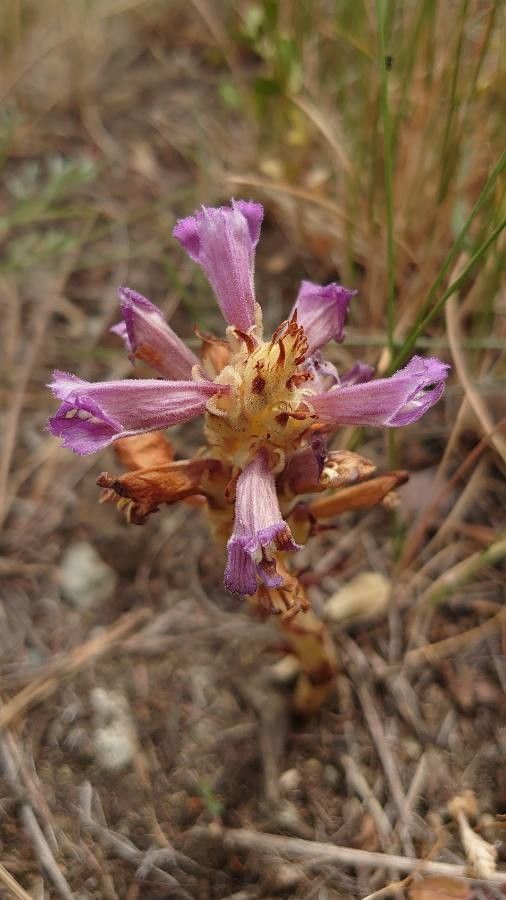
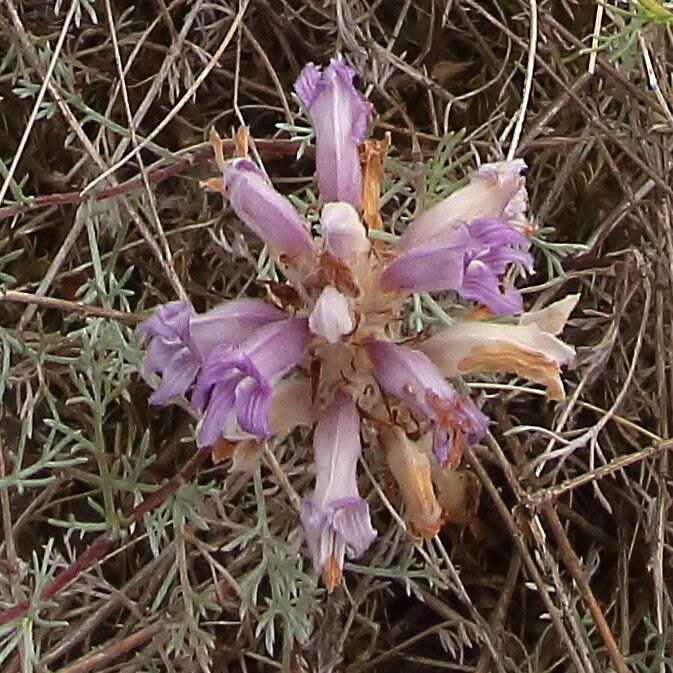
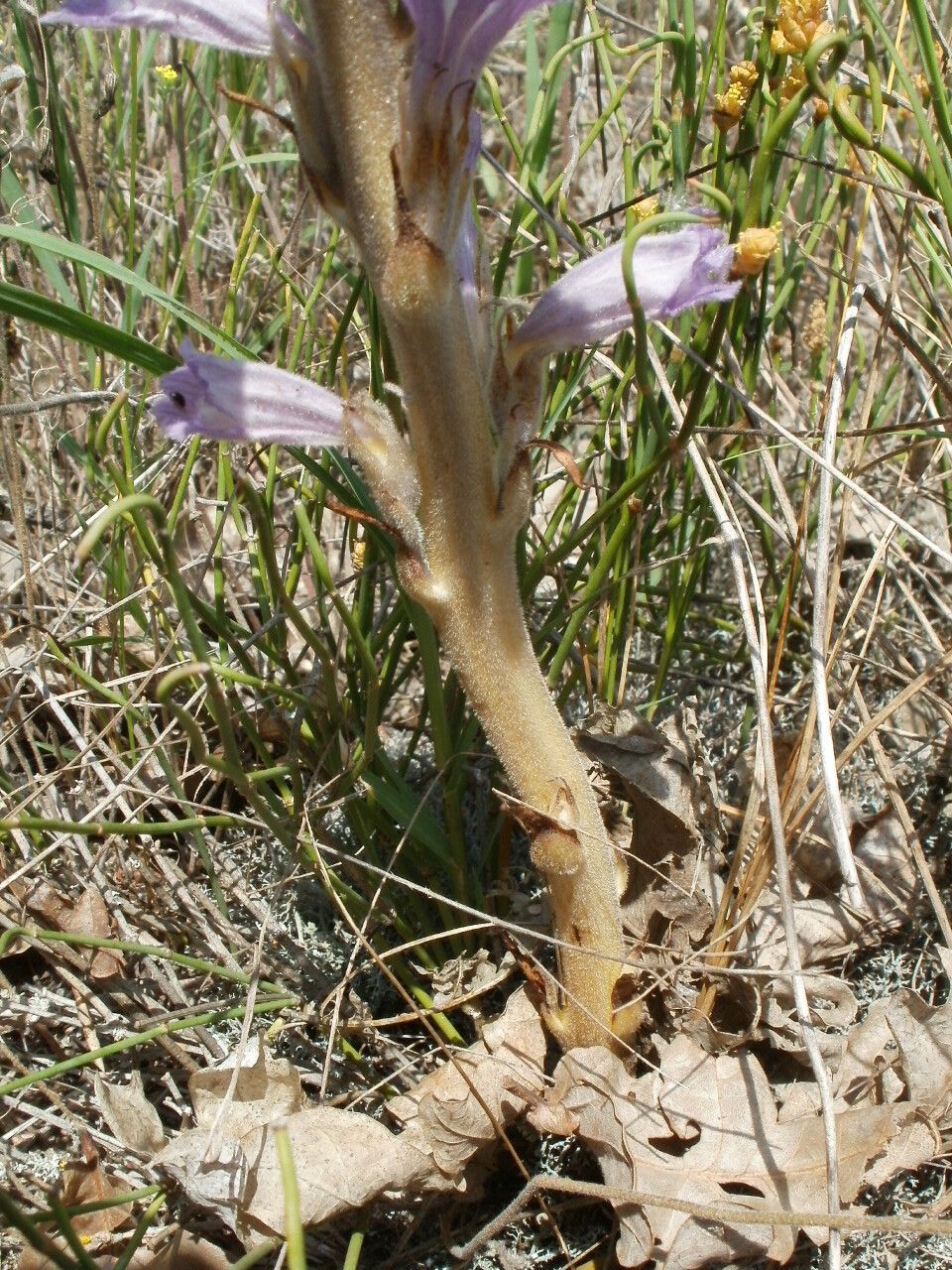
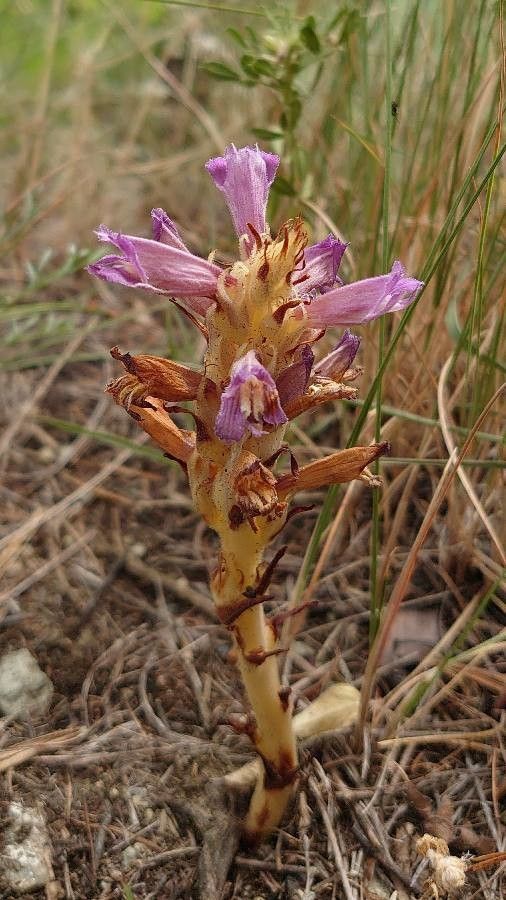
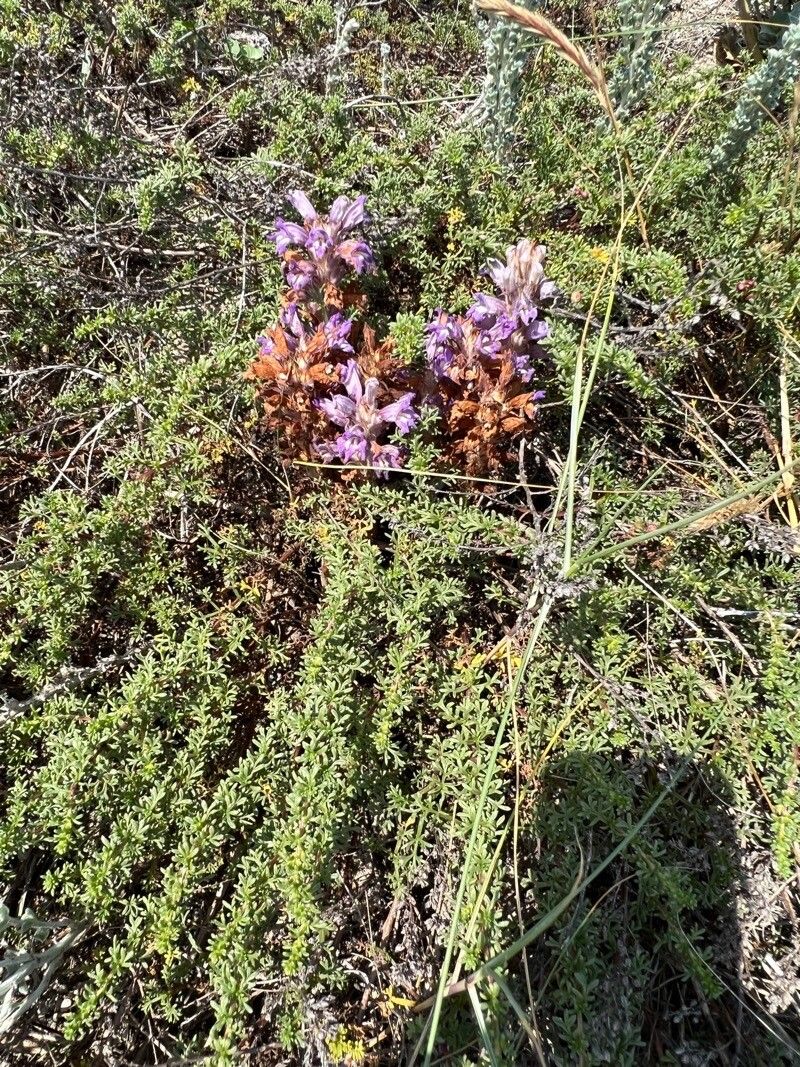
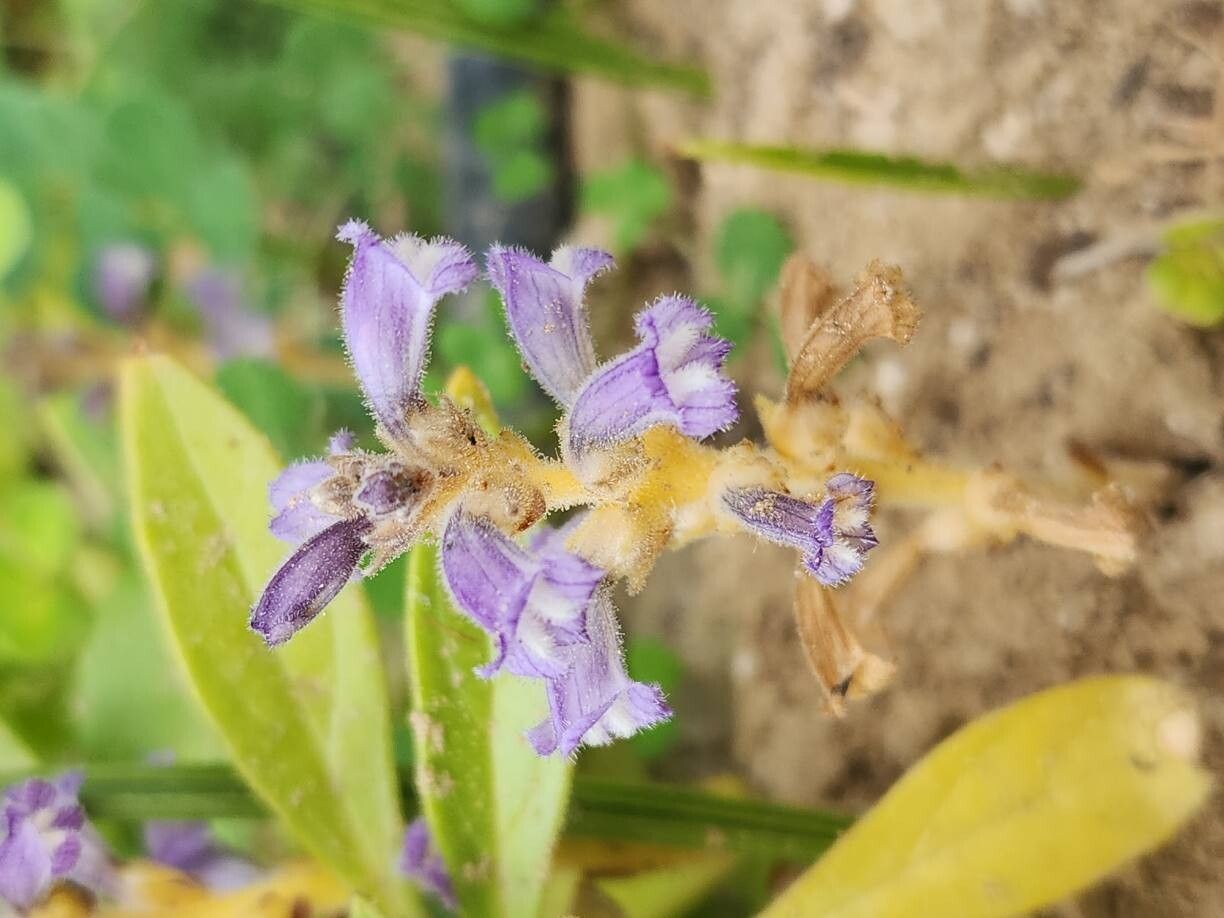
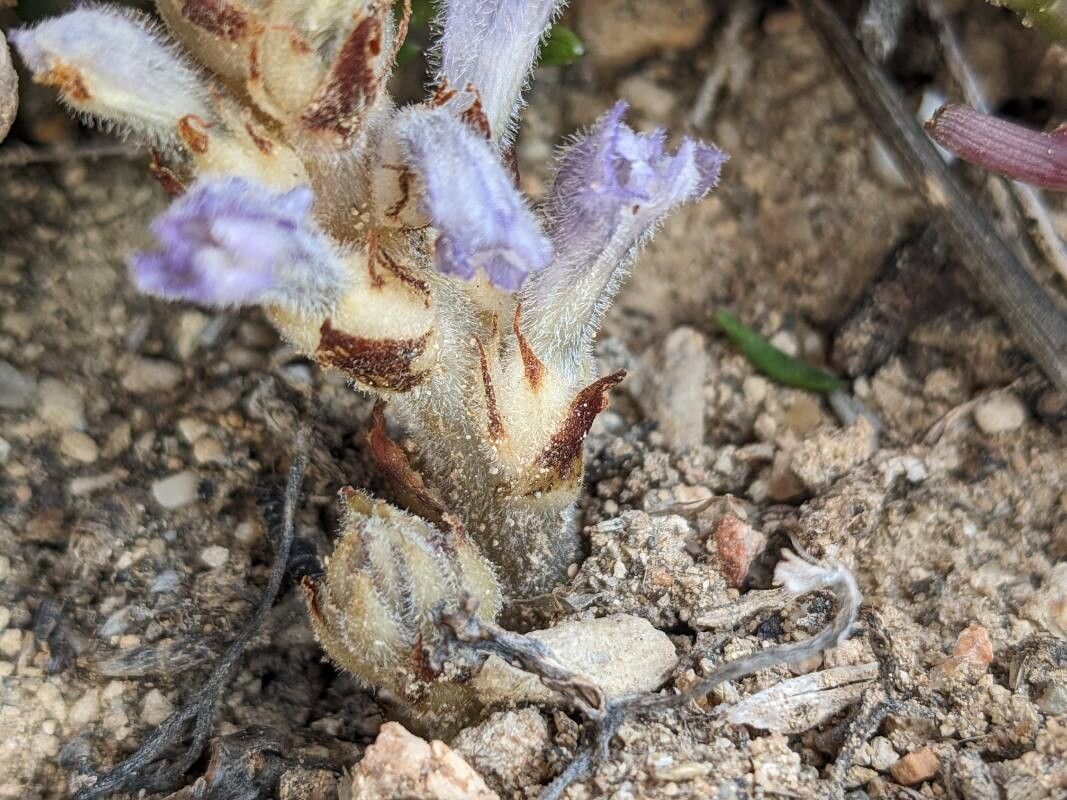
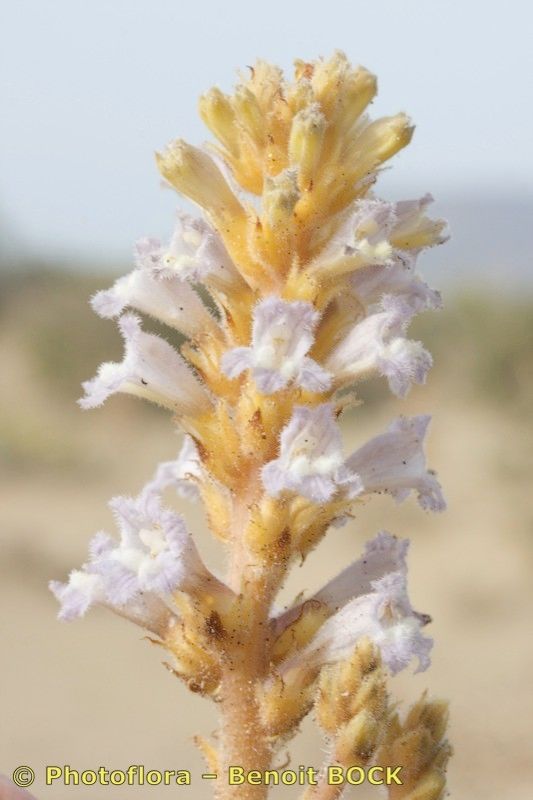
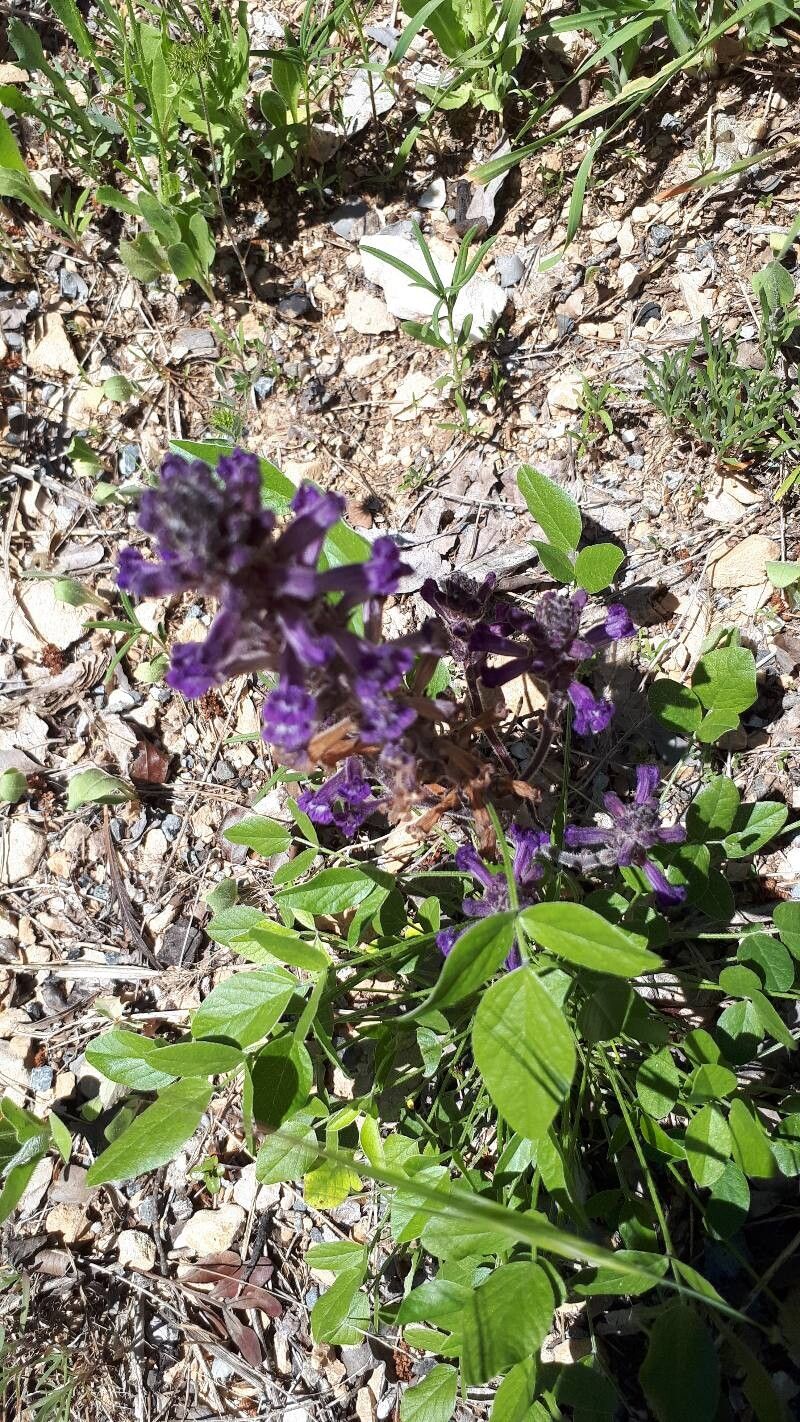
Wormwood broomrape is fairly resistant to disease and generally not prone to illnesses. Still, it can be affected by pests and diseases present in its environment, though such problems are typically mild. Regarding care, this plant needs moderate maintenance. Regular pruning is necessary to preserve a neat appearance and encourage healthy growth. Applying fertilizer can also help boost flowering. Wormwood broomrape is appropriate for anyone with outdoor areas like a garden or patio and does not demand much prior plant-care experience. It may require extra attention if grown indoors.
How to keep Phelipanche Arenaria.
Light
Wormwood broomrape is a perennial herbaceous plant that favors sunny sites and comes from open habitats, commonly found in meadows and grasslands. It prefers full sun but can also tolerate partial sunlight.
Water
Wormwood broomrape, native to arid regions, is highly drought-tolerant and can flourish with minimal water, typically needing just weekly watering. Its resilience and efficient water management make it an excellent choice for outdoor gardening and xeriscaping.
Temperature
Wormwood broomrape can adjust to a broad spectrum of temperature conditions, but its range may still be restricted by various combinations of moisture and heat. It performs best in warm summer climates with sufficient rainfall or irrigation. Extended stretches of cloudy, rainy weather, along with prolonged high temperatures, can raise the chances of Wormwood broomrape dying. During winter, adequate protection from the cold can boost the plant's survival rate.
Fertilizer
Generally, one fertilizer application in spring is enough for Wormwood broomrape, though repeated feedings can help maximize growth. Apply fertilizer every four to six weeks. Fertilization improves the leaves' appearance and function, helping maintain even color and a healthy texture. It also encourages root development and nutrient uptake, supporting long-term plant health.
Pruning
Wormwood broomrape is a parasitic plant that requires minimal pruning. To manage its growth, focus on removing infected host plants and cutting back dead stems from early to late spring. This careful pruning helps control the spread of the parasite and promotes overall garden health. Always use clean, sharp tools for pruning to prevent the transmission of diseases.
Botanical profile.
- Plant Type
- Herb
- Life Cycle
- Perennial
- Genus
- Phelipanche
- Family
- Orobanchaceae
- Hardiness Zone
- 6-9
- Mature Height
- 10 cm to 30 cm
- Mature Spread
- 5 cm to 15 cm
- Leaf Color
- Tan, Brown
- Leaf Type
- Semi-evergreen
- Flower Color
- Lavender
- Flower Size
- 1.52 cm to 2.54 cm
- Bloom Time
- Late spring, Early summer, Mid summer
- Planting Time
- Spring, Summer
- Harvest Time
- Mid summer, Late summer
- Native Area
- Turkey, Austria, Czech Republic, Slovakia, Bulgaria, Poland, Croatia, Morocco, Ukraine, Serbia, Russia, Hungary, Germany, Italy, Kazakhstan, Spain, Switzerland, France, Iran, Algeria, Romania, Portugal
Other names.
Reader questions.
What are the sunlight requirements for Wormwood broomrape (Phelipanche arenaria)?
Wormwood broomrape (Phelipanche arenaria) requires specific sunlight conditions depending on the desired growth outcome. For full sun exposure, it needs above 6 hours of sunlight a day, which is critical for optimal growth and flowering. Alternatively, if you're aiming for partial sun conditions, about 3-6 hours of sunlight per day is adequate. It's important to observe the way sunlight moves through your garden throughout the day to find spots that offer the right balance of light and shade, ensuring your plants thrive. Remember, the placement is key to meeting the sun requirements of Wormwood broomrape, ensuring its health and happiness in your garden.