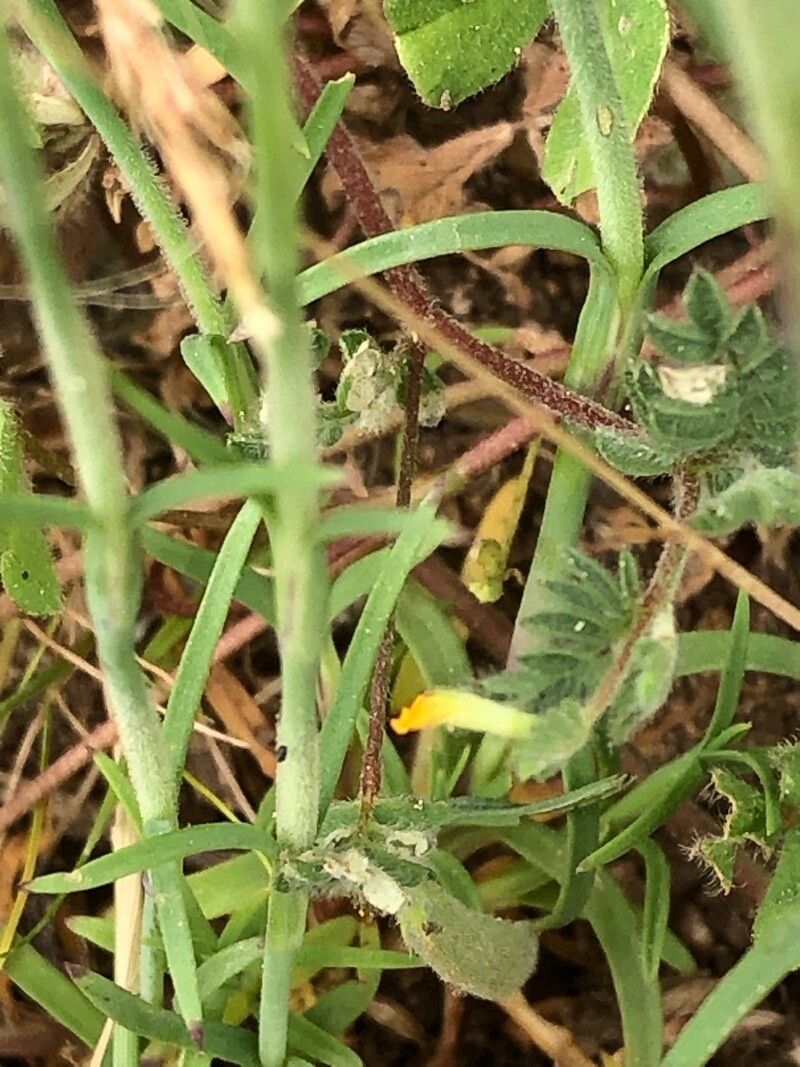
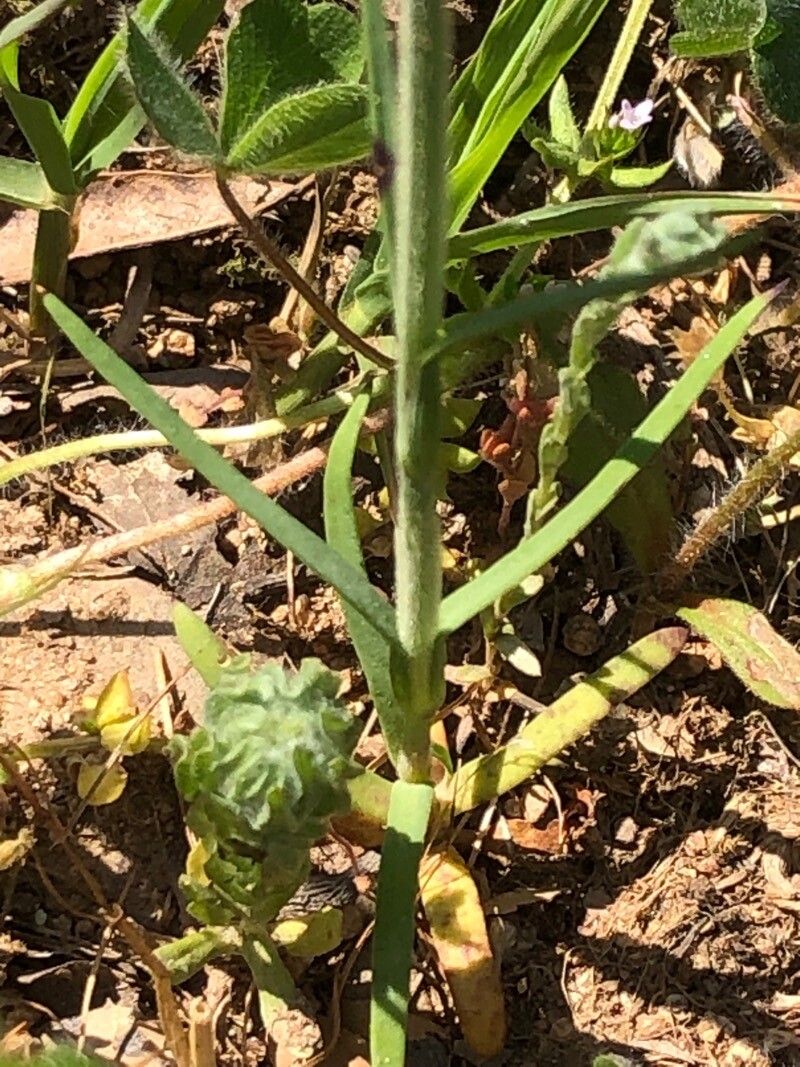
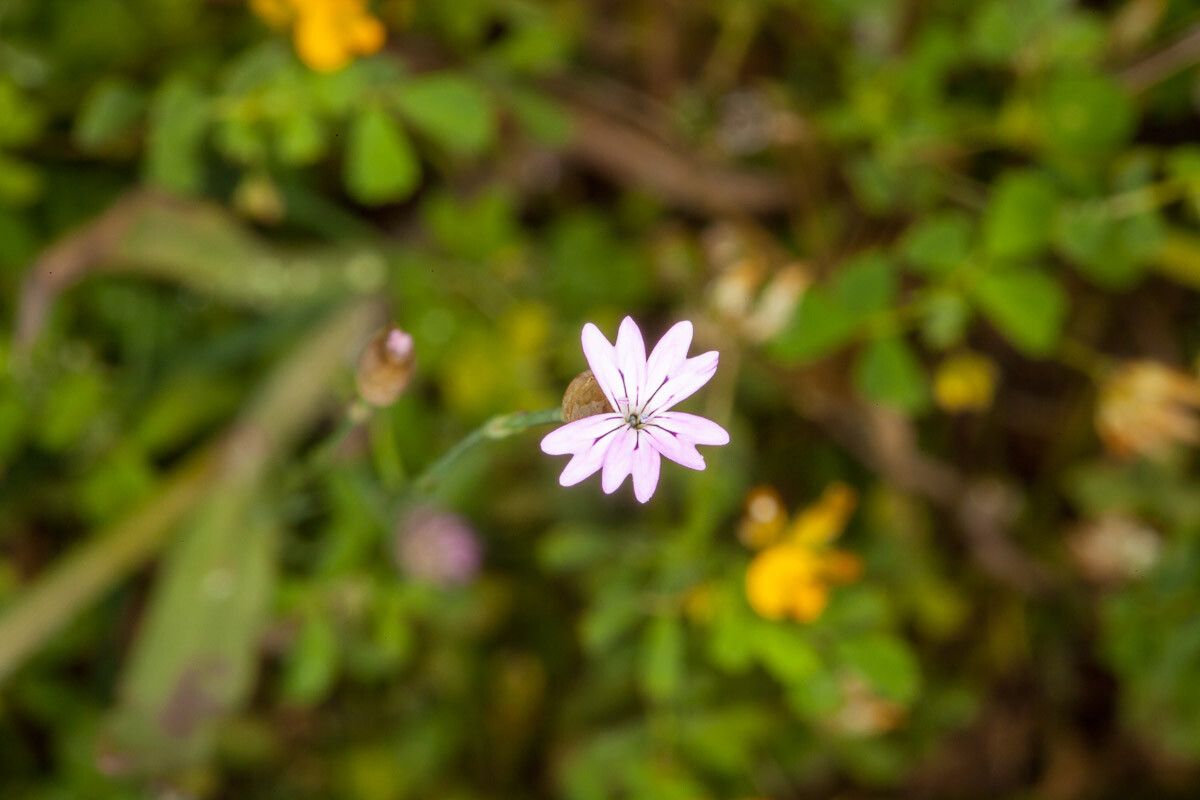
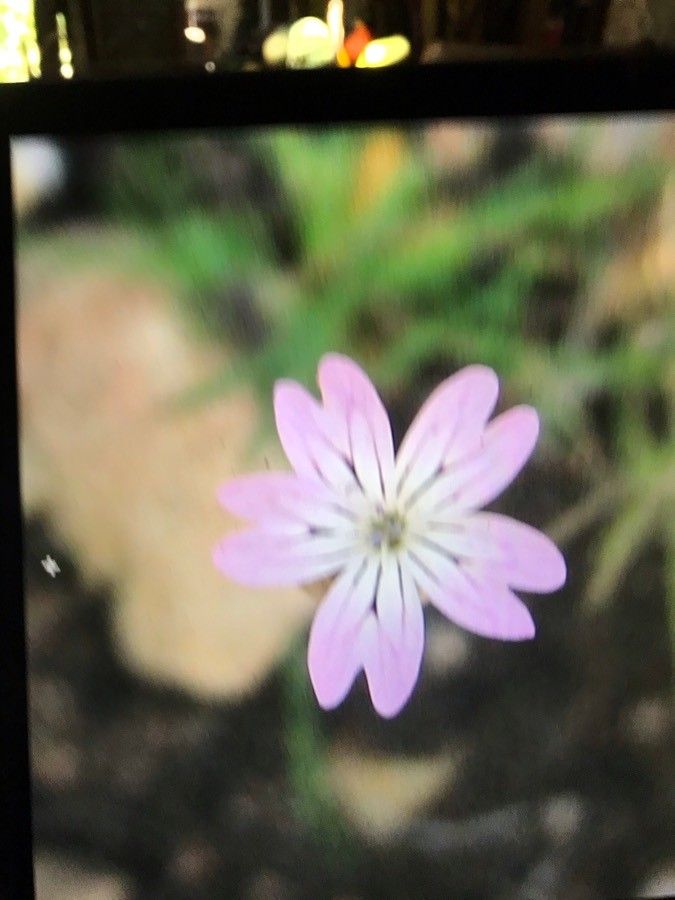
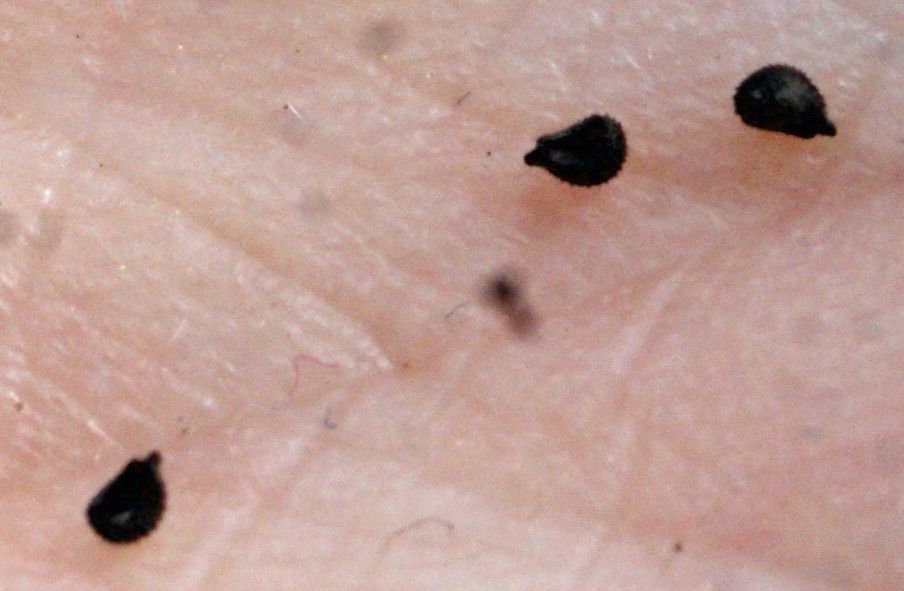
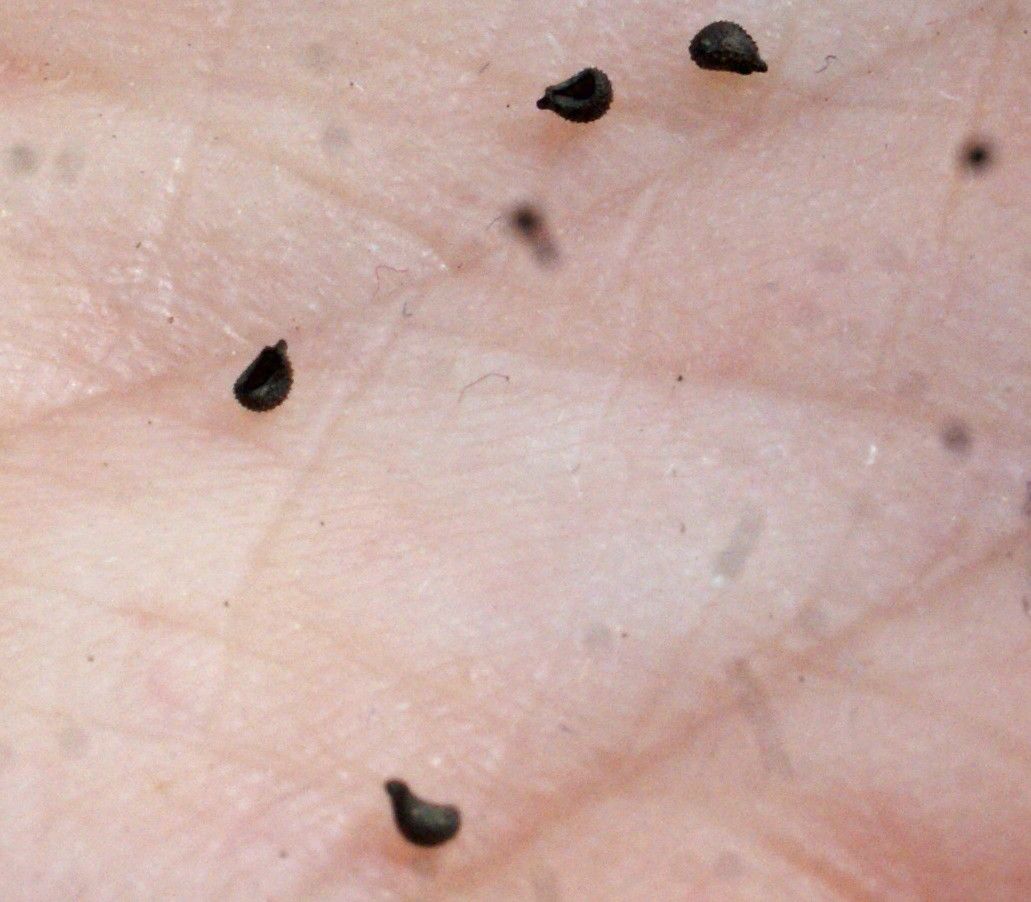
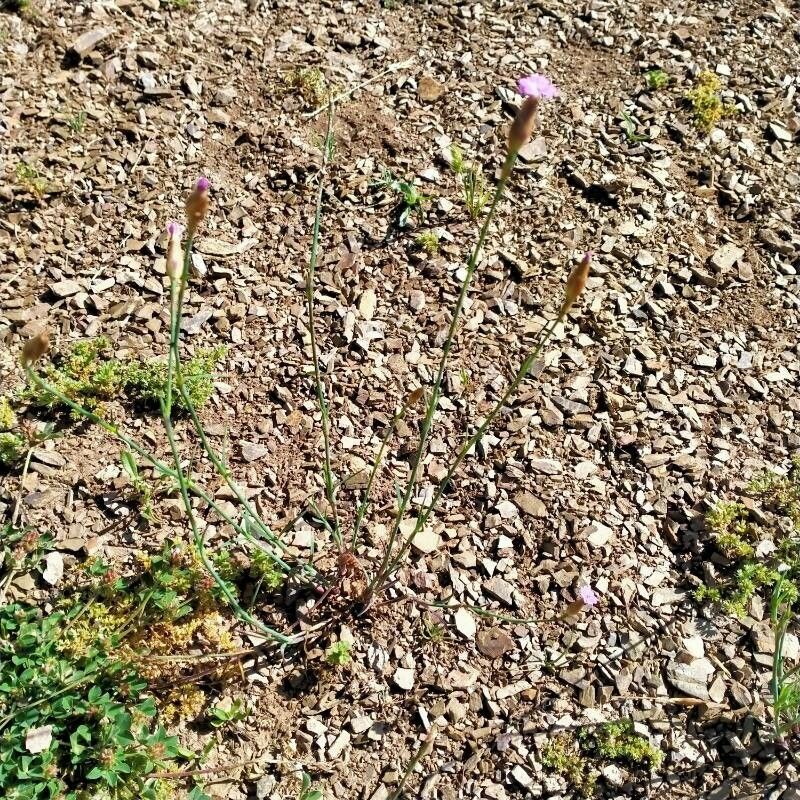
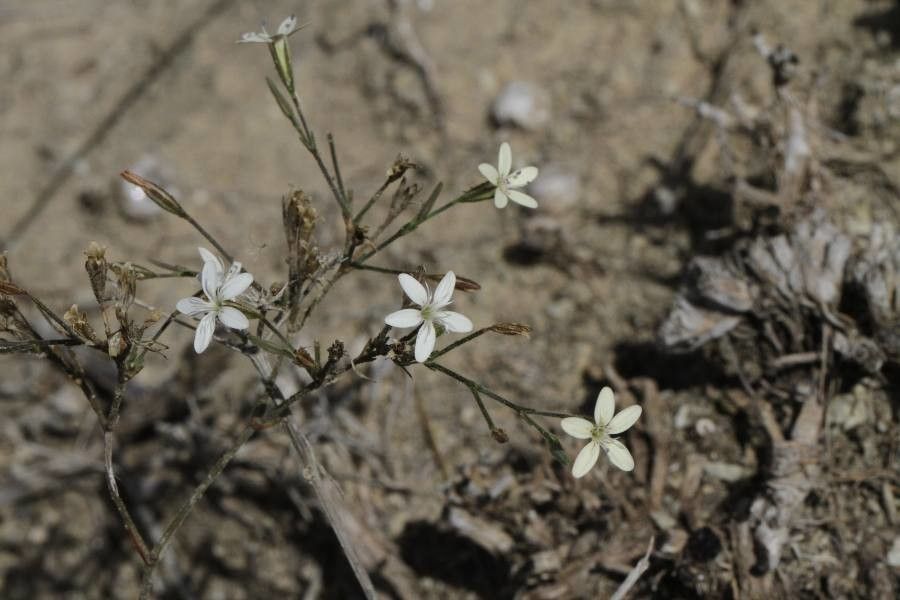
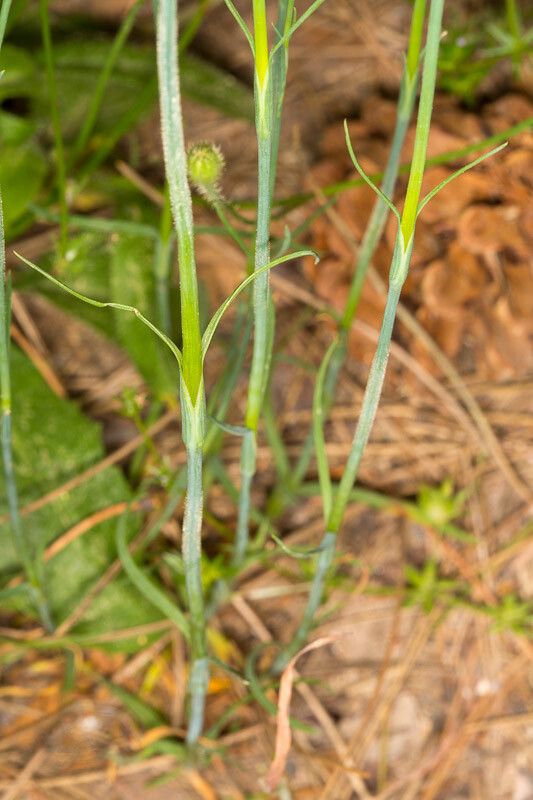
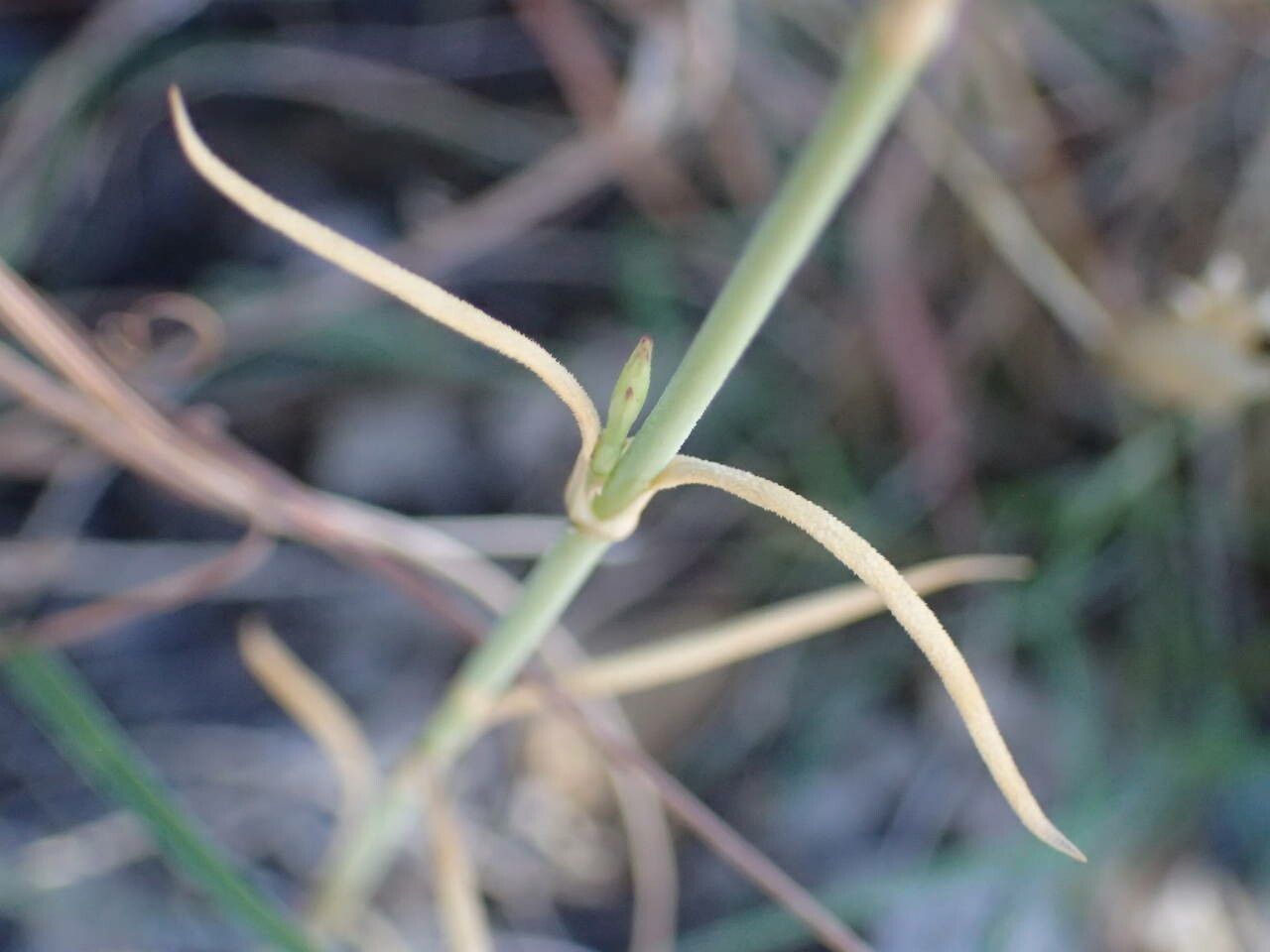
Hairy pink is fairly disease-resistant and typically does not tend to get sick. However, it can be affected by pests and diseases present in its environment. These problems are generally not serious. For care, the plant needs moderate maintenance. Regular pruning is necessary to keep it looking tidy and to support healthy growth. Fertilizing can also help encourage flowering. Hairy pink is well suited for anyone with outdoor space, such as a garden or patio, and does not require extensive care experience. It may need more attention when cultivated indoors.
How to keep Petrorhagia Velutina.
Light
Hairy pink does best with steady, plentiful light, making it a great option for sunny spots. It can tolerate some shade, but full light encourages healthy growth. Too much shade can restrict development, while overexposure may result in leaf scorching.
Temperature
Hairy pink originates from temperate regions and thrives at temperatures of 68 to 95 °F (20 to 35 ℃). For optimal growth, keep temperatures steady throughout the year; increases or decreases may require seasonal adjustments.
Fertilizer
When most of Hairy pink's blooms have fully opened, resume fertilizing. At the bloom peak, apply fertilizer every three to four weeks, as weather allows. Once Hairy pink begins producing fewer new blooms, stop fertilizing; there's no point in feeding the plant when it can no longer produce more blooms.
Botanical profile.
- Plant Type
- Herb
- Life Cycle
- Annual
- Genus
- Petrorhagia
- Family
- Caryophyllaceae
- Hardiness Zone
- 8-10
- Mature Height
- 25 cm to 61 cm
- Mature Spread
- 15 cm to 30 cm
- Leaf Color
- Green
- Leaf Type
- Semi-evergreen
- Flower Color
- Pink
- Flower Size
- 0.51 cm to 1.02 cm
- Bloom Time
- Late spring, Early summer, Mid summer
- Planting Time
- Spring, Summer, Autumn
- Harvest Time
- Mid summer, Late summer, Early fall
- Native Area
- Libya, Turkey, Tunisia, Syria, Portugal, Italy, Spain, France, Bulgaria, Albania, Azerbaijan, Lebanon, Greece, Croatia, Morocco, Algeria, Serbia
Other names.