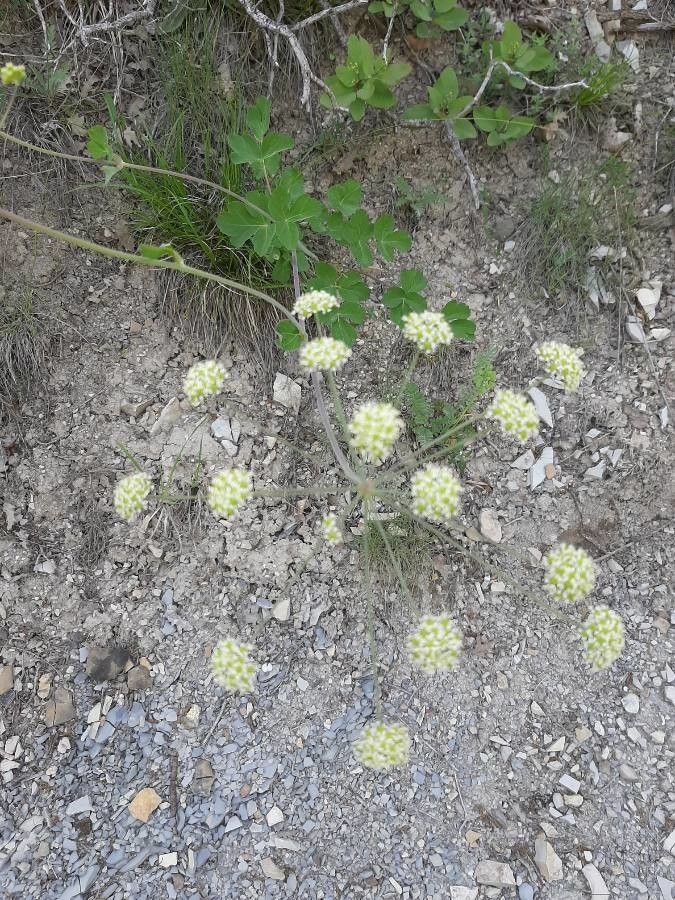
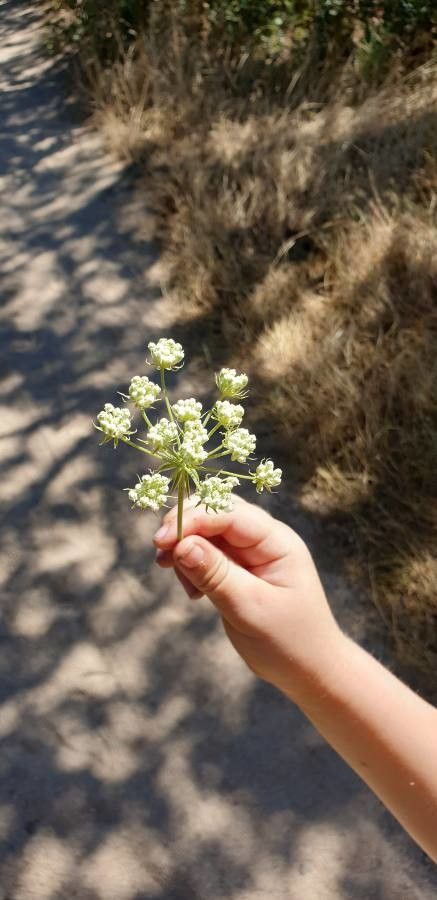
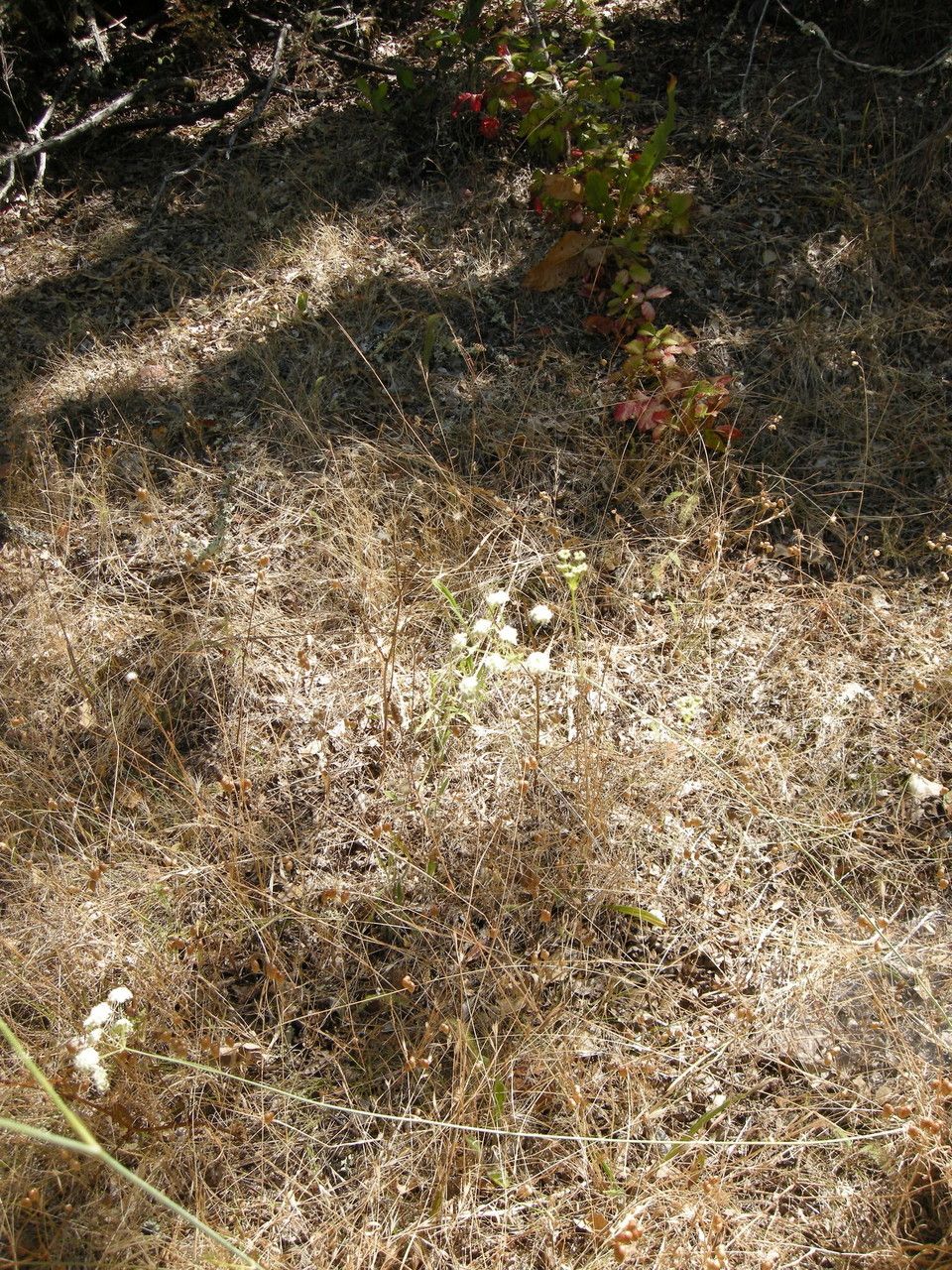
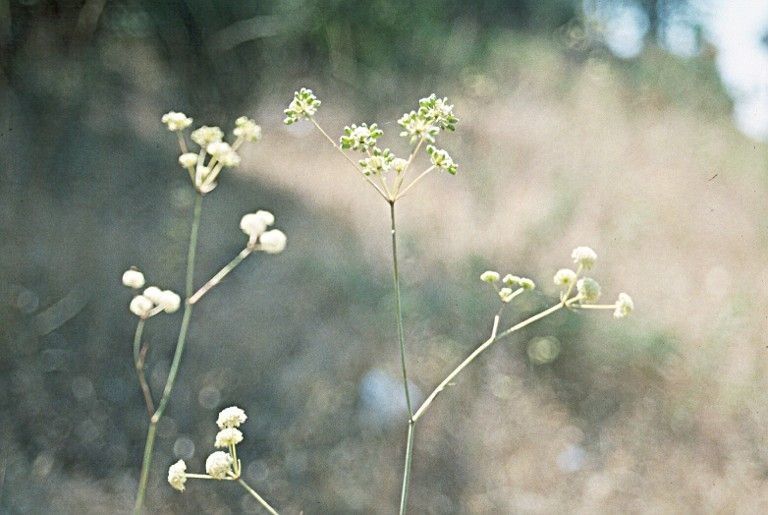
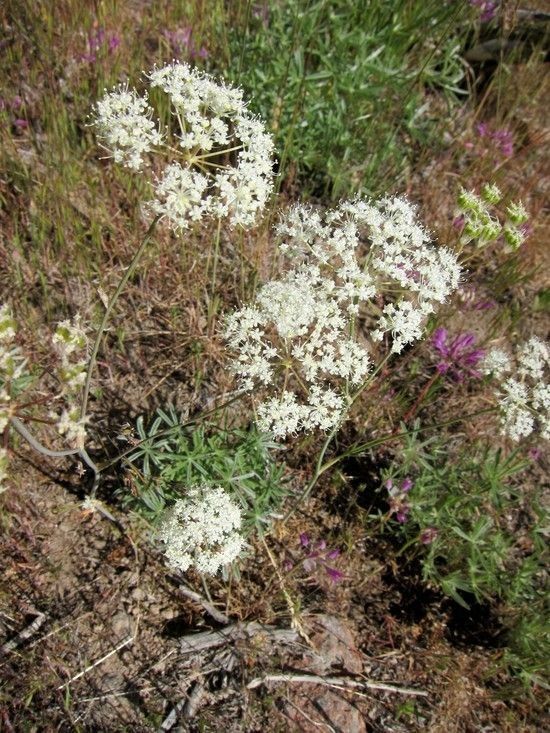
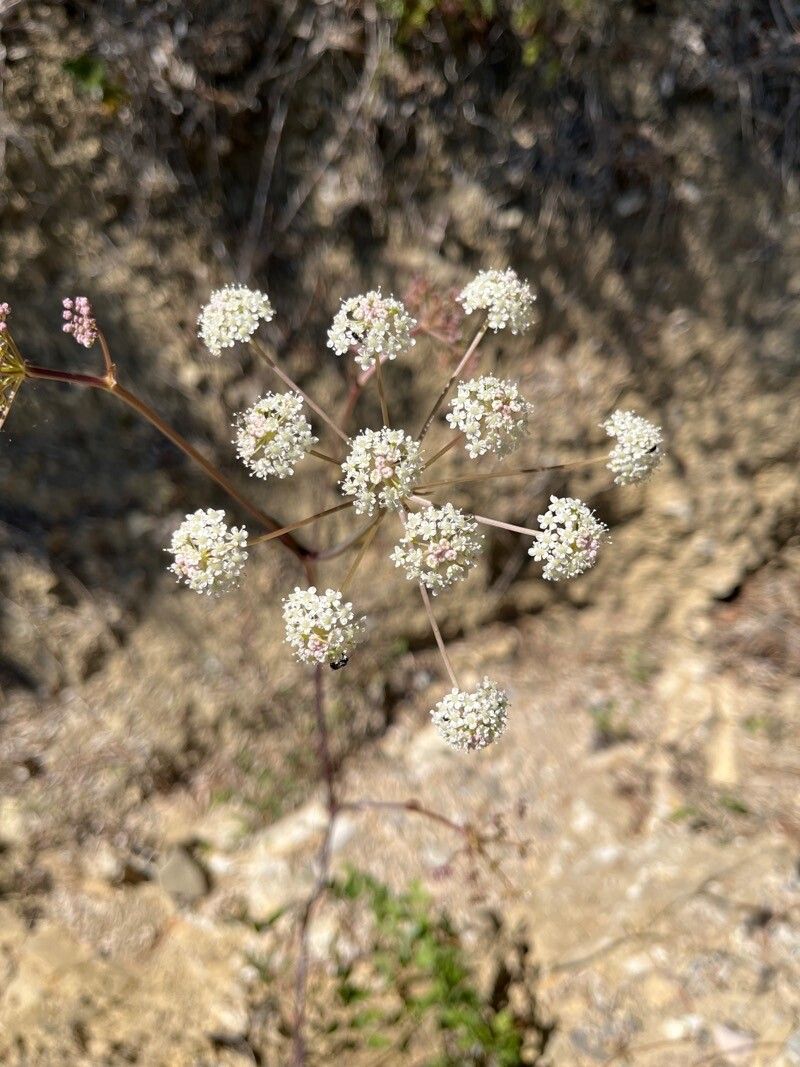
Perideridia kelloggii, commonly known as Kellogg's yampah, is a perennial herbaceous plant belonging to the Apiaceae family. Native to western North America, this plant thrives in a variety of habitats, including meadows, grasslands, and open forests. It can grow up to 1 meter tall and features a slender stem with finely divided leaves arranged alternately.
The flowers of Perideridia kelloggii are small, white, and composed of five petals arranged in an umbrella-like shape. They bloom from June to August, attracting various pollinators such as bees, butterflies, and flies.
Traditionally, Native American tribes have used the starchy tubers of Kellogg's yampah as a food source, noting their resemblance to sweet potatoes or yams. The plant also possesses medicinal properties and has been used to treat digestive and respiratory issues.
Perideridia kelloggii plays a crucial role in its ecosystem. It provides food for wildlife, including deer and elk, and serves as a host plant for various insect species, such as butterflies and moths.
In summary, Perideridia kelloggii is a valuable native perennial herb that offers essential ecological benefits and holds cultural importance due to its traditional uses by Native American tribes.
Kellogg's yampah has good disease resistance and is generally not prone to diseases. However, it can be susceptible to pests and diseases present in its surroundings. These infections are typically not severe. For care, this plant requires a moderate level of maintenance. It should be pruned regularly to maintain an attractive appearance and healthy growth. Fertilizing can also help encourage flowering. Kellogg's yampah is appropriate for anyone with outdoor space, such as a garden or patio, and does not demand extensive plant-care experience. It may need more attention when grown indoors.
How to keep Perideridia Kelloggii.
Light
Kellogg's yampah occurs naturally in habitats like forest understories and rocky locations, where it grows under natural shade. It prefers partial sun but can tolerate both full sun and full shade, showing that it is hardy and adaptable.
Temperature
Kellogg's yampah can tolerate a wide range of temperatures, but its distribution may still be limited by varying combinations of water and heat. It does best in warm summer climates with sufficient rainfall or watering. Extended periods of cloudy, rainy weather or prolonged high temperatures can raise the chance of Kellogg's yampah dying. In winter, adequate protection from cold can increase the plant's survival rate.
Fertilizer
One fertilizer application in spring is generally adequate for Kellogg's yampah, although repeated feedings can enhance growth. Apply fertilizer every one to one-and-a-half months. Fertilization improves the appearance and function of the leaves, encouraging even color and a healthy texture. It also promotes root development and nutrient uptake, supporting long-term plant health.
Pruning
Kellogg's yampah is characterized by its slender stems and small white flowers. To improve air circulation, prune it in early spring by removing dead stems and thinning out overcrowded areas. Using sharp tools can help prevent disease, while regular pruning encourages vigorous blooming and helps maintain the plant's shape.
Botanical profile.
- Plant Type
- Herb
- Life Cycle
- Perennial
- Genus
- Perideridia
- Family
- Apiaceae
- Hardiness Zone
- 7-9
- Mature Height
- 0.3 m to 1.22 m
- Mature Spread
- 20 cm to 40 cm
- Leaf Color
- Green
- Leaf Type
- Deciduous
- Flower Color
- White
- Flower Size
- 0.20 cm to 0.25 cm
- Bloom Time
- Early summer, Mid summer
- Planting Time
- Spring, Summer
- Harvest Time
- Late summer, Early fall
- Native Area
- Mexico
Other names.