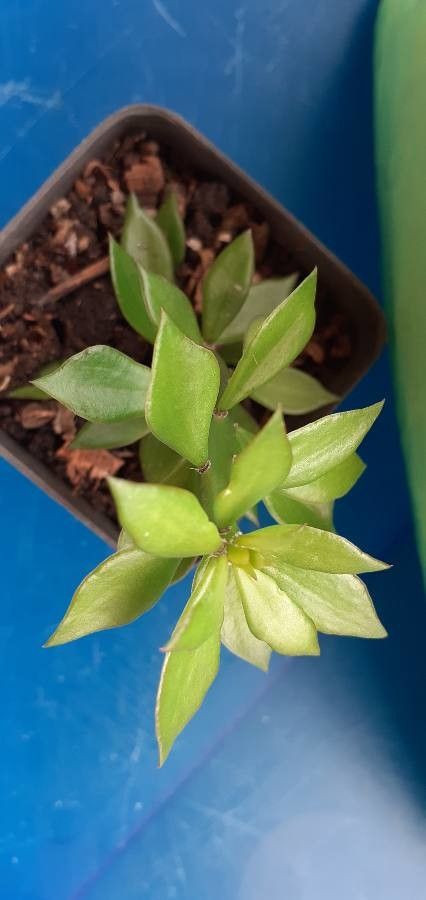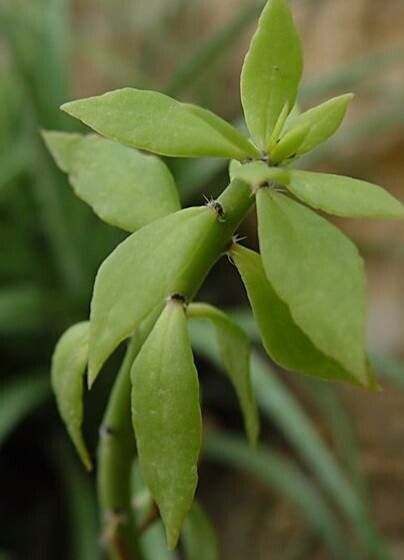
Kellerman shrub cactus has strong resistance to disease and can tolerate standard care routines without becoming ill easily. That said, it can be vulnerable to mealybugs, which may inflict some harm but are usually not a major danger. Regarding care, Kellerman shrub cactus is drought-tolerant and does not require frequent watering. It can go for long stretches without water and needs little fertilizer. However, it is very prone to root rot if kept in poor light and given too much water. In general, Kellerman shrub cactus is a good choice for people who prefer low-maintenance plants, though it’s important to know and meet its basic requirements. It is especially appropriate for those who are away for extended periods and might forget to water regularly.
How to keep Pereskiopsis Kellermanii.
Light
The Kellerman shrub cactus, indigenous to dry areas, flourishes in abundant sunlight, which reflects its origin in environments with intense sun and scarce shade. It can also tolerate semi-shade condition, demonstrating some flexibility in its development.
Temperature
The Kellerman shrub cactus prospers in hot climates and needs elevated temperatures during the growth phase to foster development and metabolic activity. This cactus appreciates sufficient sunlight, suitable levels of moisture, and effective ventilation. However, it is prone to harm from extremely cold temperatures and too much watering. It is crucial to maintain a balance to prevent exceedingly high temperatures and extremely arid conditions.
Fertilizer
For the Kellerman shrub cactus, it is sufficient to apply light amounts of fertilizer 1-2 times a year during its growth season. It's recommended to avoid providing fertilizer in the dormant periods during winter and summer. After repotting, it is ideal to decrease the quantity of fertilizer and pause for a few months before resuming. The act of fertilizing assists in robust growth and promotes the production of blooms.