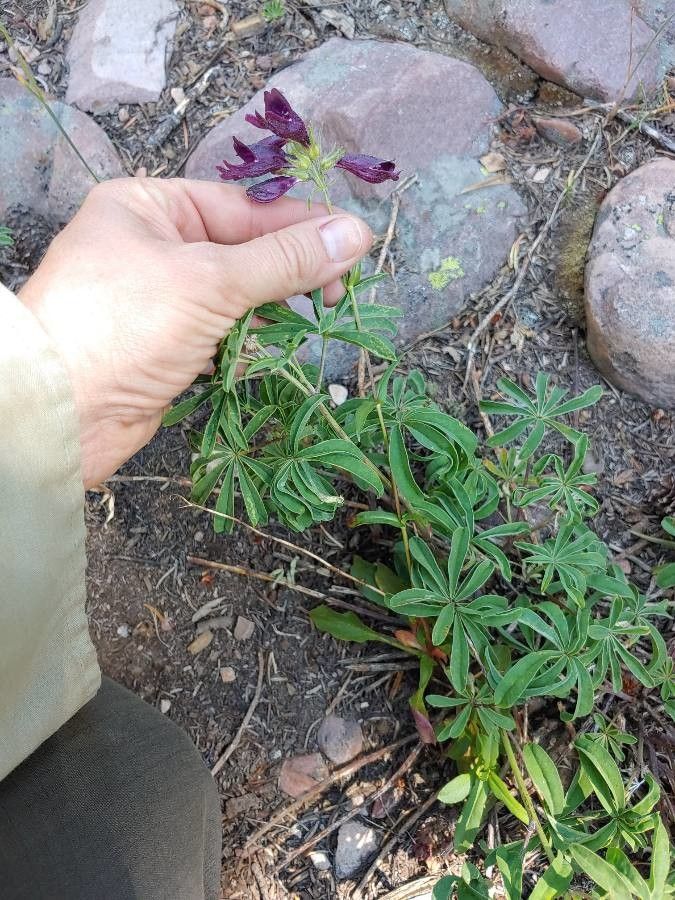
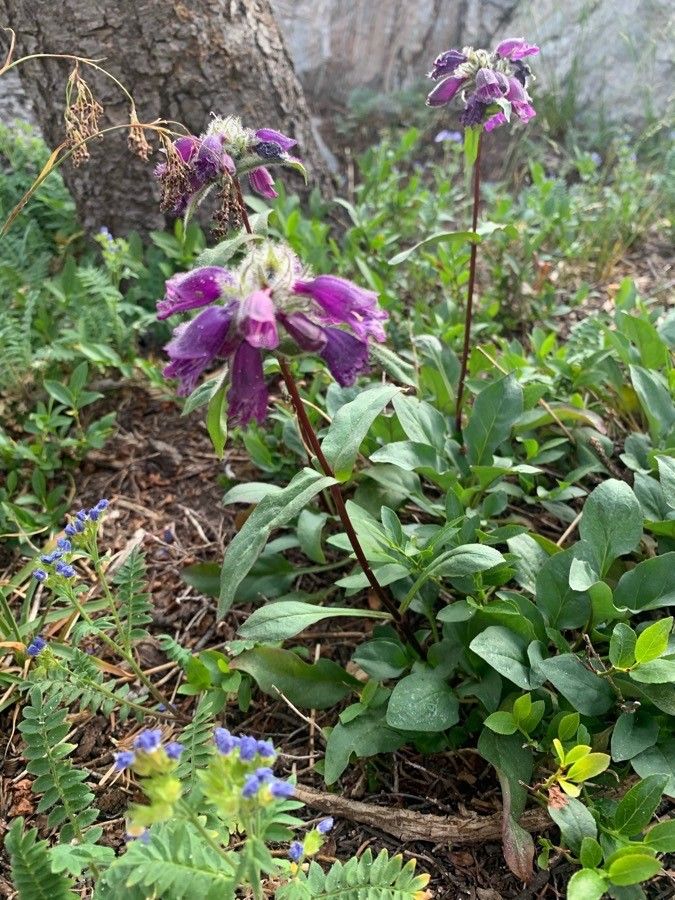
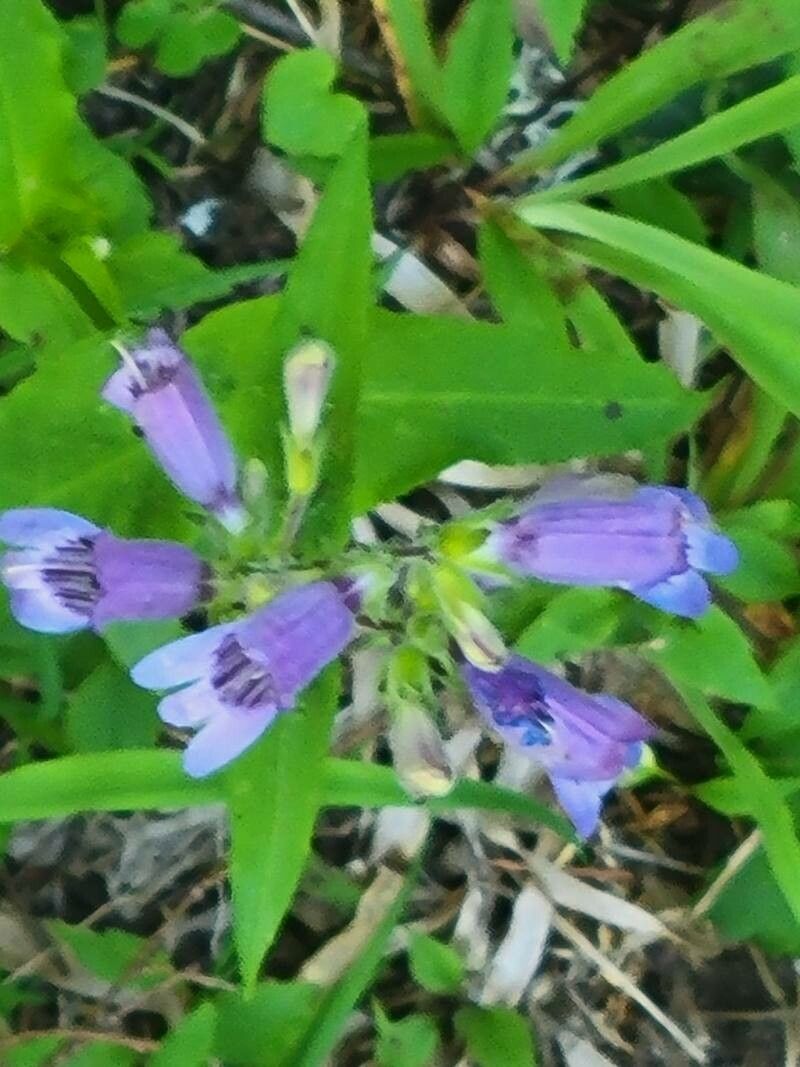
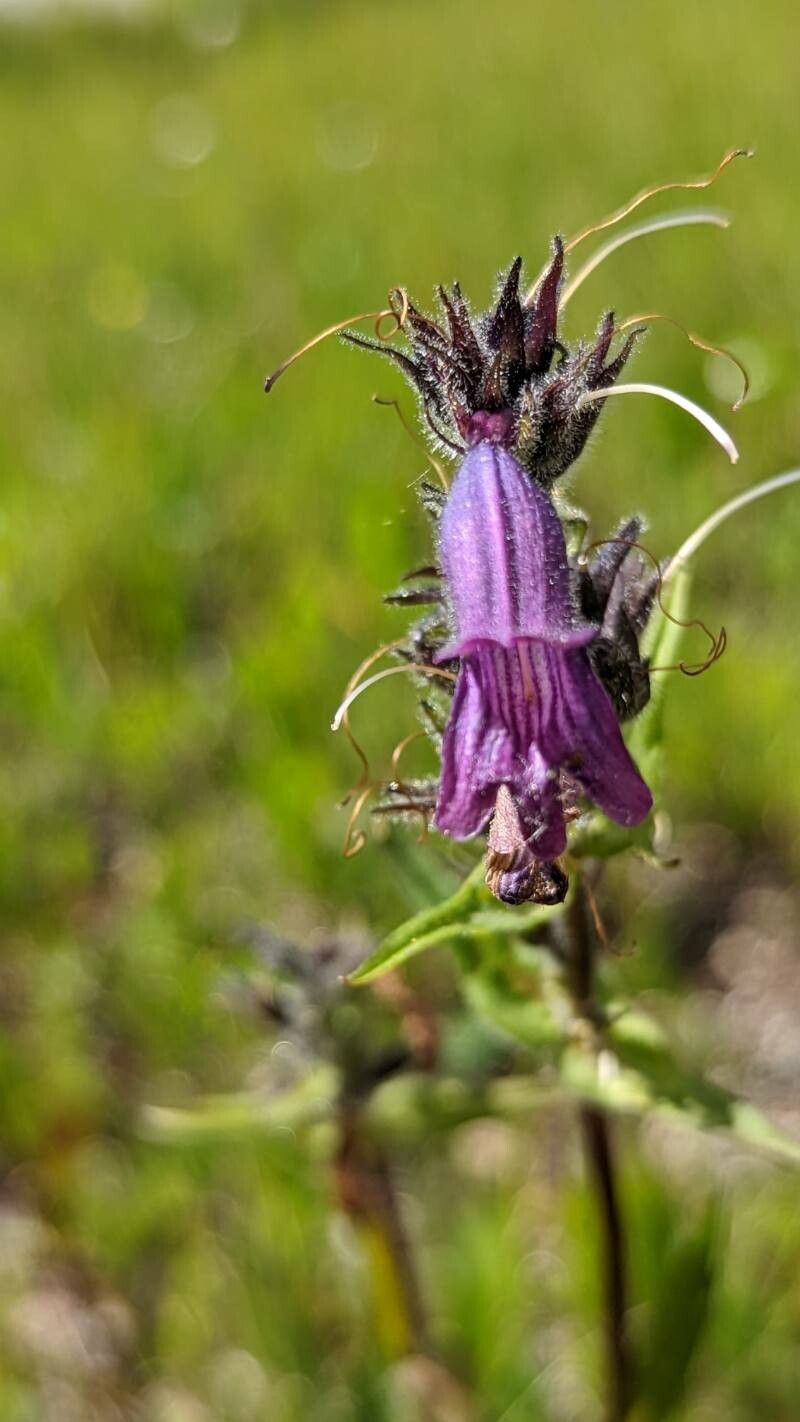
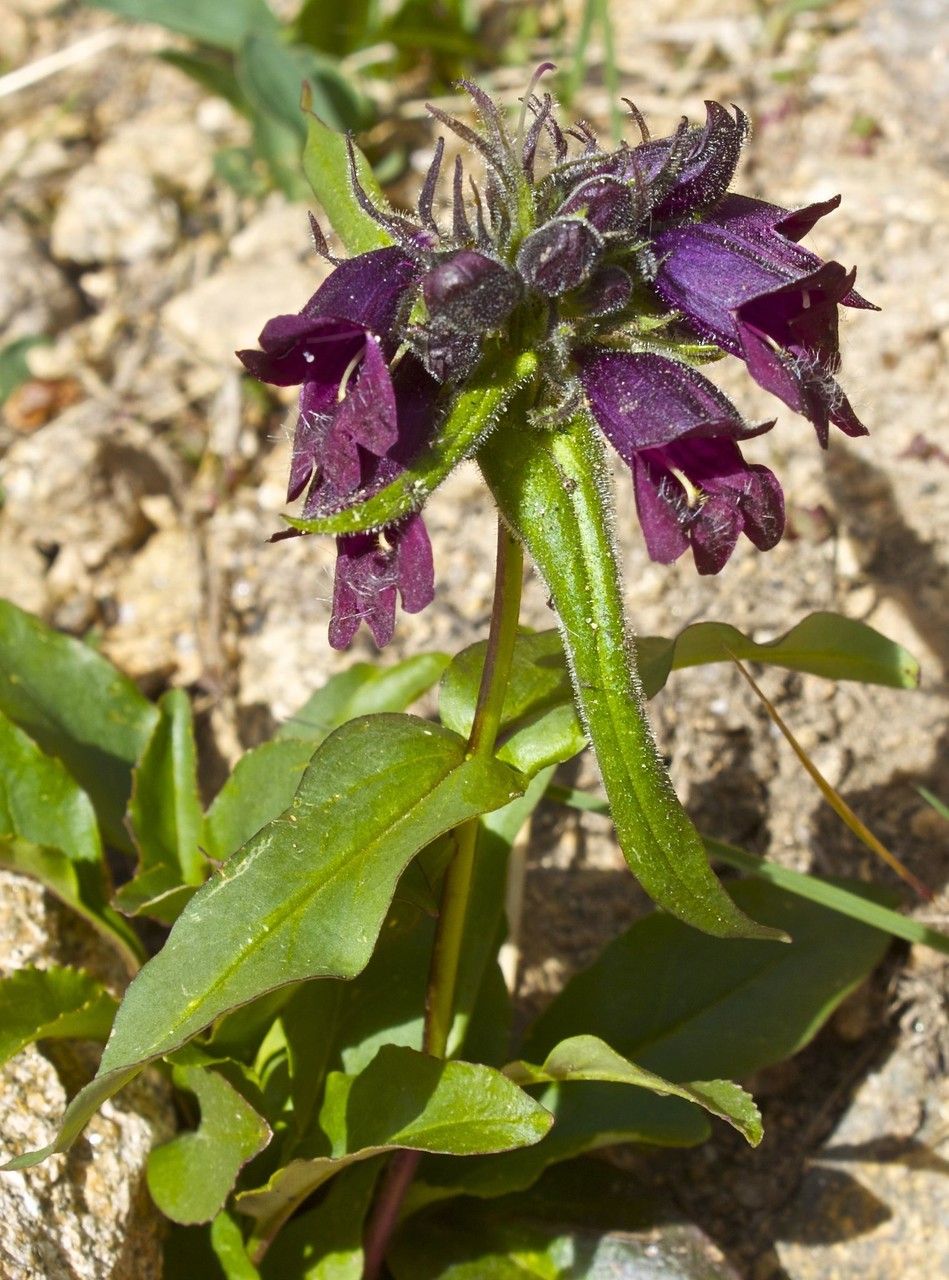
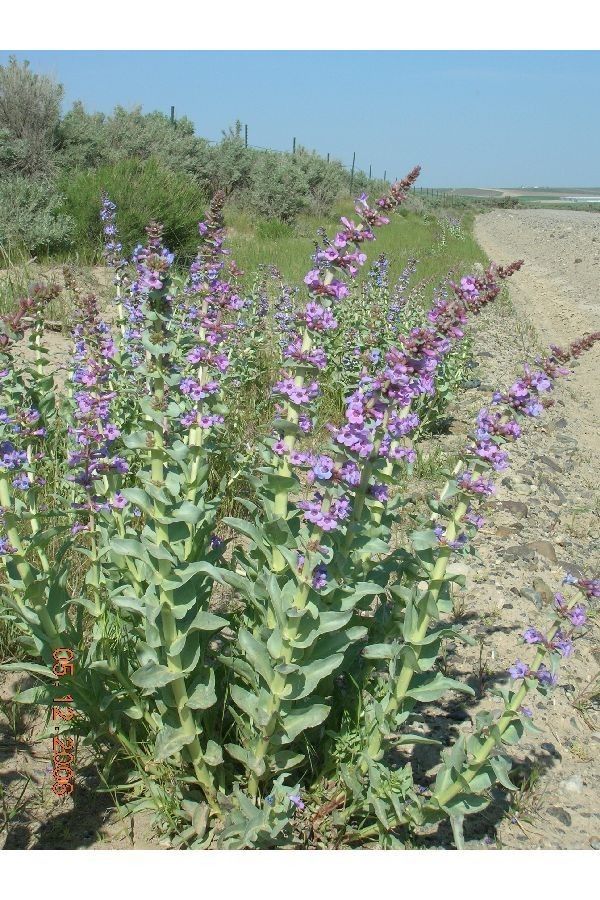
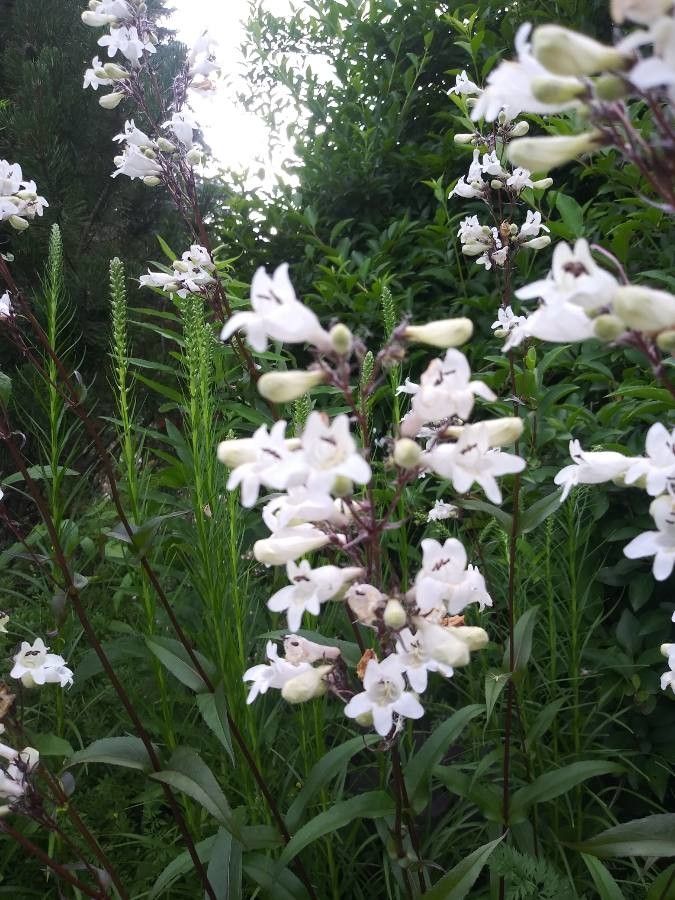
Penstemon whippleanus, commonly known as dusky penstemon or Whipple's penstemon, is a summer blooming perennial flower in the large Penstemon genus. It is a widespread plant within the hemiboreal forests of the Rocky Mountains in North America. It is noted for the large deep purple-red flowers and a preference for high mountain elevations.
Whipple's penstemon is fairly disease-resistant and generally not prone to illness. However, it can be vulnerable to pests and diseases present in its environment. These problems are normally not serious. In terms of care, the plant requires moderate maintenance. It should be pruned regularly to maintain a neat appearance and healthy growth. Fertilizing can also help encourage flowering. Whipple's penstemon is suitable for anyone with outdoor space, such as a garden or patio, and does not need extensive care experience. It may demand more attention if grown indoors.
How to keep Penstemon Whippleanus.
Light
Whipple's penstemon flourishes in light conditions similar to an open sky but can tolerate locations with partial sun. Too much or too little sun can impede the plant's growth. Originating from habitats with strong sun exposure, the plant's different growth stages are able to adapt to varying light intensities.
Water
Whipple's penstemon is native to mountainous regions where it thrives with moderate moisture and can tolerate short dry spells. To support its healthy growth as an outdoor herbaceous perennial, water it weekly to simulate natural rainfall. Be careful to avoid waterlogged soil and extended drought conditions.
Fertilizer
The best time to fertilize a Whipple's penstemon is in early spring, as it comes out of dormancy and begins active growth. Fertilization supplies essential nutrients for healthy development. Although Whipple's penstemon has fairly low fertilizer needs, applying fertilizer annually can boost its survival and encourage better, longer-lasting blooms.
Pruning
Whipple's penstemon is a perennial plant known for its tubular purple flowers and attractive foliage. To promote healthy growth, prune the plant from early to late spring by removing dead stems and cutting back the bloom stalks. This practice improves air circulation, reduces the risk of disease, and encourages vigorous growth, helping Whipple's penstemon to thrive beautifully.
Pot & Repot
To thrive, Whipple's penstemon needs pots with excellent drainage to prevent waterlogging and root rot. Ensuring proper drainage is essential for the plant's healthy growth.
Botanical profile.
- Plant Type
- Herb, Shrub
- Life Cycle
- Perennial
- Genus
- Penstemon
- Family
- Plantaginaceae
- Hardiness Zone
- 4-8
- Mature Height
- 91 cm
- Mature Spread
- 40 cm
- Leaf Color
- Green, Blue
- Leaf Type
- Evergreen, Semi-evergreen
- Flower Color
- Purple, Lavender
- Flower Size
- 2.54 cm
- Bloom Time
- Early summer, Mid summer
- Planting Time
- Spring, Summer, Autumn
- Harvest Time
- Late summer, Early fall
Other names.
Reader questions.
How should I water my Whipple's penstemon to keep it healthy?
To properly water the Whipple's penstemon, it is best to use filtered water at room temperature. This plant is sensitive to tap water, which may contain harmful particles. Additionally, it is important to avoid using cold water as it can shock the plant, given its warm climate origins. Instead of overhead watering, it is recommended to directly apply the filtered room temperature water to the soil until it is completely soaked. This method helps to moisten the roots and facilitate their spread through the soil to gather necessary nutrients for the plant's health and growth.
Why is it important to add fertilizer to my Whipple's penstemon?
The main structure of the Whipple's penstemon is made up of its leaves. Fertilization plays a crucial role in maintaining the appearance and function of these leaves. By properly fertilizing, you can ensure that the leaves maintain a consistent color and a healthy texture. Fertilization also benefits the plant below the surface, promoting the growth of new roots and maintaining existing ones. This not only keeps the plant healthy currently but also enhances its ability to absorb nutrients from the soil in the long run.
What are the sunlight requirements for Whipple's penstemon?
Whipple's penstemon requires full sun, which means it needs above 6 hours of sunlight daily, but it can also thrive in partial sun, receiving about 3-6 hours of sunlight. It's important to watch how sunlight moves through your garden to ensure you place your plants in spots that offer a balance of light and shade, optimizing their growth and health.
What should I do if I give my Whipple's penstemon too much water or too little water?
Overwatering is a more common issue than underwatering for Whipple's penstemon. When this plant receives too much water, its stems and leaves may wilt and turn yellow. Overwatering can also lead to diseases like root rot, mold, and mildew, which are deadly for the plant. Whipple's penstemon has good drought tolerance, so underwatering is less likely but still possible. When underwatering occurs, the leaves become brittle and brown. It's crucial to notice the signs of overwatering early to prevent irreversible damage. If you see early signs, reduce watering immediately and check the soil's drainage. If the soil drains poorly, replace it with a loose, well-draining potting mix. If your Whipple's penstemon shows signs of receiving too little water, simply water more regularly until the signs improve.
What is the ideal time to fertilize my Whipple's penstemon?
If you have an outdoor Whipple's penstemon plant, it will start growing new leaves in early spring. This is when you should begin fertilizing it for the year. Usually, one application of fertilizer is sufficient, but if you want your plant to grow even more, you can fertilize it multiple times throughout spring and early summer. In this case, you can feed it approximately once every month to a month and a half.
How does Whipple's penstemon react to light conditions?
Whipple's penstemon thrives under conditions that mimic an open sky but can also manage well in areas with partial sunlight. Originating from environments with ample sun exposure, it is adaptable to varying levels of light. However, both excessive and insufficient sunlight can negatively affect its growth. When indoor light is not enough, especially in winter or less sunny spaces, artificial lighting, such as LED lights, can be a solution. The right type of artificial light, its proximity to the plant, and the duration of exposure are critical factors for optimal growth.
How frequently should I water my Whipple's penstemon?
If your Whipple's penstemon is in a pot, the best way to determine if it needs water is to check the soil. Stick your finger into the soil and if the top two to three inches feel dry, then it's time to water it. If you have your Whipple's penstemon planted outdoors in the ground, you can use the same method to test the soil. If the top few inches of soil have dried out, then that's the signal to water it. Usually, during spring and early fall, you'll need to water this plant about once a week using this method. However, during extremely hot weather, you may need to increase the watering frequency to about twice or more per week. That being said, mature and well-established Whipple's penstemon plants can tolerate drought quite well.
When is the best time to not fertilize my Whipple's penstemon?
During late fall and winter, your Whipple's penstemon goes into a dormant phase, where it doesn't grow anymore. So, it's important not to fertilize it during this time. In spring and summer, if you choose to fertilize it, start reducing the amount of fertilizer as summer approaches because the growth rate of your Whipple's penstemon will slow down. Overall, it's not a good idea to fertilize your Whipple's penstemon when the weather is unusually hot or the soil is extremely dry. Fertilizing in these conditions can stress your plant and cause it to die prematurely.
What symptoms indicate inadequate lighting for Whipple's penstemon?
Symptoms of inadequate lighting in Whipple's penstemon include smaller new leaves compared to mature ones, leggy or sparse growth, faster leaf drop, slower or stopped new growth, pale or irregularly colored new leaves, and signs of chlorosis. Excessive sunlight can cause symptoms like sunscald, leaf curling, wilting, leaf scorching, and chlorosis, indicating that the balance of light exposure is crucial for its well-being.
How much water does my Whipple's penstemon plant need?
To properly water your Whipple's penstemon, don't be afraid to give it a generous amount of water. Make sure the top two to three inches of soil are dry before watering and then thoroughly soak the soil. Give enough water to allow excess water to drain through the pot's holes. If you don't see any water draining, you might have underwatered your plant. However, be cautious not to let the water accumulate, as it can be harmful. Poor drainage in the soil can also be detrimental to the plant's health, so make sure the water can flow freely. If the plant is outdoors, it only needs about 1 inch of rain per week.
What kind of fertilizer should I use for my Whipple's penstemon?
Choosing the best fertilizer for a Whipple's penstemon is simple. Use a general-purpose garden fertilizer with equal amounts of nitrogen, phosphorus, and potassium (10-10-10 ratio works well). Avoid fertilizers with high nitrogen levels. Granular, slow-release fertilizers are recommended and easy to apply. Additionally, feeding with organic amendments like compost can be beneficial.
What solutions can address light-related issues in Whipple's penstemon?
To ensure optimal growth, gradually expose your Whipple's penstemon to more sunlight, aiming for at least 6 hours of direct sunlight daily. This can be done by using a south-facing window or employing artificial lights for indoor plants that are large or difficult to move, ensuring at least 8 hours of light exposure. Outdoors, move plants to sunnier spots gradually to prevent sunburn. Pruning obstructive trees and transplanting to locations with better sunlight and drainage can also help in managing light access. Note that damaged parts may not recover, but new growth will be healthy with improved light exposure.