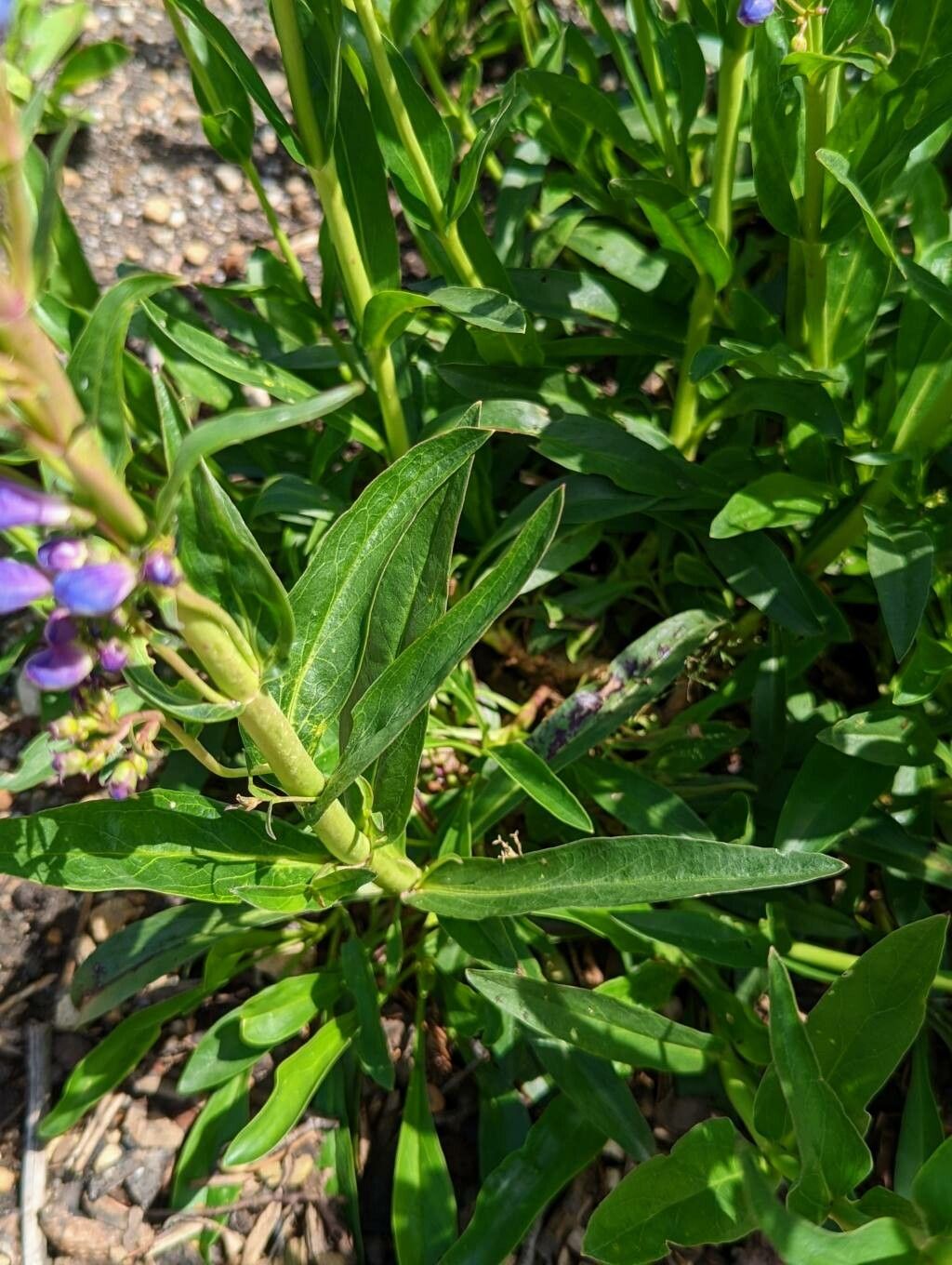
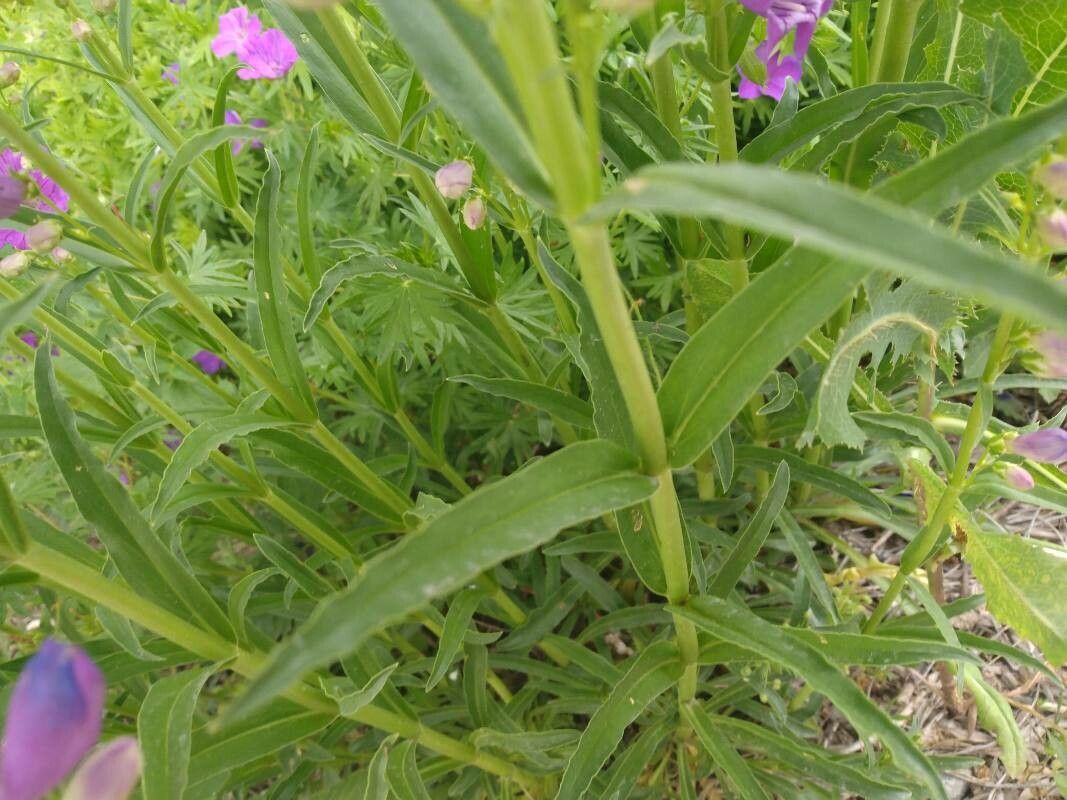
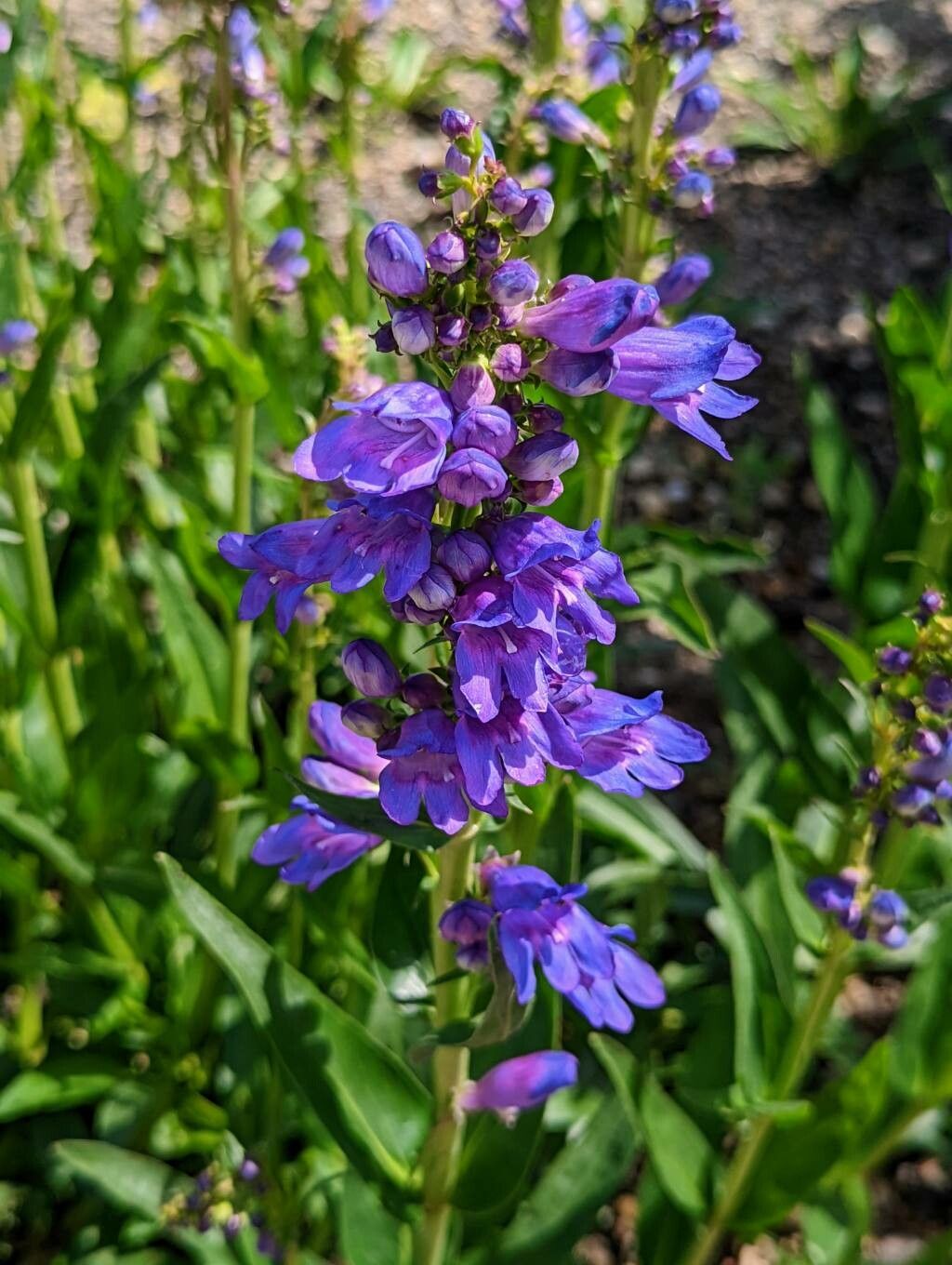
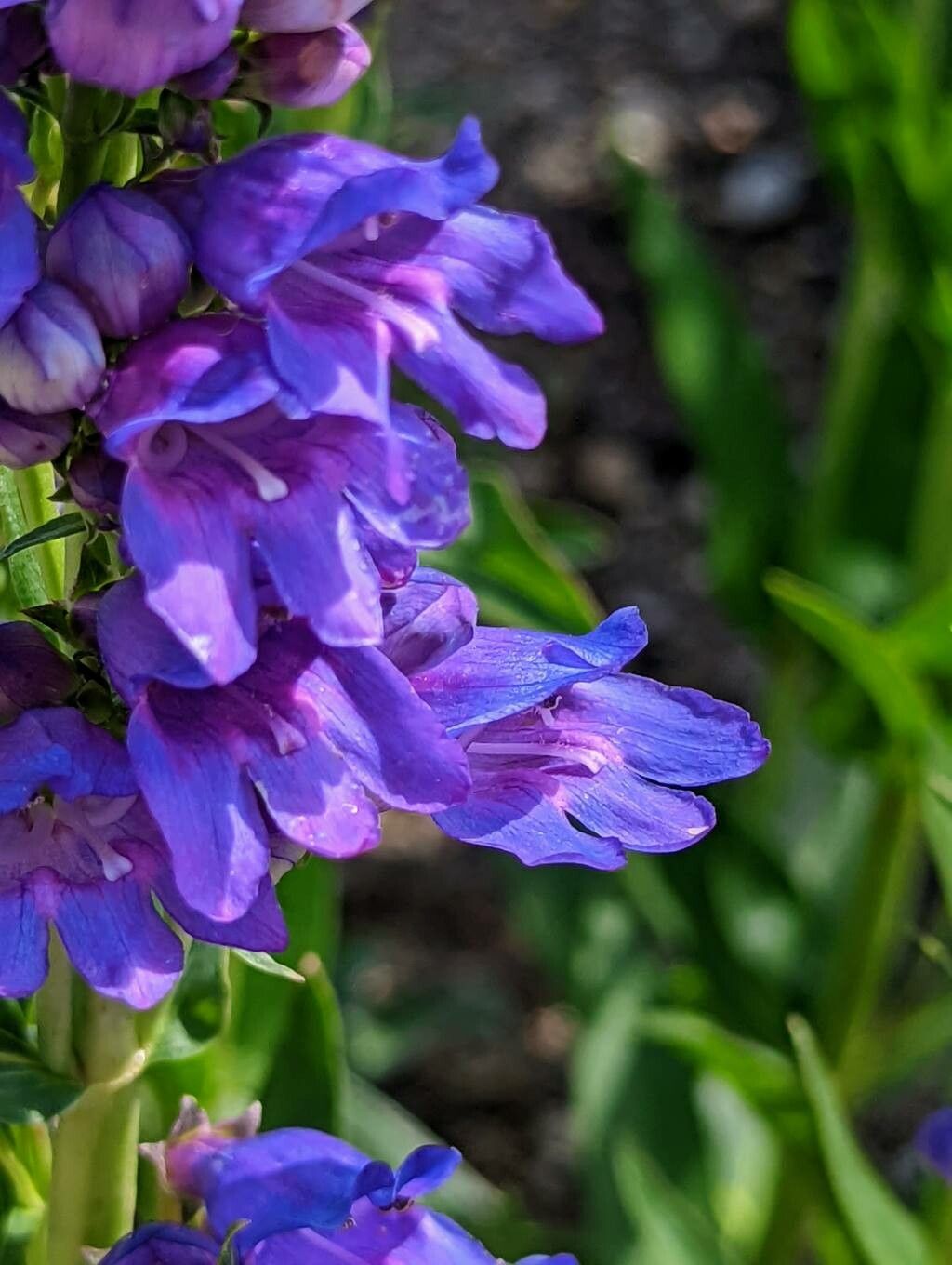
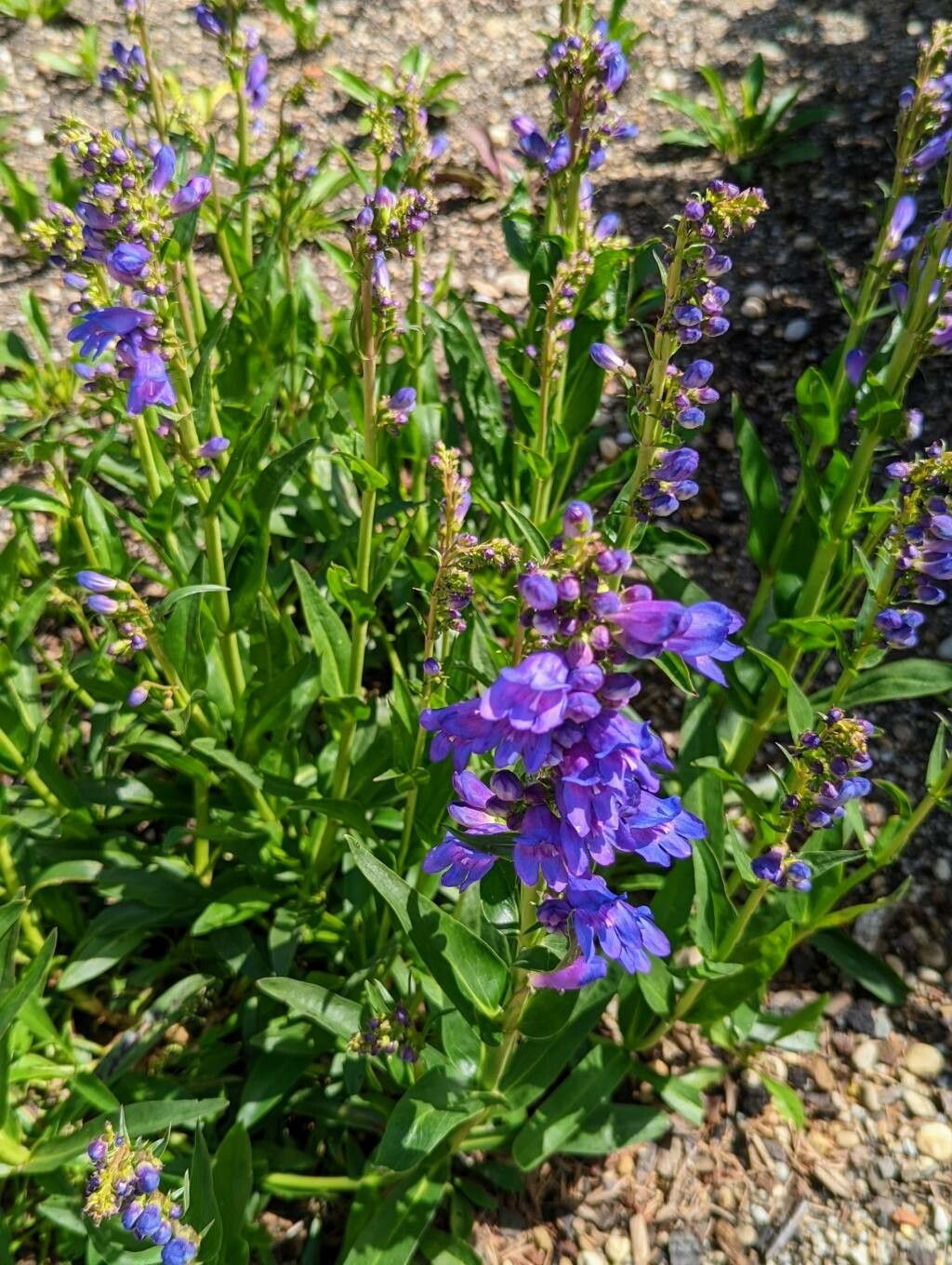
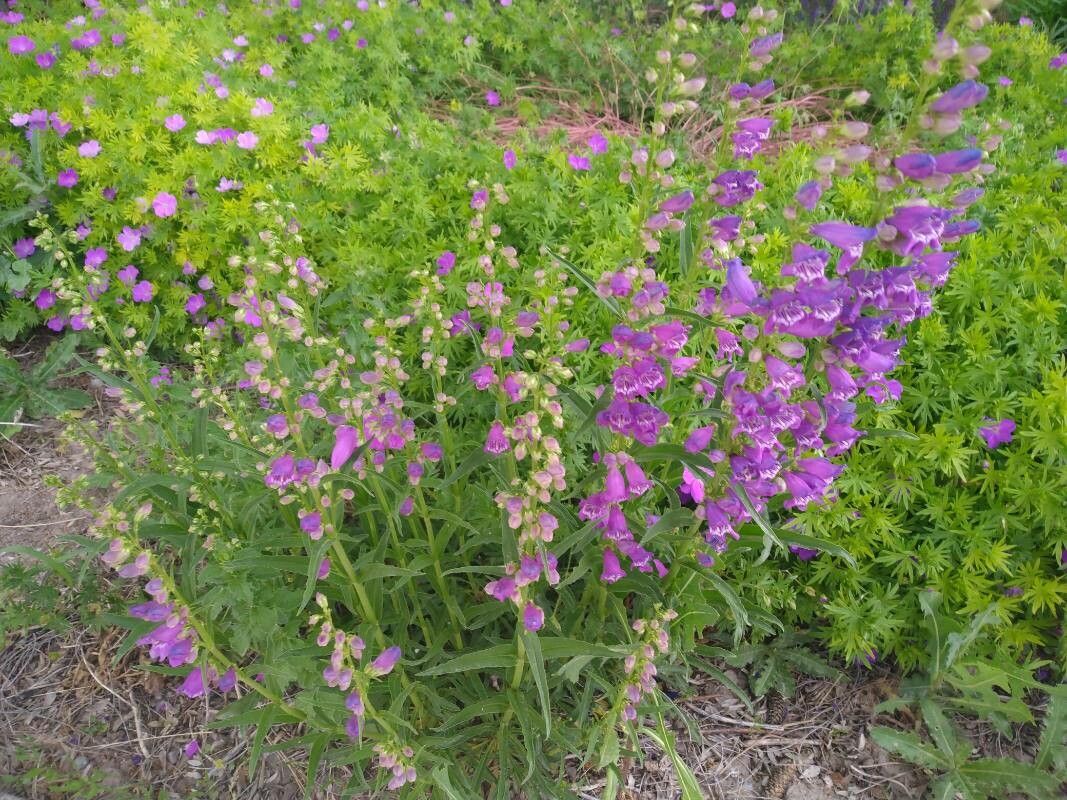
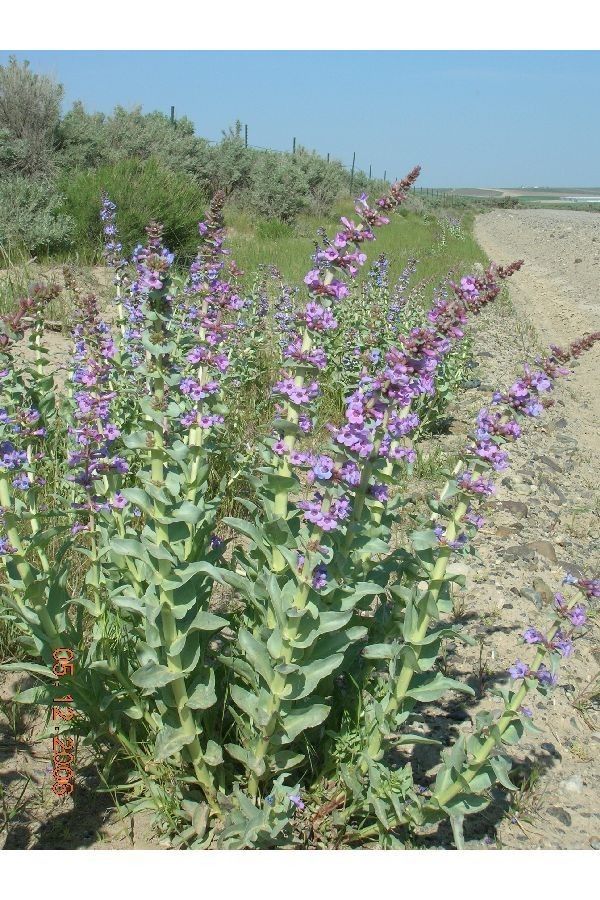
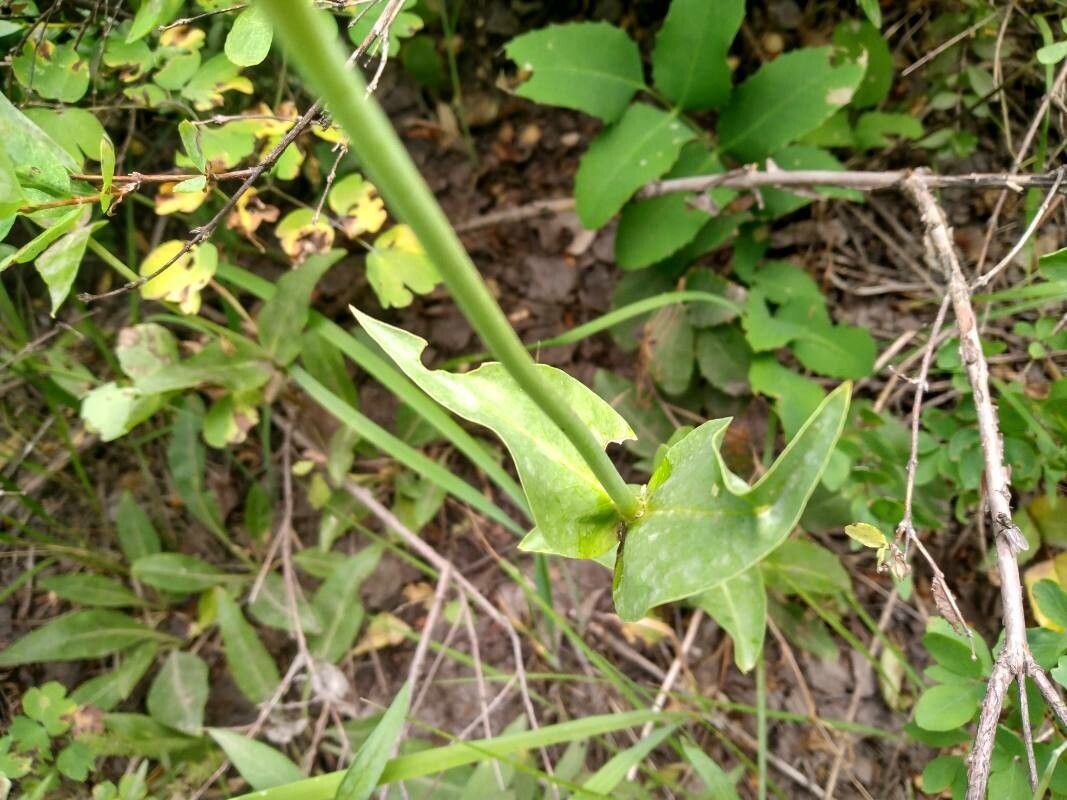
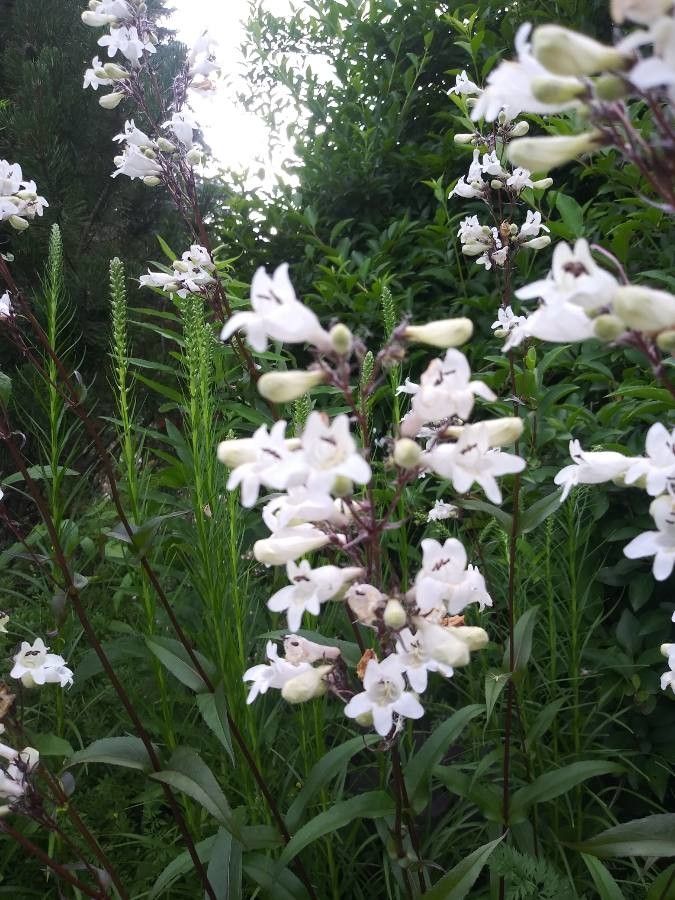
Penstemon strictus, commonly known as Rocky Mountain Penstemon or Strict Beardtongue, is a perennial herbaceous plant native to the western United States. As a member of the Plantaginaceae family, it can grow up to 2 feet tall. The plant features narrow, lance-shaped leaves that are green and slightly hairy. Its tubular flowers range in color from deep blue-purple to violet-blue, with white throats. These blooms appear from late spring through early summer, attracting bees, butterflies, and hummingbirds.
Penstemon strictus thrives in full sun but can also tolerate partial shade and various soil types, including well-draining clay soils. While drought-tolerant once established, it requires regular watering during its first growing season.
Historically, Native Americans used this plant for its anti-inflammatory properties and as a natural dye for textiles.
Penstemon strictus makes an excellent addition to any garden or landscape due to its early-season blooms and ability to attract pollinators such as bees, which help fertilize other plants nearby. This makes it an integral part of the ecosystems it inhabits.
The Rocky Mountain penstemon is fairly resistant to disease and typically does not suffer from many illnesses. Still, it can be affected by pests or diseases present in its surroundings. Such infections are usually mild. In terms of care, this plant needs moderate maintenance. Regular pruning is necessary to keep it looking good and to encourage healthy growth. Fertilizing can also help to stimulate flowering. The Rocky Mountain penstemon is suitable for anyone with outdoor space, such as a garden or patio, and does not require extensive care experience. It may need more attention when grown indoors.
How to keep Penstemon Strictus.
Light
Rocky Mountain penstemon performs best in locations with unobstructed sunlight, though it can tolerate moderate shade. Sunlight powers its growth and is critical for its survival. Coming from habitats with plentiful sun exposure, inadequate light can hinder its development; conversely, excessive sunlight does not produce significant harmful effects.
Water
The Rocky Mountain penstemon thrives in rocky landscapes, needing moderate hydration with consistent weekly watering. It prefers a balance of moisture without becoming oversaturated and primarily flourishes outdoors during the growing season when natural rainfall provides the necessary water.
Temperature
The Rocky Mountain penstemon plant needs a native growing environment with temperatures from 5 to 35 ℃ (41 to 95 ℉). It prefers 16 to 24 ℃ (60 to 75 ℉) and may need seasonal temperature adjustments to maintain optimal growth.
Fertilizer
Typically, one fertilizer application in spring is enough for Rocky mountain penstemon, although multiple feedings can maximize growth. Apply every month to month and a half. Fertilizing improves leaf appearance and function, helping keep color even and texture healthy. It also encourages root growth and nutrient absorption for the plant's long-term health.
Pruning
The plant produces tall spikes of tubular flowers and thrives in rocky, well-drained soils. To encourage growth and blooming, prune the Rocky Mountain penstemon in the spring by removing dead stems and spent flowers. Light pruning helps maintain the plant's shape and vigor, and it also improves air circulation, reducing the risk of disease. Be sure to sanitize your tools before using them.
Pot & Repot
When repotting Rocky mountain penstemon, select a pot 1-2 inches (2.5–5.1 cm) larger with good drainage. Use a well-draining potting mix. Repot in spring or fall, making sure the root ball sits slightly below the rim of the flower pot. Water thoroughly after repotting and place in a warm spot with indirect sunlight.
Botanical profile.
- Plant Type
- Herb
- Life Cycle
- Perennial
- Genus
- Penstemon
- Family
- Plantaginaceae
- Hardiness Zone
- 4-9
- Mature Height
- 30 cm to 91 cm
- Mature Spread
- 91 cm
- Leaf Color
- Green, Purple
- Leaf Type
- Evergreen, Semi-evergreen
- Flower Color
- Blue, Purple
- Flower Size
- 2.54 cm
- Bloom Time
- Late spring, Early summer, Mid summer
- Planting Time
- Spring
- Harvest Time
- Mid summer
Other names.
Reader questions.
How should I water my Rocky mountain penstemon?
To properly water the Rocky mountain penstemon, it is best to use filtered water at room temperature. Tap water may contain harmful particles, so filtered water is preferred. The water should be at room temperature or slightly warmer because the plant is accustomed to a warm environment and cold water can be a shock to its system. Avoid overhead watering, as it can cause issues with the foliage. Instead, apply the filtered room temperature water directly to the soil until it is completely soaked. This helps the roots of the plant stay moist and continue to spread through the soil, collecting the necessary nutrients.
Why should I add fertilizer to my Rocky mountain penstemon?
To ensure your Rocky mountain penstemon looks great and functions properly, fertilization plays a crucial role. By properly fertilizing your plant, you can maintain consistent leaf color and healthy texture. Fertilization also benefits the plant below the soil's surface by promoting root growth and maintaining existing roots. This not only keeps your plant healthy in the present, but also improves its ability to absorb soil nutrients in the future.
What are the sunlight requirements for Rocky Mountain Penstemon?
Rocky Mountain Penstemon thrives in areas that receive full sun, defined as above 6 hours of sunlight daily, but it can also tolerate partial sun, which means about 3-6 hours of sunlight. It's crucial to observe the sunlight's movement through your garden to find spots that offer the right balance of light and shade, ensuring the plants' optimum growth and health. Keep in mind that the warning to choose locations wisely serves to remind gardeners of the importance of providing the appropriate amount of sunlight for their plants.
What are the ideal growth conditions for Rocky Mountain Penstemon?
Rocky Mountain Penstemon (Penstemon strictus) thrives in temperatures ranging from 5 to 35°C (41 to 95°F), with a preference for 16 to 24°C (60 to 75°F). This plant has strong cold resistance and generally does not require special frost protection measures during winter. However, below -30°C, protective measures like covering with soil or straw are advised. To prevent drought and water scarcity during winter and early spring, it's recommended to water the plant abundantly before the first freeze in autumn, ensuring the soil remains moist.
What should I do if I give too much or too little water to my Rocky mountain penstemon?
Both overwatering and underwatering can harm the health of your Rocky mountain penstemon, but overwatering is more common. When this plant gets too much water, its stems and leaves may droop and turn yellow. Overwatering for a long time can also cause diseases like root rot, mold, and mildew, which can kill your plant. Underwatering is less likely for the Rocky mountain penstemon because it can tolerate drought to some extent. However, underwatering can still happen, and in that case, you'll notice that the leaves become dry and brown. It's important to spot signs of overwatering early when taking care of your Rocky mountain penstemon. Some of the diseases caused by overwatering, like root rot, may not be fixable if you wait too long. If you see early signs of overwatering, reduce your watering right away. You may also want to check the soil quality where your Rocky mountain penstemon is growing. If the soil doesn't drain well, replace it with loose, well-draining potting mix. On the other hand, if you see signs of your plant being underwatered, simply increase your watering frequency until the signs improve.
When should I fertilize my Rocky Mountain penstemon?
If you are growing your Rocky Mountain penstemon outdoors, you will see new growth in early spring. This is a sign that you should start fertilizing for the year. Usually, one application of fertilizer in the spring is enough for the penstemon to do well. However, if you want to maximize its growth, you can fertilize multiple times during the spring and early summer. If you choose to do this, you can fertilize your penstemon once every month to a month and a half.
What are the essential conditions for growing Rocky Mountain Penstemon?
Rocky Mountain Penstemon requires unobstructed sun rays for optimal growth but can withstand moderately shaded conditions. This plant derives from environments with plenty of solar exposure; thus, insufficient light might stunt its growth, while it doesn't negatively impact from too much sunlight. When natural light is not enough, especially during winter or in less sunny spaces, artificial lighting can be a crucial alternative, helping to ensure healthier, faster growth. LEDs are preferred for indoor plant lighting due to their customizable light spectrums. The required wattage varies depending on whether plants need full, partial, or full shade conditions.
How does low temperature affect Rocky Mountain Penstemon, and what should I do?
Rocky Mountain Penstemon is cold-tolerant and prefers temperatures above 5°C. During winter, it is advised to keep it above -25°C. If temperatures fall below -30°C, there might not be immediate visible damage, but the plant may show a decrease in sprouting or fail to sprout at all come spring. If such damage occurs, you should remove the parts of the plant that have failed to sprout in the spring.
How frequently should I water my Rocky mountain penstemon?
If your Rocky mountain penstemon is in a pot, to determine if it needs water, simply insert your finger into the soil. If the top two to three inches are dry, it's time to water. If your penstemon is planted in the ground outdoors, you can use the same method. Again, if the first few inches of soil are dry, it's time to water. In spring and early fall, watering once a week is often sufficient, but during extremely hot weather, you may need to water twice a week or more. It's worth noting that mature, well-established Rocky mountain penstemon plants have a remarkable ability to withstand drought.
When is the best time to not add fertilizer to my Rocky mountain penstemon?
During late fall and winter, your Rocky mountain penstemon will go into a dormant phase and stop producing new growth. Avoid fertilizing it during this time. If you choose to fertilize during spring and summer, gradually reduce the amount as summer approaches, since the growth rate of your Rocky mountain penstemon will also slow down. It's not advisable to fertilize when the weather is exceptionally hot or the soil is very dry, as this could stress the plant and lead to its premature death.
What symptoms indicate insufficient or excessive sunlight in Rocky Mountain Penstemon?
Symptoms of insufficient sunlight in Rocky Mountain Penstemon include smaller new leaves, leggy or sparse growth, faster leaf drop, slower or no new growth, and lighter-colored new leaves. Conversely, excessive sunlight can lead to chlorosis (leaves turning yellow), sunscald (damage from intense light exposure), leaf curling as a protective measure, wilting from increased water loss, and leaf scorching resulting in brown, dry leaf edges. These symptoms help identify whether the plant is getting too much or too little sunlight, enabling appropriate corrective actions.
What happens if Rocky Mountain Penstemon is exposed to high temperatures, and how can I mitigate this?
During summer, Rocky Mountain Penstemon should ideally be kept below 35°C. Exposure to temperatures above 38°C can cause its leaves to lighten in color, curl, become susceptible to sunburn, and in severe cases, the entire plant may wilt and dry out. To mitigate these effects, trim away sunburned and dried-up parts. Move the plant to a shaded location, especially during midday and afternoon, or use a shade cloth for protection. Additionally, ensure the soil remains moist by watering the plant in the morning and evening.