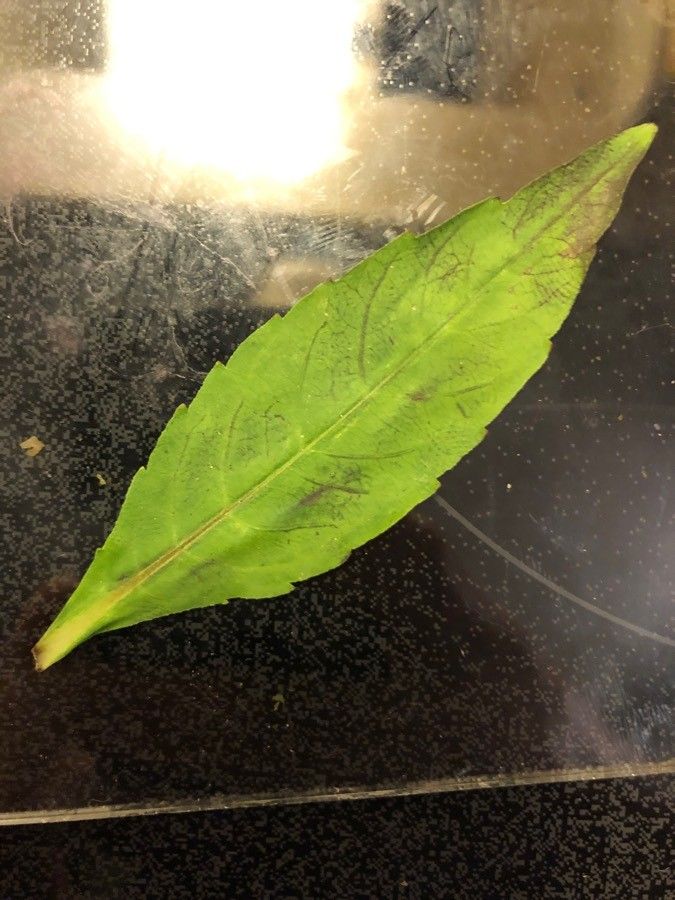
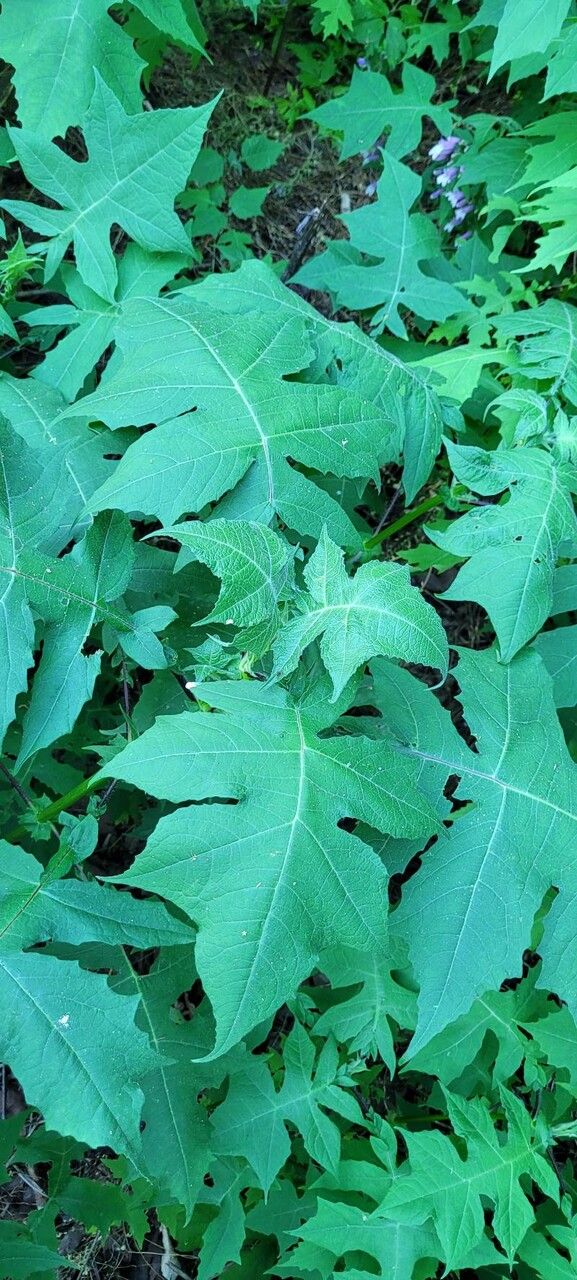
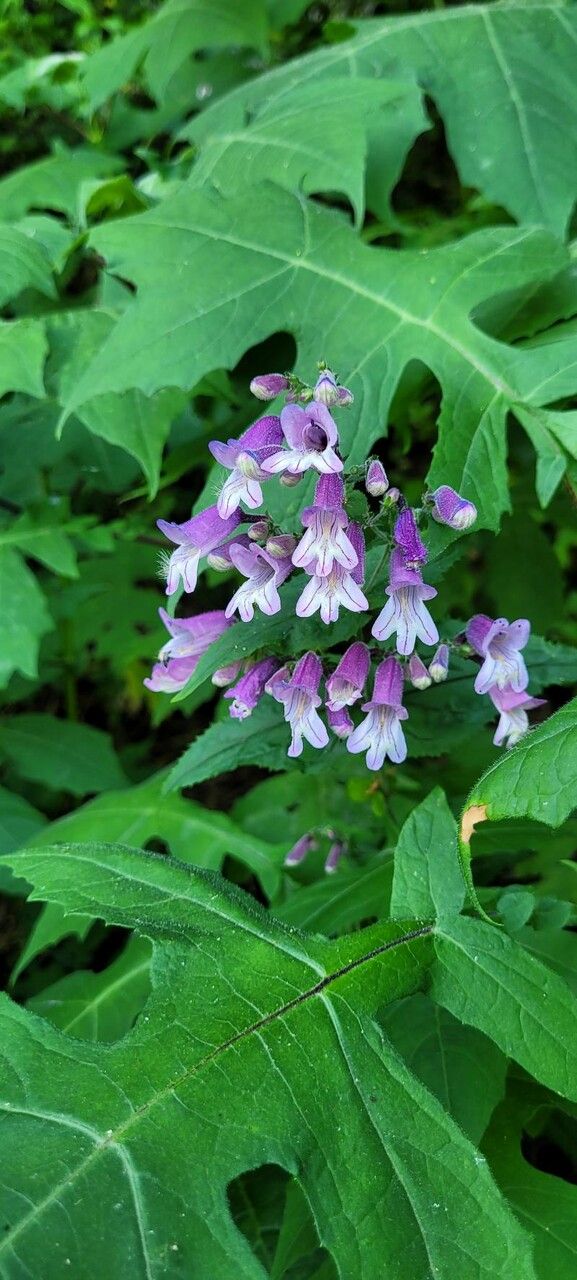
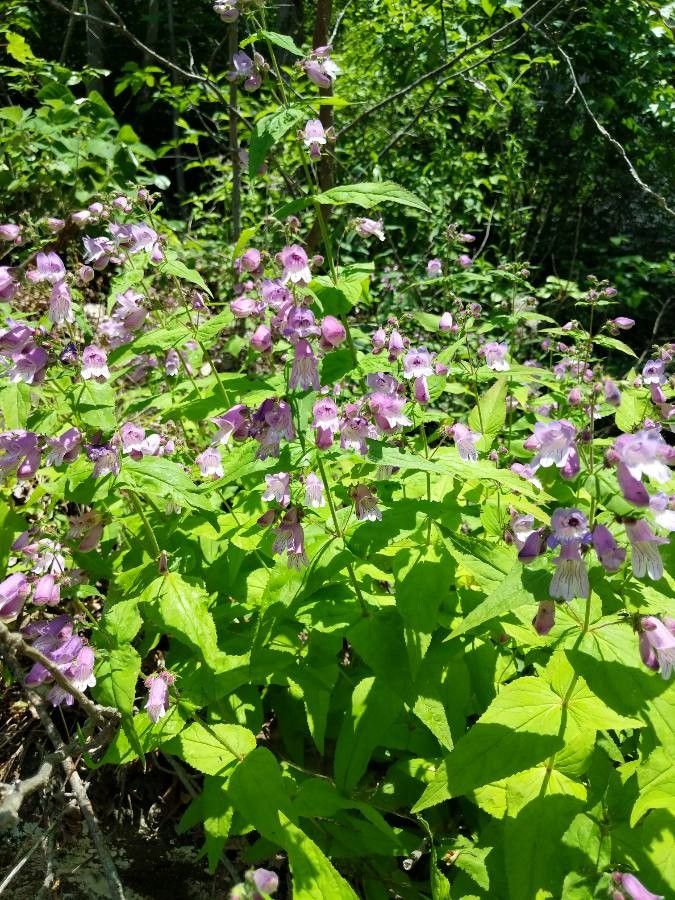
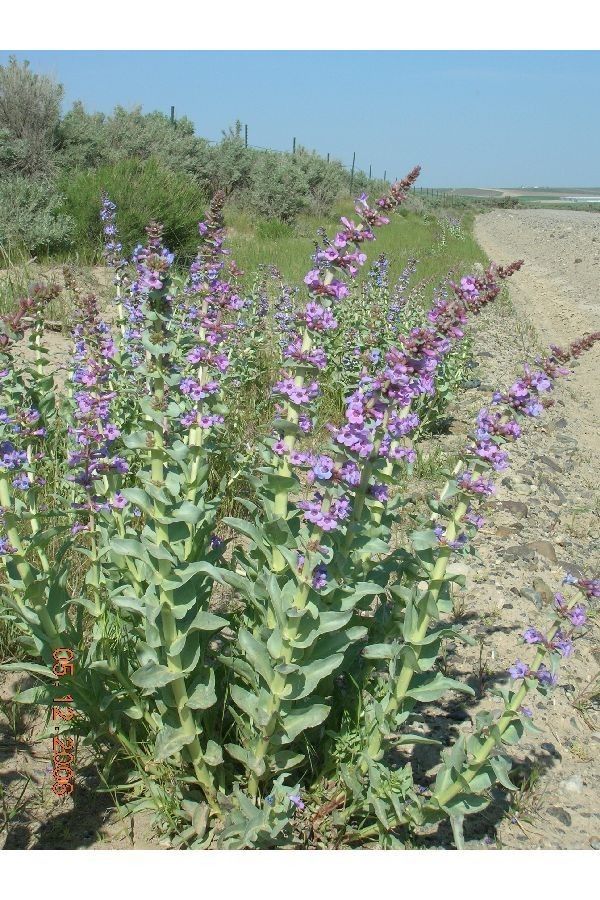
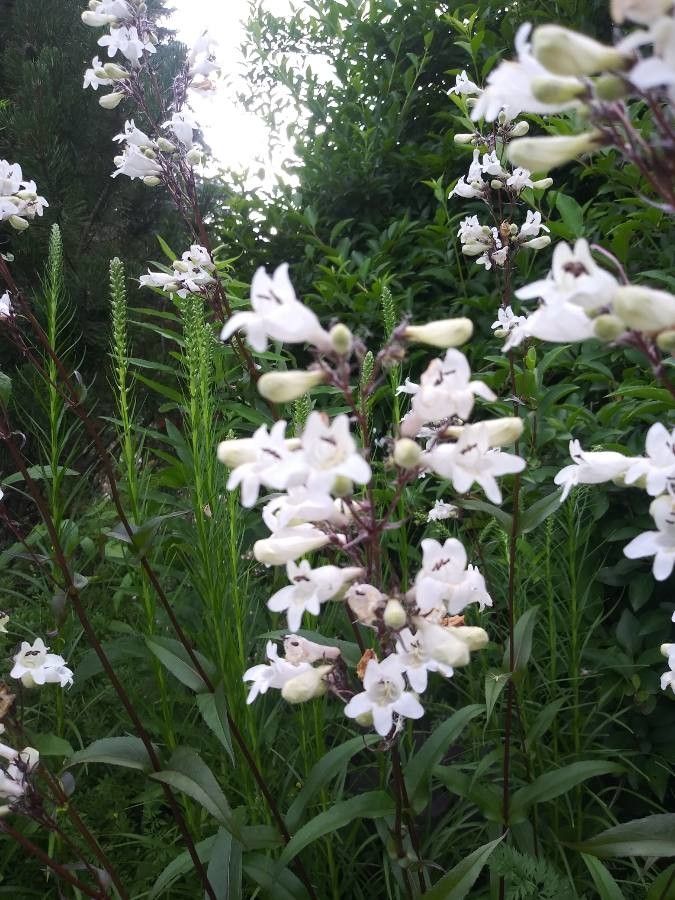
Penstemon smallii is a species of flowering plant also known as Small's penstemon. They are native to the mountains of the Southeastern United States. They are state listed in Georgia (S1), Alabama (S1), Tennessee (S3), North Carolina (S3), and South Carolina (S2).
Small's beardtongue has good resistance to disease and is generally not prone to illnesses. Still, it can be affected by pests and diseases present in its environment. Such infections are typically mild. Regarding care, this plant needs moderate maintenance. It should be pruned regularly to preserve a tidy appearance and encourage healthy growth. Applying fertilizer can also help boost flowering. Small's beardtongue is appropriate for anyone with outdoor space, like a garden or patio, and does not demand extensive care experience. It may need more attention when grown indoors.
How to keep Penstemon Smallii.
Light
Small's beardtongue is a sun-loving perennial herbaceous plant that comes from open habitats and is frequently found in meadows and grasslands. It prefers full sun but can also tolerate partial sun conditions.
Water
Small's beardtongue is native to the well-drained slopes of the southeastern United States. It thrives in conditions that provide moderate moisture and is also drought-resistant. For optimal growth, it is best to water the plant weekly. Applying mulch is also beneficial, as it helps retain moisture, especially during the growing season. Because this species is suited to its native temperate climate, it is often cultivated outdoors.
Temperature
Small's beardtongue can tolerate a broad range of temperatures, although its range may still be constrained by various combinations of moisture and heat. It performs best in warm summer conditions with sufficient rainfall or irrigation. Extended periods of overcast, rainy weather, as well as prolonged high temperatures, can raise the chance of Small's beardtongue dying. During winter, adequate protection from the cold can increase the plant's chances of survival.
Fertilizer
The best time to fertilize a Small's beardtongue is in early spring, when it is coming out of dormancy and beginning active growth. Fertilizing supplies important nutrients needed for healthy development. Although Small's beardtongue has fairly low fertilizer requirements, applying fertilizer annually can improve its survival and encourage better, longer-lasting flowers.
Pruning
Small's beardtongue showcases striking, tubular flowers and lance-shaped leaves. Pruning in early to late spring encourages healthy growth. Techniques such as deadheading and trimming leggy stems help prevent disease, improve air circulation, and enhance the plant's visual appeal.
Pot & Repot
Small's beardtongue needs excellent drainage in pots to thrive.
Botanical profile.
- Plant Type
- Herb
- Life Cycle
- Perennial
- Genus
- Penstemon
- Family
- Plantaginaceae
- Hardiness Zone
- 5-9
- Mature Height
- 61 cm to 91 cm
- Mature Spread
- 30 cm to 40 cm
- Leaf Color
- Green, Bronze
- Leaf Type
- Semi-evergreen
- Flower Color
- Pink, Purple, White
- Flower Size
- 2.54 cm
- Bloom Time
- Mid spring, Late spring, Early summer
- Planting Time
- Spring, Summer, Autumn
- Harvest Time
- Mid summer, Late summer, Early fall
Other names.