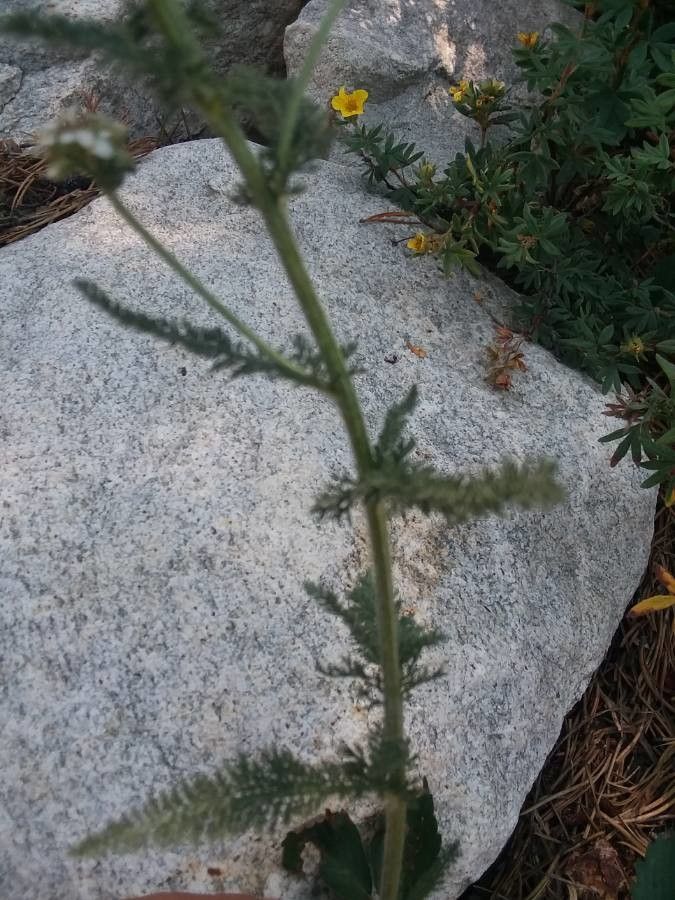
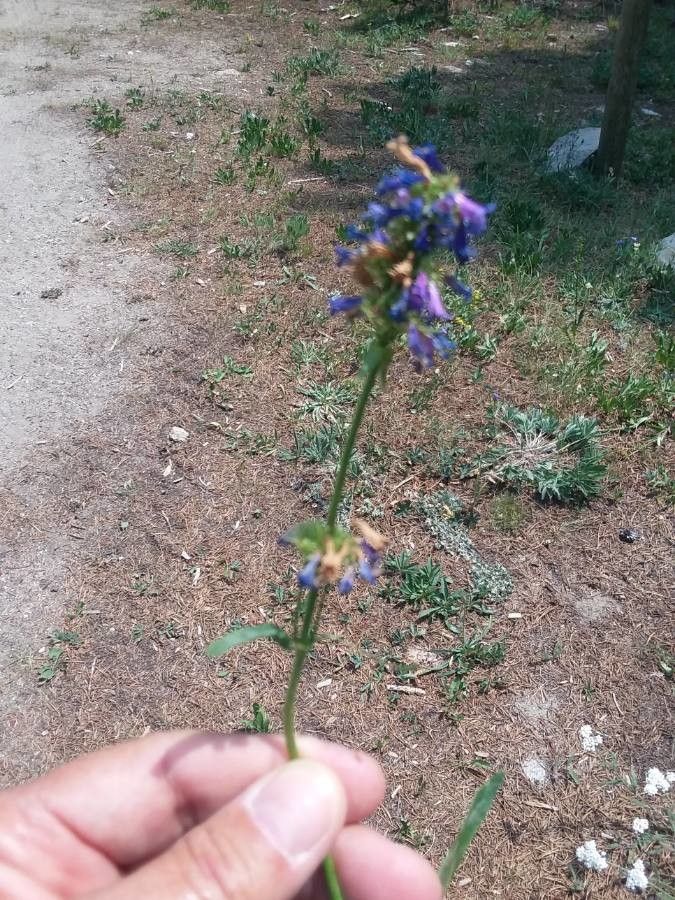
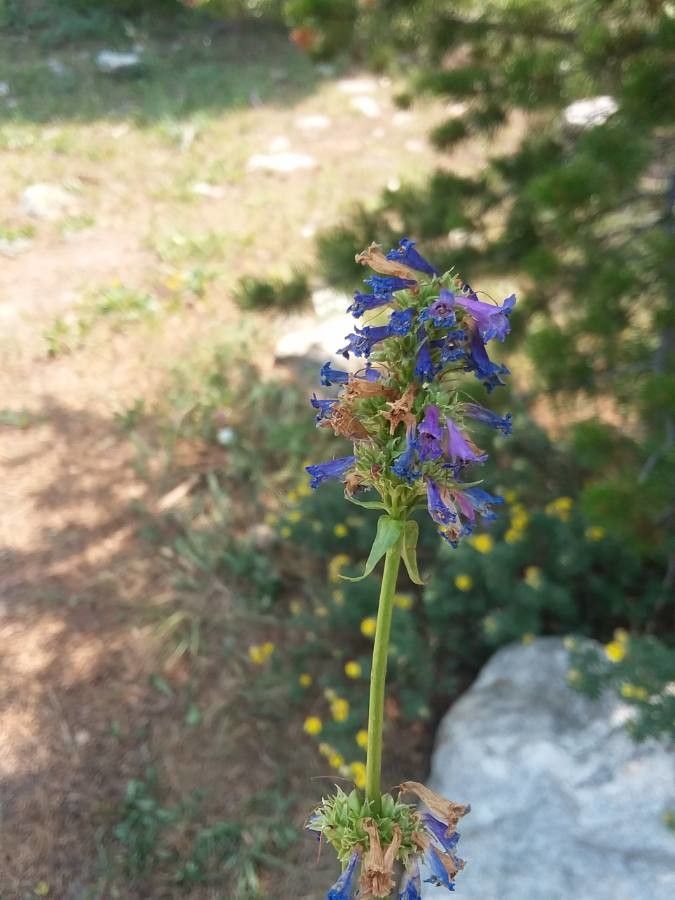
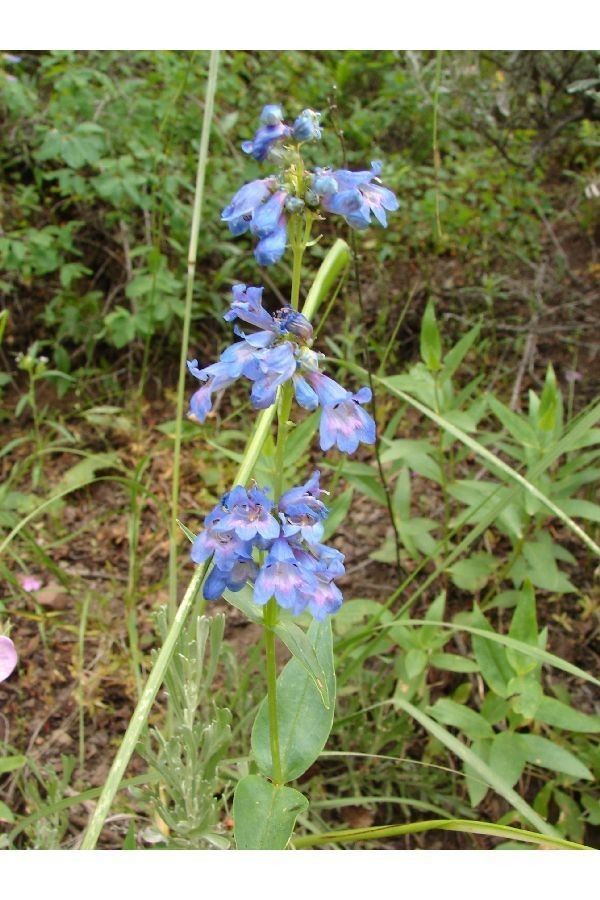
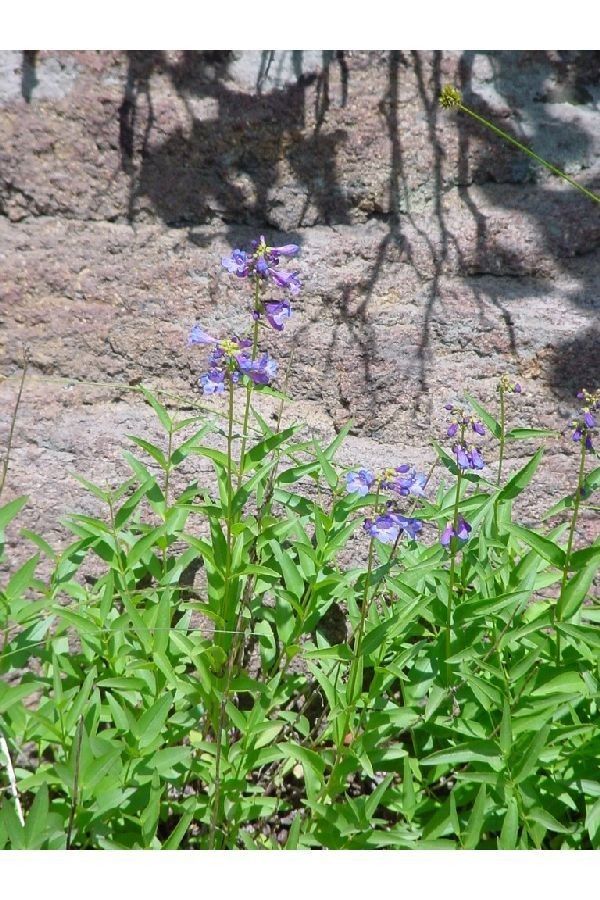
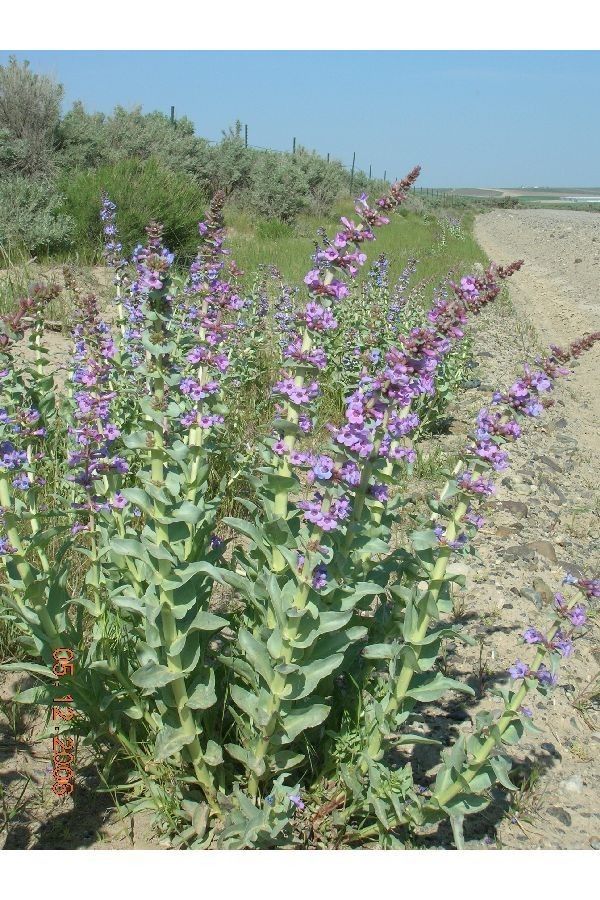
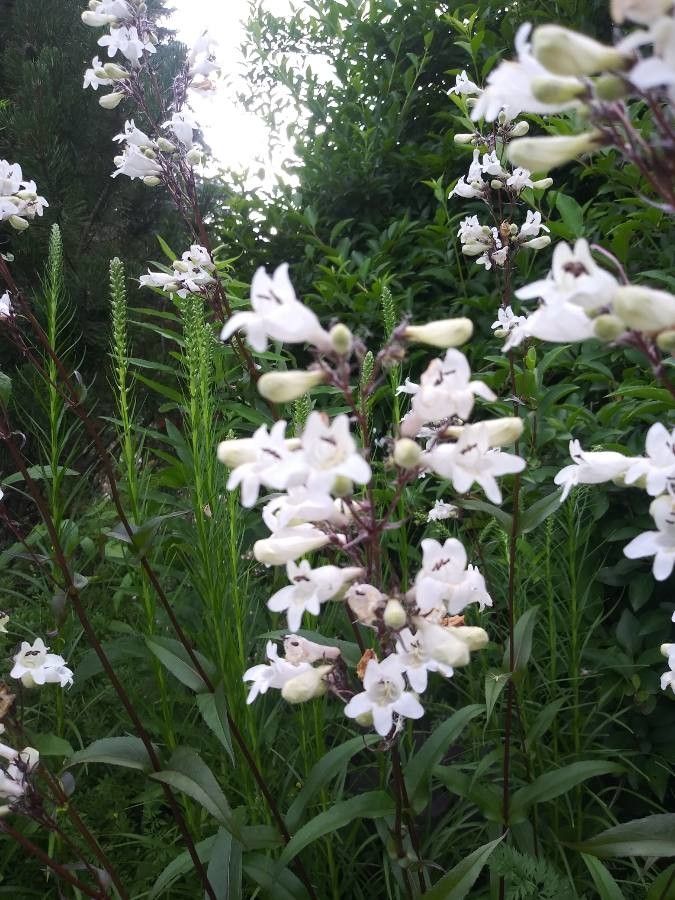
Penstemon rydbergii, commonly known as Rydberg's penstemon or meadow penstemon, is a perennial plant in the plantain family (Plantaginaceae) that grows in damp, grassy meadows of the Great Basin and Rocky Mountains of the western United States.: 49
Rydberg's penstemon is fairly disease-resistant and typically not prone to illness. Nonetheless, it can be affected by pests and diseases present in its surroundings. Such infections are usually mild. Carewise, the plant needs moderate maintenance. Regular pruning is necessary to maintain a neat appearance and encourage healthy growth. Applying fertilizer can also help promote flowering. Rydberg's penstemon is suitable for anyone with an outdoor area like a garden or patio and does not demand much care experience. It may, however, need extra attention when grown indoors.
How to keep Penstemon Rydbergii.
Light
Rydberg's penstemon does best when it gets abundant sunlight throughout the day. If it is not sited in full sun, it can tolerate conditions with occasional shade. Its hardy constitution stems from its native, sun-rich habitats. Excessive sun can cause wilting, while too little sunlight may produce stunted growth or weak blooms.
Water
Rydberg's penstemon is a hardy plant that thrives with moderate moisture and is also drought-tolerant. It requires weekly watering to meet its needs. Typically grown outdoors, the growth of Rydberg's penstemon is significantly influenced by the availability of water, making effective irrigation essential for its optimal development.
Temperature
Rydberg's penstemon grows best in temperatures between 41 and 95 °F (5 to 35 ℃). It prefers cooler conditions but can acclimate to warmer temperatures when required. Adjusting its care during transitional seasons can help it thrive.
Fertilizer
The best time to fertilize a Rydberg's penstemon is in early spring, when it is coming out of dormancy and beginning active growth. Fertilization supplies essential nutrients for healthy development. Although Rydberg's penstemon has fairly low fertilizer requirements, applying fertilizer annually can improve its survival and encourage better, longer-lasting blooms.
Pruning
Rydberg's penstemon is a colorful perennial plant known for its tubular flowers. To maintain its health and appearance, it should be pruned from early to late spring as new growth appears. Start by removing any damaged stems, then thin out areas that are overcrowded to improve air circulation. After the plant blooms, deadhead the flowers to encourage longer flowering. Regular pruning helps promote vigorous growth and keeps the plant looking attractive.
Pot & Repot
For Rydberg's penstemon to thrive in pots, it is essential to provide excellent drainage.
Botanical profile.
- Plant Type
- Herb
- Life Cycle
- Perennial
- Genus
- Penstemon
- Family
- Plantaginaceae
- Hardiness Zone
- 4-10
- Mature Height
- 20 cm to 76 cm
- Mature Spread
- 30 cm to 91 cm
- Leaf Color
- Green, Blue
- Leaf Type
- Semi-evergreen
- Flower Color
- Blue, Purple
- Flower Size
- 1.27 cm to 1.52 cm
- Bloom Time
- Late spring, Early summer, Mid summer
- Planting Time
- Spring, Summer, Autumn
- Harvest Time
- Late summer, Early fall, Mid fall
Other names.
Reader questions.
How should I water my Rydberg's penstemon?
To properly water the Rydberg's penstemon, it is recommended to use filtered water at room temperature. Tap water may contain harmful particles, so filtering it is preferable. The water should be at room temperature or slightly warmer to avoid shocking the plant, as it originates from a warm environment. Overhead watering should be avoided, as it can cause issues with the foliage. Instead, it is best to apply filtered room temperature water directly to the soil until it is thoroughly soaked. This helps moisten the roots and supports their nutrient absorption by allowing them to spread and collect nutrients in the soil.
Why do I have to add fertilizer to my Rydberg's penstemon?
Fertilization is important for Rydberg's penstemon for several reasons. First, it provides key nutrients for the plant's growth above and below ground. However, Rydberg's penstemon's fertilization needs are generally low, and they can sometimes survive without it. Nevertheless, annual fertilization can greatly benefit Rydberg's penstemon by keeping it alive and promoting the production of long-lasting flowers. Therefore, those who want their Rydberg's penstemon to thrive should regularly fertilize it.
What are the sunlight requirements for Rydberg's penstemon?
Rydberg's penstemon requires full sun, which means it needs more than 6 hours of sunlight a day, but it can also tolerate partial sun, approximately 3-6 hours of sunlight daily. It's vital to monitor the movement of sunlight through your garden to find spots that offer the right balance of light and shade, ensuring the plants' well-being. This species, originating from sunny habitats, flourishes under ample sunlight but can endure occasional shadows. However, too much sun exposure can cause wilting, and insufficient sunlight might lead to stunted growth or feeble blooms.
What is Rydberg's penstemon and what are its ideal growing conditions?
Rydberg's penstemon, scientifically known as Penstemon rydbergii, is a plant best suited for environments with temperatures ranging from 41 to 95 °F (5 to 35 °C). It prefers cooler climates but can adapt to warmer temperatures if necessary. It has significant cold resistance, making special frost protection measures unnecessary, except in extreme conditions where temperatures are expected to drop below -30°C. In such cases, the plant should be covered with insulating materials like soil or straw. Additionally, to help it survive through winter and early spring, it's advisable to water the plant abundantly before the first freeze of autumn, ensuring the soil remains moist.
What should I do if I give my Rydberg's penstemon too much or too little water?
It's important to pay attention to the watering needs of your Rydberg's penstemon. While both overwatering and underwatering can harm the plant, overwatering is more common. When the plant is overwatered, its stems and leaves may become wilted and turn yellow. Overwatering for a long time can also lead to diseases like root rot, mold, and mildew, which can be fatal. Underwatering is less likely, as this plant can handle drought well. However, if underwatering occurs, the leaves may become brittle and brown. To care for your Rydberg's penstemon, it's crucial to spot signs of overwatering early. Diseases like root rot can be hard to fix if not noticed promptly. Reduce watering immediately if you see early signs of overwatering. Also, check the quality of the soil. If it drains poorly, replace it with a loose, well-draining potting mix. Conversely, if you notice signs of underwatering, increase your watering until the signs go away.
When should I fertilize my Rydberg's penstemon?
The best time to fertilize a Rydberg's penstemon is in late winter or early spring. This is when the plant is coming out of its dormant phase and beginning to actively grow. Fertilizing at this time will help the plant grow strong and healthy. Fertilizing in early spring is generally the most beneficial, but it is also okay to fertilize in the fall. However, it's not recommended to fertilize in the summer or winter.
How do artificial lights benefit indoor plants, and what are the guidelines for their use?
Indoor plants require adequate lighting for optimal growth. When natural sunlight is scarce, especially during winter or in less sunny areas, artificial lighting provides a crucial alternative that encourages healthier and more rapid plant growth. LED lights are a favored choice because they can be tailored to offer specific light wavelengths needed by the plants. For full sun plants, 30-50W per square foot is recommended; partial sun plants should get 20-30W per square foot, while full shade plants need 10-20W per square foot. The artificial light source should be placed 12-36 inches above the plant to simulate natural sunlight, and the duration should approximate natural daylight hours for the plant species, generally between 8-12 hours of light daily.
How does low temperature affect Rydberg's penstemon and what are the recommended solutions?
Rydberg's penstemon thrives in temperatures above 5°C but requires attention when winter temperatures fall below -25°C. Should temperatures drop below -30°C, the plant might not show immediate damage, but it could lead to a decreased sprouting rate, or even no sprouting at all come spring. To combat this, it's advised to remove any parts of the plant that fail to sprout in the spring, allowing for healthier growth.
How frequently should I water my Rydberg's penstemon?
If your Rydberg's penstemon plant is in a pot, the most accurate way to determine if it needs water is by checking the soil moisture with your finger. If the top two to three inches of soil feel dry, it is time to add water. For Rydberg's penstemon plants grown outdoors in the ground, you can use a similar method to test the soil moisture. Once you find that the top few inches of soil have dried out, it is time to water. During the spring and early fall, this usually means watering about once a week. However, in extremely hot weather, you may need to increase watering to about twice or even more per week. It is important to note that mature and well-established Rydberg's penstemon plants have a remarkable ability to tolerate drought.
When should I not add fertilizer to my Rydberg's penstemon?
To properly care for your Rydberg's penstemon, it's important to know when and how often to fertilize it. The best time to fertilize is in late winter and early spring, as this plant only requires one feeding per year. Overfertilizing during spring, summer, and fall can cause problems, so it's important to avoid it. However, if you missed fertilizing in spring, you can feed the plant in the fall. It's also worth mentioning that there's no need to fertilize during winter, as the plant will be in a dormant phase with no new growth. So, it's not advisable to fertilize throughout most of the winter.
What are the symptoms of light deficiency in Rydberg's penstemon?
When Rydberg's penstemon is placed in inadequately lit areas, it may exhibit several symptoms indicating light deficiency. These include smaller new leaves, leggy or sparse growth, premature dropping of older leaves, delayed or ceased growth, paler or irregularly colored new leaves, symptoms of chlorosis or yellowing leaves, and damage from excessive sunlight like sunscald, leaf curling, wilting, and leaf scorching. These symptoms highlight the plant's struggle with inappropriate lighting conditions.
How does high temperature affect Rydberg's penstemon and what are the recommended solutions?
During the summer, it is critical to ensure that Rydberg's penstemon does not get exposed to temperatures above 35°C. Exposure to temperatures exceeding 41°C may result in the leaves becoming lighter, prone to curling, susceptible to sunburn, and in severe cases, can cause the plant to wilt and dry out completely. To mitigate these effects, trim away any sunburned or dried parts of the plant, move it to a shaded area or use a shade cloth to protect it from the midday sun. Additionally, watering the plant in the morning and evening can help keep the soil suitably moist.