Pride of the mountain has strong disease resistance and is generally not likely to suffer from illnesses. However, it can be vulnerable to pests and diseases present in its environment. Such infections are typically mild. Regarding care, this plant needs moderate maintenance. It should be pruned regularly to preserve an attractive appearance and support healthy growth. Applying fertilizer can also encourage flowering. Pride of the mountain is appropriate for anyone with an outdoor area, like a garden or patio, and does not demand extensive gardening experience. It may need more attention when kept indoors.
How to keep Penstemon Roseus.
Light
The pride of the mountain flourishes in strong, direct sunlight and also shows a reasonable tolerance for lower light conditions. Native to brightly lit regions, it actively uses abundant sunshine to achieve optimal growth and development. If exposed to either too much or too little sun, the plant can develop health problems.
Water
Originating from mountainous regions, Pride of the Mountain thrives with moderate hydration and requires weekly watering. Consistent moisture, particularly during the growing season, enhances its flowering. This plant adapts well to outdoor environments and responds positively to optimal irrigation, mirroring the rainfall patterns of its native habitat.
Temperature
Pride of the mountain can adapt to a wide range of temperatures, but its distribution may still be restricted by specific combinations of moisture and heat. It performs best in warm summer climates with sufficient rainfall or irrigation. Extended periods of cloudy, rainy weather or prolonged high temperatures increase the chance of Pride of the mountain dying. In winter, adequate protection from cold helps improve the plant’s survival.
Fertilizer
The best time to fertilize a Pride of the mountain is in early spring, as it comes out of dormancy and begins active growth. Fertilizing supplies essential nutrients for healthy development. Although Pride of the mountain has relatively low fertilizer requirements, applying fertilizer annually can improve its survival and encourage better, longer-lasting flowers.
Pruning
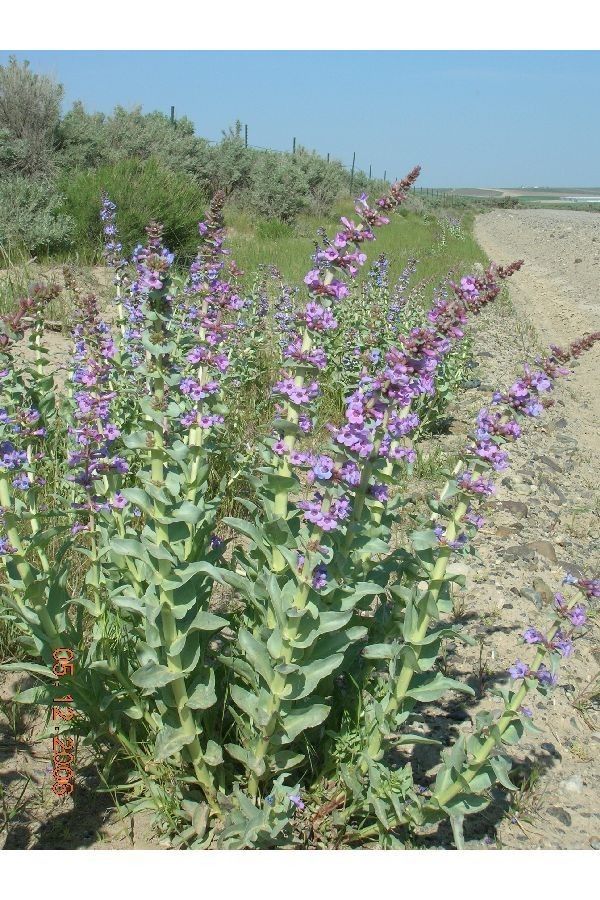
"Pride of the Mountain" showcases tubular flowers in vibrant colors. To encourage growth and blooming, prune the plant from early to late spring. Remove dead stems and spent blooms to improve air circulation and light penetration, which helps maintain the plant's shape and prevent it from becoming leggy. For best results, prune when new shoots begin to appear.
Pot & Repot
To ensure the "Pride of the Mountain" plant thrives, it is essential to provide excellent drainage in its pots. Proper drainage prevents root rot and promotes healthy growth.
Botanical profile.
- Plant Type
- Herb, Shrub
- Life Cycle
- Perennial
- Genus
- Penstemon
- Family
- Plantaginaceae
- Hardiness Zone
- 5-11
- Mature Height
- 61 cm to 91 cm
- Mature Spread
- 46 cm to 61 cm
- Leaf Color
- Green, Dark Green
- Leaf Type
- Deciduous
- Flower Color
- Pink
- Flower Size
- 2.03 cm to 3.05 cm
- Bloom Time
- Late spring, Summer
- Planting Time
- Spring, Summer, Autumn
- Harvest Time
- Late summer, Early fall, Mid fall
- Native Area
- Mexico
Reader questions.
What are the sunlight requirements for Pride of the Mountain?
Pride of the Mountain, also known by its botanical name Penstemon roseus, thrives in full sun, which means it requires more than 6 hours of sunlight daily for optimal growth. It can also tolerate partial sun, defined as about 3-6 hours of sunlight per day. It's essential to observe the movement of sunlight through your garden to pick locations that offer a suitable balance of light and shade, ensuring the well-being of your plants.
What is the common name of Penstemon roseus?
Penstemon roseus is commonly known as Pride of the mountain.
How does sunlight affect the Pride of the Mountain?
The Pride of the Mountain excels under direct, intense sunlight, showcasing its resilience against less abundant light sources. Originating from sunny regions, it utilizes abundant sunlight for its growth and development. However, an imbalance, whether too much or too little sun exposure, may result in health issues for the plant. In situations where natural light is insufficient, especially during winter or in darker spaces, artificial lighting can provide a valuable alternative, facilitating faster and healthier growth. It's important to choose the right artificial lights, such as LED lights that can offer specific light wavelengths necessary for plant growth, and to adjust the placement and duration of lighting to mimic natural conditions as closely as possible.
Is there any detailed information available on the essentials and symptoms related to Pride of the Mountain?
Currently, there is no detailed information provided on the essentials or symptoms related to Pride of the Mountain.
What are some common light deficiency symptoms in Pride of the Mountain?
When Pride of the Mountain is subject to inadequate lighting, it may not show symptoms immediately, but over time, the following signs can appear: smaller leaves than previously, leggy or sparse growth indicating a stretched appearance due to longer spaces between leaves or stems, faster leaf drop as a survival tactic to save resources, delayed or halted growth as the plant enters a survival mode, lighter-colored or irregularly patterned new leaves due to lack of chlorophyll, and conditions like chlorosis or sunscald, which involve the loss of green color in leaves or damage by intense sunlight, respectively. Additionally, leaf curling, wilting, and leaf scorching are physical responses to extreme sunlight conditions or overexposure.
How can I manage light exposure for Pride of the Mountain?
Managing light exposure for Pride of the Mountain involves several strategies based on its location—indoors, outdoors, or in the ground. Indoor plants should be gradually moved towards sunnier spots each week until they receive at least 6 hours of direct sunlight daily, utilizing south-facing windows for maximum light and considering artificial lights if natural light is insufficient. Outdoors, plants should be gradually acclimated to sunnier areas each week to prevent sunburn. Ground plants benefit from reducing obstructions like pruning tree branches or relocating the plants to sunnier areas with good drainage during their dormant period. Although parts of the plant damaged by insufficient light may not recover, new growth should emerge healthy with proper light adjustments.