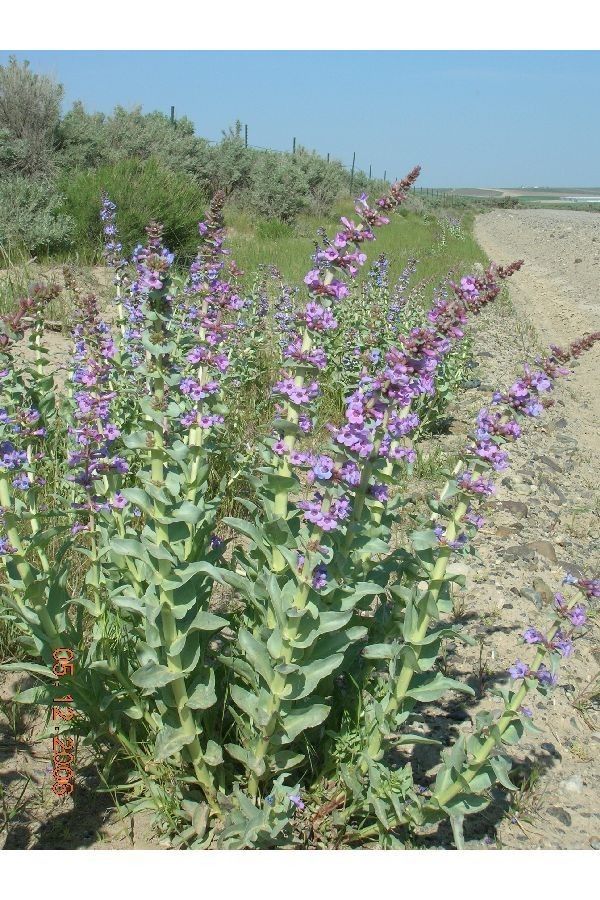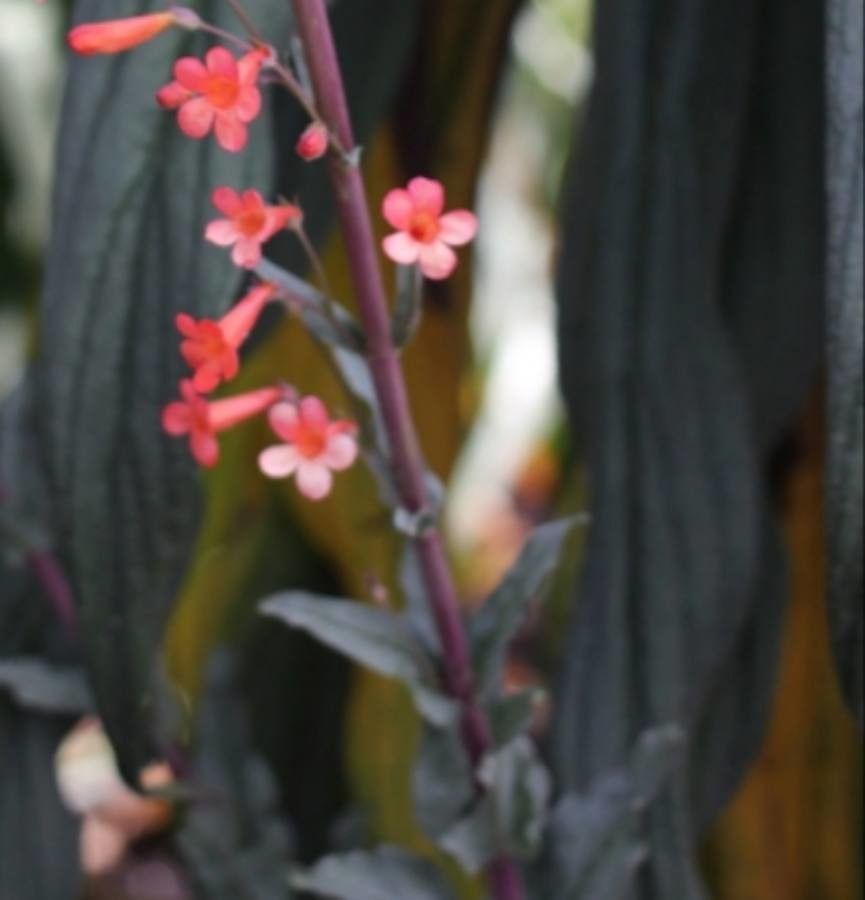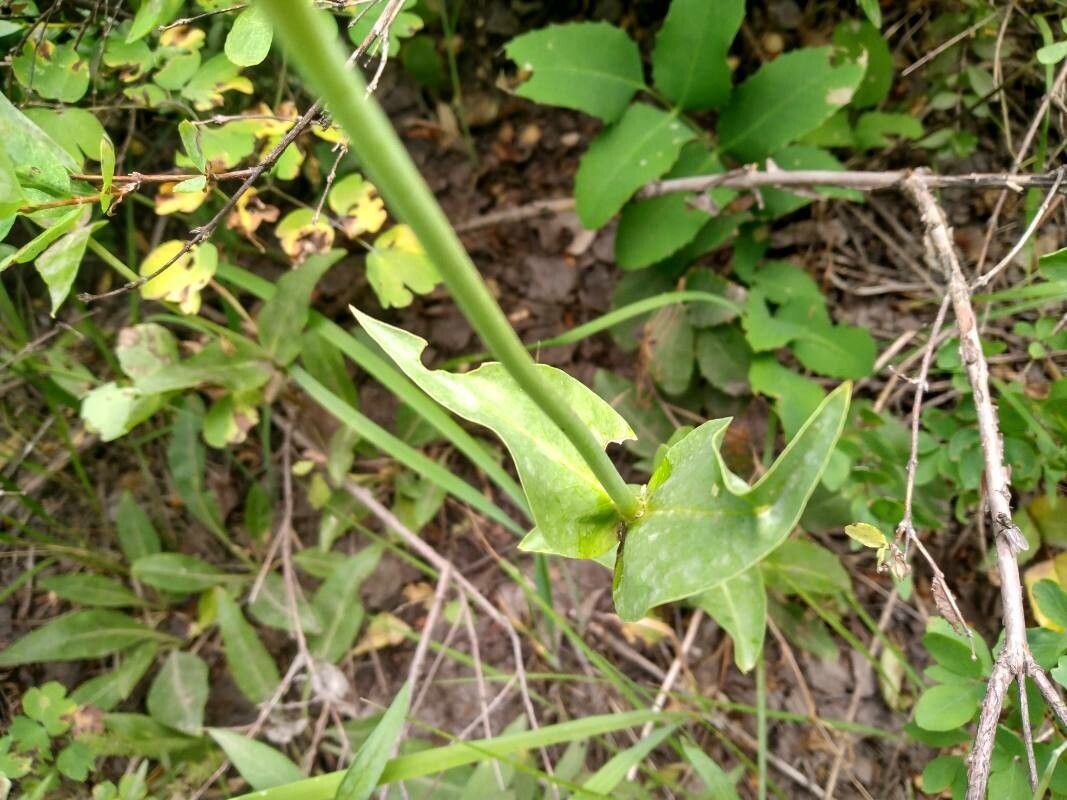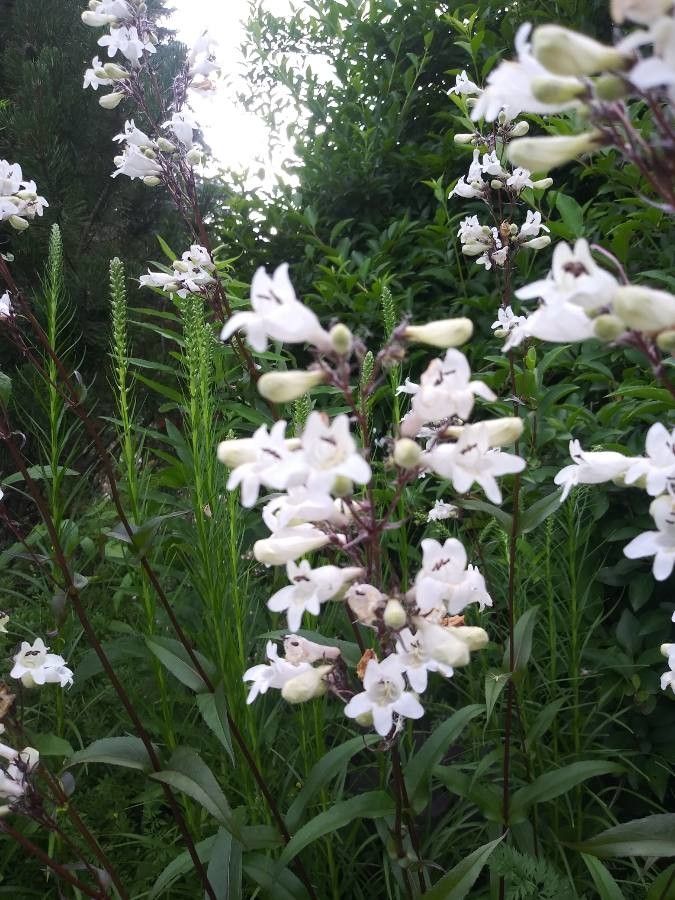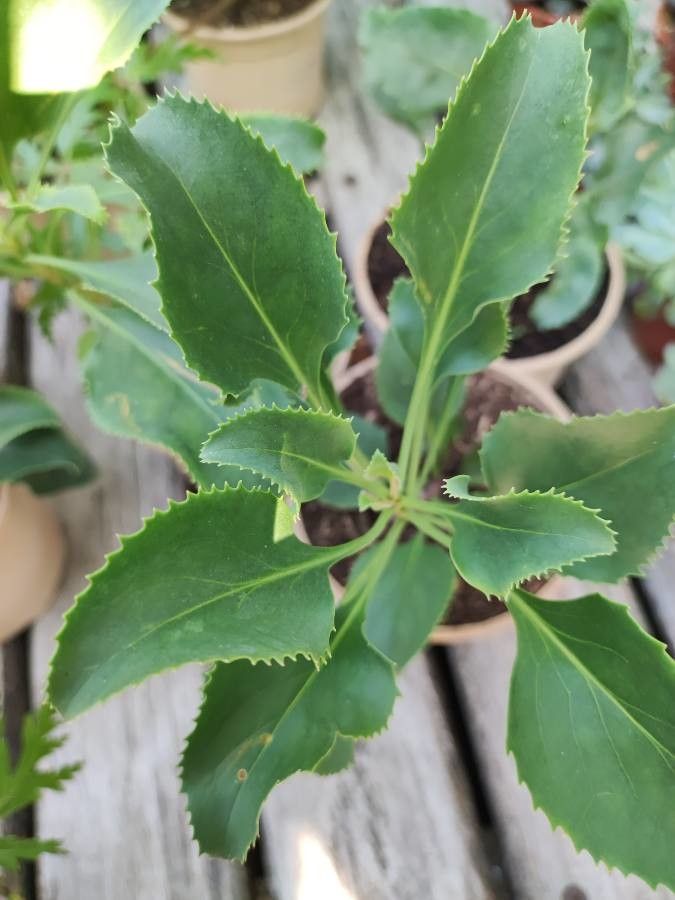
Penstemon pseudospectabilis (desert beardtongue, or desert penstemon) a species of penstemon. It's native to the southwestern United States, where it grows in desert and plateau habitat types, such as sandy washes, scrub, and woodland. The plant is generally a shrub growing to one meter, with many erect stems. The thin leaves are oval with wide, pointed tips and serrated edges. They are arranged oppositely in pairs, many are completely fused at the bases about the stem, forming a disc. The inflorescence bears tubular flowers with expanded, lobed mouths and glandular hairs on most surfaces, except the hairless staminode. The flower grows to 2.5 centimeters and is reddish pink.
Desert beardtongue is fairly resistant to disease and typically does not suffer from many illnesses. That said, it can be affected by pests and diseases found in its environment, though such problems are generally mild. Regarding upkeep, this plant needs a moderate level of care. Regular pruning is necessary to keep it looking good and to encourage healthy growth. Applying fertilizer can also assist in increasing bloom production. Desert beardtongue is well suited for anyone with outdoor areas like a garden or patio and does not demand extensive gardening experience. When kept indoors, it may call for more attentive care.
How to keep Penstemon Pseudospectabilis.
Light
Desert beardtongue is a perennial herbaceous plant that thrives in open environments such as meadows and grasslands, and it is fond of sunlight. While it primarily prefers full sun exposure, it can also withstand situations with partial sunlight.
Water
Desert beardtongue is well-suited for arid environments, displaying remarkable drought resistance. It needs minimal watering, about once a week, and thrives best outdoors in conditions similar to its native habitat. With its efficient use of water, desert beardtongue can survive during times of low rainfall.
Temperature
Desert beardtongue displays a high level of adaptability when it comes to temperature, possessing the ability to endure increased temperatures and greater temperature fluctuations. If temperatures increase, ensuring correct watering and supplying adequate shading to avoid sun damage is key. That being said, Desert beardtongue has a comparably lower tolerance to colder temperatures. Although it can survive moderate cold, extremely cold conditions can result in frost harm.
Fertilizer
The optimal period to nourish a Desert beardtongue is at the onset of spring, when it comes out of dormancy and goes into active proliferation. Fertilization offers essential nutrients needed for robust growth. Even though the Desert beardtongue requires modest amounts of fertilization, applying it yearly can improve its viability and encourage high quality, long-lasting blossoms.
Pruning
Desert beardtongue is well-suited for arid climates and is known for its striking tubular flowers. To keep the plant healthy and well-shaped, prune it after it flowers, anytime from early to late spring. Be sure to use sharp, sterile tools to prevent the spread of disease. Avoid heavy pruning late in the season to reduce stress on the plant. For the best results, consult local horticultural guides to ensure optimal care.
Pot & Repot
Desert beardtongue needs excellent drainage in pots to thrive. Proper moisture management is crucial for its health and growth because poor drainage can cause root rot and other problems.
Botanical profile.
- Plant Type
- Herb, Shrub
- Life Cycle
- Perennial
- Genus
- Penstemon
- Family
- Plantaginaceae
- Hardiness Zone
- 5-9
- Mature Height
- 30 cm to 91 cm
- Mature Spread
- 61 cm
- Leaf Color
- Green, Blue
- Leaf Type
- Semi-evergreen
- Flower Color
- Pink
- Flower Size
- 2.03 cm to 3.05 cm
- Bloom Time
- Mid spring, Late spring, Early summer
- Planting Time
- Spring, Summer
- Harvest Time
- Mid summer, Late summer, Early fall
- Native Area
- Mexico
Other names.
Reader questions.
What are the sunlight requirements for Desert Beardtongue?
Desert Beardtongue requires full sun, which means it needs more than 6 hours of sunlight daily. It can also tolerate partial sun conditions, which equate to about 3-6 hours of sunlight. This adaptation allows it to thrive in open habitats, often flourishing in meadows and grasslands. When planning your garden or deciding on a spot for your Desert Beardtongue, it's crucial to observe the movement of sunlight through the area to ensure you choose a location that provides a perfect balance of light and shade, guaranteeing the plant's happiness.
How does artificial lighting support Desert Beardtongue's growth indoors?
When Desert Beardtongue is grown indoors and natural sunlight is insufficient, especially during winter or in less sunny spaces, artificial lighting becomes essential for promoting healthy growth. For optimal growth, it's recommended to choose the right type of artificial light, such as LED lights, because they can be customized to offer specific wavelengths needed by your plant. Full sun plants need 30-50W/sq ft, partial sun plants require 20-30W/sq ft, and full shade plants should get 10-20W/sq ft of artificial light. Additionally, the light source should be placed 12-36 inches above the plant to mimic natural sunlight, and plants generally need 8-12 hours of light per day.
What are the symptoms of light deficiency in Desert Beardtongue?
When Desert Beardtongue is exposed to inadequate lighting, it may display symptoms such as smaller new leaves, leggy or sparse growth, faster leaf drop, slower or no new growth, and lighter-colored new leaves. These issues indicate a lack of sufficient light, which is crucial for the plant's development and chlorophyll production. Conversely, symptoms of excessive light exposure include chlorosis (yellowing leaves due to the breakdown of chlorophyll), sunscald, leaf curling as a defense mechanism to minimize water loss, wilting from increased water loss, and leaf scorching characterized by brown, dry edges on leaves.
What solutions can counteract light deficiency or excess in Desert Beardtongue?
To combat light deficiency in Desert Beardtongue, gradually move the plant to a sunnier location to receive at least 6 hours of direct sunlight daily. This can be done by utilizing a south-facing window and keeping curtains open during the day for maximum exposure. If the plant is large or not easily movable, consider using artificial light, keeping a lamp on for at least 8 hours daily or investing in professional grow lights. For outdoor plants, also move them gradually to avoid shock. In cases where the environment blocks sunlight, such as trees, consider pruning to allow more light through. When transplanting smaller plants for better sunlight exposure, do so during their dormant period and ensure the new location has ample sunlight and good drainage. It's important to note that parts of the plant affected by insufficient sunlight may not recover, but new growth following increased light exposure should be healthy.