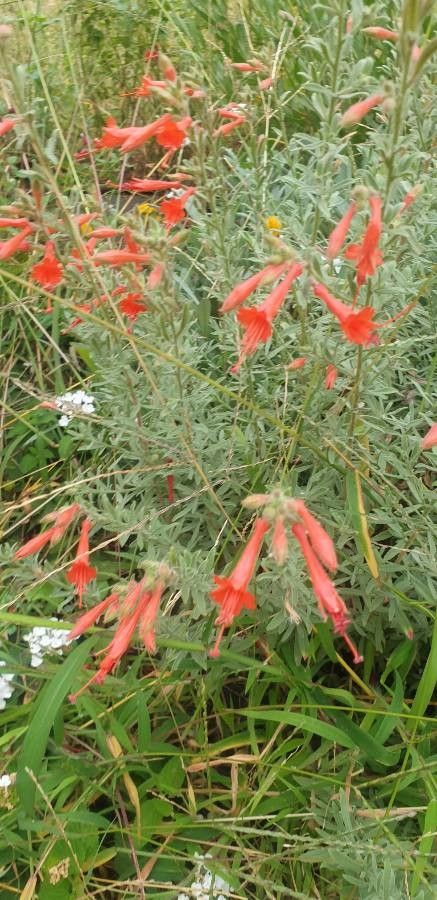
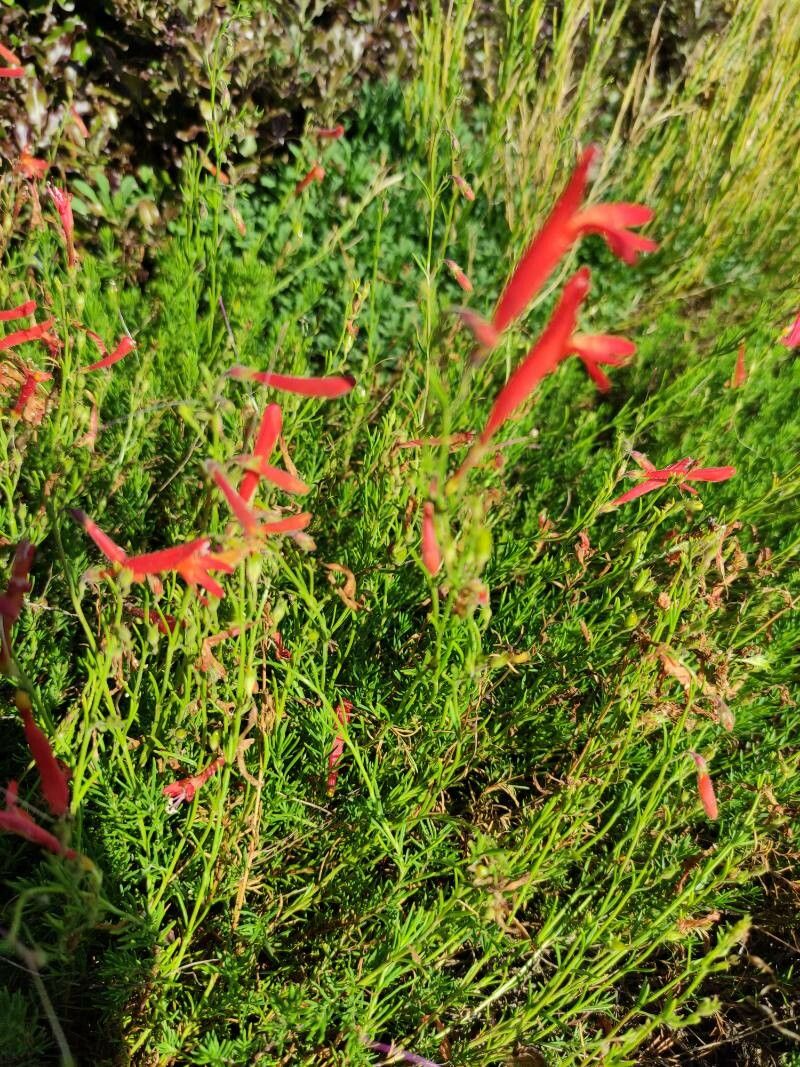
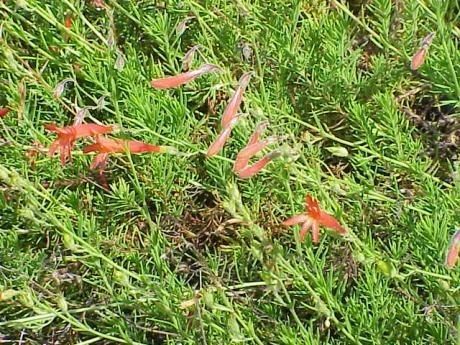
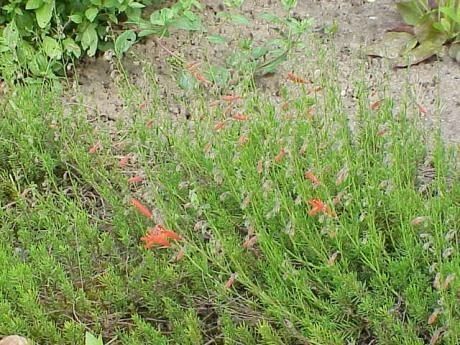
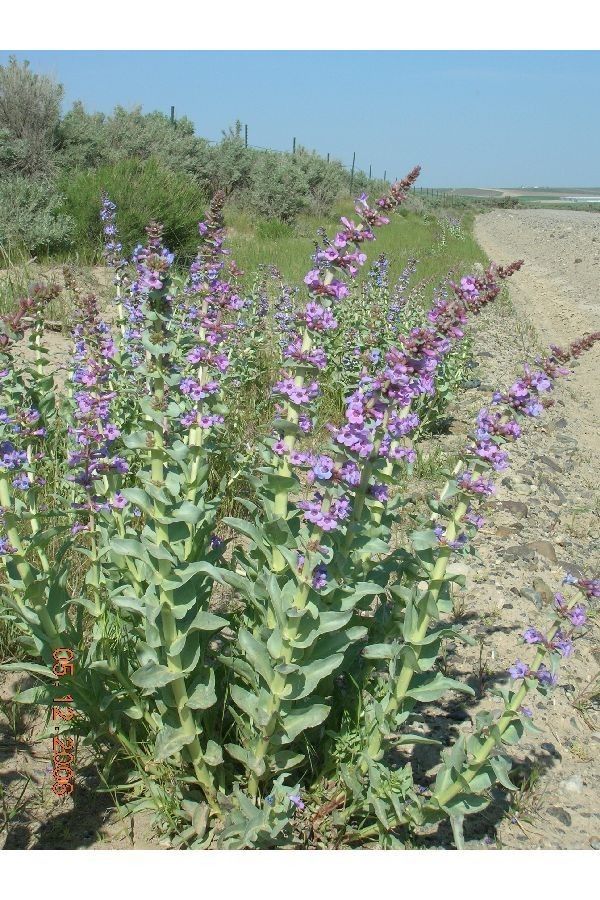
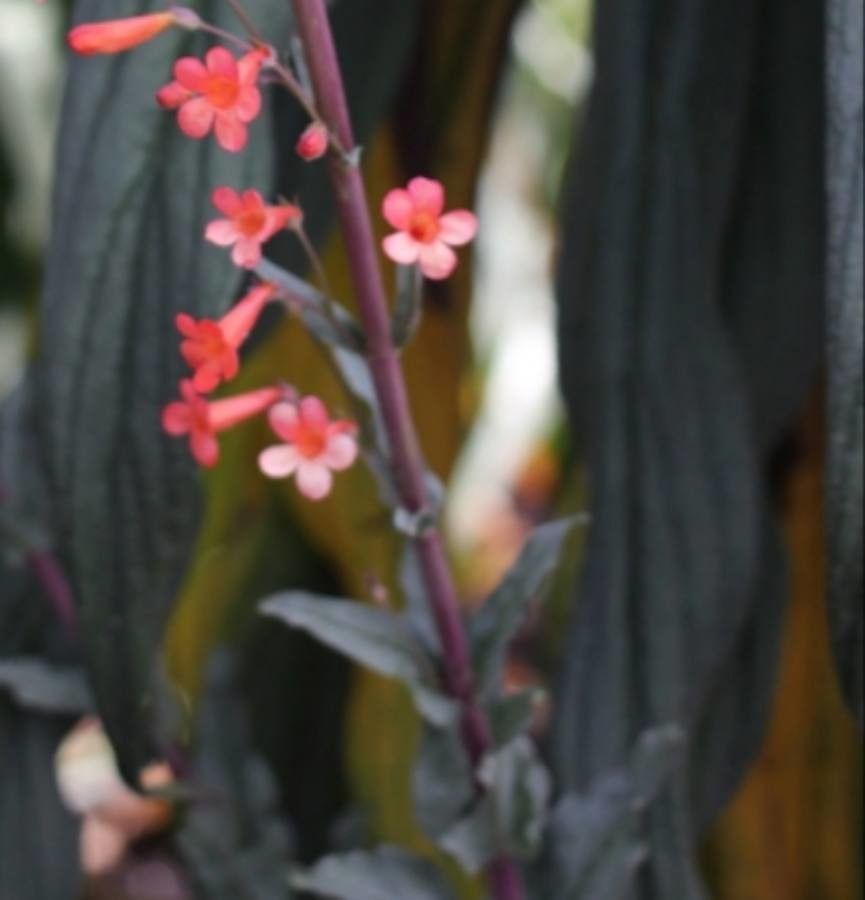
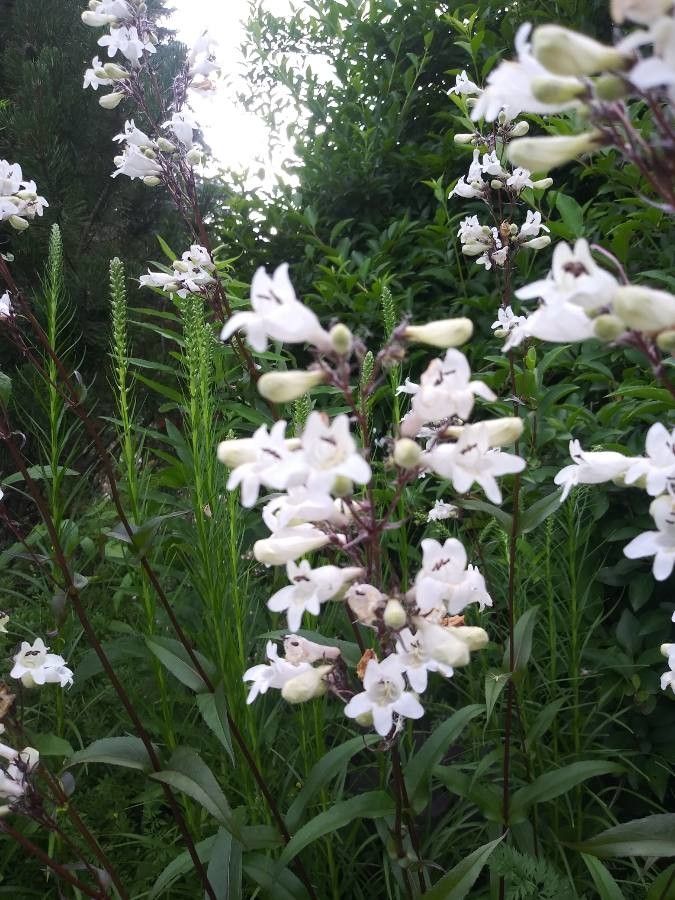
Penstemon pinifolius, commonly known as pineleaf beardtongue, is a perennial plant native to the western United States. Belonging to the snapdragon family, this plant typically reaches a height of 1-2 feet. It features narrow, needle-like leaves that resemble pine needles, and its bright red-orange tubular flowers bloom in late spring or early summer.
Pineleaf beardtongue thrives in well-drained soil and full sun, although it can tolerate some shade. Once established, it is drought-tolerant and attracts pollinators such as bees and hummingbirds. Historically, Native American tribes have used pineleaf beardtongue in traditional medicine for its anti-inflammatory properties. However, it should not be consumed without proper medical supervision due to potential toxicity concerns.
Overall, Penstemon pinifolius is a stunning addition to any garden or landscape. Its unique foliage and vibrant blooms add color throughout the growing season, while also providing ecological benefits for local wildlife populations.
Pineneedle beardtongue is fairly resistant to disease and typically not prone to illnesses. That said, it can be affected by pests and diseases present in its environment. Such infections are usually mild. For care, the plant requires moderate maintenance. It should be pruned regularly to preserve a neat appearance and support healthy growth. Fertilizing can also encourage flowering. Pineneedle beardtongue is well suited for anyone with outdoor space, like a garden or patio, and does not demand extensive experience in plant care. It may need more attention when kept indoors.
How to keep Penstemon Pinifolius.
Light
Pineneedle beardtongue is a sun-loving, perennial herbaceous plant native to open habitats and commonly found in meadows and grasslands. It prefers full sun but can also tolerate partial sun.
Water
Adapted to arid conditions, pineneedle beardtongue is well-equipped to retain moisture and endure drought. It requires watering once a week. To thrive, it needs to be planted outdoors in well-draining soil, which is essential for its water conservation strategy during the intense heat of the growing season.
Temperature
Pineneedle beardtongue can tolerate a broad range of temperatures, but its distribution can still be constrained by certain combinations of moisture and heat. It does best in warm summer climates with adequate rainfall or watering. Extended stretches of cloudy, rainy weather or prolonged high temperatures increase the risk of Pineneedle beardtongue dying. In winter, protecting it from cold can improve its chances of survival.
Fertilizer
For Pineneedle beardtongue, the primary time to apply fertilizer is in early spring when flowers are forming. The proper fertilizer promotes better blooms and helps Pineneedle beardtongue produce attractive flowers. Fertilizing in early spring ensures strong flowering during the season and supplies energy for dormant growth phases.
Pruning
Pineneedle beardtongue is characterized by its pine-like leaves and vibrant tubular flowers. To keep the plant healthy, prune it between early and late spring. Focus on removing dead stems and shaping the plant to encourage new growth, improve airflow, and prevent disease. Always use clean tools, and be careful not to over-prune for the best results.
Pot & Repot
Repot the pineneedle beardtongue every 2 to 3 years in early spring, using a slightly larger pot to accommodate root growth. Be sure to use well-draining soil and avoid overwatering to support its recovery. It's important to provide proper care after repotting to prevent root rot and ensure the healthy establishment of the pineneedle beardtongue.
Botanical profile.
- Plant Type
- Herb, Shrub
- Life Cycle
- Perennial
- Genus
- Penstemon
- Family
- Plantaginaceae
- Hardiness Zone
- 4-9
- Mature Height
- 30 cm
- Mature Spread
- 30 cm
- Leaf Color
- Green
- Leaf Type
- Evergreen
- Flower Color
- Red
- Flower Size
- 2.03 cm to 3.05 cm
- Bloom Time
- Summer
- Planting Time
- Spring, Summer, Autumn
- Harvest Time
- Early fall, Mid fall
- Native Area
- Mexico
Other names.
Reader questions.
What are the sunlight requirements for Pineneedle beardtongue?
Pineneedle beardtongue (Penstemon pinifolius) thrives best in full sun conditions, requiring more than 6 hours of sunlight daily, but it can also tolerate partial sun, which means about 3-6 hours of sunlight. It's essential to observe the movement of sunlight through your garden to identify the ideal spots that offer a balance of light and shade, ensuring optimal growth and health of the Pineneedle beardtongue.
What is the common name of Penstemon pinifolius?
The common name of Penstemon pinifolius is Pineneedle beardtongue.
How does artificial lighting support Pineneedle beardtongue's growth indoors?
When natural sunlight is not enough, especially during winter or in less sunny areas, artificial lighting becomes crucial for the growth of indoor Pineneedle beardtongue plants. Optimal growth can be supported by using artificial lights, which can be tailored to provide specific light wavelengths needed by plants. LED lights are recommended for their efficiency and customization options. For full sun plants, 30-50W/sq ft is advised, for partial sun plants 20-30W/sq ft, and for full shade plants 10-20W/sq ft. The artificial light source should be placed 12-36 inches above the plant and turned on for 8-12 hours per day to mimic natural sunlight conditions.
What are the botanical characteristics of Pineneedle beardtongue?
Pineneedle beardtongue, also known scientifically as Penstemon pinifolius, doesn't have provided details on its botanical characteristics here. Typically, Penstemon species are known for their diverse and attractive flowers, but specific features like foliage, height, bloom time, and care needs would be needed to accurately describe Pineneedle beardtongue's botanical characteristics.
What are the symptoms of inadequate lighting in Pineneedle beardtongue?
Insufficient light can cause various growth issues in Pineneedle beardtongue. Symptoms include smaller new leaves, leggy or sparse growth, faster leaf drop, slower or stopped new growth, lighter-colored new leaves, chlorosis (leaves turning yellow), sunscald resulting in damaged leaves or stems, leaf curling to minimize sunlight exposure, wilting due to loss of water, and leaf scorching characterized by brown, dry edges. Such symptoms indicate the plant is not receiving adequate sunlight for proper growth and photosynthesis.
How can I address inadequate sunlight exposure for Pineneedle beardtongue?
To mitigate the effects of inadequate sunlight for Pineneedle beardtongue, consider gradually moving plants to a sunnier location, allowing at least 6 hours of direct sunlight daily. For indoor plants that are large or difficult to move, using artificial lighting like desk, ceiling lamps, or professional grow lights for a minimum of 8 hours a day can be beneficial. If plants are outdoors, adjust their location gradually to avoid sunburn. Also, during the dormant period, transplant smaller plants to areas with better sunlight exposure and good drainage, and prune trees or shrubs that block sunlight to reduce shade on your garden.