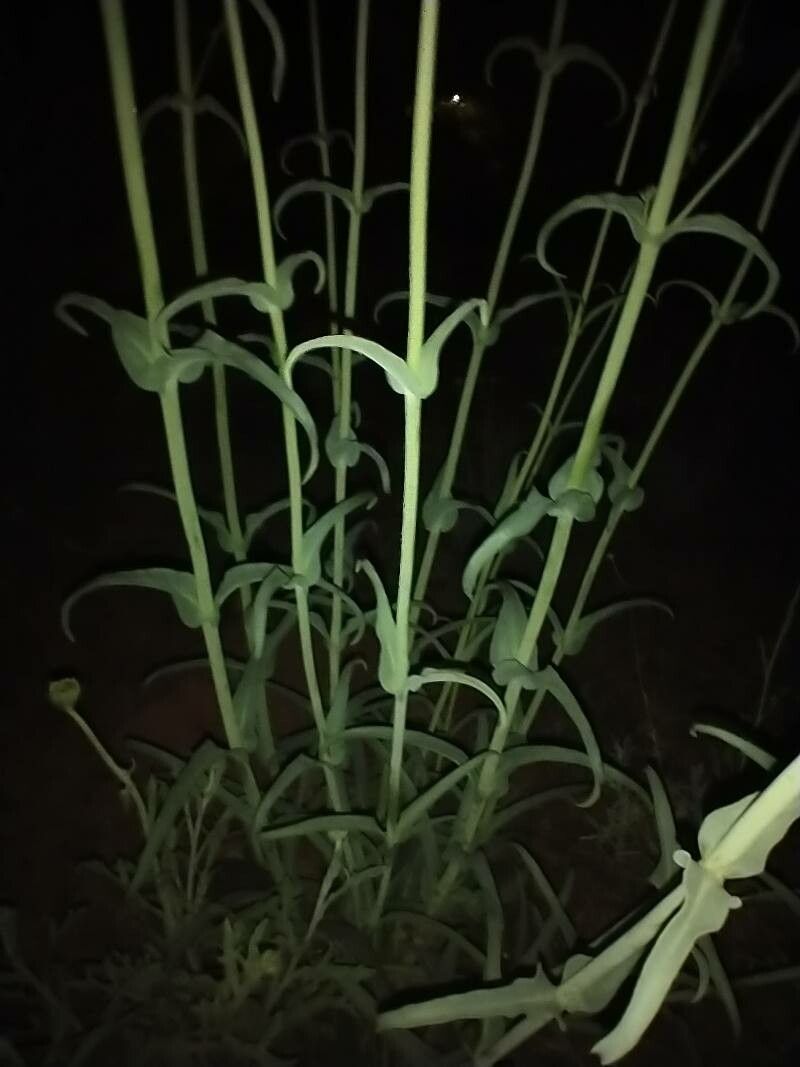
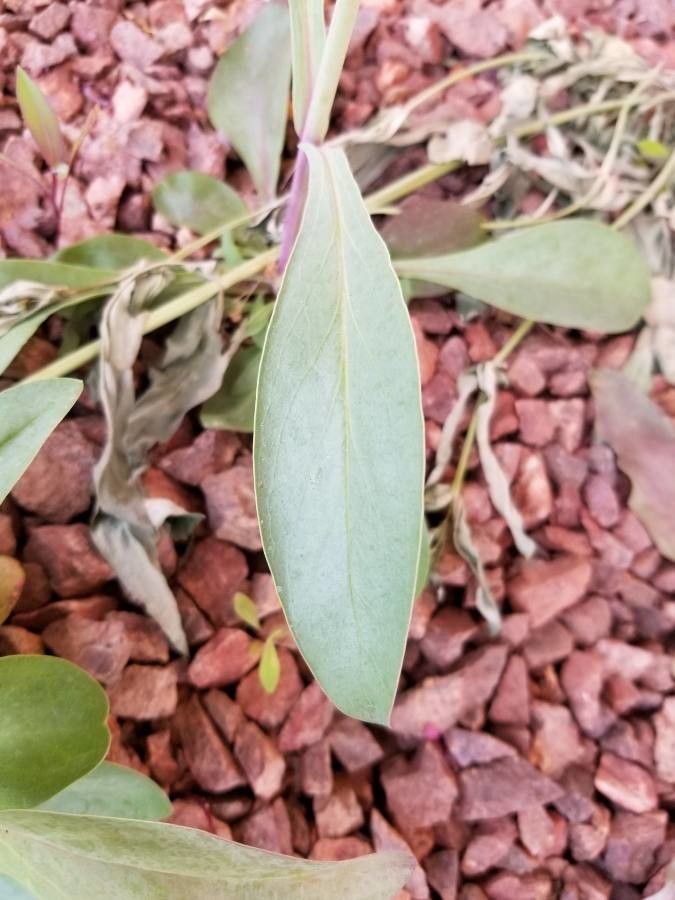
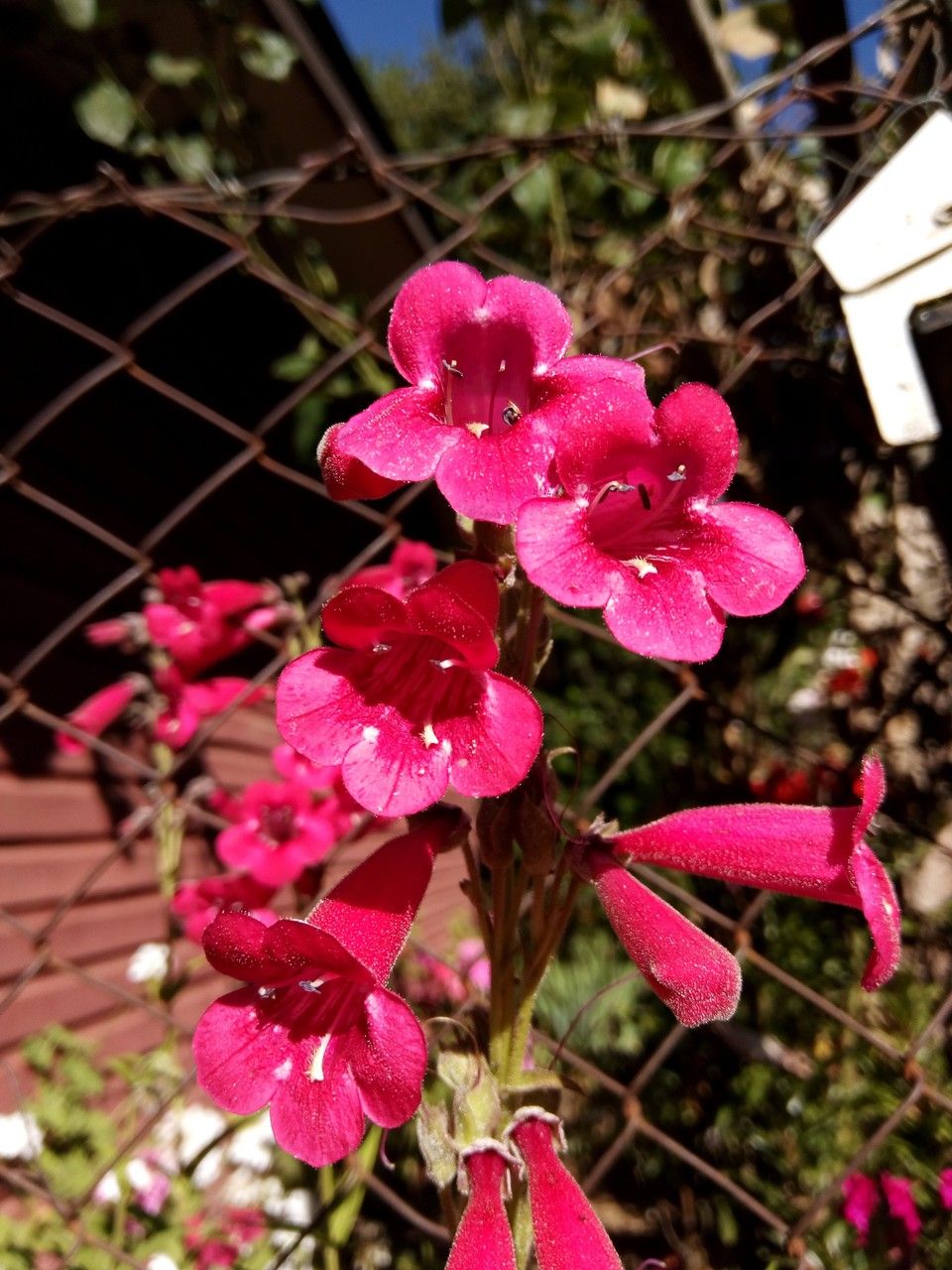
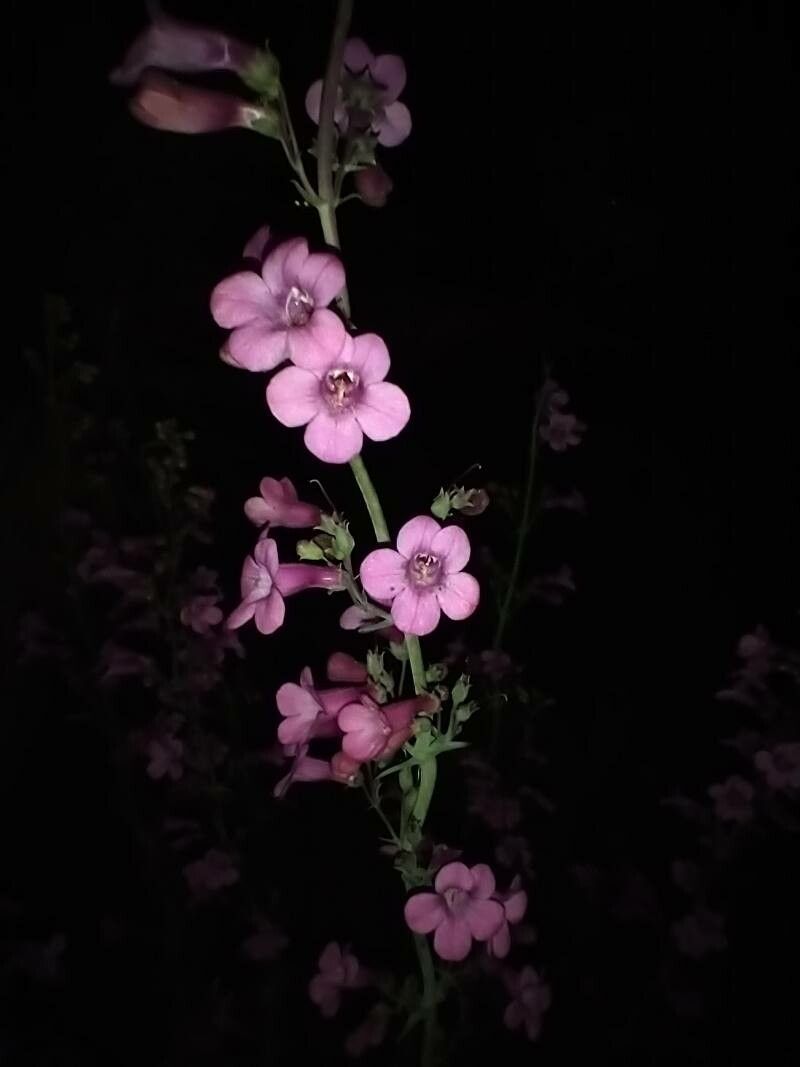
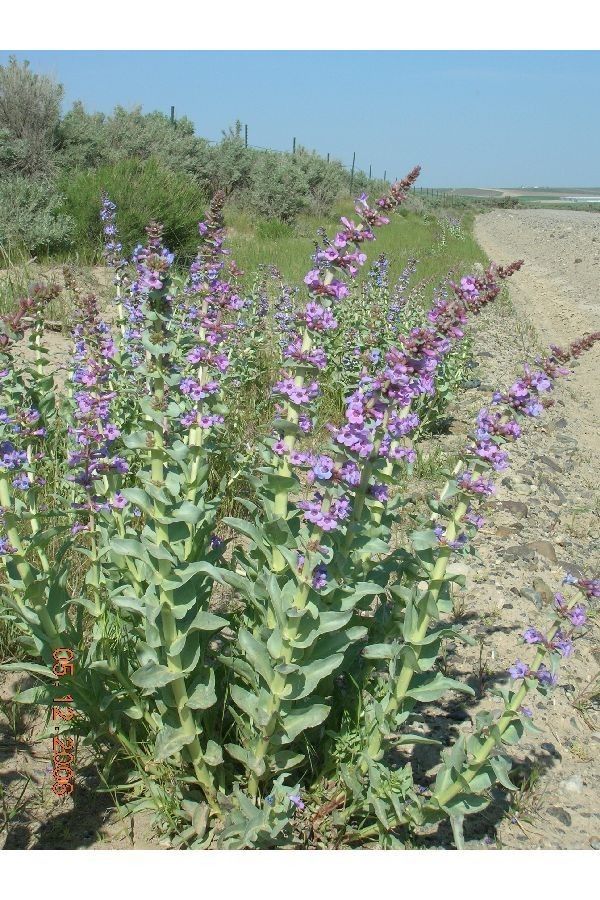
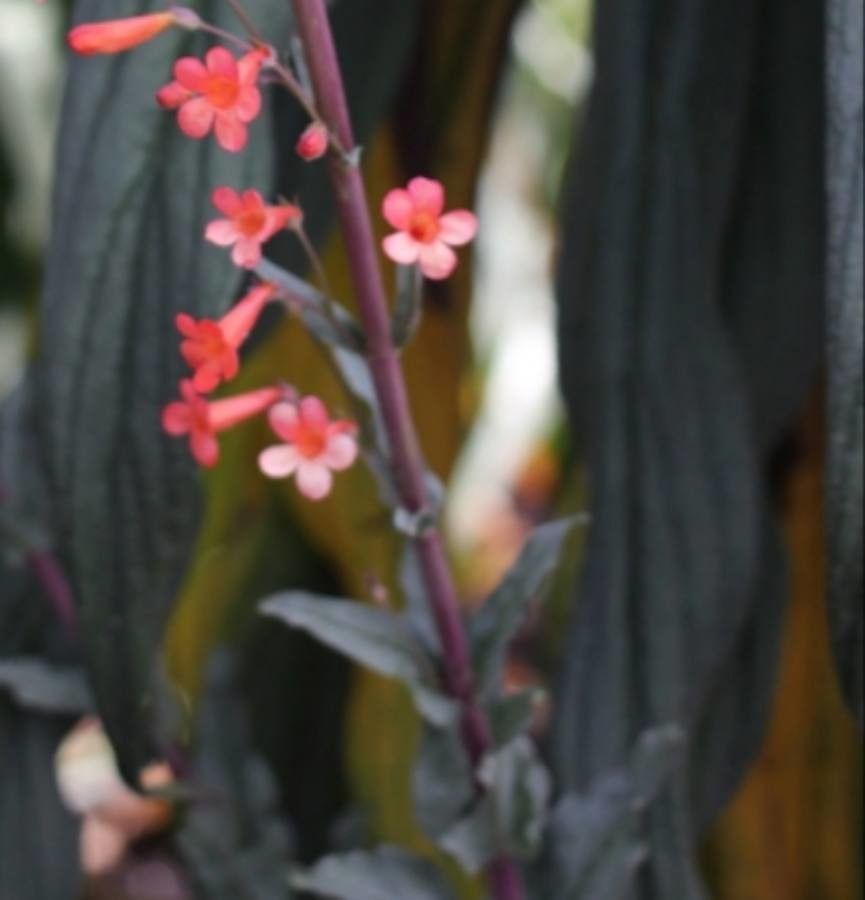
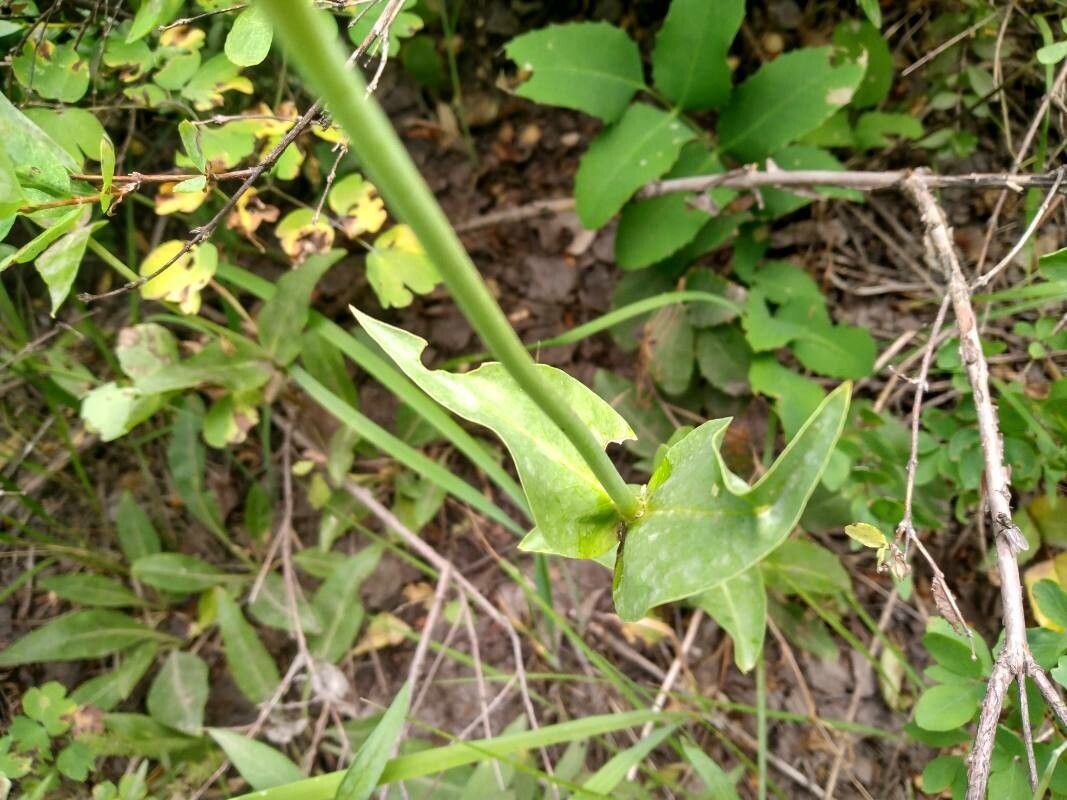
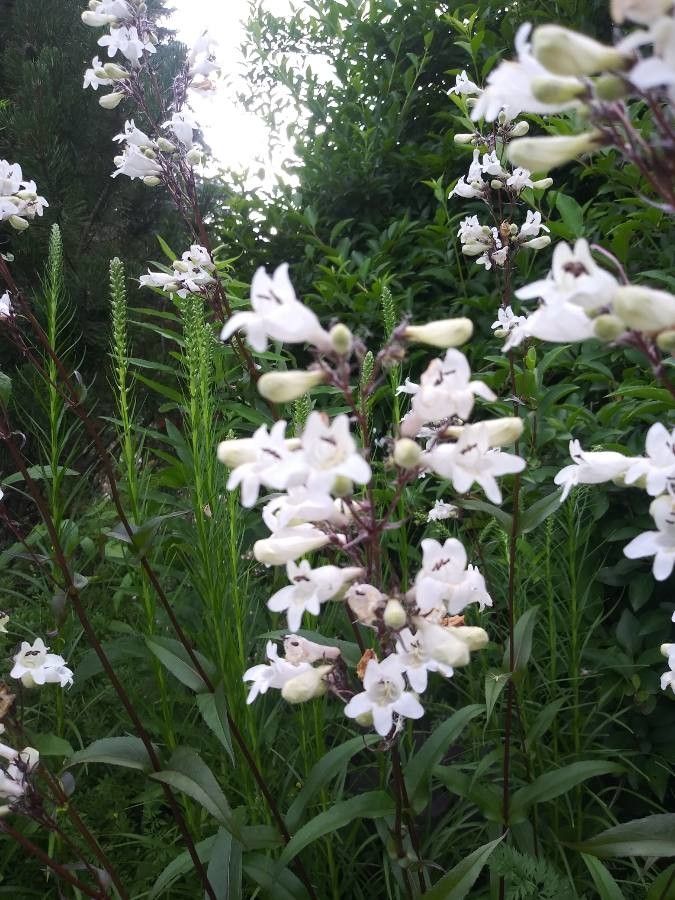
Penstemon parryi, commonly known as Parry's Penstemon, is a perennial herbaceous plant belonging to the family Plantaginaceae. It is native to the western United States, typically found in rocky or gravelly soils in mountainous regions. Parry's Penstemon usually grows to a height of 1-2 feet and features narrow, lance-shaped leaves that are either green or gray-green. The plant produces striking tubular flowers, which are generally pink or purple with white throats, blooming from late spring to early summer. This plant is a popular choice for gardeners due to its attractive flowers and its ability to attract pollinators such as bees and hummingbirds. It also possesses medicinal properties, with some Native American tribes using it for its anti-inflammatory effects. Overall, Penstemon parryi is a stunning addition to any garden or natural landscape, offering eye-catching blooms and support for local wildlife populations.
Parry's penstemon shows good resistance to disease and is generally not susceptible to illnesses. However, it can be affected by pests and diseases present in its environment. These problems are typically minor. Care-wise, the plant needs a moderate level of maintenance. It should be pruned regularly to keep a tidy appearance and support healthy growth. Fertilizing can also encourage more blooms. Parry's penstemon is appropriate for anyone with outdoor space, such as a garden or patio, and does not demand extensive gardening experience. When grown indoors, it may need more attentive care.
How to keep Penstemon Parryi.
Light
Parry's penstemon favors plentiful light but can tolerate reduced illumination. In the wild it does best in open locations with full sun exposure. Yet too much sun can cause it to dry out, while too little light can slow its growth.
Water
Parry's penstemon is well-suited to arid environments and thrives with minimal watering under drought conditions. For best results, water the plant once a week, taking care to avoid both over-watering and under-watering. The plant's flowering is affected by its watering schedule and the dry soil typical of its native xeric landscapes.
Temperature
Parry's penstemon is native to temperate habitats and grows best at temperatures between 59 to 95 °F (15 to 35 ℃). It tolerates slight chill and prefers warmth. During harsh seasons, keep parry's penstemon indoors or modify the plant's microclimate.
Fertilizer
The best time to fertilize a Parry's penstemon is in early spring, as it comes out of dormancy and begins active growth. Fertilization supplies essential nutrients for healthy growth. Although Parry's penstemon needs only modest feeding, applying fertilizer annually can improve its survival and encourage better, longer-lasting flowers.
Pruning
Parry's penstemon is known for its vibrant flowers and ability to tolerate drought. To encourage new growth, prune it from early to late spring after it has finished blooming. Be sure to remove any spent flowers and damaged stems during this time. Avoid heavy pruning so as not to hinder flower production. Using clean, sharp tools will boost the plant's vitality and improve air circulation, which in turn helps reduce pest problems.
Pot & Repot
Parry's penstemon needs excellent drainage in pots to thrive and maintain optimal health and growth. Good drainage prevents waterlogging and root rot, which are crucial for keeping the plant robust.
Botanical profile.
- Plant Type
- Herb
- Life Cycle
- Perennial
- Genus
- Penstemon
- Family
- Plantaginaceae
- Hardiness Zone
- 8-10
- Mature Height
- 91 cm
- Mature Spread
- 61 cm
- Leaf Color
- Green, Gray
- Leaf Type
- Semi-evergreen
- Flower Color
- Pink
- Flower Size
- 2.03 cm to 3.05 cm
- Bloom Time
- Spring
- Planting Time
- Spring
- Harvest Time
- Summer
- Native Area
- Mexico
Other names.
Reader questions.
How should I water my Parry's penstemon plant?
To effectively water the Parry's penstemon, follow these guidelines: Use filtered water at room temperature. Tap water may contain harmful particles. The plant prefers warm water to mimic its natural environment. Avoid overhead watering, which can cause foliage issues. Instead, thoroughly saturate the soil with filtered room temperature water. This helps moisturize the roots and supports nutrient absorption.
Why do I have to put fertilizer on my Parry's penstemon?
Fertilization plays an important role in the growth of Parry's penstemon and other plants. It provides essential nutrients for both above and below ground development. While Parry's penstemon generally has low fertilization requirements and can survive without it, annual fertilization is highly beneficial. It not only ensures the plant's survival but also promotes the production of longer-lasting, more beautiful flowers. To optimize the health and appearance of Parry's penstemon, regular annual fertilization should be maintained.
What kind of sunlight does Parry's penstemon require?
Parry's penstemon requires full sun each day, with a minimum of six hours of sunlight to maintain healthy leaves, roots, and blooms. While many perennials also require six hours of sunlight, certain plants like the Orange Daylily or Giant Coreopsis can survive with only three hours of sun each day. However, these flowering perennials will not thrive as well as they would in sunnier conditions.
What temperature is best for Parry's penstemon?
Plants are impacted by cold temperatures because they take on the temperature of the surrounding air. Normally, when exposed to sunlight, they can warm up. However, in winter, this is not the case. The optimal temperature range for Parry's penstemon is typically between 70~85℉ (21~30℃). They might be able to withstand temperatures as low as 20~30℉ (-6~0℃) or even 15℉ (-10℃), but not for extended periods as it can result in frost damage. It's important to keep their maximum temperatures within the preferred range and also provide them with occasional water spray and shade to avoid wilting.
What do I need to do if I give my Parry's penstemon too much or too little water?
Taking care of your Parry's penstemon requires finding the right balance in watering. While both overwatering and underwatering can harm your plant, overwatering is a more common issue. When the plant gets too much water, its stems and leaves may become wilted and yellow. Extended overwatering can also cause diseases like root rot, mold, and mildew, which can be fatal. Underwatering is less likely, as the plant can tolerate some drought. However, when it does happen, the leaves may turn brittle and brown. It's crucial to notice signs of overwatering promptly, as some diseases may be irreversible if left too long. Reduce your watering schedule immediately if you see early signs. Check the soil's drainage quality and replace it with a well-draining potting mix if necessary. If you notice signs of underwatering, simply water more regularly until the signs disappear.
When should I fertilize my Parry's penstemon?
The best time to fertilize a Parry's penstemon is in late winter to early spring when it is transitioning from dormancy to active growth. Fertilizing during this time promotes healthy growth at the start of the season. While it is generally recommended to fertilize in early spring, fertilizing in the fall is also acceptable. However, it is not advisable to fertilize during summer and winter.
Can the sun harm Parry's penstemon? How can I keep Parry's penstemon safe from the sun and heat?
In warm climates, some Perennial Flowering Plants may struggle with excessive heat and suffer from sun damage. They can wilt, dry out, or even experience growth problems if they are consistently exposed to the intense afternoon sun. However, not all plants require protection from the light afternoon sun. For those that are harmed by intense afternoon exposure, it is recommended to provide them with some shade in warmer climates. Gardeners can achieve this by planting these plants in areas that do not receive direct heat during the afternoon, such as under trees or behind bushes.
Do I need to change the temperature for Parry's penstemon as it grows?
When growing Parry's penstemon, it is important to research the optimal temperature conditions. Some growers may choose to lower the plants' thermostats during the growing season to save on HVAC costs. However, it is crucial to understand how temperature can impact flowering, pest management, and overall plant quality. During the winter, certain species of Parry's penstemon may enter a dormant state, causing growth to cease. As the seasons change and temperatures rise, the base temperature for growth increases, allowing Parry's penstemon to grow more quickly. Species that naturally thrive in warmer habitats have higher ideal temperatures compared to those that prefer a cooler climate. Exposing Parry's penstemon seeds to cool temperatures can result in less uniformity and delays. When the plant is in the flowering stage, it may be beneficial to lower the temperature, but not during other phases. Cooler nighttime temperatures also require less water, so irrigation should be adjusted accordingly.
How often do I need to water my Parry's penstemon?
If your Parry's penstemon is in a pot, the best way to check if it needs water is by sticking your finger into the soil. If the top two to three inches of soil feel dry, then it's time to water the plant. If you have your Parry's penstemon planted outdoors in the ground, you can use the same method to test the soil. Once again, if the top few inches of soil have dried out, it's time to water the plant. Typically, during spring and early fall, this method will require watering the plant once a week. However, when the weather gets extremely hot, you may need to increase watering to two or more times a week. Despite this, mature and well-established Parry's penstemon plants have a remarkable ability to tolerate drought.
When is the best time to not fertilize my Parry's penstemon?
To avoid overfertilization and its complications, it is best to only fertilize your Parry's penstemon in the late winter and early spring. This plant has low fertilization needs, so a single feeding during this time should be sufficient. However, if you did not fertilize in spring, it is permissible to feed the plant in fall. It is important to refrain from fertilizing during the rest of the growing season, including winter when the plant is in a dormant phase and does not require new growth.
Should I keep Parry's penstemon away from the sun to protect it?
Certain perennial plants require ample sunlight to reach their maximum bloom. However, in warmer climates, some of these plants actually benefit from less sun. For instance, individuals residing in hotter regions might find it beneficial to shade their flowering perennials during the intense afternoon sun, especially during summer months. Although many perennial flowering plants prefer partial shade in the hottest climates, there are exceptions. Take the Giant Coreopsis, for example, as it is not bothered by excessive sun exposure. These plants can flourish even when placed in the full sun during scorching weather.
How do I make sure Parry's penstemon stays warm during the cold seasons?
To encourage the Parry's penstemon to withstand colder temperatures, it is advisable to halt fertilization and focus on strengthening existing growth. Building protective structures like cages or trellises can help them stay warm. Another option is using heat mats, which can maintain an optimal soil temperature for the plant.