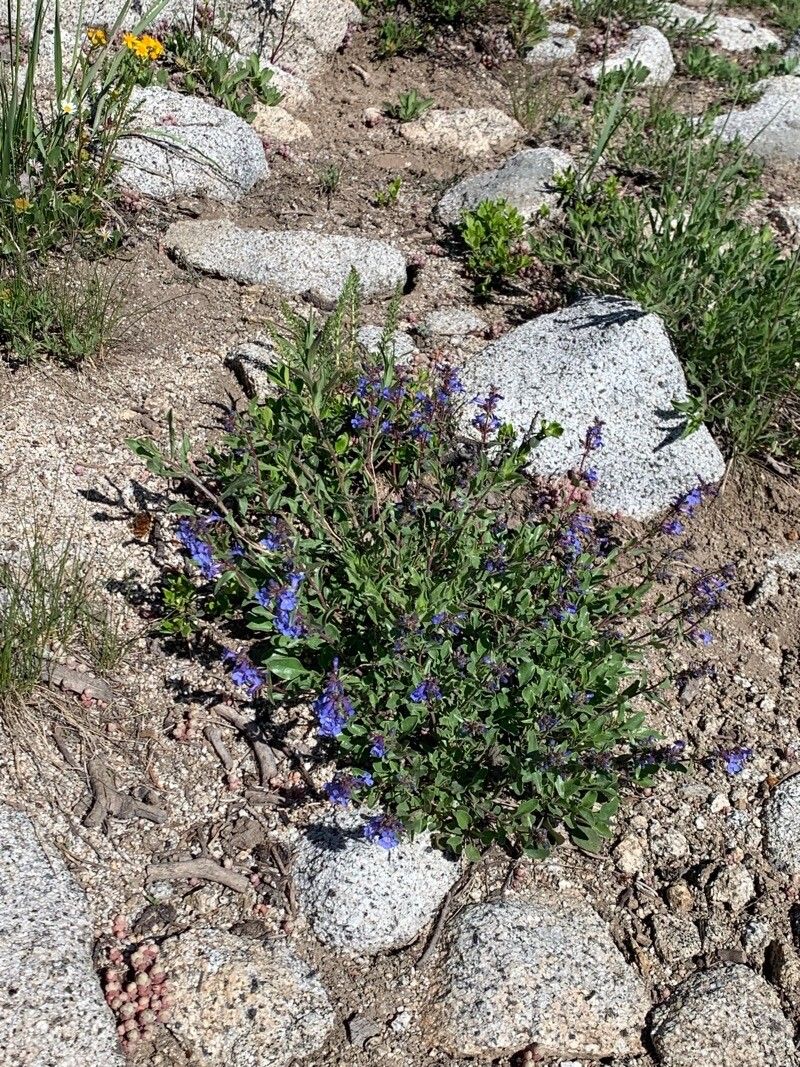
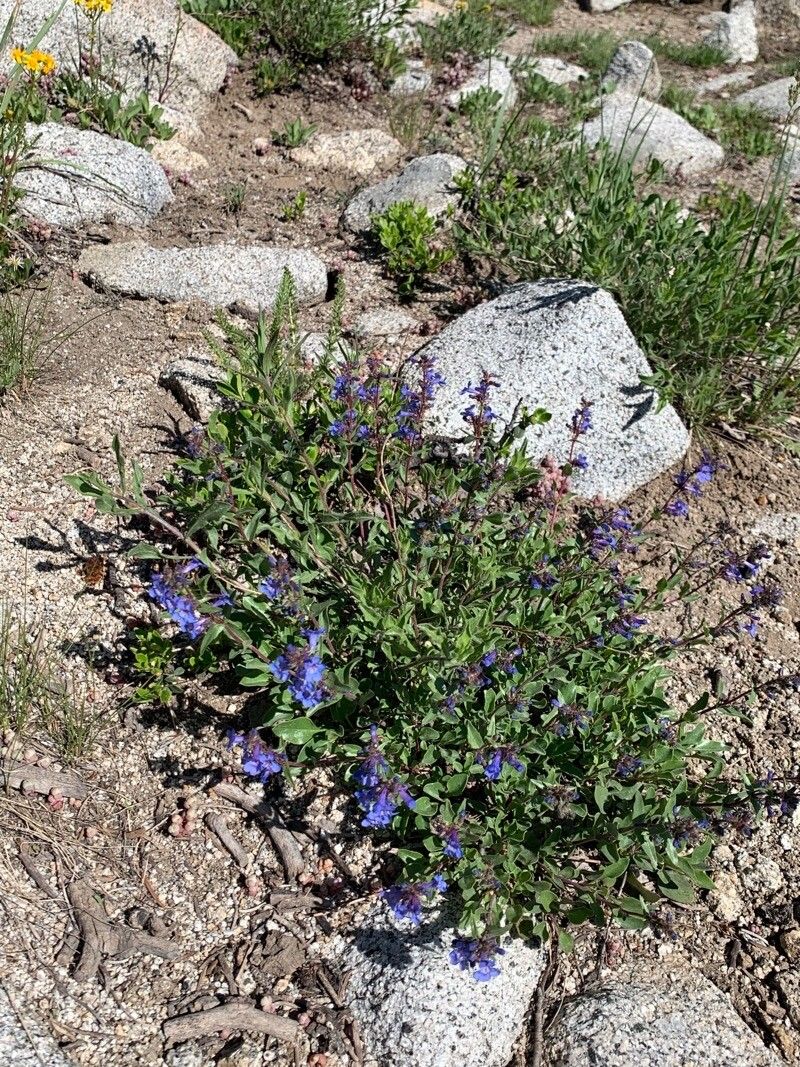
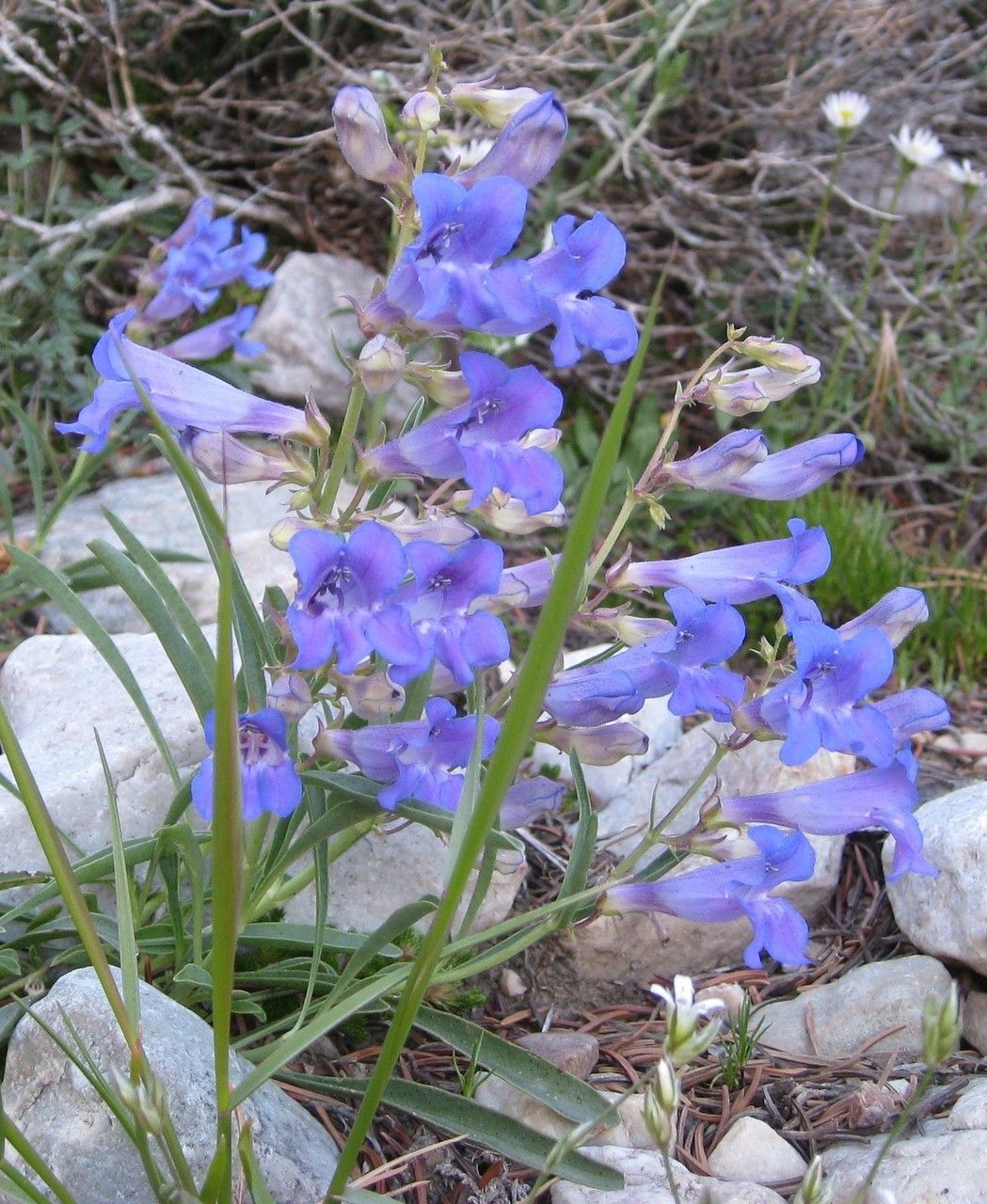
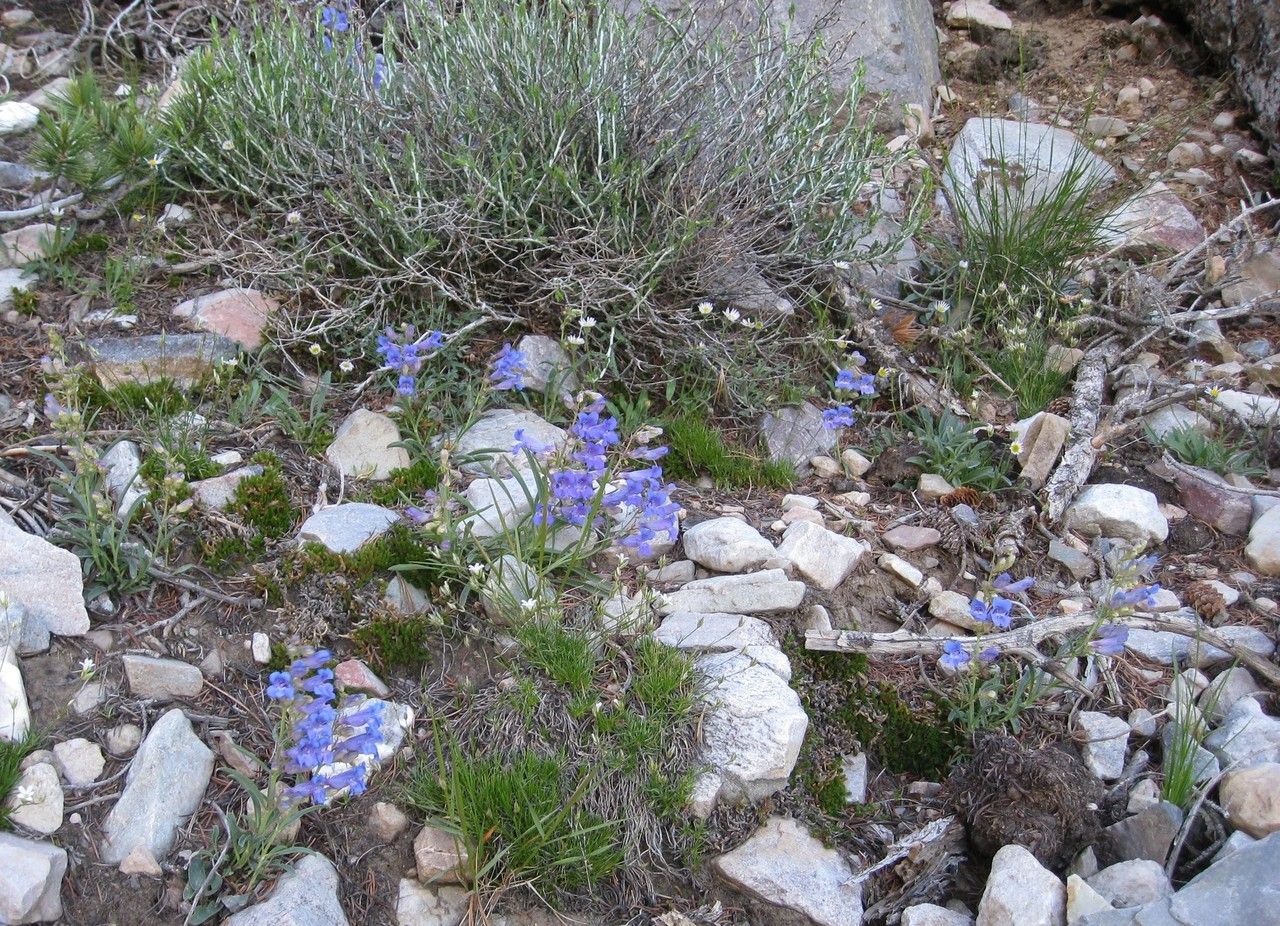
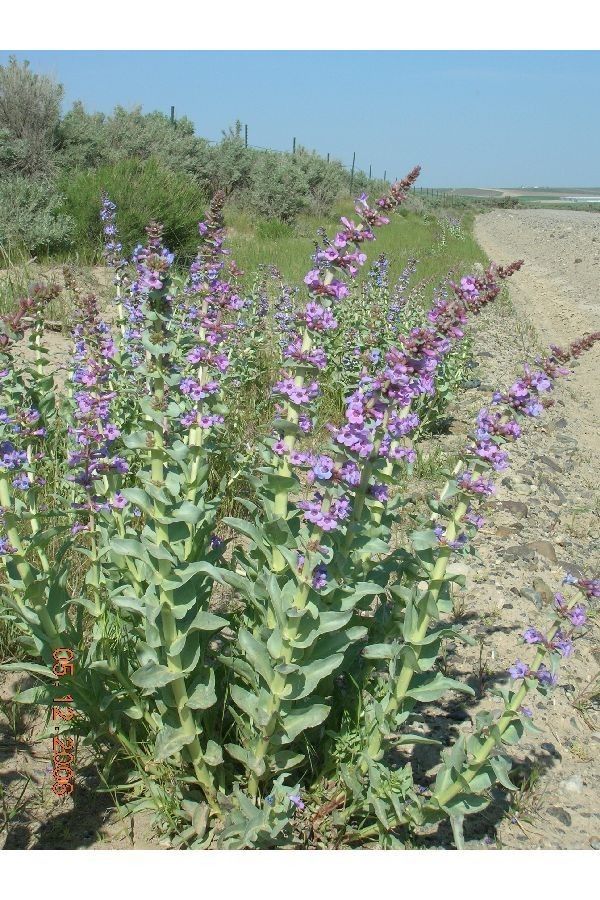
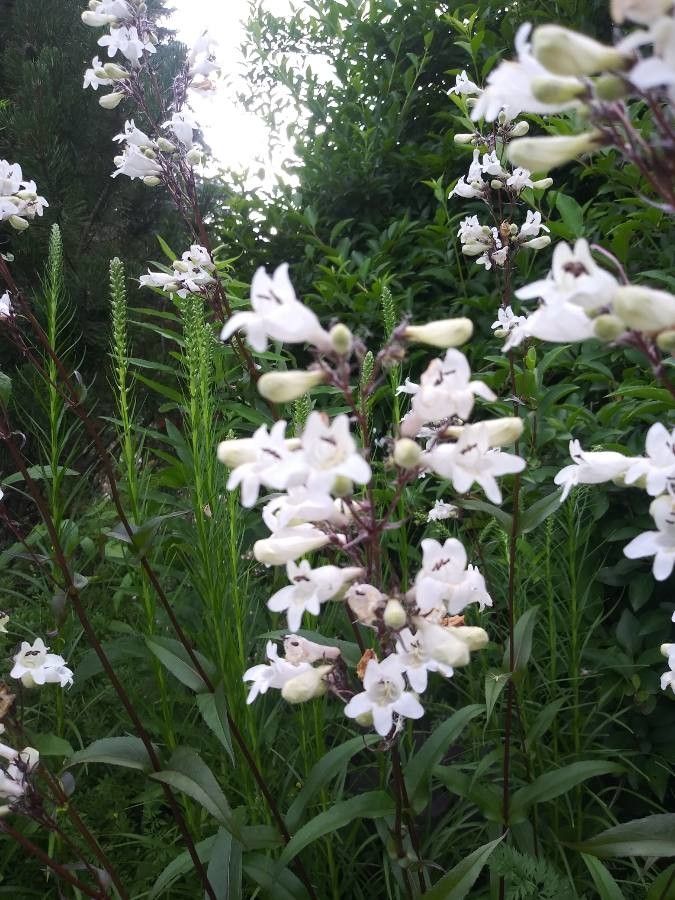
Penstemon humilis is a species of flowering plant in the plantain family known by the common names low beardtongue and lowly beardtongue. It is native to the western United States.This species is a woody perennial herb or subshrub growing up to 35 centimetres (14 in) tall. The basal leaves form a mat about the base of the plant. The flowers are narrowly tubular.This species of Penstemon is found in sagebrush, in pinyon-juniper woodland habitat, and in mountain forests and tundra.
Low beardtongue generally resists disease well and is not usually affected by illnesses. Still, it can be vulnerable to pests and diseases present in its environment. When infections do occur, they tend to be mild. Care-wise, the plant needs a moderate amount of attention. Regular pruning is necessary to keep it looking good and to support healthy growth. Applying fertilizer can also encourage more blooms. Low beardtongue is a good choice for anyone with outdoor space such as a garden or patio and does not demand extensive gardening experience. It may need extra care if cultivated indoors.
How to keep Penstemon Humilis.
Light
Low beardtongue is a sun-loving, herbaceous perennial native to open habitats and commonly found in meadows and grasslands. It prefers full sun but can also tolerate partial sun.
Water
Adapted to dry environments, low beardtongue is a plant that thrives because of its high drought tolerance. To promote optimal growth, it should be watered weekly to mimic natural rainfall. It is best grown outdoors, where it flourishes if the soil moisture is regularly monitored during its active growing season.
Fertilizer
One fertilizer application in spring is normally enough for Low beardtongue, though repeated feedings can optimize growth. Apply fertilizer every month to six weeks. Fertilizing improves the leaves' appearance and function, supporting even color and a healthy texture. It also encourages root development and nutrient uptake for the plant's long-term health.
Pruning
To promote vibrant blooms and maintain the appearance of low beardtongue, prune it in early to late spring. Remove any dead or diseased stems to improve air circulation, but avoid heavy pruning to prevent stress on the plant. Regular, light maintenance encourages healthier growth and rejuvenates the plant, enhancing its resilience in rocky soils.
Pot & Repot
Low beardtongue needs excellent drainage when grown in pots to thrive. Ensuring proper drainage is crucial to prevent waterlogging and root rot, which promotes healthy growth.
Botanical profile.
- Plant Type
- Herb, Shrub
- Life Cycle
- Perennial
- Genus
- Penstemon
- Family
- Plantaginaceae
- Hardiness Zone
- 4-9
- Mature Height
- 30 cm
- Mature Spread
- 46 cm
- Leaf Type
- Semi-evergreen
Other names.
Reader questions.
What are the sunlight requirements for Low Beardtongue (Penstemon humilis)?
Low Beardtongue (Penstemon humilis) thrives in conditions that meet its sunlight requirements. Full sun, described as above 6 hours of sunlight a day, is ideal for its growth and bloom. However, it can also tolerate partial sun, which means about 3-6 hours of sunlight a day. It's important to observe how sunlight moves through your garden throughout the day. Choosing spots that offer a perfect balance of light and shade will ensure your plants are happy and healthy.
What is Low Beardtongue?
Low Beardtongue, scientifically known as Penstemon humilis, is a plant species recognized by its specific botanical name. It does not have additional details provided regarding its essentials or symptoms.