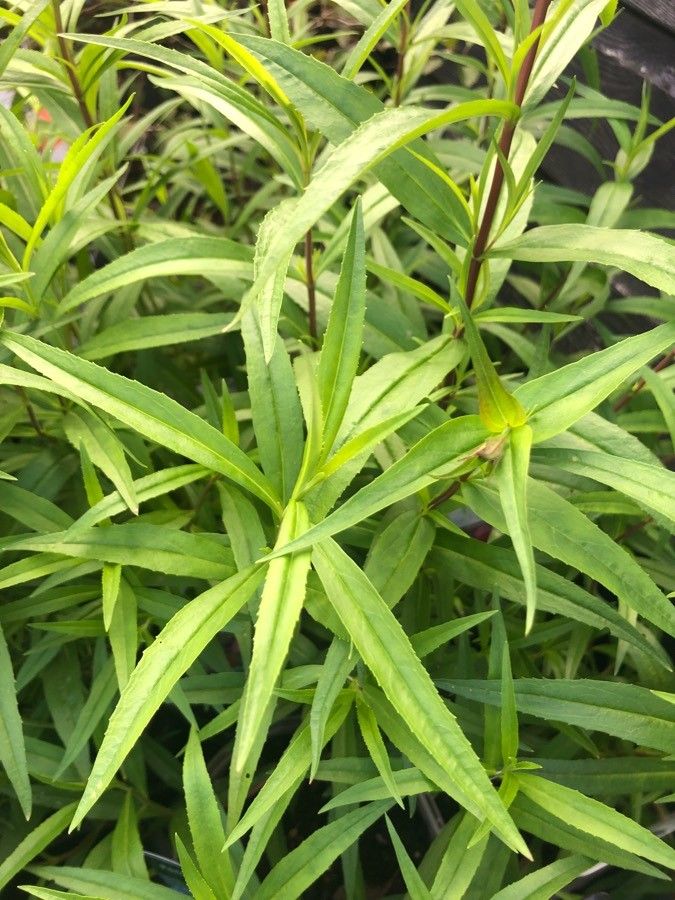
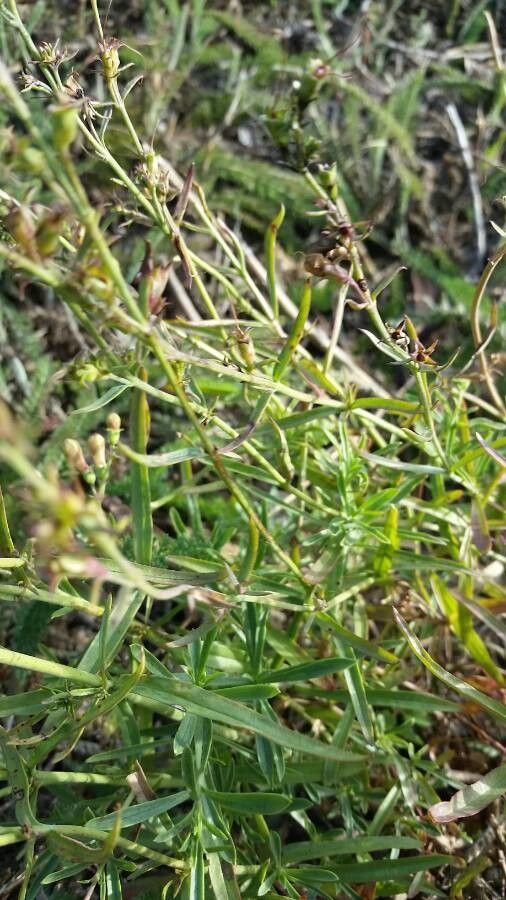
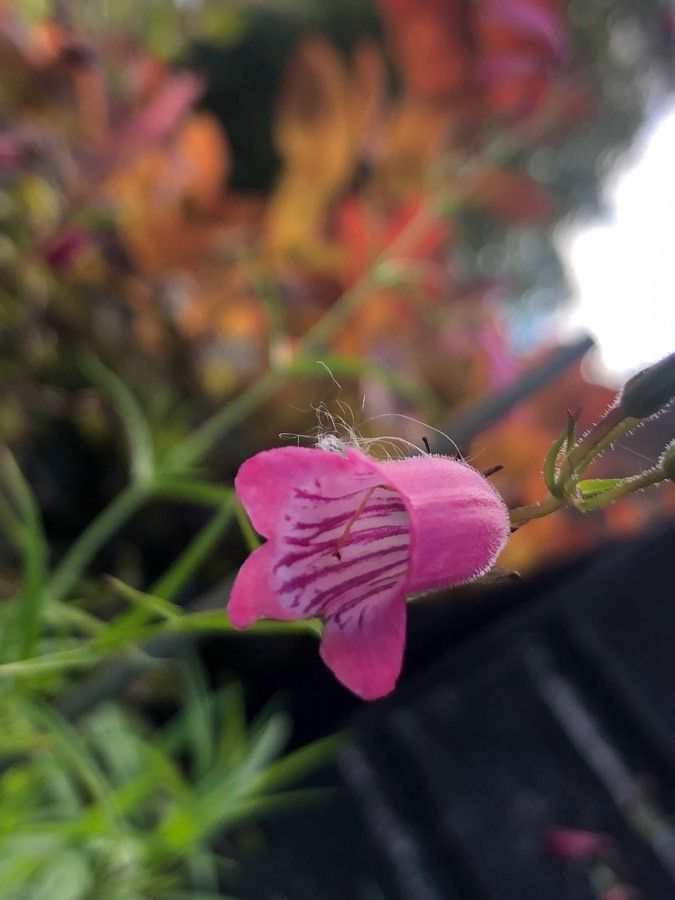
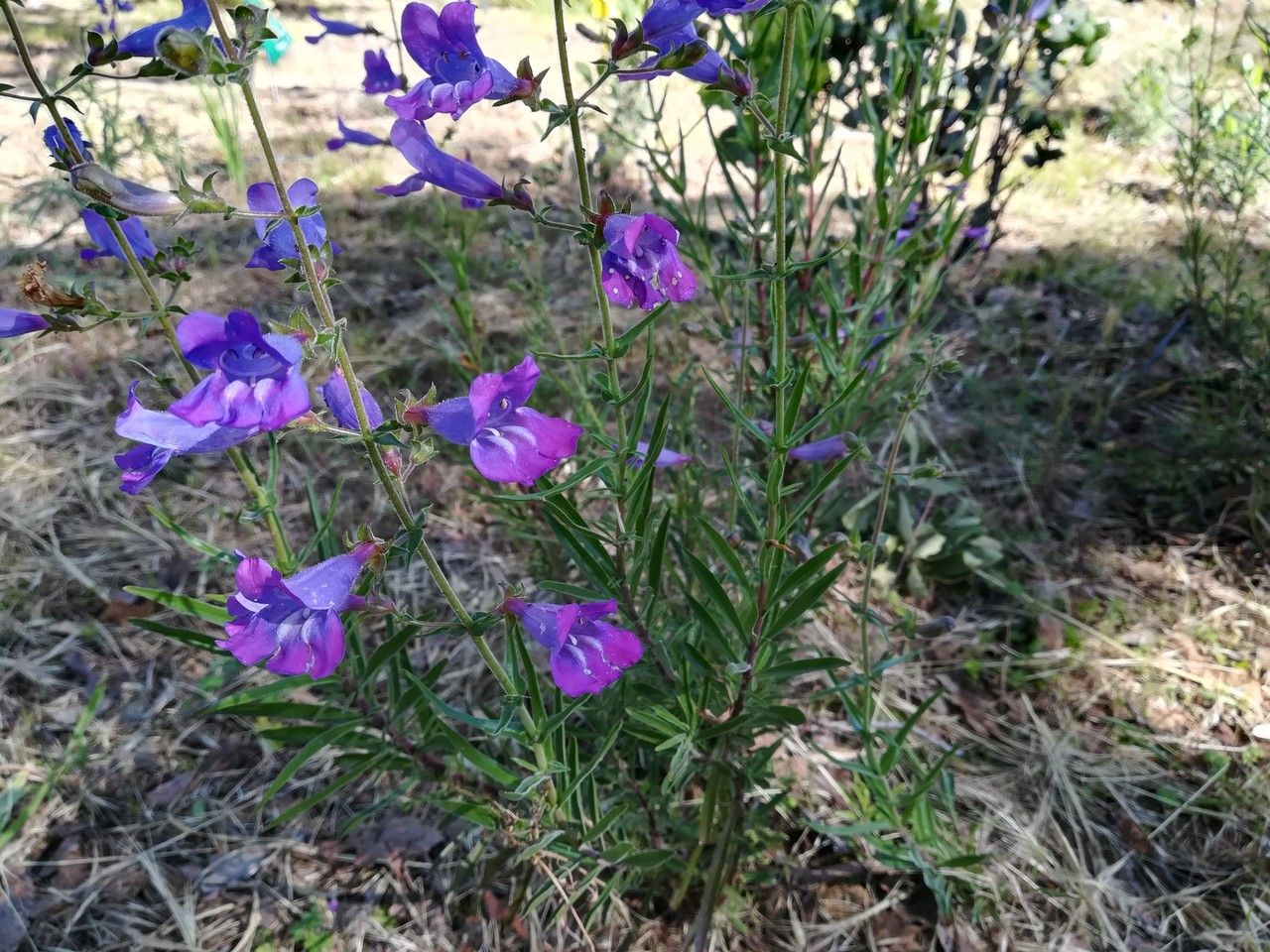
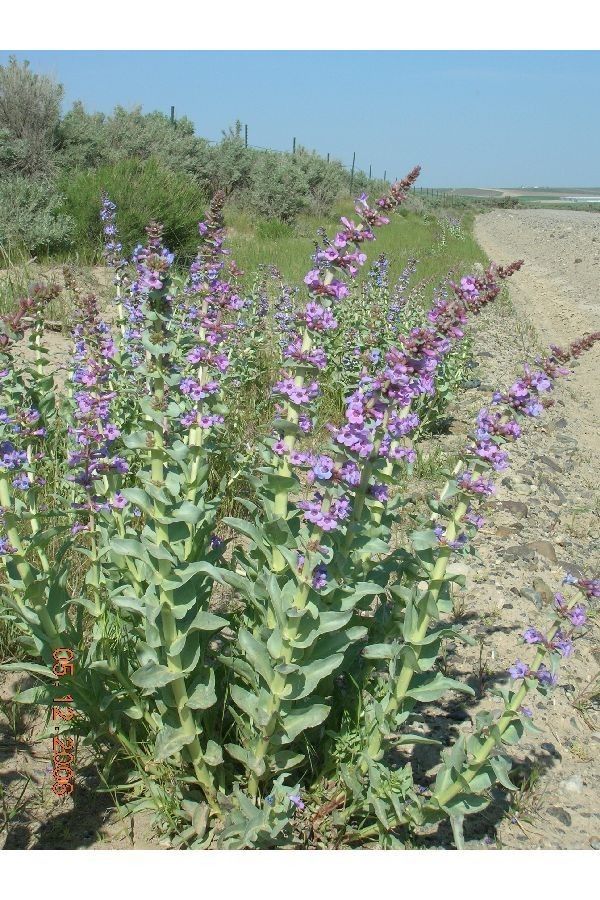
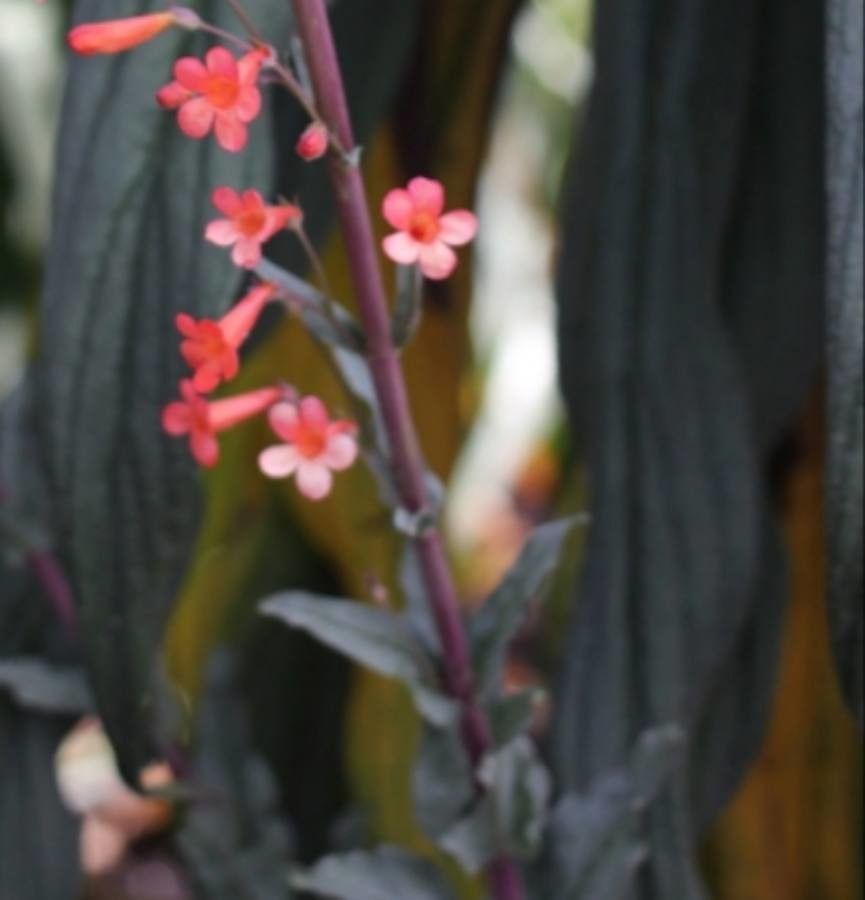
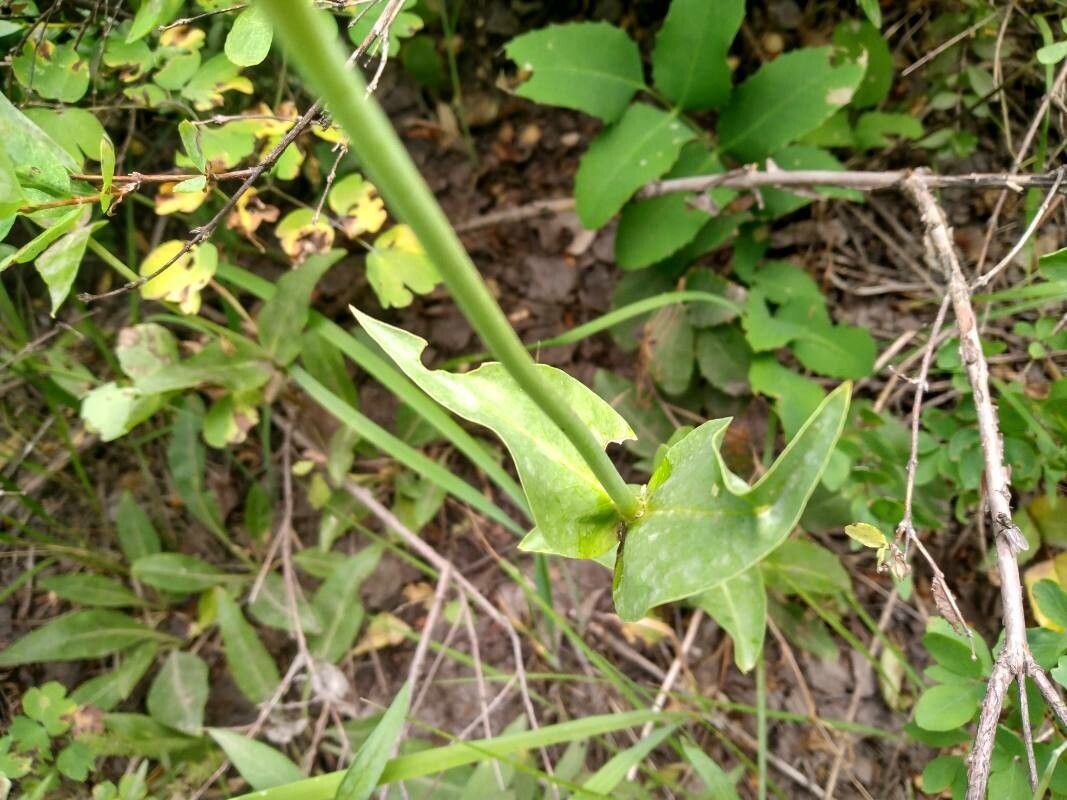
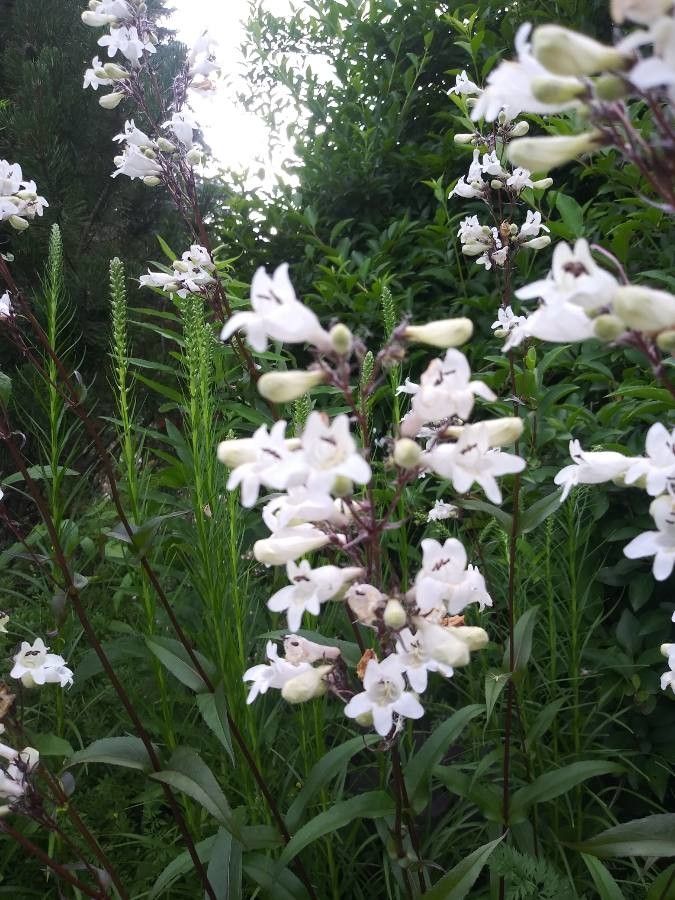
Penstemon heterophyllus, commonly known as Foothill Penstemon, is a perennial plant species belonging to the family Plantaginaceae. Native to California, it thrives in diverse habitats including chaparral, oak woodlands, and coastal sage scrub. Typically reaching up to 2 feet in height, this plant features narrow leaves arranged in an alternating pattern. Its tubular flowers, which can vary in color from blue-purple to lavender, are composed of five petals. Foothill Penstemon is well-known for attracting pollinators such as bees and hummingbirds. Additionally, it has medicinal properties and has been used by Native Americans for its anti-inflammatory benefits. Gardening enthusiasts appreciate Penstemon heterophyllus for its stunning flowers, low maintenance requirements, and adaptability to various soil types. It can be propagated through seeds or cuttings. In summary, Penstemon heterophyllus is an attractive and ecologically significant perennial plant. Its role in supporting pollinators and its medicinal properties make it an essential cultural resource for Native American communities.
Bunchleaf Penstemon is fairly disease-resistant and is generally not prone to illnesses. However, it can be affected by pests and diseases present in its surroundings. These infections are usually mild. For care, this plant requires moderate maintenance. It should be pruned regularly to preserve a good appearance and encourage healthy growth. Fertilizing can also help promote flowering. Bunchleaf Penstemon is suitable for anyone with outdoor space, such as a garden or patio, and does not demand much gardening experience. It may need more attention when grown indoors.
How to keep Penstemon Heterophyllus.
Light
The bunchleaf Penstemon needs steady daytime sunlight for best growth. In its native environment it does well in full, unobstructed sun. It can tolerate reduced light, though that may hinder its growth. Too much or too little sunlight can affect the plant’s overall health.
Water
Bunchleaf Penstemon thrives in dry environments with minimal rainfall and exhibits a high tolerance for drought. It prefers well-drained soils and low humidity, but still requires weekly watering. As an evergreen, this plant retains its foliage year-round, which affects how much water it loses through transpiration and how much moisture remains in the soil, ultimately influencing its overall water needs.
Temperature
Bunchleaf Penstemon is native to habitats that regularly experience temperatures between 41 and 95 °F (5 to 35 ℃). It flourishes in sites that favor moderate ranges. In extremely harsh climates, seasonal temperature adjustments may be required to maintain its health.
Fertilizer
The best time to fertilize a Bunchleaf Penstemon is in early spring, as it comes out of dormancy and begins active growth. Fertilizing supplies essential nutrients needed for healthy development. Although Bunchleaf Penstemon has fairly low fertilizer requirements, applying fertilizer annually can improve its survival and produce better, longer-lasting flowers.
Pruning
Bunchleaf Penstemon is a native perennial plant known for its tubular blue to purple flowers and semi-evergreen leaves. To maintain the plant's health, prune it from late winter to early spring, focusing on removing any dead stems. Light trimming after the blooms have faded can improve air circulation and encourage future flowering, ensuring healthy growth.
Pot & Repot
For Bunchleaf Penstemon to thrive in pots, it is essential to provide excellent drainage. This helps manage water effectively and prevents root rot.
Botanical profile.
- Plant Type
- Herb
- Life Cycle
- Perennial
- Genus
- Penstemon
- Family
- Plantaginaceae
- Hardiness Zone
- 5-9
- Mature Height
- 49 cm
- Mature Spread
- 49 cm
- Leaf Color
- Green, Blue
- Leaf Type
- Evergreen, Semi-evergreen
- Flower Color
- Blue, Purple, Lavender
- Flower Size
- 2.54 cm
- Bloom Time
- Late spring, Early summer, Mid summer
- Planting Time
- Spring, Summer, Autumn
- Harvest Time
- Late summer, Early fall, Mid fall
Other names.
Reader questions.
How should I water my Bunchleaf Penstemon plant?
To care for the Bunchleaf Penstemon, it is best to use filtered water at room temperature. This plant is sensitive to particles in tap water, so filtered water is preferable. It is also important to avoid using cold water, as it can shock the plant's system. Instead of watering from above, it is recommended to thoroughly soak the soil with your filtered room temperature water. This helps to moisten the roots and promote root growth, allowing the plant to collect the necessary nutrients from the soil.
Why should I put fertilizer on my Bunchleaf Penstemon?
Fertilization is important for the Bunchleaf Penstemon because it provides essential nutrients for the plant's growth. Despite its low overall fertilization needs, annual fertilization can greatly benefit the Bunchleaf Penstemon, ensuring its survival and promoting the development of beautiful, long-lasting flowers. Therefore, anyone wanting their Bunchleaf Penstemon to thrive should make sure to fertilize it yearly.
What are the sunlight requirements for Bunchleaf Penstemon?
Bunchleaf Penstemon thrives under full sunlight, requiring more than 6 hours of sunlight daily for optimal growth. It can also grow in partial sun, which means about 3-6 hours of sunlight a day. It's essential to watch how sunlight moves through your garden and choose spots that offer the right balance of light for these plants. Insufficient or excessive sunlight can negatively impact the plant's health, so ensuring they receive the right amount is crucial for their happiness and development.
What is the native temperature range for Bunchleaf Penstemon?
Bunchleaf Penstemon, or Penstemon heterophyllus, is native to environments that regularly experience temperatures ranging from 41 to 95 °F (5 to 35 °C). It prefers moderate temperature ranges and thrives under these conditions. Adjustments in seasonal temperatures may be necessary for extreme climates to ensure the plant's health.
What should I do if I give my Bunchleaf Penstemon too much water or not enough water?
Overwatering is a common issue for Bunchleaf Penstemon plants and can cause wilting, yellowing leaves, and diseases like root rot. Underwatering is less common but can result in brittle, brown leaves. It's important to recognize signs of overwatering early and reduce watering. If the soil doesn't drain well, replace it with a well-draining mix. If the signs indicate underwatering, simply increase the watering frequency until the signs improve.
When should I fertilize my Bunchleaf Penstemon?
To ensure healthy growth, the best time to fertilize a Bunchleaf Penstemon is in late winter to early spring. This is when the plant transitions from dormancy to active growth. Fertilizing at this time sets the plant up for a successful season. Although fertilizing in early spring is most beneficial, it is also acceptable to fertilize in the fall. However, it is not recommended to fertilize during summer or winter.
How does artificial lighting support indoor plant growth?
Indoor plants, including those that prefer full sun, may require artificial lighting to achieve optimal growth, especially in situations where natural sunlight is limited like in winter or less sunny spaces. Artificial lights, especially LED lights, can be tailored to provide specific wavelengths needed by plants. Full sun plants need 30-50W/sq ft of light, partial sun plants need 20-30W/sq ft, and shade plants need 10-20W/sq ft. The artificial light source should be placed 12-36 inches above the plant and kept on for 8-12 hours per day to mimic natural daylight hours effectively.
Does Bunchleaf Penstemon require frost protection during winter?
Bunchleaf Penstemon has a strong resistance to cold and usually does not require special frost protection measures during winter. However, if winter temperatures are expected to drop below -25°C, it is crucial to provide cold protection by covering the plant with materials such as soil or straw. It is also recommended to water the plant abundantly before the first freeze in autumn, ensuring the soil remains moist and enters a frozen state to help prevent drought and water scarcity for the plant during the winter and early spring.
How often should I give water to my Bunchleaf Penstemon?
If your Bunchleaf Penstemon is in a pot, the most accurate way to determine if it needs water is to check the moisture of the soil by sticking your finger into it. If the top two to three inches of soil feel dry, then it is time to water the plant. For outdoor Bunchleaf Penstemon plants that are planted in the ground, you can use a similar method to test the soil. When you find that the top few inches of soil have become dry, it is a sign that you should water the plant. Usually, during the spring and early fall, you will need to water this plant around once every week. However, when the weather becomes extremely hot, you may need to increase the frequency to about twice a week or more. However, it is essential to note that mature and well-established Bunchleaf Penstemon plants have a remarkable ability to tolerate drought conditions.
When is the best time to not fertilize my Bunchleaf Penstemon?
To avoid overfertilization, it is best to only fertilize your Bunchleaf Penstemon during late winter and early spring. A single annual feeding at this time is sufficient. Fertilizing during spring, summer, and fall can easily lead to problems. The exception is if you skipped spring fertilization, then it is okay to fertilize in the fall. Furthermore, there is no need to fertilize during the winter when the plant is dormant and not growing.
What are the symptoms of insufficient or excessive light in Bunchleaf Penstemon?
Symptoms of light deficiency in Bunchleaf Penstemon include smaller new leaves, leggy or sparse growth, faster leaf drop, slower or no new growth, and lighter-colored or pale new leaves. Excessive sunlight can lead to chlorosis (yellowing of leaves), sunscald, leaf curling, wilting, and leaf scorching. These symptoms reflect the plant's struggle with incorrect light conditions, whether it's too little causing a lack of chlorophyll and nutrient absorption or too much resulting in damage and dehydration.
How does low temperature affect Bunchleaf Penstemon and what are the solutions?
Bunchleaf Penstemon is cold-tolerant and prefers temperatures above 5°C. During winter, it should be kept above -20°C. When the temperature falls below -25°C, there may not be noticeable changes during the winter, but there might be a decrease in sprouting or even no sprouting during springtime. The solution for this issue is to remove any parts in the spring that have failed to sprout.