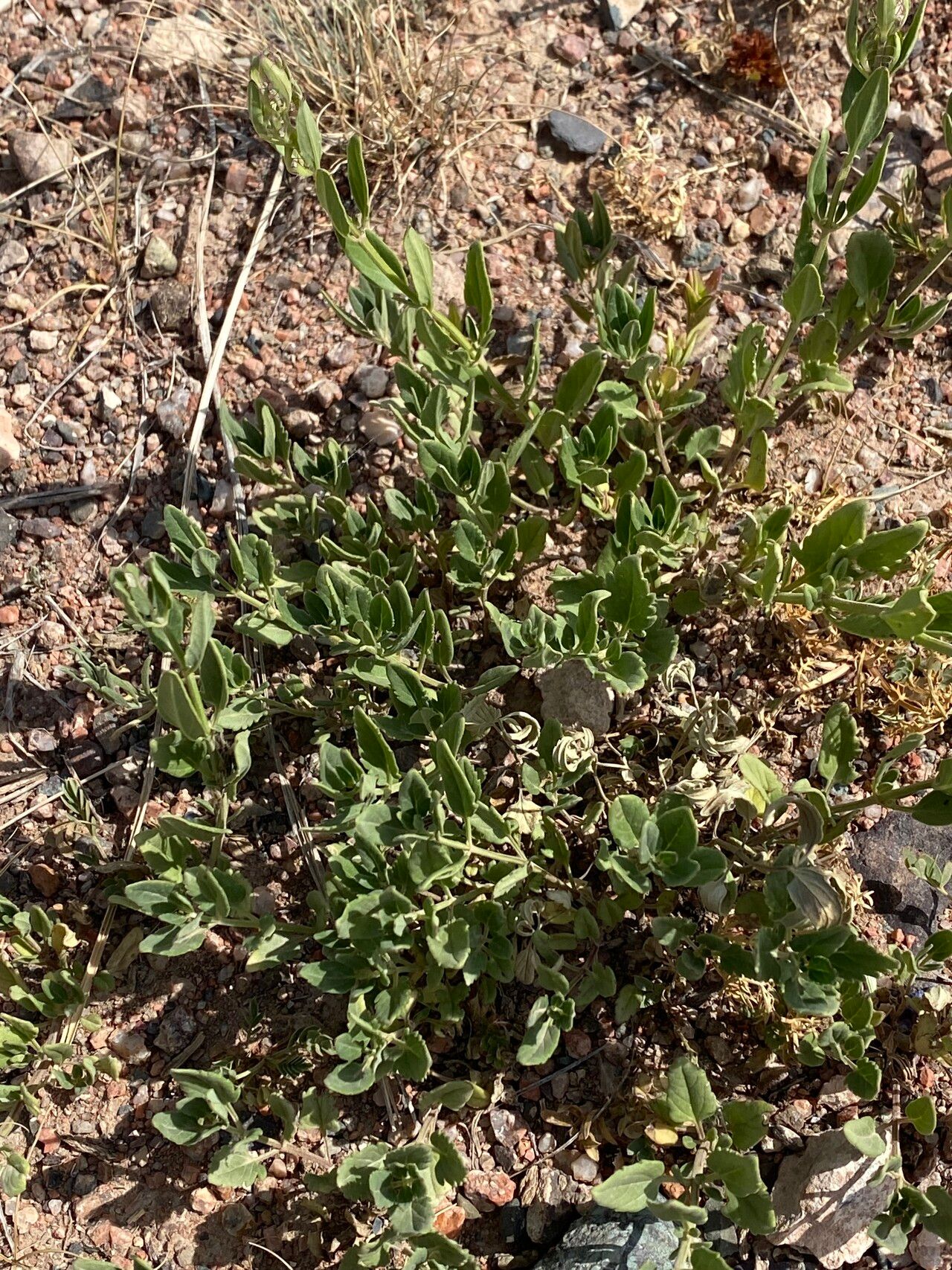
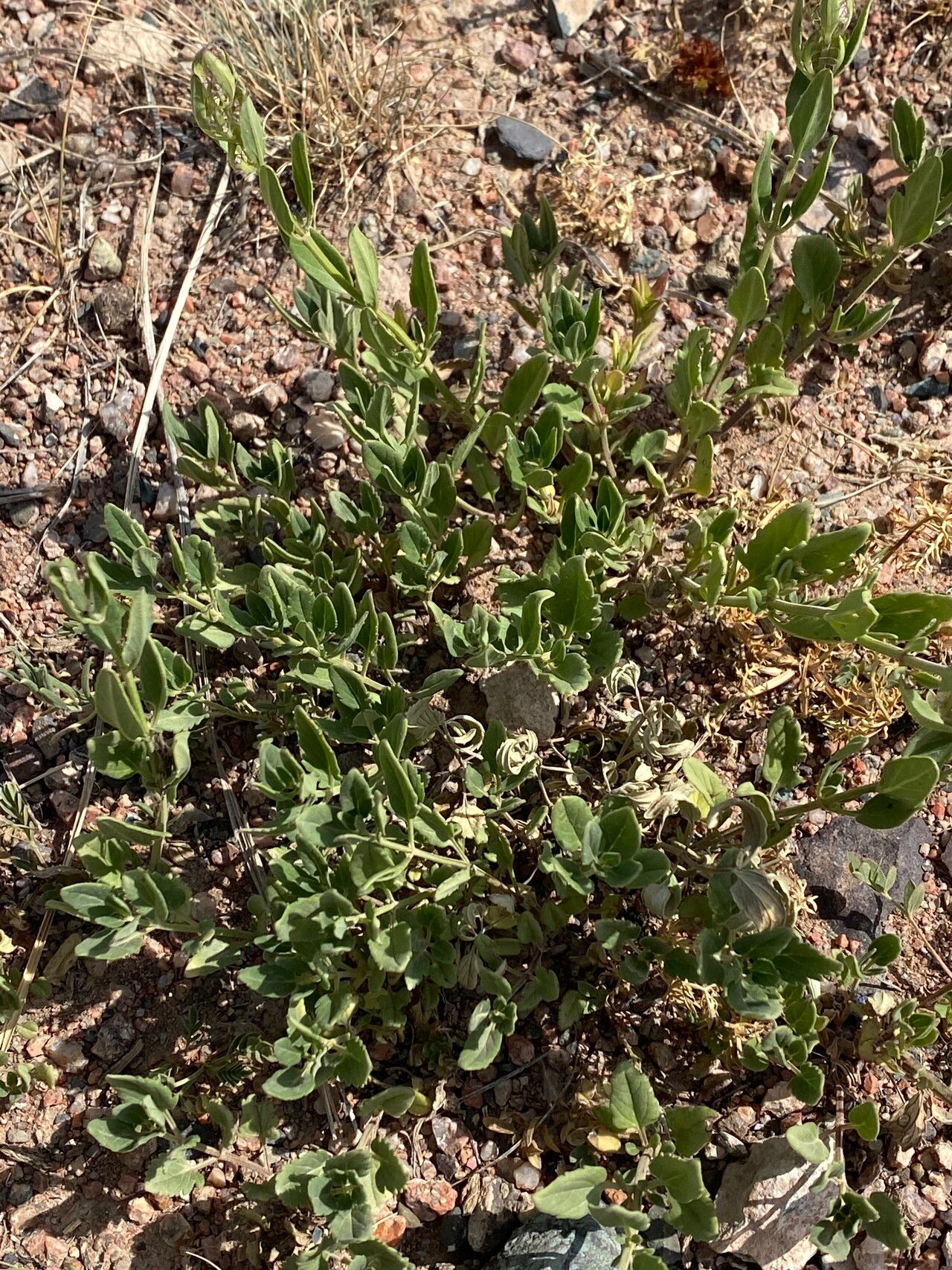
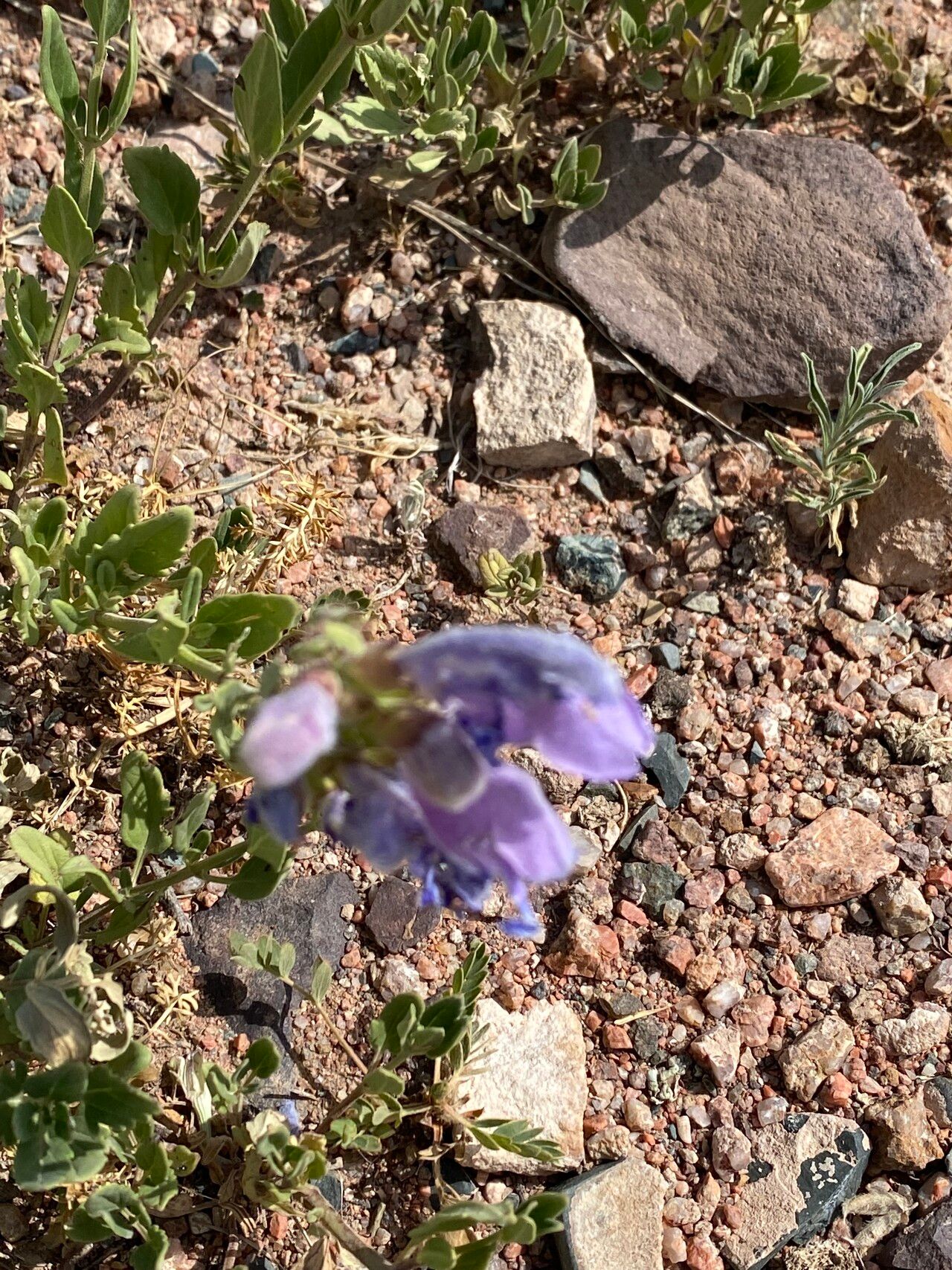
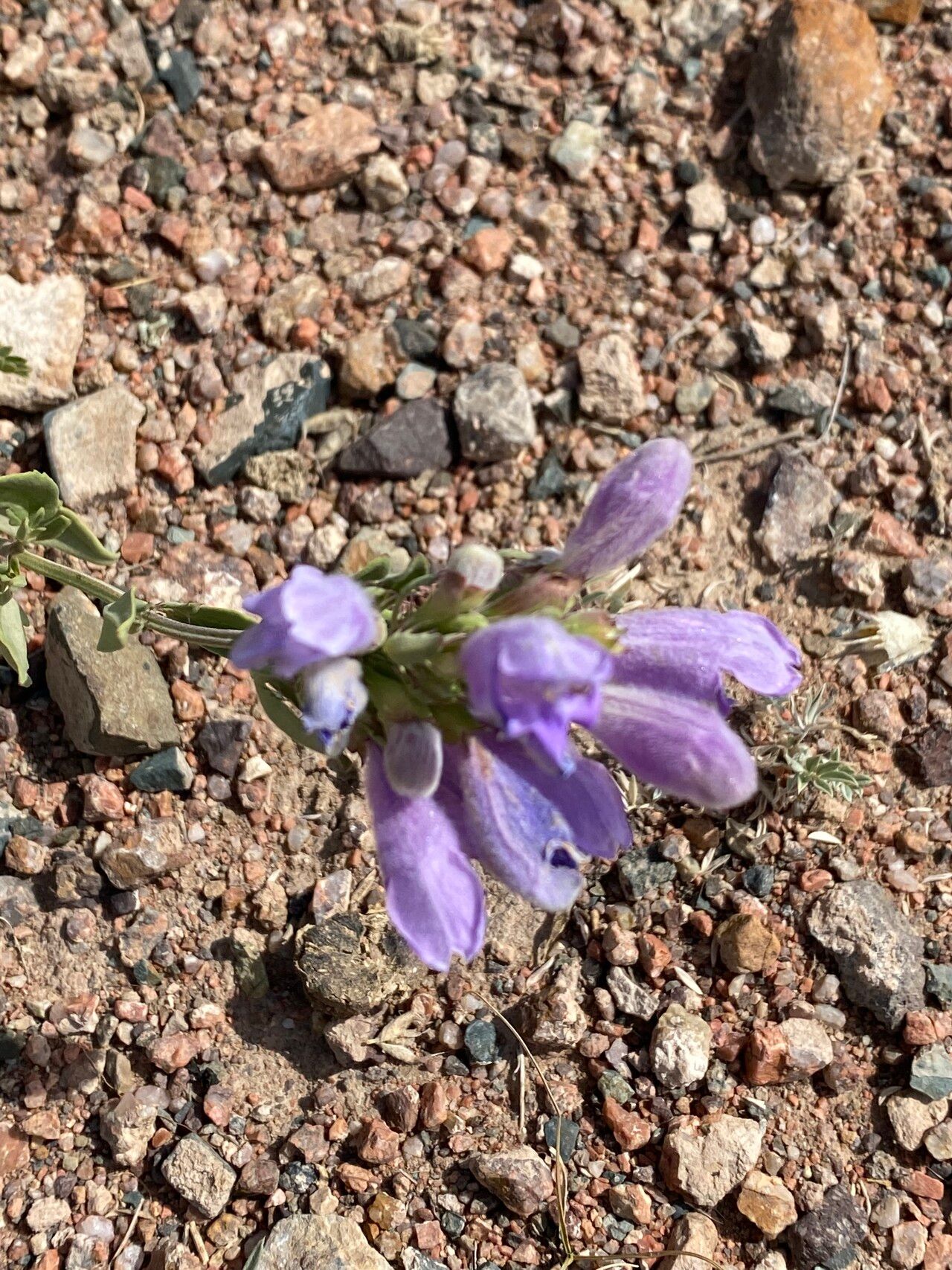
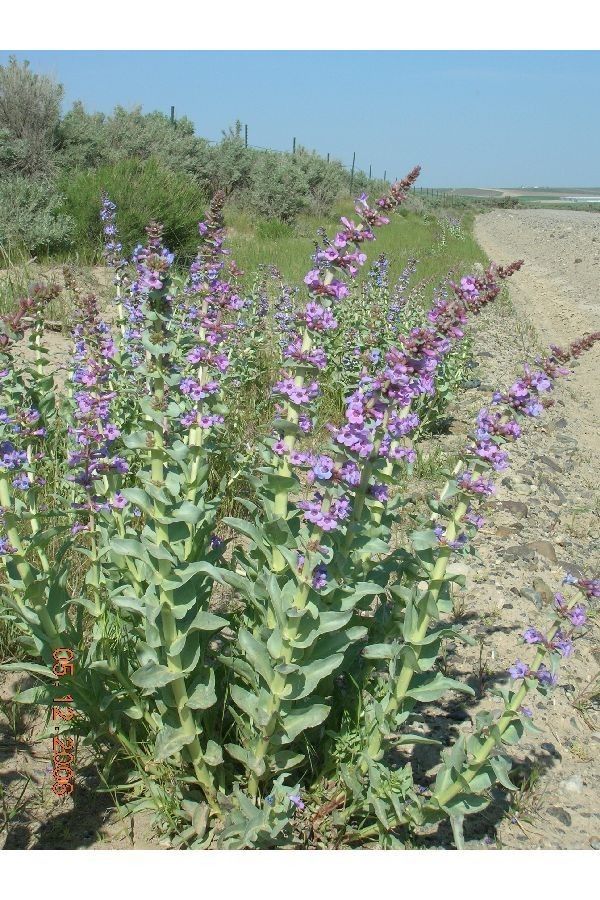
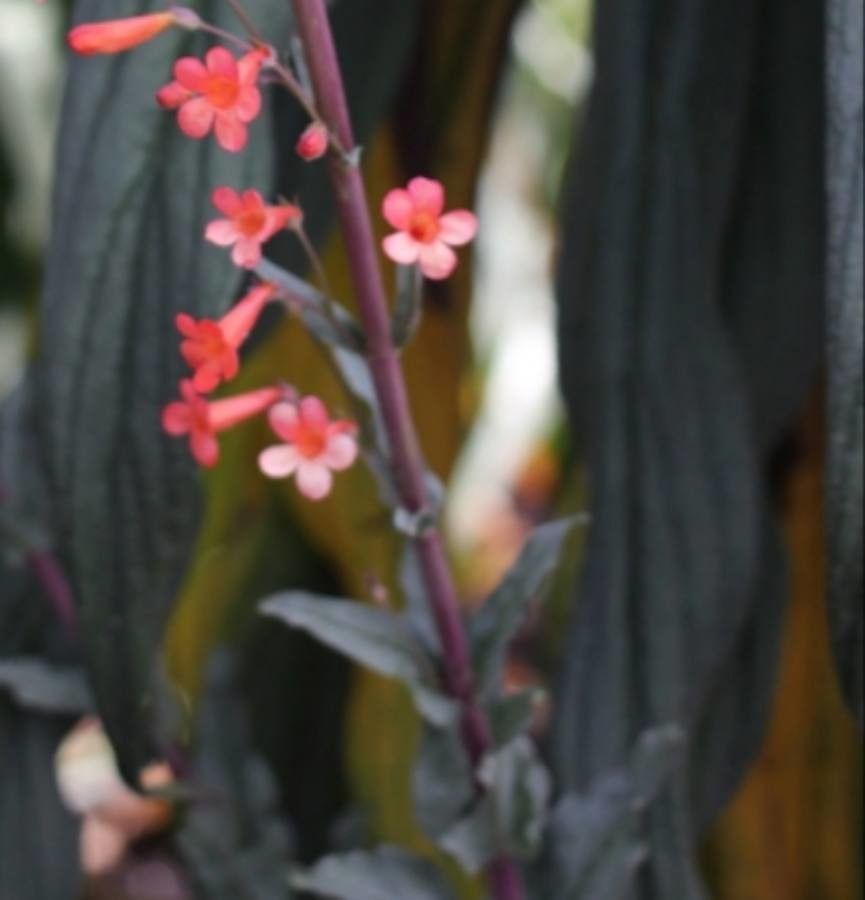
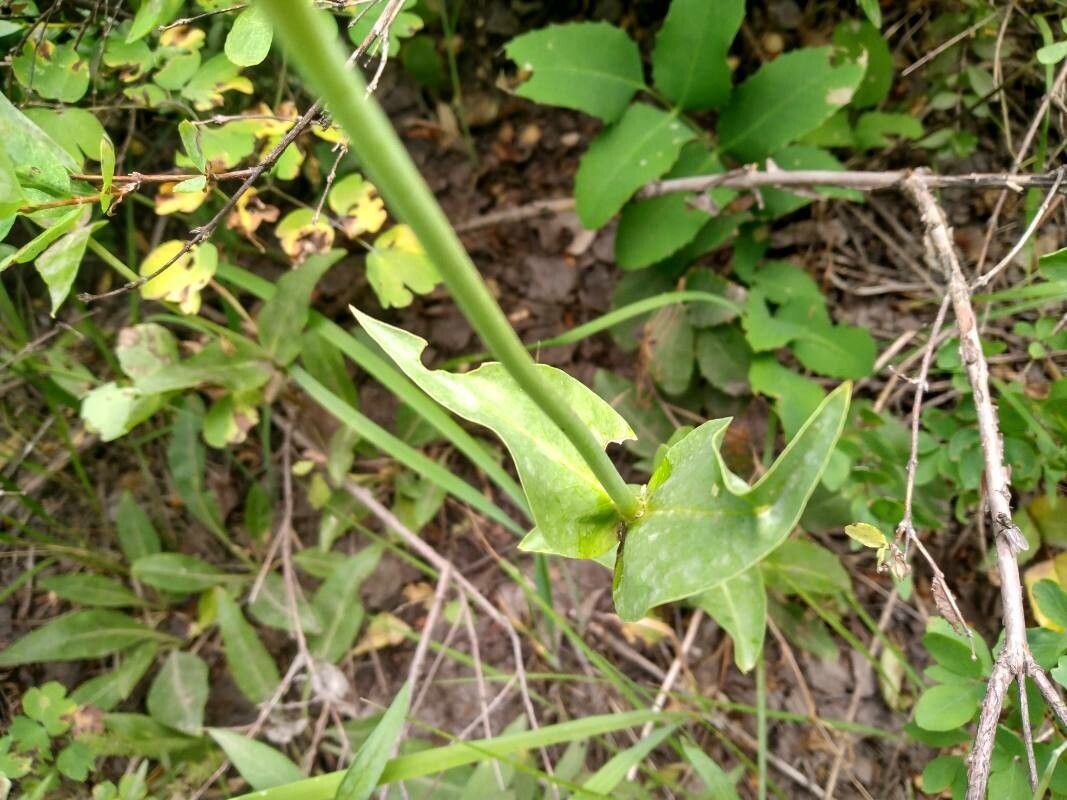
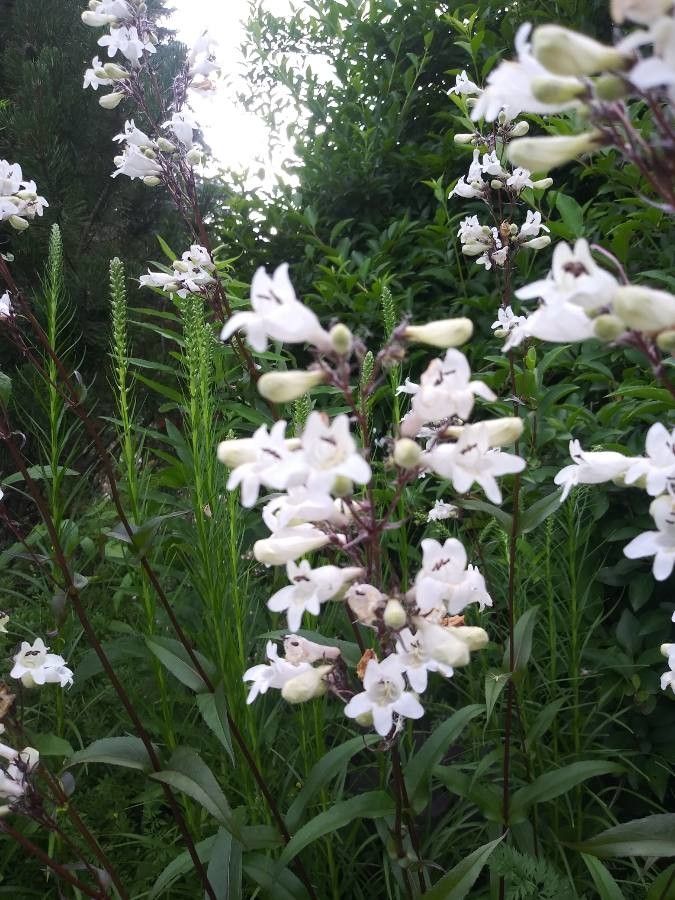
Penstemon hallii, commonly Hall's penstemon or Halls alpine penstemon, is an alpine plant that is native to just the Southern Rocky Mountains of Colorado. It has showy flowers in shades of blue or purple the appear in summer.
Hall's beardtongue is fairly disease-resistant and usually not prone to illness. However, it can be affected by pests and diseases present in its environment. These problems are typically mild. For care, the plant needs moderate maintenance. It should be pruned regularly to keep a tidy appearance and support healthy growth. Fertilizing can also encourage more blooms. Hall's beardtongue is appropriate for anyone with outdoor space, like a garden or patio, and does not demand extensive gardening experience. It may need extra attention when grown indoors.
How to keep Penstemon Hallii.
Light
Hall's beardtongue is a sun-loving perennial herbaceous plant that originates in open habitats and often thrives in meadows and grasslands. It prefers full sun but can also tolerate partial sun conditions.
Water
Hall's beardtongue thrives in environments with consistent moisture, favoring conditions of moderate hydration while also being able to handle short periods of dryness. Watering it once a week simulates natural rainfall patterns, which is important for its health. This outdoor plant, native to temperate zones, adjusts its growth cycle according to the seasonal changes in water availability.
Fertilizer
A single spring application of fertilizer is generally sufficient for Hall's beardtongue, but repeated feedings can maximize growth. Apply fertilizer once every month to a month and a half. Fertilization improves the leaves' appearance and function, helping maintain consistent color and a healthy texture. It also promotes root growth and nutrient uptake, supporting long-term plant health.
Pruning
Hall's beardtongue is characterized by its vibrant tubular flowers and compact form. To encourage blooming, it is best to prune the plant from early to late spring. Focus on removing spent flower stalks and any damaged stems, but avoid heavy pruning to maintain the plant's natural shape. Proper pruning improves air circulation and enhances plant health, which results in better flowering.
Pot & Repot
To thrive, Hall's beardtongue needs pots that provide excellent drainage. This helps maintain the right moisture levels and prevents root rot.
Botanical profile.
- Plant Type
- Herb
- Life Cycle
- Perennial
- Genus
- Penstemon
- Family
- Plantaginaceae
- Hardiness Zone
- 4-9
- Leaf Type
- Semi-evergreen
Other names.
Reader questions.
What are the sunlight requirements for Hall's beardtongue?
Hall's beardtongue thrives in full sun conditions, requiring above 6 hours of sunlight daily, but it can also grow well in partial sun, with about 3-6 hours of sunlight. It's important to observe the movement of sunlight through your garden to find spots that offer the ideal balance for your plants, ensuring they receive the necessary light for growth while avoiding potential harm from too much direct exposure.
What is Hall's beardtongue?
Hall's beardtongue, scientifically known as Penstemon hallii, is a plant species. Unfortunately, there is no further detail provided about its essentials or characteristics such as general information, content, or additional features. Similarly, no symptoms related to this plant are specified in the provided data.
What are the essentials to know about Hall's beardtongue?
Hall's beardtongue is a perennial herbaceous plant that loves the sun. It is native to open habitats, often found thriving in meadows and grasslands. While it prefers full sun, partial sun conditions are also tolerable. For indoor plants, when natural sunlight is scarce, artificial lighting can be a vital alternative, particularly in winter or less sunny spaces. LED lights are recommended for their ability to provide specific light wavelengths needed by plants, with required intensities varying based on the plant's sunlight needs.
What are the symptoms of insufficient light in Hall's beardtongue?
Insufficient light can trigger several symptoms in Hall's beardtongue, including smaller new leaves, leggy or sparse growth, faster leaf drop, halted growth, pale new leaves, and conditions like chlorosis, sunscald, leaf curling, wilting, and leaf scorching. These symptoms indicate that the plant is not receiving the adequate light it needs for photosynthesis and growth.
How can you address light deficiency in Hall's beardtongue?
To address light deficiency in Hall's beardtongue, gradually increase sunlight exposure by moving the plant to a sunnier spot each week, aiming for at least 6 hours of direct sunlight daily. Use a south-facing window for indoor plants and keep artificial lights on for at least 8 hours daily if natural light is insufficient. For outdoor plants, adapt them to brighter conditions gradually to avoid sunburn. Removing obstructions and transplanting to sunnier locations can also improve light availability. It's important to note that while parts of the plant that suffered might not recover, new growth should be healthier with improved light conditions.