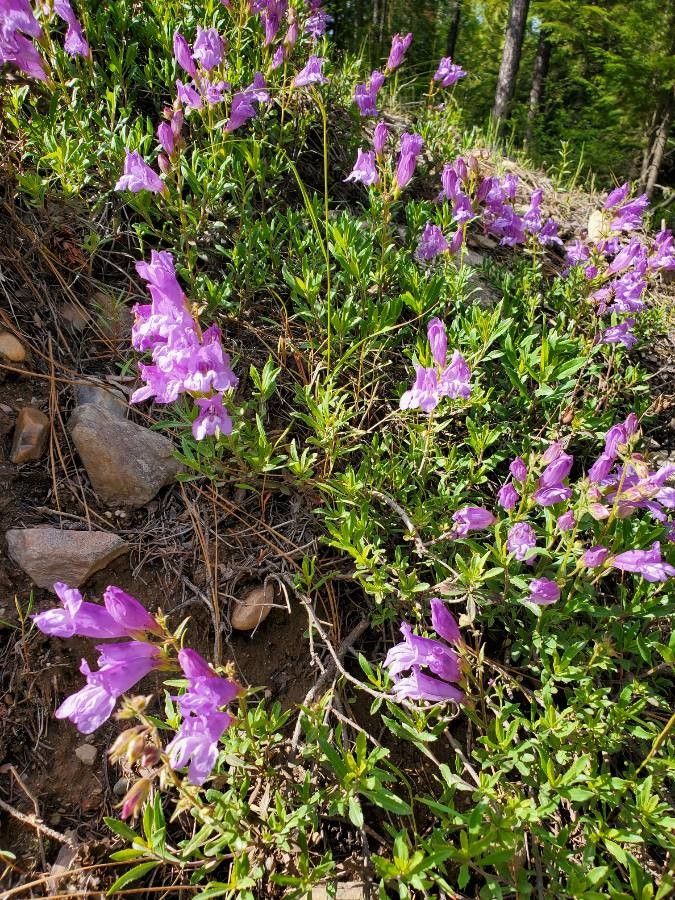
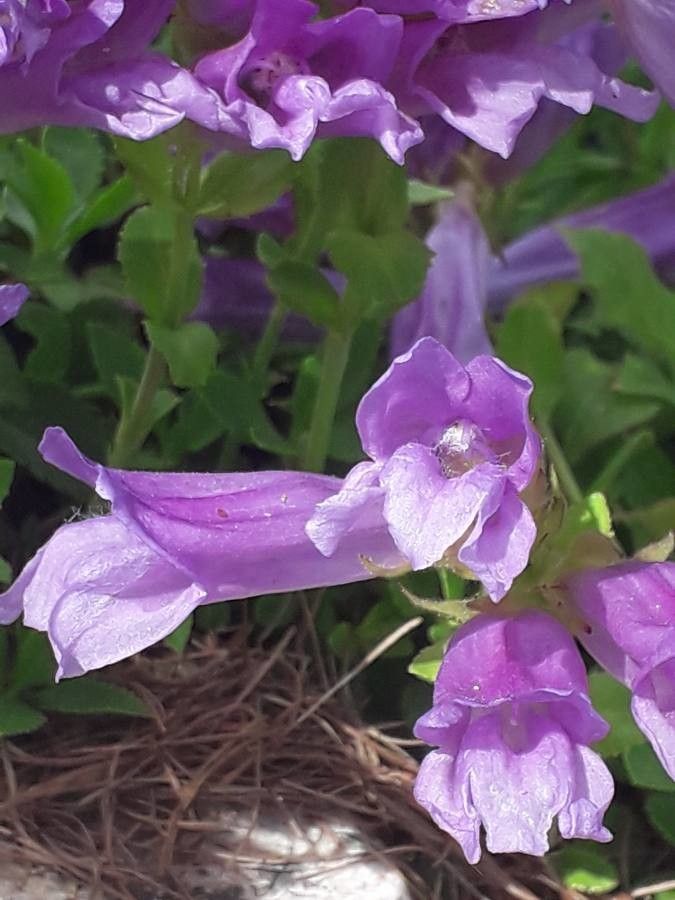
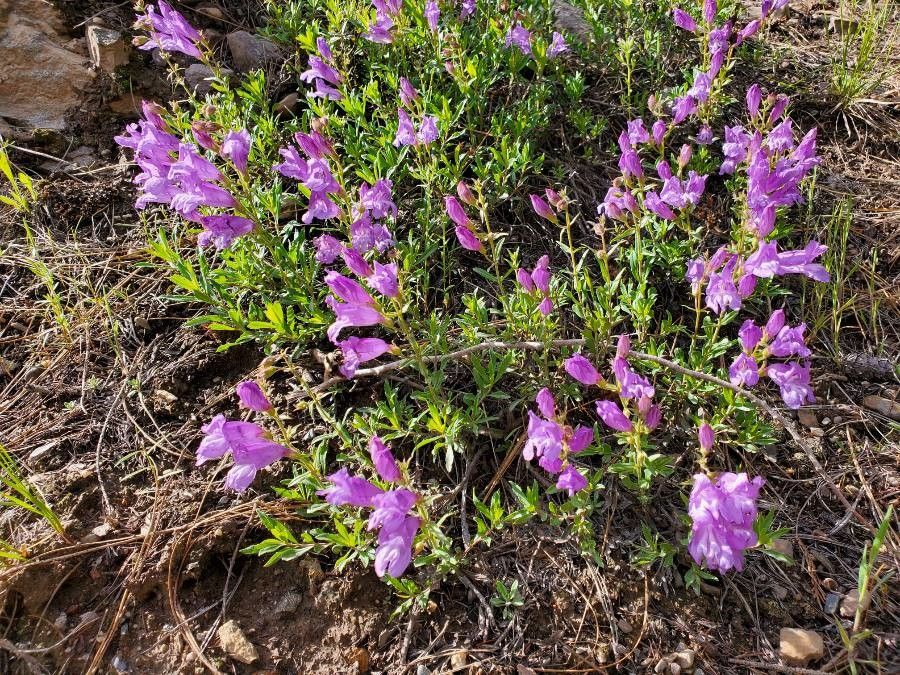
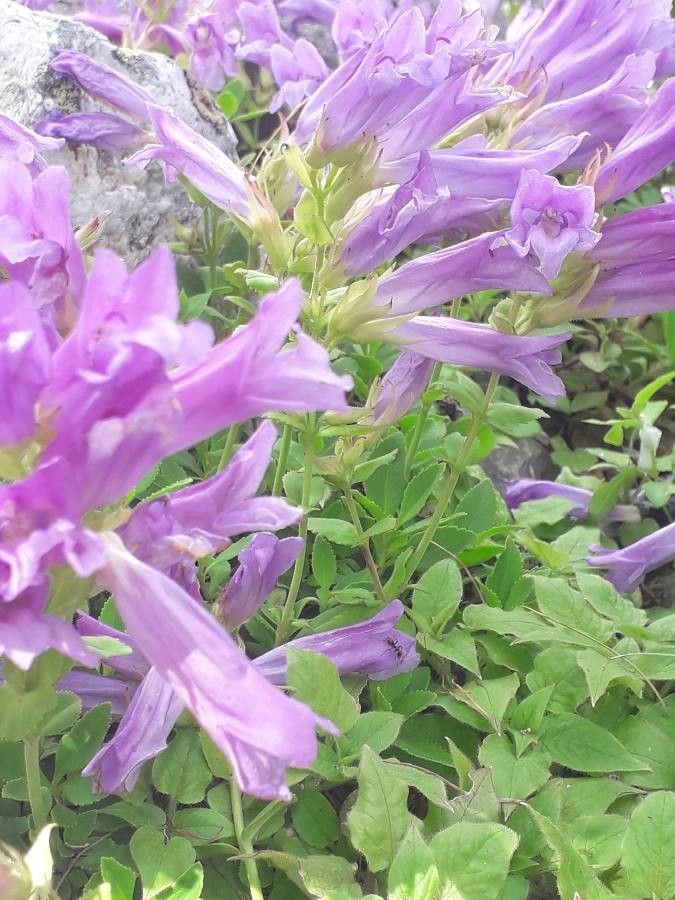
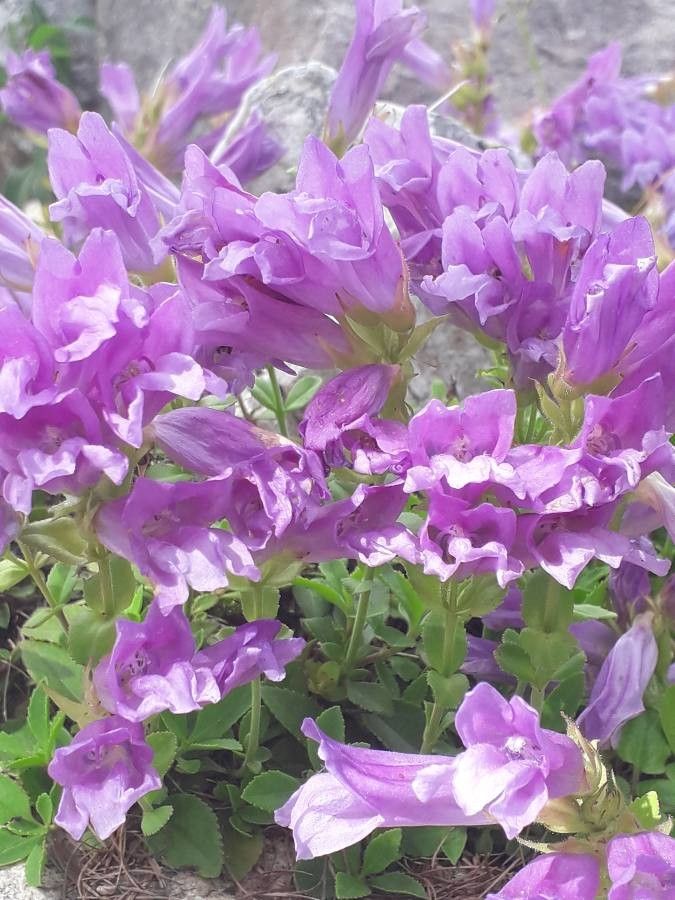
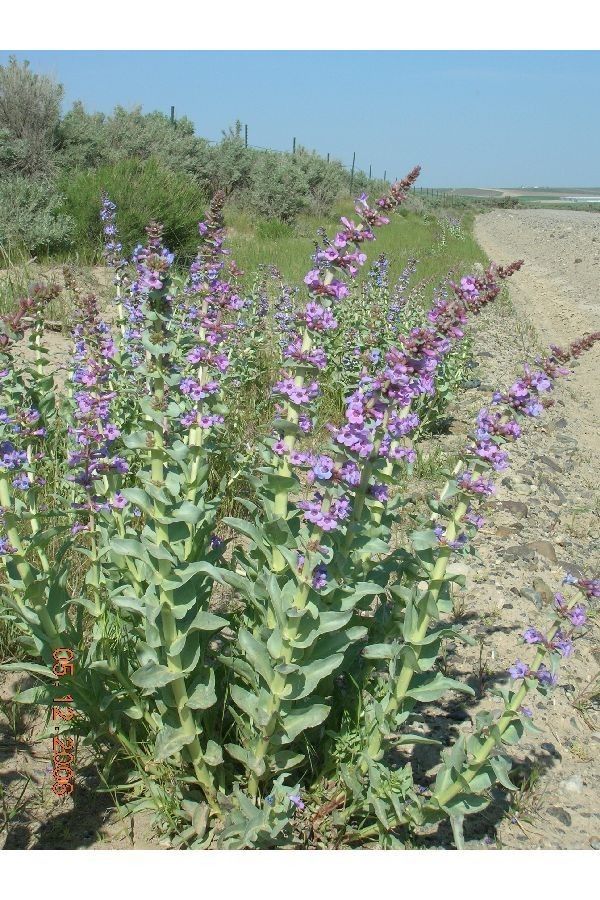
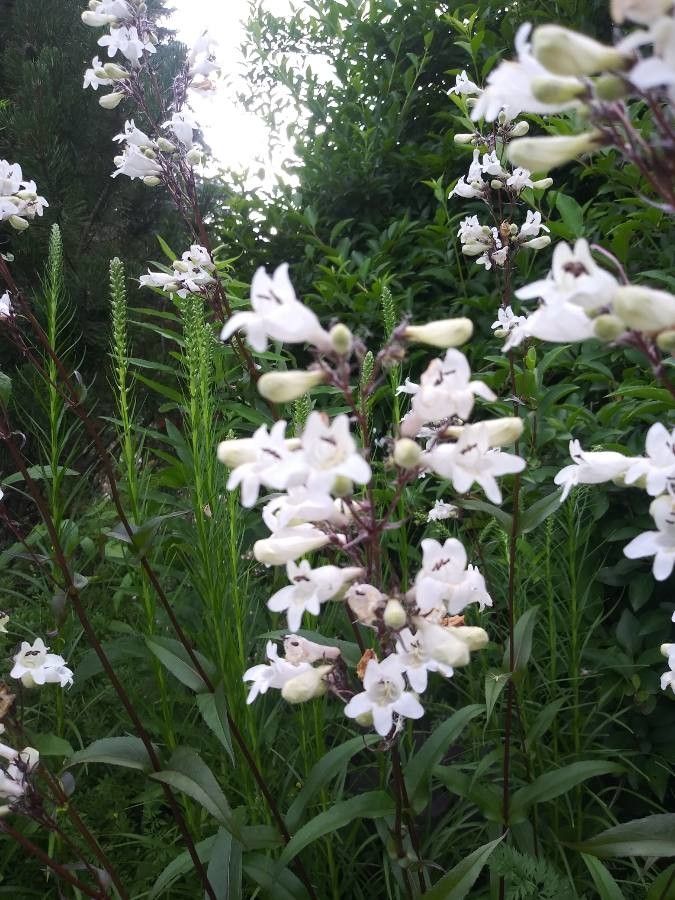
Penstemon fruticosus, commonly known as shrubby penstemon, is a perennial plant native to the western United States. As a member of the snapdragon family, it typically grows to a height and width of 2 to 3 feet. The plant produces clusters of tubular flowers that range in color from pink to purple, blooming from late spring through summer. Its leaves are narrow, lance-shaped, and evergreen in mild climates.
Shrubby penstemon thrives in full sun or partial shade and requires well-draining soil. Once established, it is drought-tolerant but benefits from occasional watering during prolonged dry spells. This plant is particularly attractive to hummingbirds due to its nectar-rich flowers.
You can propagate shrubby penstemon by seed or cuttings, and it also has the ability to self-seed in favorable conditions. Its compact size and attractive blooms, which last for several weeks, make it an excellent choice for rock gardens or as a border plant.
Overall, Penstemon fruticosus is an easy-to-grow perennial that adds vibrant color to any garden while attracting pollinators like hummingbirds.
Bush penstemon shows strong resistance to disease and is generally unlikely to suffer from illnesses. Regarding maintenance, this plant is fairly easy to care for. When grown outdoors it needs only light watering, and larger specimens typically do not require pruning; smaller ones should be trimmed after flowering. Bush penstemon is appropriate for anyone with an outdoor area, like a garden or a deck, and does not demand extensive gardening experience.
How to keep Penstemon Fruticosus.
Light
Bush penstemon is native to open habitats, such as sunny meadows and forest edges, which offer ample light. It does best in Full Sun but can also tolerate Partial Sun, adjusting well to different light conditions.
Water
Bush penstemon is a drought-tolerant plant that thrives in semi-arid conditions, needing only minimal moisture. It requires watering only once every 1-2 weeks. This plant is ideal for outdoor environments, particularly xeriscaping and rock gardens, where it effectively regulates water loss and promotes conservation.
Temperature
Bush penstemon is very adaptable to different climate conditions, whether facing hot summers or cold winters. Nonetheless, it has a preferred temperature range for growth. If temperatures climb too high, the plant is vulnerable to stress from heat and humidity, which can kill it. In areas where temperatures near the lower limit of its cold tolerance, providing insulation to protect the plant is important.
Fertilizer
Timing is essential for fertilizing Bush penstemon. Apply fertilizer in early spring and continue monthly until early summer. Fertilizer promotes beautiful blooms and supplies energy during both dormant and active growth periods.
Pruning
Bush penstemon is known for its vibrant flowers and shrub-like appearance. To maintain its health and shape, pruning should be done from early to late winter. Focus on removing dead stems, improving airflow, and shaping the plant. Regular pruning encourages growth and prevents the plant from becoming leggy. Be sure to use clean, sharp tools and avoid heavy pruning just before new growth begins to minimize stress on the plant.
Pot & Repot
For healthy growth and to avoid waterlogging, bush penstemon needs pots with excellent drainage.
Botanical profile.
- Plant Type
- Shrub
- Life Cycle
- Perennial
- Genus
- Penstemon
- Family
- Plantaginaceae
- Hardiness Zone
- 4-8
- Mature Height
- 30 cm
- Mature Spread
- 30 cm to 61 cm
- Leaf Color
- Green
- Leaf Type
- Evergreen, Semi-evergreen
- Flower Color
- Lavender, Purple, Pink
- Flower Size
- 2.03 cm to 3.05 cm
- Bloom Time
- Mid spring, Late spring, Early summer
- Planting Time
- Spring, Summer
- Harvest Time
- Mid summer, Late summer, Early fall
Other names.
Reader questions.
What sunlight requirements do bush penstemon plants have?
Bush penstemon plants thrive in environments that offer full sun and can also tolerate partial sun. Full sun refers to areas that receive more than 6 hours of sunlight daily, while partial sun is about 3-6 hours of sunlight. These plants originate from open environments like sunny meadows and forest edges, making them adaptable to various sunlight conditions. It's crucial to observe the movement of sunlight through your garden to select spots that provide a balance of light and shade, ensuring plants remain healthy.
Can bush penstemon be grown with artificial lighting?
Yes, bush penstemon can be grown with artificial lighting especially when natural sunlight is insufficient, such as during winter or in less sunny spaces. LED lights are a popular choice because they can be customized to offer specific wavelengths needed by the plants. For optimal growth, full sun plants require 30-50W per square foot, partial sun plants need 20-30W per square foot, and full shade plants 10-20W per square foot. The light should be placed 12-36 inches above the plant for 8-12 hours daily to mimic natural sunlight.
What are common symptoms of light deficiency in bush penstemon?
Bush penstemon shows signs of light deficiency through smaller new leaves, leggy or sparse growth, faster leaf drop, slower or halted growth, lighter-colored new leaves, and symptoms like chlorosis, sunscald, leaf curling, wilting, and leaf scorching. These symptoms highlight the plant's struggle in suboptimal light conditions, leading to decreased health and vitality.
How can I address light deficiency issues in my bush penstemon?
To combat light deficiency in bush penstemon, gradually increase sunlight exposure to at least 6 hours daily. For indoor plants, move them to a south-facing window or use artificial lighting like desk lamps or professional grow lights for 8+ hours daily. Outdoors, transition your plants to sunnier spots gradually to prevent sunburn. Mitigating obstructions like pruning trees can also enhance sunlight access. For small plants, consider transplanting during their dormant period to a location with ample sunlight and good drainage. It’s important to note that parts of the plant already affected may not recover, but new growth should be healthy.