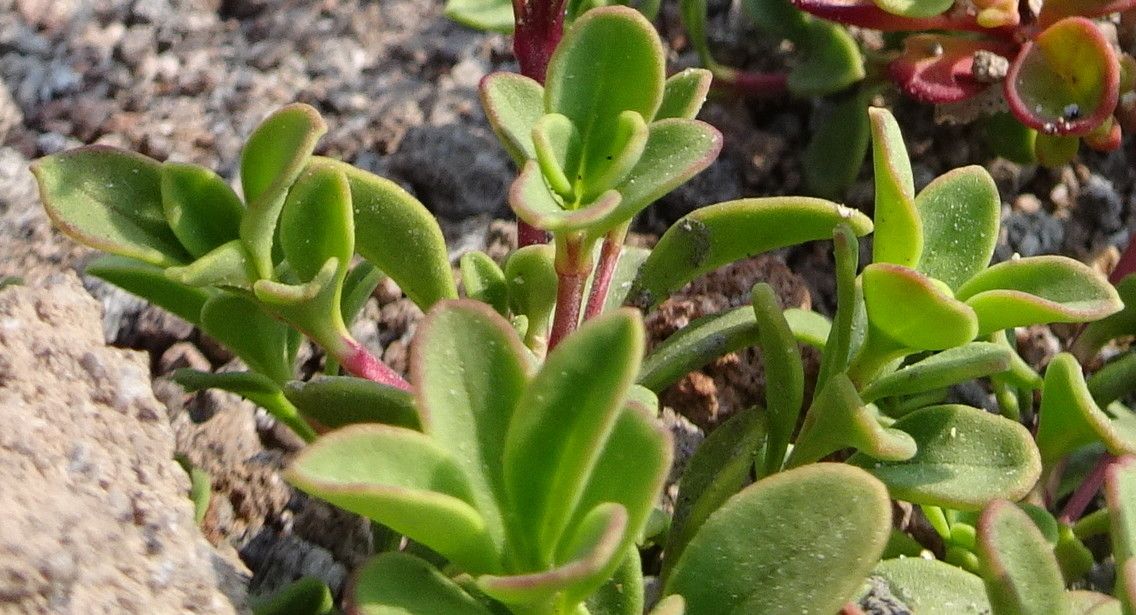
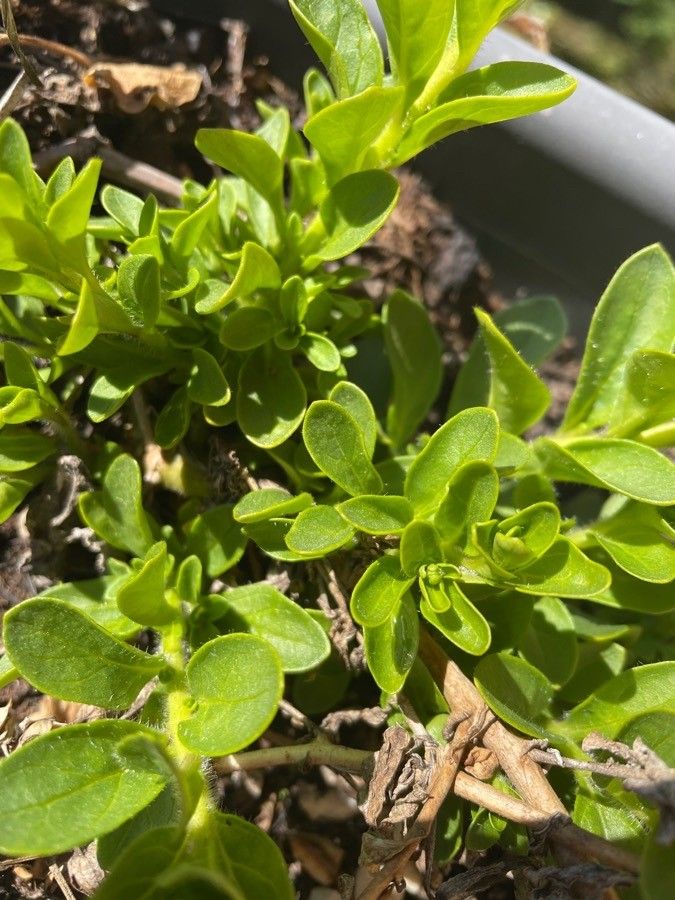
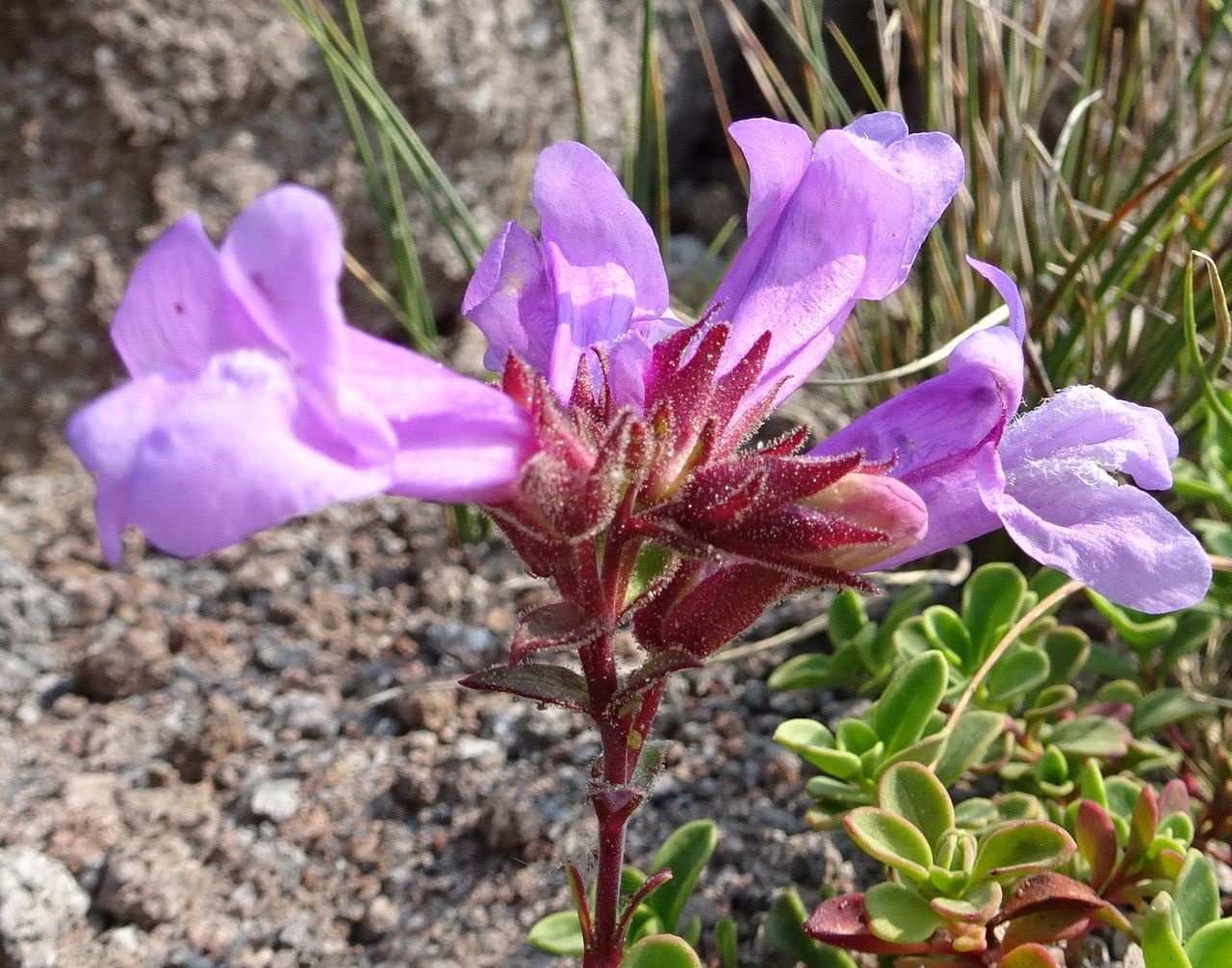
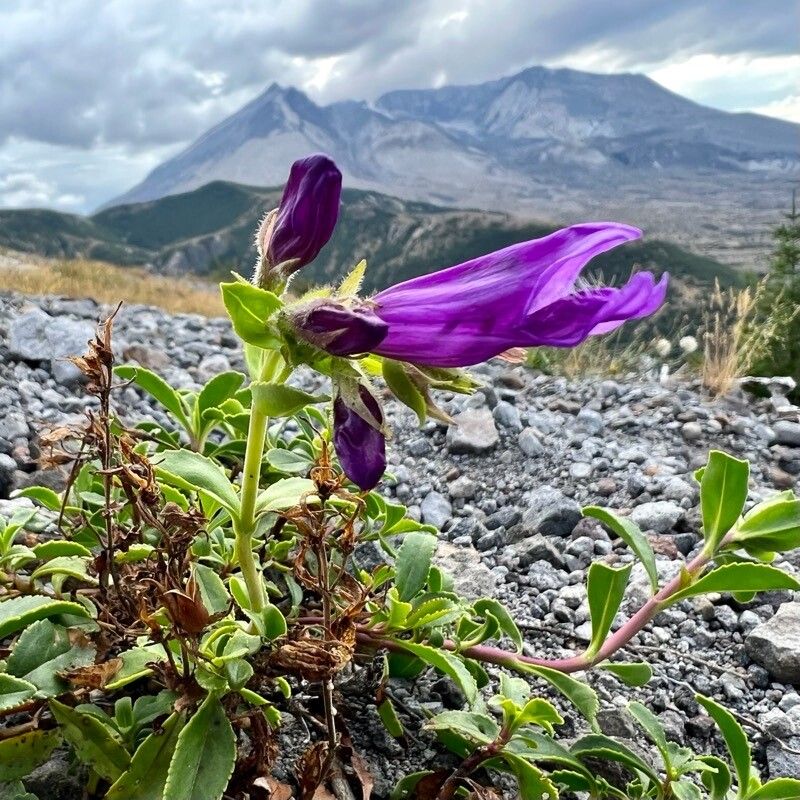
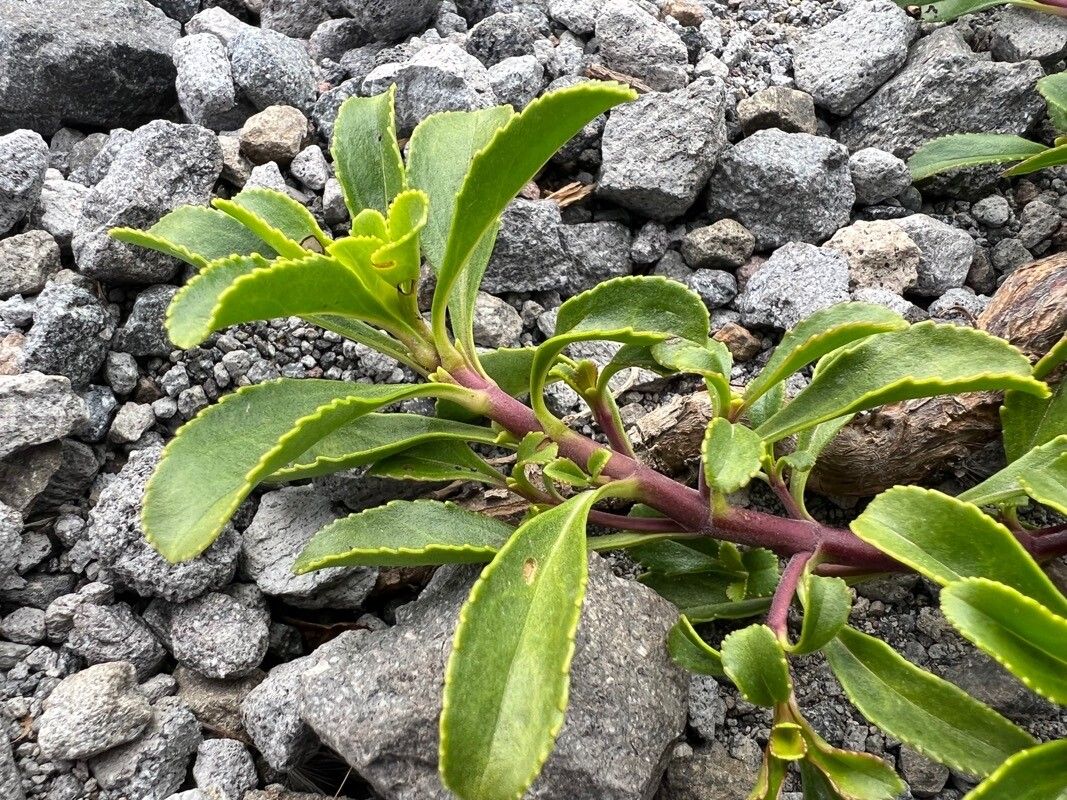
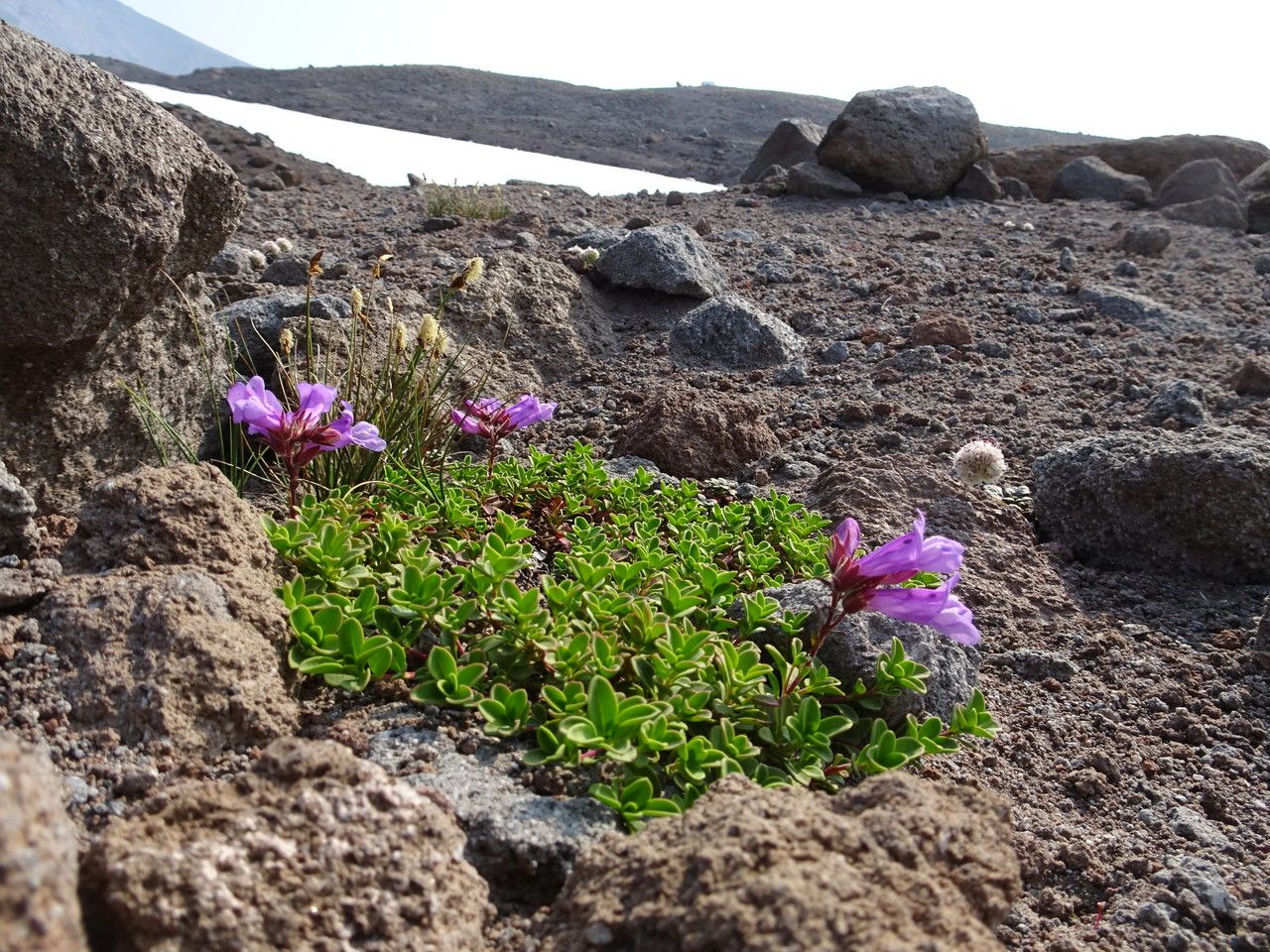
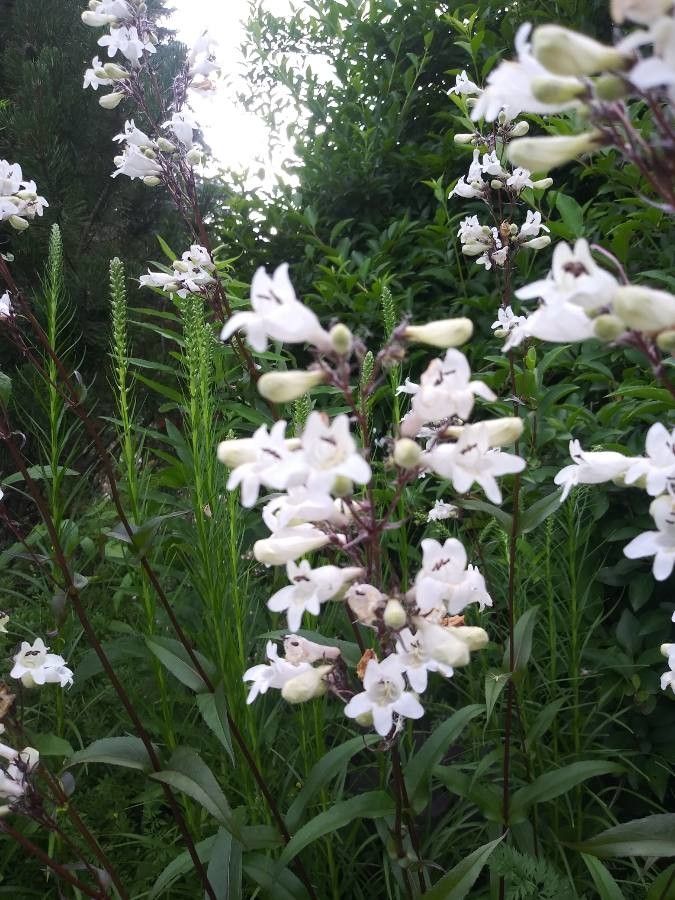
Penstemon davidsonii is a species of penstemon known by the common name Davidson's penstemon, honoring Dr. George Davidson. It is native to North America from the Sierra Nevada Range in California and Nevada through the Coast and Cascade ranges of Oregon and Washington into British Columbia.
Davidson's penstemon has strong disease resistance and is generally not prone to illness. However, it can be affected by pests and diseases present in its environment. These problems are typically not serious. Care-wise, this plant needs moderate upkeep. It requires regular pruning to keep a neat appearance and support healthy growth. Fertilizing can also help encourage flowering. Davidson's penstemon is appropriate for anyone with outdoor space, such as a garden or patio, and does not demand extensive gardening experience. It may need more attention when cultivated indoors.
How to keep Penstemon Davidsonii.
Light
Davidson's penstemon does best in locations that receive plentiful sunlight throughout the day, though it can tolerate spots with limited sun. Because it originates from bright habitats, ample sunlight encourages its growth and health. Either too much or too little light can harm the plant.
Water
Davidson's penstemon flourishes best in well-drained soils with moderate moisture and needs weekly watering to grow optimally. This evergreen plant keeps its foliage year-round, consistently using water even during colder months. Although it is drought-resistant, it thrives with regular hydration.
Temperature
Davidson's penstemon naturally occurs in areas where temperatures range from 41 to 95 °F (5 to 35 ℃). It grows best in cooler climates but can tolerate warmer summer temperatures. Seasonal adjustments might be required when temperatures are extreme.
Fertilizer
The best time to fertilize a Davidson's penstemon is in early spring, when it is coming out of dormancy and beginning active growth. Fertilizing supplies essential nutrients needed for healthy development. Although Davidson's penstemon has relatively low fertilizer requirements, applying fertilizer annually can improve its survival and encourage better, longer-lasting flowers.
Pruning
Davidson's penstemon showcases vibrant flowers and resilient evergreen leaves. To keep the plant healthy and encourage fuller growth, prune it from late winter to early spring by removing dead stems. Light pruning can improve air circulation and extend the blooming period, while avoiding the stress caused by heavy cuts.
Pot & Repot
Davidson's penstemon needs excellent drainage in potting conditions to thrive. Proper drainage prevents the roots from becoming waterlogged, which can cause root rot and other problems.
Botanical profile.
- Plant Type
- Herb
- Life Cycle
- Perennial
- Genus
- Penstemon
- Family
- Plantaginaceae
- Hardiness Zone
- 5-9
- Mature Height
- 5 cm to 13 cm
- Mature Spread
- 15 cm to 30 cm
- Leaf Color
- Green, Blue
- Leaf Type
- Evergreen
- Flower Color
- Pink, Purple
- Flower Size
- 2.54 cm
- Bloom Time
- Late spring, Early summer, Mid summer
- Planting Time
- Spring, Summer, Autumn
- Harvest Time
- Late summer, Early fall, Mid fall
Other names.
Reader questions.
How should I water my Davidson's penstemon?
To properly water the Davidson's penstemon, use filtered water at room temperature or slightly warmer. Tap water may contain harmful particles, so filtered water is a better choice. The plant prefers warm environments, so avoid using cold water as it may shock the plant. It is advised to not water the plant from overhead as it can cause problems with the leaves. Instead, water by applying filtered room temperature water to the soil until it is fully soaked. This helps to moisten the roots and allows them to spread and gather the necessary nutrients.
Why should I put fertilizer on my Davidson's penstemon?
Fertilization is important for the Davidson's penstemon because it provides key nutrients for growth. Although the plant's fertilization needs are generally low, annual fertilization can be very beneficial. It helps keep the plant alive and promotes better, longer-lasting flowers. Therefore, those who want their Davidson's penstemon to look its best should regularly fertilize it.
What are the sunlight requirements for Davidson's penstemon?
Davidson's penstemon thrives in full sun conditions, which means it benefits from more than 6 hours of sunlight daily, but it can also adapt to partial sun, receiving about 3-6 hours of sunlight. It's important to monitor the sunlight movement through your garden to find the ideal balance of light and shade, ensuring optimal plant health. Davidson’s penstemon originates from environments rich in sunlight, hence, its growth and well-being are significantly enhanced by ample sunlight. Both an excess and a lack of sunlight can adversely affect the plant.
What is Davidson's penstemon and where is it native to?
Davidson's penstemon, or Penstemon davidsonii, is native to environments that experience temperatures ranging between 41 to 95 °F (5 to 35 °C). It thrives in cooler climates but is capable of withstanding warmer temperatures during the summer. This plant is well-adapted to its native range and exhibits strong cold resistance.
What should I do if I give too much or too little water to my Davidson's penstemon?
Overwatering is a common issue that can harm your Davidson's penstemon, leading to wilting, yellowing, and potential diseases like root rot, mold, and mildew. Underwatering is less likely, but can result in brittle, brown leaves. It's important to recognize the signs of overwatering early on, as some diseases may not be fixable if you wait too long. If you notice these signs, reduce your watering schedule and consider improving soil drainage. If your penstemon is not receiving enough water, simply increase your watering until the signs improve.
When should I fertilize my Davidson's penstemon for best results?
The best time to fertilize a Davidson's penstemon is in the late winter to early spring when it is coming out of dormancy and starting to grow. This helps promote healthy growth and gives the plant a great start for the season. While it's generally best to fertilize in the early spring, it is also okay to fertilize in the fall. However, it's not recommended to fertilize during summer or winter.
How can artificial lighting be used for Davidson's penstemon growth?
Indoor Davidson's penstemon plants can benefit from artificial lighting when natural sunlight is insufficient, especially during winter or in areas with limited sunlight. Utilizing artificial light is crucial for promoting healthier and faster growth. LED lights are recommended for their ability to provide specific light wavelengths needed by plants. Full sun plants require 30-50W/sq ft, partial sun plants need 20-30W/sq ft, and full shade plants need 10-20W/sq ft of artificial light. The light source should be placed 12-36 inches above the plant, mimicking natural sunlight as closely as possible, and it's advised to provide 8-12 hours of light per day to meet the plants' needs.
What special care does Davidson's penstemon require in severe temperatures?
During the colder months, Davidson's penstemon generally does not require special frost protection measures, thanks to its strong cold resistance. However, if winter temperatures are expected to drop below -25°C, cold protection is important and can be provided by covering the plant with materials such as soil or straw. Additionally, before the first freeze in autumn, it is recommended to water the plant abundantly to ensure the soil remains moist and enters a frozen state. This helps prevent winter and early spring drought and water scarcity for the plant.
How frequently do I need to water my Davidson's penstemon?
If your Davidson's penstemon is potted, the most accurate way to determine if it needs water is by checking the soil moisture. Stick your finger into the soil and if the top two to three inches are dry, it's time to water. If you have planted Davidson's penstemon outdoors in the ground, you can use a similar method to test the soil moisture. When you find that the top few inches of soil have dried out, it's time to water. Usually, during spring and early fall, watering once a week based on this method is sufficient. However, during extremely hot weather, you may need to water twice a week or even more frequently. It's important to note that mature and well-established Davidson's penstemon plants have an impressive ability to tolerate drought.
When should I not put fertilizer on my Davidson's penstemon?
To properly fertilize your Davidson's penstemon, it is recommended to only do so during the late winter and early spring. This plant has low fertilization needs, so a single annual feeding is sufficient. Overfertilizing can be problematic, so it is best to avoid fertilizing during spring, summer, and fall, unless you missed the opportunity to fertilize in spring. In that case, fall fertilization is acceptable. Additionally, there is no need to fertilize the plant during winter as it enters a dormant phase with no new growth.
What symptoms indicate insufficient lighting for Davidson's penstemon?
Symptoms of inadequate lighting for Davidson's penstemon include smaller new leaves, leggy or sparse growth, early leaf drop, slower or halted new growth, pale-colored new leaves, and chlorosis, which is the yellowing of leaves due to a lack of chlorophyll. Intense sunlight exposure can lead to symptoms like sunscald, which manifests as pale or necrotic areas on plant tissue, leaf curling as a defense mechanism to reduce surface area, wilting due to increased transpiration and water loss, and leaf scorching characterized by brown, dry edges on leaves.
How does low temperature affect Davidson's penstemon and what are the solutions?
Davidson's penstemon is cold-tolerant and thrives best when temperatures are above 5°C. During winter, temperatures should be kept above -20°C. Should temperatures fall below -25°C, while no noticeable changes may be apparent during winter, the plant may experience decreased sprouting or even fail to sprout at all during spring. The recommended solution is to remove any parts that have failed to sprout in spring.