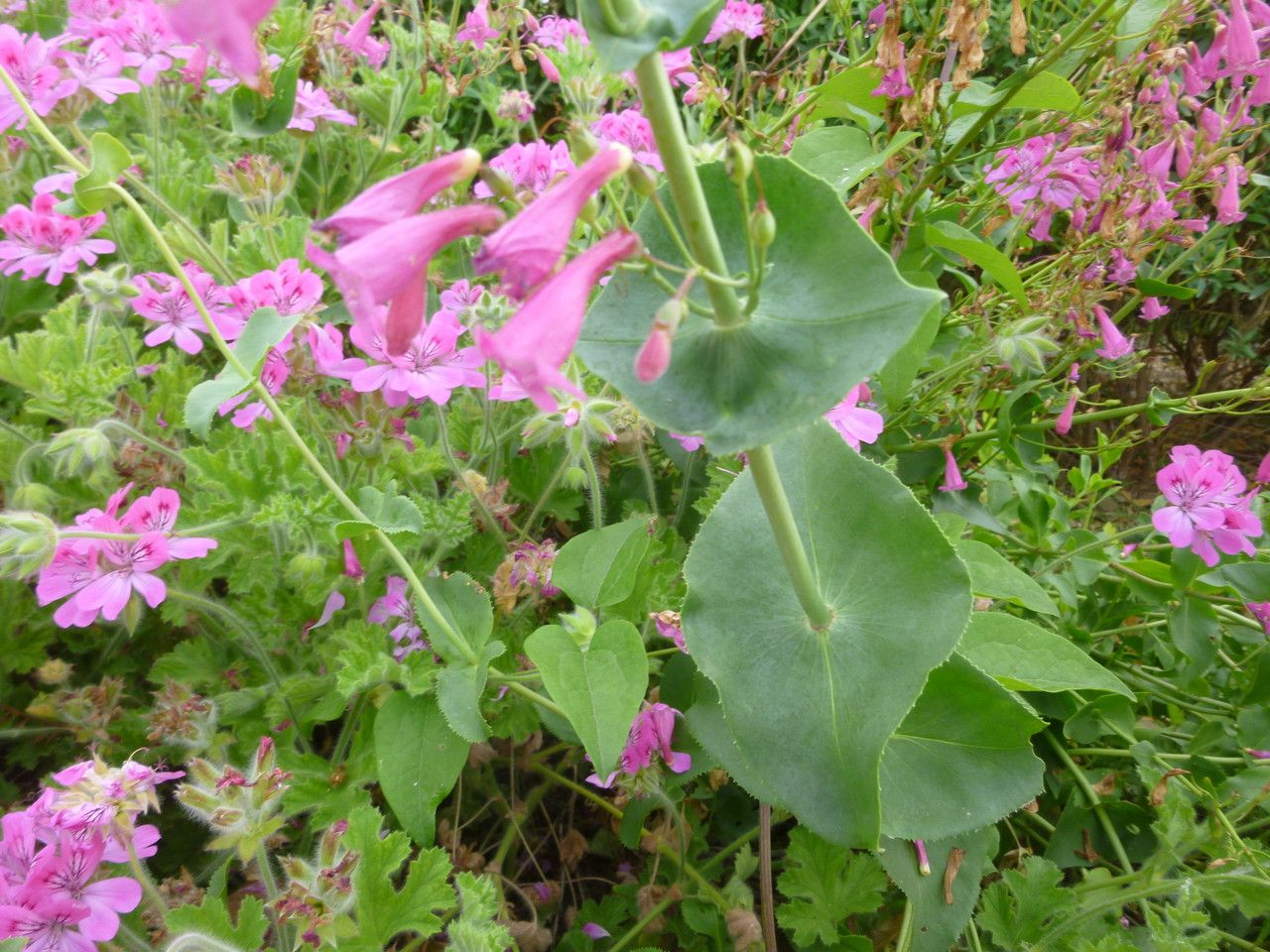
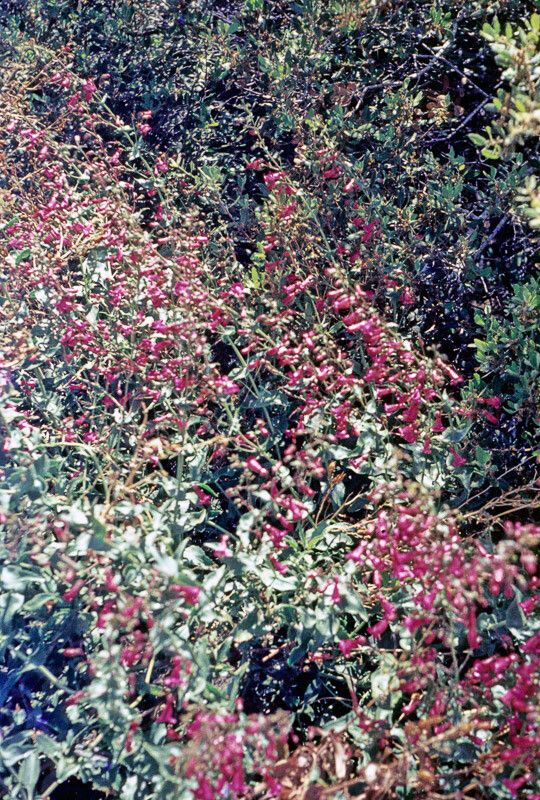
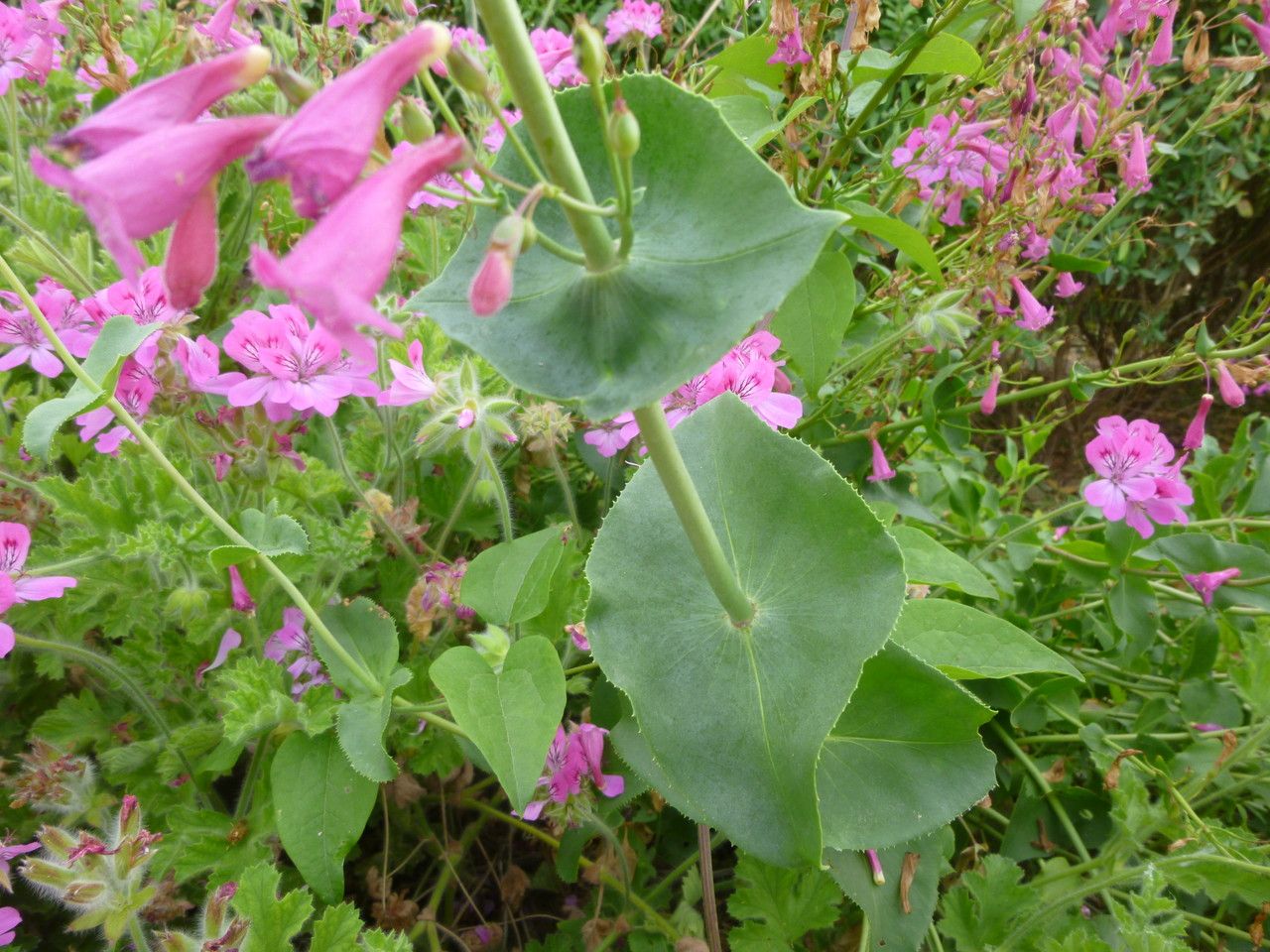
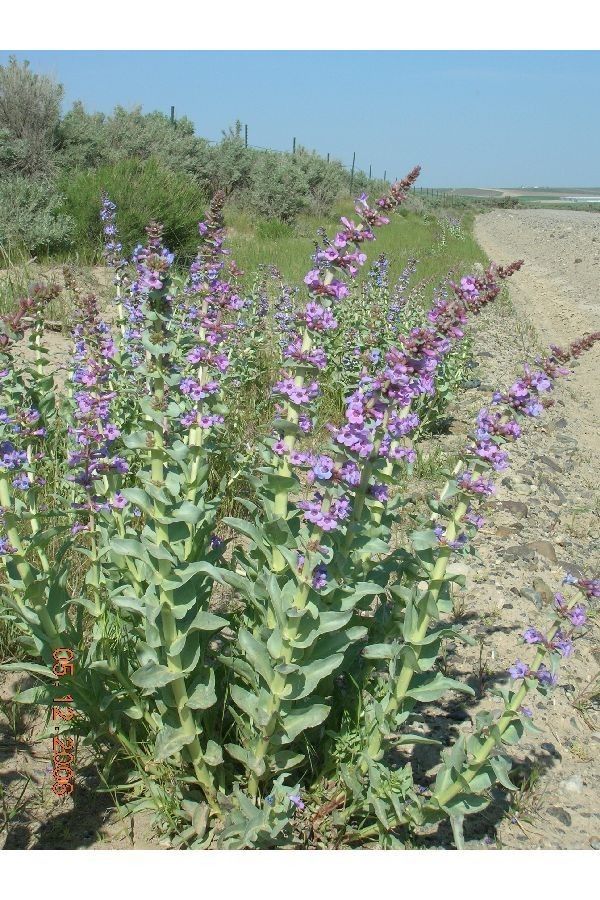
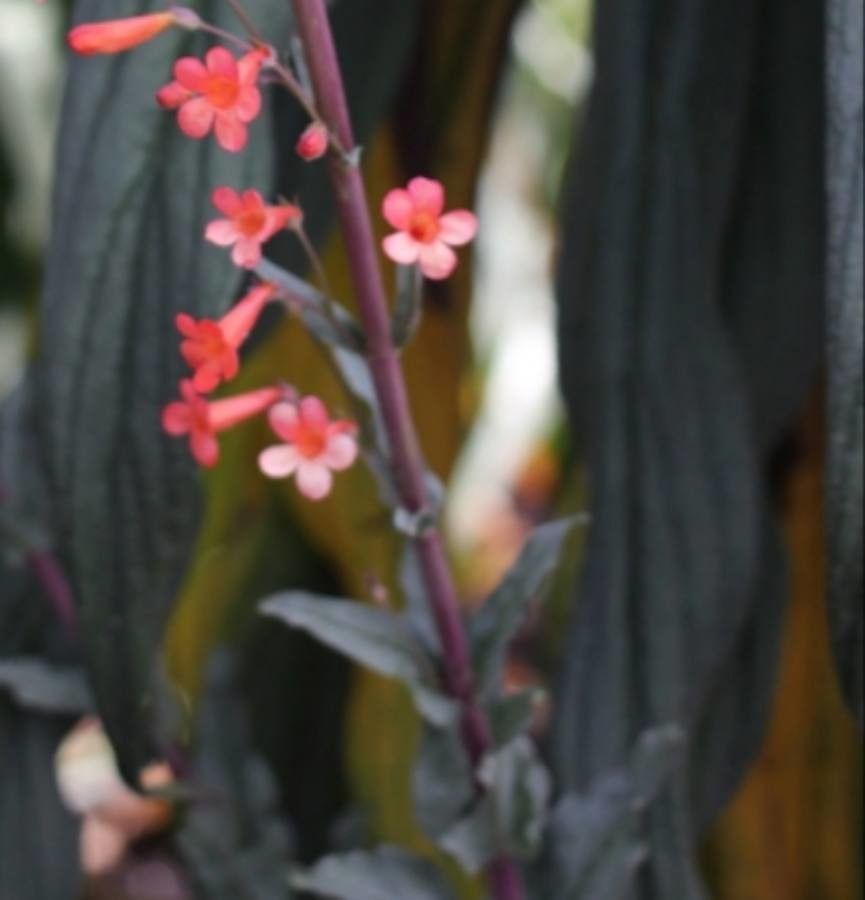
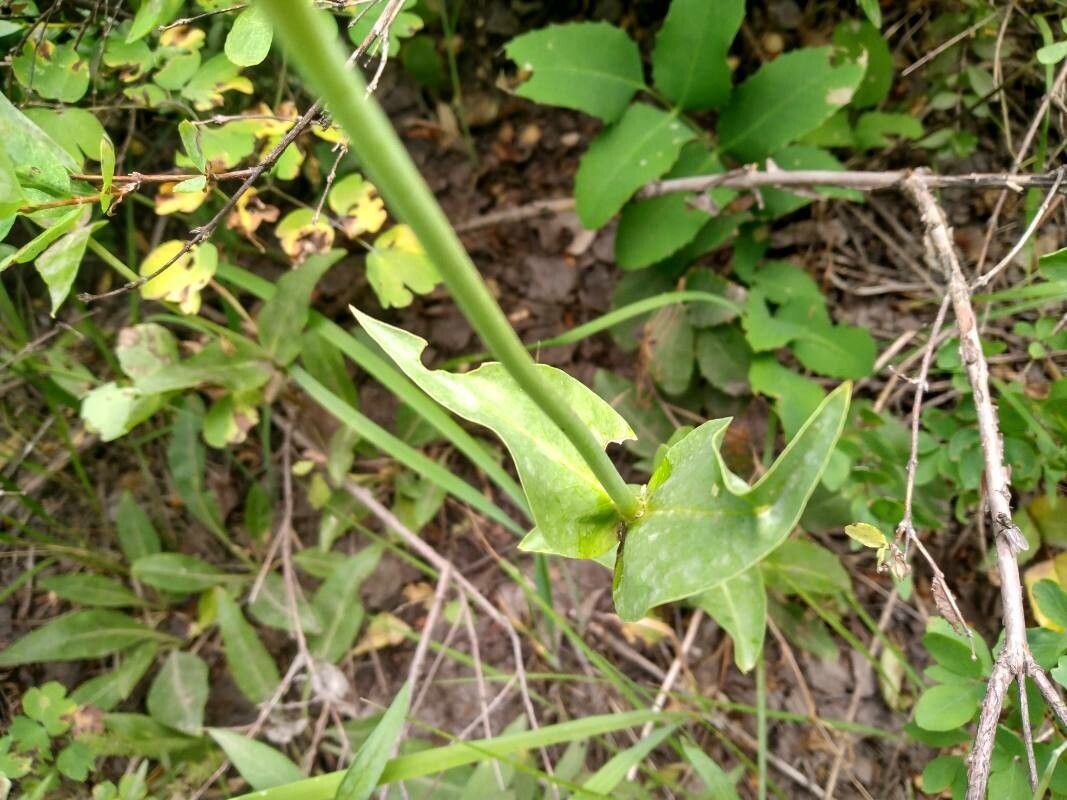
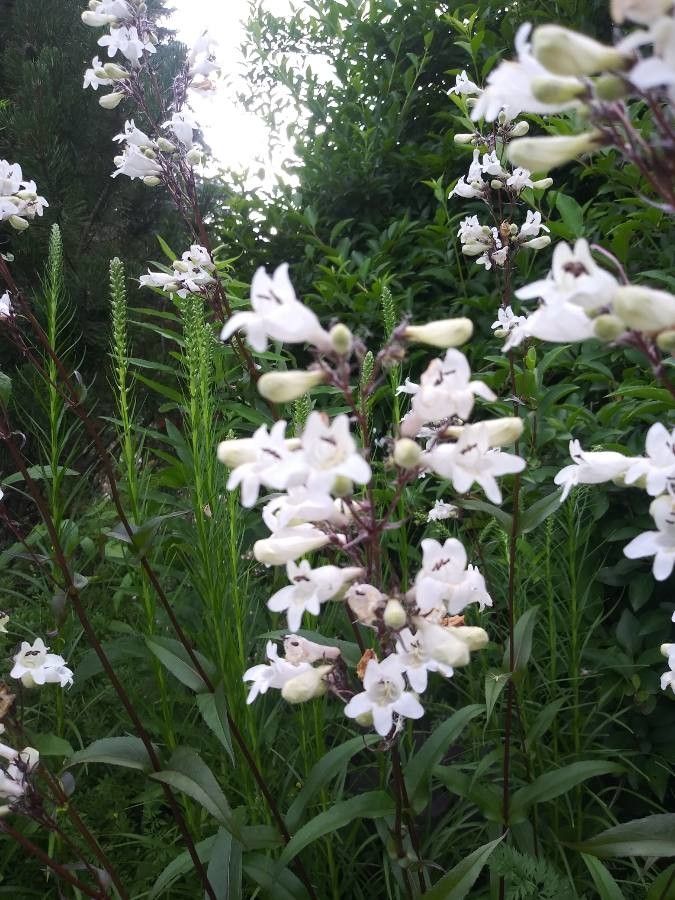
Penstemon clevelandii is a species of penstemon known by the common name Cleveland's beardtongue. It is native to southern California and Baja California, where it grows in mountain and desert habitat such as scrub, woodland, and chaparral. It is a perennial herb with upright, branching stems 70 centimeters in maximum height. The thick leaves are oval in shape, sometimes toothed, and 2 to 6 centimeters in length. The inflorescence produces tubular flowers with expanded, lipped mouths. The flower is pink to magenta in color, up to 2.4 centimeters in length, and somewhat glandular on the outer surface. Its specific epithet clevelandii honors 19th-century San Diego-based plant collector and lawyer Daniel Cleveland.There are three subtaxa recognized as varieties or subspecies.
How to keep Penstemon Clevelandii.
Pruning
Cleveland's beardtongue is known for its striking tubular flowers. To promote the plant's health and maintain a compact shape, it's beneficial to prune it in early spring. This involves removing spent blooms and trimming any weak stems. For older plants, cutting back one-third of the growth can rejuvenate them. Ensuring good airflow around the plant minimizes the risk of disease, helping to maintain a vibrant display throughout the blooming season.
Pot & Repot
Cleveland's beardtongue needs excellent drainage in pots to thrive. Proper drainage prevents excess moisture buildup, which is crucial for avoiding root rot and promoting healthy growth.
Botanical profile.
- Plant Type
- Herb
- Genus
- Penstemon
- Family
- Plantaginaceae
- Mature Height
- 30 cm to 91 cm
Other names.
Reader questions.
What are the sunlight requirements for Cleveland's beardtongue?
Cleveland's beardtongue (Penstemon clevelandii) thrives in varying amounts of sunlight, dependent on the plant's location within your garden. For 'full sun' exposure, the plant requires above 6 hours of sunlight daily, which is optimal for its growth and health. Alternatively, 'partial sun' conditions, entailing about 3-6 hours of sunlight, can also support its development, albeit with potentially different growth results. It's crucial to observe the movement of sunlight across your garden, selecting areas that offer a balanced interplay of light and shade. This careful placement ensures the plants receive the appropriate amount of sunlight they need to flourish.