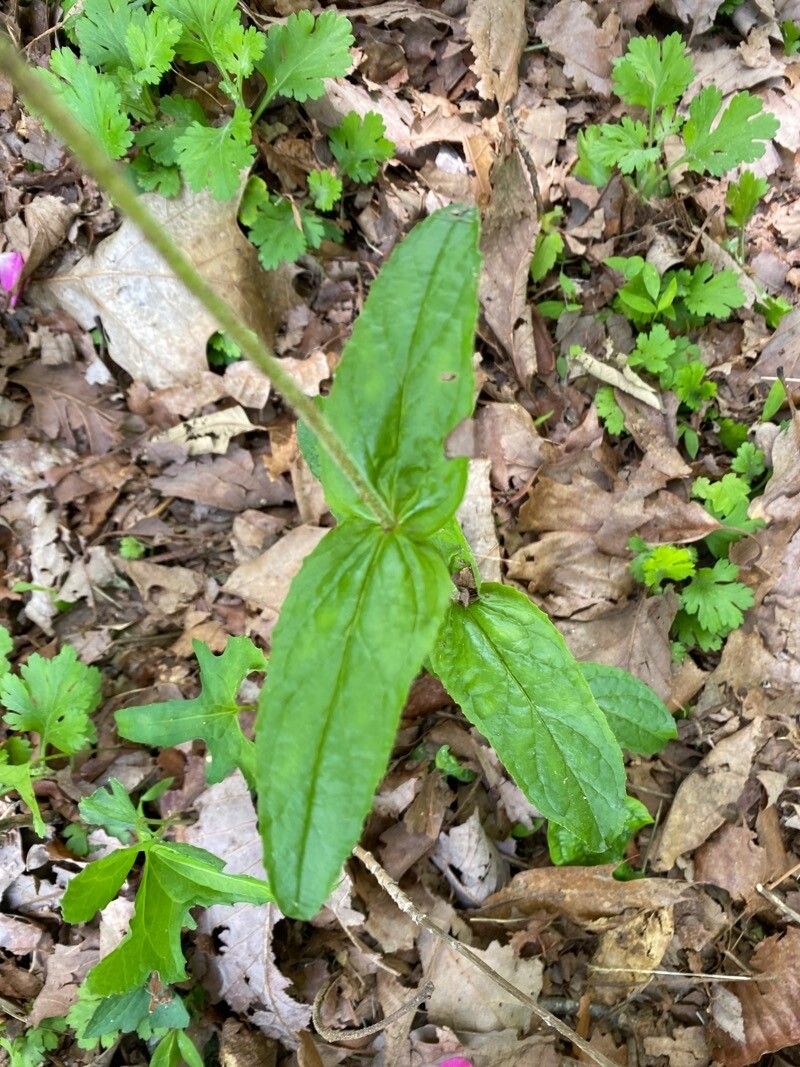
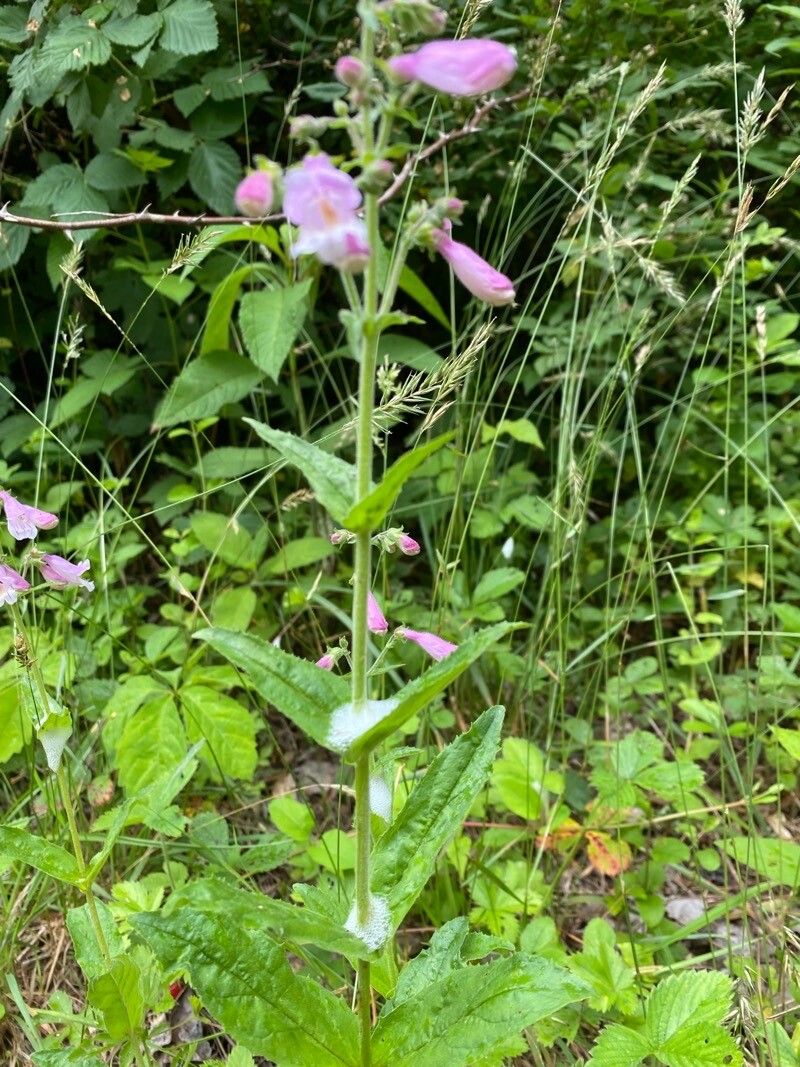
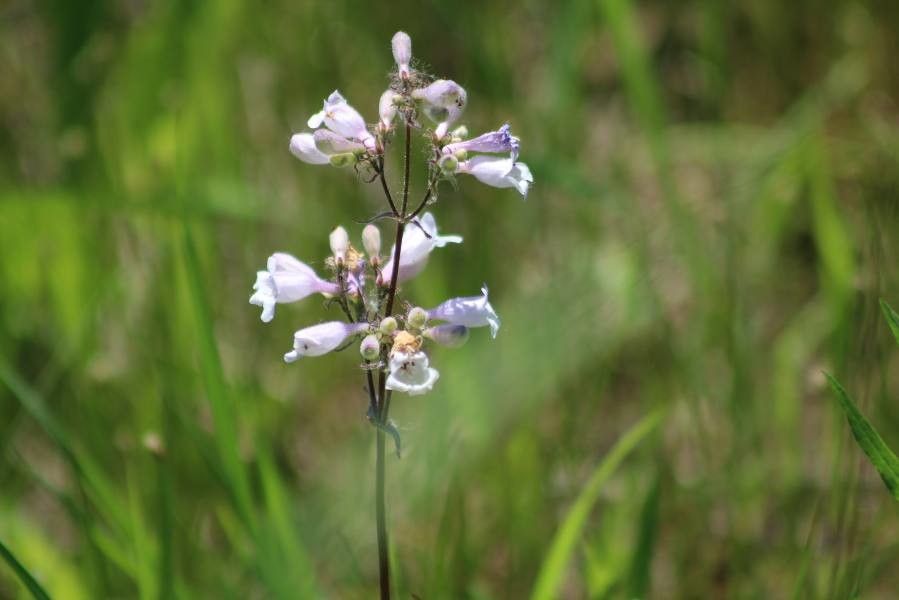
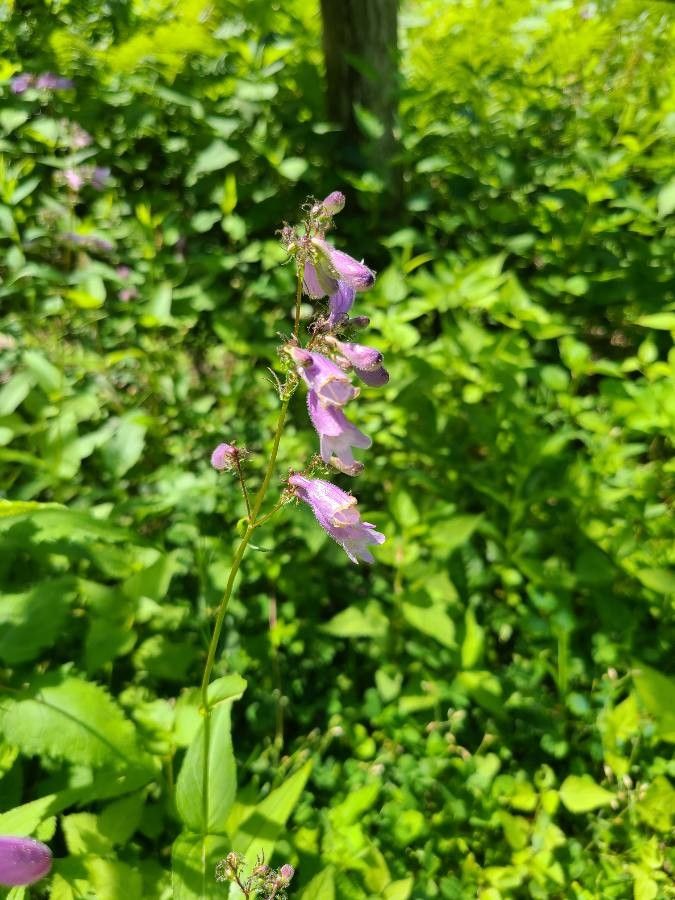
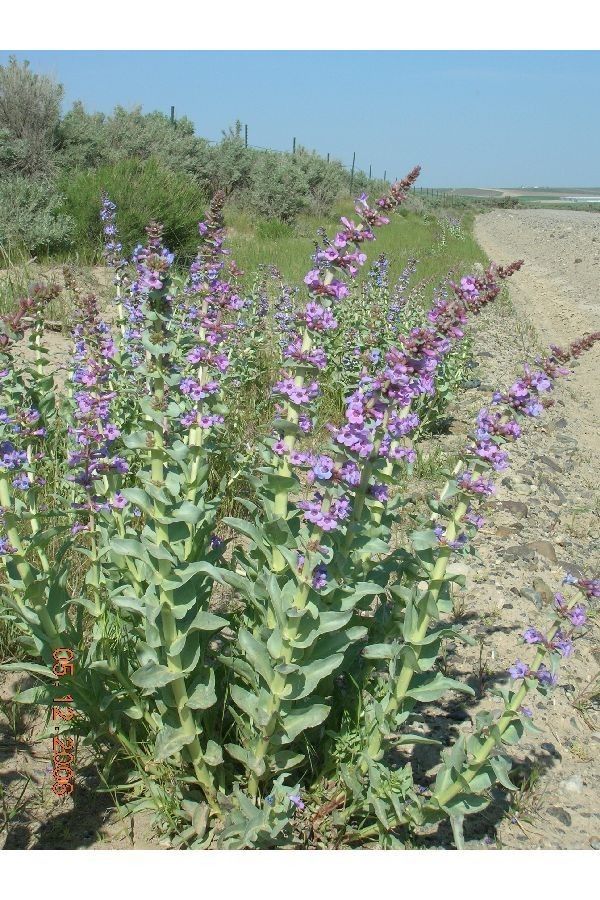
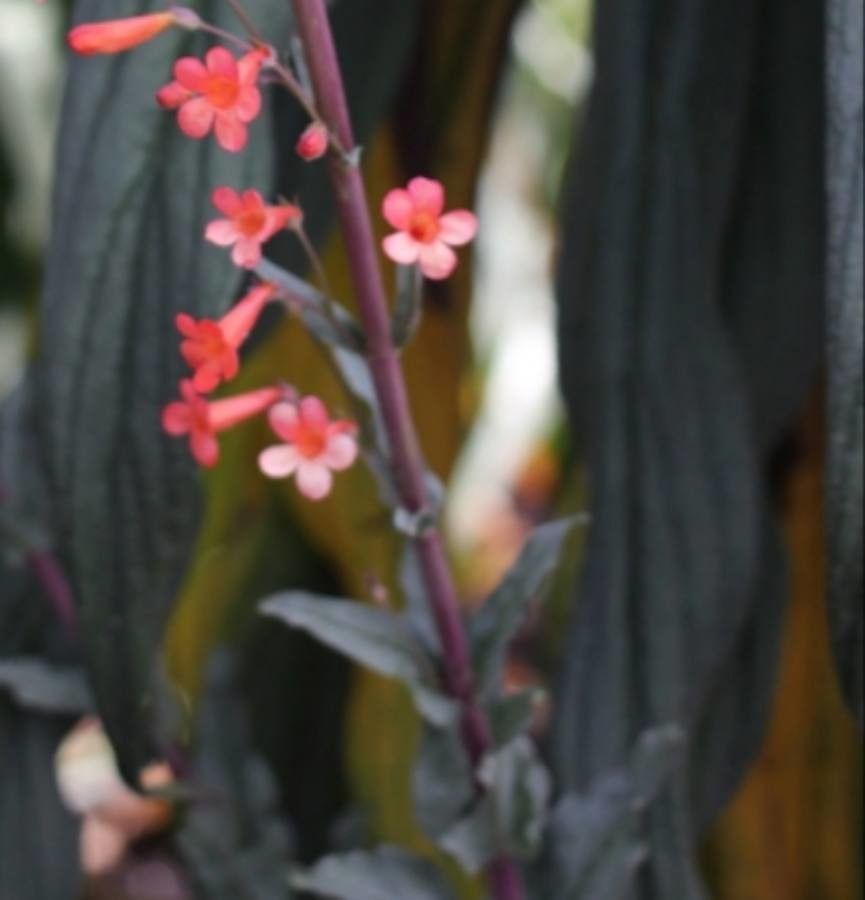
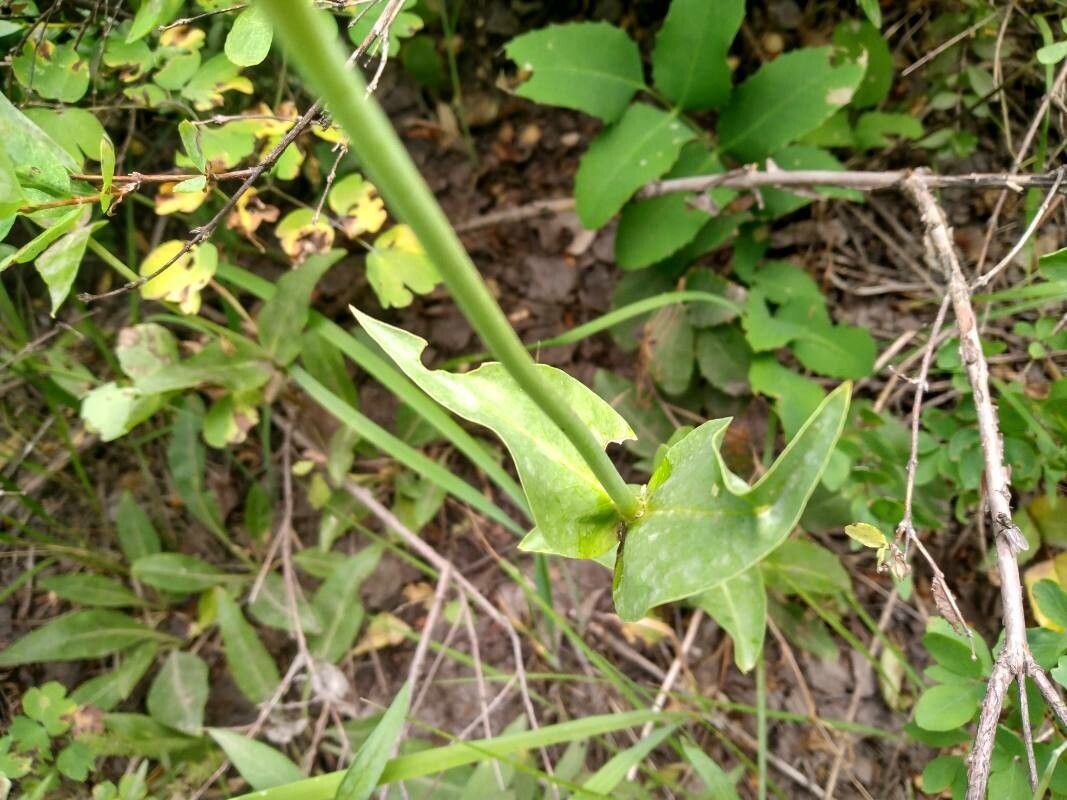
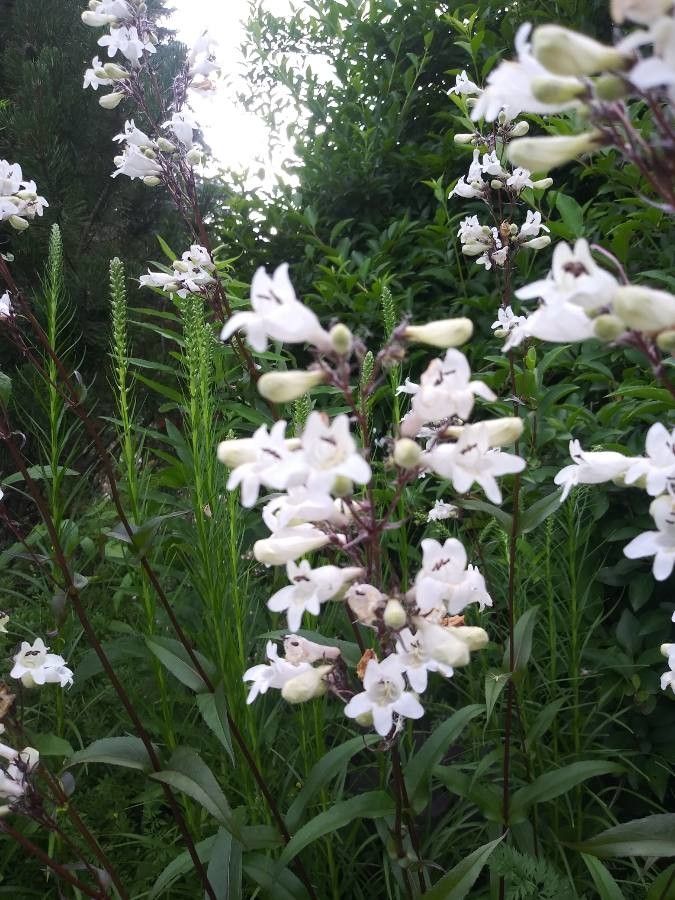
Penstemon canescens is a species of penstemon in the family Plantaginaceae. P. canescens is known by the common names Eastern gray beardtongue or Appalachian beardtongue. It is native to woodlands, forest edges, and roadsides of the southeastern United States and flowers May through July. It is a perennial herb producing stems reaching one meter in maximum height. Penstemon canescens has been used by Native Americans for thousands of years.
Eastern gray beardtongue has good resistance to disease and is generally not prone to illnesses. However, it can be affected by pests and diseases present in its environment. These infections are usually not serious. With regard to care, this plant needs moderate maintenance. It should be pruned regularly to maintain a tidy appearance and healthy growth. Fertilizing can also help encourage flowering. Eastern gray beardtongue is suitable for someone with outdoor space, such as a garden or patio, and does not require extensive gardening experience. It may need more attention when grown indoors.
How to keep Penstemon Canescens.
Light
The eastern gray beardtongue needs a large amount of daily sunlight to maintain optimal health and growth. In its native habitat it received steady sun, which supported its photosynthetic efficiency. Both too much and too little light can harm its leaf condition and overall vitality.
Water
The eastern gray beardtongue, which originates from well-drained slopes and woodlands, flourishes with moderate moisture and can withstand dry spells. While weekly watering helps maintain its health, it's important to account for rainfall, particularly during its active growth phase when natural precipitation might be enough.
Temperature
Eastern gray beardtongue is a native plant capable of thriving in a variety of climates, favoring temperatures from 41 to 90 °F (5 to 32 ℃). Temperatures should be closely monitored and adjusted as needed to maintain optimal conditions through the different seasons.
Fertilizer
The best time to fertilize an Eastern gray beardtongue is in early spring, as it comes out of dormancy and begins active growth. Fertilizing supplies essential nutrients for healthy growth. Although the Eastern gray beardtongue has relatively low fertilizer needs, yearly fertilization can improve its survival and promote better, longer-lasting flowers.
Pruning
Eastern gray beardtongue benefits from pruning in early to late spring, which encourages bushier growth and more abundant blooms. By removing dead stems and spent flower stalks, you improve air circulation around the plant. This practice aligns with the plant's growth cycle, helping to prevent disease and ensure a vibrant growing season.
Pot & Repot
For Eastern gray beardtongue to thrive in pots, it needs excellent drainage. This prevents excess water from accumulating and possibly damaging the roots.
Botanical profile.
- Plant Type
- Herb
- Life Cycle
- Perennial
- Genus
- Penstemon
- Family
- Plantaginaceae
- Hardiness Zone
- 5-8
- Mature Height
- 30 cm to 91 cm
- Mature Spread
- 30 cm to 46 cm
- Leaf Color
- Green, Dark Green
- Leaf Type
- Semi-evergreen
- Flower Color
- White, Pink, Purple
- Flower Size
- 3.81 cm
- Bloom Time
- Mid spring, Late spring, Early summer
- Planting Time
- Spring, Summer, Autumn, Winter
- Harvest Time
- Mid summer, Late summer, Early fall
Other names.
Reader questions.
How should I water my Eastern gray beardtongue plant in the best way?
To properly water the Eastern gray beardtongue, it is recommended to use filtered water at room temperature. Tap water may contain harmful particles for this plant, so it's better to use filtered water. This plant prefers warm temperatures, so avoid using cold water to prevent shock. Additionally, refrain from overhead watering to avoid issues with the foliage. Instead, apply the filtered room temperature water directly to the soil until it is fully soaked. This method benefits the plant by moisturizing the roots and aiding their spread through the soil to gather essential nutrients.
What amount of sunlight is required for Eastern gray beardtongue for optimal growth?
The Eastern gray beardtongue thrives under conditions of full sun, necessitating a vast amount of daily sunlight exposure for its health and growth. Originating from habitats with consistent sun, this exposure significantly contributes to the plant's photosynthetic efficiency. It is crucial to ensure the plant receives adequate sunlight, as both excessive and insufficient light can detrimentally impact its leaf condition and overall vitality.
What is the preferred temperature range for Eastern gray beardtongue?
Eastern gray beardtongue, known botanically as Penstemon canescens, thrives in a diverse range of climates, with a preferred temperature range of 41 to 90 °F (5 to 32 °C). To ensure the plant remains healthy and vibrant throughout the different seasons, it's important to closely monitor and adjust the surrounding temperature to maintain these optimal conditions.
What should I do if I give my Eastern gray beardtongue plant too much or too little water?
Overwatering is a common issue that can harm your Eastern gray beardtongue. When this plant gets too much water, its stems and leaves may wilt and turn yellow. Overwatering for a long time can also cause diseases like root rot, mold, and mildew, which can be fatal to the plant. Underwatering is less common, but still possible. If your Eastern gray beardtongue is underwatered, its leaves may become brittle and brown. It's important to recognize the signs of overwatering early on, as some diseases may be irreversible if not addressed promptly. Reduce watering immediately if you notice signs of overwatering, and consider replacing poorly draining soil with a loose, well-draining potting mix. If your plant shows signs of needing more water, simply increase your watering frequency until the signs subside.
What are the options for providing artificial lighting to indoor plants?
When natural sunlight is insufficient, particularly during winter or in spaces that receive less sun, artificial lighting becomes essential for indoor plants. LED lights are recommended due to their customization capabilities, offering specific wavelengths needed by plants. For plants requiring full sun, 30-50W per square foot is necessary; partial sun plants need 20-30W per square foot, and full shade plants require 10-20W per square foot. The artificial light source should be positioned 12-36 inches above the plant, mimicking natural sunlight as closely as possible, and should be kept on for about 8-12 hours per day, depending on the plant species.
Does Eastern gray beardtongue need special frost protection measures during winter?
Eastern gray beardtongue boasts a strong resistance to cold, typically not requiring special frost protection measures during the winter months. However, if temperatures are expected to plummet below -25°C, it becomes necessary to safeguard the plant against the extreme cold. This can be done by covering the plant with insulating materials such as soil or straw. Additionally, watering the plant abundantly before the first freeze of autumn helps the soil remain moist and enter a frozen state, which is crucial for preventing drought and water scarcity during the winter and early spring periods.
How often do I need to water my Eastern gray beardtongue?
If your Eastern gray beardtongue plant is in a pot, the most precise way to determine if it needs water is to check the soil. If the top two to three inches of soil are dry, it's time to water it. If you are growing your Eastern gray beardtongue plant in the ground, you can use a similar method to test the soil. Once the first few inches of soil have dried out, it's a sign that it needs watering. Typically, during the spring and early fall, watering once a week using this method is sufficient. However, during extremely hot weather, you may need to increase the frequency to two or more times a week. It's worth noting that mature, well-established Eastern gray beardtongue plants have a remarkable ability to tolerate drought.
What are the symptoms of inadequate lighting for Eastern gray beardtongue?
Eastern gray beardtongue may exhibit several symptoms in response to inadequate lighting, including the development of small leaves, leggy or sparse growth, faster leaf drop, slower or no new growth, and lighter-colored or irregularly patterned new leaves. Additionally, chlorosis (leaf yellowing due to chlorophyll breakdown) and sunscald, characterized by pale or necrotic areas on the plant tissue, can occur. Other symptoms include leaf curling, wilting, and leaf scorching, which manifest as brown, dry, or crispy leaf edges.
How does low temperature affect Eastern gray beardtongue, and what are the solutions?
Eastern gray beardtongue possesses a commendable tolerance to low temperatures, thriving best when the temperature remains above 5°C. In winter, it's advisable to keep the temperature above -20°C. Despite this resilience, when the temperature dips below -25°C, the plant might not show immediate distress, but there could be a noticeable decrease in sprouting or even no sprouting at all come spring. To address this, any parts of the plant that have failed to sprout by spring should be removed.
How much water does my Eastern gray beardtongue plant need?
When watering your Eastern gray beardtongue, make sure to give enough water without being shy. Wait until the first two to three inches of soil are dry, then thoroughly water the plant, allowing the soil to be completely soaked. It's important to add enough water to cause excess water to drain through the bottom holes of the pot. If you don't see excess water draining, you may have not given enough water. However, be careful not to let the water accumulate in the soil, as it can harm the plant. Conversely, if water doesn't drain through the pot, it could indicate that the soil doesn't drain well, which is not good for the plant's health. If the plant is outdoors, 1 inch of rain per week is sufficient.
How can I address and improve insufficient sunlight exposure for Eastern gray beardtongue?
To address insufficient sunlight for Eastern gray beardtongue, gradually adjust the plant's location to increase sun exposure. For indoor plants, move them closer to a south-facing window, ensuring they receive at least 6 hours of direct sunlight daily, and consider using artificial grow lights if relocation is not feasible. For outdoor plants, also gradually relocate them to sunnier spots, avoiding sudden exposure changes to prevent sunburn. If necessary, prune nearby trees to reduce shade. Additionally, for smaller plants, transplanting during their dormant period to a location with better sunlight and drainage might be beneficial.
What effect does high temperature have on Eastern gray beardtongue, and how can it be mitigated?
During the summer months, it's crucial for the well-being of Eastern gray beardtongue to keep temperatures below 32°C. Exceeding 35°C can result in the plant's leaves becoming lighter in color, curling, and becoming susceptible to sunburn. In severe cases, the plant might completely wilt and dry out. To counteract these effects, trim away the damaged parts of the plant, relocate it to a shaded area or use a shade cloth to protect it from direct sunlight during the peak intensity of midday and afternoon sun. Additionally, ensure the soil remains moist by watering the plant during the cooler morning and evening hours.