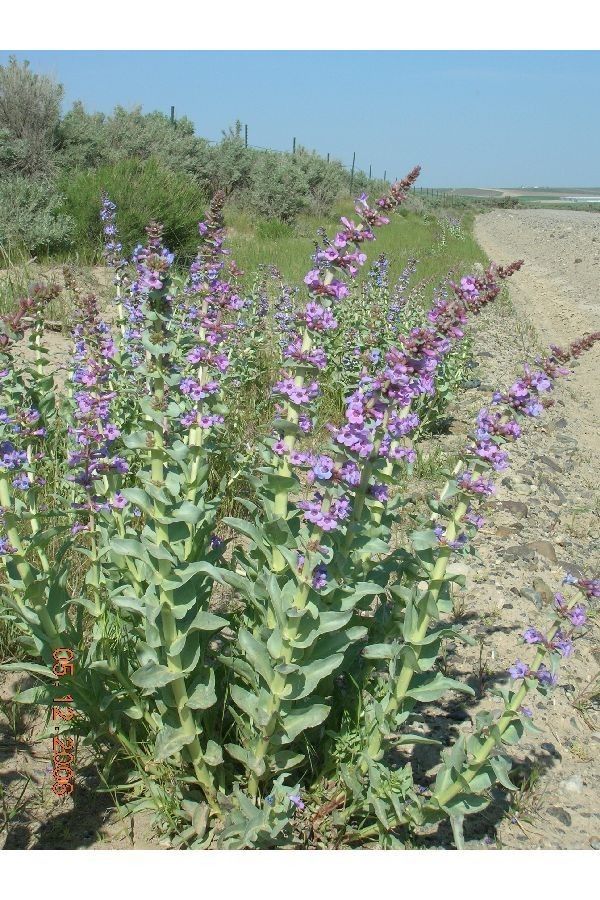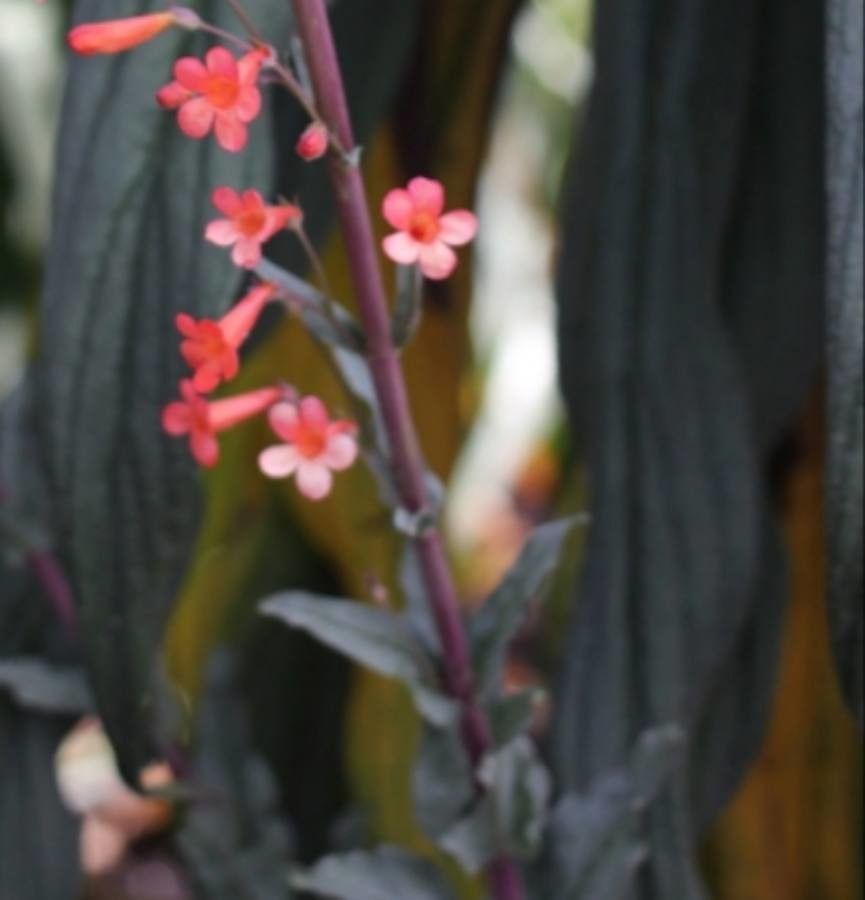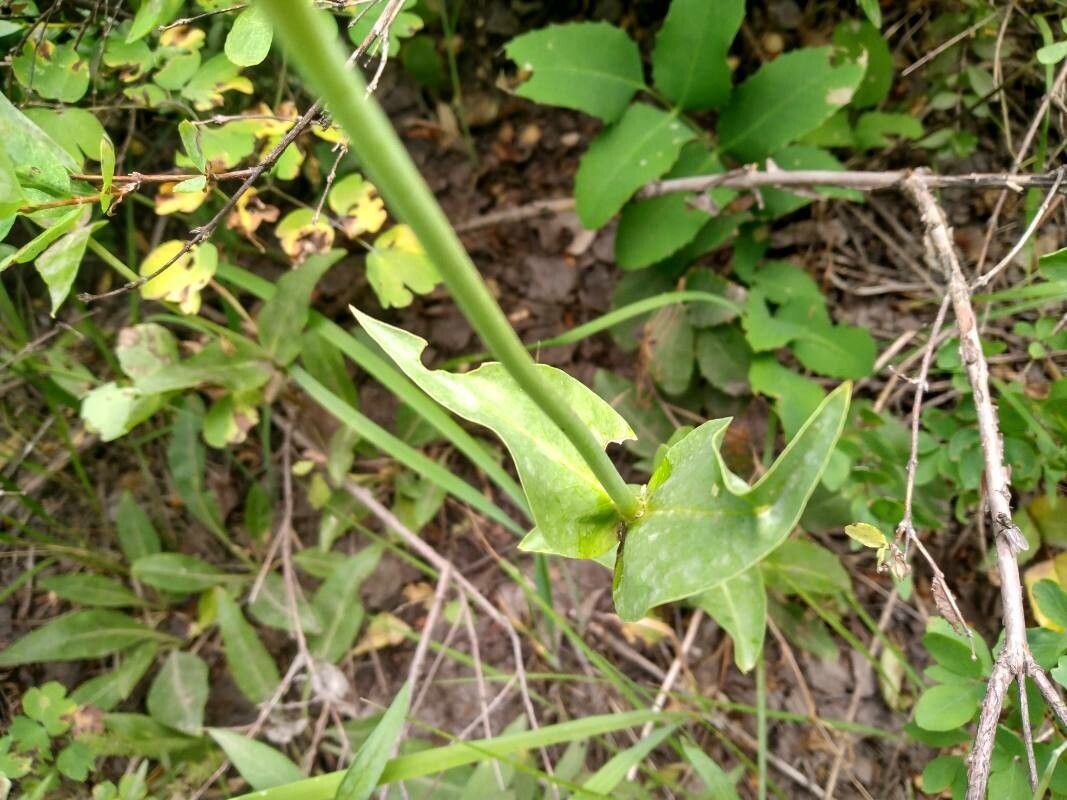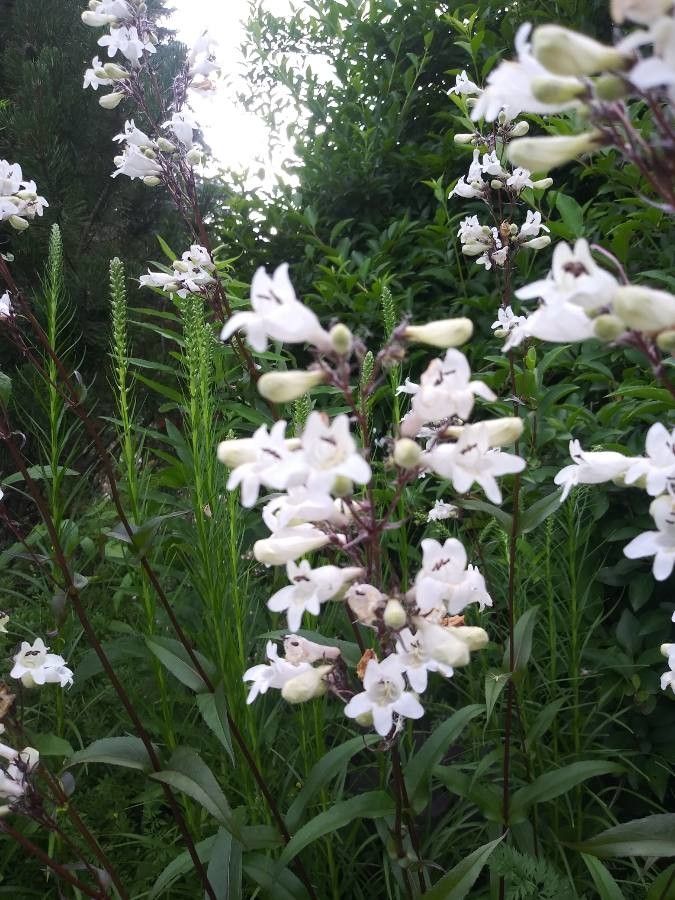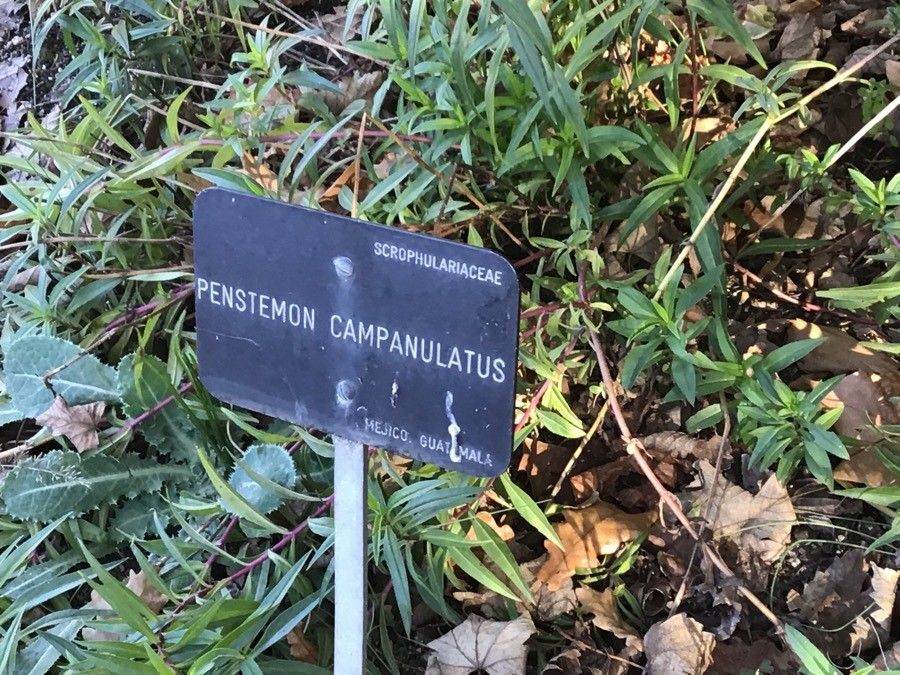
Bellflower beardtongue has strong resistance to disease and is typically not prone to illnesses. Still, it can be vulnerable to pests and diseases that exist in its environment. When infections do occur, they are generally mild. Regarding care, this plant needs moderate maintenance. It should be pruned regularly to preserve an attractive appearance and support healthy growth. Applying fertilizer can also encourage better flowering. Bellflower beardtongue is appropriate for anyone who has outdoor space, such as a garden or patio, and does not demand extensive gardening experience. It can require additional attention if grown indoors.
How to keep Penstemon Campanulatus.
Light
Bellflower beardtongue grows best in full sun, though it can tolerate moderate shade. In its natural environment it is used to ample sunlight. Too much shade can impede its healthy development, while excessive sun exposure can damage or bleach its leaves.
Water
Bellflower beardtongue, a plant native to dry, rocky areas, is drought-tolerant and thrives with weekly watering. It grows best in well-draining soil that mimics its natural arid habitat and is commonly found in xeric landscapes.
Temperature
Bellflower beardtongue is native to regions where temperatures typically fall between 50 and 95 °F (10 to 35 °C). It does best in these moderate conditions. Seasonal temperature adjustments may be necessary for optimal growth.
Fertilizer
The best time to fertilize Bellflower beardtongue is in early spring, as it emerges from dormancy and starts active growth. Fertilizer supplies essential nutrients for healthy development. Although Bellflower beardtongue needs relatively little feeding, an annual application can boost its survival and encourage stronger, longer-lasting blooms.
Pruning
Bellflower beardtongue showcases charming tubular flowers and lush foliage. To encourage reblooming and promote bushier growth, prune the plant from early to late spring, removing any dead stems. Ensure you use clean tools to prevent infections, which will support vibrant blooms and the overall health of the plant during its active growth phase.
Pot & Repot
For bellflower beardtongue to thrive in pots, it needs excellent drainage.
Botanical profile.
- Plant Type
- Herb, Shrub
- Life Cycle
- Perennial
- Genus
- Penstemon
- Family
- Plantaginaceae
- Hardiness Zone
- 6-9
- Mature Height
- 61 cm to 91 cm
- Mature Spread
- 30 cm to 46 cm
- Leaf Color
- Green
- Leaf Type
- Semi-evergreen, Deciduous
- Flower Color
- Pink, Purple
- Flower Size
- 2.54 cm
- Bloom Time
- Late spring, Early summer, Mid summer
- Planting Time
- Spring
- Harvest Time
- Mid summer
Other names.
Reader questions.
What are the sunlight requirements for Bellflower beardtongue?
Bellflower beardtongue requires full sun to partial sun exposure to thrive well. Full sun means the plant needs above 6 hours of sunlight daily, while partial sun refers to about 3-6 hours of sunlight. It's crucial to watch how sunlight moves through your garden to find spots with the ideal balance of light and shade, ensuring the health and happiness of your plants. In its natural habitat, the bellflower beardtongue is accustomed to generous sunlight exposure, although it can tolerate moderate shades. Too much shade can hinder its healthy development, and overexposure to sunlight can damage or bleach its leaves.
What are the ideal temperature conditions for growing Bellflower beardtongue?
Bellflower beardtongue is best suited to environments where temperatures range from 50 to 95 °F (10 to 35 °C). It thrives in these moderate conditions, showing strong cold resistance, which means special frost protection measures are usually not necessary. However, during winter, if temperatures are expected to drop below -25°C, it's important to protect the plant from the cold by covering it with soil or straw and ensuring the soil is moist before the first freeze in autumn. This preparation helps prevent drought and water scarcity for the plant during the colder months.
How do you use artificial lighting for indoor Bellflower beardtongue plants?
For Bellflower beardtongue plants grown indoors, adequate lighting is essential, especially when natural sunlight is insufficient. Artificial lights are a vital solution for promoting faster, healthier growth. LED lights are a popular choice since they can provide specific wavelengths of light needed by plants. The requirements vary depending on the plant's need for sun: Full sun plants need 30-50W/sq ft of artificial light, partial sun plants need 20-30W/sq ft, and full shade plants need 10-20W/sq ft. The light source should be placed 12-36 inches above the plant to mimic natural sunlight, and it should be on for 8-12 hours per day to mimic the length of natural daylight hours suited for the species.
How does Bellflower beardtongue react to low temperatures, and what are the remedies?
Bellflower beardtongue is cold-tolerant and prefers temperatures above 10°C. If winter temperatures drop below -15°C, and especially under -25°C, the plant might show no obvious ill effects during winter but could experience reduced sprouting or fail to sprout in spring. To address this, any parts of the plant that have failed to sprout in spring should be removed to encourage new growth and maintain plant health.
What are the symptoms of inadequate lighting on Bellflower beardtongue?
Bellflower beardtongue shows several symptoms when placed in inadequate lighting conditions, such as new leaves growing smaller in size compared to older ones, leggy or sparse growth due to longer spaces between leaves or stems, faster leaf drop as the plant sheds older leaves to conserve resources, slower or halted new growth as the plant enters survival mode, and lighter-colored or pale new leaves indicating a lack of chlorophyll and essential nutrients. Overexposure can lead to chlorosis (leaves turning yellow), sunscald (damage from intense sunlight), leaf curling (to reduce sunlight exposure), wilting (due to increased water loss), and leaf scorching (brown, dry edges or patches on leaves).
What happens to Bellflower beardtongue in high temperatures, and how can you protect it?
During the summer months, it's crucial to ensure that the Bellflower beardtongue's environment does not exceed 35°C. Temperatures above 38°C can lead to the leaves becoming lighter in color, curling, becoming prone to sunburn, and, in severe cases, the plant may wilt and dry out completely. To protect the plant, trim away any sunburned or dried parts, move it to a shaded location or use a shade cloth to protect it from the midday and afternoon sun. Additionally, watering the plant in the morning and evening can help keep the soil moist and reduce heat stress.
What solutions are there for Bellflower beardtongue experiencing sunlight-related issues?
To address sunlight-related issues in Bellflower beardtongue, consider the following solutions based on whether the plant is indoors, outdoors, or in the ground. For indoor plants, gradually move them to a sunnier location each week until they receive at least 6 hours of direct sunlight each day. Utilize a south-facing window, keep curtains open during the day, or use artificial light such as a desk or ceiling lamp for at least 8 hours daily. For outdoor plants, introduce them to sunnier spots gradually to avoid sunburn. It's important to note that parts of the plant affected by insufficient sunlight may not recover, but new growth should be healthy. If your plant is in the ground, reduce obstructions like overhanging branches and consider transplanting smaller plants to sunnier locations during their dormant period, ensuring ample sunlight and good drainage.