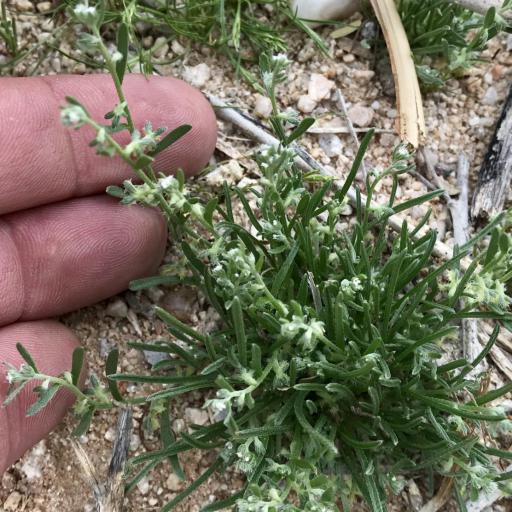
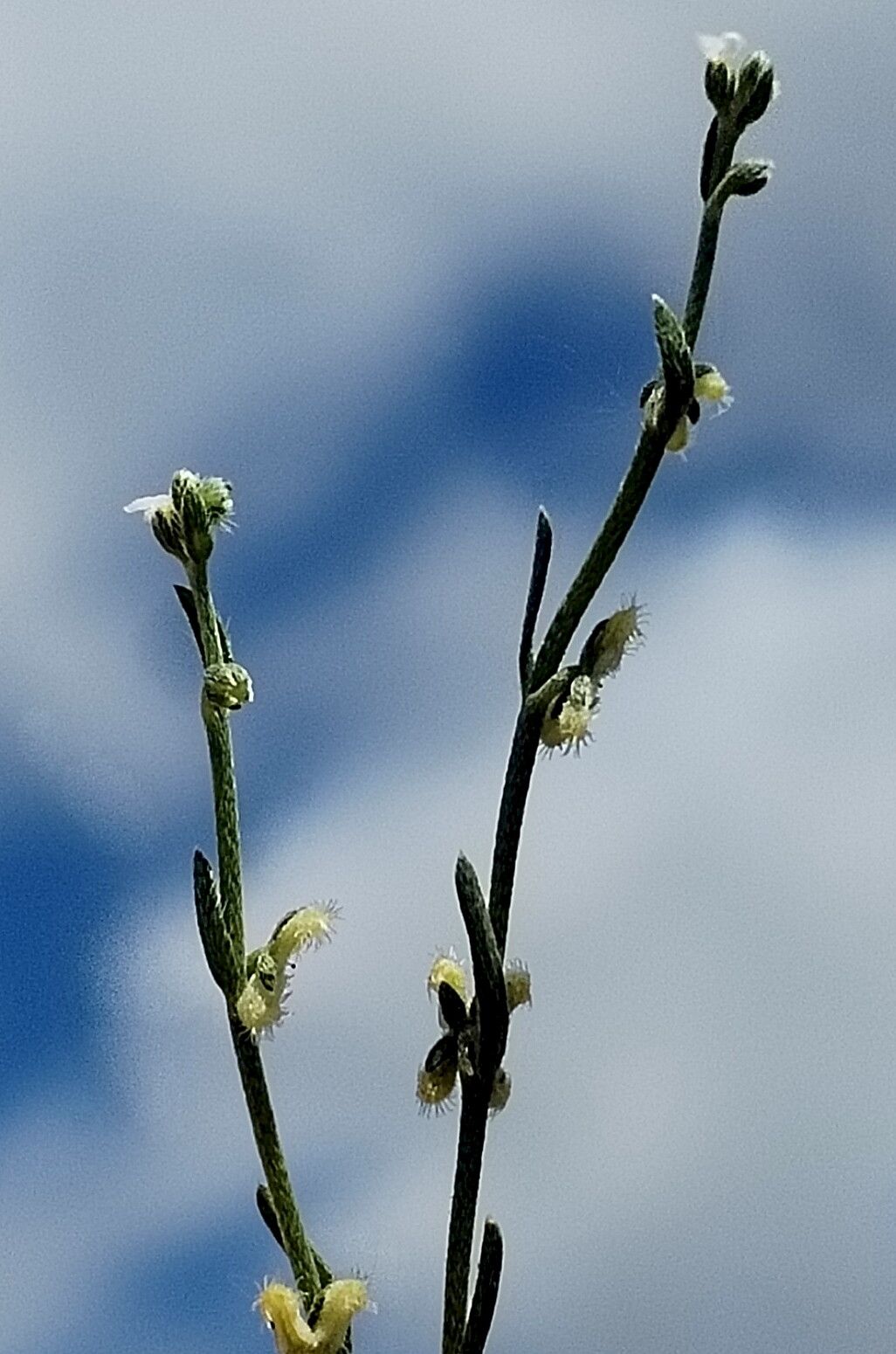
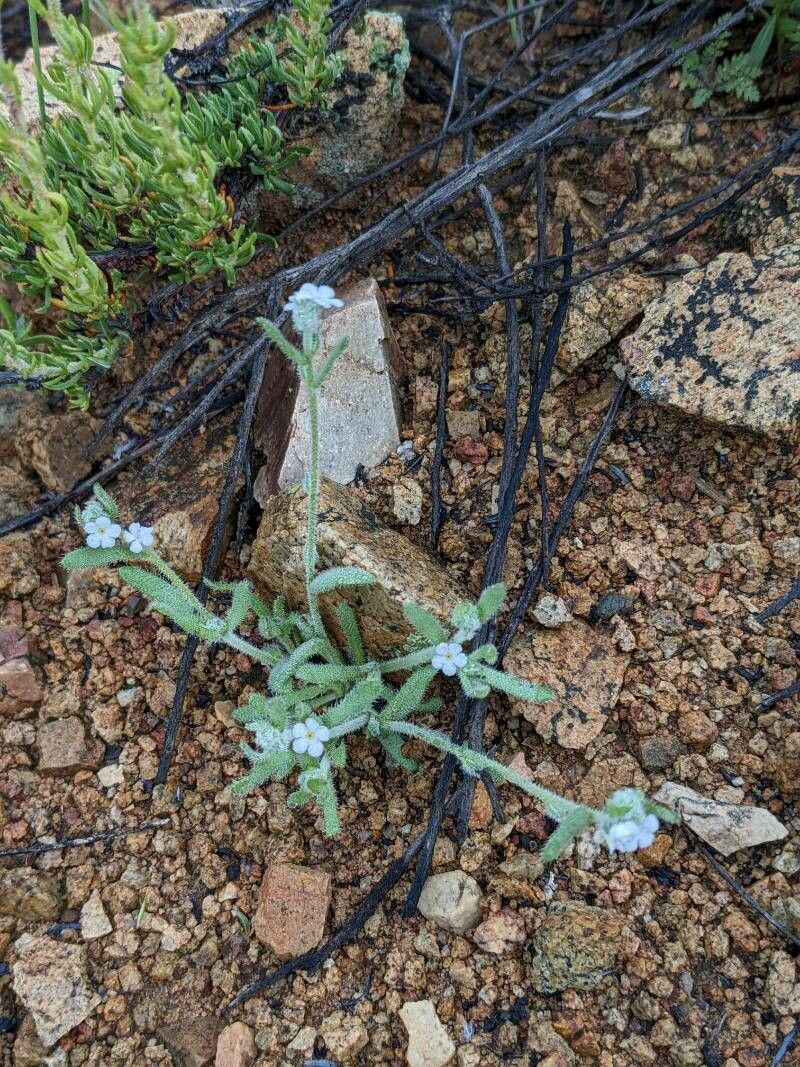
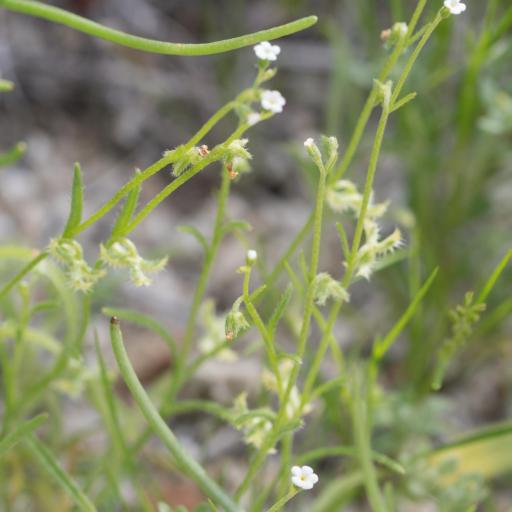
Pectocarya setosa, known by the common names moth combseed and round-nut pectocarya, is a species of flowering plant in the borage family.
Moth combseed is fairly disease-resistant and typically not prone to illnesses. However, it can be affected by pests and local diseases present in its surroundings. These infections are usually mild. For care, the plant requires moderate maintenance. It should be pruned regularly to maintain a neat appearance and support healthy growth. Fertilizing can also encourage flowering. Moth combseed is suitable for someone with outdoor space, such as a garden or patio, and does not demand extensive care experience. It may need more attention when grown indoors.
How to keep Pectocarya Setosa.
Light
Moth combseed comes from bright, open habitats and does best in full sun. It tolerates partial sun but favors direct sunlight for optimal development. This plant, which can be annual or biennial, is noted for its sun-loving character.
Water
Moth combseed thrives with moderate moisture and prefers consistent hydration, typically benefiting from being watered twice a week. While this species is resilient to short dry spells and adapts well to different soil types and outdoor climates, it still requires careful attention to its unique water needs.
Fertilizer
Moth combseed benefits from regular, light applications of fertilizer to encourage healthy leaf growth. You should apply fertilizer to Moth combseed approximately once a month during the summer months. Nitrogen is vital for foliage, and adding nitrogen-rich sources helps Moth combseed thrive.
Pruning
Moth combseed has a delicate structure and needs careful pruning from early to late spring to promote growth and flowering. Important practices include removing dead stems and shaping the plant to improve air circulation. This helps prevent disease and boosts the plant's vigor, ensuring a healthy presence in your garden.
Botanical profile.
- Plant Type
- Herb
- Life Cycle
- Annual
- Genus
- Pectocarya
- Family
- Boraginaceae
- Leaf Type
- Deciduous
- Native Area
- Mexico