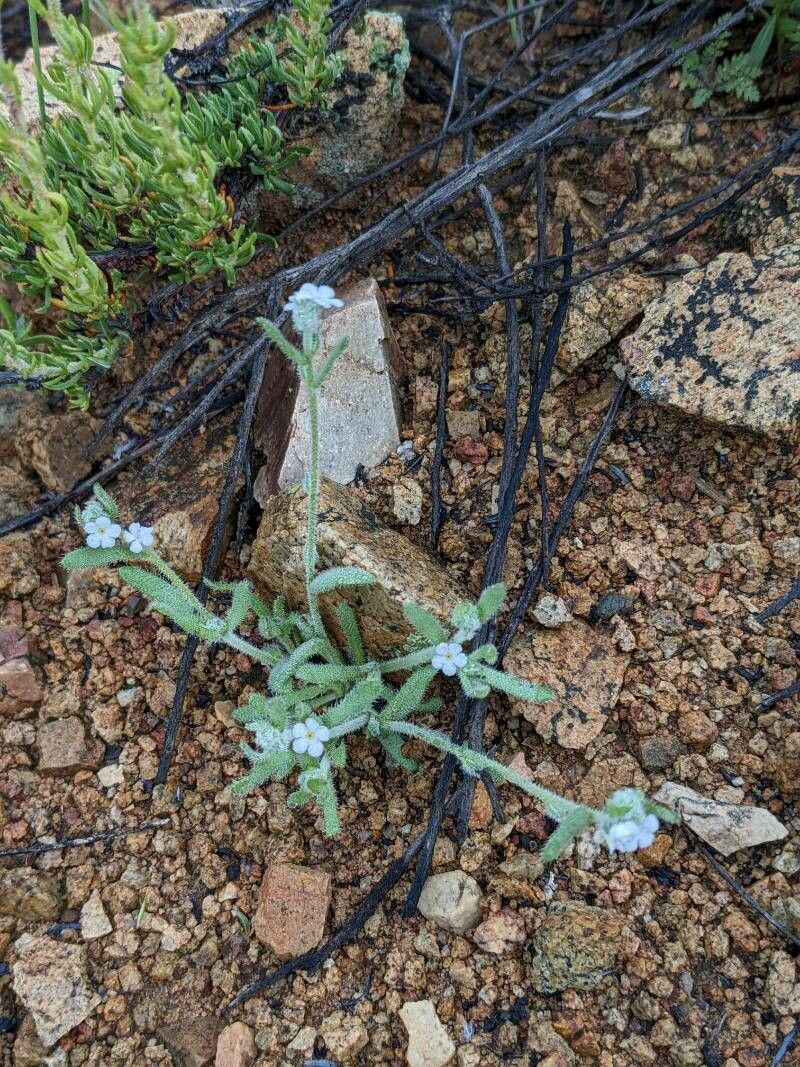
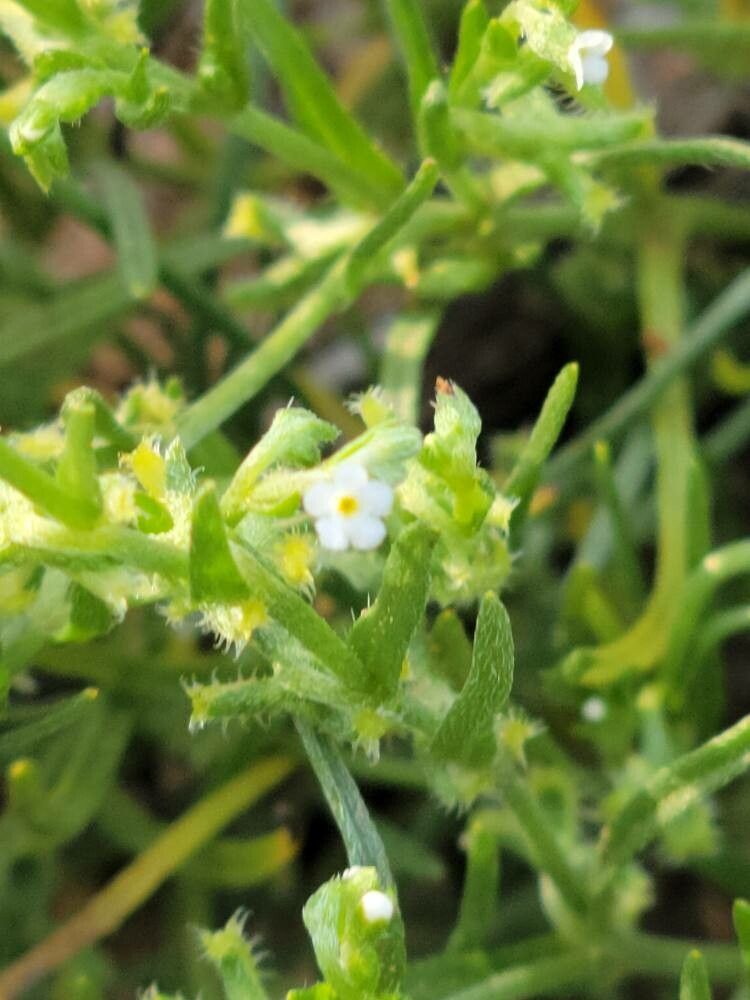
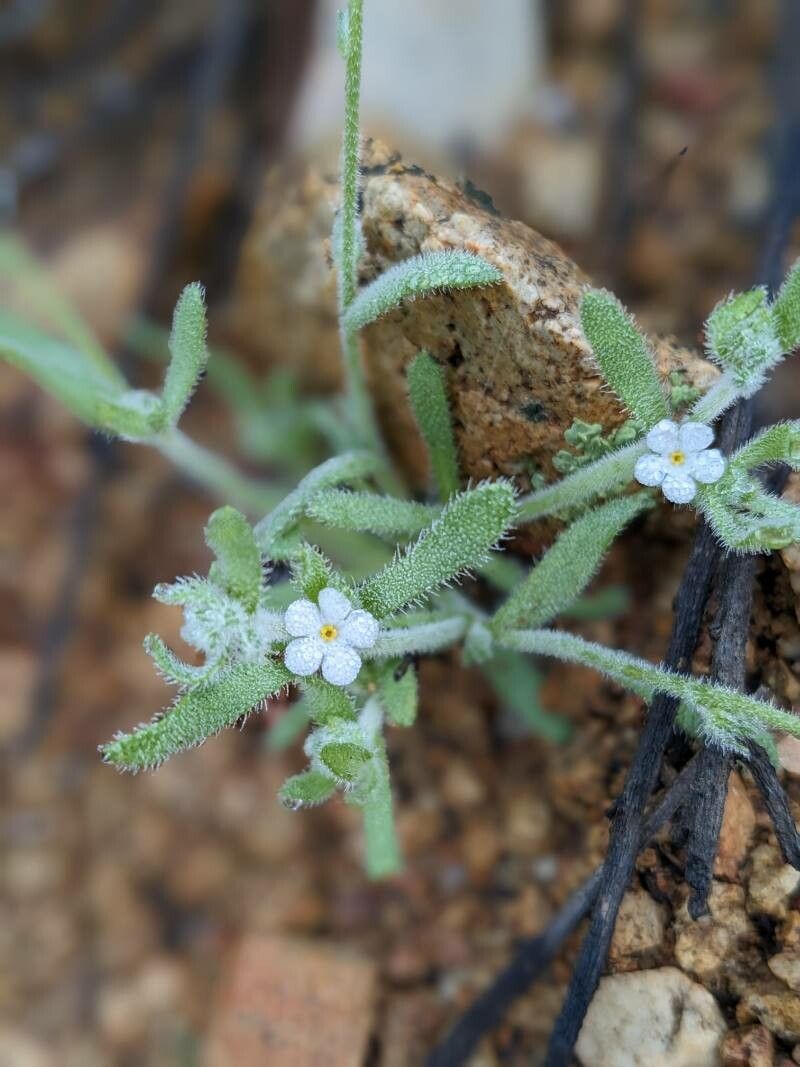
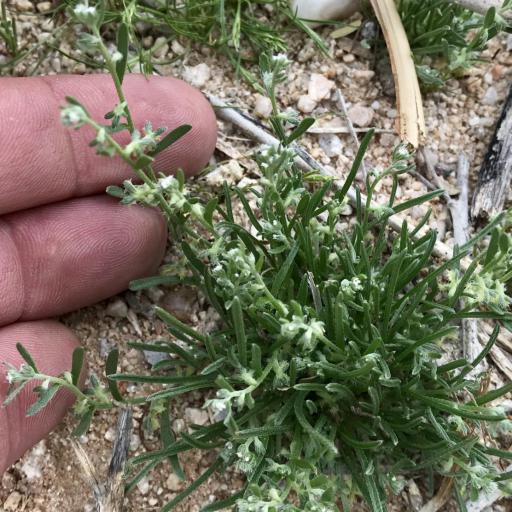
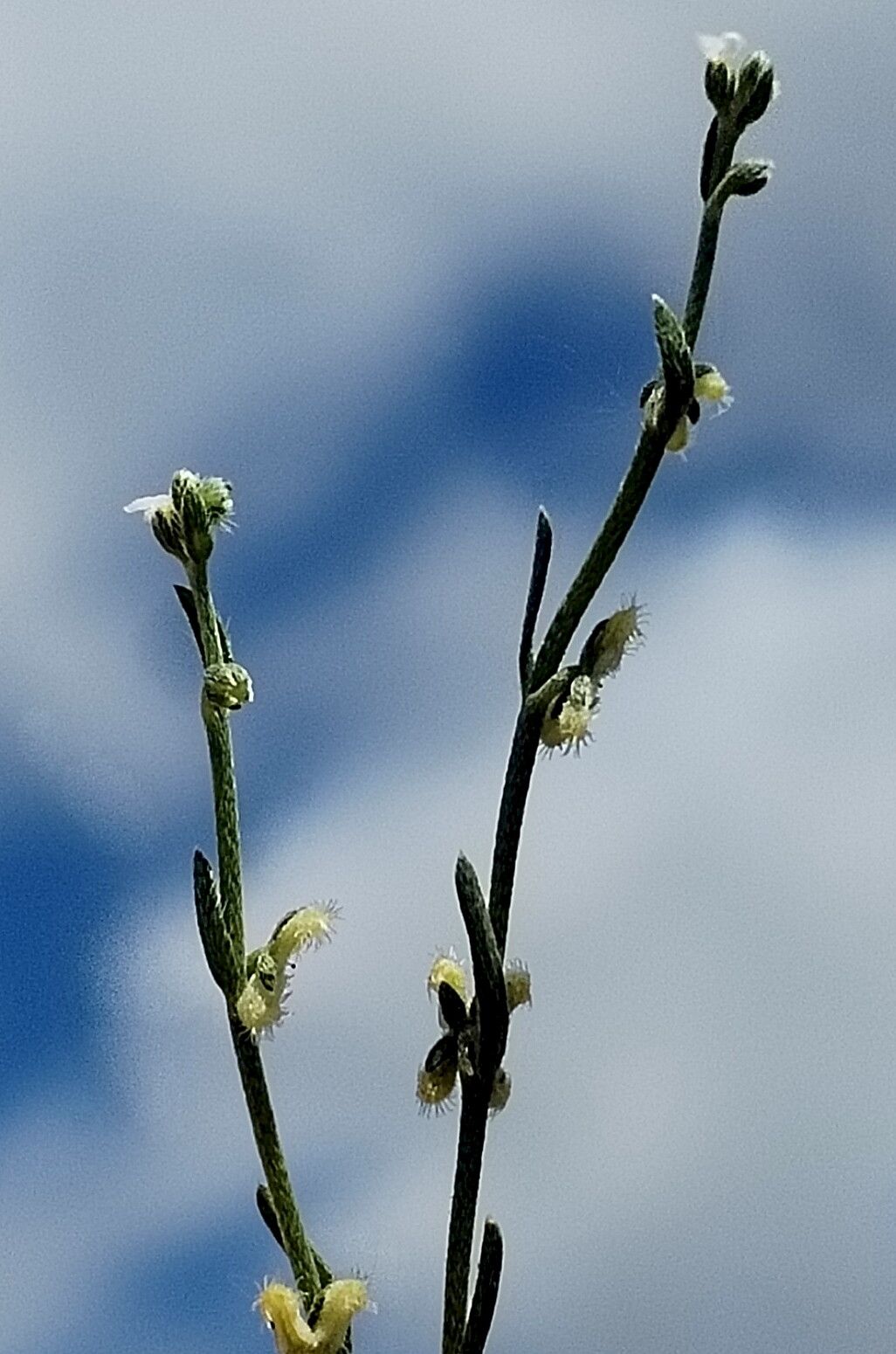
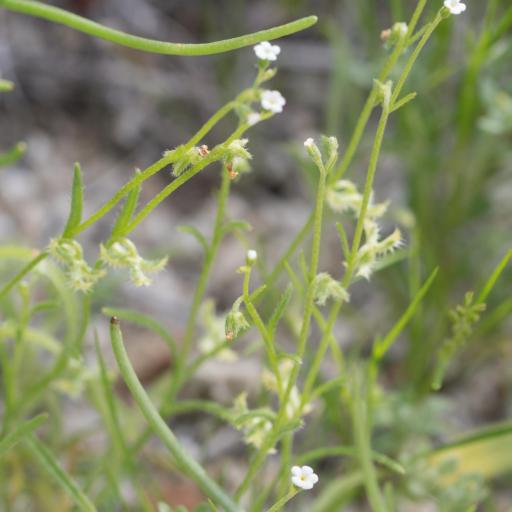
Pectocarya peninsularis, commonly known as the Baja pectocarya or desert combseed, is a flowering plant in the Boraginaceae family. Native to the southwestern United States and northwestern Mexico, it thrives in arid and semi-arid environments, including deserts, rocky slopes, and washes. The plant typically grows to a height of 10–30 cm and features narrow, finely haired leaves. From March to May, it produces small white or yellow flowers, which are followed by clusters of comb-like fruits. These fruits contain small seeds with hooked bristles, enabling their dispersal by animals.
Traditionally, indigenous peoples have utilized Pectocarya peninsularis for medicinal purposes, treating ailments such as coughs, colds, fevers, headaches, stomachaches, and skin conditions. Additionally, the plant serves as an important food source for wildlife, including birds and rodents, within its native habitat.
How to keep Pectocarya Peninsularis.
Pruning
Peninsular pectocarya is a low-growing annual herb characterized by its bristly leaves and distinctive seed pods. Pruning in early to late spring encourages healthy growth and removes any damaged stems. Light pruning can also help maintain the plant’s shape. These practices prevent the spread of diseases and pests, thereby enhancing the vitality and appearance of the peninsular pectocarya.
Botanical profile.
- Plant Type
- Herb
- Genus
- Pectocarya
- Family
- Boraginaceae
Other names.