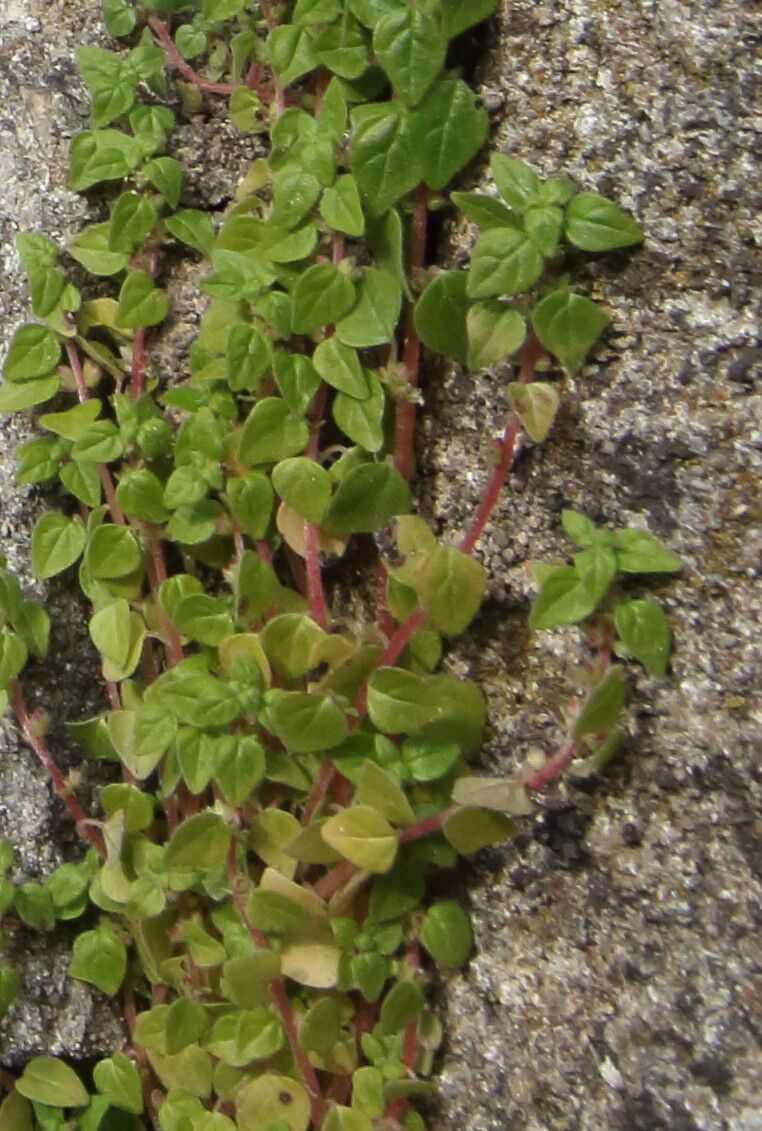
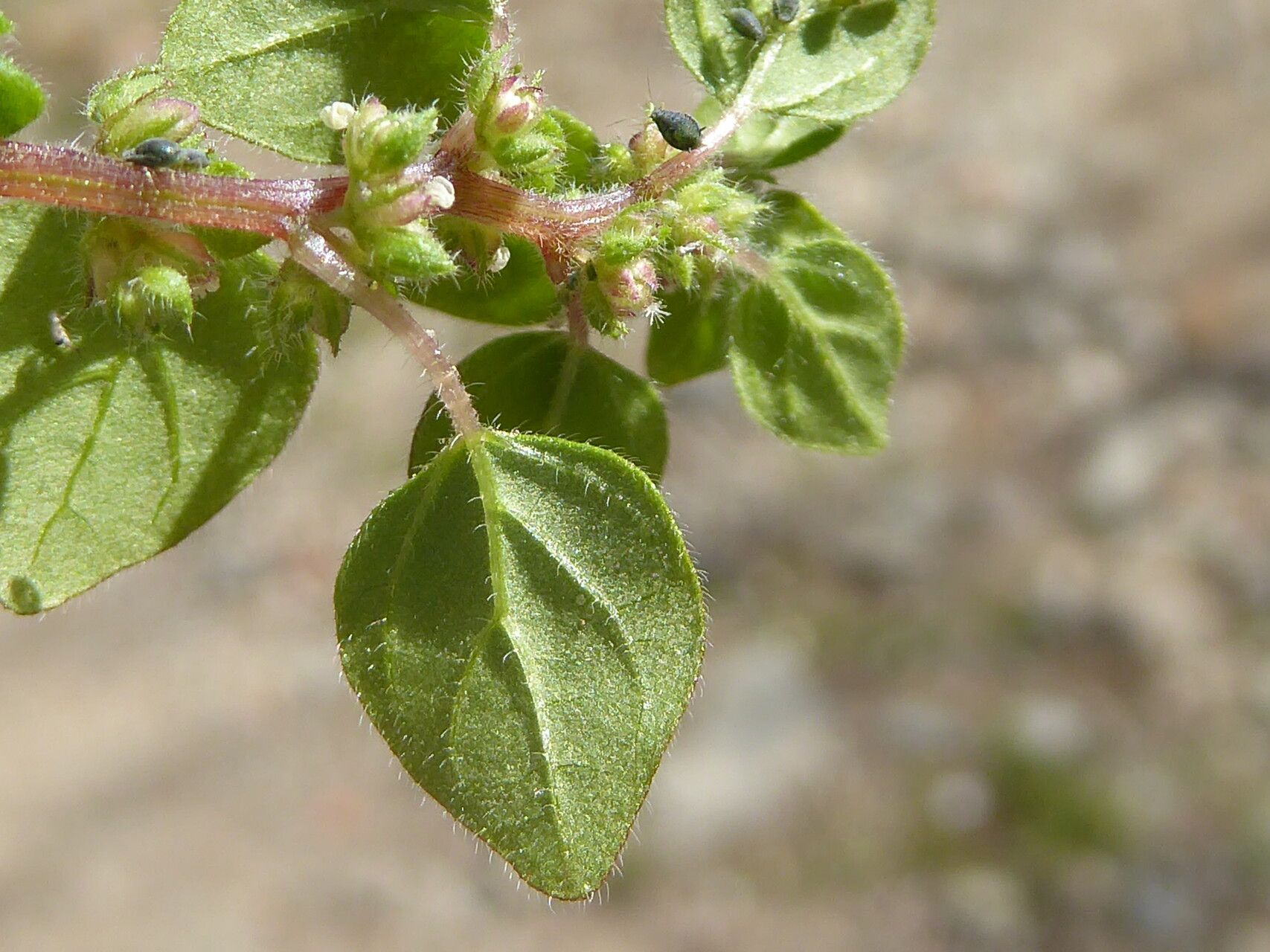
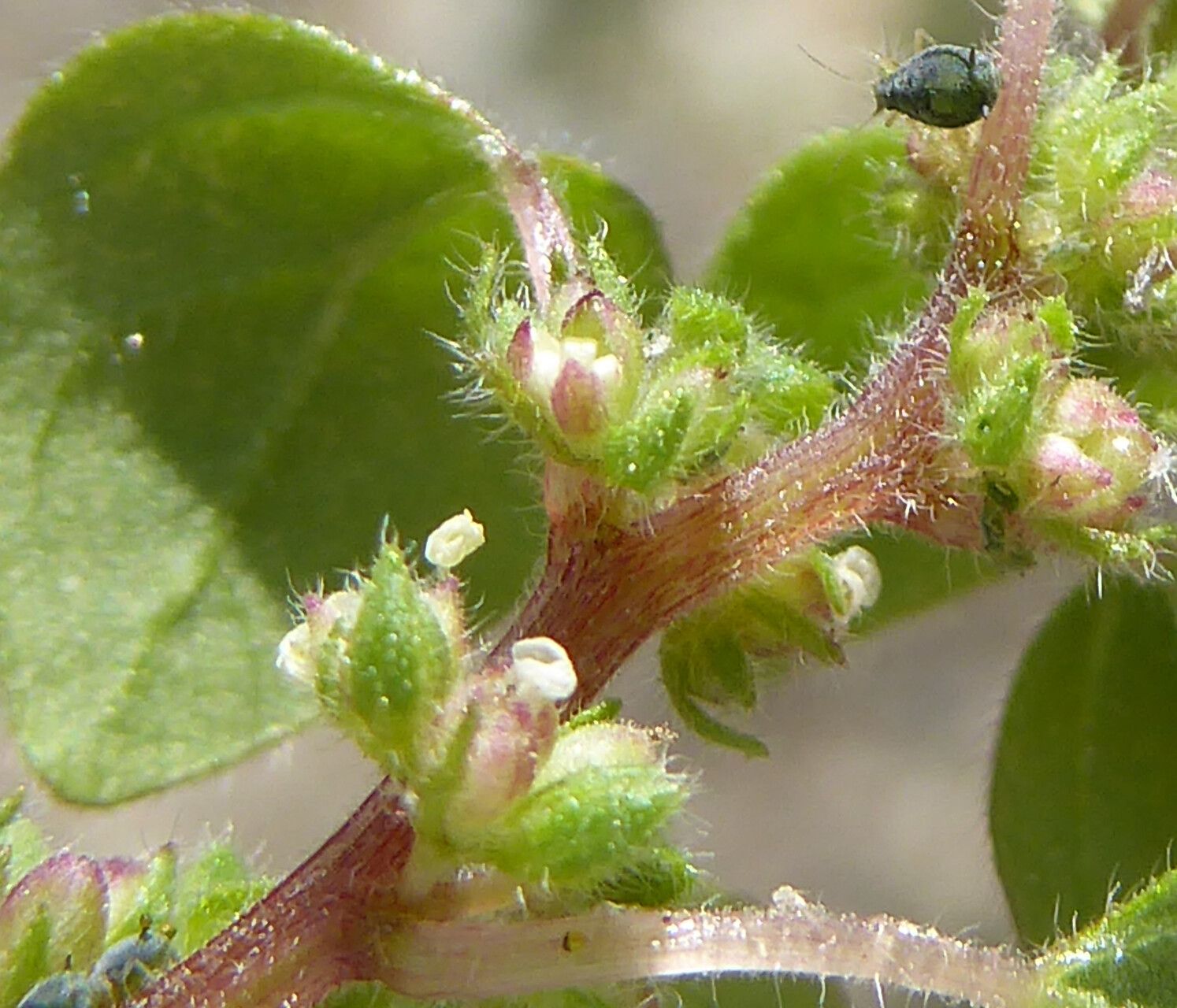
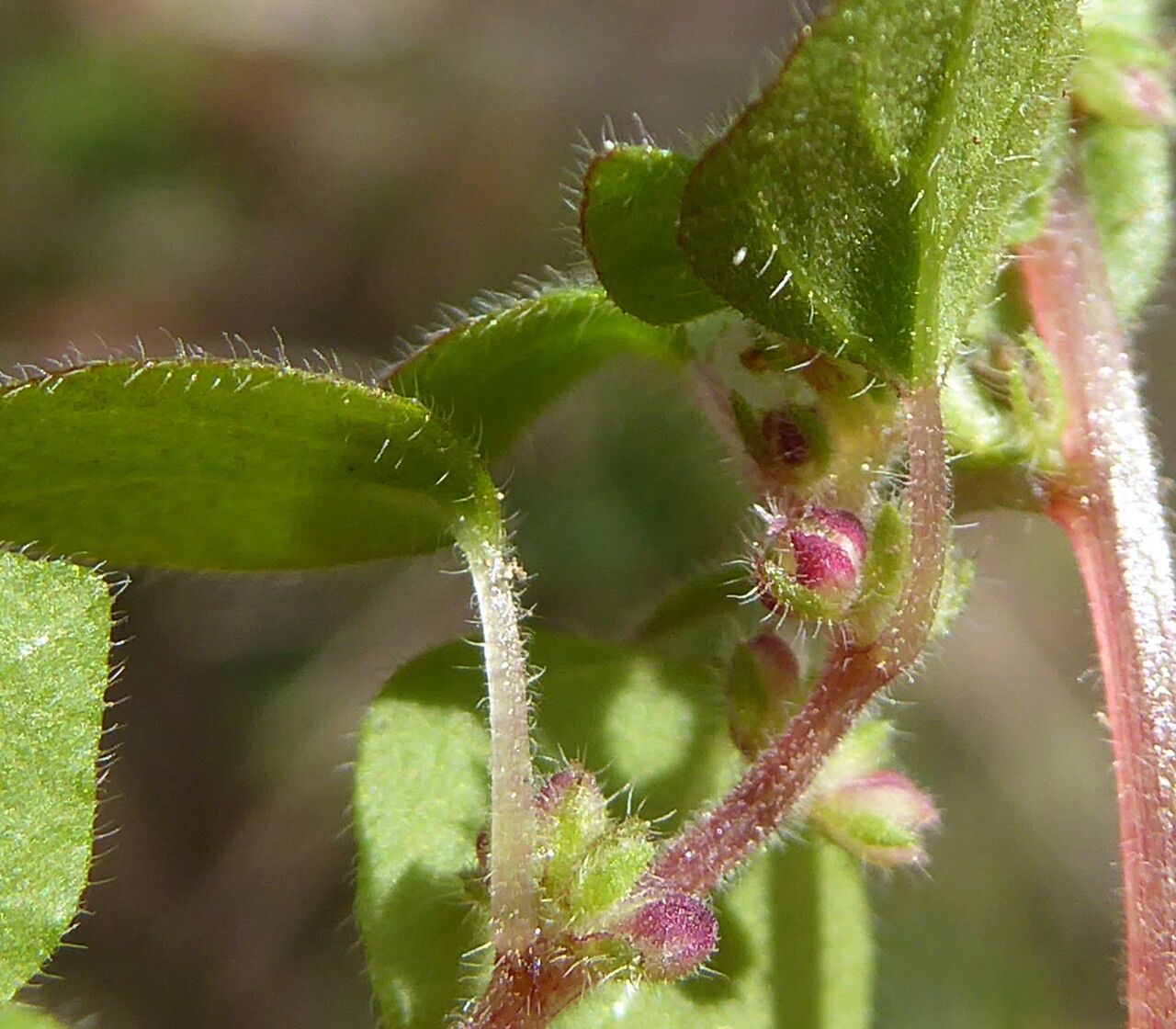
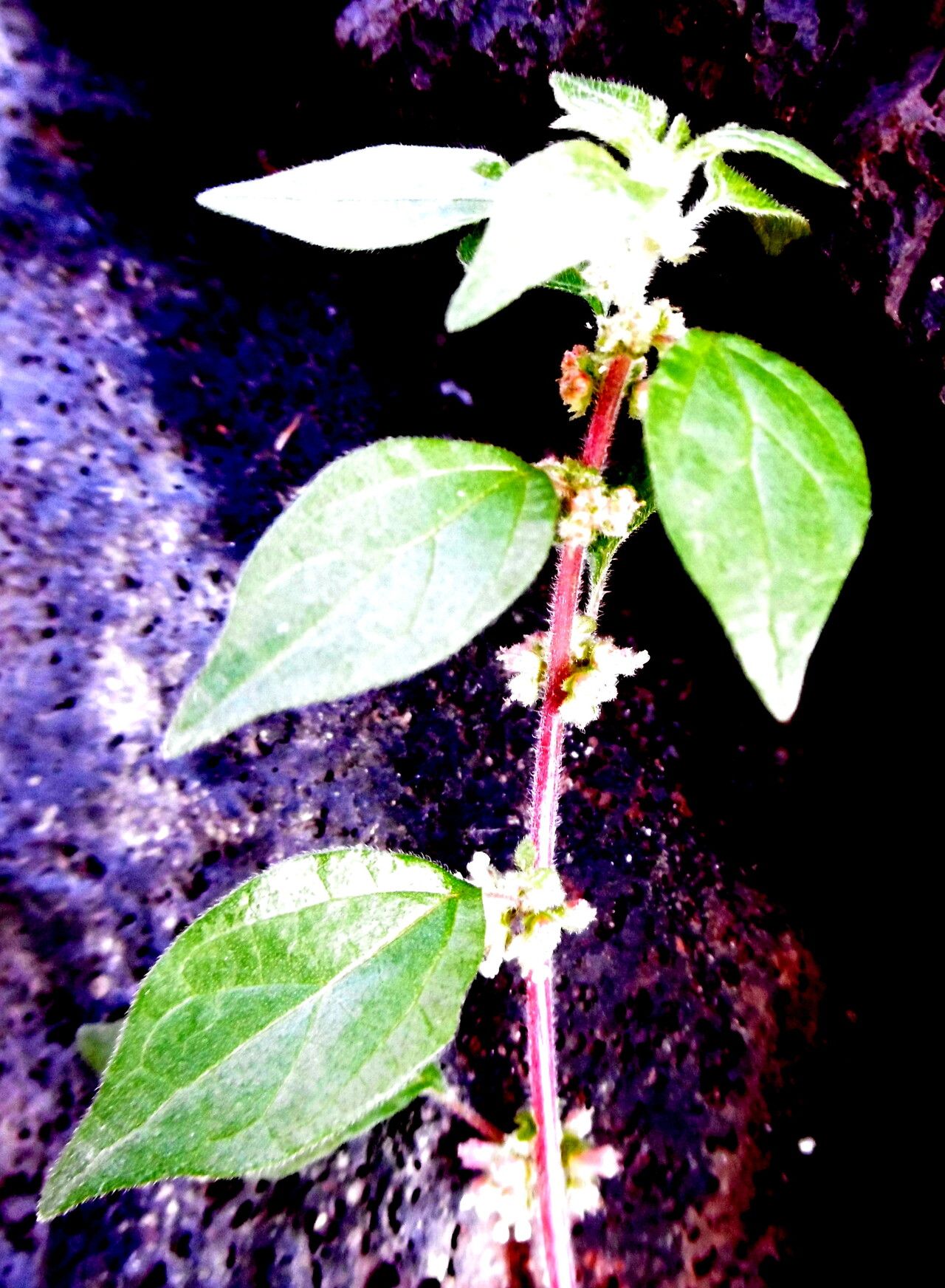
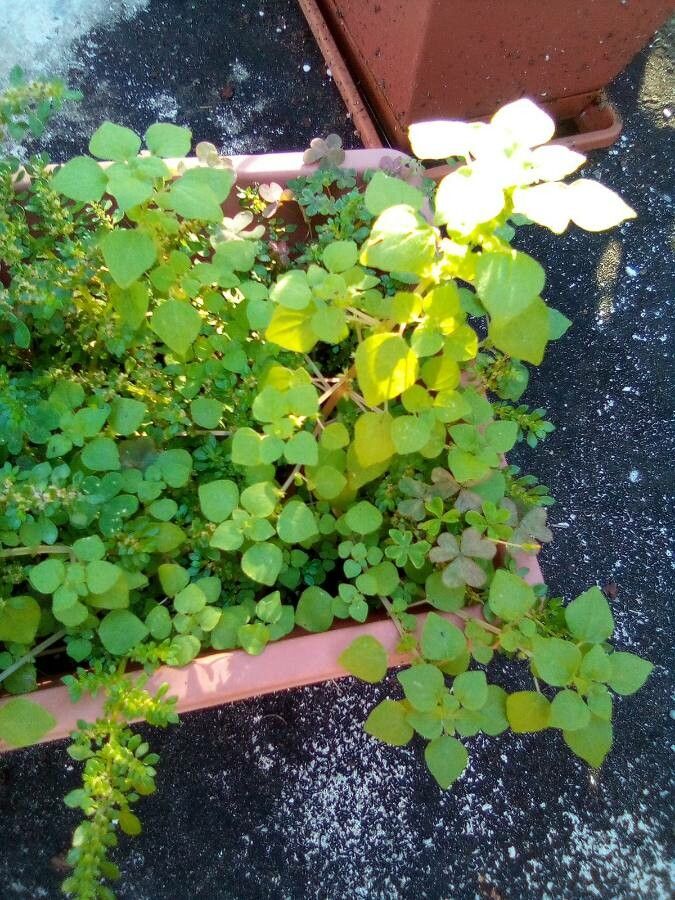
Parietaria lusitanica is a species of plant in the family Urticaceae.
Pellitory-of-the-wall has strong resistance to disease and is generally not liable to illnesses. However, it can be vulnerable to pests and diseases present in its environment. Such infections are generally mild. Care-wise, this plant needs a moderate level of maintenance. It should be pruned regularly to preserve a tidy appearance and encourage healthy growth. Applying fertilizer can also help stimulate flowering. Pellitory-of-the-wall is suitable for anyone with outdoor space, like a garden or patio, and does not demand extensive care experience. It may require more attention when cultivated indoors.
How to keep Parietaria Lusitanica.
Light
Pellitory-of-the-wall does best with a generous amount of daily sunlight and can tolerate less light, though it still needs a considerable amount to stay vigorous. This reflects its native, well-lit habitats. Too much or too little sun can both harm its health.
Water
Mediterranean pellitory-of-the-wall thrives in a Mediterranean climate where there is moderate rainfall. It prefers to be watered consistently, about once a week. While it has moderate drought tolerance, it benefits from the natural rain patterns that support its seasonal growth cycles.
Temperature
Pellitory-of-the-wall originates from temperate regions. It prefers temperatures between 50 and 89.6 °F (10 and 32 ℃). In colder seasons, move it to a warmer location, and in hot seasons place it somewhere cooler to help maintain its health.
Fertilizer
One application of fertilizer in spring is generally enough for Pellitory-of-the-wall, though repeated feedings can maximize growth. Apply fertilizer about once every month to six weeks. Fertilization improves the leaves' appearance and function, encouraging uniform color and a healthy texture. It also promotes root development and nutrient uptake, supporting long-term plant health.
Pruning
Mediterranean pellitory-of-the-wall benefits greatly from pruning in the early to late spring, which promotes healthy growth. Effective techniques include removing dead branches and performing light trimming to encourage density. Pruning also helps manage the plant's size and improves air circulation, reducing the risk of disease. It's important to maintain the plant's natural shape and consult local guidelines for specific care recommendations.
Botanical profile.
- Plant Type
- Herb
- Life Cycle
- Perennial
- Genus
- Parietaria
- Family
- Urticaceae
- Hardiness Zone
- 6-7
- Mature Height
- 61 cm
- Mature Spread
- 20 cm to 40 cm
- Leaf Color
- Dark Green
- Leaf Type
- Deciduous
- Flower Color
- White, Green
- Flower Size
- 0.20 cm to 0.25 cm
- Bloom Time
- Mid spring, Late spring, Early summer, Mid summer
- Planting Time
- Spring, Autumn
- Harvest Time
- Summer, Early fall
- Native Area
- Turkey, Austria, Czech Republic, Slovakia, Montenegro, Cyprus, Bulgaria, Armenia, Greece, Croatia, Slovenia, Ukraine, Serbia, Russia, Hungary, Germany, Italy, Switzerland, Denmark, France, Iran, Albania, Azerbaijan, Romania, Belgium, Moldova, Turkmenistan, Netherlands
Other names.
Reader questions.
What are the sunlight requirements for Mediterranean pellitory-of-the-wall?
Mediterranean pellitory-of-the-wall, or Parietaria lusitanica, thrives in partial sun conditions, requiring about 3-6 hours of sunlight daily. Though it prefers partial sun, it can also tolerate full sun conditions. This adaptability mirrors its natural habitat in forest understories or rocky areas where sunlight is dappled, offering a mix of light and shade. When planning your garden, observe the movement of sunlight throughout the day to find spots that fulfill these conditions, ensuring your pellitory-of-the-wall's growth and happiness.
What are some symptoms of light deficiency in Mediterranean pellitory-of-the-wall?
When Mediterranean pellitory-of-the-wall is grown under inadequate light conditions, several symptoms can appear. These include smaller leaves than previously matured ones, leggy or sparse growth, faster leaf drop, cessation of new growth, lighter-colored new leaves indicating a lack of chlorophyll, chlorosis, sunscald, leaf curling as a defense mechanism against excessive sunlight, wilting due to loss of turgor pressure, and leaf scorching. These symptoms highlight the plant's struggle to adapt to insufficient lighting.
How can artificial lighting benefit indoor Mediterranean pellitory-of-the-wall plants?
Artificial lighting plays a pivotal role in the growth of indoor Mediterranean pellitory-of-the-wall plants, especially in conditions where natural sunlight is insufficient, such as in winter or less sunny locations. Using the right type of artificial light, like LED lights customizable to provide necessary wavelengths, can significantly enhance growth. Full sun plants need 30-50 watts per square foot, partial sun plants 20-30 watts per square foot, and full shade plants 10-20 watts per square foot of artificial light. The light source should be placed 12-36 inches above the plant, mimicking natural sunlight as closely as possible, with most plants requiring 8-12 hours of light per day.
What are the solutions for light-related issues in Mediterranean pellitory-of-the-wall?
To address light-related issues in Mediterranean pellitory-of-the-wall, both indoor and outdoor strategies can be employed. Indoors, gradually exposing the plant to sunnier spots until it receives 3-6 hours of direct sunlight daily or using artificial lighting such as desk or ceiling lamps for at least 8 hours daily can optimize growth. Outdoor plants should be gradually moved to sunnier locations to avoid shock. Minimizing obstructions like pruning tree branches that block sunlight, or transplanting smaller plants during their dormant period to sunnier locations with good drainage can also alleviate these issues. While parts of the plant damaged from low light may not recover, new growth should be healthy following these adjustments.