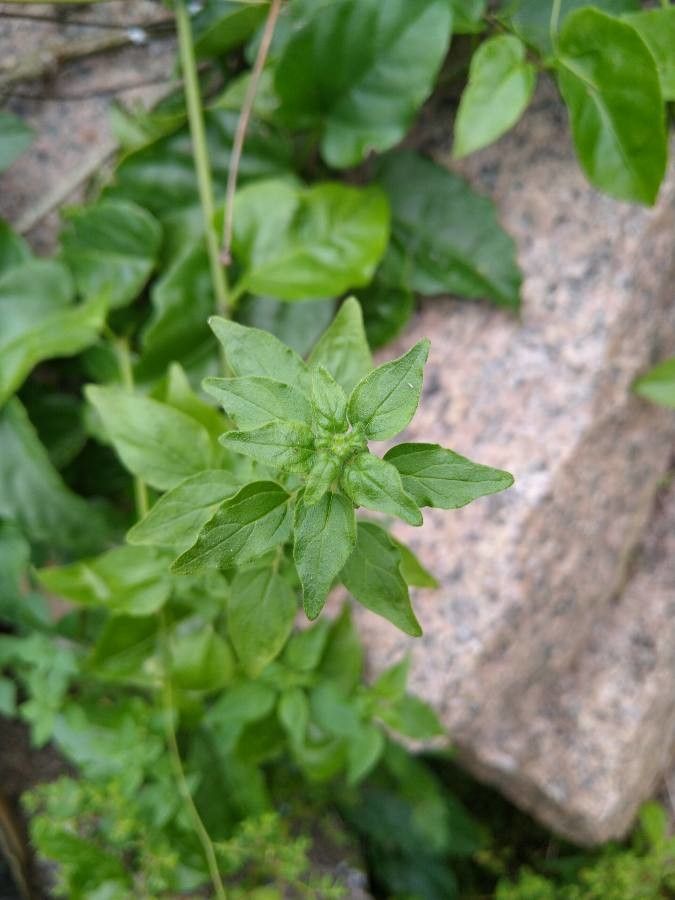
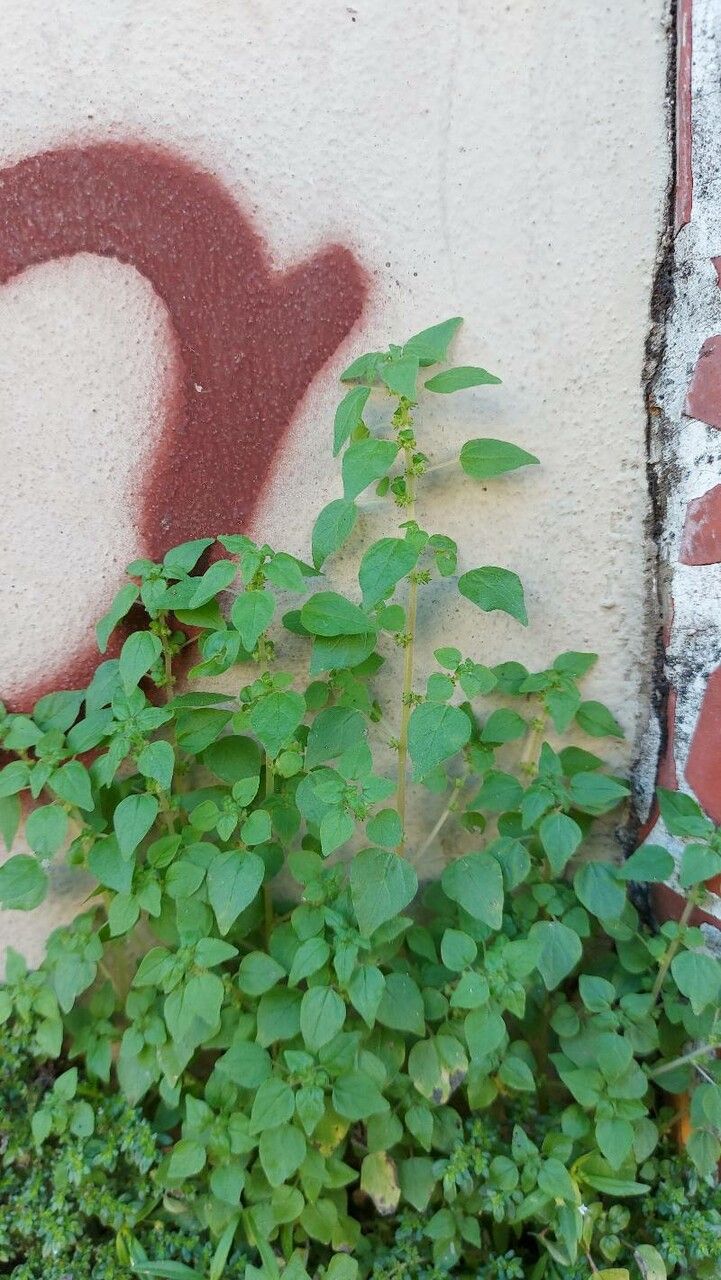
Parietaria debilis, commonly known as Weak Parietaria, is a small herbaceous plant belonging to the Urticaceae family. Native to Europe, it thrives in various habitats such as rocky slopes, walls, and disturbed areas.
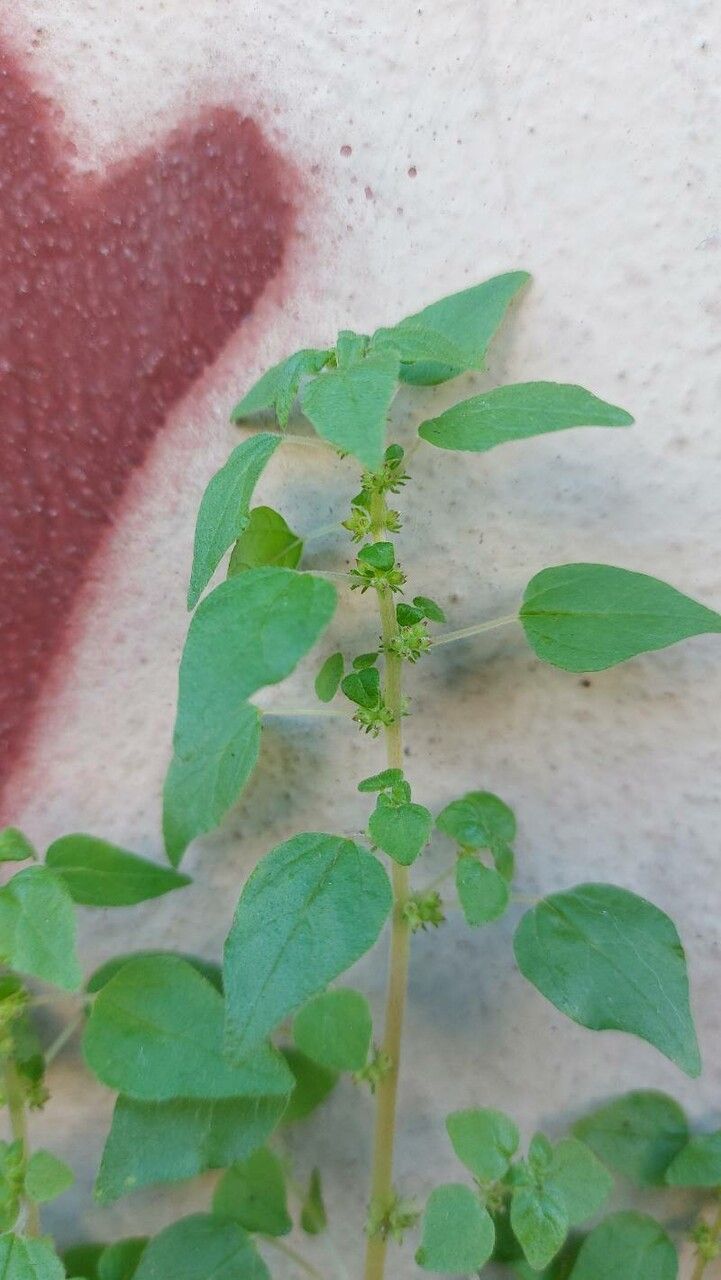
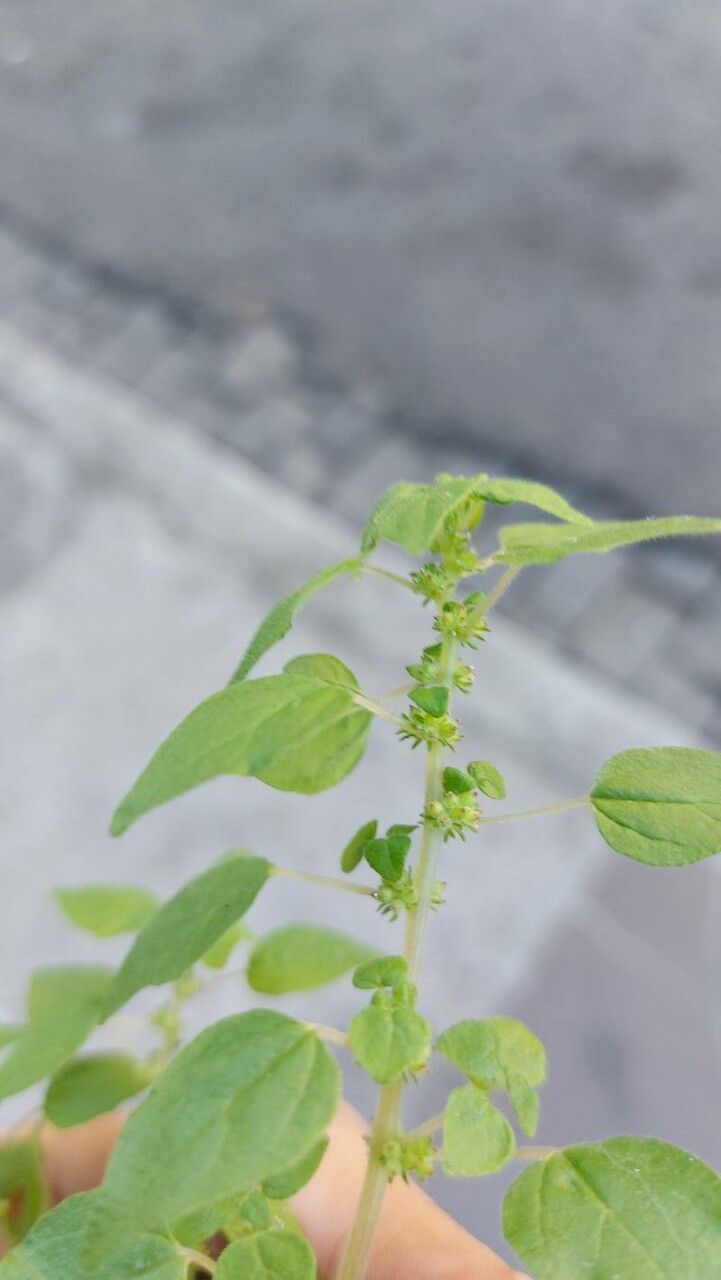
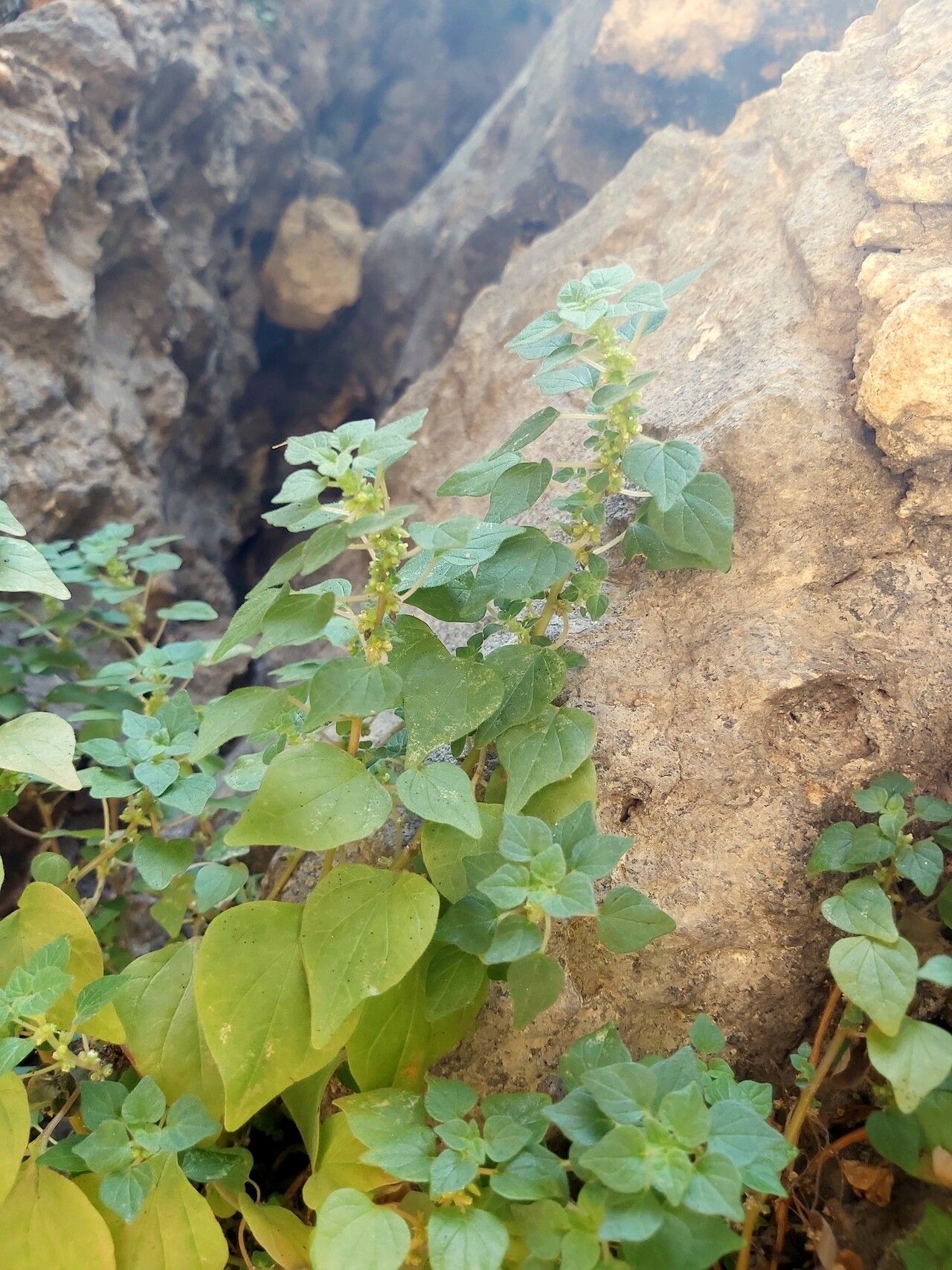
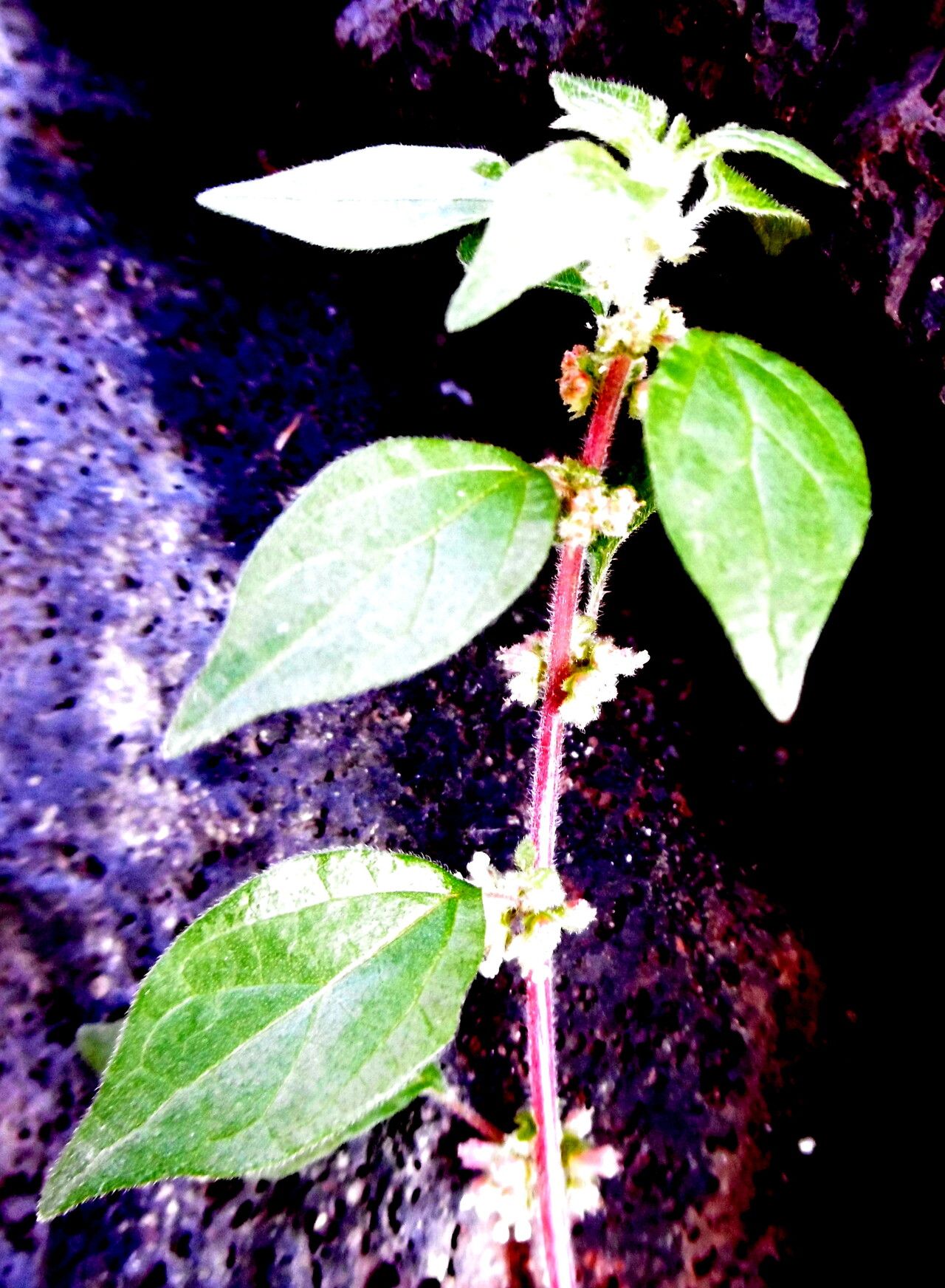
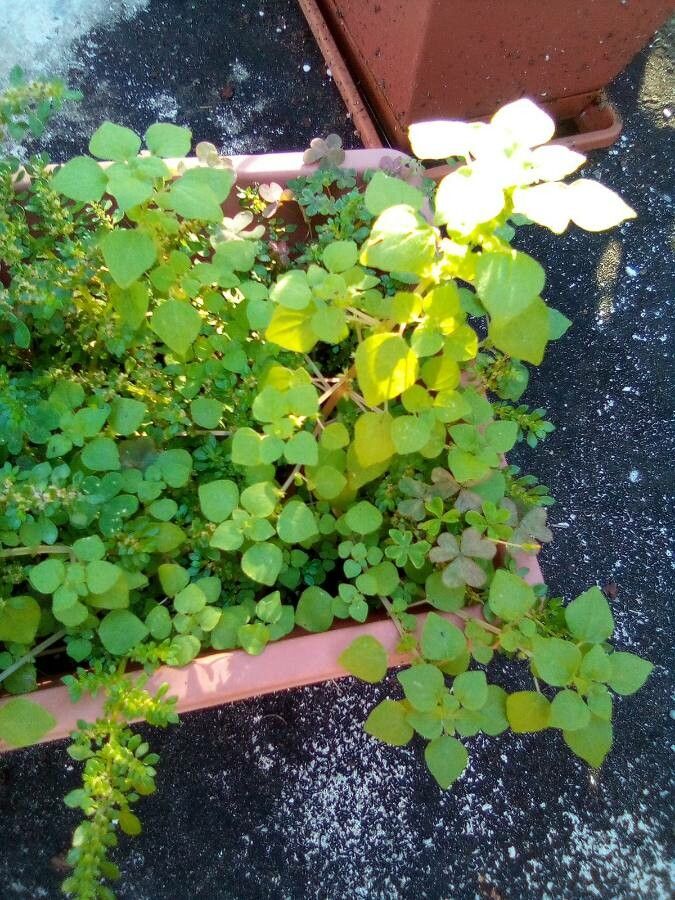
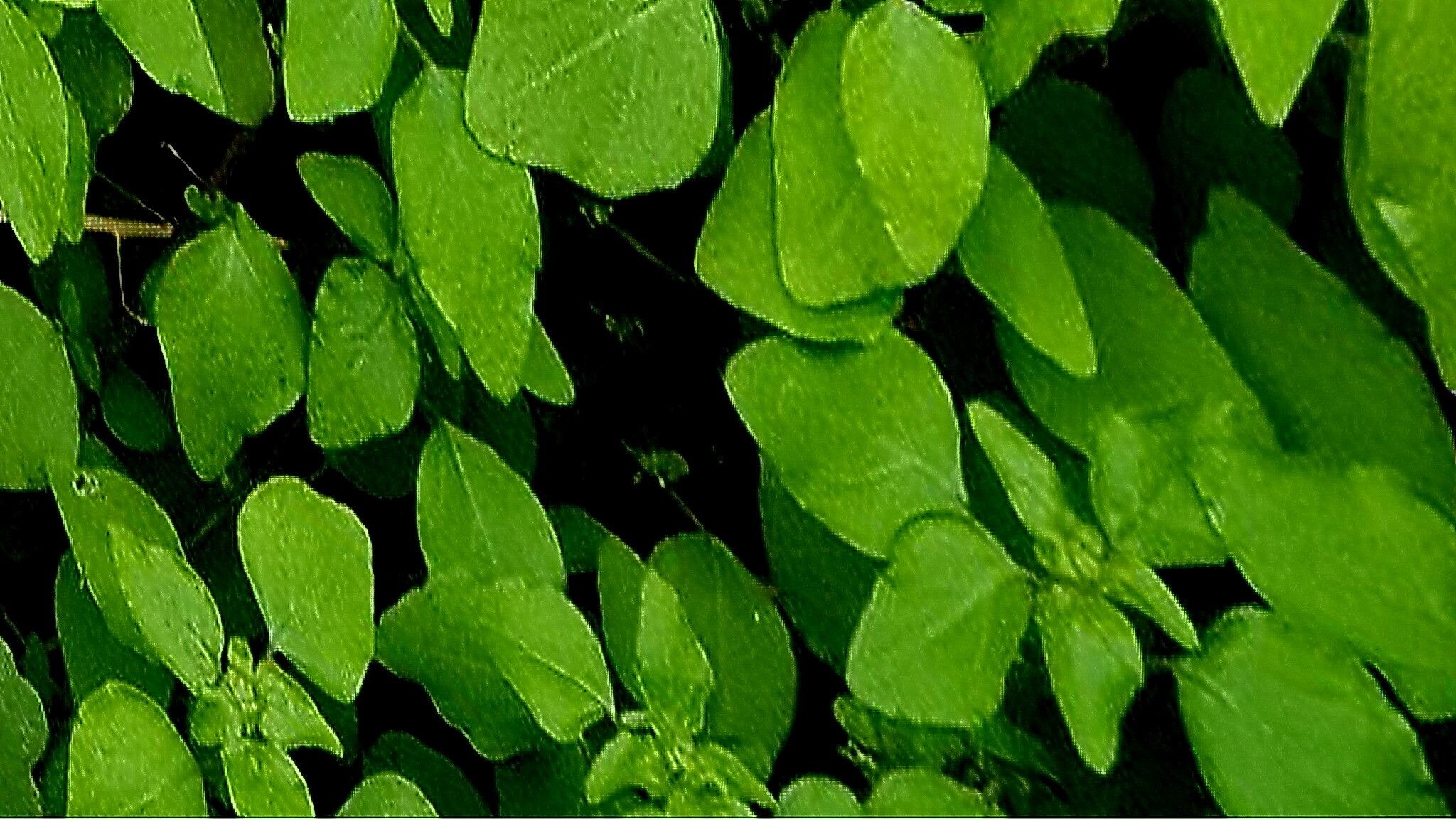
The plant features a slender stem that can reach up to 50 cm in height and is adorned with small, green leaves arranged alternately along the stem. These oval-shaped leaves have serrated edges and a slightly hairy texture.
From May to September, Parietaria debilis produces small greenish-white flowers that bloom in clusters at the ends of the stems.
Historically, the plant has been valued for its medicinal properties. It has diuretic effects that can aid in treating urinary tract infections and kidney problems. Additionally, it contains anti-inflammatory compounds that make it useful for addressing respiratory issues such as asthma.
In summary, Parietaria debilis is a remarkable herbaceous plant with significant medicinal benefits, making it a valuable component of traditional medicine practices across Europe.
New zealand pellitory is fairly resistant to disease and is generally not prone to illnesses. That said, it can be affected by pests and diseases present nearby, though these problems are normally mild. As for care, this plant needs a moderate level of maintenance. It should be pruned regularly to preserve a tidy appearance and support healthy growth. Feeding it with fertilizer can also encourage flowering. New zealand pellitory is well suited to people who have outdoor areas like a garden or patio and does not demand extensive plant-care experience. It may need more attention if grown indoors.
How to keep Parietaria Debilis.
Light
New zealand pellitory originates in habitats with filtered light, such as the understory of forests or rocky locations that provide natural shade. It does best in partial sun but can also tolerate full sun.
Temperature
New zealand pellitory can tolerate a wide range of temperatures, but its range may still be restricted by different combinations of moisture and heat. It grows best in warm summer conditions with sufficient rainfall or irrigation. Extended periods of cloudy, rainy weather, as well as prolonged high temperatures, raise the chance that New zealand pellitory will die. During winter, adequate protection from cold can increase the plant's survival rate.
Fertilizer
New zealand pellitory benefits from frequent, weak applications of fertilizer to promote healthy leaf growth. Fertilize New zealand pellitory about once a month during the summer months. Nitrogen is important for foliage, and supplementing with nitrogen-rich sources helps New zealand pellitory thrive.
Pruning
The New Zealand pellitory is characterized by its small, resilient green leaves. To promote growth, enhance air circulation, and remove dead stems, it should be pruned in early spring. Regular trimming helps boost its vigor and prevent pest infestations. For the best results, always use clean and sharp tools.
Botanical profile.
- Plant Type
- Herb
- Life Cycle
- Annual, Perennial
- Genus
- Parietaria
- Family
- Urticaceae
- Hardiness Zone
- 7-10
- Mature Height
- 10 cm to 49 cm
- Mature Spread
- 20 cm to 40 cm
- Leaf Color
- Light Green, Forest Green
- Leaf Type
- Evergreen
- Flower Size
- 0.20 cm to 0.25 cm
- Bloom Time
- Mid spring, Late spring, Early summer, Mid summer
- Planting Time
- Spring, Summer, Autumn
- Harvest Time
- Summer, Early fall
- Native Area
- Saudi Arabia, Lesotho, Egypt, Mexico, Guatemala, Peru, Namibia, South Africa, Madagascar, Sudan, New Zealand, Chad, Colombia, Cuba, Cameroon, Bolivia, Venezuela, Brazil, Ecuador, Costa Rica
Other names.