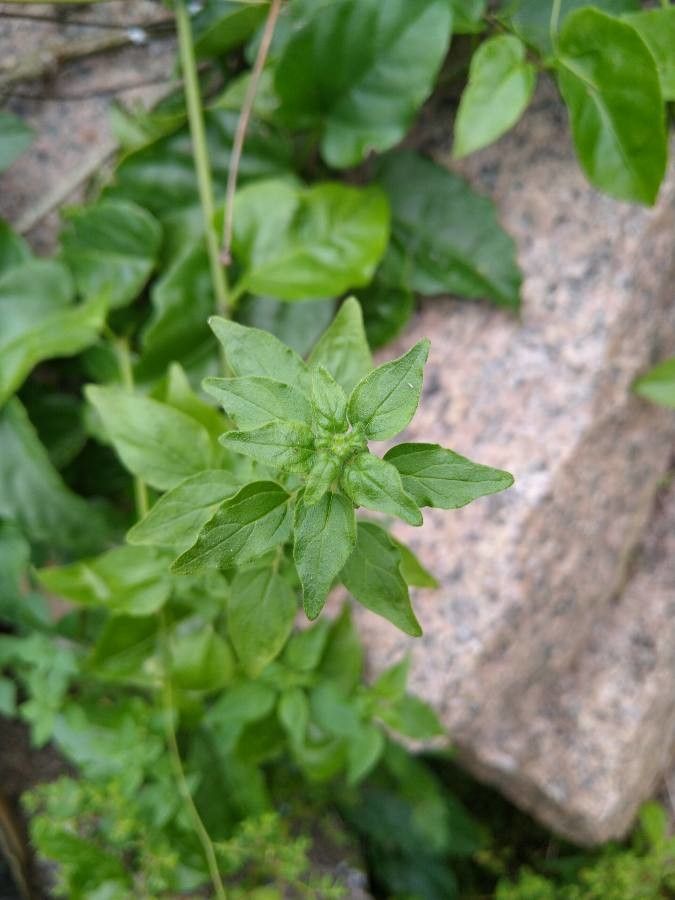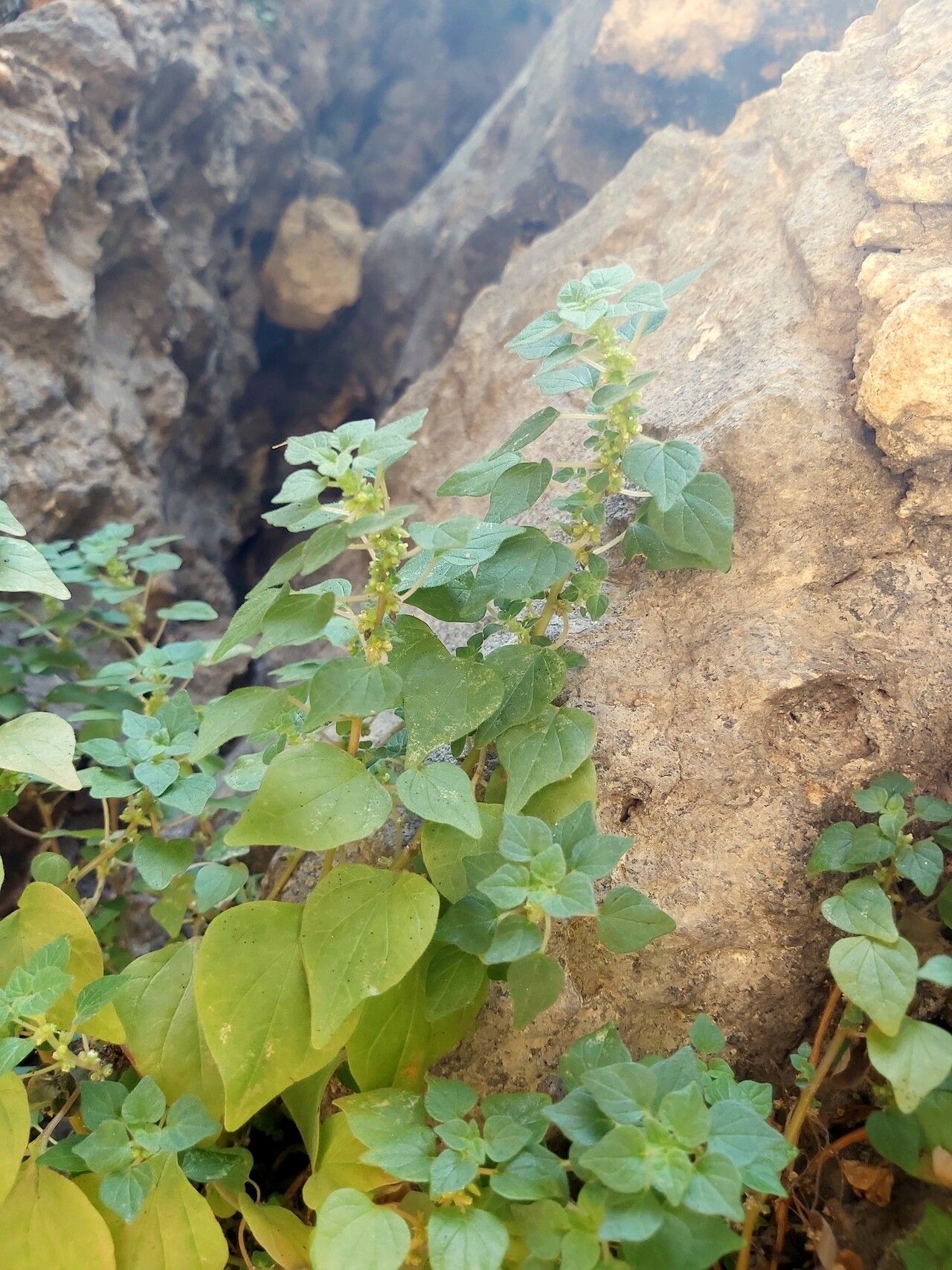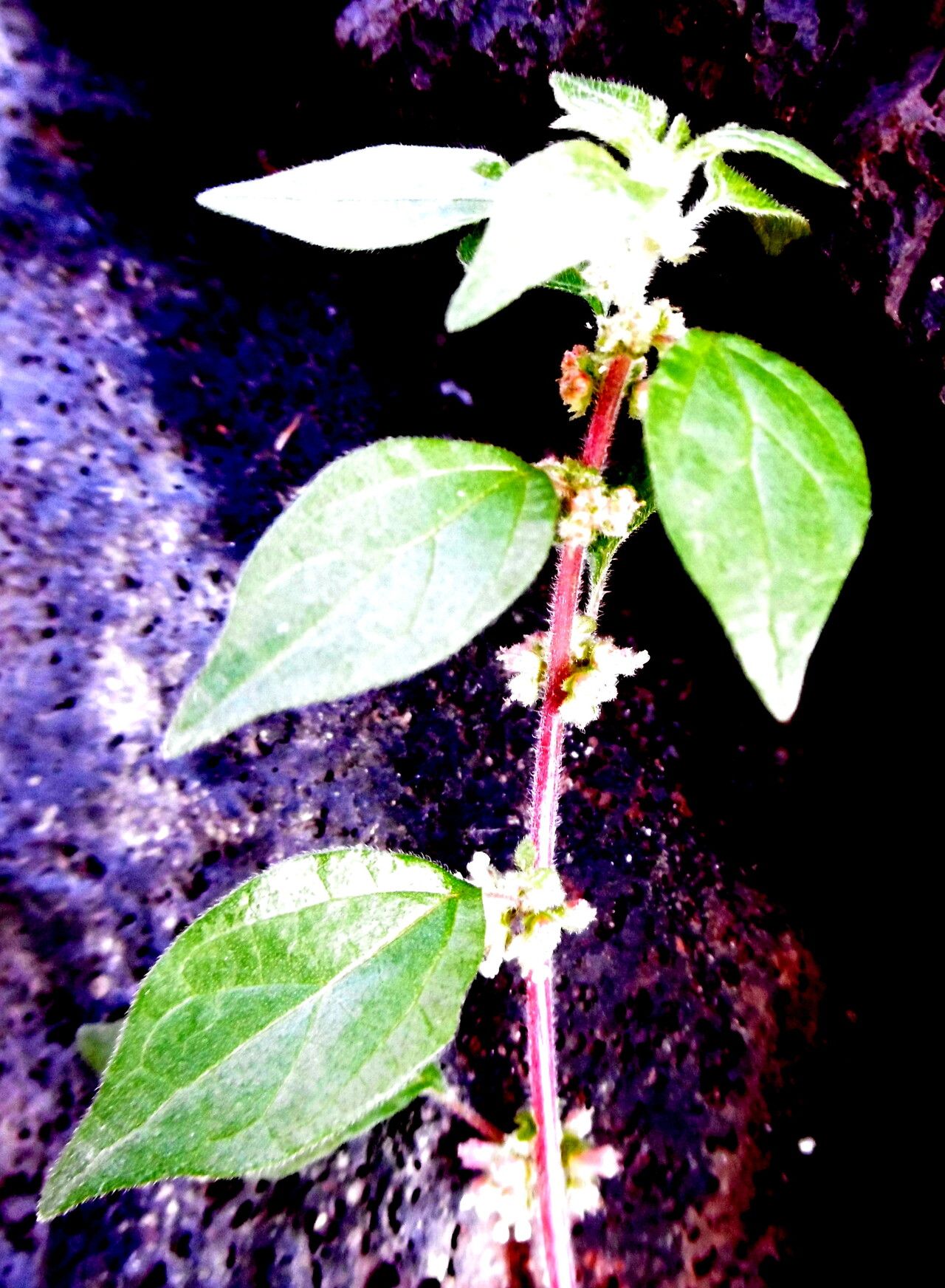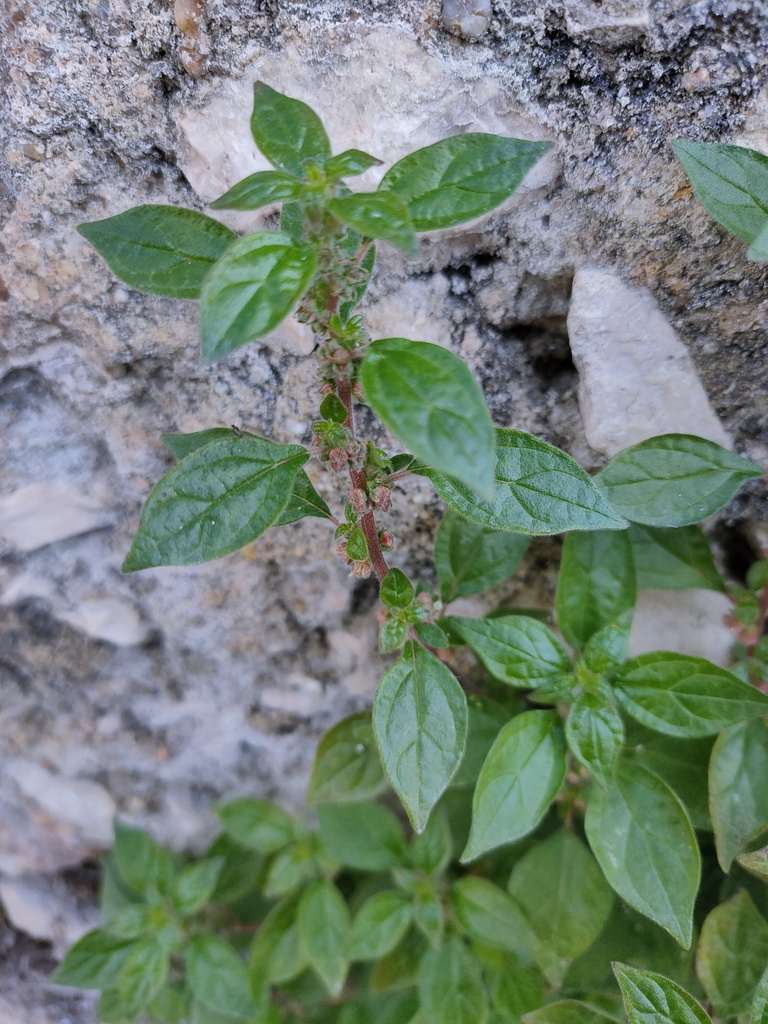
Parietaria judaica, commonly known as the Judaica weed or pellitory-of-the-wall, is a herbaceous plant in the nettle family. Native to Europe and Asia, it has now spread to other parts of the world. The plant can grow up to 50 cm tall and features thin stems with small green leaves arranged alternately along its length. From May through September, Parietaria judaica produces small green flowers clustered at the ends of its stems. These flowers lack petals and instead have four sepals. The plant's seeds are tiny, black, and enclosed within capsules. Parietaria judaica typically grows on walls, rocks, and other dry locations such as roadsides and waste grounds. It thrives in warm climates with plenty of sunlight but can also tolerate partial shade. This herbaceous plant has been used medicinally for centuries for its diuretic properties, which increase urine production and reduce swelling caused by water retention, particularly in areas such as the legs or ankles. In conclusion, Parietaria judaica is a notable herbaceous plant with medicinal benefits, commonly found growing on walls across Europe and Asia.
Spreading Pellitory: This plant tends to grow on the walls or surfaces of buildings, and its seeds spread quickly by attaching themselves to people or animals. The name "Parietaria" means pellitory, which is why it is called spreading pellitory.
Botanical profile.
- Plant Type
- Herb
- Life Cycle
- Perennial
- Genus
- Parietaria
- Family
- Urticaceae
- Hardiness Zone
- 6-9
- Mature Height
- 61 cm
- Mature Spread
- 61 cm
- Leaf Color
- Green, Blue
- Leaf Type
- Deciduous
- Flower Color
- White, Pink, Green, Red
- Flower Size
- 0.15 cm to 0.25 cm
- Bloom Time
- Late spring, Summer
- Planting Time
- Spring, Summer, Autumn
- Harvest Time
- Summer, Early fall