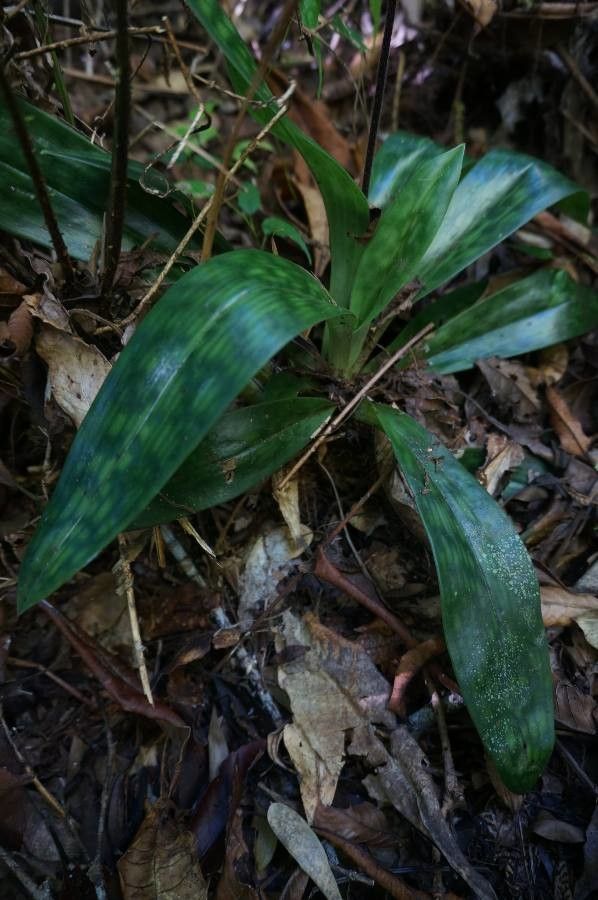
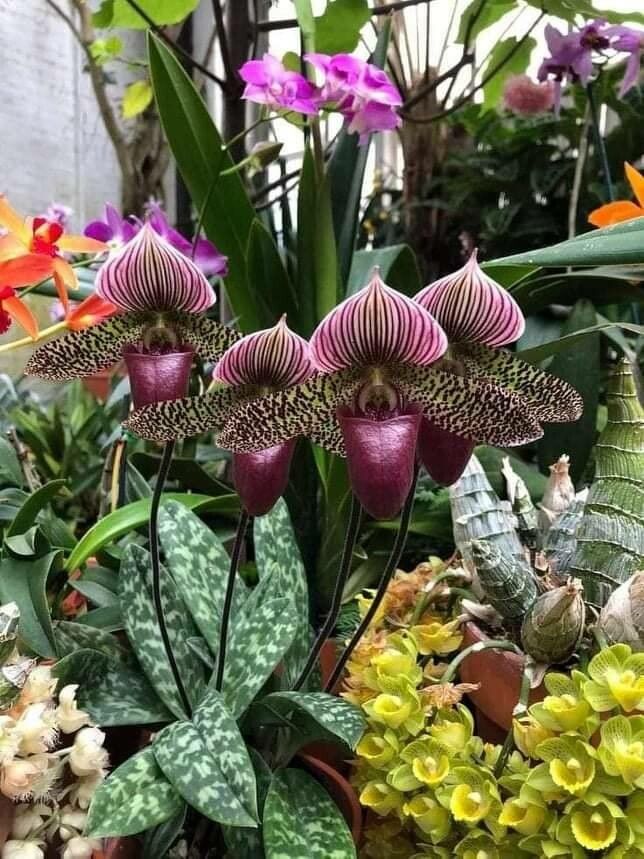
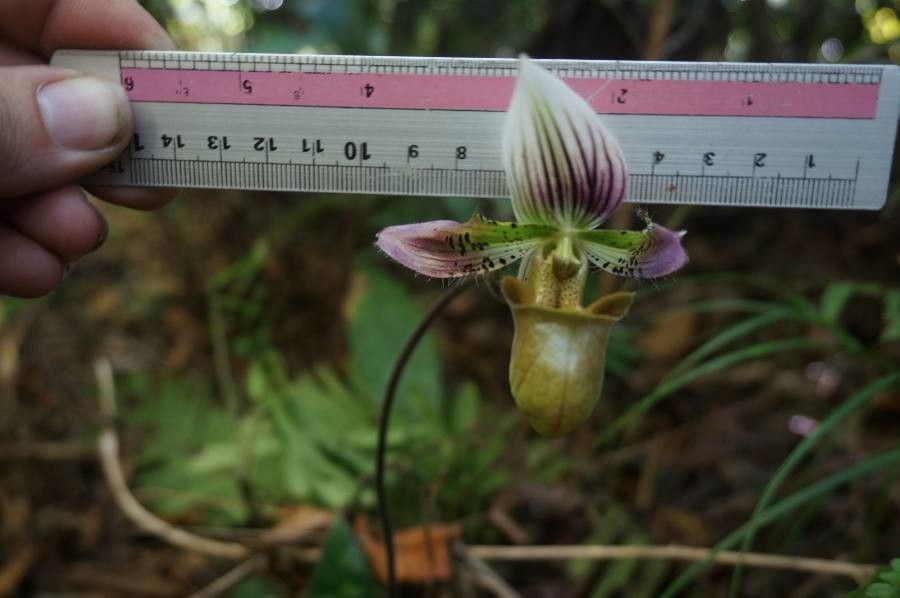
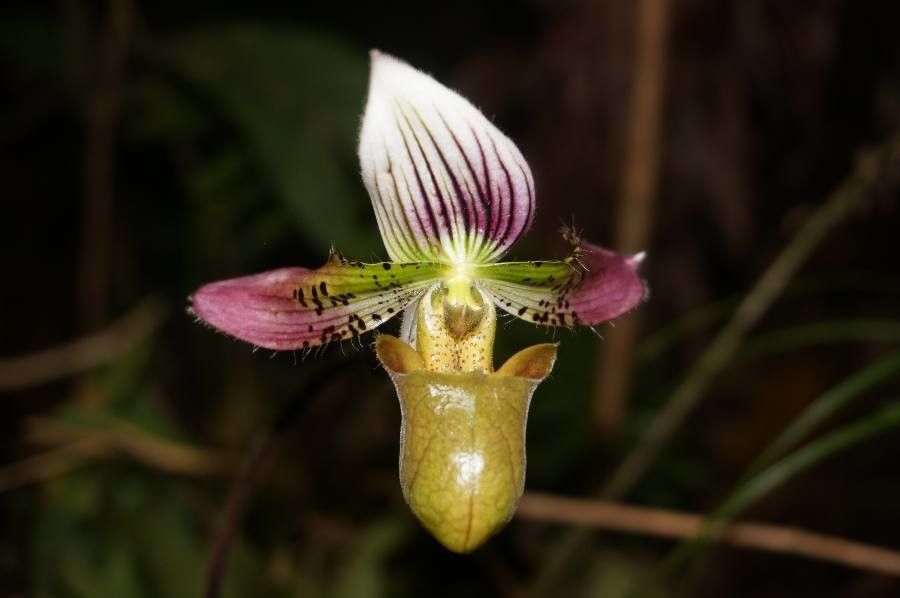
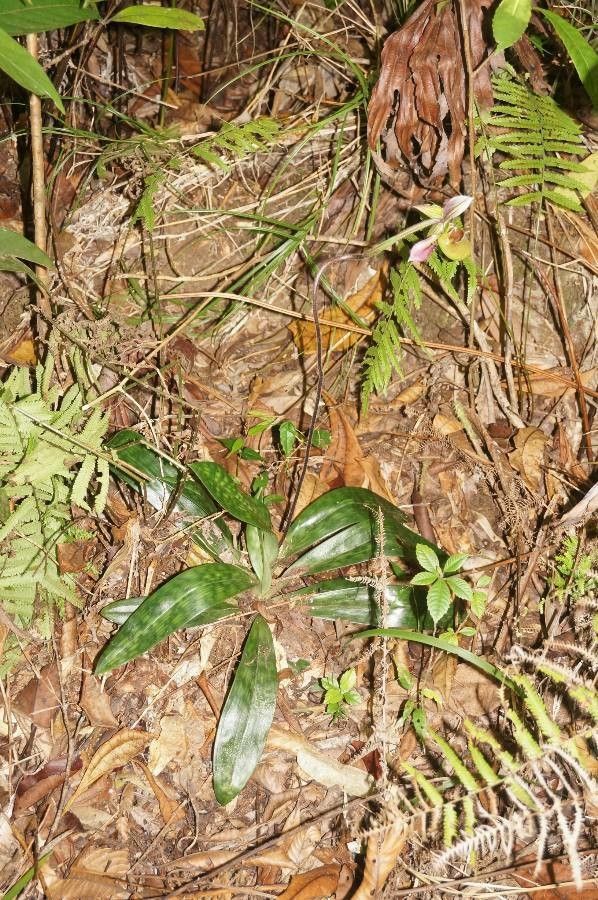
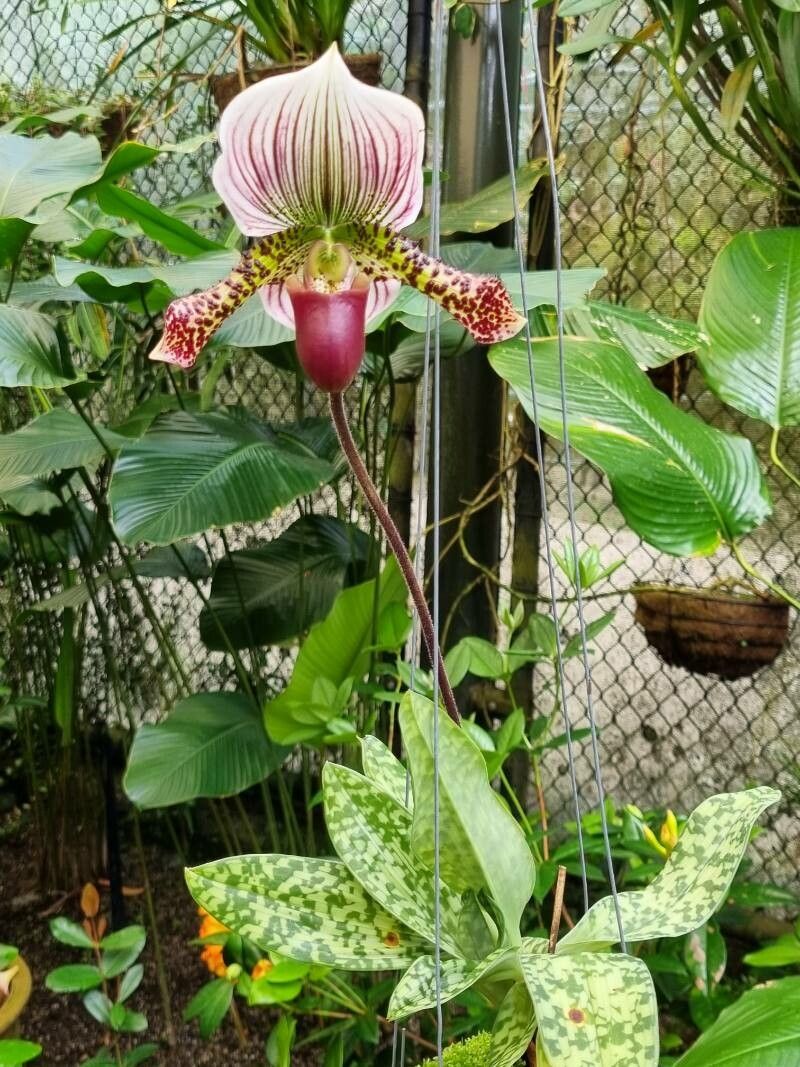
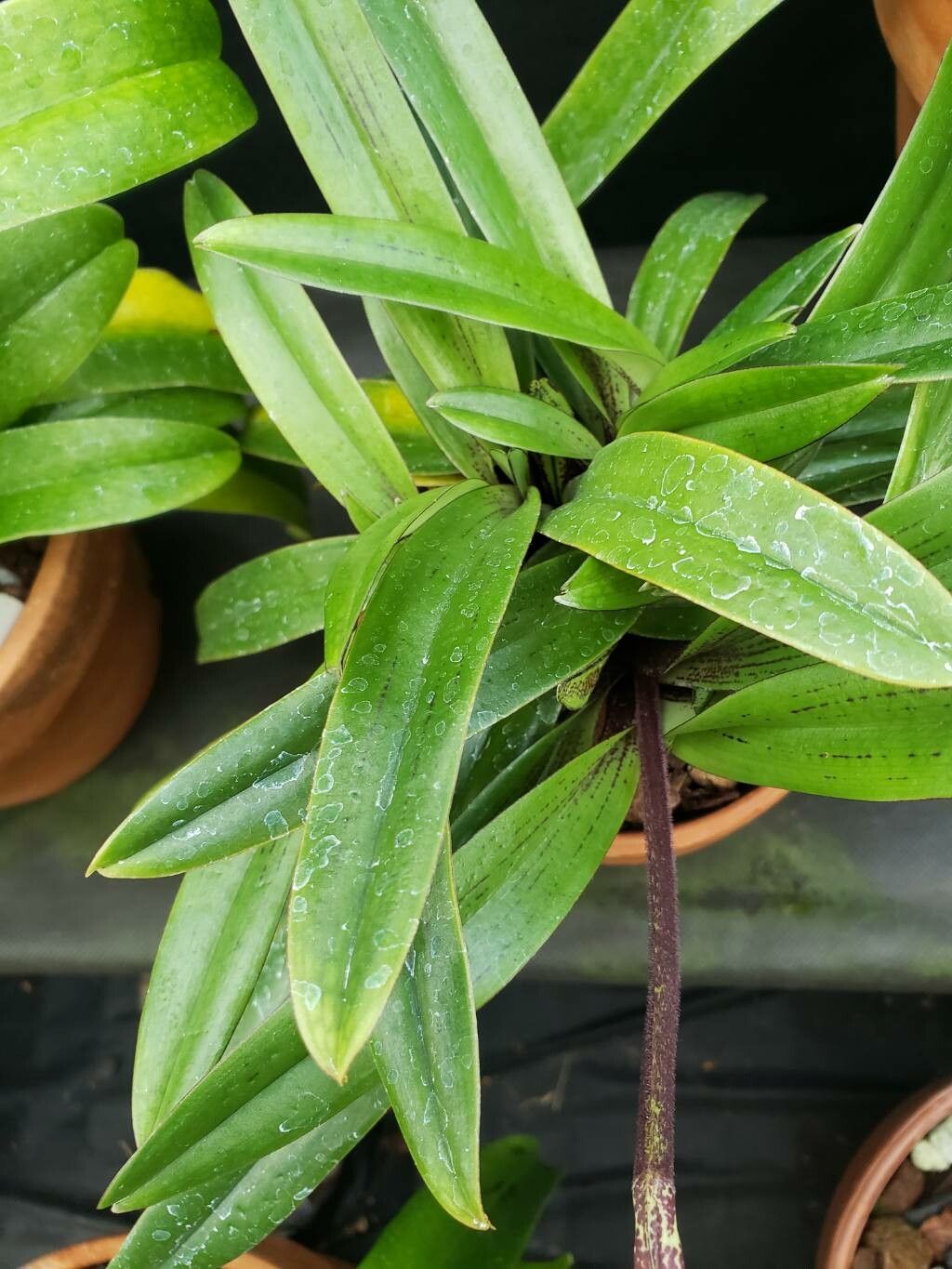
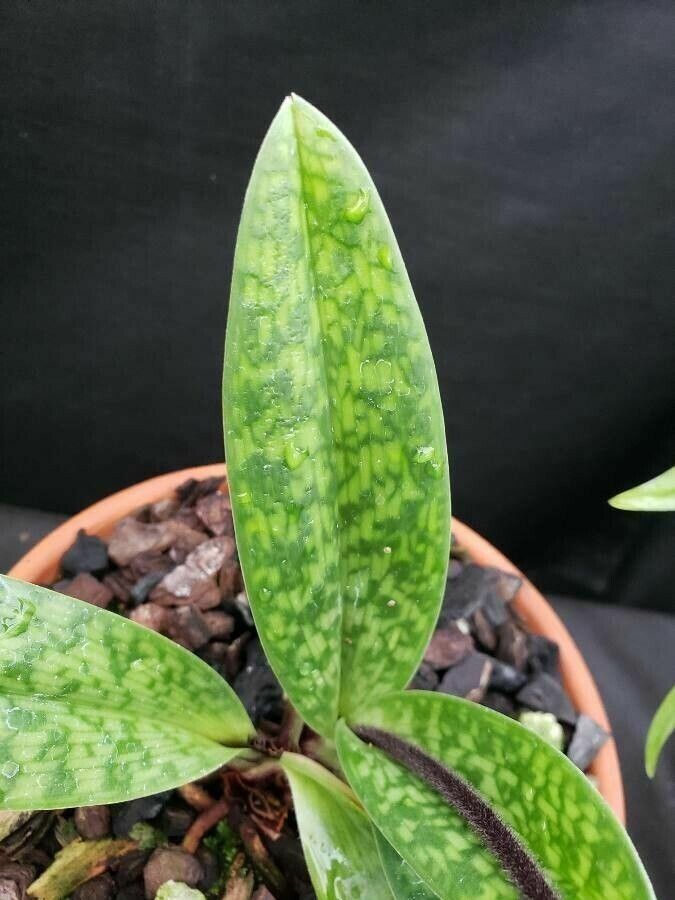
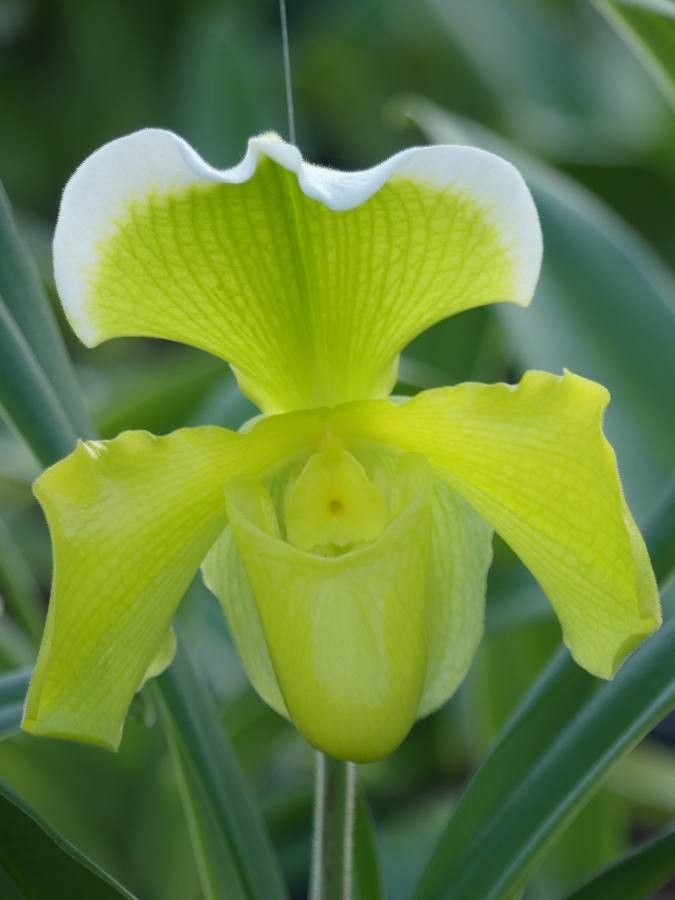
Paphiopedilum acmodontum, commonly known as the "toothed slipper orchid," is a species of orchid native to the Philippines. Belonging to the family Orchidaceae, it gets its name from its distinctive lip that resembles a tooth. This plant typically grows up to 30 cm (about 12 inches) in height and produces one or two flowers per stem, usually pink or purple with white markings.
Paphiopedilum acmodontum thrives in shaded, high-humidity environments such as rainforests. It requires well-draining soil and regular watering, but caution must be taken to avoid overwatering, which can cause root rot.
This orchid has gained popularity among collectors due to its unique appearance and rarity. Unfortunately, it is also considered endangered in its natural habitat, primarily because of habitat loss from deforestation and overcollection for commercial purposes.
Conservation efforts are underway, spearheaded by organizations such as the Philippine Orchid Society. These efforts include educational programs on sustainable harvesting practices for collectors and preserving natural habitats to ensure the survival of these remarkable plants.
Pointed tooth paphiopedilum typically shows good disease resistance and is subject to relatively few insect pests. Its care is considered difficult because it demands high humidity along with good ventilation and a low presence of harmful pathogens. Too much water can result in root rot. Although anyone can grow Pointed tooth paphiopedilum, more growing experience is required to keep it healthy and encourage it to flower again.
How to keep Paphiopedilum Acmodontum.
Light
Pointed tooth paphiopedilum is native to habitats like forest understories and rocky areas, where it grows in natural shade. It prefers partial sun but can adjust to full sun or full shade, showing its versatility and hardiness.
Temperature
Pointed tooth paphiopedilum does best in warm conditions. It prefers moderately high temperatures but not extreme heat and humidity. Sunlight warms the plant and encourages it to bloom. Still, long periods of direct sun in summer can cause sunburn, so the amount of light it gets should be regulated during that season. The plant generally does not tolerate cold well, so it needs proper protection and warmer conditions in winter to avoid freezing.
Fertilizer
Pointed tooth paphiopedilum needs the most fertilizer during its active growth period, which takes place mainly in spring, summer, and early fall. Fertilization is necessary to supply essential nutrients that may be missing from the soil, supporting healthy root and stem development as well as the attractive foliage that is a key feature of this plant.
Pot & Repot
When repotting Pointed tooth paphiopedilum, select a slightly larger pot with good drainage, ideally a clear orchid pot. Use an orchid-specific, well-draining mix that includes bark or moss. Carefully clean the roots and cut away any that are dead or rotting. Repot after flowering—usually in spring or fall—water thoroughly, and place the plant in bright, indirect light. Avoid disturbing the roots once it has been repotted.
Botanical profile.
- Plant Type
- Herb
- Life Cycle
- Perennial
- Genus
- Paphiopedilum
- Family
- Orchidaceae
- Hardiness Zone
- 11-12
- Mature Height
- 20 cm to 30 cm
- Mature Spread
- 25 cm to 34 cm
- Leaf Color
- Dark Green, Forest Green
- Leaf Type
- Evergreen
- Flower Color
- Green, White
- Flower Size
- 7.62 cm to 10.16 cm
- Bloom Time
- All year round
- Planting Time
- Summer
- Harvest Time
- All year round
- Native Area
- Philippines
Other names.