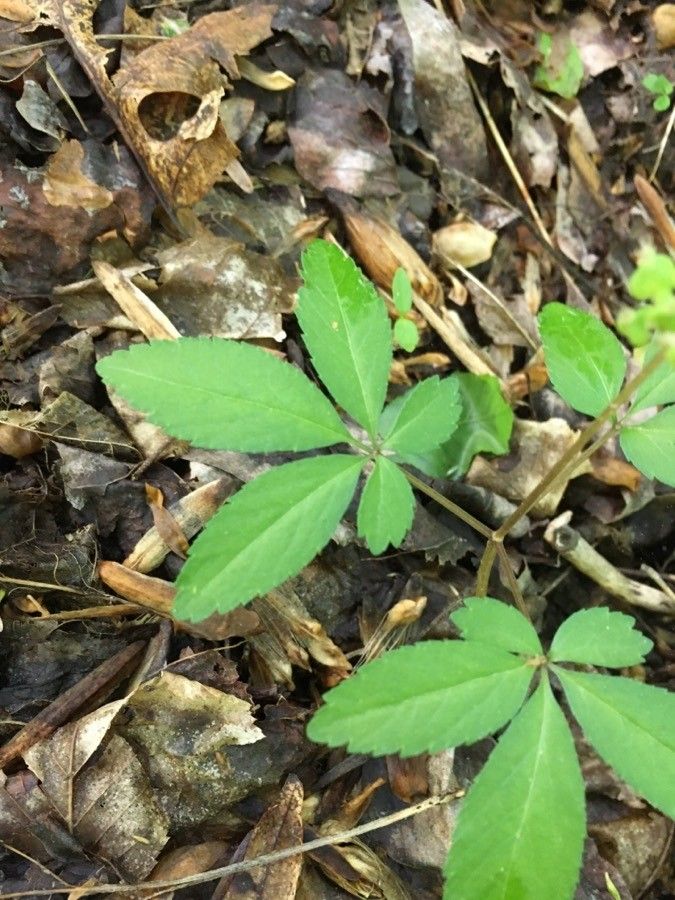
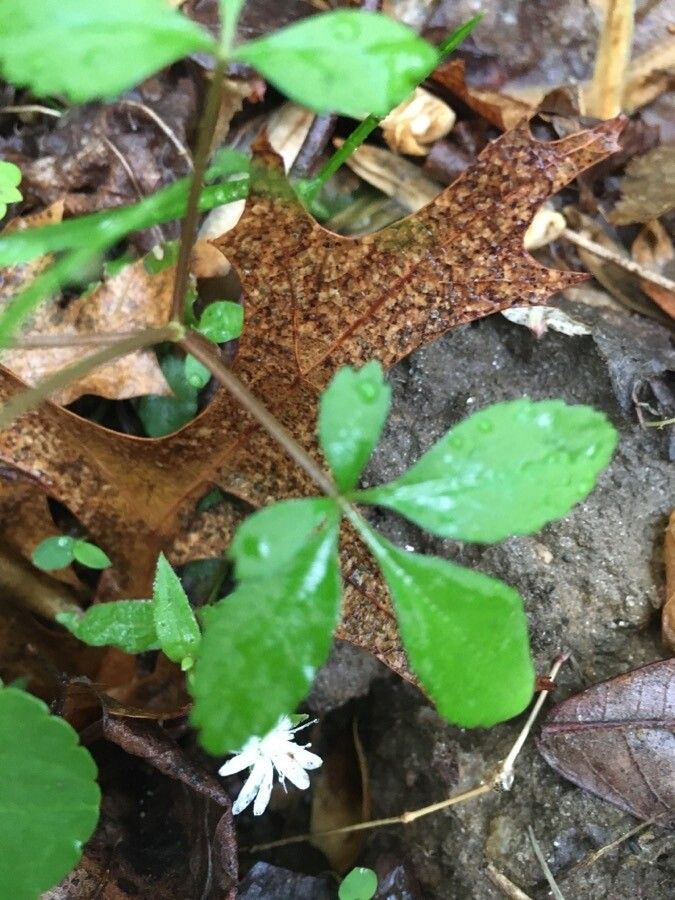
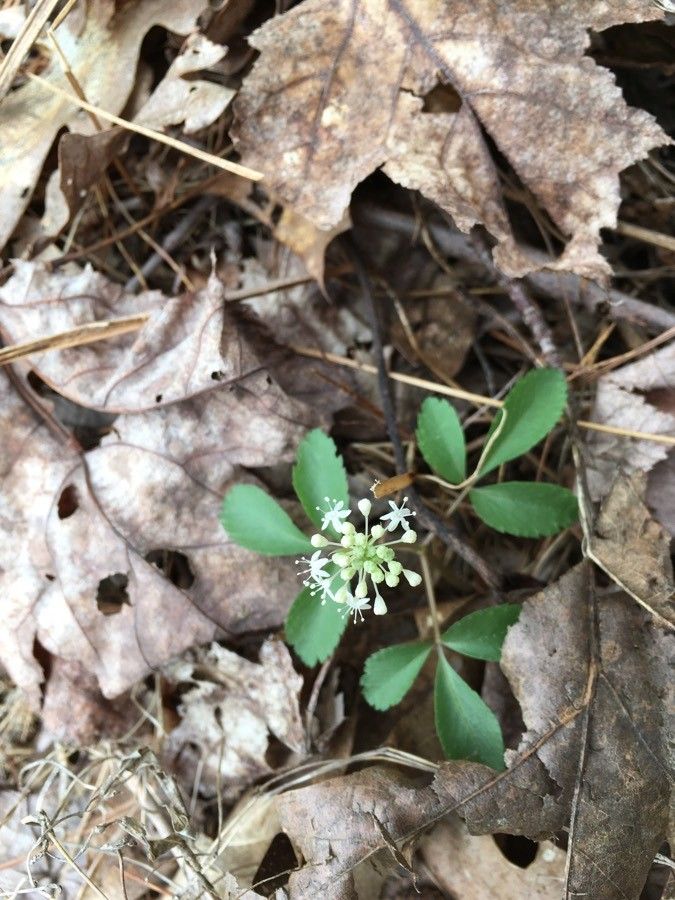
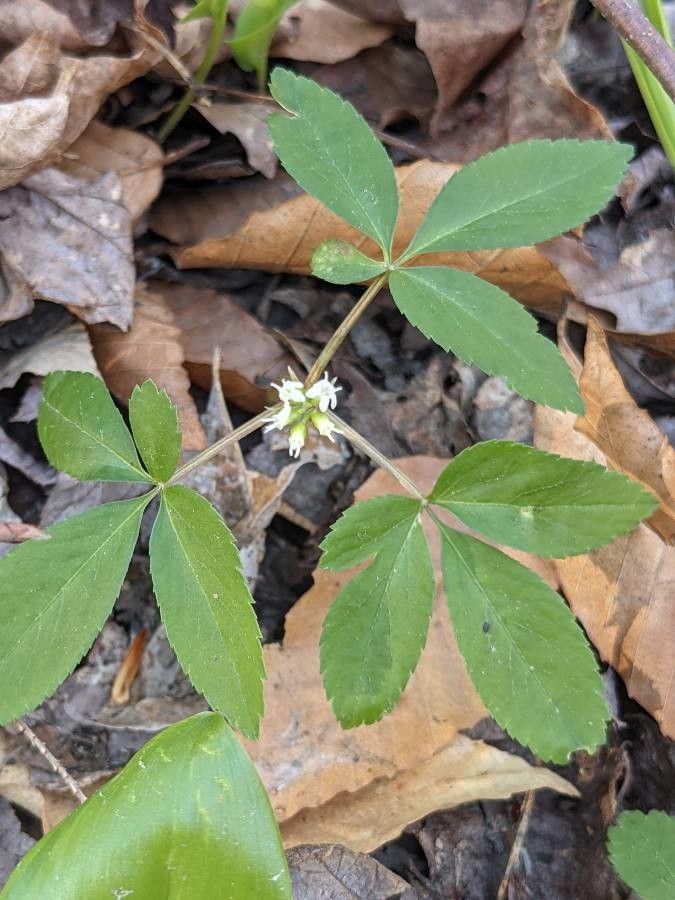
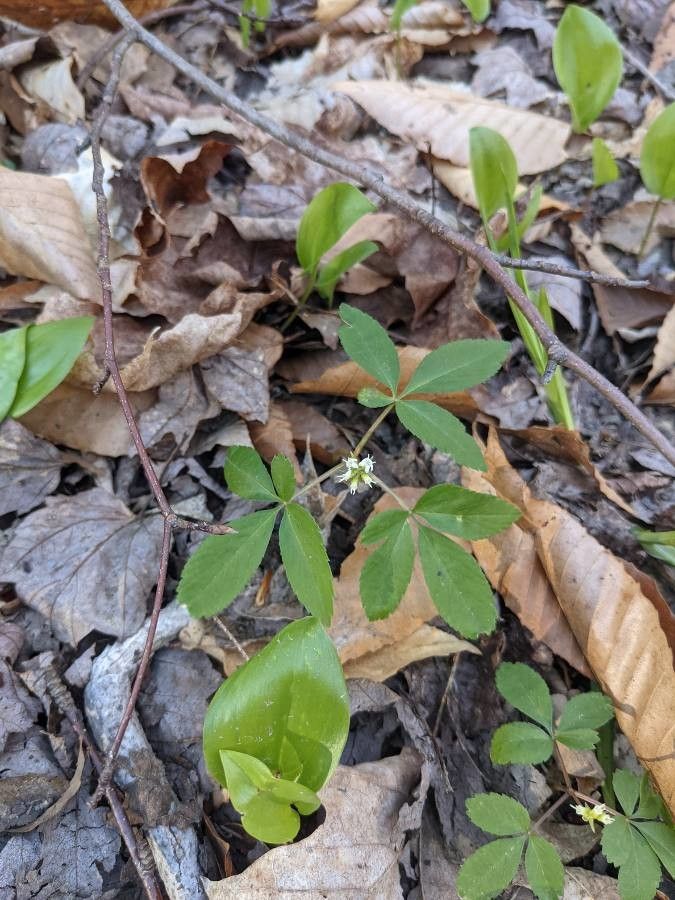
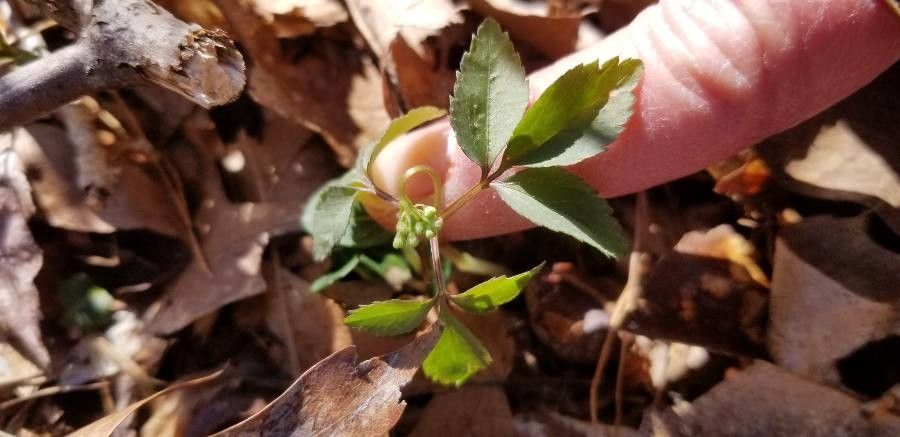
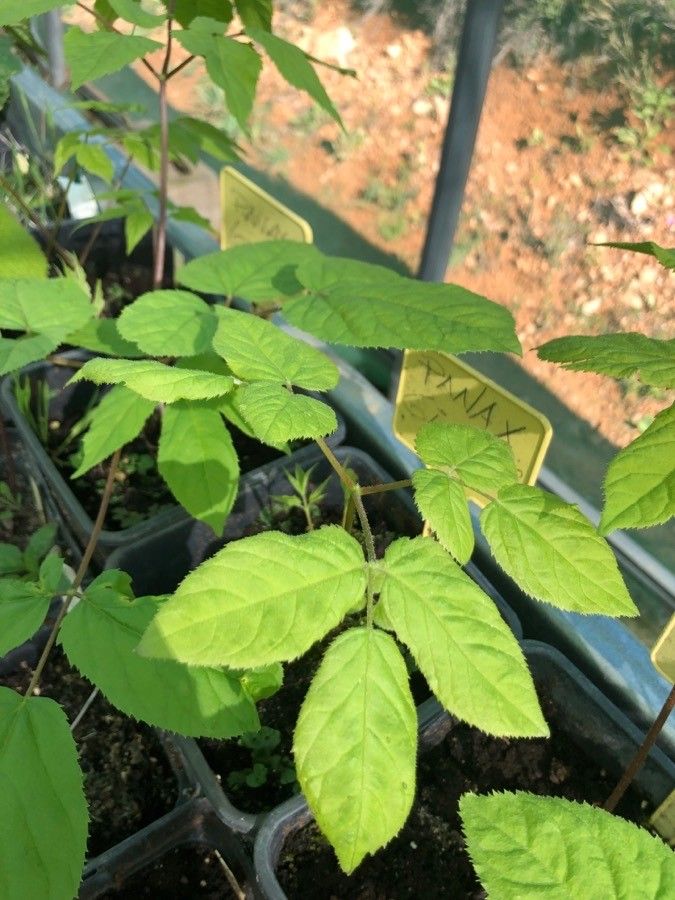
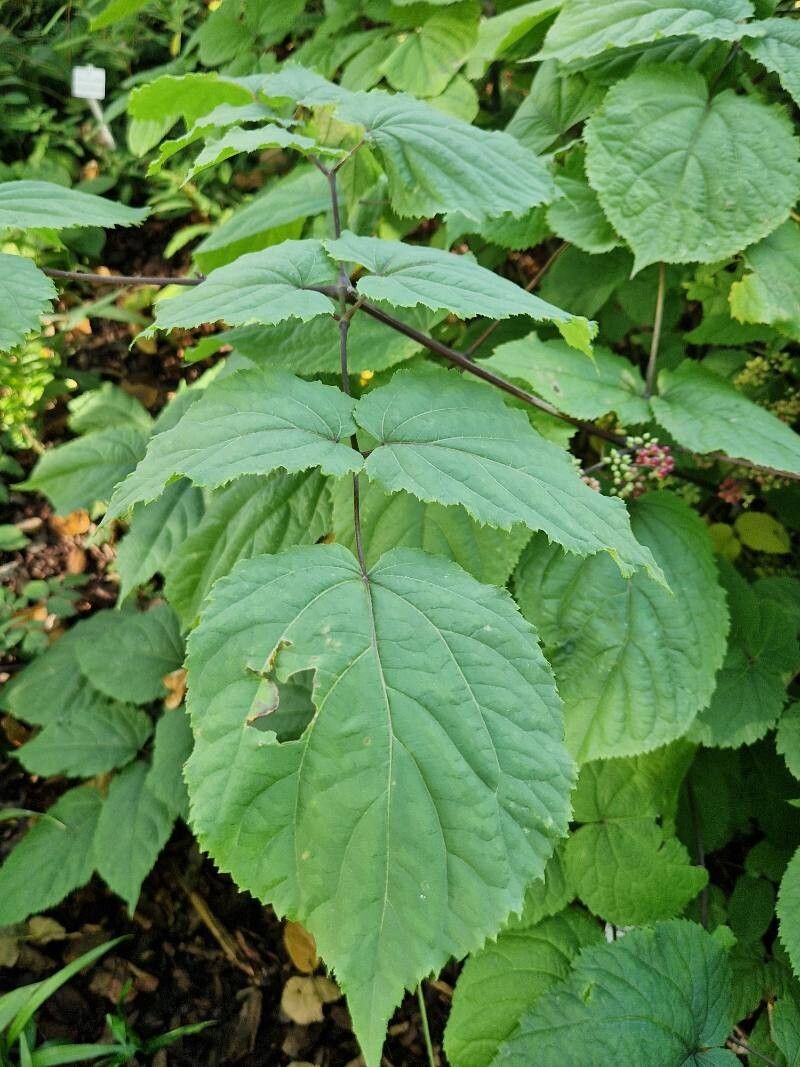
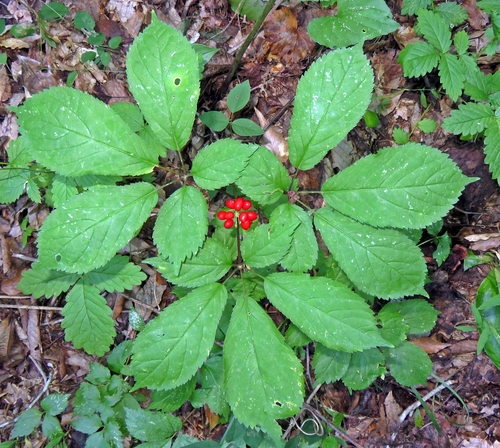
Panax trifolius, commonly called dwarf ginseng, is plant native to the Northeastern and Appalachian regions of North America. It is found in low mesic woods with acidic soils.It produces an umbel of white flowers in late spring. This species was used for traditional medicine by Native Americans. Its tubers can be eaten raw or boiled.
Dwarf ginseng is fairly resistant to disease and typically not prone to illnesses. However, it can be affected by pests and diseases present in its environment. These infections are usually not severe. For care, the plant needs a moderate amount of maintenance. It should be pruned regularly to keep a good appearance and support healthy growth. Fertilizing can also help encourage flowering. Dwarf ginseng is suitable for anyone with outdoor space, such as a garden or patio, and does not require much care experience. It may need more attention when grown indoors.
How to keep Panax Trifolius.
Light
Dwarf ginseng does best with moderate sunlight, like that of its native forest understory. That light level greatly affects its growth and health. It can, however, persist in locations with reduced sun exposure. Both too little and too much light can cause its condition to worsen.
Water
Dwarf ginseng thrives in consistently moist, well-drained soil, typical of its native deciduous forest habitat. To mimic its natural environment, it should be watered weekly. Being an herbaceous perennial, dwarf ginseng grows best outdoors, taking advantage of rainwater during its active growing season.
Temperature
Dwarf ginseng is native to environments with temperatures ranging from 32 to 90°F (0 to 32℃). In colder months, it is advisable to raise the temperature slightly, while in warmer months the temperature should not exceed its upper preferred limit.
Fertilizer
One application of fertilizer in spring is generally enough for Dwarf ginseng, although repeated feedings can maximize growth. Feed every month to every month and a half. Fertilizing improves the leaves’ appearance and function, helping maintain uniform color and a healthy texture. It also promotes root development and nutrient uptake for the plant’s long-term health.
Pruning
Dwarf ginseng is distinguished by its unique clusters of small white flowers that resemble umbrellas, as well as its stems that bear three leaves. The best time to prune this plant is from early to late spring. During pruning, focus on removing dead or diseased stems to encourage bushier growth and enhance air circulation, which is essential for minimizing fungal problems.
Botanical profile.
- Plant Type
- Herb
- Life Cycle
- Perennial
- Genus
- Panax
- Family
- Araliaceae
- Hardiness Zone
- 3-7
- Mature Height
- 10 cm to 20 cm
- Mature Spread
- 61 cm
- Leaf Color
- Green
- Leaf Type
- Deciduous
- Flower Color
- White
- Flower Size
- 0.25 cm
- Bloom Time
- Early spring, Mid spring
- Planting Time
- Spring, Summer, Autumn
- Harvest Time
- Early summer, Mid summer
Other names.
Reader questions.
What do I do if I give my Dwarf ginseng plant too much or too little water?
Both overwatering and underwatering can harm your Dwarf ginseng, but overwatering is the more common problem. When this species gets too much water, its stems and leaves may wilt and turn yellow. Overwatering for a long time can also cause diseases like root rot, mold, and mildew, which can kill your plant. Underwatering is less likely, as Dwarf ginseng can handle drought well. However, it can still happen, and when it does, the leaves may become brittle and brown. To care for your Dwarf ginseng, it's important to notice signs of overwatering early. Some diseases caused by overwatering, like root rot, may not be fixable if you wait too long. If you see early signs of overwatering, reduce watering right away. Check the quality of the soil. If it drains poorly, replace it with a loose, well-draining potting mix. If you notice signs of underwatering, simply water more regularly until the signs improve.
What are the sunlight requirements for Dwarf Ginseng (Panax trifolius)?
Dwarf Ginseng requires moderate sunlight exposure but can adapt to varying light conditions. Partial sun, consisting of about 3-6 hours of sunlight daily, is ideal. However, it can also survive in full shade, where it receives less than 3 hours of sunlight. It's beneficial to observe the movement of sunlight through your garden to ensure that the plants are placed in locations offering an optimal balance of light and shade. This observational strategy is crucial for the plants' health and growth, as both insufficient and excessive light can negatively affect the plant.
What is the ideal temperature range for Dwarf Ginseng?
Dwarf ginseng thrives in environments where the temperature ranges from 32 to 90°F (0 to 32°C). To encourage optimal health and growth, it's recommended to slightly elevate the temperature during colder months, ensuring it doesn't fall below the plant's comfort zone. Conversely, during warmer months, care should be taken to not exceed its maximum temperature preference. This balancing act helps ensure the dwarf ginseng remains healthy throughout the year.
How often do I need to water my Dwarf ginseng plant?
If your Dwarf ginseng is in a pot, the easiest way to determine if it needs water is to stick your finger into the soil. If the top two to three inches of soil are dry, it's time to water it. If you're growing your Dwarf ginseng outside in the ground, you can use the same method to test the soil. When the first few inches of soil have dried out, it's time to water. In the spring and early fall, you'll usually need to water once a week using this method. During extremely hot weather, you may need to increase watering to twice a week or more. However, mature and well-established Dwarf ginseng plants can handle drought well.
What essential conditions are needed for the growth of Dwarf Ginseng?
Dwarf Ginseng thrives best with moderate sunlight exposure, which is typical of its natural forest understory habitat. This light condition significantly influences its health and growth. Although it can survive in less sunny areas, the plant may experience health deterioration if exposed to too little or too much light. For indoor plants, artificial light serves as an essential substitute for natural sunlight, especially during winter or in less sunny spaces. LED lights are recommended for their ability to be customized to specific plant needs, with full sun plants requiring 30-50W/sq ft, partial sun plants needing 20-30W/sq ft, and full shade plants requiring 10-20W/sq ft. Proper distance (12-36 inches above the plant) and duration (8-12 hours per day) of light exposure are key factors to mimic natural sunlight conditions.
How does Dwarf Ginseng react to cold weather, and what measures should be taken before winter?
Dwarf ginseng is remarkably cold-tolerant and doesn't necessitate additional frost protection during winter. However, to better prepare it for colder weather, it's advisable to water the plant generously before the first freeze of autumn. This practice ensures that the soil remains moist and enters a frozen state, which is crucial for preventing drought and water scarcity during the winter and early spring months, thus supporting the plant's health during these critical periods.
How much water does my Dwarf ginseng plant require?
When watering your Dwarf ginseng, make sure you give it plenty of water. Wait until the first two to three inches of soil are dry, then water the plant until the soil is completely soaked. Be sure to add enough water so that it drains through the holes at the bottom of the pot. If you don't see excess water draining, you likely haven't watered enough. However, be careful not to let the water accumulate in the soil, as this will harm the plant. If you notice that water doesn't drain well from the pot, it's important to avoid using soil that doesn't drain properly, as it can be harmful to the plant. If your Dwarf ginseng is outdoors, it will only need about 1 inch of rain per week.
What are the symptoms of light deficiency in Dwarf Ginseng?
In conditions of insufficient light, Dwarf Ginseng can exhibit several symptoms indicating stress or poor health. These include smaller new leaves, leggy or sparse growth, faster leaf drop, slower or halted growth, paler new leaves, and chlorosis (yellowing leaves due to the breakdown of chlorophyll). Excessive sunlight can cause sunscald, leaf curling as a defensive response to minimize water loss, wilting due to increased water loss through transpiration, and leaf scorching, characterized by brown, dry edges on leaves.
What should be done if Dwarf Ginseng experiences temperatures below -35°C?
Although Dwarf Ginseng is extremely cold-tolerant, winter temperatures should ideally be kept above -35°C. Should temperatures fall below this critical threshold, the plant may show no noticeable changes during winter; however, there could be a decrease in sprouting or even a complete lack of sprouting in spring. To rectify this, any parts of the plant that have failed to sprout by spring should be removed. This helps in mitigating the effects of extreme cold on the plant's health and its ability to regenerate.
How should I water my Dwarf ginseng at different times it is growing?
The water needs of the Dwarf ginseng can vary depending on its growth stages. In the early years and after transplanting, it requires more water. During these stages, the plant focuses on growing new roots, which need extra moisture to support future growth. As it matures, the Dwarf ginseng requires less water. Additionally, during the bloom period, it may need more water due to the increased moisture demands of flower development.
How can I manage and improve light conditions for Dwarf Ginseng?
To optimize growth and health, it's crucial to gradually adapt Dwarf Ginseng to its ideal light conditions. For indoor plants, progressively moving them to sunnier spots weekly until they achieve the desired 3-6 hours of direct sunlight is beneficial. Using artificial lighting, like desk or ceiling lamps for at least 8 hours daily or investing in grow lights, can supplement natural light. Outdoors, plants should also be moved gradually to sunnier spots to prevent sunburn, avoiding abrupt changes in light intensity. In the ground, removing obstructions and transplanting during the dormant period can improve sunlight exposure. Unfortunately, parts of the plant that have already suffered from inadequate light may not recover, but new growth should be healthy post adjustment.
What steps should be taken if Dwarf Ginseng is exposed to high temperatures?
Dwarf Ginseng does not fare well in high temperatures, particularly those exceeding 32°C, at which point its growth may halt and the risk of rot increases. To combat this, sunburnt or dried-up parts of the plant should be trimmed away. Relocating the plant to a spot with shade during the midday and afternoon sun, or using a shade cloth, can provide much-needed relief. Additionally, watering the plant in the morning and evening will help keep the soil consistently moist, aiding the plant in coping with the stress of high temperatures.